American Wedding Traditions
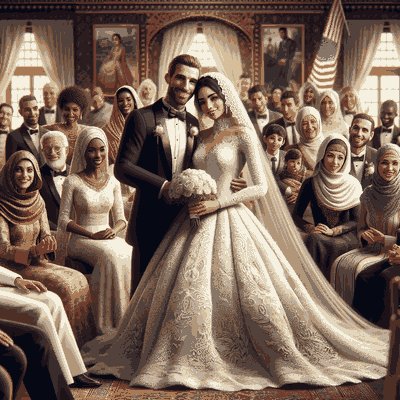
What Makes American Wedding Traditions Unique?
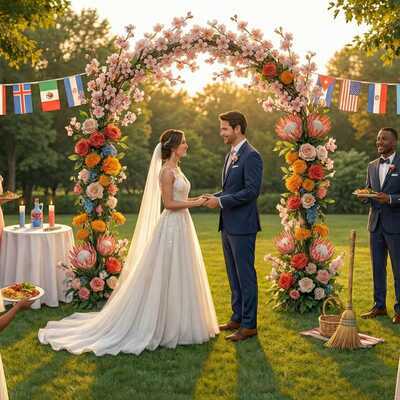
American wedding traditions represent a distinctive fusion of customs from multiple cultural sources, adapted and evolved over generations. Unlike weddings in many other countries that follow strict cultural or religious protocols, American weddings are characterized by their flexibility and personalization. The United States wedding industry is one of the largest in the world, supporting everything from bridal fashion to event planning services.
Key Characteristics of American Weddings:
- Cultural Fusion: Blending traditions from European, African, Asian, and Latin American cultures
- Regional Variations: Distinct customs varying by geographic location and local heritage
- Personal Choice: Couples select which traditions to include based on preference
- Evolution: Continuous adaptation reflecting changing social values and technology
- Inclusivity: Increasing acceptance of diverse couple configurations and cultural backgrounds
Pre-Wedding Traditions in American Culture
What is an American Engagement Tradition?
An engagement in American culture is a formal agreement to marry that typically involves a proposal with a ring, public announcement, and a celebration period. The tradition of diamond engagement rings became standard after De Beers’ 1947 marketing campaign “A Diamond is Forever,” and diamond rings remain the most popular choice for engagements.
The Proposal Process
Modern American proposals have evolved from simple questions to elaborate productions. Many proposals today involve unique locations or personal touches, while most still follow the tradition of presenting an engagement ring. Budgeting for rings has become increasingly personalized, moving away from older guidelines.
Engagement Announcements and Parties
An engagement party is a celebratory gathering held after a proposal to formally announce the upcoming marriage to family and friends. These events range from intimate dinners to large cocktail parties, with regional variations:
- Northeast: Formal cocktail parties in private clubs or restaurants
- South: Garden parties or country club gatherings with receiving lines
- West Coast: Casual beach gatherings or wine tastings
- Midwest: Family-style dinners or backyard barbecues
How Do Bridal Showers Work in America?
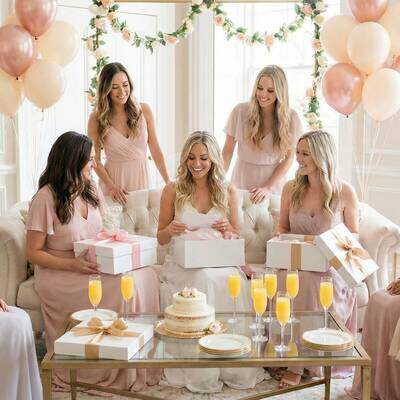
A bridal shower is a gift-giving party held before the wedding where friends and relatives “shower” the bride with presents for her new household. This tradition has roots in European history when a bride’s father disapproved of her chosen groom and refused to provide a dowry, prompting her friends to shower her with gifts.
Traditional Bridal Shower Elements:
- Timing: Usually held on weekend afternoons, 2-8 weeks before wedding
- Guest List: Typically guests who are also invited to wedding
- Activities: Opening gifts publicly, playing themed games, sharing advice
- Food: Light lunch or tea service with cake decorated in wedding theme
- Gifts: Household items from wedding registry
Modern Shower Variations:
- Couples’ Showers: Including both partners and mixed-gender guests
- Themed Showers: Kitchen, lingerie, travel, or hobby-specific gift themes
- Virtual Showers: Online gatherings for geographically dispersed guests
- Experience Showers: Group activities like cooking classes or spa days
What Happens at Bachelor and Bachelorette Parties?
Bachelor and bachelorette parties are pre-wedding celebrations where the bride and groom separately celebrate with their closest friends, typically involving travel, group activities, and commemorating the transition to married life. Originally single-night events, many now span entire weekends.
Popular Bachelor Party Destinations and Activities:
- Las Vegas, Nevada: Gambling, shows, nightlife
- Nashville, Tennessee: Live music, brewery tours, outdoor activities
- Miami, Florida: Beach clubs, fishing charters, nightlife
- Austin, Texas: BBQ tours, live music, outdoor adventures
- Local Activities: Sporting events, golf outings, whiskey tastings
Popular Bachelorette Party Trends:
- Scottsdale, Arizona: Spa resorts, pool parties, desert activities
- Charleston, South Carolina: Historic tours, beach time, Southern cuisine
- Napa Valley, California: Wine tastings, hot air balloons, luxury accommodations
- New Orleans, Louisiana: Jazz clubs, culinary tours, festive atmosphere
- Wellness Retreats: Yoga, meditation, healthy cuisine experiences
Wedding Attire Traditions and Their Meanings
Why Do American Brides Wear White Wedding Dresses?
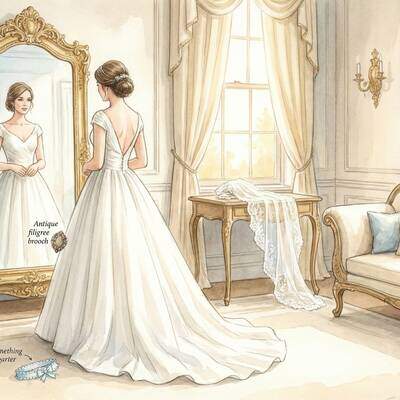
The white wedding dress is a bridal gown traditionally made in white or ivory fabric, symbolizing purity and new beginnings, which became standard in American weddings after Queen Victoria wore white to marry Prince Albert in 1840. Before this royal influence, American brides wore their best dress regardless of color. Today, most American brides still choose white or off-white gowns, though this tradition is evolving, similar to trends seen in British and Irish weddings.
Evolution of American Bridal Fashion:
- 1920s-1940s: Dropped waists, Art Deco details, shorter hemlines
- 1950s-1960s: Full skirts, fitted bodices, inspired by Grace Kelly
- 1970s-1980s: Prairie influences, Princess Diana-inspired poufs
- 1990s-2000s: Minimalist sheaths, strapless gowns
- 2010s-Present: Diverse silhouettes, sustainable options, cultural fusion
Modern Bridal Dress Trends:
- Color Variations: Blush, champagne, and occasionally bold colors
- Sustainable Choices: Vintage, rented, or pre-owned gowns
- Price Ranges: Wide range from budget-friendly to luxury designer
- Shopping Timeline: Typically purchased 8-12 months before wedding
What Does “Something Old, New, Borrowed, Blue” Mean?
“Something old, something new, something borrowed, something blue” is a traditional rhyme dictating four items a bride should wear for good luck, with each element carrying specific symbolic meaning for the marriage. This Victorian-era tradition remains popular, with many American brides incorporating at least three of the four elements.
Symbolic Meanings and Modern Interpretations:
- Something Old: Continuity with the past - Common choices: Family jewelry, vintage handkerchief, heirloom veil
- Something New: Optimism for the future - Common choices: Wedding dress, shoes, jewelry
- Something Borrowed: Transferred good fortune - Common choices: Jewelry from married friend, veil, clutch purse
- Something Blue: Fidelity and love - Common choices: Garter, shoe soles, dress detail
How Have Groom’s Wedding Attire Traditions Evolved?
The tuxedo is formal evening wear consisting of a dinner jacket with satin lapels, matching trousers with satin stripe, and formal accessories, which became standard American groom’s attire in the early 20th century. The garment originated at Tuxedo Park, New York, in 1886, when Griswold Lorillard wore a tailless dinner jacket to the autumn ball.
Contemporary Groom’s Attire Options:
- Classic Black Tuxedo: Still a popular formal choice
- Navy or Gray Suits: Preferred by many for versatility
- Casual Options: Khakis and blazers for beach weddings
- Cultural Attire: Traditional dress from heritage
- Seasonal Variations: Lighter colors for summer, velvet for winter
Wedding Ceremony Traditions and Customs
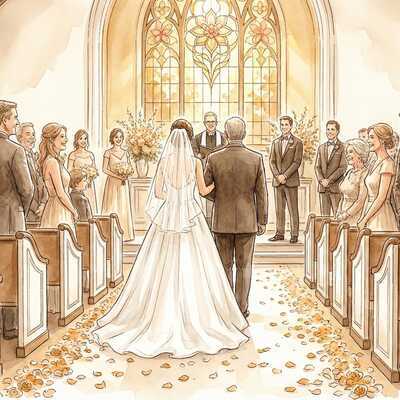
What is the Traditional American Wedding Processional Order?
The wedding processional is the formal entrance of the wedding party at the ceremony’s beginning, following a specific order that traditionally symbolizes the bride’s transition from her father’s family to her husband’s family. This ritual has evolved significantly from its patriarchal origins to reflect modern family structures and values.
Traditional Processional Order:
- Grandparents: Seated by ushers (both sides)
- Parents of Groom: Mother escorted, father follows
- Mother of Bride: Escorted to seat, signals ceremony start
- Groomsmen: Enter from side or walk down aisle
- Bridesmaids: Walk individually or in pairs
- Maid/Matron of Honor: Precedes bride
- Ring Bearer and Flower Girl: Ages 3-8 typically
- Bride and Escort: Traditionally father, increasingly both parents
Modern Processional Adaptations:
- Both Parents Escorting: Chosen by many brides
- Walking Alone: Selected by some brides
- Same-Sex Couples: Creative entrances from opposite sides (meeting in middle)
- Blended Families: Including children from previous relationships
- Non-Traditional Music: Personal songs replacing wedding marches
Why Don’t Couples See Each Other Before the Ceremony?
The tradition of not seeing each other before the wedding is a superstition dating from arranged marriages, when preventing the groom from seeing the bride ensured he wouldn’t change his mind about marriages arranged for economic reasons. Today, this tradition persists for many couples who value the emotional impact of seeing each other at the altar.
First Look: A Modern Alternative
A “first look” is a private moment before the ceremony where the couple sees each other for the first time on their wedding day, typically captured by photographers. This modern tradition offers benefits:
- Private emotional moment without audience pressure
- Extended photography time before ceremony
- Reduced pre-ceremony anxiety for both partners
- More reception time with guests after ceremony
What Are Unity Ceremonies in American Weddings?
Unity ceremonies are symbolic rituals performed during the wedding ceremony that visually represent two individuals becoming one married unit, with the unity candle being the most traditional American version. These ceremonies provide a meaningful visual element and often result in a keepsake for the couple’s home. Many couples incorporate elements from Catholic or Jewish traditions into their unity ceremonies.
Popular Unity Ceremony Types:
- Unity Candle (popular choice) - Two taper candles light one pillar candle - Originated in American churches in the 1970s - Often includes family participation
- Sand Ceremony (widely used) - Different colored sands poured into single vessel - Popular for beach and outdoor weddings - Creates permanent keepsake
- Handfasting (growing in popularity) - Celtic tradition of binding hands with cord - Source of phrase “tying the knot” - Increasingly popular in secular ceremonies
- Tree Planting - Combining soil from each person’s childhood home - Environmentally meaningful option - Living symbol of growing relationship
- Wine Box Ceremony - Sealing letters and wine to open on anniversary - Creates future celebration tradition - Personalizable to couple’s preferences
Wedding Reception Traditions
What Happens During the Wedding Reception Grand Entrance?
The grand entrance is the formal introduction of the newly married couple and their wedding party as they enter the reception venue, typically accompanied by music and applause from guests. This tradition evolved from formal ball presentations and serves to transition from ceremony solemnity to reception celebration.
Traditional Grand Entrance Format:
- Wedding Party Introduction: Pairs announced with names and roles
- Music Selection: Upbeat songs chosen by couple
- Creative Elements: Props, choreography, or themes
- Couple’s Introduction: “For the first time as husband and wife” (traditional)
- Immediate Transition: Usually to first dance or dinner service
Regional and Cultural Variations:
- New Orleans: Second line parade with brass band and umbrellas
- Jewish Weddings: Immediate transition to hora circle dance
- Hispanic Weddings: Mariachi band accompaniment
- Modern Trends: Choreographed dances, costume changes, surprise elements
How Did the First Dance Tradition Begin?
The first dance is the newlyweds’ initial dance as a married couple, traditionally a waltz that formally opened the dancing portion of the reception and demonstrated the couple’s social graces. This tradition has roots in European formal balls where hosts would open the dancing. Today, most American couples include a first dance, though styles vary dramatically.
First Dance Evolution:
- 1900s-1940s: Formal waltz or foxtrot to standards
- 1950s-1970s: Slow dancing to romantic ballads
- 1980s-1990s: Power ballads and contemporary hits
- 2000s-2010s: Choreographed surprises going viral
- 2020s: Mix of traditional and TikTok-inspired routines
Popular First Dance Songs by Era:
- Classic: “At Last” by Etta James, “The Way You Look Tonight” by Frank Sinatra
- Modern: “Perfect” by Ed Sheeran, “All of Me” by John Legend
- Country: “Die a Happy Man” by Thomas Rhett, “Speechless” by Dan + Shay
- Alternative: “First Day of My Life” by Bright Eyes, “Ho Hey” by The Lumineers
Why Do American Couples Cut the Wedding Cake Together?
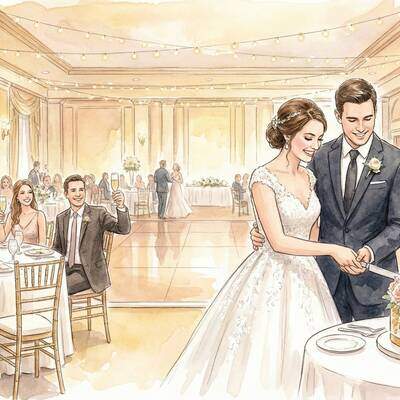
Wedding cake cutting is a ceremonial tradition where the couple makes the first cut of their wedding cake together, symbolizing their first joint task as spouses and their commitment to provide for each other. This tradition evolved from ancient Roman weddings where bread was broken over the bride’s head for fertility and good fortune.
Traditional Wedding Cake Elements:
- Multiple Tiers: Symbolizing prosperity
- White Frosting: Matching the bride’s dress, symbolizing purity
- Cake Topper: Representing the couple
- Saving Top Tier: Frozen for first anniversary (still practiced by many)
- Feeding Each Other: Symbolizing commitment to nourish relationship
Modern Cake Alternatives:
- Cupcake Towers: Easier serving, variety of flavors
- Dessert Bars: Multiple options including pies, cookies, donuts
- Groom’s Cake: Southern tradition expanding nationwide
- Cultural Desserts: Incorporating heritage through traditional sweets
- Dietary Accommodations: Gluten-free, vegan, sugar-free options
What is the History of the Bouquet and Garter Toss?
The bouquet toss is a reception tradition where the bride throws her flower bouquet backward to assembled single women, with catching it supposedly predicting who will marry next. This tradition evolved from medieval times when wedding guests would tear pieces of the bride’s dress for good luck, with the bouquet offering a safer alternative.
Traditional Toss and Modern Adaptations:
- Participation Rate: Declining in recent years
- Timing: Usually after dinner, before dancing opens fully
- Alternatives: Anniversary dance honoring longest-married couple
- Inclusive Options: All guests regardless of marital status
- Keepsake Solutions: Toss bouquet separate from bridal bouquet
The garter toss is the parallel tradition where the groom removes a garter from the bride’s leg and tosses it to single men. This tradition has more controversial origins in the medieval “bedding ceremony” and has declined more sharply than the bouquet toss, with fewer modern couples including it.
Las Vegas Wedding Traditions
The Wedding Capital of the World
Las Vegas, Nevada, has been America's wedding capital since 1931, when the state shortened its divorce residency requirement to six weeks and, in doing so, inadvertently made itself the easiest place in America to get married. What began as a practical convenience became something more lasting than anyone expected. Clark County now issues roughly 80,000 marriage licenses each year, and the city hosts ceremonies that range from a quiet exchange of vows in a sixty-year-old chapel to sunrise declarations on the rim of the Grand Canyon.
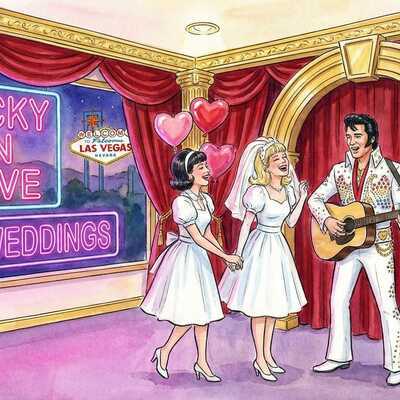
The reputation came first. The reality came after. People hear "Vegas wedding" and picture sequins, an Elvis impersonator, and a drive-through window at three in the morning. That version exists, and it has its own honest charm. But most couples who marry in Las Vegas wanted something simpler than what the wedding industry was selling them back home. No seating charts for two hundred acquaintances. No twelve-month planning cycle. Just the people who matter most and a ceremony that means what it says.
What a Las Vegas Wedding Looks Like Today
The city's chapels have been quietly evolving for decades. The Glass Gardens Chapel at Chapel of the Flowers seats over a hundred guests beneath a glass ceiling that lets the desert light do work no lighting designer could replicate. Their Victorian Chapel has been hosting ceremonies for more than sixty years, watching the city rebuild itself several times over while continuing to do the same quiet thing it has always done.
That continuity matters. In a city defined by reinvention, a place that has stayed the same for six decades is making a statement about what it values. The flowers are real. The wood is real. The couple at the altar is not performing for strangers. They are getting married.
Beyond the chapels, Las Vegas has become a destination for couples who want the desert itself as their witness. Ceremonies at the Valley of Fire and Red Rock Canyon place the vows against sandstone formations 150 million years older than anything on the Strip. The scale of the landscape does something to a ceremony. It makes the promises feel appropriately large.
Who Gets Married in Las Vegas
The couples are more varied than the stereotype suggests. First marriages and vow renewals. Elopements and gatherings of a hundred guests who flew in from four countries. Couples integrating Catholic traditions, Jewish customs, or Hindu ceremonies into their celebration, because the city's chapels have learned over many decades to honor what each couple brings with them.
International couples make up a significant share of Las Vegas weddings, particularly from the United Kingdom, Japan, and Latin America. For many, the appeal is the simplicity. Nevada's license process can be completed in minutes at the Clark County Marriage License Bureau, with no residency requirement. A couple can arrive in the morning and be married by the afternoon. That efficiency is not a shortcut. For many couples, it is the point.
The Elvis Tradition
No account of Las Vegas weddings is complete without Elvis. The tradition took root in the 1970s, after Presley's own 1967 wedding at the Aladdin Hotel, and it endures because it captures something true about what Las Vegas offers: permission to be joyful without apology. An Elvis officiant in a white jumpsuit singing "Can't Help Falling in Love" is not ironic. It is earnest in a way that catches people off guard. The laughter in the chapel is real, and so is the tenderness underneath it.
The Elvis ceremony is one tradition among many. For the full history and customs, from the neon-lit elopements of the 1950s to the destination celebrations of today, see our complete guide to Las Vegas wedding traditions.
Regional American Wedding Traditions
What Are Unique Southern Wedding Traditions?
Southern wedding traditions are customs specific to the American South that blend genteel hospitality, religious influences, and regional cultural practices into distinctive celebration elements. These traditions reflect the South’s emphasis on family, formality, and celebration, often incorporating elements dating back to the antebellum period.
Distinctive Southern Wedding Customs:
Burying the Bourbon is a Southern tradition where couples bury a full bottle of bourbon upside down at their venue exactly one month before the wedding to ensure good weather. The bottle is dug up after the ceremony and shared with the wedding party.
The Groom’s Cake is a secondary cake reflecting the groom’s personality, hobbies, or interests, traditionally chocolate and often shaped uniquely. Originated in Victorian England but became distinctly Southern, appearing at many Southern weddings.
Cake Pulls involve placing charms attached to ribbons under the wedding cake’s bottom layer before frosting. During the reception, bridesmaids pull ribbons to reveal charms predicting their futures:
- Anchor: Adventure or travel
- Ring: Next to marry
- Heart: True love coming
- Fleur de Lis: New beginnings
- Key: New home
How Do Northeastern Weddings Differ?
Northeastern wedding traditions reflect the region’s colonial history, urban sophistication, and diverse immigrant influences, creating formal yet culturally rich celebrations. These traditions often emphasize extended celebrations, formal attire, and family involvement.
Distinctive Northeast Elements:
Cookie Tables (Pennsylvania, Ohio, Western New York) feature elaborate displays of homemade cookies brought by family members, often including 5-10 varieties per family and totaling thousands of cookies. This tradition originated in Pittsburgh’s Eastern European communities, reflecting Polish and other Slavic influences.
Italian-American Sunday Gravy served at rehearsal dinners or day-after brunches in Italian-American communities throughout New Jersey, New York, and Connecticut, featuring multi-hour simmered tomato sauce with various meats.
Clambakes as rehearsal dinners or welcome parties in coastal New England, featuring lobster, clams, corn, and potatoes cooked in seaweed-lined pits or steamers.
What Defines Western Wedding Traditions?
Western wedding traditions embrace the region’s natural landscapes, frontier heritage, and outdoor lifestyle, creating ceremonies that prioritize dramatic settings and casual elegance. These traditions reflect the West’s cultural values of individualism, natural beauty, and informal social structures.
Distinctive Western Elements:
National Park Weddings utilize the West’s dramatic landscapes, with popular venues including:
- Yosemite: Valley views and meadow ceremonies
- Grand Canyon: Rim ceremonies at sunrise/sunset
- Zion: Red rock backdrops
- Glacier: Mountain lake settings
Ranch Weddings incorporate authentic Western elements:
- Barn Receptions: Rustic venues with modern amenities
- Horseback Arrivals: Bride or couple arriving on horseback
- BBQ Receptions: Locally sourced beef, family-style service
- Western Attire: Boots, hats, bolo ties as formal wear
Wine Country Traditions in California, Oregon, and Washington:
- Vineyard Ceremonies: Among the vines during golden hour
- Wine Blending: Unity ceremony creating custom blend
- Harvest Timing: September-October peak season
- Food Pairing: Multi-course dinners with wine pairings
Cultural Wedding Traditions in America
How Are Jewish Weddings Celebrated in America?
Jewish American weddings are ceremonies that blend ancient religious traditions with contemporary American customs, featuring distinctive rituals like the chuppah, ketubah signing, and breaking of the glass. These celebrations vary significantly based on denominational affiliation (Orthodox, Conservative, Reform, or Secular) and family traditions.
Essential Jewish Wedding Elements:
The Chuppah is a wedding canopy symbolizing the couple’s new home together, traditionally made of a tallit (prayer shawl) supported by four poles. Modern American chuppahkhoo-PAH designs include:
- Floral Chuppah: Covered in flowers matching wedding colors
- Family Heirloom: Using grandparents’ wedding tallit
- Natural Elements: Branches, greenery for outdoor weddings
- Portable Structures: For destination or beach ceremonies
The Ketubah is a Jewish marriage contract outlining mutual responsibilities, traditionally written in Aramaic but often translated to English. Contemporary American ketubahs feature:
- Artistic Designs: Commissioned artwork for home display
- Egalitarian Text: Modern language reflecting equal partnership
- Signing Ceremony: Witnessed before the wedding
- Personalization: Quotes, poems, or symbols meaningful to couple
Breaking the Glass concludes the ceremony with the groom (or both partners) stepping on a glass wrapped in cloth, followed by guests shouting “Mazel TovMAH-zel tohv!” This symbolizes:
- Historical Memory: Destruction of the Temple in Jerusalem
- Life’s Fragility: Reminder to cherish each moment
- Irrevocability: Marriage bond that cannot be undone
- Celebration Signal: Transition from ceremony to party
What Mexican Traditions Appear in American Weddings?
Mexican American wedding traditions are customs brought by Mexican immigrants and Mexican American families that add symbolic rituals, vibrant celebrations, and family-centered elements to weddings. These traditions are particularly prevalent in California, Texas, Arizona, and New Mexico, but have influenced wedding customs nationally.
Core Mexican American Wedding Elements:
Las Arras (Wedding Coins) are thirteen gold coins presented by the groom to the bride during the ceremony. The coins represent:
- Jesus and 12 Apostles: Religious significance
- Groom’s Commitment: Promise to provide for family
- Shared Prosperity: Mutual financial responsibility
- Family Heirloom: Often passed through generations
El Lazo (The Lasso) is a decorative rope, rosary, or flower garland placed around the couple in a figure-eight during the ceremony. This tradition:
- Symbolizes Unity: Infinite bond between spouses
- Involves Sponsors: Padrinospah-DREE-nohs who purchase and place the lazo
- Becomes Keepsake: Displayed in couple’s home
- Duration: Worn during communion or blessing portion
La Vibora de La Mar is a reception game where guests form a snake-like chain and the couple must pass under raised arms. This energetic tradition:
- Tests Couple: Agility and cooperation required
- Includes Everyone: All ages participate
- Creates Energy: Transitions to dance portion
- Varies Regionally: Different songs and rules by area
Modern Evolution of American Wedding Traditions
How Has Technology Changed Wedding Traditions?
Digital technology has transformed American weddings through online planning tools, social media integration, livestreaming capabilities, and new documentation methods that reshape how couples plan, execute, and share their celebrations. Technology adoption in weddings accelerated significantly during 2020-2021 and continues to redefine traditions.
Major Technological Impacts:
Wedding Websites serve as digital hubs providing:
- Information Central: Most couples create wedding websites
- RSVP Management: Digital responses replace mailed cards
- Registry Links: Direct access to gift registries
- Photo Sharing: Guest uploads creating crowd-sourced albums
- Updates: Real-time ceremony adjustments
Social Media Integration creates new traditions:
- Hashtag Creation: Many couples create unique wedding hashtags
- Live Streaming: Virtual attendance options increasingly common
- Instagram Moments: Dedicated photo opportunities designed for sharing
- TikTok Trends: Viral dances and surprise moments planned
- Digital Guestbooks: Video messages replace written notes
Photography Evolution through technology:
- Drone Coverage: Aerial ceremony and venue shots
- Same-Day Edits: Reception slideshows of ceremony photos
- 360-Degree Cameras: Immersive ceremony recordings
- AI Enhancement: Automated editing and guest identification
- Cloud Delivery: Immediate access to professional photos
What Sustainable Wedding Traditions Are Emerging?
Sustainable wedding practices are environmentally conscious approaches to celebrating marriages that minimize waste, support local economies, and reduce carbon footprints while maintaining meaningful traditions. The green wedding movement has grown substantially since 2019, influencing every aspect of celebrations.
Sustainable Practice Categories:
Venue and Location Choices:
- Local Venues: Reducing guest travel emissions
- Outdoor Spaces: Minimizing decoration needs
- LEED-Certified Buildings: Environmentally designed spaces
- Farm Venues: Supporting agricultural preservation
- Public Parks: Low-impact natural settings
Attire and Decoration Sustainability:
- Vintage Dresses: Growing number choose pre-owned gowns
- Rental Options: Tuxedos, dresses, and accessories
- Living Centerpieces: Potted plants guests can take home
- Biodegradable Confetti: Flower petals, herbs, or seeds
- LED Lighting: Energy-efficient ambiance creation
Catering and Consumption:
- Farm-to-Table: Prioritizing local sourcing
- Plant-Forward Menus: Reduced meat consumption
- Composting Programs: Managing food waste
- Reusable Serviceware: Eliminating disposables
- Donation Programs: Leftover food to shelters
How Are Gender Roles Changing in Wedding Traditions?
Modern American weddings increasingly reject rigid gender roles in favor of inclusive practices that honor all couple configurations and individual preferences regardless of gender identity. These changes reflect broader social evolution and have accelerated since marriage equality became law in 2015. #### Gender-Neutral Tradition Adaptations:
Wedding Party Evolution:
- Mixed-Gender Parties: Many include opposite-gender attendants
- Non-Binary Roles: “Wedding attendant” replacing gendered titles
- Both-Side Support: Friends stand with closest partner
- Equal Numbers: No requirement for matching party sizes
- Role Flexibility: Shared best person speeches and duties
Ceremony Modifications:
- Processional Options: Both partners walking together
- Vow Equality: Identical or complementary custom vows
- Ring Exchange: Both partners equally emphasized
- Unity Ceremonies: Designed for equal participation
- Pronouncement Language: “Partners” or “spouses” options
Reception Traditions:
- Dance Flexibility: Any configuration for first dance
- Parent Dances: All parents honored equally
- Toasts: Speaking order based on relationship, not gender
- Activities: Inclusive games avoiding gender assumptions
- Attire Freedom: All guests dress as comfortable
2025 American Wedding Trends
What Are Micro Weddings?
Micro weddings are intimate celebrations with 50 or fewer guests that prioritize meaningful connections and elevated experiences over large guest lists. This trend, accelerated by the pandemic, has evolved from necessity to preference, with many couples now choosing micro celebrations.
Micro Wedding Advantages:
- Budget Allocation: More spent per guest for elevated experiences
- Venue Flexibility: Unique locations impossible for large groups
- Personalization: Individual attention to each guest
- Culinary Excellence: Chef’s table experiences possible
- Environmental Impact: Significantly reduced carbon footprint
How Are Weekday Weddings Becoming Popular?
Weekday weddings are ceremonies held Monday through Thursday, offering cost savings and greater venue availability compared to traditional Saturday celebrations. This trend has grown significantly since 2020, particularly among millennials and Gen Z couples. Canadian couples have embraced this trend as well.
Weekday Wedding Benefits:
- Vendor Availability: Premium vendors at lower rates
- Guest Experience: Extended weekend celebrations
- Venue Options: Exclusive use more affordable
- Travel Savings: Lower accommodation and flight costs
- Intimate Atmosphere: Natural guest list curation
What Cultural Fusion Trends Are Emerging?
Cultural fusion weddings blend traditions from multiple heritage backgrounds, creating unique ceremonies that honor diverse family histories and modern multicultural relationships. With growing numbers of American marriages now interracial or interethnic, fusion celebrations have become increasingly sophisticated.
Fusion Wedding Approaches:
- Sequential Ceremonies: Multiple ceremonies honoring each tradition
- Blended Rituals: Creating new traditions combining elements
- Costume Changes: Honoring different cultures through attire
- Culinary Journeys: Multi-cultural reception menus
- Music Integration: DJs specializing in cross-cultural playlists
These evolving American wedding traditions reflect the nation’s dynamic cultural landscape, technological advancement, and changing social values while maintaining connections to historical customs that continue to provide meaning and structure to marriage celebrations.
International Wedding Influences in America
America’s melting pot culture beautifully incorporates wedding traditions from around the world:
European Influences: American weddings share many traditions with British and Irish customs, from white wedding dresses to similar reception formats. The Victorian era particularly shaped American bridal fashion and ceremony structures. German influences appear in the polka dancing at many Midwestern weddings.
Caribbean and Latin Influences: The vibrant wedding customs from Caribbean nations have influenced celebrations in Florida and New York. Mexican traditions like Las Arraslahs AH-rahs and El Lazoel LAH-so have become beloved elements in Hispanic-American weddings across the Southwest.
Pacific Island Traditions: Hawaiian weddings draw inspiration from Polynesian cultures. The lei exchange and tropical settings have made Hawaii a premier destination wedding location.
African Heritage: African-American weddings celebrate rich traditions including jumping the broom, which symbolizes the beginning of a new life together and honors ancestors.
Asian Influences: Tea ceremonies, red accents for good fortune, and other Asian customs appear in many multicultural American weddings. Indian wedding elements like henna and vibrant colors have gained popularity in fusion ceremonies, creating beautiful celebrations that honor multiple heritages.
Frequently Asked Questions
What is the average cost of an American wedding?
The average American wedding costs between $20,000 and $35,000, though prices vary significantly by region and style.
Why do American brides wear white dresses?
White wedding dresses became popular after Queen Victoria's 1840 wedding, symbolizing purity. Today, while still traditional, brides increasingly choose other colors.
What is the 'something old, new, borrowed, blue' tradition?
This Victorian tradition represents continuity (old), optimism (new), borrowed happiness, and fidelity (blue). Each item is meant to bring good luck to the bride.
How much do Americans typically spend on engagement rings?
The average engagement ring cost in America is approximately $5,900, though spending varies widely based on personal preference and budget.
What is a unity ceremony in American weddings?
Unity ceremonies symbolize two becoming one, commonly using candles, sand-pouring, or handfasting to represent the union.
Are weekday weddings becoming more common?
Yes, weekday weddings are increasing in popularity as couples seek cost savings and venue availability, especially post-pandemic.
What is the Southern bourbon burial tradition?
Southern couples bury a bottle of bourbon upside down at their venue one month before the wedding to ensure good weather on their day.
How common are Elvis weddings in Las Vegas?
Elvis-themed ceremonies represent 15-20% of Las Vegas weddings, remaining a popular choice for both planned and spontaneous ceremonies.
What is a wedding cookie table?
A Pittsburgh/Northeastern tradition where family members bake dozens of cookie varieties to share with wedding guests, symbolizing community and heritage.
How are modern couples incorporating technology into weddings?
Couples use technology for virtual guest attendance, digital planning tools, social media integration, and sustainable paperless communications.