Catholic Wedding Traditions: Why Zero Divorces Happen in This Croatian Town (And How You Can Copy Their Secret)
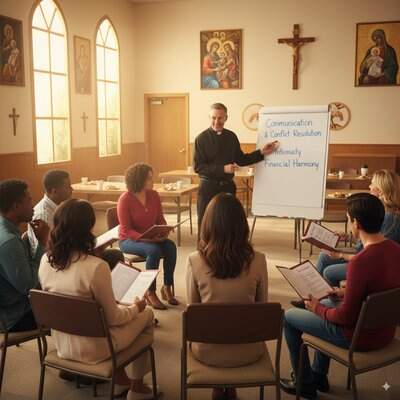
Why Venue Choice Matters for Your Marriage
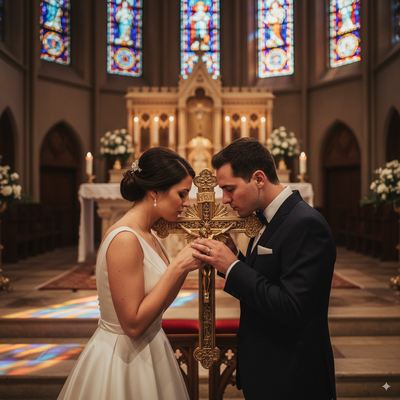
Church weddings often correlate with stronger marriages, not because the building itself has special properties, but because the choice reflects priorities that support marital resilience.
Consider this: Couples choosing churches despite logistical challenges demonstrate meaningful commitment. They prioritize the sacrament over aesthetics, involve their faith community from day one, and create accountability beyond just family. The mindset behind the choice matters as much as the location.
💰 Budget Consideration:Church ceremonies typically range from $800-$2,000 USD including donations, musicians, and flowers. Many beach or destination venues cost $5,000-$15,000 USD just for the location. That difference could fund other important wedding elements or future goals.
The Psychology Behind Sacred Spaces
Couples who marry in church settings often report different conflict resolution patterns. During disagreements, they may turn to prayer more frequently and seek counseling through parish programs (often free or low-cost) rather than expensive private therapists. The community you marry in can become the community that sustains you.
Making Outdoor Venues Work Spiritually
With bishop permission, outdoor ceremonies can maintain spiritual significance through:
- Portable altar blessed and transported from church
- Consecrated ground blessing performed pre-ceremony
- Unity ceremonies using holy water and blessed items
- Sacred music maintaining reverence despite the setting
- Processional with crucifix establishing holy atmosphere
Real Couple Story: “We wanted the beach. Our priest encouraged us to think about what the church space represented. We chose the church. During a difficult patch years later, we sat in those same pews where we had said our vows. Those walls witnessed our beginning and helped us remember why we started.” - Maria & Tony, married 2018
The Croatian Crucifix Tradition: A Bedroom Reminder of Your Vows
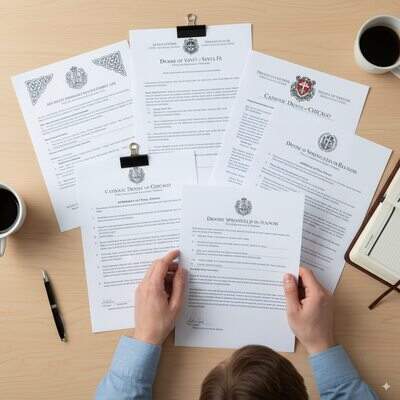
The Croatian wedding tradition of the crucifix has become famous among Catholic couples worldwide. During the ceremony, couples kiss a crucifix together, then hang it prominently in their bedroom. When conflict arises, they stand before that cross in silence until the anger subsides. Not the marriage, the anger.
The Psychology Behind the Practice
This practice essentially accomplishes what marriage therapists help couples do: stop talking, breathe, and remember something bigger exists than the current disagreement. The crucifix serves as a constant, free reminder without needing appointments.
Couples who practice this tradition report that the average “crucifix standoff” lasts only a few minutes. The physical act of standing together before a shared symbol often defuses tension before harmful words are spoken.
💡 Pro Tip:Choose a crucifix together during engagement. Having mutual investment in selecting it makes both partners more likely to respect its role during conflicts.
Modern Adaptations That Preserve the Practice
- Apartment-Friendly: Small wall crucifix in bedroom corner
- Travel Version: Portable crucifix for military or traveling couples
- Digital Age: Photo of wedding crucifix as phone wallpaper
- Interfaith Respect: Shared prayer space with multiple faith symbols
Setting Up Your Crucifix Tradition
- Selection: Choose together, budget $50-$500 USD
- Blessing: Have priest bless during ceremony or reception
- Placement: Eye level where both can see from bed
- Agreement: Establish rules while calm (no talking during standoff, both must participate)
- Practice: Use for minor disagreements first
✨ Success Story: “We have stood before our crucifix dozens of times over the years. Never once have we gone to bed consumed by anger. The fury that makes you say things you cannot unsay? That dies in front of the cross every time.” - Ana, married 2017
Pre-Cana: Marriage Preparation That Surfaces Hidden Issues
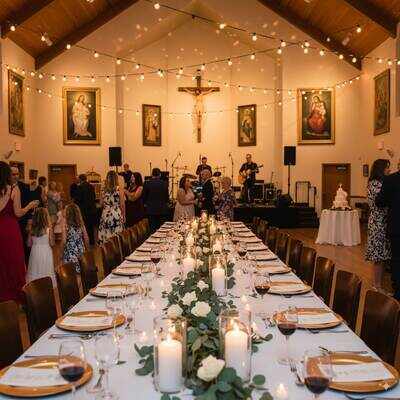
Modern Pre-Cana (marriage preparation) programs have evolved into intensive workshops that help couples identify potential issues before the wedding day. The Catholic Church considers this preparation essential for building strong foundations.
Seven Questions That Surface Important Discussions
These questions help identify potential areas of conflict:
- “If your spouse could not work, would you support them indefinitely?” - Tests: Commitment depth and financial expectations - Discussion point: What conditions, if any, would change your answer?
- “How much debt do you have, exactly?” - Tests: Financial transparency and trust - Discussion point: Are both partners comfortable sharing specific numbers?
- “If parents need care, who takes them in?” - Tests: Family loyalty and future planning - Discussion point: Have you discussed this with extended family?
- “How many children do you want, and what if you cannot have them?” - Tests: Fertility expectations and alternatives - Discussion point: Are you aligned on adoption, fertility treatments, or living child-free?
- “How often do you expect intimacy in marriage?” - Tests: Intimacy expectations and communication - Discussion point: Can you discuss this comfortably together?
- “What spending amount requires discussing with your spouse first?” - Tests: Financial boundaries and respect - Discussion point: Have you agreed on a threshold?
- “What happens if one partner experiences a faith crisis?” - Tests: Spiritual commitment and flexibility - Discussion point: How will you support each other through doubt?
💰 Investment Perspective:Pre-Cana costs $100-$400 USD but can help prevent the financial and emotional costs of marital problems later.
Natural Family Planning: A Shared Responsibility Approach
Natural Family Planning (NFP) is not the rhythm method. It is scientific fertility awareness that requires communication between partners. Couples using NFP report:
- Deeper communication about intimate matters
- Shared responsibility for family planning
- Regular conversations that build intimacy beyond the physical
Modern NFP methods, when used correctly and consistently, can be highly effective. According to the United States Conference of Catholic Bishops, these methods approach the effectiveness of other family planning options when properly taught and practiced.
Method Options:
- Creighton: Medical-grade charting, helpful for health monitoring ($200-$400 USD training)
- Marquette: Includes hormone monitoring device ($200 USD plus supplies)
- Billings: Observation-based method ($100-$200 USD training)
- Symptothermal: Combines multiple fertility signs ($150-$300 USD training)
Las Arras: The Thirteen Coins Tradition from Spain
Las Arras (wedding coins) originate from Spanish wedding traditions and address finances, often cited as a leading cause of marital stress, through sacred symbolism. Couples who discuss the coins’ meaning during preparation often find it easier to talk about money throughout their marriage.
What Each Coin Represents
Each coin creates a monthly commitment framework:
- January Coin: “We start fresh financially each year”
- February Coin: “Love matters more than money”
- March Coin: “We grow our wealth together”
- April Coin: “We recover from financial mistakes”
- May Coin: “We consider major purchases carefully”
- June Coin: “We practice generosity”
- July Coin: “We maintain some independence”
- August Coin: “We save for our future”
- September Coin: “We seek wisdom for decisions”
- October Coin: “We are thankful for what we have”
- November Coin: “We honor our commitments”
- December Coin: “We celebrate within our means”
- Christ Coin: “God remains center of our finances”
The Presentation Ceremony
During the ceremony, padrinos de arras (coin sponsors) present coins while the priest explains their meaning. The couple verbally accepts each coin’s responsibility before witnesses, creating public accountability for their financial partnership.
Modern Adaptations That Preserve Meaning:
- Travel Coins: Thirteen coins from meaningful locations
- Family Coins: Mix of heritage currencies from both families
- Time Capsule Coins: Current year coins to open at anniversaries
- Charity Connection: Matching donation to thirteen causes
💡 Practical Application:Display coins where financial decisions happen. The visual reminder reinforces ceremony promises.
Global Catholic Traditions That Enrich Western Weddings
Vietnamese Catholic: The Tea Ceremony Blending Cultures
Vietnamese wedding traditions masterfully blend ancestor veneration with Catholic sacrament. Before the church ceremony, couples perform a tea ceremony with Catholic elements.
The Catholic-Adapted Tea Ceremony:
- Ancestral Altar Setup: Photos of deceased relatives alongside crucifix
- Incense Offering: Blessed incense honors the faithful departed
- Tea Service: Couple kneels and serves tea to living parents
- Parental Blessing: Parents pray for the couple
- Rosary Gift: Parents present blessed rosaries, connecting meditation traditions with Catholic prayer
The ceremony takes 30-45 minutes, involves extended family, and creates intergenerational blessing that many Western weddings lack.
💡 Hidden Meaning:The tea represents both bitter and sweet life moments shared. Parents’ acceptance signals approval and blessing.
Incorporating Vietnamese Elements:
- Ao Dai with Catholic Symbols: Traditional dress with cross embroidery
- Processional Gifts: Traditional items brought to the altar
- Bilingual Ceremony: Readings in Vietnamese and English
- Ancestral Remembrance: Naming deceased relatives during prayers
Real Wedding Story: “My Irish family did not understand why we needed a tea ceremony before church. Then they saw four generations of my Vietnamese family blessing us, grandmothers crying while holding rosaries their mothers had given them. My dad said it was the most moving religious moment he had witnessed.” - Linh & Patrick, 2019
Nigerian Catholic: Where Joy Becomes Sacred
Nigerian wedding traditions bring unmatched celebration energy to Catholic ceremonies. Where Western weddings often whisper, Nigerian weddings sing. Where others walk, Nigerians dance.
The Money Dance Tradition: Despite appearances, the money dance represents community investment:
- Public demonstration of support for the couple
- Extended family showing commitment to the marriage
- Joy expressed as a form of blessing
- Community accountability through contribution
Nigerian wedding celebrations often last many hours, with drums accompanying responses and joy extending the celebration naturally.
Incorporating Nigerian Elements:
- Abbreviated Money Dance: 15-minute version during reception
- Traditional Drums: During processional and recessional
- Call-and-Response Prayers: Congregation actively participates
- Colorful Attire: Encourage African prints for reception
- Extended Celebration: Plan for longer reception time
Lebanese Maronite: Crowns and Celebration
Lebanese wedding traditions in the Maronite Catholic rite include ancient customs that predate many Roman practices. The Zaffe (wedding procession) and crowning ceremony transform couples into symbolic royalty.
The Zaffe Celebration: Professional drummers and dancers create energy that:
- Announces the marriage joyfully
- Involves the entire congregation
- Includes blessing with holy water throughout
- Costs $2,000-$5,000 USD but creates unforgettable memories
The Triple Crowning Ceremony:
- First Crowning: Priest places blessed crowns ($300-$2,000 USD)
- Second Exchange: Crowns switched representing unity
- Third Exchange: Final placement sealing the bond
- Circular Procession: Three trips around the altar as crowned couple
- Home Display: Crowns become a bedroom altar centerpiece
⚔
️ Meaningful Symbolism:Crowns displayed in the bedroom remind couples of their sacred dignity during ordinary life.
Real Catholic Wedding Budgets: Three Examples
The $5,000 USD Parish Community Wedding (100 guests)
Sarah and Michael’s Approach:
- Church ceremony: $500 USD
- Parish hall rental: $400 USD
- Community-prepared food: $1,500 USD supplies
- Borrowed decorations: $200 USD additions
- Friend photographer: $500 USD
- Family DJ: $300 USD
- Dress (sample sale): $400 USD
- Suit (owned): $0 USD
- Flowers (wholesale): $300 USD
- Digital invitations: $100 USD
- Favors: $300 USD
- Beverages: $500 USD Total: $5,000 USD
✨ Their Approach: “We asked our parish community to help as a wedding gift. Many families contributed time or materials. It felt like a biblical feast, a multiplication of generosity.”
The $25,000 USD Traditional Balance (200 guests)
Anna and Joseph’s Planning:
- Cathedral ceremony: $1,500 USD
- Hotel venue: $3,000 USD
- Catering ($75/person): $15,000 USD
- Photography/videography: $3,500 USD
- Flowers/decorations: $2,000 USD
- Attire: $2,500 USD
- Music (live band): $1,500 USD
- Invitations: $400 USD
- Transportation: $600 USD Total: $25,000 USD
💡 Smart Choices:Friday evening ceremony saved money. Off-peak month avoided premium pricing. Buffet service reduced costs.
The $50,000 USD Full Celebration (300 guests)
Isabella and Christopher’s Investment:
- Cathedral: $3,000 USD
- Historic venue: $8,000 USD
- Full catering/bar: $30,000 USD
- Photo/video team: $5,000 USD
- Flowers/decor: $4,000 USD
- Live band: $3,000 USD
- Attire: $4,000 USD
- Transportation: $1,500 USD
- Invitations: $800 USD
- Traditions: $1,700 USD Total: $52,000 USD
💡 Perspective:Generous gifts from Las Arras tradition offset a significant portion of costs.
Reception Elements That Support Faith
Grace Before Meals
Catholic receptions traditionally begin with formal grace that sets the spiritual tone.
Meaningful Grace Structure: “Heavenly Father, [specific thanks for the couple’s journey], we ask You to bless [this meal and gathering], may this celebration [specific hope for the marriage]. Through Christ our Lord. Amen.”
Cultural Fusion Options:
- Include phrases in heritage languages
- Reference cultural food traditions being served
- Thank specific family members for contributions
- Connect the meal to the Wedding at Cana
The Anniversary Dance
This tradition honors marriage veterans while inspiring newlyweds:
- All married couples dance
- Couples sit by years: “Married less than one year, please sit…”
- Continue: 5 years… 10 years… 25 years…
- Last couple standing shares wisdom
- Receives special honor
- Photo opportunity with milestone couples
📸 Photo Suggestion:Capture couples at 10, 25, and 50+ years with newlyweds for a visual representation of the marriage journey ahead.
Reception Activities That Build Community
Marriage Advice Cards (Alternative to guestbook):
- Each table receives a different anniversary year (1, 5, 10, 25, 50)
- Guests write advice for that specific year
- Sealed until the appropriate anniversary
- Creates a time capsule of wisdom
Saint Matching (During cocktail hour):
- Guests receive saint cards
- Must find their “match” for dinner seating
- Encourages mingling and conversation
- Introduces Catholic traditions playfully
Your Catholic Wedding Preparation Checklist
12 Months Before: Foundation Setting
☐ Contact parish for requirements ☐ Research Pre-Cana programs ☐ Select wedding date with alternatives ☐ Confirm sacramental requirements (Confirmation, etc.) ☐ Begin NFP classes if interested ☐ Consider patron saint selection
6 Months Before: Spiritual Preparation
☐ Complete Pre-Cana sessions ☐ Meet with priest regularly ☐ Finalize ceremony traditions ☐ Select crucifix for home ☐ Arrange Las Arras coins ☐ Choose music selections
3 Months Before: Tradition Integration
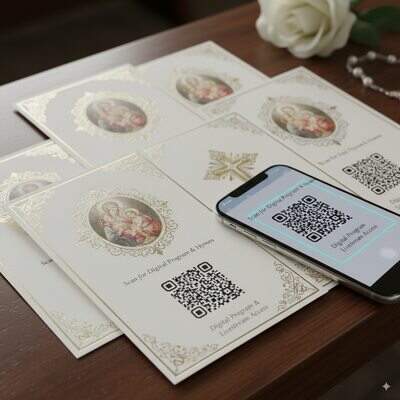
☐ Finalize cultural elements ☐ Arrange tradition sponsors/padrinos ☐ Complete marriage license requirements ☐ Plan reception grace ☐ Design programs with explanations ☐ Schedule confession
1 Month Before: Sacred Preparation
☐ Day of reflection or retreat ☐ Final meeting with priest ☐ Blessing of rings/coins/crucifix ☐ Practice ceremony with wedding party ☐ Begin personal prayer or novena ☐ Write letters to each other
Week Before: Spiritual Focus
☐ Daily Mass if possible ☐ Confession 2-3 days before ☐ Morning fast on wedding day (optional) ☐ Private prayer time ☐ Gratitude prayers for the journey ☐ Prepare bedroom crucifix placement
Your Next Sacred Steps
Every tradition mentioned builds marriages on foundations designed to endure. Whether you incorporate Vietnamese tea ceremonies, Irish blessing traditions, Italian family customs, or Filipino faith practices, the common thread is intention.
💡 Your Action Items:
- Contact your parish office soon (popular dates book quickly)
- Choose your bedroom crucifix together
- Start honest financial conversations
- Register for Pre-Cana classes
- Pray together, even briefly
Your wedding day will be imperfect. Someone may faint, an uncle may give an awkward toast. But within that beautiful imperfection, something sacred occurs: two become one before God and community.
Contact your parish to begin your journey. The best preparation for a lasting marriage starts long before the wedding day.
Frequently Asked Questions
How long is Catholic marriage preparation (Pre-Cana)?
Catholic marriage preparation, known as Pre-Cana, typically requires 6 months of preparation before the wedding. This includes weekend retreats costing $300-$500 or weekly series at $150-$400, covering essential topics through the FOCCUS inventory's 189 questions. Studies show Pre-Cana graduates have approximately 30% lower divorce rates.
What is the FOCCUS test in Catholic marriage preparation?
The FOCCUS inventory is a comprehensive 189-question assessment required during Pre-Cana that examines everything from finances to faith, helping couples discover potential conflict areas before marriage. It generates a detailed report highlighting relationship strengths and growth areas, forming the foundation for counseling sessions with trained mentor couples.
How much does a Catholic wedding cost in 2025?
Catholic weddings in 2025 cost anywhere from $8,000 to $50,000 depending on location - practical Milwaukee versus exuberant Miami. Parish hall receptions average $15-$30 per guest versus $100-$300 at hotels. Additional Catholic-specific costs include Pre-Cana ($150-$500), dispensations for interfaith marriages ($500-$1,000), and traditional items like Las Arras coins ($50-$3,000).
What are Las Arras (13 coins) in a Catholic wedding?
Las Arras are thirteen gold or silver coins representing Jesus and his twelve apostles, exchanged during Hispanic Catholic weddings. The groom places blessed coins in the bride's hands as a pledge of support, which she returns accepting his dedication. Traditional 24-karat gold sets cost $1,000-$3,000, silver versions $75-$200, with many families passing down heirloom sets.
Is Natural Family Planning required for Catholic marriage?
Yes, Natural Family Planning (NFP) education is required during Pre-Cana regardless of family planning intentions. Modern NFP methods using basal body temperature tracking, cervical mucus observations, and calendar calculations show 95-99% effectiveness when properly applied - comparable to the pill without side effects.
Can Catholics marry non-Catholics?
Catholics can marry non-Catholics with proper dispensation, which takes 3-6 months minimum. 'Mixed marriages' (Catholic + baptized Christian) and 'disparity of cult' (Catholic + non-baptized) require different permissions. Catholics must formally promise to maintain their faith and raise children Catholic. The process costs $500-$1,000 including applications and enhanced Pre-Cana.
What is the Croatian wedding crucifix tradition?
In the Croatian tradition from Siroki-Brijeg (where the divorce rate is zero), couples kiss a blessed crucifix instead of each other during the ceremony, then hang it above their bed. When conflicts arise, they stand together before this crucifix for prayer or reflection. Crucifixes range from simple wood ($100-$200) to ornate metalwork ($500-$1,500).
What is El Lazo ceremony in Catholic weddings?
El Lazo is a decorative rope or rosary draped around the couple in a figure-eight infinity pattern during Hispanic Catholic ceremonies, physically manifesting 'what God has joined together.' Materials include silk cord, traditional rope, fresh flowers, or rosary beads. The lazo remains on the couple throughout the ceremony, requiring practiced coordination during movement.
How far in advance should you book a Catholic church wedding?
Book your Catholic church wedding 12-18 months in advance, especially for June and September dates. Start Pre-Cana immediately after engagement as popular programs fill quickly. Interfaith marriages need additional time for dispensations (3-6 months minimum). Parish halls for receptions should also be reserved 12-18 months ahead.
What is handfasting in Catholic weddings?
Handfasting, which gave us the phrase 'tying the knot,' involves wrapping a cord around the couple's clasped hands during the ceremony. This Celtic tradition integrated into Catholic practice creates a visceral 10-15 minute memory. Materials range from simple hemp rope to silk cords costing $300, often woven from both families' tartan colors.
What documents are required for Catholic marriage?
Catholics need recent baptismal certificate, confirmation certificate, Pre-Cana completion certificate, and freedom to marry affidavits. Non-Catholics require baptismal certificate (if applicable) and religious background information. Both parties need civil documents and witness statements. Interfaith marriages require additional dispensation paperwork and pastor recommendation letters.
Can you have a Catholic wedding during Lent?
Catholic weddings during Lent are permitted but discouraged, with restrictions on flowers and decorations to maintain the season's penitential character. Some parishes limit or prohibit Lent weddings entirely. Good Friday and Holy Saturday weddings are strictly forbidden. Consult your parish priest early about specific Lenten restrictions.
What are wedding coin sponsors (Padrinos de Arras)?
Padrinos de Arras are successfully married couples who present the thirteen coins for blessing and serve as lifetime marriage mentors. They're chosen for their strong marriages and spiritual wisdom, not financial ability. Their role extends beyond the wedding day, providing ongoing guidance and support throughout the couple's marriage.
How much do parish hall wedding receptions cost?
Parish hall receptions cost 60-75% less than hotel venues, averaging $15-$30 per guest compared to $100-$300 at commercial locations. Church volunteer networks often provide authentic ethnic foods and service. For example, 2,000 homemade pierogi might cost $600 in ingredients versus $8,000 at restaurants.
What is a Catholic wedding Mass vs ceremony?
A Catholic wedding Mass includes full Eucharistic celebration lasting 75-120 minutes, while a ceremony-only format runs 30-45 minutes without Communion. Interfaith marriages often choose ceremony-only to avoid awkward Communion logistics where non-Catholic guests can't participate. Both are valid sacramental marriages.