Chad Wedding Traditions
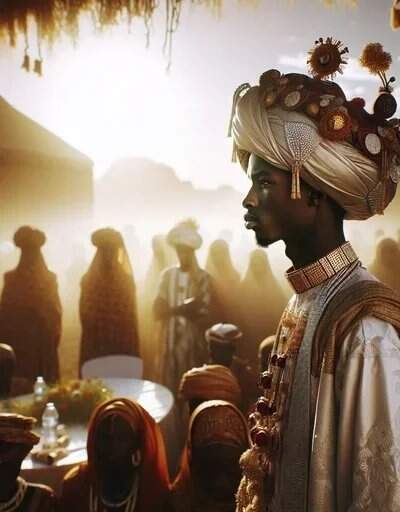
Complete Chad Wedding Process Timeline
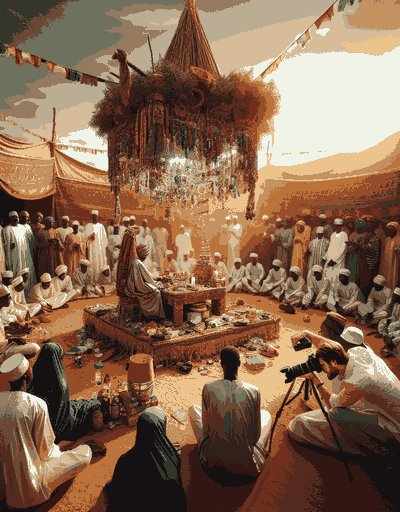
- 12-18 months before: Initial family discussions and partner selection
- 6-12 months before: Formal engagement and bride price negotiations
- 3-6 months before: Pre-wedding ceremonies begin
- 1-3 months before: Final preparations and community involvement
- Wedding week: 3-7 day celebration with multiple ceremonies
- Post-wedding: 1-4 weeks of transition rituals
Pre-Wedding Traditions and Ceremonies
What Are Chad Courtship and Engagement Rituals?
Chad courtship rituals are traditional partner selection practices that vary across ethnic groups, ranging from family-arranged matches to the Wodaabewo-DAA-bay’s famous beauty contests where men compete for women’s attention. These centuries-old practices ensure compatibility, strengthen community bonds, and preserve cultural heritage across Chad’s diverse population.
Contemporary courtship in Chad blends traditional and modern approaches:
- Urban areas: Many couples now choose their own partners
- Rural communities: Extensive family participation remains common
- Average courtship period: 6-18 months
- Family approval: Required in the vast majority of marriages
The Wodaabe Gerewol Festival Courtship
The Gerewol festival is an annual Wodaabe courtship ceremony held September-October where young men wearing elaborate makeup and jewelry perform beauty contests for several days while marriageable women select partners. This tradition, recognized by UNESCO’s Intangible Cultural Heritage program, is practicedDurbalidur-BAH-leed’s Durbali region as well as in neighboring Niger.
Key cGerewolgeh-reh-WOHLts of the Gerewol (wo-DAA-bay geh-reh-WOHL):
- Male preparation time: Several hours of makeup application daily
- Dancers: Dozens of men per clan gathering
- Selection process: Women judges evaluate height, teeth whiteness, eye movements
- Outcome: Many participants form new relationships
Bride Price Negotiations (Dot)
Bride price (dot) is a customary economic and symbolic exchange between families in Chad, traditionally consisting of livestock but increasingly including cash payments. This prsadaksah-DAHKe, known as sadak (sah-DAHK) in Arabic-speaking regions, demonstrates the groom’s ability to provide and honors the bride’s family.
Regional bride price variations:
- Northern Chad (Toubou): Camels and livestock
- Southern Chad (Sara): Agricultural products and farm service
- Eastern Chad (Arab communities): Gold jewelry plus livestock
- Lake Chad (Kanembu): Household goods
- Urban areas: Cash payments are increasingly common
Contemporary negotiations typically involve:
- Initial meeting: Groom’s family presents formal request
- Assessment period: 2-4 weeks for bride’s family consideration
- Negotiation sessions: Multiple meetings to agree on terms
- Payment schedule: Often paid in installments
- Final agreement: Witnessed by community elders
Pre-Wedding Celebrations
Chad pre-wedding celebrations are community gatherings held 1-3 months before the wedding that include ceremonial dances, henna ceremonies, and lineage recitations. These events publicly acknowledge the union and involve extended family networks.
Traditional pre-wedding events include:
Sara presentation dances (sah-RAH):
- Duration: 2-3 hours
- Features the bride’s ceremonial presentation to extended community
- Inclndonn-DOHs traditional ndo (nn-DOH) dance performances
Arab henna ceremonies (hin-NAH):
- Duration: 4-6 hours
- Participanmousamimatmoo-sah-mee-MAHTcalled mousamimat (moo-sah-mee-MAHT)
- Includes intricate designs symbolizing fertility and blessing
Wodaabe lineage celebrations:
- Duration: Full worsoWOR-sovent called worso (WOR-so)
- Oral history recitations spanning several hours
- Ensures no shared ancestry within multiple generations
- Strengthens inter-clan connections
Modern additions in urban areas:
- Engagement parties with extended family and friends
- Bridal showers
- Professional photography sessions
Wedding Ceremonies
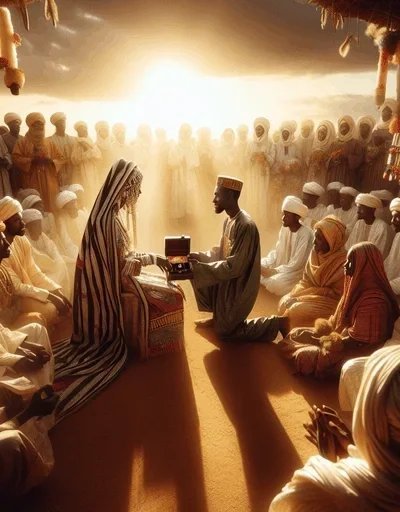
Islamic Wedding Ceremonies (Nikah)
Islamic wedding ceremonies (Nikah) are religious marriage contracts practiced by the majority of Chad’s population, involving an imam-led ceremony with gender-segregated celebrations. These ceremonies blend traditional Islamic practices with indigenous Chadian customs.
Nikahnee-KAH ceremony components (nee-KAH):
- Venue options: Mosque or family home
- Duration: Religious ceremony 30-60 minutes
- Witnesses required: Minimum 2 adult males
- Mahr (bridal gift): Paid directly to bride
- Celebration duration: 1-3 days with segregated festivities
Regional Islamic wedding variations:
- N’Djamena: Modern venues with larger guest lists
- Eastern Chad: Traditional Arab customs
- Northern Chad: Toubou-Islamic fusion ceremonies
- Central regions: Simplified ceremonies
Christian Wedding Ceremonies
Christian wedding ceremonies in Chad blend church services with traditional blessings. These ceremonies arrived through 20th-century missionary activities and have been adapted to incorporate local customs.
Christian ceremony structure:
- Church service: 60-90 minutes with vows and rings
- Traditional blessings: 30-45 minutes by elders
- Reception: Several hours of celebration
- Music: Mix of hymns and traditional songs
- Attire: White gowns with traditional accessories are common
Regional Christian variations:
- Sara Christians (Southern Chad): Retain pre-Christian blessing rituals
- Urban ceremonies: Western-style with local music integration
- Mixed-faith communities: Incorporate both Christian and traditional elements
- Rural churches: Simpler ceremonies with traditional feast emphasis
Traditional Ceremonial Rituals
Traditional ceremonial rituals are indigenous practices performed during Chad weddings that include unity ceremonies, blessing rituals, and ceremonial dances specific to each ethnic group. These rituals, practiced for centuries, remain integral to most Chad weddings regardless of religious affiliation.
Unity ceremony variations:
- Sara hand-tying: Cloth binding ritual lasting 10-15 minutes
- Kanembu milk-sharing: Single calabashKAL-ah-bash ceremony symbolizing unity
- Toubou sword blessing: Male relatives perform protective dance
- Arab incense ritual: Couple passes through purifying smoke
Blessing ritual components:
- Elder participation: Community leaders required
- Sacred materials: Water, grain, or oil depending on region
- Duration: 15-30 minutes per ritual
Traditional wedding dances by region:
- Southern Chad: Fertility dances with multiple performers
- Northern Chad: Sword dances demonstrating protection
- Eastern Chad: Circle dances with call-and-response singing
- Central Chad: Fusion dances combining multiple traditions
The Gerewol Festival: Complete Marriage Tradition
The Gerewol festival is the Wodaabewo-DAA-bay people’s elaborate multi-day marriage ceremony where young men compete in beauty contests judged by marriageable women, representing one of the world’s most unique courtship traditions. This September-October festival in Chad’s Durbalidur-BAH-lee region draws participants from multiple clans.
Festival Preparation and Timeline
Day 1-2: Clan arrivals and camp establishment
- Travel distance: Significant distances by camel or foot
- Camp setup: Several hours per family group
- Initial gatherings: Informal reunions and information exchange
Day 3-4: Preparation and practice
- Makeup preparation: Red ochreo-KER (o-KER), black kohlkohl, white chalk
- Costume assembly: Ostrich feathers, beaded jewelry, embroidered tunics
- Dance rehearsals: Several hours daily
Day 5-6: Competition days
- Yaake dance (yah-AH-kay): Endurance and beauty display
- Performance duration: Several hours in extreme heat
- Judging criteria: Height, teeth, eyes, stamina, charm
- Female judges: Eligible women from participating clans
Day 7: Selection and ceremonies
- Selection process: Women approach chosen dancers
- Many participants form relationships
- Marriage negotiations: Begin immediately if mutual interest
Modern Gerewol Practice
Contemporary Gerewolgeh-reh-WOHL observations:
- Location: Chad’s festival remains more traditional than commercialized versions elsewhere
- Tourism: Growing international interest
- Cultural preservation: UNESCO Intangible Cultural Heritage recognition
- Climate adaptations: Dates shifting due to rainfall changes
Travel tip: Visitors interested in witnessing the Gerewol should plan well in advance and arrange local guides familiar with the remote festival locations.
Reception and Celebration Traditions
Wedding Feast Celebrations
Chad wedding feasts are communal meals serving hundreds of guests over multiple days, featuring regional specialties. These celebrations demonstrate family generosity and community support through abundant food sharing.
Regional feast specialties:
Southern Chad (Sara):
- Charishah-REE River fish preparations
- Millet porridge (large quantities)
- Seasonal vegetables
Northern Chad (Toubou):
- Roasted camel (for large gatherings)
- Goat meat preparations
- Traditional breads
Eastern Chad (Arab):
- Spiced rice dishes
- Dried fruits and nuts
- Lamb preparations
Modern feast adaptations:
- Urban catering services available in N’Djamena
- Traditional family preparation remains common in rural areas
- Gender-segregated dining maintained in many weddings
- Duration varies from 1 day (urban) to 7 days (traditional)
Music and Dance Traditions
Chad wedding music and dance are essential celebration elements that vary by ethnic group, featuring traditional instruments and performances that tell cultural stories while blessing the union.
Traditional music by region:
Sara percussion ensembles:
- Instruments: Various drums, rattles, bells
- Song types: Fertility blessings, ancestral praise
- Performance duration: Several hours
Kanembu wind and percussion:
- Algaita players (al-GAI-ta): Double-reed specialists
- Calabash drums: Percussionists
- Vocal performances: Call-and-response format
Arab string ensembles:
- Oud players (ood): String specialists
- Vocal soloists: Perform wedding poetry
- Modern additions: Electronic keyboards in urban weddings
Toubou sword dances:
- Male performers in group formations
- Sword types: Traditional or ceremonial
- Symbolic meaning: Protection and strength
- Audience participation: Expected and encouraged
Contemporary music trends:
- DJ services available in urban areas
- Traditional-modern fusion popular
- Live streaming for distant relatives
- Professional sound systems increasingly common
Traditional Wedding Attire
Chad wedding attire combines cultural heritage with modern fashion, featuring regional variations in colors, materials, and adornments. Contemporary couples often wear multiple different outfits throughout their celebration.
Regional attire traditions:
Sara bridal wear:
- Layered skirts with beadwork
- Shell and bead decorations
- Elaborate headdresses
Wodaabe wedding attire:
- Indigo-dyed cloth (in-dee-GO)
- Intricate embroidery
- Facial tattoos: Permanent marking tradition
- Extensive jewelry and accessories
Northern bride traditions (Toubou/Arab):
- Red wedding garments: Symbol of fertility
- Gold jewelry
- Henna decoration
- Veil arrangements
Groom attire across regions:
- Traditional robes
- Ceremonial headwear
- Modern suits (urban)
- Multiple outfit changes are standard
Modern fashion adaptations:
- Chadian designers specializing in wedding fusion wear
- White gowns worn by many Christian brides
- Traditional accessories incorporated by most brides
- Rental services available
Post-Wedding Traditions
Transition to Married Life Rituals
Post-wedding transition rituals are ceremonial practices lasting 1-4 weeks that help brides adjust to their new families through instruction, accompaniment, and gradual integration. These traditions ensure smooth household transitions across most Chad marriages.
Traditional transition practices:
Sara bride instruction:
- Duration: 3-7 days with female elders
- Topics: Household management, family customs
- Accompaniment: Female relatives stay initially
- Success indicator: Formal acceptance ceremony
Wodaabe nomadic training:
- Suudu construction (soo-DOO): Mobile dwelling assembly
- Duration: 2-4 weeks of practical instruction
- Skills taught: Milk processing, herd management
Arab family integration:
- Trusted companion: Remains several weeks
- Daily routines: Gradual assumption of duties
- Kitchen privileges: Earned after proving competence
- Modern adaptation: Video calls with birth family
Current transition patterns:
- Patrilocal residence common in rural areas
- Independent households more frequent in cities
- Family proximity: Most live near relatives
- Adjustment period: Average 1-3 months
Marriage Gifts and Property
Marriage gift exchanges in Chad extend beyond bride price to include ongoing family exchanges establishing household property. These exchanges cement inter-family relationships and support new couples.
Traditional gift categories:
Practical household items:
- Cooking implements
- Furniture
- Livestock (rural areas)
- Agricultural tools
Modern gift trends:
- Electronics
- Home appliances
- Wedding registries (urban couples)
- Cash gifts increasingly common
Property arrangements by region:
- Northern pastoralists: Separate herds maintained
- Southern agriculturalists: Joint farm management
- Urban couples: Joint bank accounts common
- Legal framework: Customary law influences most arrangements
Community Recognition Ceremonies
Community recognition ceremonies are post-wedding events where newlyweds receive formal acknowledgment of their married status through elder blessings, public appearances, and social announcements. These practices, essential in most Chad marriages, typically occur within 1-4 weeks post-wedding.
Traditional recognition methods:
Elder blessing circuits:
- Number of visits: Multiple community leaders
- Duration per visit: 30-60 minutes
- Small gifts to elders expected
Public appearance requirements:
- Market presentations: Several appearances together
- Community events: Mandatory attendance as couple
- Religious gatherings: Formal introduction
- Recognition period: 2-4 weeks
Modern recognition adaptations:
- Radio announcements
- Social media (urban couples)
- Professional photography shared widely
Additional Chadian Wedding Traditions
The Symbolic Carrying of Fire
The fire carrying ceremony is a Sara tradition where brides transport burning embers from their mother’s hearth to establish their new household fire, symbolizing the continuity of life and family knowledge. This ancient practice continues in many rural Sara weddings.
Ceremony components:
- Ember preparation: Mother’s blessing (approximately 30 minutes)
- Transport method: Special clay vessel or metal container
- New fire lighting: Immediate upon arrival
- Symbolic meaning: Life continuity and knowledge transfer
Modern adaptations:
- Urban ceremonies: LED candles or symbolic flame
- Apartment dwellings: Ceremonial lighting of stove
- Diaspora weddings: Virtual fire ceremony via video
Communal Wedding Preparation Traditions
Communal wedding preparation involves extended family and neighbors gathering for weeks before the wedding to prepare food, decorations, and ceremonial items. These gatherings serve as important cultural transmission events.
Preparation timeline and activities:
4 weeks before:
- Initial planning meetings with family members
- Task assignments by age and gender
- Budget contributions from extended family
2-3 weeks before:
- Food preparation begins: Grinding grains, preparing spices
- Decoration creation by women working together
- Stories and songs: Cultural knowledge transmission
1 week before:
- Intensive preparation with many participants
- Daily gatherings of 4-8 hours of communal work
- Feast preparation begins
Social functions:
- Intergenerational knowledge transfer: Critical cultural preservation
- Community bonding: Strengthens social networks
- Economic cooperation: Shared resource utilization
Age-Set Marriage Traditions
Age-set marriage systems are traditional frameworks where individuals born within specific year ranges marry during designated periods, historically regulating marriage timing in some of Chad’s ethnic groups. These systems ensure age-appropriate marriages and strengthen peer bonds.
Traditional age-set structures:
- Cohort size: Groups of individuals per set
- Age range: 3-5 year spans
- Marriage window: Designated period for each set
- Selection process: Competitions or evaluations within sets
Modern influences on age-sets:
- Formal systems have declined significantly
- Informal influence still affects marriage timing expectations
- Urban areas: Few follow traditional age-set patterns
- Rural communities: Modified systems maintained in some areas
Honeymoon Practices
Chad honeymoon traditions range from traditional seclusion periods lasting 3-7 days to modern travel experiences. Contemporary couples blend traditional obligations with modern concepts.
Traditional seclusion practices:
- Duration: 3-7 days in special quarters
- Visitor restrictions: Specific times and persons only
- Food delivery: By designated family members
- Privacy importance: Establishes couple bonding
Modern honeymoon trends:
- Popular destinations: Lake Chad, Zakouma National Park
- International travel: Available for some couples
- Timing: Often delayed 1-3 months post-wedding
Regional honeymoon variations:
- Southern groups: Longer seclusion with ritual endings
- Northern nomads: New dwelling establishment process
- Urban couples: Honeymoon trips increasingly common
- Rural couples: Traditional seclusion preferred
Modern Adaptations and Current Trends
Urban Wedding Venues in Chad
Modern wedding venues in N’Djamena offer all-inclusive packages combining Western efficiency with Chadian traditions. These venues provide streamlined planning for urban professionals.
Services available in Chad’s capital:
- All-inclusive packages: Venue, catering, photography, music
- Ceremony duration: Condensed compared to traditional multi-day events
- Guest capacity: Various sizes in air-conditioned venues
- Traditional elements retained: Most include cultural ceremonies
Package components:
- Professional photography
- Video services
- Decoration themes blending Western and Chadian elements
- Catering options with traditional and international cuisine
- Music services with DJs familiar with Chadian and Western music
Technology Integration in Chad Weddings
Contemporary technology use:
- Social media: Urban couples create wedding hashtags
- Livestreaming: Broadcast to distant relatives
- Digital invitations: Used alongside traditional methods
- Online registries: Urban couples
- Drone photography: High-budget weddings
Current Wedding Trends in Chad
Trends shaping Chadian weddings:
- Condensed celebrations: Shorter than traditional week-long events
- Hybrid ceremonies: Blending religious and traditional elements
- Sustainable practices: Incorporating eco-friendly elements
- Destination weddings: Lakes of Ounianga, Ennedi Plateau gaining popularity
- Fashion innovation: Chadian designers specializing in fusion wear
- Venue diversification: Hotels, gardens, and cultural centers as alternatives
- Entertainment evolution: Traditional performers with modern sound systems
- Catering flexibility: Buffet-style replacing formal seated meals in urban weddings
- Gift preferences: Cash gifts now common
- Documentation emphasis: Professional photography/video standard in urban weddings
Climate Adaptation in Wedding Planning
Environmental changes affecting traditions:
- Shifted seasons: Gerewol dates adjusted based on rainfall
- Venue selection: Indoor options increasing
- Time adjustments: Ceremonies moved to cooler hours
- Guest comfort: Fans, tents, and cooling systems now standard
- Food safety: Enhanced preservation methods required
Diaspora Influence on Modern Weddings
Chadian diaspora wedding impacts:
- International elements: Incorporation of Western traditions
- Cultural preservation: Often stronger among diaspora communities
- Hybrid celebrations: Some couples hold ceremonies abroad and in Chad
- Economic impact: Diaspora weddings benefit local economy
- Technology bridge: Virtual participation for international guests
This comprehensive guide represents Chad’s evolving wedding landscape where ancient traditions meet modern innovations. While practices continue adapting to contemporary life, core cultural values of family, community, and heritage remain central to Chadian matrimonial celebrations. For related traditions in neighboring countries, see Nigerian wedding customs, Cameroon wedding traditions, and Sudanese ceremonies.
Frequently Asked Questions
How much does a traditional Chad wedding cost?
Traditional Chad wedding costs vary significantly by region and family means, with major expenses including bride price, feast preparations, venue and entertainment, and traditional attire. Rural ceremonies tend to be less expensive than urban celebrations, though both involve significant family investment and often community contribution.
How long do Chad wedding celebrations last?
Chad wedding celebrations typically last 3-7 days, though modern urban weddings may condense to 1-3 days while traditional rural ceremonies can extend to a full week. The duration includes pre-wedding ceremonies (1-2 days), the main wedding event (1-2 days), and post-wedding celebrations (1-3 days), with the Wodaabe Gerewol festival being the longest at 7 full days.
What is the Gerewol festival and when does it happen?
The Gerewol festival is an annual Wodaabe beauty contest held in September-October where young men wearing elaborate makeup compete for female attention over several days. Located primarily in Chad’s Durbali region, this centuries-old tradition is recognized by UNESCO as Intangible Cultural Heritage and is also practiced in Niger.
Are arranged marriages still common in Chad?
Arranged marriages remain more common in rural Chad than in urban areas, with family involvement important even in self-selected matches. While many urban couples now choose their own partners, the vast majority still seek family approval, and traditional courtship periods of 6-18 months allow families to assess compatibility.
What should guests wear to a Chad wedding?
Wedding guests typically wear traditional ethnic attire or formal clothing appropriate to their cultural group, with women in colorful boubous (boo-BOO) or wrapped fabrics and men in grand boubous or formal robes. Urban weddings may see guests in Western formal wear, while rural celebrations maintain traditional dress. Guests should avoid white (often reserved for Christian brides) or overly casual clothing.
What are typical Chad wedding gifts?
Contemporary Chad wedding gifts include cash, household items, livestock (in rural areas), or gold jewelry, with amounts depending on relationship closeness. Urban couples increasingly use gift registries, while rural weddings favor practical items like cooking implements or livestock.
Can tourists attend a Gerewol festival?
Yes, tourists can attend the Gerewol festival in Chad’s Durbali region, with growing international interest each year. The Chad festival remains more authentic than commercialized versions elsewhere. Attending requires advance planning, local guides, and respectful behavior, with September-October being the primary season depending on rainfall patterns.
What languages are spoken at Chad weddings?
Chad weddings feature multiple languages including French (official), Arabic (ceremonial), and numerous indigenous languages, with Sara, Kanembu, and Fulfulde being common at traditional ceremonies. Urban weddings typically use French and Arabic for formal proceedings, while rural ceremonies maintain indigenous languages, and important announcements are often repeated in multiple languages.
How do Muslim and Christian weddings differ in Chad?
Muslim weddings feature gender-segregated celebrations and nikah contracts, while Christian weddings include church ceremonies with mixed-gender receptions. Muslim ceremonies involve 1-3 day celebrations, while Christian weddings include both church services and traditional blessing elements, with many weddings incorporating practices from both traditions alongside indigenous customs.
Frequently Asked Questions
How much does a traditional Chad wedding cost?
Traditional Chad weddings cost between 500,000-5,000,000 CFA francs ($850-$8,500 USD), with significant regional variations. Rural ceremonies average 1,000,000 CFA francs ($1,700 USD) while urban celebrations can exceed 3,000,000 CFA francs ($5,100 USD). Major expenses include bride price ranging from 200,000-2,000,000 CFA francs ($340-$3,400 USD), feast preparations that can reach 4,000,000 CFA francs ($6,800 USD) for elaborate spreads, venue and entertainment costs of 300,000-1,000,000 CFA francs ($510-$1,700 USD), and traditional attire running 200,000-2,000,000 CFA francs ($340-$3,400 USD) per couple. The good news? Extended payment plans are culturally acceptable, and community contributions help offset costs. Modern couples increasingly use rotating savings groups (tontines) to finance their celebrations.
How long do traditional Chad weddings last?
Traditional Chadian weddings typically last 3-7 days and involve 200-500 guests.
How long do Chad wedding celebrations last?
Chad wedding celebrations typically span 3-7 days, though modern urban weddings increasingly condense to 1-3 days while traditional rural ceremonies may extend the full week. The timeline includes pre-wedding ceremonies (1-2 days of negotiations and blessings), the main wedding event (1-2 days of religious and traditional ceremonies), and post-wedding celebrations (1-3 days of recognition rituals). The famous Wodaabe Gerewol festival maintains the full 7-day schedule, making it the longest single wedding event. Urban professionals often negotiate "express packages" that compress traditions into long weekends, while rural communities prefer extended celebrations that strengthen social bonds. Interestingly, the trend toward shorter weddings has created a new industry of "wedding concentrators", cultural consultants who help families fit seven days of traditions into three without offending ancestors.
What is the Gerewol festival?
The Gerewol is a unique 7-day Wodaabe courtship ceremony where young men participate in beauty contests judged by marriageable women.
What is the Gerewol festival and when does it happen?
The Gerewol festival is an annual Wodaabe beauty contest held in September-October where the script gets flipped, men spend hours applying makeup and dancing while women judge their beauty and select partners. This 500-year-old tradition in Chad's Durbali region attracts 2,000-3,000 participants for seven days of competition, courtship, and celebration. The festival features the famous Yaake dance where men compete in beauty and endurance, holding impossibly wide smiles and eye positions for hours while women evaluate their charm, height, white teeth, and stamina. Unlike Niger's increasingly commercialized version, Chad's Gerewol remains relatively authentic with only 200-300 international visitors annually. Success rates are impressive, 30-40% of participants form new relationships ranging from marriage to culturally accepted temporary liaisons. Climate change has made exact dates unpredictable, shifting 2-4 weeks based on rainfall patterns.
How much is the typical bride price in Chad?
Bride price ranges from 200,000-2,000,000 CFA francs ($340-$3,400 USD).
Are arranged marriages still common in Chad?
The landscape of arranged marriages in Chad is rapidly evolving. While they represent approximately 35% of rural unions, only 10% of urban marriages are fully arranged. However, "arranged" in Chad rarely means forced, it's more like LinkedIn for marriage where families provide networking opportunities. Even among the 65% of urban couples who choose their own partners, 95% still seek family approval because cultural rebellion has limits. The traditional courtship period of 6-18 months allows both families to investigate everything from financial prospects to genetic compatibility. Modern twists include "soft arrangements" where families introduce potential partners at strategic events, then step back to let chemistry work. One N'Djamena mother admitted: "I stopped calling it 'arranging' and started calling it 'aggressively suggesting', the success rate improved dramatically."
Are marriages arranged in Chad?
While some marriages are arranged, 65% of urban couples now choose their own partners, though 95% still require family approval.
What should guests wear to a Chad wedding?
Wedding guest attire in Chad follows the universal rule: dress to impress while respecting cultural norms. Traditional ethnic attire remains the gold standard, with women wearing colorful boubous(boo-BOO) or wrapped fabrics and men in grand boubous or formal robes. Urban weddings see 40% of guests in Western formal wear, but adding traditional accessories shows cultural awareness. Avoid white (reserved for Christian brides), overly casual clothing (this isn't a barbecue), or anything too revealing (modesty matters). Regional variations exist, Northern weddings favor flowing robes, Southern celebrations embrace bright patterns, and urban venues accept more Western styles. Pro tip: Bring a change of clothes because you will sweat during the dancing, and comfortable shoes are essential, those traditional dances last hours. When in doubt, overdress rather than underdress; Chad weddings are fashion shows where everyone participates.
What types of wedding ceremonies are common in Chad?
Chad features Islamic (Nikah), Christian, and traditional ceremonies, often combining multiple types of celebrations.
What are typical Chad wedding gifts?
Contemporary Chad wedding gifts reflect practical needs and cultural evolution. Cash dominates at 70% of all gifts, with amounts ranging from 5,000-100,000 CFA francs ($8.50-$170 USD) based on your relationship closeness and financial capacity. Household items remain popular, quality cooking sets (50,000-200,000 CFA francs / $85-$340 USD) or electronics guarantee appreciation. Rural weddings still see livestock gifts, with goats (50,000-100,000 CFA francs / $85-$170 USD) or cattle (200,000-500,000 CFA francs / $340-$850 USD) for close family. Gold jewelry holds special significance in Arab communities, while urban couples increasingly create gift registries (used by 20% of guests). Modern trends include contributing to honeymoon funds or home down payments. The key is presentation, even cash should be delivered in decorated envelopes with ceremonial flair. Remember: it's less about the amount and more about participating in the community support network.
How much does a Chadian wedding typically cost?
Total costs range from 1-10 million CFA francs, including ceremonies, feasts, and attire.
Can tourists attend a Gerewol festival?
Yes, tourists can attend the Gerewol festival in Chad's Durbali region, and approximately 200-300 international visitors do so annually. Chad's version remains more authentic and less commercialized than Niger's tourist-oriented festivals. Attending requires advance planning, hire local guides (200,000-500,000 CFA francs / $340-$850 USD for the week), arrange desert transportation, and book accommodations early (usually basic camping). September-October timing depends on rainfall patterns, so flexibility is essential. Respectful behavior is mandatory, always ask permission before photographing, dress modestly, and follow guide instructions about cultural boundaries. The investment is significant (budget 1,000,000-2,000,000 CFA francs / $1,700-$3,400 USD total) but witnessing this unique tradition where men compete in beauty contests judged by women is unforgettable. Pro tip: Bring sun protection, lots of water, and prepare for basic conditions; this is authentic cultural immersion, not a tourist show.
What is the fire carrying ceremony?
It's a Sara tradition where brides transport burning embers to establish their new household fire.
What languages are spoken at Chad weddings?
Chad weddings are linguistic symphonies featuring French (official), Arabic (ceremonial), and over 120 indigenous languages creating beautiful multilingual chaos. Urban weddings typically use French (60%) for formal proceedings and Arabic (40%) for religious ceremonies. Rural celebrations maintain indigenous languages at 80%, with Sara, Kanembu(kah-NEM-boo), and Fulfulde(fool-FOOL-day) being most common. Important announcements get repeated in 2-3 languages to ensure nobody misses crucial moments (or gossip). Religious ceremonies stick to Arabic for Muslim weddings and French for Christian services, but traditional blessings always use ethnic languages. Modern couples often provide printed programs in multiple languages, and key family members serve as informal translators. The linguistic diversity adds richness but can create humorous moments, imagine vows being translated through three languages with slight variations accumulating. Bilingual MCs have become wedding MVPs, seamlessly switching between languages to keep all guests included.