Chilean Wedding Traditions Complete Guide for Modern Couples
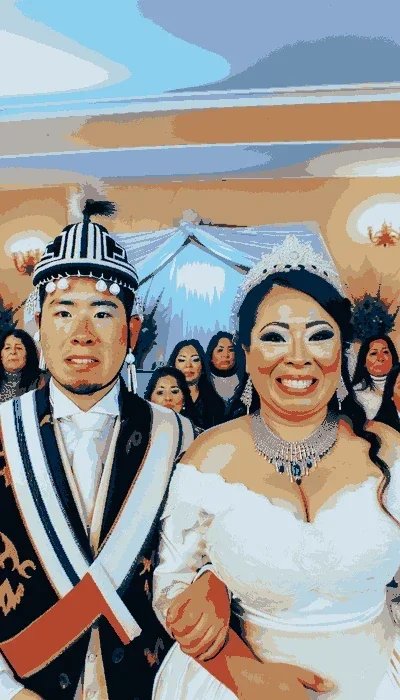
Overview: Chilean Wedding Process and Timeline
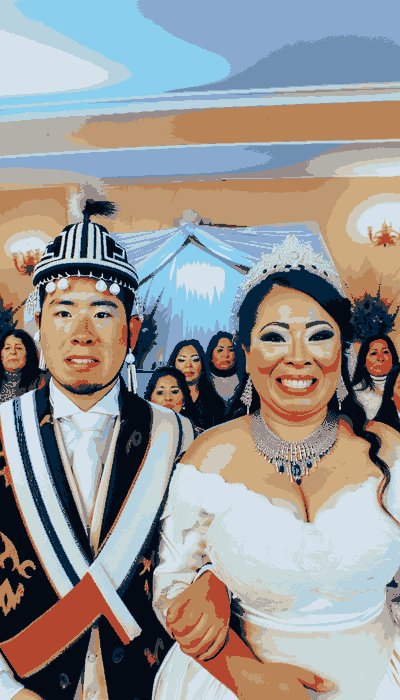
Chilean couples follow a distinctive wedding timeline that spans 12-18 months:
- 12 months before: Engagement with silver rings worn on right hand
- 6-8 months before: Book venues for both civil and religious ceremonies
- 3-6 months before: Send formal invitations (later than American customs)
- 1-6 weeks before: Civil ceremony at Registro Civil with 10-20 guests
- Wedding day: Religious ceremony with 150-300 guests
- Reception: All-night celebration lasting 8-12 hours until sunrise
- Post-wedding: 2-week honeymoon to domestic or international destinations
Pre-Wedding Traditions and Ceremonies
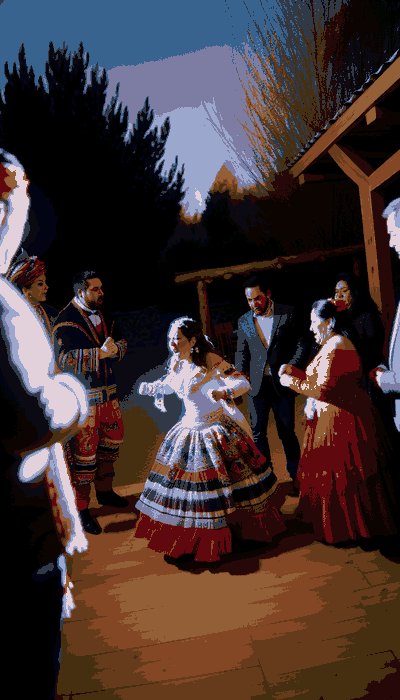
What Are Chilean Engagement Customs?
Chilean engagement customs are formal traditions involving silver ring exchanges on the right hand and family blessing ceremonies that typically occur 12-18 months before the wedding. This centuries-old practice combines indigenous respect for family authority with Spanish colonial traditions of formal marriage proposals.
Key engagement elements include:
- Silver engagement rings: Cost 200,000-500,000 pesos ($200-$500 USD)
- Family blessing ceremony: Involves 20-30 immediate family members
- Ring placement: Right hand during engagement, moved to left after wedding
- Formal proposal: The majority of Chilean couples still seek parental blessing
Modern Chilean couples maintain these traditions while adding contemporary touches. Urban couples in Santiago often combine traditional family meetings with surprise proposals, while rural families may include extended relatives in the blessing ceremony. The practice of moving rings from right to left hand remains universal across all regions.
Bachelor and Bachelorette Parties (Despedida de Soltero/Soltera)
Despedida de soltero/soltera (des-peh-DEE-dah deh sol-TEH-roh/sol-TEH-rah) is the Chilean bachelor/bachelorette party tradition that involves multiple celebrations with different social circles over 2-4 weekends. These farewell-to-single-life parties cost an average of 500,000-1,500,000 pesos ($500-$1,500 USD) per event.
Typical despedida components:
- Multiple parties: 2-3 separate events with different friend groups
- Duration: Each party lasts 6-10 hours
- Activities: Wine tours, beach trips, and city celebrations are popular choices
- Participants: 15-25 guests per event
Regional variations exist across Chile. In wine regions like Colchagua Valley, vineyard tours are a common despedida activity. Coastal areas favor beach resorts, while Santiago residents often rent private venues. Similar to Colombian pre-wedding customs, some Chilean couples now choose destination celebrations, with trips to international locations becoming increasingly popular.
Pre-Wedding Family Gatherings and Civil Ceremony Dinner
Pre-wedding family gatherings in Chile are informal meetings between both families that occur 2-3 times during the engagement period, typically involving 30-50 extended family members. These gatherings strengthen inter-family bonds and cost approximately 300,000-800,000 pesos ($300-$800 USD) per event.
After the mandatory civil ceremony, couples host an intimate dinner for 20-40 close family members and witnesses. This celebration acknowledges the legal union before the larger religious ceremony and costs 1-2 million pesos ($1,000-$2,000 USD).
Official Wedding Ceremonies
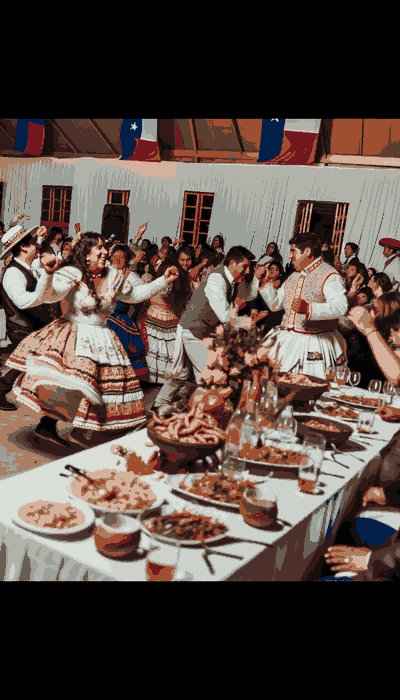
Civil Ceremony at Registro Civil: Legal Requirements
The Chilean civil ceremony (Registro Civil) is a mandatory legal procedure that must occur 1-6 weeks before any religious ceremony, costs 50,000-100,000 pesos ($50-$100 USD), and takes 20-30 minutes. This requirement stems from Chile’s 1884 Civil Marriage Law that separated church and state authority over matrimony.
Civil ceremony requirements and process:
- Documentation needed: Birth certificates, identity cards, two witnesses per person
- Participants: Usually 10-20 immediate family members
- Attire: Smart casual (couples save formal wear for religious ceremony)
- Duration: 20-30 minute procedure
- Cost: 50,000 pesos ($50 USD) for standard service
According to Chilean civil registry data, the vast majority of couples complete their civil ceremony 2-4 weeks before their religious wedding. Urban couples in Santiago often schedule Friday afternoon ceremonies to accommodate working schedules, while rural couples may travel to regional capitals for this requirement.
Religious Wedding Ceremonies: Catholic, Protestant, and Indigenous
Chilean religious ceremonies are formal celebrations lasting 60-90 minutes that occur after the civil ceremony and involve 150-300 guests in churches or ceremonial venues. Catholic ceremonies represent the majority of religious weddings, followed by Protestant and indigenous or secular ceremonies.
Religious ceremony components by tradition:
Catholic Ceremonies (most common):
- Duration: 60-75 minutes including mass
- Key elements: Bible readings, ring blessing, arras coins, rollo (sermon)
- Participants: 150-250 guests average
- Cost: Donation of 500,000-2,000,000 pesos ($500-$2,000 USD)
Protestant Ceremonies:
- Duration: 45-60 minutes
- Focus: Personal testimonies, contemporary worship music
- Participants: 100-200 guests average
- Regional concentration: Higher in southern regions such as Temuco
Indigenous Ceremonies:
- Mapuche traditions: Include kultrun drum ceremonies, silver jewelry
- Duration: 2-3 hours including community feast
- Participants: Entire community (200-500 people)
- Cost: Community contribution system
Same-sex religious ceremonies, following 2022 legalization, now represent a growing segment of all weddings, with couples adapting traditional elements to create inclusive celebrations.
Wedding Attire and Traditional Dress
Chilean Bridal Fashion: Regional Styles and Silver Accessories
Chilean bridal attire combines European-influenced white gowns with indigenous silver jewelry, costing 1,500,000-5,000,000 pesos ($1,500-$5,000 USD) for complete ensembles. Regional variations reflect local climate, cultural influences, and economic factors.
Bridal attire by region:
Northern Chile (Atacama/Antofagasta):
- Fabrics: Lightweight silks and cotton blends for desert climate
- Colors: White with bright accent colors (reds, oranges)
- Accessories: Turquoise and silver jewelry
- Average cost: 2,000,000 pesos ($2,000 USD)
Central Chile (Santiago/Valparaiso):
- Style: Formal ball gowns with lace details
- Designers: Many choose Chilean designers
- Accessories: Pearl and silver combinations
- Average cost: 3,500,000 pesos ($3,500 USD)
Southern Chile (Temuco/Puerto Montt):
- Fabrics: Heavier materials including wool blends
- Mapuche influence: Some incorporate trarilonkotrah-ree-LON-koh (trah-ree-LON-koh) silver headpieces
- Traditional elements: Ceremonial silver pins worth 500,000-2,000,000 pesos
- Average cost: 2,500,000 pesos ($2,500 USD)
Modern brides increasingly rent designer gowns or purchase from Chilean designers who blend international trends with local craftsmanship.
Groom’s Attire: From Huaso Traditions to Modern Suits
Chilean groom’s attire ranges from formal Western suits costing 800,000-2,000,000 pesos ($800-$2,000 USD) to traditional huasoWAH-so outfits in rural regions. The huaso (WAH-so) tradition influences grooms particularly in central valley regions.
Groom’s attire options:
Traditional Huaso Outfit (rural grooms):
- Components: Short jacket, ridichupallachoo-PAH-yah, spurs, chupalla hat
- Cost: 1,200,000-2,500,000 pesos ($1,200-$2,500 USD)
- Regions: Most common in Rancagua, Talca, Chillan
- Modern adaptation: Huaso accessories with formal suit
Contemporary Formal Wear (most grooms):
- Urban preference: Dark suits or tuxedos
- Average cost: 1,000,000-1,800,000 pesos ($1,000-$1,800 USD)
- Rental option: Many grooms rent formal wear
- Seasonal considerations: Lighter fabrics for summer (December-February)
Regional variations show German-influenced formal wear in southern lake districts, while coastal grooms often choose lighter colors. International couples marrying in Chile sometimes blend groom’s attire traditions, similar to fusion approaches seen in destination weddings.
Symbolic Wedding Traditions
Las Arras Matrimoniales: The 13 Wedding Coins Ceremony
Las Arras Matrimoniales is a Catholic wedding tradition where the groom presents 13 gold or silver coins to the bride, symbolizing his commitment to provide for the family and her trust in managing shared resources. This Spanish colonial tradition dating from the 16th century occurs in the majority of Catholic ceremonies and costs 150,000-500,000 pesos ($150-$500 USD) for quality coin sets.
The ceremony process includes:
- Coin blessing: Priest blesses coins during ceremony (5 minutes)
- Presentation: Groom pours coins from ornate box into bride’s cupped hands
- Symbolism: 13 coins represent Jesus and 12 apostles
- Modern interpretation: Mutual financial responsibility rather than traditional gender roles
Contemporary couples often customize their arras with family crests or meaningful dates. Urban couples in Santiago increasingly choose silver over gold, while rural families often use heirloom sets passed through generations. This tradition is similar to the arras ceremony found in Spanish and Mexican wedding customs.
Cuerda Ceremony: The Wedding Rope Tradition
The Cuerda Ceremony (KWER-dah) is an indigenous-influenced ritual where couples’ wrists are bound with a ceremonial rope made from natural fibers, symbolizing spiritual unity and lasting partnership. This tradition, practiced by many couples, costs 50,000-200,000 pesos ($50-$200 USD) for handcrafted ropes.
CuerdaKWER-dah ceremony elements:
- Materials: Alpaca wool (south), cotton (central), llama fiber (north)
- Duration: 5-10 minute ceremony segment
- Participants: Parents or godparents perform binding
- Colors: White for purity, red for passion, gold for prosperity
Regional variations reflect local textile traditions. Mapuche communities use ceremonial patterns in their cuerdas worth up to 500,000 pesos, while northern Andean-influenced ceremonies incorporate coca leaves. This tradition has gained international recognition, with destination wedding planners now offering cuerda ceremonies for couples seeking meaningful cultural elements.
Poncho Exchange and Textile Traditions
The poncho exchange is a regional wedding tradition practiced by couples in central and southern Chile where partners exchange handwoven ponchos symbolizing protection and care. Traditional wedding ponchos cost 300,000-1,500,000 pesos ($300-$1,500 USD) depending on craftsmanship.
Poncho tradition components:
- Timing: During ceremony or reception entrance
- Materials: Sheep wool (central), alpaca (north), sheep/alpaca blend (south)
- Patterns: Family or regional designs
- Modern adaptations: Mini ponchos as guest favors (40,000 pesos each)
This tradition remains strongest huasoWAH-soile’s huaso heartland between Santiago and Concepcion. Contemporary couples sometimes substitute poncho-inspired shawls or incorporate textile elements into decor. Rural families often commission ponchos from local artisans 3-6 months before the wedding.
Wedding Reception Traditions
La Fiesta: All-Night Chilean Wedding Celebrations
La Fiesta is the Chilean wedding reception tradition of celebrating from sunset to sunrise, typically lasting 8-12 hours with 150-300 guests and costing 15-30 million pesos ($15,000-$30,000 USD). These marathon celebrations reflect Chile’s emphasis on family, community, and joyful festivities.
Standard reception timeline:
- 7:00 PM: Cocktail hour with pisco sours and appetizers
- 8:30 PM: Formal dinner service (3-4 courses)
- 10:30 PM: First dance and cake cutting
- 11:00 PM: Dancing begins with cueca performance
- 1:00 AM: Late dinner service
- 3:00 AM: La Hora Localah OH-rah LOH-kah (crazy hour)
- 5:00 AM: Onion soup service
- 6:00 AM: Celebration concludes
Food and beverage costs average 50,000-80,000 pesos ($50-$80 USD) per guest, with Chilean wines featured prominently. Popular wines include Carmenere (Chile’s signature grape), Cabernet Sauvignon, and Sauvignon Blanc from renowned valleys. Modern couples increasingly offer wine pairings with each course, showcasing Chile’s position as one of the world’s largest wine exporters.
The Cueca Dance: Chile’s National Wedding Dance
The Cueca (KWAY-kah) is Chile’s national dance performed at the vast majority of wedding receptions, featuring handkerchief waving and footwork that mimics rooster-hen courtship rituals. Dating from the colonial era, this 5-10 minute performance involves the newlyweds and selected family members.
Cueca components and variations:
- Props: White handkerchiefs for each dancer
- Music: Traditional ensemble with guitar, accordion, percussion
- Participants: Newlyweds plus 4-8 family couples
- Duration: 5-10 minutes for wedding performance
Regional cueca styles:
- Cueca nortina (northern): Faster tempo, Andean influences, brass instruments
- Cueca chilota (Chiloe): Slower, melancholic style with violin
- Cueca urbana (Santiago): Modern interpretation with contemporary instruments
- Cueca huasa (central): Traditional rural style, most common at weddings
Professional cueca instructors charge 200,000-500,000 pesos ($200-$500 USD) for pre-wedding lessons. Young urban couples sometimes struggle with traditional steps, leading to simplified versions or demonstration performances by skilled family members.
Late-Night Wedding Traditions: Onion Soup and La Hora Loca
Late-night Chilean wedding traditions include restorative onion soup service around 5:00 AM and “La Hora Loca” (lah OH-rah LOH-kah) crazy hour featuring props and energetic music. These traditions help sustain all-night celebrations and cost an additional 1-2 million pesos ($1,000-$2,000 USD).
Late-night tradition components:
Onion Soup Service (5:00-6:00 AM):
- Purpose: Revitalize guests after hours of dancing
- Serving size: 250-300ml bowls
- Cost: 5,000-8,000 pesos ($5-$8 USD) per serving
- Accompaniments: Fresh bread, cheese
La Hora Loca (3:00-4:00 AM):
- Duration: 30-60 minutes of high-energy celebration
- Props: Masks, wigs, glow sticks, noise makers
- Music: Reggaeton, cumbia, international hits
- Cost: 1,500,000-3,000,000 pesos ($1,500-$3,000 USD) for full production
Secret Departure Tradition:
- Practice: Couples attempt discrete exit
- Game element: First guest to notice receives gift
- Success rate: Few couples escape unnoticed
- Prize value: 100,000-300,000 pesos ($100-$300 USD)
These traditions remain popular with most traditional Chilean weddings, though modern couples sometimes modify timing or eliminate elements for afternoon receptions.
Post-Wedding Customs
Chilean Honeymoon Traditions and Destinations
Chilean honeymoon traditions involve 2-week trips immediately following the wedding, with the majority of couples choosing domestic destinations and many traveling internationally. Average honeymoon budgets range from 3-8 million pesos ($3,000-$8,000 USD) including all expenses.
Popular honeymoon destinations:
Domestic Options (most couples):
- Atacama Desert: 5-7 days, 2-4 million pesos ($2,000-$4,000 USD)
- Easter Island: 7-10 days, 3-5 million pesos ($3,000-$5,000 USD)
- Patagonia: 10-14 days, 4-6 million pesos ($4,000-$6,000 USD)
- Wine Valleys: 3-5 days, 1.5-3 million pesos ($1,500-$3,000 USD)
International Destinations:
- Regional: Argentina, Brazil, Peru
- Long-haul: Europe, USA, Asia
- Trending: Las Vegas wedding renewal packages gaining popularity
- Average duration: 10-14 days internationally
Traditional expectations include employers granting 2-week honeymoon leave and couples moving into shared residence immediately after returning. Modern trends show many Santiago couples already cohabitating before marriage, changing traditional post-wedding dynamics.
Wedding Gift-Giving Practices and Registry Systems
Chilean wedding gift practices center on online registries with guests spending 50,000-150,000 pesos ($50-$150 USD) per gift and couples distributing thank-you cards at the reception itself. This efficient system reflects Chilean practicality and differs from extended post-wedding acknowledgments common elsewhere.
Gift-giving components:
- Registry timing: Established 4-6 months before wedding
- Popular stores: Falabella, Paris, and specialized registry sites
- Gift categories: Home goods, experiences, and cash/cards
- Delivery method: Most gifts sent directly to couple’s home before wedding
Modern adaptations include:
- Flexible registries: Option to exchange items for store credit
- Experience gifts: Honeymoon funds, restaurant vouchers
- Charitable donations: Some couples include charity options
- Thank-you efficiency: Pre-printed cards distributed at reception
Regional variations show rural couples receiving more traditional household items while urban couples prefer modern appliances or experiential gifts. International guests often contribute to honeymoon funds, averaging 100,000-200,000 pesos ($100-$200 USD) per gift.
Regional Wedding Variations
Northern Chile Wedding Traditions: Atacama and Andean Influences
Northern Chilean weddings incorporate Atacama Desert landscapes and Andean customs, creating ceremonies that honor indigenous heritage and dramatic geography. These celebrations average 100-200 guests and cost 10-20 million pesos ($10,000-$20,000 USD) including unique desert venues.
Northern region characteristics:
Atacama Desert Ceremonies:
- Sunset timing: Most outdoor ceremonies at golden hour
- Venues: Desert lodges, oasis locations, archaeological sites
- Guest accommodation: Required due to remote locations
- Additional costs: Transportation 2-3 million pesos ($2,000-$3,000 USD)
Andean Cultural Elements:
- Pachamama offerings: Earth mother blessing ceremonies
- Coca leaf rituals: Traditional Aymara purification
- Music: Andean flutes, charangos, drums
- Food: Quinoa dishes, llama meat, local potatoes
Local Specialties:
- Empanadas de pino: Meat pastries, 3,000 pesos each
- Pastel de choclo: Corn casserole serving 150 guests
- Pisco production: Local varieties for cocktails
- Seafood: Pacific coast delicacies despite desert location
Cities like Antofagasta blend mining wealth with traditional customs, resulting in lavish celebrations averaging 25 million pesos ($25,000 USD). Iquique’s coastal location adds beach elements to desert traditions.
Central Chile Traditions: Santiago, Wine Country, and Huaso Culture
Central Chilean weddings blend urban sophistication with rural huasoWAH-so traditions and world-renowned wine culture, creating diverse celebrations for 200-300 guests costing 20-40 million pesos ($20,000-$40,000 USD). This region hosts the majority of all Chilean weddings.
Central region variations:
Santiago Metropolitan Weddings:
- Venues: Historic churches, modern hotels, country clubs
- Guest count: 250-400 (larger than national average)
- International elements: Many incorporate non-Chilean traditions
- Average cost: 35 million pesos ($35,000 USD)
Wine Valley Celebrations:
- Locations: Maipo, Colchagua, Casablanca valleys
- Unique elements: Harvest season weddings (March-April)
- Wine features: Vertical tastings, vineyard tours for guests
- Costs: Venue fees 5-10 million pesos ($5,000-$10,000 USD)
Huaso Traditional Elements:
- Horse processions: Groom arrives on horseback (rural areas)
- Traditional music: Tonadastoh-NAH-dahs, cuecas, folk guitar
- Rodeo connections: September weddings during championship
- Food: Whole roasted lamb, traditional chichaCHEE-chah
Modern Santiago couples often host receptions in converted industrial spaces or destination vineyard venues, while rural communities maintain stronger connections to agricultural traditions and extended family involvement.
Southern Chile Traditions: Mapuche, German, and Chiloe Influences
Southern Chilean weddings reflect Mapuche indigenous heritage, German immigrant influences, and unique island traditions, creating culturally diverse celebrations for 150-250 guests costing 12-25 million pesos ($12,000-$25,000 USD).
Southern region distinctions:
Mapuche Wedding Elements:
- Ceremonial aspects: Kultrun drum circles, communal prayers
- Silver jewelry: Trapelakuchatrah-peh-lah-KOO-chah, trarilonkotrah-ree-LON-koh worth 1-5 million pesos
- Duration: 2-3 day community celebrations
- Food: Traditional mudaymoo-DAYE drink, pinon seed dishes
German Heritage Influence (Lake District):
- Locations: Valdivia, Puerto Varas, Frutillar
- Food fusion: KuchenKOO-khen cakes, German beer, Chilean wines
- Music blend: Accordion polkas with cueca
- Architecture: Ceremonies in German-style churches
Chiloe Island Traditions:
- Minga spirit: Community cooperation in wedding preparation
- Curanto feast: Traditional seafood/meat earth oven
- Wool textiles: Locally woven decorations and gifts
- Mythology: References to island legends in ceremonies
Weather considerations require indoor backup plans (rains frequently), influencing venue choices and celebration timing. Southern couples often incorporate multiple cultural elements, creating unique fusion celebrations honoring diverse heritage.
Indigenous and Special Cultural Weddings
Mapuche Wedding Ceremonies: Traditional and Modern Practices
Mapuche wedding ceremonies are multi-day community celebrations involving extended family negotiations, silver jewelry exchanges worth 2-10 million pesos ($2,000-$10,000 USD), and ceremonial feasts for 200-500 participants. These indigenous traditions predate Spanish colonization and maintain strong cultural significance for Chile’s largest indigenous group (1.7 million people, representing a significant portion of Chile’s population according to Chile’s National Statistics Institute).
Traditional Mapuche wedding process:
Negotiation Phase (Mafun):
- Duration: 2-6 months of family discussions
- Participants: Extended families, community elders, lonkoLON-koh (chief)
- Bride price: Livestock, silver, textiles worth 5-15 million pesos
- Modern adaptation: Symbolic rather than economic exchange
Ceremonial Procession:
- Route: Groom’s family travels to bride’s community
- Participants: 50-100 family members
- Offerings carried: Silver jewelry, textiles, food
- Distance: Sometimes 10-50 kilometers between communities
Silver Ornament Significance:
- Trapelakucha: Chest pendant, 500,000-3,000,000 pesos ($500-$3,000 USD)
- Trarilonko: Headpiece, 300,000-2,000,000 pesos ($300-$2,000 USD)
- Chaway: Earrings, 200,000-1,000,000 pesos ($200-$1,000 USD)
- Symbolism: Spiritual protection, family wealth, cultural identity
Contemporary Mapuche couples blend traditional elements with Chilean civil requirements, creating hybrid ceremonies. Urban Mapuche often hold symbolic ceremonies in Santiago while maintaining connections to ancestral territories.
Rapa Nui (Easter Island) Wedding Traditions
Rapa Nui wedding traditions from Easter Island combine Polynesian heritage with Chilean administration, creating unique Pacific ceremonies for 50-150 guests costing 8-20 million pesos ($8,000-$20,000 USD). These celebrations occur on the world’s most remote inhabited island, 3,700 kilometers from mainland Chile.
Rapa NuiRAH-pah NOO-ee wedding elements:
Traditional Components:
- Takona: Body painting with natural pigments (ki’ea earth)
- Mahute clothing: Bark cloth garments (when available)
- Feather headdresses: Hei, ceremonial crowns
- Location significance: Ahu (ceremonial platforms), sunrise timing
Cultural Performances:
- Sau Sau: Traditional couples dance
- Kari Kari: Storytelling through dance
- Kai Kai: String figures narrating legends
- Music: Ukulele, traditional chants, drums
Modern Adaptations:
- Tourist integration: Some island weddings include international elements
- Venue options: Hotels, cultural center, outdoor sites
- Language: Ceremonies in Rapa Nui, Spanish, sometimes English
- Costs: Premium pricing due to isolation (everything imported)
Limited resources require 6-12 month advance planning. Some couples combine Rapa Nui ceremonies with Chilean mainland receptions, creating dual celebrations honoring both cultures.
Contemporary Trends and 2025 Wedding Evolution
Modern Chilean Wedding Trends: Sustainability and Personalization
Contemporary Chilean wedding trends in 2025 emphasize sustainability, personalization, and cultural authenticity, with many couples modifying traditions to reflect personal values while maintaining heritage connections. Average wedding budgets have increased to 25-35 million pesos ($25,000-$35,000 USD) in urban areas.
Current trend analysis:
Sustainability Focus:
- Local sourcing: Many choose Chilean wines exclusively
- Seasonal flowers: Reduce imports, support local growers
- Donation options: Leftover food to charities
- Carbon offsetting: For destination wedding travel
Personalization Elements:
- Tradition selection: Couples choose 5-7 from 15+ possible traditions
- Fusion ceremonies: Many blend multiple cultural elements
- Custom vows: Writing personal promises (new trend)
- Unique venues: Industrial spaces, museums, natural parks
Technology Integration:
- Livestreaming: Many offer virtual attendance options
- Digital invitations: E-vites with paper follow-up becoming common
- Social media: Dedicated hashtags, professional content creators
- Gift registries: QR codes, cryptocurrency options emerging
Extended Celebrations:
- Wedding weekends: 3-day events for some couples
- Multiple ceremonies: Honoring different traditions separately
- Guest experiences: Wine tours, cultural activities included
- Recovery events: Day-after brunches increasingly common
These trends reflect Chile’s position as a modern Latin American nation balancing tradition with innovation, creating weddings that honor the past while embracing the future.
Same-Sex Marriages and Inclusive Celebrations
Same-sex marriages in Chile, legal since March 2022, represent a growing segment of all weddings with couples creatively adapting traditional elements for inclusive celebrations costing similar amounts to heterosexual weddings (20-35 million pesos). These ceremonies reflect Chile’s evolving social landscape and growing LGBTQ+ acceptance.
Inclusive adaptation examples:
Traditional Element Modifications:
- Arras coins: Both partners exchange coins mutually
- Cueca dance: Same-sex couples perform traditional steps
- Attire choices: Flexible formal wear options
- Family roles: Chosen family included in ceremonies
Legal and Social Considerations:
- Civil ceremony: Identical process for all couples
- Religious options: Progressive churches offer blessings
- Venue acceptance: Most venues explicitly welcome all couples
- Vendor support: Growing network of LGBTQ+-friendly suppliers
Regional Variations:
- Santiago: Highest acceptance, most options
- Valparaiso: Progressive coastal city, artistic community support
- Conservative regions: Some couples travel for ceremonies
- International couples: Chile becoming destination for Latin American couples
Community support networks provide resources for planning inclusive celebrations. Pride organizations offer vendor recommendations and ceremony planning assistance, helping couples navigate any remaining social challenges.
International Influences and Destination Wedding Trends
International wedding influences shape many Chilean celebrations, while some Chilean couples choose destination weddings abroad, spending 40-80 million pesos ($40,000-$80,000 USD) including travel. This bidirectional cultural exchange enriches Chilean wedding traditions.
International influence patterns:
Foreign Elements in Chilean Weddings:
- American: First look photos, cocktail hours (now standard)
- European: Candy bars, photo booths
- Asian: Tea ceremonies for multicultural couples
- Regional Latin: Mariachi, salsa performances added
Chilean Destination Wedding Choices:
- Regional favorites: Buenos Aires, Rio de Janeiro, Cancun
- USA options: Miami, Las Vegas, New York
- European destinations: Spain (cultural connections), Italy, France
- Unique choices: Dubai, Bali, Morocco increasing
Las Vegas Wedding Integration:
- Appeal factors: All-inclusive packages, entertainment options
- Chilean touches: Venues accommodate cueca, arras ceremonies
- Guest convenience: Direct flights from Santiago
- Cost comparison: Similar to high-end Santiago weddings
Reverse Destination Weddings:
- Foreign couples in Chile: Thousands annually
- Popular locations: Atacama Desert, Patagonia, wine valleys
- Cultural integration: Local planners incorporate Chilean traditions
- Economic impact: Significant contribution to tourism sector
This cultural exchange strengthens Chile’s position in global wedding tourism while enriching domestic celebrations with international influences.
Chilean Wedding Traditions Popularity Ranking 2025
Based on wedding industry observations and cultural patterns, here are Chilean wedding traditions ranked by prevalence:
- Two-ceremony structure (civil + religious) - Required by law for religious weddings
- Silver engagement rings on right hand - Nearly universal practice
- All-night reception celebrations - Highly common at traditional weddings
- Cueca dance at receptions - Standard at most receptions
- Religious ceremony after civil - Very common among religious couples
- Arras Matrimoniales (13 coins) - Standard in Catholic ceremonies
- Multiple bachelor/bachelorette parties - Common practice
- Extended family involvement - Many seek family blessings
- Chilean wine service - Standard at virtually all weddings
- Late-night food service - Common at traditional celebrations
- Two-week honeymoon - Common when employers accommodate
- Thank-you cards at reception - Traditional practice maintained by many
- La Hora Loca - Popular at many celebrations
- Cuerda ceremony - Regional tradition with dedicated following
- Poncho exchange - Regional practice in central/southern areas
- Mapuche silver jewelry - Meaningful for families with indigenous heritage
- Full Mapuche ceremony - Practiced in indigenous communities
Comparison: Traditional vs Modern Chilean Wedding Practices
| Element | Traditional Practice | Modern Adaptation | Cost Difference |
|---|---|---|---|
| Engagement | Formal family request, 18+ months | Couple-initiated, 12-15 months | Traditional: Free / Modern: 500,000 pesos for proposal planning |
| Guest List | 300-500 extended family/community | 150-250 selected guests | Traditional: 60,000 pesos/guest / Modern: 80,000 pesos/guest |
| Ceremony | Catholic church only | Diverse venues and faiths | Traditional: 1 million donation / Modern: 3-5 million venue |
| Reception Duration | Sunrise conclusion mandatory | Flexible ending times | Traditional: 12 hours / Modern: 6-8 hours |
| Music | Live folk musicians only | DJ + selective traditional | Traditional: 3 million / Modern: 2 million pesos |
| Food Service | Family-style service | Plated courses + stations | Traditional: 40,000/guest / Modern: 60,000/guest |
| Honeymoon | Domestic only | Mix of domestic and international | Traditional: 3 million / Modern: 6 million pesos |
Practical Information for Planning a Chilean Wedding
Timeline and Budget Considerations
Chilean wedding planning typically requires 12-18 months and budgets of 15-40 million pesos ($15,000-$40,000 USD) for 150-300 guests. Regional variations and seasonal factors significantly impact costs and availability.
Budget breakdown by category:
- Venue and catering: 40-50% of budget
- Photography/videography: 10-15%
- Music and entertainment: 10-15%
- Attire and beauty: 10-15%
- Flowers and decor: 10%
- Miscellaneous: 10-15%
Seasonal considerations:
- Peak season: December-March (summer) +20% costs
- Weather factors: Southern regions require indoor options
- Holiday conflicts: September independence celebrations
- Harvest timing: March-April for vineyard weddings
Money-saving strategies:
- Off-season dates: 20-30% savings
- All-inclusive venues: Better value than a la carte
- Local vendors: Reduce transportation costs
- Weekday ceremonies: 15-25% venue discounts
Legal Requirements for Foreign Couples
Foreign couples marrying in Chile must complete civil ceremonies at Registro Civil with specific documentation, requiring 2-4 months advance planning and approximately 500,000 pesos ($500 USD) in fees and translations.
Required documentation:
- Valid passports: With 6+ months validity
- Birth certificates: Apostilled and translated
- Single status certificate: From home country
- Divorce decree: If applicable, apostilled
- Death certificate: For widowed individuals
Process timeline:
- 3 months before: Begin document gathering
- 2 months before: Submit to Chilean consulate
- 1 month before: Arrive in Chile for residency requirement
- 2 weeks before: File at Registro Civil
- Day of: Civil ceremony with witnesses
Same-sex couples enjoy identical rights and requirements since 2022 legalization. Tourist visas suffice for marriage purposes, but couples must remain in Chile between application and ceremony dates.
Chilean Wedding Vocabulary and Phrases
Essential Spanish terms (with pronunciation) for wedding planning:
- Matrimonio (mah-tree-MOH-nee-oh) - Wedding/marriage
- Novios (NOH-vee-ohs) - Bride and groom/couple
- Pololeo (poh-loh-LEH-oh) - Chilean dating/courtship
- Pedida de mano (peh-DEE-dah deh MAH-noh) - Marriage proposal
- Despedida de soltero/a (des-peh-DEE-dah deh sol-TEH-roh/ah) - Bachelor/ette party
- Padrinos (pah-DREE-nohs) - Godparents/sponsors
- Brindis (BREEN-dees) - Toast
- Salud! (sah-LOOD) - Cheers!
- Que vivan los novios! (keh VEE-vahn lohs NOH-vee-ohs) - Long live the couple!
- Felicidades (feh-lee-see-DAH-dehs) - Congratulations
Regional expressions:
- Cachai? (kah-CHAI) - You know? (Chilean slang)
- Pololo/a (poh-LOH-loh/ah) - Boyfriend/girlfriend (Chilean)
- Al tiro (ahl TEE-roh) - Right away (Chilean expression)
- Bacan (bah-KAHN) - Cool/great (Chilean approval)
How much does a typical Chilean wedding cost?
A typical Chilean wedding costs between 20-35 million pesos ($20,000-$35,000 USD) for 150-300 guests in urban areas. Rural weddings average 15-25 million pesos ($15,000-$25,000 USD). The budget typically breaks down as: venue and catering (40-50%), photography/videography (10-15%), music and entertainment (10-15%), attire and beauty (10-15%), flowers and decor (10%), and miscellaneous expenses (10-15%). Costs increase during peak summer season (December-March).
Do you have to have two ceremonies to get married in Chile?
Yes, Chilean law requires all couples to have a civil ceremony at the Registro Civil before any religious or symbolic ceremony. The civil ceremony costs 50,000-100,000 pesos ($50-$100 USD) and typically occurs 1-6 weeks before the religious wedding. This legal requirement stems from Chile’s 1884 Civil Marriage Law separating church and state authority. The civil ceremony is usually small (10-20 guests) while the religious ceremony includes the full guest list.
What is the significance of wearing engagement rings on the right hand?
In Chilean tradition, engagement rings are worn on the right hand to symbolize the promise and journey toward marriage. After the wedding ceremony, couples move their rings to the left hand, representing the completed transition from engagement to marriage. This practice is nearly universal among Chilean couples and dates back to Spanish colonial influences. Silver rings are traditional, costing 200,000-500,000 pesos ($200-$500 USD).
How long do Chilean wedding receptions last?
Traditional Chilean wedding receptions are all-night celebrations lasting 8-12 hours, typically from 7:00 PM until 6:00 AM. The extended timeline includes cocktail hour, formal dinner, first dance and cake cutting around 10:30 PM, dancing beginning at 11:00 PM, late dinner service at 1:00 AM, La Hora Localah OH-rah LOH-kah at 3:00 AM, and onion soup service at 5:00 AM. Most traditional weddings maintain this format, while modern urban weddings may end earlier.
What is the cueca dance and when is it performed?
The cueca is Chile’s national dance performed at most wedding receptions, featuring handkerchief waving and footwork mimicking rooster-hen courtship. This 5-10 minute performance typically occurs early in the reception (around 11:00 PM) and involves the newlyweds plus 4-8 family couples. Professional instructors charge 200,000-500,000 pesos ($200-$500 USD) for pre-wedding lessons. Regional variations include faster cueca nortina in the north and melancholic cueca chilota from Chiloe Island.
Can same-sex couples get married in Chile?
Yes, same-sex marriage has been legal in Chile since March 2022. Same-sex couples follow identical civil ceremony requirements and enjoy equal rights. These couples creatively adapt traditional elements like arras coins (both partners exchange) and cueca dance for inclusive celebrations. Santiago hosts the majority of same-sex weddings, with most venues explicitly welcoming all couples. Costs are similar to heterosexual weddings at 20-35 million pesos.
What are arras matrimoniales (wedding coins)?
Las Arras MatrimonialesAH-rahs mah-tree-moh-nee-AH-lehs is a Catholic tradition where the groom presents 13 gold or silver coins to the bride during the ceremony. The coins symbolize Jesus and the 12 apostles, as well as the couple’s commitment to share material possessions. Quality coin sets cost 150,000-500,000 pesos ($150-$500 USD). The priest blesses the coins before the groom pours them into the bride’s hands. This tradition occurs in most Catholic ceremonies, with modern interpretations emphasizing mutual financial responsibility.
What should guests expect at a Chilean wedding?
Guests at Chilean weddings should expect long celebrations (8-12 hours), multiple food services including late-night options, abundant Chilean wine, and energetic dancing including the traditional cueca. Typical gifts range from 50,000-150,000 pesos ($50-$150 USD), usually sent before the wedding. Dress code is formal, similar to black-tie optional. Thank-you cards are distributed at the reception itself. Guests should prepare for celebrations lasting until sunrise at traditional weddings.
Are there special requirements for foreigners getting married in Chile?
Foreign couples must provide apostilled birth certificates, single status certificates, valid passports (6+ months validity), and translated documents. The process requires 2-4 months advance planning and costs approximately 500,000 pesos ($500 USD) in fees and translations. Couples must file at Registro Civil 2 weeks before the ceremony and remain in Chile between application and ceremony dates. Tourist visas suffice for marriage purposes. Same-sex couples have identical requirements since 2022. ### What are popular Chilean honeymoon destinations?
Chilean couples often choose domestic destinations, with popular options including Atacama Desert (5-7 days, $2,000-$4,000 USD), Easter Island (7-10 days, $3,000-$5,000 USD), Patagonia (10-14 days, $4,000-$6,000 USD), and Wine Valleys (3-5 days, $1,500-$3,000 USD). International destinations include regional favorites like Buenos Aires and Rio de Janeiro, or long-haul trips to Europe and the USA. Employers typically grant 2-week honeymoon leave, with average budgets of 3-8 million pesos ($3,000-$8,000 USD).
Conclusion: The Evolution of Chilean Wedding Traditions
Chilean wedding traditions represent a living tapestry of indigenous heritage, colonial influence, and contemporary adaptation. From the mandatory two-ceremony structure to the energetic cueca dance, these customs create celebrations that honor the past while embracing modern values. The average Chilean couple invests 20-35 million pesos in creating memorable celebrations that strengthen family bonds and community connections.
As Chile continues evolving as a progressive South American nation, its wedding traditions adapt to reflect changing social values while maintaining core cultural elements. The 2022 legalization of same-sex marriage, growing sustainability awareness, and international cultural exchange enrich rather than replace traditional practices. Whether choosing an all-night Santiago reception or an intimate Atacama Desert ceremony, Chilean couples create unique celebrations blending heritage with personal expression.
For international couples drawn to Chilean culture or Chileans planning destination weddings abroad, these traditions offer meaningful ways to honor cultural heritage while creating new memories. The enduring popularity of customs like arras coins and engagement ring placement demonstrates how traditions evolve while maintaining their essential symbolism, ensuring Chilean wedding culture remains vibrant for future generations.
Frequently Asked Questions
What is 'pedir la mano' in Chilean wedding tradition?
It's a formal ceremony where the groom's family visits the bride's family to officially request permission for marriage.
How long do Chilean wedding receptions typically last?
Chilean wedding receptions often last until dawn, featuring continuous dancing, feasting, and celebrations.
What is the 'vals del novio'?
It's a traditional wedding dance where the newlyweds perform their first dance together as a married couple.
Are civil ceremonies required in Chile?
Yes, couples must have a civil ceremony at the Civil Registry Office, often followed by a religious ceremony.
What traditional foods are served at Chilean weddings?
Common dishes include empanadas de pino, pastel de choclo, curanto, and torta novios (wedding cake).
What is 'la cueca' in Chilean weddings?
La cueca is Chile's national dance, often performed during wedding celebrations.
How long are typical engagement periods in Chile?
Engagement periods usually last about one year, allowing families time to plan the celebration.
What is the 'lazo ceremony'?
It's a symbolic ritual where a cord or rosary is placed around the couple's shoulders in a figure-eight shape.
How do wedding traditions vary across Chile?
Traditions vary by region, incorporating Atacama, Aymara, Mapuche, and Chiloé Island influences.
What are 'amonestaciones'?
These are public announcements of the intention to marry, traditionally made during Sunday church services.