Chinese Wedding Traditions Complete Guide for Modern Couples
Overview of Traditional Chinese Wedding Process
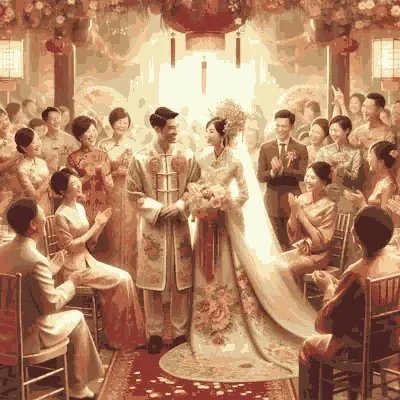
- Pre-Wedding Phase (3-12 months): Matchmaking, betrothal gifts, bed setting ceremony
- Wedding Eve (1 day): Hair combing ceremony, bride’s preparation
- Wedding Day (12-16 hours): Door games, tea ceremony, banquet with 8-12 courses
- Post-Wedding (3-30 days): Return visit to bride’s family, confinement traditions
Pre-Wedding Traditions and Ceremonies
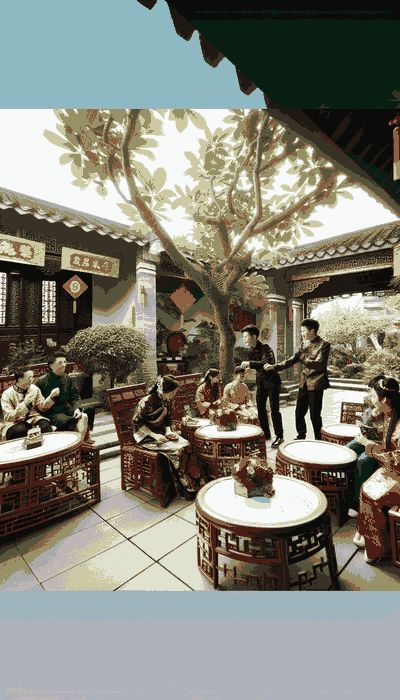
What is Chinese Matchmaking and Birthday Matching?
Chinese matchmaking (mei-ren) is a centuries-old tradition dating from the Zhou Dynasty where professional matchmakers or family elders arrange introductions between potential couples, considering factors including social status, Chinese zodiac compatibility, and family background. This practice was historically common in imperial China and continues today through modern matchmaking services charging 5,000-50,000 CNY ($700-7,000 USD).
Key matchmaking components:
- Birthday matching consultation: 500-2,000 CNY ($70-280 USD)
- Chinese zodiac compatibility analysis: 12 animal signs assessed
- Eight Characters reading (ba-zi): Birth date and time analysis
- Family background verification: Social status and wealth assessment
Modern matchmaking practices include the famous Shanghai Marriage Market in People’s Park where hundreds of parents gather every weekend, displaying their children’s qualifications on umbrellas and boards. Professional matchmaking agencies in tier-1 cities offer services ranging from basic introductions to comprehensive family negotiations.
The Three Letters and Six Etiquettes (san-shu-liu-li)
The Three Letters tradition is a formal engagement protocol from the Zhou Dynasty involving three essential documents that formalize marriage arrangements between families, typically exchanged over 2-4 months before the wedding.
The three formal documents include:
- Betrothal Letter (pin-shu): Formal marriage proposal document
- Gift Letter (li-shu): Detailed list of betrothal gifts worth 20,000-200,000 CNY
- Wedding Letter (ying-shu): Bride’s formal welcome to groom’s family
Betrothal Gifts Exchange (Guo Da Li)
Guo Da Li is the formal betrothal gift ceremony where the groom’s family presents gifts worth 30,000-300,000 CNY ($4,200-42,000 USD) to the bride’s family 2-4 weeks before the wedding. This tradition remains a cornerstone of traditional Chinese weddings today.
Standard betrothal gift components:
- Gold jewelry: 20-100 grams, costing 8,000-40,000 CNY
- Dragon and phoenix candles: 200-1,000 CNY per pair
- Premium tea: 2-10 jin (1-5 kg), 500-5,000 CNY
- Wedding cakes/pastries: 50-200 pieces, 500-2,000 CNY
- Cash in red envelopes: 8,888-88,888 CNY (auspicious numbers)
Regional variations in betrothal gifts:
- Cantonese tradition: Whole roast pig (2,000-5,000 CNY) symbolizing prosperity
- Fujian custom: 100-500 wedding pastries distributed to relatives
- Northern regions: Dates and longans (500-2,000 CNY) for fertility wishes
- Shanghai practice: Emphasis on gold jewelry over food items
Current practice shows many families return half the gifts as reciprocal gesture, maintaining face while sharing wedding costs. Urban couples often negotiate simplified versions, focusing on symbolic items rather than quantity.
An Chuang Bed Setting Ceremony (an-chuang)
An Chuang ceremony is a fertility blessing ritual performed 2-3 days before the wedding where a “woman of good fortune” (hao-ming-po) prepares the marital bed with new red bedding and auspicious items, costing 1,000-5,000 CNY for materials and red packets.
Ceremony requirements:
- Good fortune woman criteria: Living parents, husband, and 2+ children
- Red bedding set: 800-3,000 CNY for silk or high-thread-count cotton
- Fertility symbols: Dates, peanuts, longans, lotus seeds (200-500 CNY)
- Children participants: 2-6 boys jumping on bed for male offspring luck
Modern adaptations include professional An Chuang services (2,000-8,000 CNY) in major cities, with many traditional families still observing this custom. The arranged items spell “zao-sheng-gui-zi,” meaning “may you soon have noble children.”
Hair Combing Ceremony (shu-tou)
Hair combing ceremony is a coming-of-age ritual performed the night before the wedding where the bride’s mother or respected female elder combs the bride’s hair four times while speaking blessings, a Tang Dynasty tradition particularly popular among Cantonese families.
The four combing strokes represent:
- First combing: “May you be together from beginning to end”
- Second combing: “May you have harmonious marriage and many children”
- Third combing: “May you have many children and grandchildren”
- Fourth combing: “May you have wealth and long life”
Current practice involves special wooden combs (200-1,000 CNY) often passed through generations, with ceremonies lasting 15-30 minutes. Professional hair stylists now often participate, combining traditional blessings with modern hairstyling.
Wedding Day Traditions and Ceremonies
Chinese Bridal Attire and Preparation
Chinese bridal attire consists of 2-5 outfit changes throughout the wedding day, with traditional red garments costing 3,000-50,000 CNY and representing different ceremony phases from tea ceremony to reception.
Traditional outfit progression:
- Morning tea ceremony: Red qipao or qun kwa (3,000-30,000 CNY)
- Formal ceremony: White wedding gown (5,000-50,000 CNY)
- Reception entrance: Evening gown (2,000-20,000 CNY)
- Party finale: Comfortable cocktail dress (1,000-10,000 CNY)
Regional wedding dress variations:
- Cantonese qun kwa: Two-piece with dragon-phoenix embroidery
- Northern style: Heavily embroidered red jacket over long dress
- Mongolian influence: Colorful robes with distinctive headdresses worth 5,000-20,000 CNY
- Tibetan elements: Turquoise and coral jewelry sets (10,000-100,000 CNY)
Modern bridal preparation begins at 5:00-6:00 AM with professional makeup and hair (2,000-10,000 CNY), followed by pre-ceremony photography. Phoenix coronet (feng-guan) replicas are popular accessories (500-5,000 CNY), maintaining imperial symbolism.
Door Games and Bride Collection (chuang-men)
Door games are playful challenges lasting 30-90 minutes where the groom and 3-8 groomsmen must pass tests created by bridesmaids before collecting the bride, requiring 2,000-20,000 CNY in red packet “bribes.”
Typical door game challenges:
- Love declaration tasks: Singing songs, reciting poems (5-15 minutes)
- Physical challenges: Push-ups, eating bitter foods (10-20 minutes)
- Bride knowledge quiz: 10-20 questions about preferences and memories
- Red packet negotiations: 888-8,888 CNY per “door” (usually 3-5 doors)
Regional door game variations:
- Cantonese style: Emphasis on wordplay and lucky number negotiations
- Northern tradition: More physical challenges and drinking games
- Modern additions: Social media tasks, live-streaming challenges
Door games are particularly popular among younger couples, with professional game planners charging 1,000-5,000 CNY. Average total red packet cost reaches 5,000-30,000 CNY depending on groomsmen team size and regional customs.
Traditional Wedding Procession
Chinese wedding procession is the ceremonial journey from bride’s home to wedding venue, historically using sedan chairs but now featuring 3-10 decorated luxury cars, costing 3,000-20,000 CNY for vehicle rental and decorations.
Traditional procession elements:
- Firecracker displays: 500-5,000 CNY for professional teams
- Musical accompaniment: 4-8 musicians (2,000-10,000 CNY)
- Red carpet pathway: Ensuring bride’s feet don’t touch ground
- Child leader: Boy carrying prosperity symbols (200-1,000 CNY red packet)
Modern procession adaptations:
- Luxury car fleet: Mercedes, BMW, or Rolls-Royce preferred
- Drone photography: 2,000-8,000 CNY for aerial procession footage
- LED decorations: Replacing traditional lanterns (1,000-5,000 CNY)
- Live streaming: Common in urban weddings broadcast procession
Regional procession differences:
- Southern China: Dragon and lion dance teams (3,000-15,000 CNY)
- Northern regions: Red cloth canopies carried by 4-6 people
- Rural areas: Some still use traditional sedan chairs or horses
The Chinese Tea Ceremony (jing-cha)
Chinese tea ceremony is the most sacred wedding ritual where couples kneel and serve tea to elders in hierarchical order, receiving gifts worth 10,000-200,000 CNY in return. This ceremony remains the most widely practiced element of Chinese weddings regardless of how modernized other aspects become.
Tea ceremony protocol:
- Serving order: Paternal grandparents, then parents, then aunts/uncles, then elder siblings
- Tea ingredients: Lotus seeds, red dates, longans (200-1,000 CNY)
- Kneeling cushions: Red silk with double happiness symbols (200-2,000 CNY)
- Return gifts: Gold jewelry (5,000-50,000 CNY) or cash red envelopes
Ceremonial phrases (with pronunciation):
- “Qing-he-cha”: “Please drink tea”
- “Xie-xie-ba-ba/ma-ma”: “Thank you father/mother”
- “Zhu-ni-men-bai-tou-xie-lao”: Elders’ blessing for lasting marriage
Modern venue adaptations accommodate tea ceremonies at hotels or restaurants rather than homes, with portable ceremonial setups (1,000-5,000 CNY rental) including traditional furniture and decorations. The tea ceremony shares similarities with practices in Laotian and Vietnamese weddings, reflecting the cultural connections across East and Southeast Asia.
Chinese Wedding Banquet Details
Chinese wedding banquet is an elaborate feast featuring 8-12 courses of symbolic dishes, hosting 100-500 guests at costs of 800-3,000 CNY per person, representing the primary wedding expense for most couples.
Standard banquet components:
- Whole roasted pig or duck: 2,000-5,000 CNY (prosperity)
- Steamed whole fish: 500-2,000 CNY (abundance - nian-nian-you-yu)
- Longevity noodles: 200-500 CNY per table (long marriage)
- Eight treasures rice: 100-300 CNY per table (fertility)
- Premium seafood: Abalone, lobster, sustainable alternatives (500-5,000 CNY/table)
Regional banquet variations:
- Cantonese style: 10-12 courses emphasizing seafood, 1,500-3,000 CNY/person
- Northern banquet: Wheat-based dishes, roasted meats, 800-2,000 CNY/person
- Sichuan feast: Spicy specialties balanced with mild dishes, 1,000-2,500 CNY/person
- Shanghai cuisine: Seasonal ingredients, sweet flavors, 1,200-2,800 CNY/person
Modern banquet features:
- LED screens: Showing couple’s journey (5,000-20,000 CNY rental)
- Professional emcees: 3,000-15,000 CNY for bilingual hosts
- Interactive games: Lucky draws, performance segments
- Gift collection: Dedicated teams managing red envelopes
Toasting tradition requires couples to visit all tables (5-10 minutes each), with some couples hiring “substitute drinkers” (500-2,000 CNY) to help manage alcohol consumption.
Post-Wedding Traditions
Return Visit to Bride’s Family (hui-men)
Hui-men is the formal return visit to the bride’s family 3 days after the wedding, where newlyweds bring gifts worth 5,000-30,000 CNY, symbolizing ongoing family connections and practiced by most married couples.
Traditional return gifts include:
- Roasted meats: Whole roasted pig or portions (2,000-5,000 CNY)
- Wedding cakes: 50-200 pieces for distribution (500-2,000 CNY)
- Premium alcohol: For father-in-law (1,000-10,000 CNY)
- Jewelry: For mother-in-law (3,000-20,000 CNY)
Modern hui-men practices often combine with first major holiday, reducing to 1 visit instead of traditional 3-day timeline. Urban couples often face schedule conflicts, leading to flexible timing within first month of marriage.
Month of Confinement (zuo-yue-zi)
Zuoyuezi is a 30-day postpartum recovery tradition practiced for over 2,000 years, where new mothers follow dietary and behavioral restrictions. Many Chinese women observe modified versions costing 10,000-100,000 CNY for professional care. According to the World Health Organization’s guidelines on postnatal care, rest and proper nutrition are important for maternal recovery, though specific practices vary by culture.
Traditional confinement practices:
- Dietary restrictions: No cold foods, special soups 3x daily
- Behavioral limits: No hair washing (modified to 1x/week)
- Environmental control: Avoiding wind and cold exposure
- Herbal treatments: Traditional medicine consultations (500-3,000 CNY)
Modern confinement services:
- Luxury confinement centers: 30,000-200,000 CNY/month in tier-1 cities
- Home confinement nannies: 8,000-25,000 CNY/month
- Meal delivery services: 3,000-10,000 CNY/month
- Online consultations: 200-1,000 CNY per session
Regional confinement differences show southern regions emphasizing herbal soups while northern areas focus on warming foods, with many families involving mother-in-law in care decisions.
Symbolic Elements in Chinese Weddings
The Color Red in Chinese Weddings
Red (hong-se) is the dominant color in Chinese weddings representing joy, prosperity, and protection from evil spirits, appearing in most wedding elements from invitations to decorations, with couples spending 5,000-50,000 CNY on red-themed items. This cultural significance of red extends across Asia, including Japanese and Korean ceremonies where red accents hold meaning.
Red color applications:
- Bridal attire: 2-3 red outfits (5,000-50,000 CNY)
- Decorations: Lanterns, banners, tablecloths (3,000-20,000 CNY)
- Red envelopes: 100-500 pieces for gifts (50-500 CNY)
- Wedding favors: Red-packaged candies, gifts (2,000-10,000 CNY)
Modern red adaptations include burgundy and rose gold variations, with many couples incorporating Western white elements alongside traditional red. Digital red packets via WeChat have become increasingly popular during wedding season.
Double Happiness Symbol (shuang-xi)
Double Happiness symbol is the merged character representing doubled joy, originating from Tang Dynasty student legend, appearing on the vast majority of Chinese wedding materials from invitations to cake designs.
Symbol applications and costs:
- Wedding invitations: Gold-embossed designs (5-50 CNY each)
- Venue decorations: Large displays (500-5,000 CNY)
- Jewelry designs: Pendants and rings (1,000-20,000 CNY)
- Wedding cakes: Fondant or chocolate designs (50-500 CNY)
Contemporary interpretations include minimalist designs for modern couples, LED installations (2,000-10,000 CNY), and augmented reality features in digital invitations showing animated double happiness symbols.
Dragon and Phoenix Symbolism (long-feng)
Dragon and phoenix motifs represent the perfect marriage balance between masculine strength (dragon) and feminine grace (phoenix), appearing in many traditional wedding elements since imperial times.
Traditional dragon-phoenix applications:
- Qun kwa embroidery: 100-1,000 hours of handwork (5,000-100,000 CNY)
- Wedding jewelry: Gold sets weighing 50-200 grams (20,000-100,000 CNY)
- Ceremonial candles: Carved designs (500-5,000 CNY/pair)
- Banquet decorations: Ice sculptures, displays (3,000-20,000 CNY)
Modern interpretations feature stylized designs in wedding logos, simplified patterns for younger couples preferring subtle symbolism, and 3D-printed cake toppers (200-2,000 CNY) combining tradition with technology.
Regional Chinese Wedding Variations
Cantonese Wedding Traditions (Guangdong and Hong Kong)
Cantonese wedding traditions are among the most recognized Chinese diaspora practices worldwide, featuring distinctive two-piece qun kwa dresses, elaborate door games, and 10-12 course banquets costing 1,500-3,000 CNY per guest.
Distinctive Cantonese features:
- Qun kwa: Hand-embroidered two-piece costing 10,000-100,000 CNY
- Roast pig ceremony: Whole pig delivered to bride’s family (3,000-5,000 CNY)
- Hair combing ritual: Widely practiced among Cantonese families
- Lai see packets: Containing 50-500 CNY for unmarried guests
Cantonese tea ceremony phrases:
- “Yam-cha”: “Drink tea” invitation
- “Gong-hei-fat-choi”: Prosperity wishes
- “Zou-saang-gwai-zi”: Fertility blessings
Current Cantonese practices in Hong Kong show average wedding costs of HK$300,000-1,000,000 ($38,000-128,000 USD), with many couples incorporating Western elements while maintaining core traditions.
Northern Chinese Wedding Customs
Northern Chinese traditions emphasize wheat-based feast dishes, red sedan chair symbolism, and extended family participation, with weddings in Beijing averaging 200,000-800,000 CNY total cost.
Northern distinctive elements:
- Heavily embroidered red jackets: 5,000-30,000 CNY with fur trim
- Wheat-based feast items: Dumplings, noodles, steamed buns
- Extended celebration period: 3-5 days including relatives
- Courtyard ceremonies: Still common in family courtyards
Modern Beijing adaptations blend international influences with traditions, featuring bilingual ceremonies and fusion menus at luxury hotels charging 2,000-5,000 CNY per guest. Professional wedding planners report growing interest in heritage-focused ceremonies.
Tibetan Wedding Traditions
Tibetan wedding traditions blend Buddhist ceremonies with regional customs, using white and blue colors instead of red, lasting 3-7 days with costs ranging 50,000-500,000 CNY depending on family status.
Distinctive Tibetan features:
- White khata scarves: Blessed silk scarves (50-500 CNY each)
- Turquoise jewelry: Heirloom pieces worth 10,000-1,000,000 CNY
- Butter tea ceremony: Replacing Chinese tea (20-100 CNY/person)
- Buddhist monk blessings: Donations of 1,000-50,000 CNY
Traditional Tibetan practices include Buddhist prayers and ceremonial dances lasting 2-8 hours.
Chinese Muslim Wedding Traditions
Chinese Muslim weddings combine Islamic nikah ceremonies with Chinese customs, practiced by the Hui and Uyghur populations, with celebrations costing 30,000-300,000 CNY.
Hui Muslim wedding features:
- Nikah ceremony: Imam-led contract signing (500-5,000 CNY donation)
- Halal banquet: 8-10 courses excluding pork/alcohol (500-2,000 CNY/person)
- Mixed traditions: Red decorations with Arabic calligraphy
- Mahr gift: 10,000-100,000 CNY from groom to bride
Uyghur wedding distinctions:
- Meshrep celebration: Community gathering with 200-1,000 participants
- Traditional music: 12-piece ensemble performances (5,000-20,000 CNY)
- Dance ceremonies: 4-8 hours of traditional dances
- Feast duration: 2-3 days of continuous celebration
Modern Chinese Wedding Adaptations
Western Influences on Chinese Weddings
Western wedding influences have transformed Chinese ceremonies since the 1980s, with couples spending 20,000-200,000 CNY on Western elements including white gowns, tiered cakes, and church-style ceremonies.
Key Western adaptations:
- White wedding gowns: 5,000-100,000 CNY (worn by most brides)
- Diamond rings: 10,000-500,000 CNY (widely adopted)
- Tiered wedding cakes: 1,000-20,000 CNY with Chinese symbols
- First dance tradition: Popular among urban couples
Many couples conduct both Chinese tea ceremony and Western vow exchange, with professional planners charging 20,000-100,000 CNY for integrated celebrations. Churches and hotels report increased Chinese-Western fusion bookings.
Las Vegas and Destination Weddings
Destination weddings attract affluent Chinese couples, with Las Vegas hosting many Chinese ceremonies annually, offering packages from $500-50,000 USD combining Western chapel ceremonies with Chinese traditions.
Las Vegas Chinese wedding features:
- Chapel packages: Including Chinese tea ceremony space ($2,000-20,000)
- Elvis impersonator add-ons: Popular novelty option ($500-2,000)
- Photo packages: 100-500 edited images ($1,000-10,000)
- Fusion reception menus: Chinese-American cuisine ($100-500/person)
Popular destination locations:
- Bali: Popular for Chinese destination weddings (50,000-500,000 CNY)
- Maldives: Underwater ceremonies gaining popularity (100,000-1,000,000 CNY)
- New Zealand: Pre-wedding photography destinations (30,000-200,000 CNY)
- Europe: Castle weddings for ultra-wealthy (200,000-2,000,000 CNY)
Destination wedding logistics include visa arrangements (5,000-20,000 CNY), guest travel subsidies (50,000-500,000 CNY), and cultural ceremony adaptations ensuring key traditions like tea ceremony remain included.
Digital Technology in Chinese Weddings
Digital wedding technology increasingly influences Chinese celebrations through livestreaming, digital red packets, and virtual reality experiences.
Digital innovation adoption:
- WeChat red packets: 500-50,000 CNY per wedding (widely used)
- Livestreaming services: 2,000-20,000 CNY (reaching hundreds to thousands of viewers)
- Digital invitations: 10-100 CNY each with RSVP tracking (common adoption)
- VR pre-wedding tours: 5,000-50,000 CNY for venue selection
Smart wedding features:
- AI photo editing: Real-time beauty filters for thousands of images
- Drone shows: Replacing fireworks (20,000-200,000 CNY)
- Holographic displays: 3D couple projections (50,000-500,000 CNY)
- Blockchain marriage certificates: Digital verification (1,000-5,000 CNY)
Regional digital differences show tier-1 cities achieving high digital integration while rural areas maintain more traditional paper-based systems.
2025 Chinese Wedding Trends and Statistics
Heritage Revival Movement
Traditional culture revival influences many millennials and Gen Z couples who invest 30,000-300,000 CNY in researched historical ceremonies, driving growth in heritage wedding services.
Revival trend examples:
- Han Dynasty ceremonies: Complete historical reenactments (100,000-1,000,000 CNY)
- Tang Dynasty aesthetics: Elaborate costumes and rituals (50,000-500,000 CNY)
- Ming Dynasty protocols: 16-step traditional ceremonies (80,000-800,000 CNY)
- Regional heritage focus: Many couples research ancestral customs
Professional heritage services include historical consultants (5,000-50,000 CNY), traditional craftsmen for authentic costumes (10,000-200,000 CNY), and ceremony directors specializing in ancient protocols (10,000-100,000 CNY).
Sustainable Wedding Practices
Eco-conscious weddings represent a growing segment of urban ceremonies, with couples investing 10,000-100,000 CNY in sustainable alternatives while maintaining cultural symbolism.
Sustainable adaptations:
- Digital red packets: Eliminating thousands of paper envelopes per wedding
- Plant-based banquets: Many include vegetarian options (600-2,000 CNY/person)
- Rental traditions: Qun kwa rental services (2,000-20,000 CNY vs buying)
- Carbon offset programs: 50-500 CNY per guest for travel emissions
Eco-friendly practices show significant reduction in food waste through precise guest planning, decreased decoration costs via reusable designs, and high satisfaction rates for sustainable celebration choices.
Comparison Tables
Traditional vs Modern Chinese Wedding Practices
| Element | Traditional Practice | Modern Adaptation | Cost Difference |
|---|---|---|---|
| Matchmaking | Professional matchmaker arranges meetings | Dating apps + matchmaking services | Traditional: 5,000-20,000 CNY / Modern: 0-50,000 CNY |
| Betrothal Gifts | Physical gold, pigs, traditional items | Combination of cash and symbolic items | Traditional: 50,000-300,000 CNY / Modern: 30,000-200,000 CNY |
| Wedding Attire | Single red outfit throughout | 3-5 outfit changes | Traditional: 5,000-30,000 CNY / Modern: 15,000-150,000 CNY |
| Tea Ceremony | At family home with all relatives | Hotel/restaurant with immediate family | Traditional: 2,000-10,000 CNY / Modern: 5,000-30,000 CNY |
| Banquet Scale | 300-1,000 guests in hometown | 100-300 guests in city venue | Traditional: 500-1,500 CNY/person / Modern: 1,000-3,000 CNY/person |
| Gift Giving | Physical red envelopes only | Digital + physical red packets | Traditional: 200-2,000 CNY/guest / Modern: 300-5,000 CNY/guest |
Regional Wedding Cost Comparison (2025)
| Region | Average Total Cost | Guest Count | Per-Guest Cost | Unique Expenses |
|---|---|---|---|---|
| Beijing/Shanghai | 300,000-1,000,000 CNY | 150-300 | 2,000-3,500 CNY | Luxury venues (100,000-500,000 CNY) |
| Guangdong | 200,000-800,000 CNY | 200-500 | 1,500-2,500 CNY | Qun kwa purchase (20,000-100,000 CNY) |
| Rural Northern | 50,000-200,000 CNY | 300-800 | 500-1,000 CNY | Extended family hosting (20,000-80,000 CNY) |
| Tibet | 100,000-500,000 CNY | 200-1,000 | 800-1,500 CNY | Monastery donations (10,000-100,000 CNY) |
| Xinjiang (Uyghur) | 80,000-400,000 CNY | 300-1,500 | 600-1,200 CNY | Multi-day celebrations (30,000-150,000 CNY) |
Complete Wedding Timeline and Costs
12-Month Chinese Wedding Planning Timeline
12 months before:
- Select wedding date using Chinese calendar (500-5,000 CNY for consultation)
- Begin matchmaking or formalize engagement
- Set budget: 100,000-1,000,000 CNY total
6-9 months before:
- Book venues (50,000-500,000 CNY deposits)
- Order wedding attire (20,000-200,000 CNY)
- Hire photographers (10,000-100,000 CNY)
3 months before:
- Send invitations (2,000-20,000 CNY)
- Finalize guest list (150-500 people)
- Plan ceremony details with families
1 month before:
- Guo Da Li ceremony (30,000-300,000 CNY)
- Final venue coordination
- Prepare red packets (20,000-200,000 CNY)
1 week before:
- An Chuang ceremony (2,000-10,000 CNY)
- Hair combing ceremony (1,000-5,000 CNY)
- Final rehearsals and preparations
Wedding day (12-16 hour timeline):
- 5:00 AM - Bride’s preparation
- 8:00 AM - Groom’s door games
- 10:00 AM - Tea ceremony
- 12:00 PM - Formal ceremony
- 6:00 PM - Banquet begins
- 10:00 PM - Celebration ends
This comprehensive guide represents China’s diverse wedding traditions, blending thousands of years of history with contemporary adaptations. While practices continue evolving, core elements like the tea ceremony, symbolic colors, and family-centered celebrations remain central to Chinese weddings in 2025, creating meaningful connections between past and present.
How much does a typical Chinese wedding cost in 2025?
Chinese wedding costs range from 100,000-1,000,000 CNY ($14,000-140,000 USD) depending on location and scale. Urban weddings in Beijing or Shanghai average 300,000-600,000 CNY, while rural celebrations cost 50,000-200,000 CNY. The banquet represents the largest portion of total expenses at 800-3,000 CNY per guest, with 150-500 guests typical. Additional costs include photography (10,000-100,000 CNY), multiple wedding dresses (20,000-150,000 CNY), and venue rentals (50,000-300,000 CNY).
What is the significance of tea ceremony in Chinese weddings?
The Chinese tea ceremony (jing-cha) is the most sacred wedding ritual where couples kneel and serve tea to elders, symbolizing respect, gratitude, and formal family acceptance. The ceremony remains central to Chinese weddings and follows strict hierarchical order: grandparents, parents, then other relatives. Elders give gifts worth 10,000-200,000 CNY in return, typically gold jewelry or cash-filled red envelopes. The tea contains lotus seeds and red dates representing fertility and sweetness in marriage.
Why do Chinese brides wear red instead of white?
Red wedding attire represents joy, prosperity, good fortune, and protection from evil spirits in Chinese culture, a tradition dating back thousands of years. While most modern brides also wear white Western gowns, red remains essential for tea ceremonies and traditional elements. Brides typically have 3-5 outfit changes: red qipao (3,000-30,000 CNY), white gown (5,000-50,000 CNY), and evening dresses. The color appears throughout decorations, costing 5,000-50,000 CNY for red-themed elements.
What are door games in Chinese weddings?
Door games (chuang-men) are playful 30-90 minute challenges where groomsmen must pass bridesmaids’ tests before the groom can see his bride. Modern games include love declarations, physical challenges, bride trivia, and negotiating red packet “bribes” totaling 2,000-20,000 CNY. Popular among younger couples, these games symbolically test the groom’s devotion while adding humor. Professional game planners charge 1,000-5,000 CNY for creative challenges.
How long do Chinese wedding celebrations last?
Chinese wedding celebrations span multiple events over 3-7 days, not just one day. Pre-wedding ceremonies include Guo Da Li (2-4 weeks before), An Chuang (2-3 days before), and hair combing (night before). The wedding day itself lasts 12-16 hours from 5:00 AM preparation to 10:00 PM banquet end. Post-wedding traditions like hui-men visits occur 3 days later, with some regions celebrating for a full week.
What gifts should guests bring to a Chinese wedding?
Red envelopes (hong-bao) containing cash are the standard Chinese wedding gift, with amounts ranging 200-5,000 CNY depending on relationship closeness. Close friends give 800-2,000 CNY, colleagues 200-800 CNY, and relatives 1,000-5,000 CNY. Amounts should avoid the number 4 (sounds like death) and favor 8 (prosperity). Digital red packets via WeChat are widely accepted in urban weddings. Physical gifts are rare unless specifically requested.
Can non-Chinese guests participate in a Chinese tea ceremony?
Non-Chinese guests typically observe rather than participate in the tea ceremony, which is reserved for family members. However, very close friends might be honored with inclusion after immediate family. Guests should dress formally (avoid white or black), bring red envelopes with even-numbered amounts, and wait to eat until the couple has toasted their table. Learning basic phrases like “gong-xi” (congratulations) shows cultural respect.
What’s the difference between northern and southern Chinese weddings?
Regional wedding differences are significant: Northern weddings emphasize wheat-based banquets (dumplings, noodles), extended family participation, and average 200,000-800,000 CNY costs. Southern Cantonese weddings feature elaborate qun kwa dresses (10,000-100,000 CNY), whole roast pigs (3,000-5,000 CNY), 10-12 course seafood banquets, and stronger tea ceremony traditions. Southern celebrations typically cost more (300,000-1,000,000 CNY) with more elaborate door games and gift exchanges.
Are Chinese weddings legally binding?
Chinese marriage legality requires a separate civil registration at the Marriage Registration Office, costing 9-50 CNY. The elaborate traditional ceremony and banquet are cultural celebrations without legal standing. Most couples register legally days or weeks before their ceremonial wedding. The registration requires ID cards, household registration books, photos, and single status certificates. Some couples have simple registration-only marriages, though many follow with traditional celebrations.
How have Chinese weddings changed with modern technology?
Digital technology increasingly transforms Chinese weddings through WeChat red packets (500-50,000 CNY per wedding), livestreaming to hundreds or thousands of viewers (2,000-20,000 CNY), and digital invitations with RSVP tracking (10-100 CNY each). Professional services include drone photography (2,000-8,000 CNY), LED decorations replacing lanterns (1,000-5,000 CNY), and AI-edited photos. Virtual reality venue tours (5,000-50,000 CNY) help couples plan destination weddings, while blockchain marriage certificates (1,000-5,000 CNY) provide digital verification.
Chinese Wedding Influences Across Asia
Chinese wedding traditions have deeply influenced neighboring cultures. The tea ceremony appears in Macanese and Taiwanese weddings, while red wedding themes are valued across the region. The interconnected nature of East Asian wedding customs reflects centuries of cultural exchange along trade routes and through migration.
Frequently Asked Questions
What is the significance of the Chinese tea ceremony?
The tea ceremony symbolizes respect and gratitude to family elders. Newlyweds serve tea in a specific order, receiving blessings and red packets in return.
How much do traditional Chinese weddings cost in 2025?
Average costs range from ¥100,000 to ¥500,000, including betrothal gifts, ceremony expenses, and banquet. Urban celebrations can exceed ¥1 million.
What should be included in Chinese betrothal gifts?
Traditional gifts include gold jewelry, dragon-phoenix candles, premium tea, wedding cakes, and cash (¥30,000-300,000). Regional customs may require additional items.
Why is red important in Chinese weddings?
Red symbolizes luck, happiness, and prosperity in Chinese culture. It's used in wedding attire, decorations, and gifts to ensure an auspicious marriage.
What happens during the An Chuang (bed setting) ceremony?
A 'good fortune woman' arranges the couple's marital bed with new red bedding, placing symbolic items for fertility and prosperity.
How long is a typical Chinese wedding celebration?
Traditional celebrations span 12-16 hours, from morning preparations through evening banquet. Some customs extend several days post-wedding.
What are modern adaptations to Chinese wedding traditions?
Modern elements include digital red packets, destination weddings, Western white dresses, and technology integration like VR venues and drone shows.
What is the purpose of Chinese door games?
Door games test the groom's dedication to the bride through challenges, requiring red packet payments to enter and collect his bride.
How important is zodiac compatibility in Chinese marriages?
Many families still consult fortune tellers for zodiac compatibility, analyzing birth dates and animal signs before approving marriages.
What should guests wear to a Chinese wedding?
Guests should wear bright colors except red (reserved for the bride). Black and white are traditionally avoided as they symbolize mourning.
How much should I budget for a Chinese wedding in 2025?
Great question, and one that keeps couples awake at night! Budget ¥100,000-1,000,000 ($14,000-140,000 USD) depending on your location and ambitions. Urban celebrations in Beijing or Shanghai average ¥300,000-600,000 ($42,000-84,000 USD), while rural weddings might cost ¥50,000-200,000 ($7,000-28,000 USD). The banquet typically devours 40-60% of your budget at ¥800-3,000 ($110-420 USD) per guest. Add photography (¥10,000-100,000 or $1,400-14,000 USD), multiple outfits (¥20,000-150,000 or $2,800-21,000 USD), and venue rentals (¥50,000-300,000 or $7,000-42,000 USD), and you'll understand why Chinese parents start saving at their child's birth. Here's the insider secret: 紅包(red envelope) gifts from guests often offset 50-80% of costs. The key is accurate guest list planning, each attendee typically gives ¥200-5,000 ($28-700 USD) depending on their relationship to you.
What happens during a Chinese tea ceremony, and why is it so important?
The 敬茶(tea ceremony) is where Chinese weddings transform from party to profound. Couples kneel before elders in strict hierarchical order, grandparents first, then parents, then other relatives, offering tea with lotus seeds and red dates. This isn't just beverage service; it's formal acceptance into the family. The emotion hits when traditionally stoic elders respond with gifts worth ¥10,000-200,000 ($1,400-28,000 USD), usually gold jewelry or cash-filled 紅包(red envelopes). The ceremony says "we're not just marrying each other, we're joining families" more powerfully than any vows. Pro tip: The tea should be sweet (symbolizing a sweet life) but not too hot (showing care for elders). And yes, you really do kneel; it's the deepest sign of respect in Chinese culture. Some modern families provide silk cushions, but the gesture remains unchanged. Elders often respond with blessings like 謝謝爸爸/媽媽(thank you father/mother).
Why do Chinese brides change outfits so many times?
Think of it as fashion storytelling where each outfit narrates a different chapter. The traditional red 裙褂(qun kwa) honors heritage during the tea ceremony. The white gown satisfies modern dreams during formal vows. The evening dress makes an entrance statement. The final cocktail dress says "let's dance!" Each change costs ¥1,000-50,000 ($140-7,000 USD), but represents more than fashion. The progression from traditional to modern to party-ready mirrors the bride's journey from daughter to wife to celebration host. Plus, practical reasons: you try eating a 12-course banquet in a heavily embroidered qun kwa with its accompanying 鳳冠(phoenix crown)! Modern brides average 3-5 changes, though I've seen up to 8. The quick-change logistics require military precision, some hotels now offer specialized changing suites with dedicated teams.
What exactly are door games, and can we skip them?
闖門(door games) are what happens when bridesmaids channel their inner game show hosts. The groom and his groomsmen face challenges ranging from sweet (singing love songs) to savage (eating wasabi while maintaining composure). It's hazing with heart, lasting 30-90 minutes and costing ¥2,000-20,000 ($280-2,800 USD) in red envelope "bribes." Can you skip them? Technically yes, but you'd disappoint every bridesmaid who spent weeks planning punishments, I mean, challenges. Plus, 89% of couples under 35 include them because they create incredible memories (and social media content). Modern twists include live-streaming challenges, TikTok dance-offs, and trivia about the bride that would stump her mother. One couple's door games went viral with 2 million views, the groom had to name all her 47 stuffed animals. He managed 46.
How long do Chinese weddings actually last?
Buckle up, Chinese weddings are marathons, not sprints. The celebration spans multiple events across 3-7 days, not counting months of preparation. Pre-wedding alone includes 過大禮(Guo Da Li) (2-4 weeks before), 安床(An Chuang) (2-3 days before), and 梳頭(hair combing) (night before). The wedding day itself runs 12-16 hours: - 5:00 AM: Bride's preparation begins - 8:00 AM: Door games commence - 10:00 AM: Tea ceremony - 12:00 PM: Formal ceremony - 6:00 PM: Banquet begins - 10:00 PM: Final toast Then comes 回門(hui-men) three days later. Some regions celebrate for a full week, though modern couples often compress events. Think of it as a festival celebrating your marriage rather than a single party.