Costa Rica Wedding Traditions
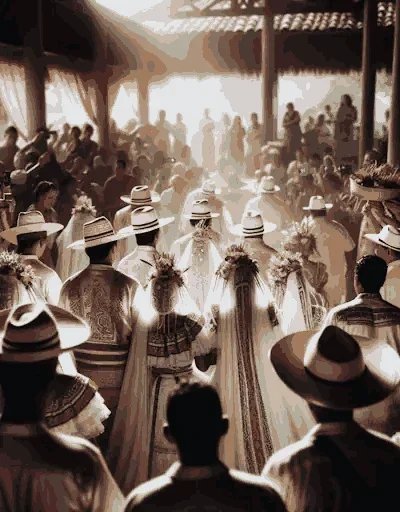
When Tradition Takes 18 Months: The Epic Journey to "Si, Acepto"
The path to a Costa Rican wedding doesn’t start with Pinterest boards, it begins with your future father-in-law sizing you up over strong coffee while your palms betray your nerves. La Pedidalah peh-DEE-dah (formal family request) launches an 18-month marathon that would exhaust Olympic athletes.
The Timeline That Rules Your Life:
- 18 months before: La Pedida unleashes planning chaos
- 12 months out: Engagement party for 150 “close” friends
- 6 monthsCharlas prematrimonialesCHAR-lahs preh-mah-tree-moh-nee-AH-lehs prematrimoniales (pre-marital counseling) test your patience
- 1 week La Serenatalah seh-reh-NAH-tah: La Serenata announces your love to sleeping neighbors
- Wedding weekend: 48-72 hours of non-stop celebration
Pro Tip: Start saving yesterday. Between monthly family dinners, the engagement party, and keeping both families happy, you’ll spend a significant amount before anyone mentions wedding dresses.
Modern couples in San Jose might compress this timeline, but many still honor traditions because Tico families have long memories and longer guest lists. Urban adaptations include video-call Pedidas for international families, but the emotional investment remains nuclear-level.
Budget Alert: Hidden pre-wedding expenses include:
- Monthly family dinners throughout the engagement
- Engagement party costs
- Pre-marital counseling: Free (but costs your sanity)
- La Serenata musicians
- Stress-eating chocolate: Priceless
The Art of Asking Permission When Everyone Already Knows
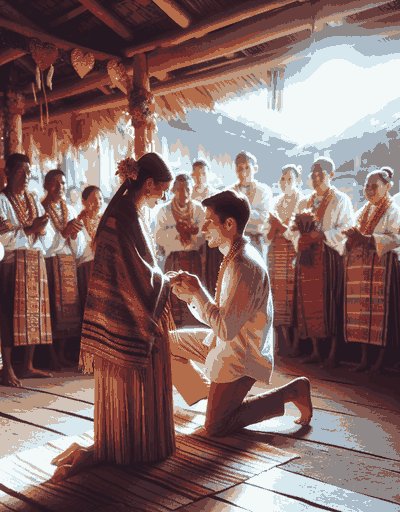
Sacred ceremonies honor ancestral traditions in Costa Rica weddings Picture your boyfriend’s entire family, parents, siblings, that cousin from Miami, dressed in Sunday best, arriving at your parents’ house with flowers, imported chocolates, and visible anxiety. This is La Pedidalah peh-DEE-dah (formal marriage request), performed with state-dinner solemnity despite everyone knowing this day would come.
Fun Fact: Rural Guanacaste La Pedidas last three hours with live marimba. In San Jose, you’ll escape in 45 minutes, but the emotional intensity remains nuclear.
The groom’s father speaks first, praising your family while his son fights fainting. Your father responds with prepared words about responsibility. Then comes negotiation, not about dowries, but wedding dates, guest lists, and who pays what. All this over cafe y reposteria (coffee and pastries) nobody touches because everyone’s too nervous.
Regional variations spice up this drama:
- Central Valley: Formal speeches, European pastries
- Caribbean coast: Calypso sneaks in, rice and beansrice and beans appear
- Guanacaste: Folk songs between speeches, corn snacks
- Rural areas: Extended families turn it into a pre-party
Budget Alert: La Pedida costs vary for gifts and refreshments, but the real price? Stress sweat and rehearsed speeches.
When 50 Strangers Serenade Your Girlfriend (And Her Mom Cries)
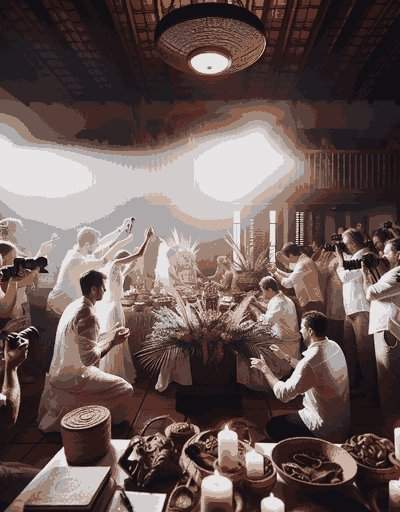
Traditional garments reflect Costa Rica's rich textile heritage and craftsmanship Imagine keeping a secret in a Costa Rican neighborhood. Now imagine that secret involves hiring a 12-piece mariachi band. Welcome to La Serenatalah seh-reh-NAH-tah (traditional serenade), where romantic gestures reach telenovela proportions and privacy dies spectacularly.
The Serenata Play-by-Play:
- Groom arrives (9-11 PM) with musicians in tow
- Neighbors materialize from thin air (they knew all week)
- Bride “surprises” by appearing in her best dress
- Musicians perform 5-10 songs (“Besame Mucho” = mandatory)
- Mother cries (required by law, apparently)
- Father pretends he’s not crying (fools nobody)
- Neighborhood gets free concert
- Spontaneous party erupts
Musical Note: Can’t afford full mariachi? Guitar trios are a budget-friendly alternative. Tone-deaf? Hire professionals, most grooms do.
The magic lives in details: Female relatives cluster inside, “not” filming on phones. Male relatives stand outside, failing at looking stern. That tough uncle who never emotes? He’ll request “Sabor a Mi” with tears.
Regional Soundtracks:
- San Jose: Classic mariachi, 6-12 musicians
- Guanacaste: Marimba bands with folkloric vibes
- Limon: Calypso-reggae fusion gets everyone moving
- Northern plains: Romantic trios with cowboy flair
Critical Warning: Urban serenatas need permits. Nothing kills romance like police shutting down your love declaration.
Two Ceremonies, One Marriage: Navigating Legal and Spiritual Unions
Here’s what your destination wedding planner might forget: In Costa Rica, getting married requires more paperwork than buying property and more ceremony than a coronation. You need two ceremonies, civil and religious, and yes, both are essential.
The Civil Ceremony Reality: The government demands a legal ceremony by authorized lawyers or judges. Think marriage DMV. Requirements:
- Valid passports
- Birth certificates (apostilled if foreign)
- Divorce decrees (apostilled too)
- Death certificates (if widowed)
- Two conscious witnesses
- Patience of saints
Pro Tip: Destination couples, get married legally at home, then have your dream ceremony here. Costa Rican bureaucracy makes DMV look efficient.
The Religious Ceremony: This is where hearts pour out. Catholic ceremonies dominate, lasting 60-90 minutes with enough symbolism to fill theology textbooks:
- Las Arras (thirteen coins): Representing Christ and apostles
- El Lazo (unity rope): Binding couple together
- Velacion: Unity candle your primo will definitely photograph
- Flores a la Virgen: Bride offers bouquet while everyone cries
Budget Alert: Religious ceremony costs include church donation, musicians, flowers, and tissues for tears (buy bulk).
The Midnight Hour When Grandma Goes Wild
Nothing, NOTHING, prepares you for La Hora Localah OH-rah LOH-kah (crazy hour). Your most reserved relatives suddenly morph into Carnival dancers at midnight, wielding glow sticks like weapons of mass celebration.
Orchestrated Insanity Includes:
- LED masks materializing from nowhere
- Stilt walkers towering over drunk tios
- Drummers appearing like musical ninjas
- Confetti cannons violating physics
- Your accountant cousin leading congas
- Smoke machines creating instant rave
- That “non-dancing” aunt doing limbo
Celebration Tip: Basic packages start with props only. Go full carnival for a more elaborate experience, worth it to see your father-in-law in light-up sombrero.
The Science of Madness: La Hora Loca strikes when energy crashes. Instead of letting guests drift away, you assault their senses until second wind kicks in. It’s crowd manipulation perfection.
Regional flavors:
- Guanacaste: Folk dancers in full regalia
- Limon: Window-rattling Caribbean percussion
- San Jose: LED shows and lasers
- Rural areas: Live bands, traditional masks
Quick Warning: Elderly guests either flee or become wildest participants. No middle ground. Plan accordingly.
Feast Like Royalty, Dance Like Nobody's Watching
Costa Rican wedding cuisine follows one rule: Nobody leaves hungry. Ever. These aren’t cocktail hour nibbles, we’re talking 4-6 hour food marathons that challenge the structural integrity of your wedding dress.
The Traditional Feast Timeline:
- 3 PM: Cocktail hour with bocas (appetizers) including ceviche and chifrijochee-FREE-hoh (beans, rice, pork, and chips)
- 5 PM: Dinner service begins with casadokah-SAH-doh, the national dish that ironically means “married”
- 7 PM: Coffee service with traditional desserts
- 10 PM: Late-night snack attack
- Midnight: Post-Hora Loca emergency calories
Must-have menu items that’ll make guests weep with joy:
- Gallo pinto (spotted rooster): Rice and beansrice and beans that taste like home
- Platanos maduros (sweet plantains): Caramelized perfection
- Tres leches cake: Milk-soaked heaven that ruins all other cakes forever
- Arroz con leche (rice pudding): Comfort in a bowl
- Guaro sour cocktails: The national liquor dressed up fancy
Budget Alert: Catering quantities assume each guest has teenage athlete metabolism. Tico weddings order extra food because they believe in abundance.
Regional Specialties That Steal the Show:
- Guanacaste: Tamal asadotah-MAHL ah-SAH-doh (roasted corn cake) and chorreadaschoh-reh-AH-dahs (corn pancakes)
- Caribbean: Rice and beans cooked in coconut milk that converts coconut haters
- Central Olla de carneOH-yah deh KAR-neh: Olla de carne (beef stew) that takes 12 hours to perfect
- Coastal regions: Whole fried fish that stare at you (deliciously)
Good to Know: Vegetarians won’t starve but might get tired of rice and beans. Vegans should pack snacks. Gluten-free guests can feast on naturally compatible dishes. Everyone else? Wear stretchy clothes.
Why Your Wedding Needs Godparents (Who Aren't Actually Godparents)
Meet Los Padrinoslohs pah-DREE-nohs (wedding sponsors), the couple who’ll mentor your marriage, fund your flowers, and definitely judge your first fight. These aren’t symbolic positions; they’re investors with actual responsibilities and expense accounts.
Padrino Job Description:
- Married 10+ years without homicide
- Financially stable with sponsorship capacity
- Available for 4-6 counseling sessions
- Willing to answer 3 AM “marriage is hard” calls
- Expert at dispensing wisdom without preaching
They’ll guide religious ceremonies, hold arras (coins) and lazo (rope), pay for wedding elements, and host your first anniversary dinner (mandatory).
Modern Sponsorship Options:
- Floral package
- Photography
- Mariachi band
- Honeymoon lodging
- Entire bar tab (heroes)
Important Note: Choosing padrinos is political warfare. Pick mom’s friend over dad’s sister? Expect subtle revenge at every family gathering forever.
Contemporary couples select multiple padrino couples, each sponsoring different elements, wedding crowdfunding with emotional support. Catholics especially value this tradition, maintaining formal padrinos despite expense and drama.
Building a Wedding With 300 of Your Closest Neighbors
In rural Costa Rica, your wedding becomes the village’s wedding. This isn’t metaphorical, we’re talking about your neighbor’s cousin’s wife spending three days making tamales in your mother’s kitchen while men you’ve never met build structures in your backyard.
The Community Wedding Machine includes:
- Las senoras (the ladies) who commandeer every kitchen in a 2-kilometer radius
- Men constructing enramadasehn-rah-MAH-dahs (temporary palm shelters) like it’s barn-raising day
- Los musicos (musicians) who mysteriously don’t require payment
- Children recruited as flower girls, ring bearers, and general chaos agents
- Neighbors lending plates, chairs, tables, and unsolicited opinions
Fun Fact: Rural weddings average 200-400 guests, but only about half were actually invited. The rest just… appear. It’s Costa Rican multiplication, accept it.
This communal approach transforms private celebrations into public affirmations. Your wedding validates the social fabric holding communities together. That’s why Maria from the pulperia contributes homemade dulce de leche even though you only know her as “the lady who sells phone cards.”
Urban vs Rural Community Involvement:
Element Rural Reality Urban Version Guest Count 200-400 (half uninvited) 100-200 (mostly invited) Food Prep 3-day community effort Professional catering Venue Family property Rented event space Music Local musicians (free) Professional DJ Duration 12-15 hours minimum 6-8 hours maximum Cleanup What’s cleanup? Party continues Venue handles it Time Management: Rural weddings start when they start and end when the last guest leaves (usually at sunrise). Urban weddings stick to schedules because venues charge overtime like loan sharks.
The beauty lives in the chaos. Your wedding becomes woven into community memory, referenced for decades. “Remember when Don Carlos danced until 4 AM at your wedding?” becomes shorthand for joy itself.
Beach Weddings and Rainforest Vows: Regional Flavors of "I Do"
Costa Rica packs more geographic diversity into its tiny territory than seems physically possible, and each region stamps its personality on wedding celebrations like a particularly enthusiastic passport officer.
Caribbean Coast: Where Weddings Dance to Different Drums
Limon province weddings assault your senses in the best possible way. Here, century-old Jamaican influences transform Catholic ceremonies into calypso-infused celebrations that would make your conservative tia clutch her pearls.
Distinctive Caribbean Elements:
- Ceremony languages rotate between Spanish, English, and Patois (sometimes mid-sentence)
- Rice and beans means coconut milk-infused perfection, not regular gallo pinto
- Steel drums replace guitars during cocktail hour
- Brides might wear African-inspired head wraps with traditional white gowns
- Johnny cakes and pati (spiced meat pastries) dominate cocktail hour
- Rum punch flows like water (stronger than it tastes, beware)
Pro Tip: Caribbean weddings cost more due to specialized ingredients and remote venues. Budget accordingly for authentic celebrations.
Guanacaste: Where Cowboys Meet Tradition
In Costa Rica’s wild west, weddings embrace ranching culture with the enthusiasm of a rodeo crowd. These celebrations honor sabanero (cowboy) heritage while maintaining Catholic foundations.
Guanacaste Wedding Signatures:
- Marimba bands provide soundtrack
- Corn rules the menu: tamales, tortillas, chorreadas, everything corn
- Traditional folk dancers in elaborate costumes perform bombas (rhyming challenges)
- Ceremonies often happen outdoors under ancient Guanacaste trees
- Guests arrive on horseback (seriously)
- Dress codes accommodate 35C heat and dust
Musical Note: Punto guanacasteco dancing is mandatory. Don’t know it? You’ll learn after three drinks when someone’s abuela drags you onto the dance floor.
Central Valley: Where Tradition Meets Modern Money
San Jose and surrounding cities blend old-world formality with contemporary flash. These weddings cost the most but deliver Instagram-worthy experiences.
Urban innovations include:
- Drone photography capturing aerial ceremony shots
- LED dance floors responding to music
- Molecular gastronomy alongside traditional dishes
- Live-streaming for international relatives
- QR codes for digital money dance donations
- Professional wedding planners
The Vibe: Think traditional ceremony, contemporary reception. Couples maintain religious elements while embracing technology and global trends.
Eco-Weddings: When Sustainability Meets Celebration
Costa Rica leads Latin America in environmental consciousness, and weddings increasingly reflect this green dedication. Eco-friendly celebrations cost similar amounts but redirect funds toward sustainable choices.
Green Wedding Elements Gaining Popularity:
- Digital invitations saving paper and postage
- Local flower arrangements reducing carbon footprint
- Farm-to-table menus sourcing within 50 kilometers
- Biodegradable decorations (bamboo > plastic)
- Carbon offset programs for guest travel
- Donated flowers to hospitals post-wedding
Eco Tip: Venue selection impacts sustainability most. Choose locations with renewable energy, water conservation, and waste management. Many eco-lodges offer wedding packages.
Popular Eco-Venue Options:
- Cloud forest lodges in Monteverde
- Organic farms in the Central Valley
- Solar-powered beach venues
- Permaculture centers near Dominical
- Wildlife refuges with event spaces
One trend gaining traction: tree-planting ceremonies replacing unity candles. Couples plant native species together, creating living monuments to their union that’ll outlast their grandchildren.
Budget Alert: Eco-weddings don’t necessarily cost more. Local sourcing often reduces expenses while supporting communities, with savings redirected to quality over quantity.
Destination Weddings: When Paradise Becomes Your Venue
Costa Rica hosts thousands of international weddings annually because apparently, paradise makes an excellent backdrop for eternal commitment. According to the Costa Rica Tourism Board (ICT), the country has become one of Central America’s premier wedding destinations, generating significant tourism revenue.
Why Costa Rica Dominates Destination Weddings:
- No hurricanes (unlike Caribbean competitors)
- Direct flights from major cities
- Every landscape imaginable within driving distance
- “Pura Vida” hospitality that feels genuine
- Legal marriage recognition (with paperwork patience)
- English-speaking vendors in tourist areas
Popular Destination Wedding Options:
- Intimate beach ceremony (20 guests)
- Mid-size resort wedding (50 guests)
- Luxury villa extravaganza (100 guests)
- Planning services: 15-20% additional
- Guest accommodation: Not your problem (traditionally)
Critical Warning: Rainy season (May-November) offers significant savings but requires backup plans. Be prepared for sudden weather changes, especially for outdoor ceremonies.
Destination Wedding Hotspots:
- Tamarindo/Guanacaste beaches: All-inclusive ease
- Manuel Antonio: Beach meets rainforest
- Arenal Volcano: Drama queens love lava views
- Monteverde: Cloud forest mystique
- Caribbean coast: Off-beaten-path charm
Professional Support: Destination weddings require local coordinators who speak “international client” and “Tico vendor” fluently. Budget accordingly for someone who’ll translate both language and expectations.
Creating Your Own Fusion: Modern Wedding Innovations
Modern Costa Rican couples cherry-pick traditions like they’re building custom wedding burritos. This cultural fusion creates personalized celebrations honoring heritage while embracing contemporary life.
The Fusion Formula:
- Keep: Family-centered values, community spirit
- Modernize: Music selections, technology integration
- Adapt: Traditional timelines to busy schedules
- Personalize: Religious elements to match beliefs
- Upgrade: Sustainability practices, donation options
Couples today are finding creative ways to blend old and new. Live-streaming serenatas for international friends, having grandmothers teach traditional dances via pre-recorded video, and splitting money dance donations between honeymoon funds and charitable causes are all becoming common.
Pro Tip: Survey both families about non-negotiable traditions before planning. What seems skippable to you might be relationship-ending to your mother-in-law.
Tech Integration Changing the Game:
- Virtual reality venue tours for planning
- AI-created playlists blending traditional and modern
- Drone light shows replacing fireworks
- Social media walls displaying guest photos
- Translation apps helping international guests navigate
Budget Allocation Evolution:
- Experience elements: increasing (up from previous decades)
- Traditional catering: decreasing
- Photography/videography: increasing
- Venue/decorations: stable
- Attire: decreasing
The shift toward experience investment reflects younger couples prioritizing memories over materials. They’ll rent a dress but hire premium photographers. They’ll skip elaborate centerpieces but invest in La Hora Loca (crazy hour) that guests discuss for years.
Your FAQ Survival Guide to Costa Rican Weddings
How much should I budget for a traditional Costa Rican wedding?
The budget varies significantly depending on location and style. Rural weddings cost less because community members volunteer to cook and the venue is often a family property. Urban celebrations in San Jose cost more, especially once you add professional vendors. Destination weddings typically cost more for international couples, with luxury affairs at the highest end.
The key consideration? These figures don’t include the 18-month engagement period expenses. Add in monthly family dinners, engagement parties, and keeping both families happy with traditional gestures. Pro tip: Start a wedding fund early.
What’s the one tradition we absolutely cannot skip?
La Serenata (traditional serenade) wins by a landslide. Most couples include it because skipping this tradition is like announcing you don’t actually love your bride.
Here’s why it’s non-negotiable: This isn’t just about music. It’s a public declaration that brings communities together, makes mothers cry, and gives fathers a chance to pretend they’re not emotional. The money you spend on musicians buys more than songs, it purchases family approval and neighborhood recognition of your union. Skip the fancy centerpieces, shrink the guest list, serve only rice and beans if necessary, but hire those mariachis. Your future mother-in-law will forgive many sins, but not the absence of “Besame Mucho” floating through her windows while neighbors gather to witness your devotion.
Do we really need both civil and religious ceremonies?
Simply put: legally, yes for civil; culturally, yes for religious (unless you enjoy family drama). Costa Rica requires civil ceremonies for legal recognition, no exceptions, no shortcuts, just lawyers and paperwork.
The religious ceremony is technically optional but socially mandatory for most families. With the majority of Costa Ricans identifying as Catholic, skipping church means explaining your decision at every family gathering until death. The religious ceremony provides the emotional and spiritual moments everyone actually remembers: the arras (wedding coins) blessing, the lazo (unity rope) binding, your grandmother singing off-key but with tremendous feeling.
Destination couples often solve this by marrying legally at home, then having a symbolic ceremony in Costa Rica. You get tropical paradise without apostille nightmares, win-win.
How long do these celebrations actually last?
The polite answer involves checking your watch. The truthful answer? Pack provisions and comfortable shoes because you’re in for a marathon. Urban weddings run 6-8 hours (2 PM ceremony, 10 PM reception end). Rural celebrations laugh at such constraints, we’re talking 12-15 hours minimum, often spilling into the next day.
But wait, there’s more! The wedding itself is just the main event in a trilogy. La Pedida (formal request) happens 12-18 months prior. La Serenata rocks the neighborhood one week before. The actual wedding day stretches from morning preparations through dawn cleanup. Post-wedding gatherings continue the celebration. Costa Ricans don’t believe in rushing life’s important moments, Pura Vida (pure life) philosophy means savoring every second, every dance, every tear, and every shot of guaro.
What food will make or break our reception?
The answer lives in three words: casado (married person’s meal), gallo pinto (spotted rooster), and tres leches cake. Skip these at your own risk. Casado isn’t just food, it’s cultural identity on a plate. This marriage of rice, beans, plantains, salad, and protein delivers authenticity that fancy fusion cuisine can’t touch.
Gallo pinto must appear somewhere, whether at the late-night snack station or morning-after breakfast. It’s comfort food that says “you’re family now.” And tres leches cake? This milk-soaked sensation has ruined regular wedding cakes for everyone. Moist doesn’t begin to describe it. One bite explains why most Costa Rican weddings feature it.
Regional musts include coconut-infused rice and beans on the Caribbean coast, corn-based everything in Guanacaste, and fresh ceviche anywhere near water. Costa Ricans believe in abundance, and running out of food is social suicide.
Should we worry about the money dance tradition?
The Baile del Billete (money dance) might sound awkward to outsiders, pinning cash to newlyweds while dancing feels transactional. But this tradition represents community investment in your future, not a wedding cash grab.
The magic happens in the details: Your boss pins a bill while whispering job security jokes. Your grandmother’s contribution comes with marriage advice worth millions. That cousin who always borrows money? They’ll contribute generously because public pride demands it. The dance lasts 45-90 minutes, depending on guest count and alcohol consumption. Modern couples add QR codes for digital contributions or announce charitable donations, but the physical act of pinning money while dancing remains central. Worried about your dress? The maid of honor follows with bags and emergency pins. Concerned about looking greedy? Don’t be, this tradition predates Venmo by centuries.
Can foreigners pull off an authentic Costa Rican wedding?
Absolutely. Thousands of international couples marry here annually. The key? Embrace authenticity over perfection. Hire local vendors who’ll guide cultural elements. Include a serenata even if you need song subtitles. Serve traditional food alongside familiar options. Most importantly, adopt the Pura Vida mindset, joy matters more than perfection.
Popular elements for destination weddings:
- Mariachi serenatas
- Traditional cocktail foods: chifrijo (beans, rice, pork) and patacones (fried plantains)
- La Hora Loca with local performers
- Bilingual ceremonies honoring both cultures
Skip: DIY family-style cooking (hire professionals), expecting American timing (embrace flexibility), and fighting customs (resistance is futile). Many venues offer cultural packages with built-in traditions. Just communicate your authentic wishes and let local expertise guide the celebration.
Costa Rican weddings offer a unique blend of Latin American warmth, Caribbean rhythm, and Central American hospitality that few destinations can match. Whether you’re a Tico planning your hometown celebration or a foreigner dreaming of tropical vows, embracing the pura vida spirit will make your wedding unforgettable.
Frequently Asked Questions
What is the pedida de mano in Costa Rican weddings?
The pedida de mano is a formal tradition where the groom's family visits the bride's family to request permission for marriage, typically sharing coffee and traditional pastries.
How long are typical Costa Rican engagements?
Costa Rican engagements typically last 6 months to 1 year, allowing families time to plan the celebration and share responsibilities.
What is the arras ceremony in Costa Rica?
The arras ceremony involves the exchange of 13 coins, symbolizing the groom's promise to provide for the family and the couple's shared responsibility.
What do Costa Rican brides traditionally wear?
Traditional Costa Rican brides wear white or ivory gowns, mantilla veils, orange blossoms, family jewelry, and something blue.
What is Hora Loca at Costa Rican weddings?
Hora Loca is a festive 'crazy hour' during the reception featuring masks, props, and high-energy dancing to celebrate the newlyweds.
What food is served at Costa Rican weddings?
Traditional wedding feasts include gallo pinto, arroz con pollo, tamales, tropical fruits, and rum-soaked wedding cake.
Are civil ceremonies required in Costa Rica?
Yes, legal marriages must be performed by a notario público, either before or after any religious ceremony.
What music is played at Costa Rican weddings?
Weddings feature cimarrona bands, marimba music, traditional dances, and modern Latin music for dancing.
What gifts are traditional at Costa Rican weddings?
Common gifts include money, household items, family heirlooms, and traditional Costa Rican crafts and artwork.
How do wedding traditions vary by region in Costa Rica?
Traditions vary from Afro-Caribbean influences on the Caribbean coast to beach ceremonies on the Pacific coast and formal Catholic ceremonies in the Central Valley.
- 1 week La Serenatalah seh-reh-NAH-tah: La Serenata announces your love to sleeping neighbors