Danish Wedding Traditions
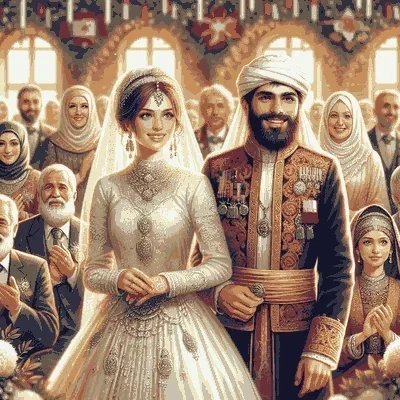
Complete Danish Wedding Process Timeline
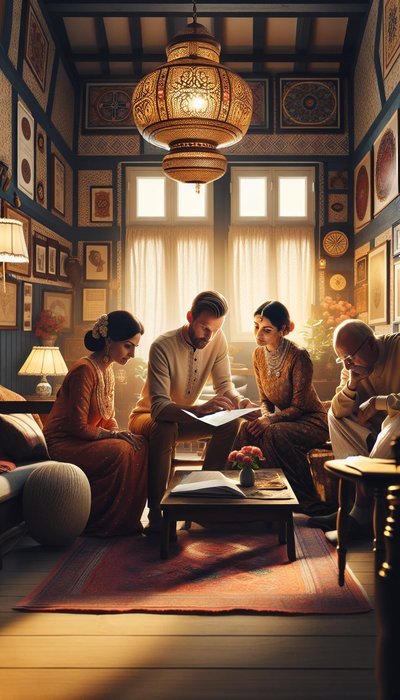
- 12-18 months before: Engagement announcement and ring exchange
- 6-12 months before: Book civil ceremony at Radhus (town hall)
- 3-6 months before: Plan church ceremony (optional)
- 1-3 months before: Organize PolterabendPOL-ter-ah-bend (bachelor/bachelorette parties)
- Night before: Create Aresport, separate accommodations
- Wedding day: Civil ceremony, church ceremony, reception until 2-4 AM
- Morning after: Exchange MorgengaveMOR-gen-gah-veh (morning gifts)
What Are Danish Pre-Wedding Traditions?
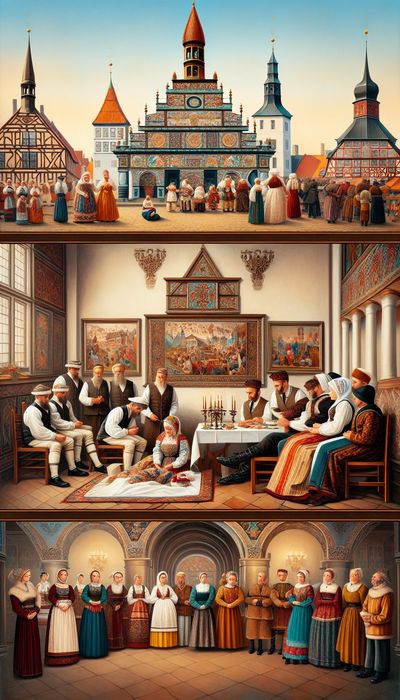
Danish pre-wedding customs begin with engagement and continue through the night before the wedding, involving both formal announcements and celebratory rituals that cost approximately $500-$2,000 USD.
Danish Engagement Traditions and Ring Exchange
Anmode om datterens hand (an-MOH-deh om DAT-ter-ens hawn) is the traditional Danish practice of asking the bride’s father for permission to marry, dating back to medieval times when marriages strengthened family alliances.
Danish engagement ring tradition involves placing the ring on the left ring finger, following the ancient belief in “Kaerlighedens are” (care-LEE-heh-dens AW-reh) - the vein of love connecting the fourth finger directly to the heart. This tradition, shared across Western cultures, symbolizes eternal connection.
Equal gift exchange represents modern Danish values - when receiving an engagement ring (typically $2,000-$8,000 USD), the bride reciprocates with a watch or meaningful gift of similar value, embodying Denmark’s commitment to relationship equality.
Modern Danish couples typically:
- Announce engagement to family first
- Exchange reciprocal gifts
- Host informal celebration dinner ($500-$1,500 USD)
- Plan 12-18 month engagement period
Polterabend: Danish Bachelor and Bachelorette Parties
Polterabend (POL-ter-ah-bend) is the Danish pre-wedding celebration meaning “noisy evening,” where friends create maximum noise to frighten away evil spirits from the couple. This German-origin tradition costs $300-$1,500 USD per party and involves 10-30 participants.
Traditional PolterabendPOL-ter-ah-bend elements:
- Timing: 2-4 weeks before wedding (modern practice)
- Duration: 6-12 hours of celebration
- Participants: Same-gender friend groups
- Activities: Bar hopping, costume themes, surprise elements
- Cost: $50-$150 USD per participant
The best man organizes the groom’s celebration while the first bridesmaid arranges the bride’s party. Until the 1980s, only grooms celebrated, but modern Danish culture embraces equal celebrations for both partners.
Night Before Wedding Customs
Separate accommodations tradition requires couples to sleep apart the wedding eve, believed to bring marital luck. This centuries-old custom remains popular among Danish couples, with brides staying with bridesmaids and grooms with family or groomsmen.
Aresport (Gate of Honor) (EH-res-port) is Denmark’s most beloved pre-wedding tradition where friends and family members secretly gather to construct a decorated archway at the couple’s home or venue. This surprise installation costs $200-$800 USD and requires 3-5 hours of preparation.
Gate of Honor components:
- Pine branches: Fresh evergreen base structure
- Flowers: Seasonal blooms (roses, daisies, wildflowers)
- Personal items: Professional symbols (teacher’s rulers, chef’s utensils)
- Dimensions:
2.5-3 meters high, 2-3 meters wide
- Message boards: Well-wishes from creators
Regional variations include:
- Coastal areas: Incorporate fishing nets, shells, maritime flags
- Rural regions: Add farming tools, wheat sheaves, local produce
- Urban settings: Modern decorations, LED lights, city themes
Danish Wedding Ceremony Traditions and Legal Requirements
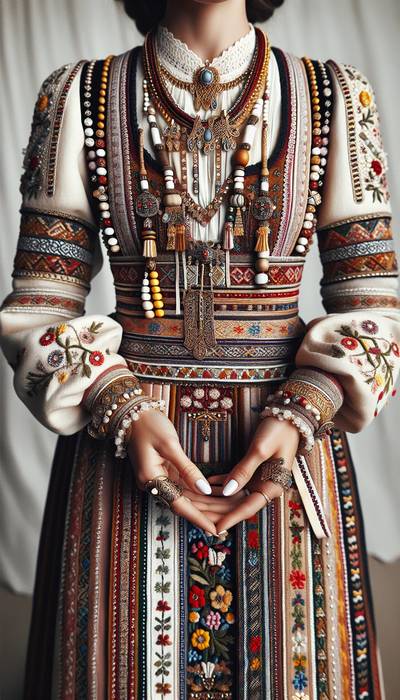
Danish wedding ceremonies combine mandatory civil proceedings with optional religious celebrations, creating a two-part process that accommodates both legal requirements and spiritual preferences.
Civil Ceremony Requirements in Denmark
Danish civil ceremony is the mandatory legal marriage procedure conducted at the Radhus (town hall) with 2-4 witnesses present. This 15-20 minute ceremony costs $100-$300 USD and must precede any religious celebration.
Denmark’s streamlined marriage process attracts thousands of international couples annually, earning it a reputation as one of Europe’s most accessible destinations for weddings. Requirements include:
- Documentation: Passports, birth certificates, divorce decrees (if applicable)
- Processing time: 1-5 business days
- Languages offered: Danish, English, German
- Witness requirements: 2 adults with valid ID
- Certificate issuance: Same day
The ceremony includes formal vows, ring exchange, and signing of marriage documents. Unlike Las Vegas wedding chapels’ themed ceremonies, Danish civil ceremonies maintain formal dignity while offering efficiency.
Lutheran Church Wedding Ceremonies
Danish church weddings occur in the Evangelical Lutheran Church (FolkekirkenFOL-keh-keer-ken), Denmark’s national church serving approximately three-quarters of the population. These ceremonies last 30-45 minutes and cost $300-$800 USD including organist and church fees.
Traditional processional order:
- Groom arrival: With best man, 15 minutes early
- Guest seating: Bride’s family left, groom’s right
- Bride entrance: Last to arrive with father
- Aisle walk: Father “gives away” bride (traditional)
- Modern alternative: Couple walks together
Church ceremony elements:
- Hymns: 3-4 traditional Danish hymns
- Readings: Bible passages in Danish
- Vows: Traditional Lutheran promises
- Ring blessing: Pastor blesses wedding bands
- Recessional: Couple exits first to church bells
Danish Wedding Attire Traditions
Danish bridal attire traditionally combines white wedding dress with mandatory red element - symbolizing love and protecting against evil spirits. Brides spend $1,500-$5,000 USD on wedding attire.
Bride’s traditional elements:
- White dress: Simple, elegant designs preferred
- Red accent: Shoes, ribbon, undergarment, or jewelry
- Veil: Full-length for church ceremonies
- Bouquet: Purchased by groom ($150-$400 USD)
- Wedding shoes: Self-purchased (tradition forbids groom buying)
Groom’s attire includes dark suit or morning coat with distinctive Danish touches:
- Boutonniere: Matching bride’s bouquet
- Special socks: For cutting ceremony
- Formal shoes: Black leather traditional
- Cost range: $500-$2,000 USD
Guest attire rules:
- Women: Avoid white (bride’s color)
- Men: Dark suits preferred
- Children: Formal dress encouraged
- Regional variations: Coastal areas more casual
Danish Wedding Reception Traditions
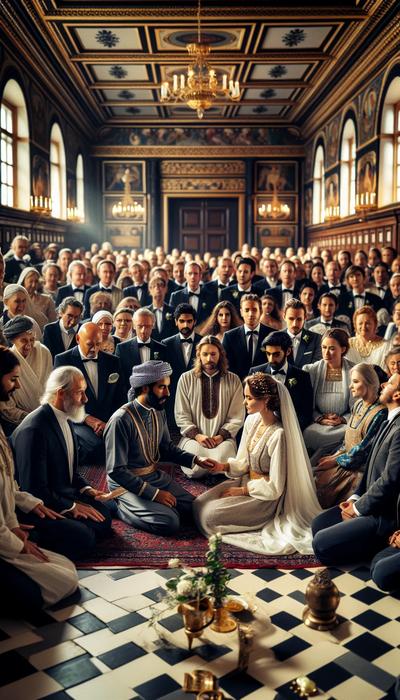
Danish wedding receptions feature distinctive customs that encourage guest participation and create memorable celebrations lasting 8-12 hours with 50-150 attendees.
Kissing Traditions at Danish Weddings
Danish wedding kissing customs involve three distinct traditions that keep couples busy throughout their reception, originating from medieval beliefs about warding off evil spirits through displays of affection.
The three kissing triggers:
- Knife tapping on plates: Couple must kiss at their seats
- Glass clinking: Couple stands on chairs to kiss
- Foot stamping: Couple hides under table to kiss
Separation kissing tradition occurs when either spouse leaves the reception room:
- Groom absent: All male guests kiss bride on cheek
- Bride absent: All female guests kiss groom on cheek
- Purpose: Ensures couple stays together during reception
Brudevals: The Traditional Danish Wedding Dance
Brudevals (BROO-the-vals) is the traditional Danish wedding waltz performed to music from Niels Wilhelm Gade’s 1854 ballet “Et Folkesagn” (A Folk Tale). This tradition must occur before midnight and involves all wedding guests.
BrudevalsBROO-the-vals performance structure:
- Circle formation: Guests surround dancing couple
- Inward movement: Circle tightens during 3-minute dance
- Final position: Guests pressed close to couple
- Climax: Couple kisses as music ends
- Applause: Enthusiastic clapping follows
This tradition symbolizes community support literally surrounding the new marriage. Professional musicians cost $300-$800 USD, though recorded music is acceptable.
Groom’s Sock Cutting Ceremony
Klipning af brudgommens sokker (KLEEP-ning af BROOTH-gom-mens SOK-ker) is Denmark’s most distinctive wedding tradition where groomsmen cut off the tips of the groom’s socks immediately after the brudevals.
Ceremony process:
- Lifting: Male guests hoist groom horizontally
- Shoe removal: Best man removes groom’s shoes
- Cutting: Scissors cut 2-3 inches from sock tips
- Cheering: Guests applaud the ritual
- Duration: 5-10 minutes total
Two traditional interpretations exist:
- Fidelity symbol: Cut socks prevent groom from “wandering”
- Domestic duty: Bride’s first wifely task is mending socks
Modern couples often subvert gender implications - many brides playfully refuse mending, suggesting groom buy new socks instead. Special “wedding socks” cost $20-$50 USD.
Veil Tearing Tradition
Slor rivning (SLUR REEV-ning) involves wedding guests tearing the bride’s veil into small pieces during the reception, symbolizing her transition from maiden to wife.
Traditional execution:
- Timing: After dinner, before cake cutting
- Participants: Female guests primarily
- Veil pieces: 1-2 inch squares distributed
- Keepsakes: Guests take pieces home for luck
Contemporary brides often use a separate “tearing veil” ($50-$100 USD) to preserve their ceremony veil as an heirloom.
Danish Wedding Food and Cake Traditions
Danish wedding cuisine reflects national culinary heritage while incorporating festive elements specific to wedding celebrations, typically costing $100-$200 USD per guest.
Kransekage: Traditional Danish Wedding Cake
Kransekage (KRAN-seh-kah-geh) is the traditional Danish wedding cake consisting of 18-36 concentric almond paste rings stacked to form a cone-shaped tower 18-24 inches tall. This labor-intensive confection costs $300-$800 USD and serves 50-100 guests.
KransekageKRAN-seh-kah-geh specifications:
- Ingredients: Ground almonds, sugar, egg whites
- Preparation time: 6-8 hours including cooling
- Ring sizes: Largest 12 inches, smallest 2 inches
- Decoration: White icing, Danish flags, marzipan roses
- Serving tradition: Must cut before midnight
Overflodighedshorn (oh-ver-FLUR-thee-hets-horn), meaning “horn of plenty,” is the cornucopia-shaped variation filled with chocolates, fruits, and candies spilling out - symbolizing abundance for newlyweds.
Cake traditions require:
- Every guest must eat a piece (brings luck)
- Couple breaks top ring together
- Saved rings predict future children
- Refusing cake brings bad luck to marriage
Traditional Danish Wedding Menu
Danish wedding feast (bryllupsmiddagBRYL-lups-mid-dag) features traditional Nordic cuisine with regional variations, lasting 4-6 hours with multiple courses and costing $75-$150 USD per person.
Traditional menu structure:
- Appetizer: Smoked salmon, pickled herring ($15-25)
- Soup: Seasonal vegetable or fish soup ($10-20)
- Main course: Roast pork, duck, or beef ($30-50)
- Sides: Caramelized potatoes, red cabbage ($10-15)
- Dessert: Besides kransekage, ice cream or fruit ($10-20)
Regional menu variations:
- Coastal regions: Emphasize fresh seafood (cod, plaice, shrimp)
- Jutland: Feature more beef and pork dishes
- Zealand: Include more refined, French-influenced cuisine
- Bornholm: Incorporate smoked fish specialties
Danish Wedding Toasts and Drinking Traditions
Skal (skawl) is the traditional Danish toast shouted throughout wedding receptions, accompanied by specific drinking customs and songs dating back to VikiToastmasterTOAST-mas-terp>
Toastmaster (toastmaster) responsibilities:
- Coordinate speeches throughout dinner
- Lead traditional drinking songs
- Announce “Skal” moments
- Manage reception timeline
- Fee: $200-$500 USD
Traditional speech order:
- Father of bride: Welcome and memories (5-10 minutes)
- Father of groom: Family welcome (5 minutes)
- Best man: Humorous anecdotes (10 minutes)
- Maid of honor: Sentimental memories (5-10 minutes)
- Open floor: Friends and relatives (3-5 minutes each)
Danish drinking sJeg er havrenyai air HAV-ren
- “Jeg er havren” (I am the oat)
- “Skuld gammel venskab” (Auld Lang Syne Danish version)
- Couple-specific songs written by friends
Additional Danish Wedding Customs
Several unique Danish wedding traditions reflect cultural values of equality, community, and celebration.
Morgengave: The Morning Gift Tradition
Morgengave (MOR-gen-gah-veh) is the traditional morning gift exchanged privately between newlyweds the day after their wedding, originally providing financial security for brides under ancient Danish law.
Traditional morning gifts:
- From groom: Jewelry, watch, or heirloom ($200-$2,000 USD)
- From bride: Cufflinks, watch, or personal item ($200-$2,000 USD)
- Modern alternatives: Handwritten letters, photo albums
- Presentation: Private exchange over breakfast
Danish Wedding Ring Traditions
Danish wedding rings (vielsesringeVEE-el-ses-ring-eh) are traditionally worn on the right hand’s fourth finger, contrasting with American left-hand placement. This practice dates to Viking times when arm rings also symbolized marriage bonds.
Ring traditions include:
- Metal choice: Yellow gold remains popular among Danish couples
- Modern options: White gold, platinum increasingly chosen
- Inscriptions: Names and wedding date inside
- Cost range: $500-$3,000 USD per ring
Viking influence remains in some families who exchange additional arm rings or torques during ceremonies, particularly in historically significant regions like Roskilde and Jelling.
Regional Danish Wedding Variations
Denmark’s distinct regions maintain unique wedding customs reflecting local culture and history.
Jutland traditions (Western Denmark):
- Longer receptions (12-14 hours)
- More elaborate Aresport designs
- Traditional folk dancing included
- Average 100-150 guests
- Cost: $20,000-$35,000 USD total
Zealand customs (Eastern Denmark including Copenhagen):
- More formal ceremonies
- Copenhagen influence: modern adaptations
- Shorter receptions (8-10 hours)
- Average 75-100 guests
- Cost: $25,000-$40,000 USD total
Funen practices (Central island):
- Hans Christian Andersen themes
- Garden wedding preferences
- Intimate celebrations (50-75 guests)
- Cost: $15,000-$25,000 USD total
Bornholm variations (Baltic island):
- Seaside ceremonies common
- Smoked fish wedding menus
- Small gatherings (30-50 guests)
- Cost: $10,000-$20,000 USD total
Modern Danish Wedding Trends and Adaptations
Contemporary Danish weddings in 2025 blend traditional elements with international influences and sustainability concerns, creating personalized celebrations.
Sustainability in Danish Weddings
Eco-conscious Danish weddings reflect national environmental values with many couples incorporating sustainable practices costing similar to traditional weddings.
Sustainable adaptations:
- Local flowers: Seasonal Danish blooms for Aresport ($200-$500)
- Organic catering: Farm-to-table menus ($80-$120 per guest)
- Vintage attire: Second-hand or rented wedding clothes (saves 50-70%)
- Digital invitations: Reduces paper waste (saves $200-$500)
- Carbon offsetting: For destination wedding travel ($500-$1,500)
International Wedding Influences
Multicultural Danish weddings increase annually as marriages involving international partners create fusion celebrations combining Danish and foreign traditions.
Popular international additions:
- American elements: Photo booths, cocktail hours ($500-$1,500)
- Asian influences: Tea ceremonies, red envelopes ($200-$800)
- Middle Eastern: Henna parties, drums ($300-$1,000)
Some Danish couples choose destination weddings abroad for completely different experiences, though many still incorporate kransekageKRAN-seh-kah-geh or Danish flags at their receptions.
Digital Integration in Modern Danish Weddings
Technology-enhanced traditions allow global participation while maintaining intimate Danish customs.
Digital adaptations:
- Live streaming: For distant relatives ($200-$500 setup)
- Wedding hashtags: Many couples create unique tags
- Digital guestbooks: Video messages replace written notes
- Drone photography: Captures Aresport from above ($500-$1,500)
- QR code menus: Accommodates dietary restrictions easily
Shortened Celebration Trends
Modern Danish weddings increasingly feature condensed timelines while maintaining key traditions.
Contemporary reception timeline:
- 4 PM: Church ceremony (30-45 minutes)
- 5 PM: Cocktail hour (1 hour)
- 6 PM: Dinner service (2-3 hours)
- 9 PM: Speeches and brudevalsBROO-the-vals (1 hour)
- 10 PM: Cake cutting and coffee (30 minutes)
- 10:30 PM: Dancing begins
- 1 AM: Celebration ends (vs. traditional 3-4 AM)
This condensed format reduces costs by $3,000-$5,000 USD while preserving essential traditions.
Comparison: Traditional vs Modern Danish Wedding Practices
| Element | Traditional Practice | Modern Adaptation | Cost Difference |
|---|---|---|---|
| Engagement | Father’s permission required | Couple decides independently | No cost |
| Ring exchange | Bride receives ring only | Equal gift exchange | +$500-$2,000 |
| Polterabend | Night before wedding | 2-4 weeks prior | Same cost |
| Ceremony venue | Church only | Outdoor, secular options | -$200-$500 |
| Reception length | 12-14 hours | 8-10 hours | -$3,000-$5,000 |
| Guest count | 150-200 | 75-100 | -$7,500-$10,000 |
| Kransekage | Mandatory | Often with modern cake too | +$300-$500 |
| Sock cutting | Universal practice | Many couples include it | No cost |
| Morning gift | Financial security | Sentimental value | -$1,000-$3,000 |
Current Popularity of Danish Wedding Traditions (2025)
Based on cultural observations, here are Danish traditions that remain widely practiced:
- Civil ceremony requirement: Legally mandated for all marriages
- Kransekage wedding cake: Remains a beloved centerpiece at Danish weddings
- Brudevals (bridal waltz): Traditional dance commonly performed
- Kissing traditions: Popular across most Danish weddings
- Aresport (Gate of Honor): Especially common in rural areas
- Separate pre-wedding night: Many couples maintain this tradition
- Groom buys bouquet: Traditional practice continues
- Sock cutting ceremony: Distinctive Danish custom still practiced
- Something red for bride: Many brides incorporate red element
- Morgengave exchange: Morning gift tradition continues
- Right-hand wedding rings: Traditional placement still chosen by many
- Veil tearing ceremony: Less common in modern weddings
Planning Your Danish Wedding: Practical Timeline
For couples planning a traditional Danish wedding, here’s a comprehensive timeline with costs:
18 months before:
- Announce engagement ($0-$1,500 celebration)
- Set wedding date
- Determine budget ($15,000-$40,000 typical total)
12 months before:
- Book civil ceremony at Radhus ($100-$300)
- Reserve church if desired ($300-$800)
- Secure reception venue ($2,000-$5,000)
6 months before:
- Order kransekageKRAN-seh-kah-geh ($300-$800)
- Book musicians for brudevalsBROO-the-vals ($300-$800)
- Send save-the-dates ($100-$300)
3 months before:
- Finalize guest list (75-150 typical)
- Order wedding attire ($2,000-$7,000 total)
- Plan PolterabendPOL-ter-ah-bend parties ($600-$3,000 total)
1 month before:
- Confirm all vendors
- Prepare Aresport materials ($200-$800)
- Final dress fittings
1 week before:
- Gather marriage documents
- Rehearse brudevals
- morgengaveMOR-gen-gah-vehrepare morgengave gifts ($400-$4,000 total)
Day before:
- Separate accommodations
- Friends create Aresport
- Rest for long celebration ahead
Danish wedding traditions continue evolving while maintaining their core purpose: celebrating love within a supportive community through time-honored customs that connect modern couples to centuries of cultural heritage.
Tip: For authoritative information on Danish marriage requirements and legal procedures, visit the Danish Agency of Family Law (Familieretshuset), which provides official guidance on civil ceremonies and documentation requirements for both Danish citizens and international couples.
How much does a typical Danish wedding cost?
A typical Danish wedding costs $15,000-$40,000 USD depending on guest count and location. Urban Copenhagen weddings average $25,000-$40,000 for 75-100 guests, while rural Jutland celebrations cost $20,000-$35,000 for 100-150 guests. Major expenses include venue rental ($2,000-$5,000), catering ($75-$150 per person), and the traditional kransekageKRAN-seh-kah-geh ($300-$800).
Do Danish couples have to get married twice?
Yes, Danish law requires a mandatory civil ceremony at the Radhus (town hall) for legal recognition, costing $100-$300 USD. Many couples then have an optional religious ceremony, typically in the Lutheran Church ($300-$800). The civil ceremony must occur first and includes 2-4 witnesses, lasting 15-20 minutes.
What is the sock cutting tradition at Danish weddings?
Klipning af brudgommens sokker is the tradition where male wedding guests lift the groom horizontally and cut off his sock tips after the first dance. This 5-10 minute ritual symbolizes preventing the groom from “wandering” or gives the bride her first wifely duty of mending. This playful tradition remains a distinctive part of many Danish weddings.
Why do Danish brides wear something red?
Danish brides traditionally incorporate red elements in their wedding attire to symbolize love and ward off evil spirits. This centuries-old custom appears in many modern weddings through red shoes, ribbons, undergarments, or jewelry. The red item is often hidden, known only to the bride and groom.
What is Aresport and when is it created?
Aresport (Gate of Honor) is a surprise decorative archway created by friends and family the night before the wedding. This 2.5-3 meter high structure made from pine branches, flowers, and personal items costs $200-$800 USD and takes 3-5 hours to construct. It symbolizes the couple’s passage into married life and brings good luck.
How long do Danish wedding receptions last?
Traditional Danish wedding receptions last 8-12 hours, starting around 4 PM and continuing until 1-4 AM. Modern urban weddings tend toward 8-10 hours while rural celebrations maintain the traditional 12-14 hour timeline. The reception includes multiple courses, numerous speeches, traditional dances, and various customs throughout the evening.
What is kransekage and is it required at Danish weddings?
Kransekage is the traditional Danish wedding cake consisting of 18-36 concentric almond paste rings forming a tower, costing $300-$800 USD. While not legally required, this cake remains a beloved centerpiece at Danish weddings, which must be cut before midnight with every guest taking a piece for good luck. Some modern couples combine kransekage with contemporary tiered cakes.
Can foreigners get married in Denmark?
Yes, Denmark’s streamlined marriage process attracts many international couples annually. Requirements include valid passports, birth certificates, and any divorce decrees. Processing takes 1-5 business days with ceremonies conducted in Danish, English, or German. For official requirements, couples should consult Familieretshuset, Denmark’s family law agency.
What happens during the Danish wedding kiss traditions?
Danish receptions feature three distinct kissing triggers: knife tapping on plates (couple kisses at seats), glass clinking (couple stands on chairs to kiss), and foot stamping (couple hides under table to kiss). Additionally, when either spouse leaves the room, all opposite-gender guests kiss them on the cheek. These traditions remain popular at Danish weddings.
Are Danish wedding rings worn on the right or left hand?
Traditional Danish practice places wedding rings on the right hand’s fourth finger, which differs from American left-hand placement and connects to Viking traditions of wearing marriage rings. Many Danish couples follow this traditional right-hand placement, though some choose left-hand placement reflecting international influence on modern Danish weddings.
Frequently Asked Questions
What is the Polterabend tradition in Denmark?
Polterabend is a pre-wedding tradition where friends and family gather outside the couple's home to throw plates and porcelain against the door to ward off evil spirits.
What do Danish brides traditionally wear?
Danish brides typically wear white dresses with clean lines and a traditional myrtle crown, symbolizing purity and fidelity.
What is a kransekage?
Kransekage is the traditional Danish wedding cake, a towering ring cake made of marzipan and decorated with ornate designs.
What is the midnight waltz tradition?
The midnight waltz is a special Danish tradition where guests form a circle around the newlyweds during their dance at midnight.
Why do Danes cut the groom's sock?
Cutting the groom's sock is a playful Danish tradition performed at the reception, symbolizing his transition into married life.
What is an æresport?
An æresport is a decorated 'gate of honor' placed along the route to the church on the wedding day.
What is the kagemand tradition?
The kagemand is a pastry the couple cuts together - whose hand is on top supposedly indicates the dominant partner in marriage.
What type of gifts are common at Danish weddings?
Danish wedding gifts tend to be practical, typically including household items or monetary contributions.
How do Danish engagement traditions differ?
Danish engagements are typically straightforward, with both partners wearing simple gold engagement rings.
What food is served at Danish wedding receptions?
Traditional Danish wedding feasts include smørrebrød, local meats and seafood, and the kransekage wedding cake.