Dutch Wedding Traditions
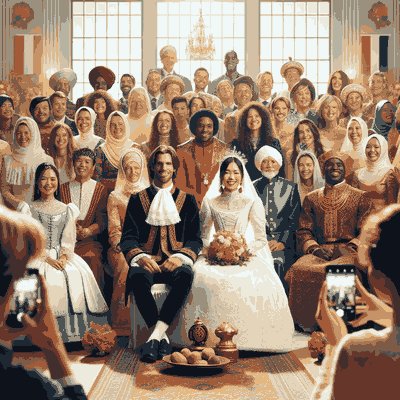
Quick Overview: Dutch Wedding Process Timeline
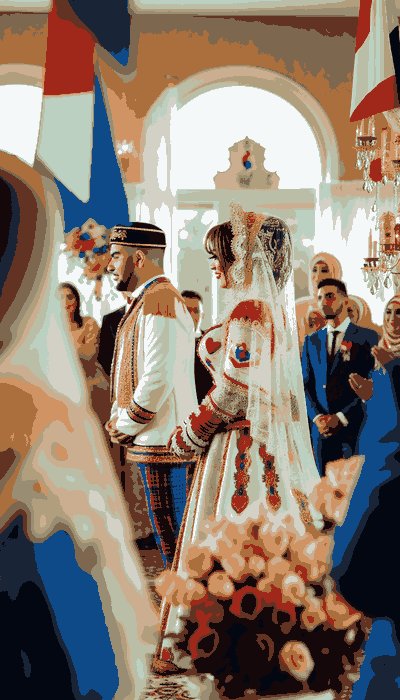
- 3-12 months before: Engagement announcement and verloving (engagement party)
- 2 weeks-1 year before: Ondertrouw (mandatory civil registration)
- 1-2 weeks before: Vrijgezellenfeest (bachelor/bachelorette parties)
- Wedding day: Civil ceremony (required), optional religious ceremony, phased celebrations
- Post-wedding: Wittebroodsweken (honeymoon) and establishing new household
What Are Dutch Pre-Wedding Traditions?
Verloving: Dutch Engagement Customs
Verloving is the formal Dutch engagement period that traditionally involves both partners exchanging rings worn on the right hand, costing €500-€2,000 per ring. This centuries-old practice dates back to medieval times when marriages required formal family agreements.
Modern Dutch engagement practices include:
- Engagement borrel (drinks party) for 20-50 guests
- Ring exchange between both partners (unlike single-ring traditions elsewhere)
- Right-hand placement until wedding day when rings move to left hand
- Family announcement before friends, honoring traditional hierarchy
Regional engagement variations:
- Urban areas (Amsterdam, Rotterdam): More informal celebrations, international influences
- Rural provinces: Traditional family dinners, formal announcements
- Southern regions (Limburg): Catholic blessing ceremonies sometimes included
Ondertrouw: Mandatory Civil Registration
Ondertrouw is the required Dutch civil marriage registration that must occur 2 weeks to 1 year before the wedding at the local gemeentehuis (town hall). This Napoleonic-era requirement costs €50-€100 and involves submitting birth certificates, proof of nationality, and other legal documents. According to the Dutch government’s official marriage requirements, all couples must complete this registration regardless of whether they plan a religious ceremony.
Historical context: Before civil registration, banns were read in church for three consecutive Sundays, allowing time for objections to prevent bigamy or consanguineous marriages.
Current ondertrouw process:
- Schedule appointment at local municipality (2-3 months ahead recommended)
- Submit documents: Birth certificates, passports, divorce decrees if applicable
- Pay fees: €50-€100 depending on municipality
- Choose ceremony details: Location, date, time, officiant
- Receive confirmation: Legal permission to marry
Pre-Wedding Celebrations and Gatherings
Vrijgezellenfeest is the Dutch bachelor/bachelorette party typically held 1-4 weeks before the wedding, involving 5-15 close friends and costing €50-€200 per person. These celebrations traditionally focus on meaningful friendships rather than excessive revelry.
Traditional pre-wedding events:
- Family dinners: Both families meet 1-3 months before wedding (€500-€1,500 total)
- Bridal shower equivalent: Afternoon tea with female relatives (20-30 guests)
- Groom’s dinner: Male family members gathering (10-20 participants)
Regional pre-wedding variations:
- Friesland: Folk dancing workshops included (kost-en-danskost-en-dahns)
- Limburg: Religious preparation classes for Catholic couples
- Coastal regions: Seafood-focused gatherings (€40-€80 per person)
- Urban centers: International fusion celebrations
Dutch Wedding Ceremony Traditions
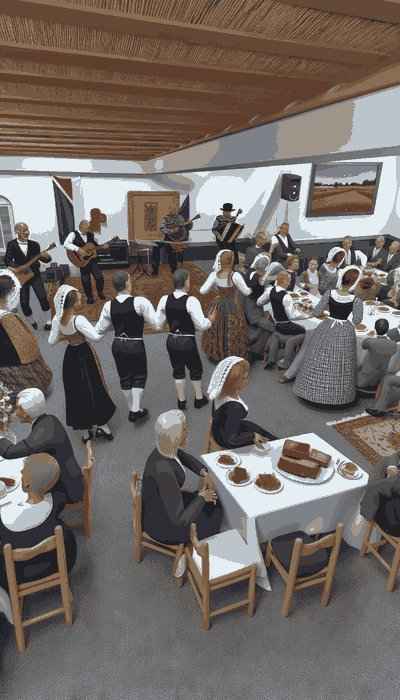
Burgerlijk Huwelijk: The Mandatory Civil Ceremony
Burgerlijk huwelijk is the legally required Dutch civil ceremony performed by a government-appointed ambtenaar van de burgerlijke stand (civil registrar), costing €150-€600 depending on day, time, and location. This requirement, established during the Napoleonic period around 1811, means religious ceremonies alone have no legal validity in the Netherlands.
Civil ceremony components:
- Duration: 20-45 minutes
- Required attendees: Couple, officiant, 2-4 witnesses (getuigen)
- Optional guests: 20-150 depending on venue
- Key moments: Exchange of vows, rings, signing register
- Language options: Dutch, English, or other languages with prior arrangement
Venue options and costs:
- Town hall ceremony room: €150-€300 (cheapest option)
- External approved locations: €400-€1,500 (castles, estates, beaches)
- Home ceremonies: €300-€500 (with special permission)
- Weekend surcharge: Additional €100-€200
Religious Wedding Ceremonies
Dutch religious ceremonies are optional celebrations following the mandatory civil ceremony, typically attended by 50-200 guests and lasting 45-90 minutes. Religious ceremonies have declined significantly in recent decades as the Netherlands has become more secular, though they remain meaningful for many couples.
Protestant ceremony characteristics:
- Duration: 45-60 minutes
- Focus: Scripture readings, marriage sermon
- Music: Traditional psalms and hymns
- Participants: 50-150 guests typical
- Regions: More common in Bible Belt (Veluwe, Zeeland)
Catholic ceremony features:
- Duration: 60-90 minutes including mass
- Elements: Full mass, special blessings
- Participants: 75-200 guests typical
- Regions: Primarily Limburg and North Brabant
Planning Tip: If you’re interested in religious ceremonies in other European countries, explore how French weddings similarly require civil ceremonies before church ceremonies.
Bruidsschat and Bruidegomsgift: Gift Exchange Traditions
Bruidsschat is the historical Dutch dowry tradition that evolved from medieval property transfers to modern symbolic gift exchanges between families. Contemporary practice involves parents gifting €5,000-€50,000 to help establish the couple’s household.
Traditional dowry components (historical):
- Bruidskist (bridal chest): Hand-carved wooden chests containing linens
- Household items: Furniture, kitchenware, textiles
- Regional specifics: Zeeland jewelry, Friesian silver, farmland shares
Bruidegomsgift is the groom’s wedding day gift to his bride, traditionally jewelry worth €500-€5,000, symbolizing his commitment and financial stability. Modern interpretations include personalized items or mutual gift exchanges reflecting contemporary partnership values.
Traditional Dutch Wedding Attire
Historical Bridal Costume Evolution
Traditional Dutch wedding attire varied significantly by region and evolved from 17th-century black gowns with white collars (as seen in Golden Age paintings) to regional folk costumes in the 18th-19th centuries, before transitioning to white dresses in the early 20th century.
Regional traditional wedding attire:
- Volendam/Marken: Colorful costumes with pointed caps (€2,000-€5,000 to purchase)
- Friesland: Black dresses with oorijzersOHR-ay-zers (ear irons) and multi-strand necklaces
- Zeeland: Lace caps, golden clasps, distinctive shawls
- Staphorst: Conservative black dresses with specific decorative patterns
Bruidskroon (bridal crown) traditions:
- Materials: Silver, gold, fabric flowers, family heirlooms
- Regions: Particularly elaborate in Friesland
- Symbolism: Purity, family wealth, virginity
- Modern use: A small percentage of brides still incorporate crown elements
Wedding Jewelry and Ring Traditions
Dutch wedding ring tradition involves wearing engagement rings on the right hand then moving them to the left hand after the ceremony, symbolizing the transition from engaged to married status. Simple gold bands costing €200-€1,000 each remain most popular.
Traditional regional jewelry:
- Friesian wedding jewelry: 6-8 strand necklaces (€1,500-€10,000 for antiques)
- Zeeland knopen: Decorative silver buttons (€50-€500 per piece)
- Oorijzers: Traditional ear irons from various regions
- Family heirlooms: Passed through generations, priceless value
Modern jewelry practices:
- Most couples exchange simple gold bands
- Some couples include family heirloom pieces
- A growing number commission contemporary designs inspired by traditional patterns
- Average spending: €1,000-€3,000 total on wedding rings
Dutch Wedding Day Customs
Bruidsstoet: The Wedding Procession
Bruidsstoet is the traditional Dutch wedding procession that historically involved the entire community witnessing the couple’s journey to and from the ceremony, now adapted to include decorated cars, bicycles, or boats depending on the region.
Traditional procession elements:
- White ribbons (wit-lintvit-lint): Stretched across roads by children
- Flower strewing (bloemen-strooienBLOO-men STROH-yen): Children scatter petals
- Bell ringing (klokken-luidenKLOK-ken LOY-den): Church bells announce marriage
- Decorated pathways: Neighbors create flower arrangements
Modern procession variations:
- Urban weddings: Canal boats in Amsterdam (€500-€2,000 rental)
- Rural areas: Decorated tractors or horse carriages (€300-€1,000)
- Bicycle processions: Decorated bikes with flowers (€50-€200 per bike)
- Car convoys: Vintage cars with ribbons and flowers (€400-€1,500)
Trouwpenningen: Wedding Coins Tradition
Trouwpenningen are commemorative Dutch wedding coins dating from the 16th-17th century Golden Age when wealthy merchant families minted gold or silver coins featuring couple’s names, dates, and family crests. Modern couples exchange symbolic coins costing €25-€200 as keepsakes.
Historical significance:
- Origin period: 1550-1700 peak popularity
- Materials: Gold (wealthy families), silver (merchants), copper (common folk)
- Distribution: Given to wedding guests as favors
- Symbolism: Eternal commitment (circular shape), shared prosperity
Contemporary wedding coin practices:
- Some couples include coin exchange in ceremony
- Design options: Replica guilders, custom designs, family crest coins
- Display: Shadow boxes, jewelry incorporation
- Cost: €25-€50 (simple), €100-€200 (custom precious metal)
Dutch Floral Traditions
Dutch wedding flowers reflect the Netherlands’ horticultural heritage with couples spending €800-€3,000 on floral arrangements emphasizing local, seasonal blooms including tulips (spring), roses (summer), and distinctive orange blossoms symbolizing royal connections.
Traditional flower symbolism:
- Orange blossoms (oranjebloesemoh-RAHN-yeh-bloo-sem): Purity, fertility, House of Orange connection
- Tulips (tulpenTUL-pen): Perfect love, Netherlands identity
- Myrtle (mirte): Love and marriage, included for luck
- Regional wildflowers: Local identity and seasonality
Current floral practices:
- Bridal bouquet: €150-€500 (sent by groom morning of wedding)
- Ceremony decorations: €500-€2,000
- Reception flowers: €300-€1,500
- Sustainable trend: Growing numbers choose local, seasonal flowers only
Wedding Reception and Celebration Customs
Bruiloft: The Phased Dutch Reception
Bruiloft is the multi-phase Dutch wedding reception that traditionally includes an afternoon coffee reception (receptiereh-SEP-see) for 50-150 guests, followed by dinner (dinerdee-NAY) for 30-80 close friends and family, then evening party (feestfayst) for 50-200 guests.
Reception timeline and costs:
- 14:00-16:00: Coffee and cake reception (€10-€20 per guest)
- 17:00-20:00: Seated dinner (€50-€150 per guest)
- 20:00-01:00: Evening party with DJ/band (€20-€40 per guest)
- Total reception cost: €5,000-€30,000 depending on guest count
Regional reception variations:
- Randstad (Amsterdam, Rotterdam, The Hague): More informal, cocktail-style
- Southern provinces: Elaborate sit-down dinners, Catholic influences
- Northern provinces: Protestant moderation, earlier end times
- Rural areas: Community hall celebrations, traditional games
Traditional Dutch Wedding Foods
Dutch wedding cuisine features distinctive treats including bruidstaartBROYTS-tahrt (wedding cake) costing €3-€8 per slice, bitterballenBIT-ter-bahl-len (€0.50-€1 each), regional specialties, and the traditional koffietafelKOF-fee-tah-fel (coffee table) with pastries for the afternoon reception.
Essential Dutch wedding foods:
- Bruidsuiker: Sugar-coated almonds as favors (€2-€5 per guest)
- Bittergarnituur: Savory snack platters (€5-€10 per person)
- Haring (herring): Coastal regions serve ceremonially
- Oliebollen: Traditional fried dough balls (winter weddings)
Regional food specialties:
- Friesland: SuikerbroodSOY-ker-broht (sugar bread) serves 20-30 (€15-€25)
- Limburg: Vlaaivlahy fruit tarts, 8-12 slices (€12-€20 each)
- Zeeland: Oysters and mussels (€2-€5 per piece)
- North Holland: Cheese displays (€10-€20 per person)
Cultural Note: The Dutch emphasis on regional food specialties at weddings mirrors traditions found in Italian weddings, where regional cuisine plays a central role in celebrations.
Bruidstaart: Dutch Wedding Cake Traditions
Bruidstaart is the Dutch wedding cake that traditionally emphasizes flavor over elaborate decoration, costing €3-€8 per serving and often featuring regional specialties like Limburgse vlaaislagroomtaartSLAKH-rohm-tahrtled slagroomtaart rather than tiered American-style cakes.
Traditional cake styles:
- Slagroomtaart: Cream cake with fruit (€2.50-€5 per slice)
- Petit fours: Individual small cakes (€2-€4 each)
- Regional variants: Vlaai, oranjekoek, local specialties
- Modern trends: Dessert tables with variety (€10-€20 per guest)
Cake cutting ceremony:
- Timing: During afternoon coffee reception
- Tradition: First piece shared between couple
- Style: Dignified exchange (no face-smashing)
- Distribution: Served with coffee/tea immediately
Dutch Wedding Entertainment
Traditional Music and Dancing
Dutch wedding music traditionally featured folk instruments like accordion, violin, and flute, though modern weddings typically include contemporary music with occasional traditional performances costing €500-€3,000 for live entertainment.
Historical wedding music:
- Folk melodies: Regional tunes from Friesland, Zeeland
- Religious music: Psalms in Protestant areas
- Dance music: Klompendans (clog dance), regional variants
- First dance: Less emphasized than in Anglo traditions
Contemporary music trends:
- Most couples hire DJs (€500-€1,500 for evening)
- Some book live bands (€1,500-€3,000)
- A smaller percentage include folk performances
- Music selection: International pop, Dutch classics mix
Wedding Games and Activities
Dutch wedding entertainment emphasizes guest participation through games, speeches, and activities that cost €0-€500 to organize and involve the majority of guests in active roles during the celebration.
Popular wedding activities:
- Bruidspaar opdrachten: Couple performs humorous tasks
- Speech programs: 5-10 speakers sharing stories
- Photo quizzes: Testing guest knowledge of couple
- Advice cards: Guests write marriage wisdom
Current entertainment practices:
- Professional MCs: €500-€1,500 (growing trend)
- Interactive games: Still popular at most weddings
- Digital elements: Photo booths, social media walls
- Traditional vs modern: Balanced approach most common
Regional Dutch Wedding Variations
Frisian Wedding Traditions
Frisian wedding traditions from the northern province feature distinctive elements including elaborate multi-strand silver necklaces (€1,500-€10,000), Frisian language ceremony elements, and suikerbroodSOY-ker-broht (sugar bread).
Distinctive Frisian elements:
- Traditional jewelry: OorijzersOHR-ay-zers, multi-strand necklaces, family brooches
- Language use: Some couples include Frisian language elements
- Special foods: Suikerbrood (€15-€25), regional pastries
- Folk costumes: Worn by traditional couples in certain communities
Zeeland Wedding Customs
Zeeland wedding customs from the southwestern coastal province incorporate maritime culture with traditional lace caps, decorative silver buttons (knopen) worth €50-€500 each, and seafood-centered celebrations.
Characteristic Zeeland traditions:
- Traditional dress: Elaborate costumes (€2,000-€5,000 to purchase)
- Silver buttons: 20-50 decorative pieces per costume
- Maritime elements: Boat processions, nautical themes
- Dialect usage: Traditional vows in Zeeuws
Catholic Southern Traditions
Limburg and North Brabant wedding traditions reflect Catholic heritage with religivlaaivlahyrocessions, vlaai fruit tarts instead of cake, and carnival influences, representing a significant portion of Dutch weddings in these provinces.
Southern Dutch distinctions:
Post-Wedding Dutch Traditions
Bruiloftsdagen: Extended Celebrations
Bruiloftsdagen are traditional multi-day Dutch wedding celebrations that historically spanned 2-3 days with different events for various social circles, now condensed to wedding day plus next-day brunch for 20-40 close guests.
Traditional multi-day structure:
- Day before: Family preparations, bride’s gathering
- Wedding day: Ceremonies and main celebrations
- Day after: Community celebration, extended family
- Modern adaptation: Most couples limit to single day
Wittebroodsweken: Dutch Honeymoon
Wittebroodsweken literally means “white bread weeks” referring to the honeymoon period when newlyweds historically ate luxury foods, now involving trips costing €2,000-€10,000 taken by most Dutch couples within three months of marriage.
Honeymoon evolution:
- Historical: Visit relatives who missed wedding
- Mid-20th century: Modest European trips
- Current trends: Many couples delay for better planning
- Mini-moons: Short immediate trips becoming popular
New Home Establishment
Dutch new home traditions involve house blessings in religious communities, special first meals prepared by family, and threshold customs, though most modern couples already cohabit before marriage.
Traditional home establishment:
- House blessing: Optional ceremony with donation (€0-€200 typical)
- First meal: Family-prepared feast for 10-20 people
- Threshold carrying: Practiced by some couples
- Housewarming party: Within 3 months (50-100 guests)
Dutch Wedding Symbols and Superstitions
Traditional Wedding Beliefs
Dutch wedding superstitions include rain bringing fertility luck, Wednesday as the luckiest day (historical merchant preference), and various threshold customs still acknowledged by many couples.
Common Dutch wedding beliefs:
- Weather omens: Rain = fertility, sun = happiness
- Lucky days: Wednesday (woensdagVOONS-dakh) traditionally best
- Unlucky elements: Broken items, stumbling, May weddings
- Modern observance: Acknowledged but not strictly followed
Symbolic Decorations
Dutch wedding decorations feature orange blossoms (royal connection), heart motifs (€20-€200 for traditional items), evergreen branches for eternal love, and bicycle decorations reflecting national culture.
Traditional symbolic elements:
- Flower crowns: Door/arch decorations (€100-€500)
- Orange elements: Ribbons, flowers (House of Orange)
- Heart patterns: Delftware inspired (€50-€300)
- Green branches: Pine, ivy for permanence
Wedding Invitations and Communication
Dutch Invitation Traditions
Dutch wedding invitations use a distinctive phased system with separate cards for ceremony only (uitnodiging ceremonie), afternoon reception (receptie), and full celebration (diner en feest), costing €2-€8 per invitation set.
Invitation components:
- Main invitation: Formal wording, parent names often included
- Reception card: For coffee/cake guests (50-150 people)
- Dinner card: For close friends/family (30-80 people)
- Evening card: Sometimes separate for party-only guests
Modern invitation trends:
- Digital options: Growing number use partially digital systems
- Traditional paper: Most maintain physical invitations
- Average cost: €300-€800 total invitation budget
- Lead time: Sent 8-12 weeks before wedding
Current Popularity Rankings of Dutch Wedding Traditions
Nearly Universal Practices (90-100% adoption)
- Civil ceremony requirement: Legally mandatory
- Phased wedding structure: Different events for different guests
- Ring exchange: Simple gold bands most common
- Wedding cake/dessert: Some form always present
- Professional photography: Including Dutch landmarks
Very Common Traditions (60-89% adoption)
- Decorated transportation: Cars, bikes, or boats
- Coffee and cake reception: Afternoon gathering tradition
- Gift registry system: Modern adaptation of bruidsschat
- Pre-wedding photos: Multiple location shoots
- Witness (getuigen) roles: Beyond legal requirements
Moderately Common (30-59% adoption)
- Wedding games: More in rural/traditional settings
- Regional food elements: Varying by family origin
- Multi-day elements: Post-wedding brunch popular
- Religious ceremonies: Declining but significant
- Regional specialty incorporation: Foods, decorations
Selective Practice (10-29% adoption)
- Traditional attire elements: Symbolic touches only
- Wedding coin exchange: History enthusiasts mainly
- Folk music/dance: As performance elements
- Extended family preparation roles: Less urban areas
- Superstition observance: Lighthearted acknowledgment
Rare but Notable (<10 % adoption)< h3> - Full traditional costume: Very traditional communities
- Multi-generational households: Establishing together
- Dialect ceremonies: Regional language preservation
- Agricultural timing: Rural farming communities
- Complete historical recreation: Heritage enthusiasts
Modern Dutch Wedding Trends 2025
Contemporary Dutch weddings in 2025 blend tradition with modern values emphasizing sustainability, personalization, and equality while maintaining average costs of €15,000-€30,000.
Emerging Trends
- Sustainable celebrations: Local flowers, minimal waste (€500-€2,000 savings)
- Intimate guest lists: Average 80 guests (down from 120 in 2000)
- Extended experiences: Weekend celebrations for close friends
- Heritage research: DNA-test inspired regional customs
- Bicycle integration: Many couples incorporate bike culture creatively
- Digital elements: Livestreaming for distant relatives
- Venue diversity: From beach houses to urban lofts
- Cultural fusion: Couples increasingly blend multiple traditions
- Artisanal focus: Local craftspeople, products
- Experience gifts: Rather than traditional items
Interested in Nordic alternatives? Explore how Danish weddings and Swedish weddings offer similar Scandinavian simplicity with their own unique customs.
Dutch wedding traditions continue evolving while maintaining their distinctive character through the phased celebration structure, emphasis on family and community, and regional variations that reflect the Netherlands’ rich cultural diversity. Modern couples increasingly select traditions that resonate with their values while adapting customs to contemporary life, creating celebrations that honor heritage while embrace the future.
How much does a typical Dutch wedding cost?
A typical Dutch wedding costs €15,000-€30,000 including venue rental (€1,000-€5,000), catering for phased celebrations (€5,000-€15,000), photography (€1,500-€3,500), flowers (€800-€3,000), and entertainment (€500-€3,000). Budget-conscious couples can reduce costs by limiting guest lists for dinner portions while maintaining larger afternoon receptions.
Is a religious ceremony required for Dutch weddings?
No, only a civil ceremony is legally required in the Netherlands. The burgerlijk huwelijk (civil marriage) at the town hall or approved venue is mandatory for legal recognition. Religious ceremonies are optional and have no legal standing; many couples still choose to include them after completing the civil requirements.
What is the typical Dutch wedding guest list size?
Dutch weddings typically include 50-200 total guests across different celebration phases: 100-150 for afternoon coffee/cake reception, 30-80 for seated dinner, and 50-200 for evening party. The phased structure allows couples to include wider social circles without the expense of full-day hosting for everyone.
Can foreigners have a traditional Dutch wedding?
Yes, foreigners can incorporate Dutch wedding traditions regardless of nationality. Non-Dutch couples marrying in the Netherlands must complete the same civil ceremony requirements, including ondertrouw registration. Many international couples blend Dutch customs like the phased reception structure with their own cultural traditions.
What gifts do guests typically give at Dutch weddings?
Dutch wedding guests typically give €50-€150 in cash or gifts from the couple’s registry. Close family members may give €200-€500 or more. The modern practice evolved from the traditional bruidsschat (dowry) system, with gifts helping establish the couple’s household. Many couples now offer charity donation options alongside traditional registries.
How long do Dutch wedding celebrations last?
Dutch wedding celebrations typically span 10-12 hours on a single day, starting with an afternoon ceremony (14:00) through evening party ending (01:00-02:00). Traditional multi-day celebrations (bruiloftsdagen) are now rare, though many couples host next-day brunches for close family and friends.
What should guests wear to a Dutch wedding?
Dutch wedding attire is generally semi-formal to formal with men wearing suits and women in cocktail or formal dresses. Avoid white (reserved for brides) and consider the venue; beach weddings allow more casual dress while church ceremonies require conservative clothing. Traditional costume is worn only in specific regional communities like Staphorst or Volendam.
Are Dutch weddings held year-round?
Yes, Dutch weddings occur throughout the year with May-September being most popular due to weather. Winter weddings (December-February) represent a smaller percentage and often feature seasonal elements like oliebollen and warming drinks. Indoor venue availability and the Dutch pragmatic approach to weather (“there’s no bad weather, only bad clothing”) enable year-round celebrations.
What makes Dutch weddings unique compared to other European weddings?
Dutch weddings are distinguished by their phased structure with separate events for different guest groups, mandatory civil ceremonies before optional religious ones, practical approach to celebrations emphasizing connection over extravagance, and regional variations from Frisian jewelry traditions to Limburg vlaai cakes. The combination creates efficient yet meaningful celebrations.
How far in advance should Dutch weddings be planned?
Dutch couples typically plan weddings 12-18 months in advance, with key milestones: venue booking (12+ months), ondertrouw registration (2 weeks-1 year before), invitation sending (8-12 weeks), and final vendor confirmations (1 month). Popular venues and summer Saturdays may require 18-24 months advance booking, while simpler celebrations need only 3-6 months preparation.
Frequently Asked Questions
What is the verloving in Dutch wedding tradition?
Verloving is the formal Dutch engagement ceremony where couples exchange rings and announce their intention to marry to family members. It's typically celebrated with a special gathering or dinner.
Is a civil ceremony required for Dutch weddings?
Yes, a civil ceremony (burgerlijk huwelijk) is legally required in the Netherlands. Religious ceremonies are optional and must take place after the civil ceremony.
What is a bruidsstoet in Dutch weddings?
The bruidsstoet is a traditional Dutch wedding procession featuring decorated vehicles, flowers, and bell-ringing as the couple travels to their ceremony location.
How much does a typical Dutch wedding cost?
Dutch weddings typically cost between €15,000-€30,000, depending on location, guest count, and chosen traditions.
What are trouwpenningen in Dutch weddings?
Trouwpenningen are commemorative wedding coins exchanged between couples as keepsakes during Dutch wedding ceremonies.
How long do Dutch wedding celebrations usually last?
Dutch weddings typically last 1-2 days, with celebrations often divided into different phases including afternoon reception, dinner, and evening party.
What is ondertrouw in Dutch wedding tradition?
Ondertrouw is the mandatory civil registration at town hall, which must be completed between 2 weeks and 1 year before the wedding date.
What type of attire is traditional for Dutch weddings?
While modern Dutch brides often wear white dresses, traditional attire varies by region and may include folk costumes and distinctive regional jewelry styles.
Are Dutch wedding traditions different across regions?
Yes, wedding traditions vary significantly across regions, with distinct customs in Frisian, Zeeland, and the Catholic south of the Netherlands.
What is a typical Dutch wedding reception like?
Dutch wedding receptions (bruiloft) typically feature phased celebrations with an afternoon reception, formal dinner, and evening party including traditional foods and entertainment.
Modern Dutch Wedding Trends 2025
Contemporary Dutch weddings in 2025 blend tradition with modern values emphasizing sustainability, personalization, and equality while maintaining average costs of €15,000-€30,000.
Emerging Trends
- Sustainable celebrations: Local flowers, minimal waste (€500-€2,000 savings)
- Intimate guest lists: Average 80 guests (down from 120 in 2000)
- Extended experiences: Weekend celebrations for close friends
- Heritage research: DNA-test inspired regional customs
- Bicycle integration: Many couples incorporate bike culture creatively
- Digital elements: Livestreaming for distant relatives
- Venue diversity: From beach houses to urban lofts
- Cultural fusion: Couples increasingly blend multiple traditions
- Artisanal focus: Local craftspeople, products
- Experience gifts: Rather than traditional items
Interested in Nordic alternatives? Explore how Danish weddings and Swedish weddings offer similar Scandinavian simplicity with their own unique customs.
Dutch wedding traditions continue evolving while maintaining their distinctive character through the phased celebration structure, emphasis on family and community, and regional variations that reflect the Netherlands’ rich cultural diversity. Modern couples increasingly select traditions that resonate with their values while adapting customs to contemporary life, creating celebrations that honor heritage while embrace the future.
How much does a typical Dutch wedding cost?
A typical Dutch wedding costs €15,000-€30,000 including venue rental (€1,000-€5,000), catering for phased celebrations (€5,000-€15,000), photography (€1,500-€3,500), flowers (€800-€3,000), and entertainment (€500-€3,000). Budget-conscious couples can reduce costs by limiting guest lists for dinner portions while maintaining larger afternoon receptions.
Is a religious ceremony required for Dutch weddings?
No, only a civil ceremony is legally required in the Netherlands. The burgerlijk huwelijk (civil marriage) at the town hall or approved venue is mandatory for legal recognition. Religious ceremonies are optional and have no legal standing; many couples still choose to include them after completing the civil requirements.
What is the typical Dutch wedding guest list size?
Dutch weddings typically include 50-200 total guests across different celebration phases: 100-150 for afternoon coffee/cake reception, 30-80 for seated dinner, and 50-200 for evening party. The phased structure allows couples to include wider social circles without the expense of full-day hosting for everyone.
Can foreigners have a traditional Dutch wedding?
Yes, foreigners can incorporate Dutch wedding traditions regardless of nationality. Non-Dutch couples marrying in the Netherlands must complete the same civil ceremony requirements, including ondertrouw registration. Many international couples blend Dutch customs like the phased reception structure with their own cultural traditions.
What gifts do guests typically give at Dutch weddings?
Dutch wedding guests typically give €50-€150 in cash or gifts from the couple’s registry. Close family members may give €200-€500 or more. The modern practice evolved from the traditional bruidsschat (dowry) system, with gifts helping establish the couple’s household. Many couples now offer charity donation options alongside traditional registries.
How long do Dutch wedding celebrations last?
Dutch wedding celebrations typically span 10-12 hours on a single day, starting with an afternoon ceremony (14:00) through evening party ending (01:00-02:00). Traditional multi-day celebrations (bruiloftsdagen) are now rare, though many couples host next-day brunches for close family and friends.
What should guests wear to a Dutch wedding?
Dutch wedding attire is generally semi-formal to formal with men wearing suits and women in cocktail or formal dresses. Avoid white (reserved for brides) and consider the venue; beach weddings allow more casual dress while church ceremonies require conservative clothing. Traditional costume is worn only in specific regional communities like Staphorst or Volendam.
Are Dutch weddings held year-round?
Yes, Dutch weddings occur throughout the year with May-September being most popular due to weather. Winter weddings (December-February) represent a smaller percentage and often feature seasonal elements like oliebollen and warming drinks. Indoor venue availability and the Dutch pragmatic approach to weather (“there’s no bad weather, only bad clothing”) enable year-round celebrations.
What makes Dutch weddings unique compared to other European weddings?
Dutch weddings are distinguished by their phased structure with separate events for different guest groups, mandatory civil ceremonies before optional religious ones, practical approach to celebrations emphasizing connection over extravagance, and regional variations from Frisian jewelry traditions to Limburg vlaai cakes. The combination creates efficient yet meaningful celebrations.
How far in advance should Dutch weddings be planned?
Dutch couples typically plan weddings 12-18 months in advance, with key milestones: venue booking (12+ months), ondertrouw registration (2 weeks-1 year before), invitation sending (8-12 weeks), and final vendor confirmations (1 month). Popular venues and summer Saturdays may require 18-24 months advance booking, while simpler celebrations need only 3-6 months preparation.
Frequently Asked Questions
What is the verloving in Dutch wedding tradition?
Verloving is the formal Dutch engagement ceremony where couples exchange rings and announce their intention to marry to family members. It's typically celebrated with a special gathering or dinner.
Is a civil ceremony required for Dutch weddings?
Yes, a civil ceremony (burgerlijk huwelijk) is legally required in the Netherlands. Religious ceremonies are optional and must take place after the civil ceremony.
What is a bruidsstoet in Dutch weddings?
The bruidsstoet is a traditional Dutch wedding procession featuring decorated vehicles, flowers, and bell-ringing as the couple travels to their ceremony location.
How much does a typical Dutch wedding cost?
Dutch weddings typically cost between €15,000-€30,000, depending on location, guest count, and chosen traditions.
What are trouwpenningen in Dutch weddings?
Trouwpenningen are commemorative wedding coins exchanged between couples as keepsakes during Dutch wedding ceremonies.
How long do Dutch wedding celebrations usually last?
Dutch weddings typically last 1-2 days, with celebrations often divided into different phases including afternoon reception, dinner, and evening party.
What is ondertrouw in Dutch wedding tradition?
Ondertrouw is the mandatory civil registration at town hall, which must be completed between 2 weeks and 1 year before the wedding date.
What type of attire is traditional for Dutch weddings?
While modern Dutch brides often wear white dresses, traditional attire varies by region and may include folk costumes and distinctive regional jewelry styles.
Are Dutch wedding traditions different across regions?
Yes, wedding traditions vary significantly across regions, with distinct customs in Frisian, Zeeland, and the Catholic south of the Netherlands.
What is a typical Dutch wedding reception like?
Dutch wedding receptions (bruiloft) typically feature phased celebrations with an afternoon reception, formal dinner, and evening party including traditional foods and entertainment.