Egyptian Wedding Traditions
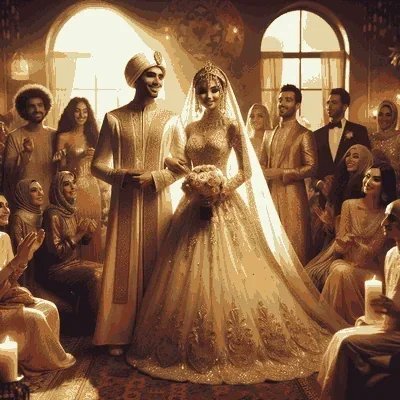
What Are Egyptian Wedding Traditions?
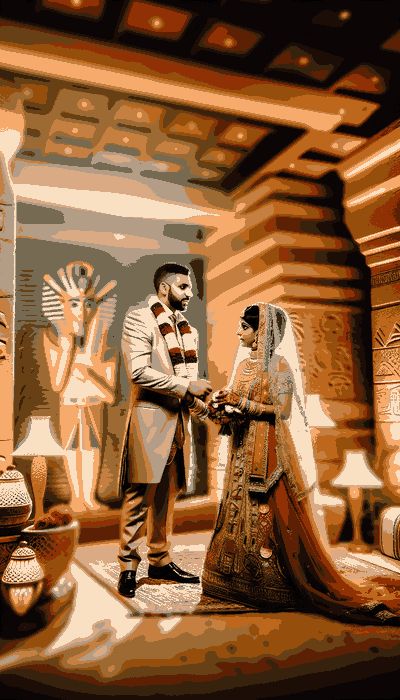
Egyptian weddings represent centuries-old celebrations that blend:
- Pre-wedding ceremonies: 2-6 months of engagement preparations
- Religious rituals: Islamic or Coptic Christian ceremonies
- Cultural celebrations: ZaffaZAHF-fah processions with 50-200 participants
- Family gatherings: Involving extended families of 100-300 people
- Multi-day events: Traditional weddings lasting 3-7 days
- Modern adaptations: Contemporary celebrations condensed to 1-2 days
Cost ranges: $10,000-$40,000 USD (30,000-1,200,000 EGP) depending on scale and location.
Pre-Wedding Traditions and Ceremonies
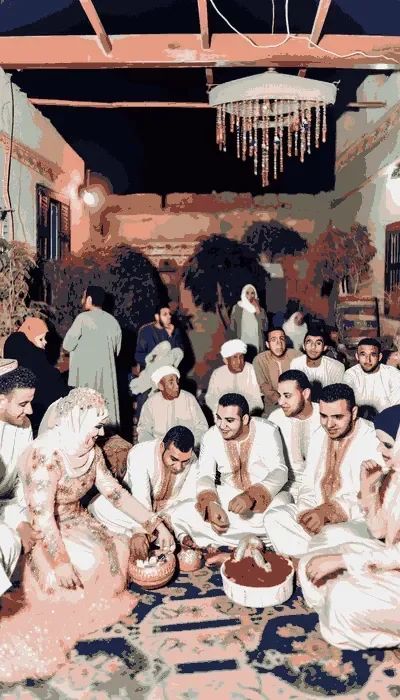
Al-Khutbah (The Marriage Agreement)
Al-Khutbah is the formal engagement agreement between two families, establishing the foundation for marriage negotiations. This centuries-old practice involves the groom’s family formally requesting the bride’s hand in marriage from her father or male guardian.
Key components include:
- Mahr agreement: $1,000-$10,000 USD (30,000-300,000 EGP)
- Shabka presentation: Gold jewelry worth $2,000-$20,000 USD
- Family negotiations: 3-5 meetings between families
- Timeline planning: Setting wedding date 6-12 months ahead
Modern Practice: While many urban Egyptian couples now meet independently before formal arrangements, the family agreement remains essential. The groom still visits the bride’s family with his parents to officially request permission, maintaining this traditional protocol even in love marriages.
Reading Al-Fatiha (ar_al-faa-ti-ha)
Reading Al-Fatiha is the religious blessing marking the official engagement announcement. This Islamic tradition involves reciting the opening chapter of the Quran among close family members, typically 10-20 people.
Ceremony details:
- Duration: 30-45 minutes
- Participants: Immediate family only
- Location: Usually at bride’s family home
- Timing: Often combined with engagement party
This tradition is widely maintained among Muslim Egyptian families, who view it as essential spiritual preparation for marriage.
Egyptian Engagement Party Traditions
The engagement party (khitbah_party) is an elaborate celebration hosted by the bride’s family, announcing the couple’s intention to marry. These events typically include 100-300 guests and cost $2,000-$10,000 USD.
Traditional elements:
- Ring exchange: Worn on right hand until wedding
- Formal announcements: Family speeches and blessings
- Entertainment: Live music or DJ for 4-6 hours
- Feast service: Full dinner served after 10 PM
- Gift presentation: Guests bring gold or cash gifts
Regional variations: Cairo celebrations often occur in hotel ballrooms, while Upper Egypt families prefer home celebrations with traditional Saidisah-EE-dee music. Coastal Alexandria incorporates Mediterranean-style seafood banquets.
Laylat Al-Henna (Henna Night Celebration)
Laylat Al-Henna is the traditional pre-wedding celebration where intricate henna designs are applied to the bride’s hands and feet, occurring 1-2 days before the wedding. This women-only gathering includes 30-100 female relatives and friends.
Event components:
- Professional henna artist: $200-$500 USD for bridal designs
- Duration: 4-6 hours starting after sunset
- Traditional music: TablaTAHB-lah drums and folk songs
- Special foods: Sweet desserts and fruit platters
- Dress code: Colorful traditional galabiyasgal-ah-BEE-yahs
Henna Symbolism: The reddish-brown designs (called naqshnahksh) symbolize joy, beauty, and protection from evil. Brides typically keep henna on for 24-48 hours for deepest color, with designs lasting 1-3 weeks.
Egyptian Wedding Ceremony Traditions
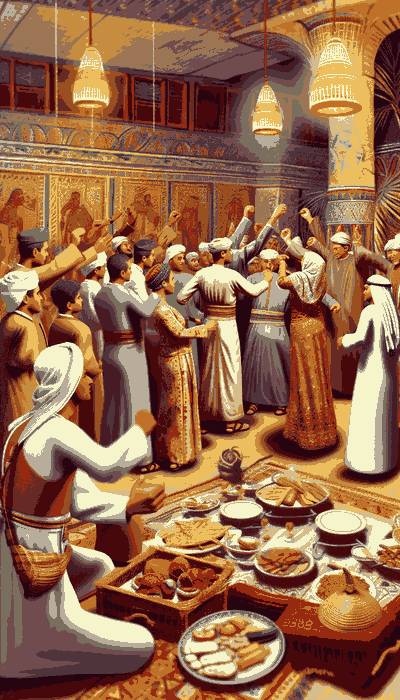
Katb El Ketab (Islamic Marriage Contract)
Katb El Ketab is the official Islamic marriage ceremony making the union legal under Egyptian law. This religious contract signing requires an authorized Ma’zoun (maa-zoon_religious-official) and two male witnesses.
Contract requirements:
- Mahr specification: Documented dowry amount
- Witness signatures: Two adult Muslim males
- Location options: Mosque, home, or wedding venue
- Duration: 20-30 minutes
- Legal fees: $50-$200 USD
The ceremony includes Quranic recitations, marriage sermon (khutbahKHUT-bah), and formal acceptance statements from both parties. Most Muslim couples complete Katb El Ketab before the wedding reception.
Coptic Christian Wedding Ceremonies
Coptic Christian weddings are elaborate church ceremonies lasting 45-90 minutes, incorporating ancient rituals dating back to the 4th century CE. These ceremonies serve Egypt’s Christian population, representing a significant portion of marriages. Similar traditions can be found in Orthodox Christian weddings throughout the Eastern Mediterranean.
Distinctive elements:
- Crown ceremony: Gold or silver crowns placed on couple
- Holy oil anointing: MyronMEE-ron oil on foreheads
- Coptic hymns: Sung in ancient Coptic language
- White capes: Worn during ceremony
- Candle procession: Three circles around altar
Modern Adaptation: Urban Coptic couples often follow the church ceremony with receptions featuring the same ZaffaZAHF-fah and celebration elements as Muslim weddings, creating uniquely Egyptian Christian celebrations.
Egyptian Civil Marriage Registration
Civil registration is mandatory for all Egyptian marriages regardless of religious affiliation. This process at the Ministry of Justice ensures legal recognition and inheritance rights.
Registration requirements:
- Documents needed: Religious contract, IDs, medical certificates
- Processing time: 3-7 business days
- Government fees: $30-$100 USD (900-3,000 EGP)
- Legal implications: Required for spousal rights and children’s citizenship
The Zaffa: Egyptian Wedding Procession
What Is the Egyptian Zaffa?
The Zaffa is a jubilant musical procession announcing the couple’s arrival at their wedding venue. This tradition, dating back centuries, features 20-50 performers including drummers, dancers, and musicians leading the couple through streets or hotel corridors.
ZaffaZAHF-fah components:
- Duration: 30-60 minutes
- Performers: 5-20 musicians and dancers
- Cost: $500-$2,000 USD for professional troupes
- Music style: Traditional tablaTAHB-lah and mizmarmiz-MAHR
- Route: From entrance to reception hall
Zaghareet (zagh-a-reet_ululation) fills the air as female relatives produce high-pitched trilling sounds expressing joy. Professional Zaffa groups often include belly dancers, though this varies based on family preferences. Similar processional traditions exist in Lebanese weddings and other Arab cultures.
Modern Zaffa Variations
Contemporary Egyptian couples adapt the Zaffa to personal preferences:
- DJ-led processions: Modern music with traditional elements
- LED drummers: High-tech visual effects
- Themed entrances: Incorporating couple’s interests
- Shortened versions: 10-15 minutes for time-conscious couples
- Indoor routes: Hotel ballroom entrances
Regional distinctionsSaidisah-EE-dee: Upper Egypt Zaffas feature Saidi stick dancers, while coastal cities incorporate maritime themes. The vast majority of Egyptian weddings include some form of Zaffa. The Kosha is an elevated seating platform where newlyweds preside over their reception like royalty. This elaborate throne-like arrangement costs $500-$5,000 USD depending on decoration complexity. KoshaKOH-shah features: Couples typically spend the majority of reception time on the Kosha, rising only for special dances, cake cutting, and greeting elderly relatives. Traditional wedding music combines classical Arabic instruments with modern sound systems, creating distinctive celebration atmospheres. ProfessionafirqaFEER-kahding bands (firqa) charge $1,000-$5,000 USD per event. Musical elements: Belly dancing performances remain popular at many Egyptian weddings, with professional dancers charging $200-$1,000 USD. Families choose dancers based on reputation and costume modesty. Nuqtah is the Egyptian custom of gifting money directly to the bride during the reception. Guests discretely hand cash or place it in the bride’s purse while offering congratulations. Typical amounts: This tradition helps offset wedding costs and provides starting capital for the couple’s new household. Modern couples sometimes provide decorated boxes for discrete gift-giving. The wedding feast (walima) is served late, typically after midnight, featuring elaborate displays of traditional Egyptian cuisine. Catering costs average $30-$100 USD per guest. Traditional menu items: Service style: Most modern receptions feature buffet service with 15-25 dish options. Rural weddings might include whole roasted lamb, while coastal celebrations feature seafood stations. Upper Egyptian weddings maintain the most traditional customs. These celebrations often extend 5-7 days with distinct regional elements. Characteristic features: Distinctive elements: Cost ranges: $5,000-$20,000 USD with emphasis on family contributions rather than commercial vendors. Cairo weddings represent Egypt’s cosmopolitan blend, incorporating international trends while maintaining Egyptian essence. These celebrations typically occur in hotel ballrooms or dedicated wedding venues. Characteristic features: Distinctive elements: Cost ranges: $15,000-$50,000 USD with emphasis on venue and professional services. Nubian weddings preserve unique traditions from southern Egypt’s indigenous population. These colorful celebrations feature distinctive music, dance, and visual elements, sharing cultural connections with Sudanese wedding traditions and Ethiopian celebrations. Characteristic features: Distinctive elements: Cost ranges: $3,000-$15,000 USD with strong community contribution systems. Mediterranean coastal weddings in Alexandria and Red Sea resort areas blend Egyptian traditions with seaside elements. These represent a notable portion of Egyptian marriages. Characteristic features: Distinctive elements: Cost ranges: $10,000-$40,000 USD with seasonal pricing variations. Digital innovation transforms traditional celebrations while preserving cultural essence. Contemporary Egyptian couples embrace technology throughout their wedding journey. Popular tech elements: Social media impact: Professional social media coordinators manage wedding hashtags, ensuring guest photos are collected and shared throughout the celebration. Eco-conscious celebrations gain popularity among educated urban couples. Sustainable weddings reduce environmental impact while maintaining traditions. Green initiatives: Cost implications: Sustainable weddings often cost 20-30% less while creating meaningful celebrations focused on core traditions. Cross-cultural marriages increase as Egyptian marriages increasingly involve foreign partners. These celebrations blend Egyptian traditions with other cultural elements. Common fusion elements: These weddings typically cost 30-50% more due to additional coordination and specialized vendors familiar with multiple cultures. Average Egyptian wedding costs range from $10,000-$40,000 USD (300,000-1,200,000 EGP), varying significantly by region, social class, and family expectations. Major expense categories: Payment Traditions: The groom’s family typically covers the majority of costs, though modern couples increasingly share expenses equally. Egyptian wedding expenses vary dramatically by location: Egyptian couples employ various strategies to manage wedding costs while maintaining traditions: Planning Tip: Couples who plan 12-18 months ahead often save significantly through early booking discounts and payment plans. Egyptian bridal attire combines modesty with elegance, reflecting religious values and fashion preferences. Modern brides spend $1,000-$5,000 USD on wedding dresses. Common styles: Hijab Styling: Veiled brides work with specialized hijab stylists who create elaborate designs with pearls, crystals, and flowers, costing $100-$300 for styling services. Egyptian grooms choose between Western suits and traditional formal wear, with most urban grooms opting for modern styles. Attire options: Regional preferences: Upper Egyptian grooms more likely to wear traditional attire, while Cairo grooms prefer international designer suits. The Shabka remains the most important wedding tradition, with grooms presenting gold jewelry sets to their brides. Average Shabka value: $3,000-$15,000 USD. Typical Shabka components: Modern Trends: Contemporary couples prioritize design over gold weight, choosing 18-karat pieces with intricate craftsmanship rather than heavier traditional styles. Egyptian wedding feasts showcase the country’s rich culinary heritage through elaborate buffets serving 15-25 dishes. Catering costs average $30-$100 per guest. Essential dishes: Service timing: Dinner typically served between midnight and 2 AM, following Egyptian custom of late dining during celebrations. Different regions feature distinctive wedding menus: Cairo and Lower Egypt: Upper Egypt: Coastal regions: Contemporary Egyptian weddings incorporate global food trends while maintaining traditional offerings: Couples allocate 35-45% of their wedding budget to food and beverage, recognizing its central importance in Egyptian hospitality traditions. Las Vegas offers theatrical Egyptian-themed weddings for couples seeking exotic celebrations without traveling to Egypt. These packages range from $600-$10,000 USD. Popular venues and packages: Package inclusions: Reception packages complement themed ceremonies with Middle Eastern cuisine and entertainment: Cost comparison: Vegas Egyptian packages cost 70-90% less than authentic Egyptian weddings while providing theatrical entertainment value. Traditional Egyptian weddings require 6-18 months of preparation. This comprehensive timeline ensures all cultural elements are properly arranged: 12-18 months before: 6-12 months before: 3-6 months before: 1-3 months before: Final month: Selecting culturally knowledgeable vendors ensures authentic celebration execution. Key vendor categories and selection criteria: Wedding planners: Choose those with 5+ years Egyptian wedding experience Musicians and Zaffa groups: Book 6-8 months in advance Photographers/videographers: Portfolio review essential Caterers: Tasting sessions mandatory Egyptian wedding traditions represent a living tapestry of ancient customs, religious devotion, and modern adaptations. From the intimate blessing of Al-Fatiha to the jubilant Zaffa procession, each element carries deep cultural significance recognized by UNESCO while adapting to contemporary life. These celebrations showcase Egypt’s unique position as a bridge between ancient heritage and modern innovation. Whether honoring thousand-year-old customs in rural villages or creating fusion celebrations in Cairo’s grandest hotels, Egyptian weddings maintain their essential character: bringing families together in joyful celebration of new beginnings. As traditions continue evolving, incorporating technology, sustainability, and global influences, the core values of family, hospitality, and community remain constant. For couples planning Egyptian weddings, the key lies in thoughtfully selecting which traditions to embrace while creating celebrations that reflect their unique journey together. The resilience and adaptability of Egyptian wedding customs ensure their continuation for generations to come, each wedding adding its own thread to the ongoing story of Egyptian cultural heritage. Whether celebrated along the Nile, in Las Vegas, or anywhere Egyptian communities gather, these traditions continue to create magical moments that honor the past while embracing the future. Egyptian wedding costs range from $10,000-$40,000 USD (300,000-1,200,000 EGP), depending on location, guest count, and elaborateness. Urban Cairo weddings average $20,000-$40,000 for 300-500 guests, while rural celebrations cost $3,000-$10,000 for larger gatherings of 500-800 people. The groom’s family traditionally covers the majority of expenses, though modern couples increasingly share costs equally. Traditional Egyptian weddings span 3-7 days with multiple ceremonies and celebrations. Urban modern weddings are typically condensed to 1-2 days, featuring the Katb El Ketab, henna night, and reception. Rural and Upper Egyptian weddings maintain longer durations with separate events for different family groups. The main reception itself usually runs 6-8 hours, starting around 8 PM and continuing until 3-4 AM. The Shabka is the gold jewelry set the groom presents to his bride, typically worth $3,000-$15,000 USD. This traditional gift includes wedding rings, necklaces, bracelets, and earrings in 21-24 karat gold. The Shabka serves as both a symbol of the groom’s commitment and financial security for the bride, as the jewelry remains her personal property throughout the marriage. Most Egyptian Muslim weddings do not serve alcohol due to religious restrictions, representing the majority of celebrations. Coptic Christian weddings may include alcoholic beverages, and some secular or tourist-oriented venues offer bar services. Non-alcoholic alternatives like fresh juices, soft drinks, and traditional Sharbat (sweet fruit drinks) are standard at all Egyptian weddings. Egyptian wedding guests dress formally and conservatively, with women wearing long dresses or elegant pantsuits covering arms and legs. Men typically wear suits or formal traditional galabiyas. Bright colors are welcome, but revealing clothing should be avoided. Female guests often spend $200-$500 on new outfits, considering Egyptian weddings important social events requiring impressive attire. Egyptian wedding receptions typically begin at 8-9 PM, with guests arriving fashionably late. The couple’s grand entrance (Zaffa) usually occurs around 10-11 PM, dinner is served after midnight, and celebrations continue until 3-4 AM. This late timing reflects Egyptian social customs where evening gatherings start well after sunset, especially during hot summer months. Yes, many venues in Egypt and internationally offer Egyptian-themed weddings for non-Egyptian couples. Popular Egyptian destination wedding locations include Red Sea resorts, Nile cruises, and historic sites, costing $5,000-$25,000 for intimate celebrations. Las Vegas also offers Egyptian-themed packages for $600-$10,000, providing theatrical interpretations of Egyptian wedding elements. Henna night (Laylat Al-Henna) is a pre-wedding celebration where intricate designs are applied to the bride’s hands and feet 1-2 days before the wedding. This women-only gathering symbolizes beauty, joy, and protection from evil spirits. Professional henna artists charge $200-$500 for bridal designs that last 1-3 weeks. The celebration includes traditional music, dancing, and sweets, lasting 4-6 hours. Gender segregation varies significantly based on family religiosity and regional customs. Conservative families may separate men and women during the reception or hold separate celebrations. However, most contemporary Egyptian weddings, especially in urban areas, are mixed-gender events where families and friends celebrate together. The henna night remains traditionally women-only, while the Katb El Ketab often involves immediate family of both genders. Guests traditionally give money (Nuqtah) or gold jewelry at Egyptian weddings. Cash gifts are handed directly to the bride during the reception, with amounts varying by relationship: close family typically gives $100-$500 USD, friends give $50-$200 USD, and colleagues give $20-$100 USD. Some modern couples also maintain gift registries for household items, particularly among urban, Western-influenced families. The price tag for Egyptian wedding dreams varies dramatically by geography and grandeur. Urban celebrations in Cairo's glittering hotels run 600,000-1,200,000 EGP ($20,000-$40,000 USD) for 300-500 guests, while village festivities might gather 800 jubilant souls for 90,000-300,000 EGP ($3,000-$10,000 USD). The math of love follows tradition: groom's families historically cover 60-70% of expenses, though modern couples increasingly split costs down the middle. Here's the reality check; it's not about the money spent but the memories made. Some of Egypt's most joyful weddings happen in family courtyards with homemade food and borrowed decorations. The Zaffa is a traditional wedding procession featuring musicians, dancers, and the couple entering under a ceremonial canopy. Time bends differently during Egyptian celebrations. Traditional weddings unfold like multi-act plays over 3-7 days, each day bringing its own rituals and gatherings. Urban professionals have compressed this timeline to fit modern life, usually 1-2 days encompassing the religious ceremony and grand reception. But don't let the shortened schedule fool you; the main reception alone runs 6-8 hours, starting fashionably at 8 PM and dancing past 3 AM. Upper Egyptian villages maintain the full week-long calendar, with separate celebrations for men's gatherings, women's henna parties, and the climactic wedding feast that seems to involve every soul within shouting distance. El-Khotoba is the formal proposal process where the groom's family visits the bride's family to discuss engagement jewelry, dowry, and wedding arrangements. Think of the shabka as love written in gold, the traditional jewelry suite that declares a groom's commitment in carats and craftsmanship. Worth 90,000-450,000 EGP ($3,000-$15,000 USD), this glittering dowry typically includes wedding bands, necklaces cascading with Byzantine links, bangles that sing when they touch, and earrings that catch the light during the wedding dance. But shabka represents more than adornment; it's a bride's financial security, her insurance policy wrapped in 21-karat gold. Modern couples often negotiate: perhaps fewer pieces but better design, or adding the bride's favorite gemstones to traditional gold. The jewelry remains her property forever, through good times and bad, it's hers alone. Egyptian brides typically wear a white dress, kashket faraḥ (wedding crown), and elaborate jewelry. Here's where religion draws the line: 85-90% of Egyptian Muslim weddings flow with fruit juices, soft drinks, and traditional sharbat, but not a drop of alcohol. It's not about being prudish; it's about respect for Islamic law and family values. Coptic Christian celebrations might include wine or beer, and some cosmopolitan venues catering to mixed crowds offer full bar service. But here's what visitors discover: Egyptian weddings don't need alcohol to intoxicate. The music, the energy, the sheer joy of hundreds celebrating together creates its own euphoria. By 2 AM, when the zaffa drums are thundering and everyone's dancing, you'll understand why Egyptians say "drunk on happiness" isn't just a metaphor. Katb el-kitab is the Islamic marriage contract signing ceremony, performed by a ma'azoun (religious official). Dressing for an Egyptian wedding means balancing glamour with modesty, think red carpet meets respectful tradition. Ladies, bring out your finest evening wear, but ensure dresses cover shoulders and reach at least knee-length. Bright jewel tones, flowing fabrics, and sparkly accessories fit perfectly. Gentlemen, a sharp suit is your uniform, Egyptian men take formal wear seriously. The unspoken rule? Dress like you're meeting someone important, because you are; you're witnessing a sacred union. Egyptian guests often spend 6,000-15,000 EGP ($200-$500 USD) on new outfits, viewing weddings as prime social occasions. One warning: comfortable shoes are essential. You'll be standing, walking, and definitely dancing for hours. The Shabka refers to the engagement jewelry given to the bride during the engagement ceremony. Egyptian weddings operate on their own temporal logic. Invitations might say 8 PM, but the real action begins when the couple makes their grand entrance around 10-11 PM. This isn't rudeness, it's cultural programming. Egyptians are night owls, especially during celebrations. The schedule typically flows: guests arrive 8-9 PM for socializing, the zaffa procession explodes around 10-11 PM, dancing and festivities peak between midnight and 2 AM, and the feast arrives fashionably late around 1-2 AM. The party winds down as dawn approaches, usually 3-4 AM. Summer weddings might start even later to escape the heat. Pro tip: Eat something before you go, dinner won't appear until well after midnight! The reception includes El-Kosha seating, traditional foods, entertainment with zaffa bands and belly dancers, and gift-giving. Absolutely! Egypt's wedding industry warmly welcomes international couples seeking authentic celebrations. Red Sea resorts specialize in destination weddings, offering packages from 150,000-750,000 EGP ($5,000-$25,000 USD) that include Nile cruise receptions, pyramid photo shoots, and traditional zaffa processions. You don't need to be Muslim or Christian, secular ceremonies can incorporate cultural elements like henna nights and traditional music. Many hotels provide wedding coordinators fluent in English, French, or German. For the Vegas interpretation, Egyptian-themed packages run 18,000-300,000 EGP ($600-$10,000 USD), offering theatrical fun minus authentic complexity. Whether beside the real pyramids or their neon cousins, Egyptian wedding magic translates across cultures. Modern Egyptian weddings blend traditional elements with contemporary touches like Western-style dresses and professional wedding planning. Laylat al-henna transcends mere body art, it's an ancient protection ritual wrapped in a modern party. Traditionally held 1-2 days before the wedding, this women-only gathering serves multiple purposes: bonding the bride with female relatives, marking her transition from daughter to wife, and literally painting her with symbols of luck, fertility, and protection against the evil eye. Professional artists charge 6,000-15,000 EGP ($200-$500 USD) to create intricate designs lasting 1-3 weeks. The darker the stain, tradition says, the deeper the husband's love will be. But beyond superstition, henna night provides an intimate counterpoint to the wedding's public spectacle, a quiet evening where women share marriage advice, family stories, and tears of joy mixed with bittersweet farewell to girlhood.Egyptian Wedding Reception Traditions
The Kosha (Bridal Throne)
Egyptian Wedding Music and Dance
Nuqtah: The Money Gift Tradition
Egyptian Wedding Feast Traditions
Regional Egyptian Wedding Variations
Upper Egypt (Saidi) Wedding Traditions
Cairo and Urban Wedding Styles
Nubian Wedding Celebrations
Coastal Egyptian Wedding Traditions
Modern Egyptian Wedding Trends 2025
Technology Integration in Egyptian Weddings
Sustainable Egyptian Wedding Practices
Fusion Wedding Styles
Egyptian Wedding Costs Breakdown
Traditional Egyptian Wedding Expenses
Comparative Regional Costs
Region Average Cost (USD) Guest Count Duration Cairo $20,000-$40,000 300-500 1 day Alexandria $15,000-$30,000 200-400 1 day Upper Egypt $5,000-$15,000 400-600 3-5 days Rural areas $3,000-$10,000 500-800 5-7 days Red Sea resorts $25,000-$50,000 150-300 2-3 days Money-Saving Strategies
Egyptian Wedding Attire and Fashion
Traditional Bridal Fashion
Groom’s Wedding Attire
Wedding Jewelry Traditions
Egyptian Wedding Food Traditions
Traditional Wedding Menu Items
Regional Culinary Variations
Modern Catering Trends
Las Vegas Egyptian-Themed Weddings
Egyptian Wedding Packages in Vegas
Vegas Egyptian Reception Options
Planning Your Egyptian Wedding
Timeline for Egyptian Wedding Planning
Working with Egyptian Wedding Vendors
Conclusion: The Enduring Beauty of Egyptian Wedding Traditions
Frequently Asked Questions
How much does a typical Egyptian wedding cost?
How long do Egyptian weddings last?
What is the Shabka in Egyptian weddings?
Do Egyptian weddings have alcohol?
What should guests wear to an Egyptian wedding?
What time do Egyptian weddings start?
Can foreigners have Egyptian-style weddings?
What is the significance of henna night?
Are Egyptian weddings segregated by gender?
What gifts do guests give at Egyptian weddings?
Frequently Asked Questions
How much does a typical Egyptian wedding cost?
What is the Zaffa in Egyptian weddings?
How long do Egyptian weddings last?
What is El-Khotoba?
What is the Shabka in Egyptian weddings?
What do Egyptian brides traditionally wear?
Do Egyptian weddings have alcohol?
What is Katb el-kitab?
What should guests wear to an Egyptian wedding?
What is the Shabka?
What time do Egyptian weddings start?
What happens at an Egyptian wedding reception?
Can foreigners have Egyptian-style weddings?
How do modern Egyptian weddings differ from traditional ones?
What is the significance of henna night?