United Arab Emirates Wedding Traditions
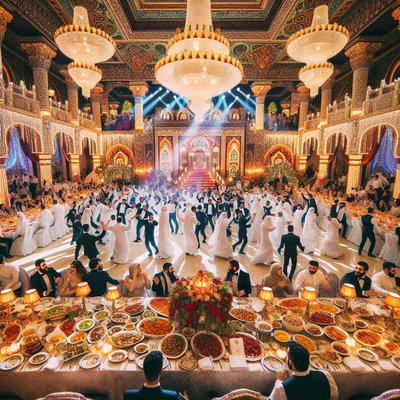
Complete UAE Wedding Process Timeline
- 12-18 months before: Al Khoutha proposal ceremony
- 6-12 months before: Al Akhdal-AHD marriage contract signing
- 3-6 months before: Dowry negotiations and Addahbiaad-DAH-bee-yah gift preparations
- 40 days before: Traditional bridal rest period begins
- 2-3 days before: Al Hennaal-HEN-nah night celebration
- Wedding day: Nikahnee-KAH ceremony and gender-separated receptions
- 1-2 weeks after: Walimawah-LEE-mah celebrations and family visits
Pre-Wedding Traditions and Ceremonies
What is Al Khoutha (Marriage Proposal Ceremony)?
Al Khoutha is the formal Emirati marriage proposal ceremony that initiates wedding preparations through maternal negotiations between families, dating back to 7th century Islamic customs. This centuries-old practice involves the prospective groom’s mother approaching the bride’s mother to request her hand in marriage, typically occurring 12-18 months before the wedding with dowry discussions ranging from 50,000-500,000 AED ($13,600-$136,000 USD).
The process encompasses:
- Initial maternal discussions between families
- Formal proposal presentation
- Dowry (mahrMAH-r) negotiations
- Family approval procedures
- Timeline establishment for wedding preparations
Regional variations: In Dubai, many couples now initiate their own introductions before family involvement, while the Northern Emirates tend to maintain traditional maternal-led proposals. Modern adaptations include professional matchmakers charging 10,000-50,000 AED ($2,700-$13,600 USD) for services.
What is Al Akhd (Marriage Contract Signing)?
Al Akhd is the Islamic legal marriage contract ceremony requiring signatures from bride, groom, and two male witnesses, establishing the official union 6-12 months before wedding celebrations. This legal tradition costs 500-2,000 AED ($136-$545 USD) in government fees and includes dowry specifications, rights documentation, and Milcha ring exchange ceremonies.
Contract components include:
- Mahr (dowry) amount: 50,000-500,000 AED average
- Rights and responsibilities per Sharia law
- Two male witness requirements
- Official UAE marriage registration
- Optional Milcha ring exchange (5,000-50,000 AED per ring)
Addahbia Pre-Wedding Gift Tradition
Addahbia is the groom’s luxury gift collection presented to the bride before wedding, typically worth 20,000-100,000 AED ($5,450-$27,250 USD). This pre-wedding tradition involves:
- PoudOODium perfumes (oud collections): 5,000-20,000 AED
- Gold jewelry sets: 10,000-50,000 AED
- Silk fabrics and wedding attire materials: 5,000-30,000 AED
- Designer accessories and luxury items
- Traditional presentation in ornate boxes
Modern practice: Many urban grooms now include international luxury brands alongside traditional items, while rural areas maintain focus on gold and traditional perfumes.
The 40-Day Bridal Rest Period
The bridal rest period is a 40-day pre-wedding tradition where brides receive intensive beauty treatments and family pampering to ensure optimal appearance for wedding day. This centuries-old practice involves:
- Daily traditional oil massages with oud-infused oils
- Special dietary regimens with dates and honey
- Henna treatments beyond decorative applications
- Family-provided beauty services
- Limited public appearances
Current practice: Fewer Dubai brides observe the full 40-day period today, while the Northern Emirates more commonly maintain modified versions lasting at least two weeks. Working brides typically negotiate 1-2 week pre-wedding leave periods.
Dazza (Hope Chest) Preparation
Dazza is the elaborate hope chest prepared by groom’s female relatives containing 30,000-150,000 AED ($8,200-$41,000 USD) worth of luxury items for the bride. This tradition includes:
- Gold jewelry sets: 20,000-80,000 AED
- Premium perfume collections: 5,000-25,000 AED
- Embroidered prayer mat and Quran: 2,000-10,000 AED
- Designer accessories and handbags
- Luxury fabric collectionsDazzaDAZ-zah/ul>
The Dazza presentation ceremony involves 20-50 female relatives gathering to arrange items in ornate chests, with professional organizers charging 5,000-15,000 AED for services.
Al Henna Night Celebration
Al Henna (Laylat al-Henna) is the elaborate bridal shower held 2-3 days before wedding, featuring intricate henna application and female-only celebrations for 50-200 guests. This pre-wedding tradition costs 10,000-50,000 AED ($2,700-$13,600 USD) and includes:
- Professional henna artists: 2,000-10,000 AED
- Traditional music performers: 5,000-20,000 AED
- Emirati sweets buffet: 100-300 AED per guest
- Venue rental and decorations: 10,000-30,000 AED
- Guest favors and gifts: 50-200 AED per person
Traditional elLuqaimatloo-kay-MAHT: LuqaiKunafakoo-NAH-fahney balls, KunaBaklawabak-LAH-waherts, and Baklawa served witqahwaGAH-wahbic coffee (qahwa) and dates.
Wedding Day Ceremonies
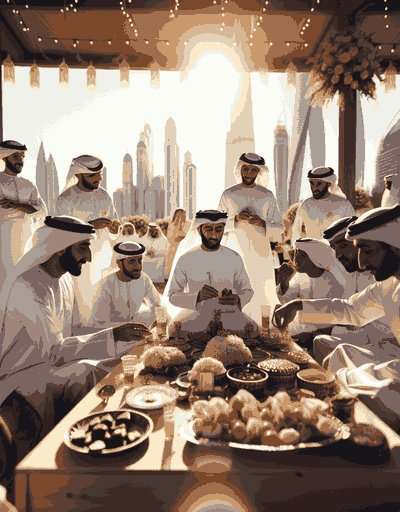
Traditional garments reflect United Arab Emirates's rich textile heritage and craftsmanship What is the Nikah Ceremony?
Nikah is the Islamic religious marriage ceremony officiated by a Maulvimow-lah-VEE or QaziKAH-dee, legally binding the couple according to Sharia law within 30-60 minute proceedings. This fundamental ceremony costs 2,000-10,000 AED ($545-$2,700 USD) for officiants and includes:
- Quranic recitations and marriage sermon
- Ijabee-JAHB (offer) and Qabulkah-BOOL (acceptance) declarations
- MahrMAH-r announcement to witnesses
- Marriage certificate signing
- Dua (prayers) for couple’s prosperity
Venue options: Nikahnee-KAH ceremonies are held in mosques, wedding halls, or family homes. The ceremony requires minimum 2 male witnesses from each family. Similar to Islamic wedding traditions worldwide, the Nikah forms the spiritual foundation of Emirati marriages.
Gender-Separated Wedding Receptions
Gender-separated celebrations are traditional Emirati receptions where men and women celebrate in different venues or halls, allowing female guests to dress freely without hijab requirements. This Islamic tradition involves:
Women’s Reception (200-600 guests):
- Designer dress displays: 5,000-50,000 AED per outfit
- Professional DJ and dancers: 10,000-40,000 AED
- Elaborate floral decorations: 50,000-200,000 AED
- Multi-course banquets: 300-800 AED per guest
- Duration: 4-6 hours
Men’s Reception (300-700 guests):
- Ayyala traditional dance performances
- Traditional musicians: 10,000-30,000 AED
- Formal kandoura and bisht attire
- Traditional Emirati cuisine service
- Duration: 3-5 hours
Modern adaptations: Some Dubai weddings now include mixed-gender segments, particularly for cake cutting and photographs.
Zaffa Wedding Procession
Zaffa is the groom’s musical procession featuring 20-100 participants with drummers, dancers, and male relatives creating spectacular venue entrances lasting 30-60 minutes. This tradition costs 10,000-50,000 AED ($2,700-$13,600 USD) and includes:
- Professional drum groups: 5,000-20,000 AED
- Sword dancers: 3,000-15,000 AED
- Traditional music ensemble: 5,000-15,000 AED
- Coordinated kandoura outfits for participants
- Route planning and rehearsals
Regional styles: Dubai Zaffas often feature LED drums and modern choreography, while Sharjah maintains traditional acoustic instruments and classical formations. The Zaffa shares similarities with processions in Saudi wedding traditions and other Gulf celebrations.
Traditional Wedding Attire
Emirati wedding attire combines Islamic modesty with luxury fashion, with brides spending 20,000-200,000 AED ($5,450-$54,500 USD) on custom gowns and grooms investing 5,000-30,000 AED on traditional garments.
Bridal Attire:
- Custom designer gowns: 20,000-150,000 AED
- Embellishments: pearls, crystals, gold thread
- Multiple outfit changes: 3-7 dresses
- Traditional gold jewelry: 30,000-200,000 AED
- Designer shoes and accessories: 10,000-50,000 AED
Groom Attire:
- Kandoura: 500-3,000 AED each
- Bisht ceremonial cloak: 3,000-25,000 AED
- Traditional headwear: 500-2,000 AED
- Gold accessories: 5,000-20,000 AED
- Multiple outfit sets for different events
Reception and Celebration Traditions
Majlis al-Zaffa Traditional Gathering
Majlis al-Zaffa is the intimate pre-reception gathering for 50-150 close family members held 2-4 hours before main celebrations, costing 10,000-30,000 AED ($2,700-$8,200 USD). This bonding tradition features:
- Traditional Emirati cuisine service
- Family blessing ceremonies
- Gift exchanges between families
- Informal mixing of both families
- Duration: 2-3 hours
Grand Wedding Venues and Decorations
Emirati wedding venues accommodate 500-1,000 guests in gender-separated halls with decoration budgets ranging from 100,000-1,000,000 AED ($27,250-$272,500 USD). Standard features include:
- Venue rental (5-star hotels): 50,000-200,000 AED
- Floral arrangements: 50,000-500,000 AED
- Table centerpieces: 2,000-10,000 AED each
- Arous Al-Nikah bridal stage: 20,000-100,000 AED
- Lighting and effects: 20,000-80,000 AED
Popular venues: Burj Al Arab (500,000+ AED), Atlantis The Palm (200,000+ AED), Desert resorts (100,000+ AED).
Traditional Wedding Feast Menu
Emirati wedding feasts serve 500-1,000 guests with abundant traditional cuisine costing 300-800 AED ($82-$218 USD) per person. Standard menu includes:
- Welcome service: Arabic coffee, dates, traditional sweets
- Main courses: Ouzi (whole roasted lamb), Biryani, Machboos
- Traditional dishes: Threed, Rogag, Salona, Harees
- International options: Many modern weddings include fusion elements
- Desserts: Luqaimat, Kunafa, Umm Ali, Baklawa
- Beverage service: Fresh juices, traditional drinks
Quantity standards: Emiratis prepare food for 150% of expected guests to ensure abundance, with surplus donated to charity.
Wedding Entertainment Traditions
Traditional entertainment combines Arabic music with cultural performances, costing 20,000-100,000 AED ($5,450-$27,250 USD) total. Standard entertainment includes:
Women’s Entertainment:
- Arabic DJ services: 5,000-20,000 AED
- Belly dancers: 5,000-25,000 AED per performer
- Oud and tabla musicians: 10,000-30,000 AED
- LED dance floors: 10,000-30,000 AED
- Photo booth services: 5,000-15,000 AED
Men’s Entertainment:
- Ayyala line dancing: 30-60 performers
- Traditional drummers: 10,000-25,000 AED
- Yola folk performances: 5,000-15,000 AED
- Poetry recitations: 3,000-10,000 AED
Al-Mahr (Dowry) Traditions
Al-Mahr is the mandatory Islamic dowry paid by groom to bride, averaging 50,000-300,000 AED ($13,600-$81,750 USD). This financial commitment includes:
- Prompt mahr (immediate payment): 30,000-200,000 AED
- Deferred mahr (future security): 20,000-100,000 AED
- Payment forms: Cash, gold, or property
- Government recommendations: Maximum 50,000 AED
- Actual practice: Many families exceed government guidelines
Regional variations: Dubai averages higher mahr amounts than the Northern Emirates. For comparison, Kuwaiti wedding traditions and Qatari wedding traditions follow similar Gulf practices with varying regional amounts.
Regional Variations Across Emirates
Dubai Wedding Traditions
Dubai weddings represent a significant portion of UAE marriages with average costs of 500,000-2,000,000 AED ($136,000-$545,000 USD), featuring international luxury elements. Distinctive features include:
- Beach and desert venue preferences
- International celebrity performers
- Fusion cuisine menus
- Professional wedding planners (common usage)
- Social media documentation emphasis
- Average guest count: 600-800
Current Dubai trends: Sustainable luxury focus, technology integration, weekend-long celebrations at resort destinations.
Abu Dhabi Wedding Traditions
Abu Dhabi weddings maintain strong traditional elements while incorporating selective modern touches, averaging 400,000-1,500,000 AED ($109,000-$409,000 USD). Characteristics include:
- Palace and heritage venue preferences
- Extended family involvement (average 800 guests)
- Traditional music emphasis
- Longer celebration periods (3-5 days)
- Royal family influence on customs
- Civil marriage options since 2023
Northern Emirates Variations
Northern Emirates (Sharjah, Ajman, Fujairah, Ras Al Khaimah, Umm Al Quwain) weddings preserve strong traditional practices with average costs of 200,000-500,000 AED ($54,500-$136,000 USD). Regional distinctions:
- Mountain and coastal venue usage
- Tribal tradition emphasis
- Local dialect wedding songs
- 5-7 day celebration periods
- Community-wide participation
- Traditional craft incorporation
Comparison with urban celebrations: Northern Emirates maintain lower costs, longer durations, and stricter gender separation adherence compared to Dubai.
Modern Adaptations and Government Support
UAE Marriage Fund Support
The Marriage Fund is a government initiative providing 70,000 AED ($19,000 USD) grants to Emirati couples, established in 1992 by Sheikh Zayed. According to the UAE Marriage Fund official website, program details include:
- Eligibility: Both partners must be Emirati citizens
- Current grant: 70,000 AED for mass weddings
- Individual wedding support: 50,000 AED
- Application process: 3-6 months
Recent updates: The “Medeem Model” promotes traditional, cost-effective celebrations with expense reduction targets.
Genetic Testing Requirements
Mandatory genetic testing for Emirati couples began January 2025, addressing consanguineous marriage rates and genetic disorders. Requirements include:
- Testing cost: 500-1,000 AED ($136-272 USD)
- Processing time: 2-4 weeks
- Tests conducted: 50+ genetic conditions
- Counseling sessions: Required for positive results
- Marriage approval: Contingent on completion
2025 Wedding Trends
Current Emirati wedding trends reflect cultural preservation with selective modernization:
- Technology Integration: - Digital invitations: 500-5,000 AED - Livestreaming services: 5,000-20,000 AED - Drone photography: 10,000-30,000 AED - Virtual attendance options
- Sustainability Focus: - Reusable decorations for cost reduction - Local flower sourcing - Ethical jewelry preferences - Charity donation programs
- Duration Modifications: - Traditional 7-day celebrations (less common today) - 3-day celebrations (popular choice) - Single day events (growing trend)
- Budget Ranges: - Modest weddings: 100,000-300,000 AED - Average weddings: 300,000-700,000 AED - Luxury weddings: 700,000+ AED
Cultural Comparisons and Hospitality
Emirati Wedding Hospitality Standards
Emirati wedding hospitality (karam) requires hosts to provide exceptional generosity exceeding guest expectations, with per-guest spending of 300-1,000 AED ($82-$272 USD). Standards include:
- Food surplus: 150% of guest count prepared
- Guest comfort: Personal attendants for VIPs
- Gift bags: 100-500 AED value per guest
- Transportation: Provided for elderly/important guests
- Accommodation: 5-star hotels for out-of-town family
Traditional vs Modern Comparison
Aspect Traditional Practice Modern Adaptation Duration 7 days 1-3 days Guest Count 1,000-1,500 500-800 Gender Mixing Strictly separated Some allow mixed segments Dowry Amount 100,000-500,000 AED 50,000-200,000 AED Matchmaking Family-arranged Self-initiated common Venue Type Family homes/tents Luxury hotels/resorts Documentation Minimal photography Professional media teams Budget Community-supported Couple/family funded Global Wedding Comparisons
Emirati weddings contrast significantly with international styles, particularly when compared to Western quick-ceremony options. Unlike quick Las Vegas wedding traditions averaging $500-$5,000 USD, Emirati celebrations emphasize:
- Extended family involvement (500+ guests vs 10-50)
- Multi-day celebrations vs 30-minute ceremonies
- Cultural ceremony requirements vs themed options
- Community integration vs individual focus
- $100,000+ investment vs budget packages
This comparison highlights how Emirati weddings prioritize family bonds, cultural preservation, and community celebration over convenience or cost savings, making them unique global celebrations that blend Islamic traditions with regional Gulf customs and modern luxury. For other elaborate wedding traditions, see Indian wedding traditions, which share a similar emphasis on multi-day celebrations and family involvement.
How much does a typical Emirati wedding cost?
Emirati weddings typically cost between 300,000-700,000 AED ($82,000-$191,000 USD), with modest celebrations starting at 100,000 AED and luxury weddings exceeding 2,000,000 AED. Major expenses include venue rental (50,000-200,000 AED), catering (300-800 AED per guest), decorations (100,000-500,000 AED), and entertainment (20,000-100,000 AED). The UAE Marriage Fund provides 70,000 AED grants to help Emirati couples offset these costs.
How long do UAE wedding celebrations last?
Modern Emirati weddings typically last 1-3 days, though traditional celebrations extended to 7 days. The timeline includes: Al Henna night (2-3 days before), wedding day with Nikah and receptions (1 day), and post-wedding Walima celebrations (1-2 days after). Traditional week-long formats are less common today, with 3-day celebrations and single-day events becoming more popular.
Are men and women separated at Emirati weddings?
Yes, traditional Emirati weddings maintain gender-separated celebrations in different halls or venues, allowing women to dress freely without hijab requirements. Women’s receptions feature elaborate fashion displays and dancing, while men’s gatherings include Ayyala traditional performances. However, some Dubai weddings now incorporate mixed-gender segments for cake cutting and photography, though full separation remains standard for most celebrations.
What is the dress code for Emirati weddings?
Female guests wear elaborate designer gowns and jewelry (5,000-50,000 AED per outfit) at women-only receptions, while men wear traditional white kandoura with optional bisht cloaks. Brides typically have 3-7 outfit changes throughout celebrations, with custom gowns costing 20,000-150,000 AED. Grooms invest 5,000-30,000 AED in traditional garments including ceremonial bisht (3,000-25,000 AED) for the Nikah ceremony.
What is included in an Emirati wedding dowry (Mahr)?
The Mahr (Islamic dowry) averages 50,000-300,000 AED ($13,600-$81,750 USD) paid by groom to bride, consisting of prompt payment (30,000-200,000 AED) and deferred amount (20,000-100,000 AED). Payment forms include cash, gold jewelry, or property. Despite government recommendations of 50,000 AED maximum, many dowries exceed this guideline, with Dubai averaging higher amounts than the Northern Emirates.
Can tourists attend Emirati weddings?
Tourists rarely attend Emirati weddings as these are private family celebrations requiring personal invitations. Guest lists of 500-1,000 people consist primarily of extended family, friends, and community members. The gender-separated format and cultural protocols make tourist attendance uncommon. However, heritage villages and cultural centers occasionally host demonstration weddings showcasing traditions for visitors.
What food is served at Emirati weddings?
Emirati wedding feasts cost 300-800 AED ($82-$218 USD) per guest featuring traditional dishes including Ouzi (whole roasted lamb), Biryani, Machboos, Threed, and Harees. Desserts include Luqaimat honey balls, Kunafa, and Baklawa served with Arabic coffee and dates. Hosts prepare 150% of expected guest quantities to ensure abundance, with many modern weddings also incorporating international cuisine options.
Is alcohol served at UAE weddings?
No, alcohol is not served at traditional Emirati Muslim weddings due to Islamic religious requirements. Celebrations feature fresh juices, traditional drinks like Jallab and Tamar Hindi, Arabic coffee, and various teas. The absence of alcohol does not diminish the festive atmosphere, with elaborate entertainment, music, and dancing creating vibrant celebrations lasting 4-6 hours for women’s receptions and 3-5 hours for men’s gatherings.
What is the Emirati wedding gift etiquette?
Wedding gifts in Emirati culture typically include cash (500-5,000 AED) in decorated envelopes, with close family giving gold jewelry or larger amounts. The bride receives Addahbia gifts worth 20,000-100,000 AED from the groom and Dazza hope chest items worth 30,000-150,000 AED from his family. Guests also receive favor bags worth 100-500 AED containing perfumes, dates, or commemorative items.
How has COVID-19 changed Emirati wedding traditions?
Post-pandemic Emirati weddings incorporate technology options including livestreaming services (5,000-20,000 AED) for international family members and reduced guest counts from 1,000 to 500-700 average. Virtual attendance options gained acceptance, with many recent weddings offering hybrid participation. Health protocols led to individually plated meals replacing traditional communal dining, adding 15-20% to catering costs while maintaining cultural hospitality standards.
Frequently Asked Questions
How much does a typical Emirati wedding cost?
Great question, and brace yourself for the answer. Emirati weddings typically run between 300,000-700,000 AED ($82,000-$191,000 USD), though "typical" is a relative term here. Modest celebrations start around 100,000 AED, while luxury affairs can exceed 2,000,000 AED without breaking a sweat.
The major expenses break down like this: venue rental (50,000-200,000 AED for somewhere Instagram-worthy), catering (300-800 AED per guest, because nobody leaves an Emirati wedding hungry), decorations that would make florists faint (100,000-500,000 AED), and entertainment (20,000-100,000 AED).
Here's the silver lining: The UAE Marriage Fund provides 70,000 AED grants to help Emirati couples offset these costs. It's like a governmental wedding gift that actually helps!
How much does a traditional UAE wedding typically cost?
Traditional UAE weddings typically range from AED 200,000 to 2,000,000 ($50,000-$500,000+), depending on the emirate and family status. This includes ceremonies, venue, catering for 500-1,000 guests, and traditional elements.
How long do UAE wedding celebrations last?
The short answer? Modern celebrations typically run 1-3 days, though traditional families might stretch festivities across an entire week. The timeline usually flows like this: Al Henna night kicks things off 2-3 days before the main event, the wedding day itself hosts the Nikah ceremony and those spectacular gender-separated receptions, then post-wedding Walima celebrations continue for another day or two as newlyweds make the family rounds.
Only about 15% of contemporary couples go for the full seven-day marathon, most opt for a more manageable 3-day celebration (45%) or even single-day events (40%). It's quality over quantity these days, though Emirati quality tends to be pretty spectacular even in condensed form.
Why are UAE weddings gender-separated?
UAE weddings maintain gender separation in accordance with Islamic traditions and cultural customs, allowing women to celebrate freely without hijab and maintaining religious modesty standards.
Are men and women separated at Emirati weddings?
Yes, traditional Emirati weddings maintain gender-separated celebrations, and honestly? It's genius. Women celebrate in one hall where they can ditch the abayas, let their hair down (literally), and dance like nobody's watching, because no men are. Meanwhile, the men have their own party featuring traditional Ayyala dances and enough masculine energy to power a small city.
This separation isn't about restriction, it's about freedom. Women can wear their most glamorous designer gowns without modesty concerns, and the energy in a women-only reception is something to behold. That said, modern times bring modern adaptations: about 25% of Dubai weddings now include mixed-gender moments for cake cutting and photos. The key moments are shared, but the bulk of the celebration respects traditional separation.
What is the Zaffa ceremony in UAE weddings?
The Zaffa is a traditional musical procession announcing the groom's arrival, featuring drummers, dancers, and male relatives. It costs AED 10,000-50,000 and is a crucial part of Emirati wedding celebrations.
What is the dress code for Emirati weddings?
Dress to impress doesn't even begin to cover it. Female guests typically invest 5,000-50,000 AED per outfit, and yes, you read that right. At women-only receptions, abayas come off to reveal designer gowns that would fit right in at the Met Gala. Think sequins, think glamour, think "I've been planning this outfit for six months."
Brides? They're on another level entirely, with 3-7 outfit changes throughout the celebration and custom gowns running 20,000-150,000 AED each. The grooms keep it traditionally elegant in white kandouras (500-3,000 AED each) with ceremonial bisht cloaks (3,000-25,000 AED) for the Nikah ceremony. It's understated elegance meeting over-the-top glamour, and somehow it all works perfectly.
How long do UAE wedding celebrations typically last?
Traditional UAE weddings typically span 3-7 days, including pre-wedding ceremonies, henna night, religious ceremonies, and separate gender celebrations.
What is included in an Emirati wedding dowry (Mahr)?
The Mahr isn't your typical wedding expense, it's an Islamic requirement where the groom gifts 50,000-300,000 AED ($13,600-$81,750 USD) directly to his bride. This isn't family money or wedding budget; it's her personal financial security.
The payment usually splits into two parts: the prompt mahr (30,000-200,000 AED) paid immediately, and a deferred amount (20,000-100,000 AED) that serves as future security. Payment methods vary, 60% give cash, 25% prefer gold jewelry, and 15% transfer property. Despite government recommendations to cap mahr at 50,000 AED, about 75% of couples exceed this suggestion. Dubai averages 150,000 AED, while the Northern Emirates keep it more modest at 80,000 AED.
What is the typical dowry (mahr) in UAE marriages?
UAE dowry (mahr) typically ranges from AED 50,000-500,000, negotiated during the Al Khoutha proposal ceremony and formalized in the marriage contract.
Can tourists attend Emirati weddings?
Tourist attendance at authentic Emirati weddings is extremely rare; these are private family affairs where guest lists of 500-1,000 people consist entirely of relatives, friends, and community members. The gender-separated format and cultural protocols make casual tourist attendance basically impossible.
However, if you're curious about experiencing Emirati wedding traditions, heritage villages and cultural centers occasionally host demonstration weddings. These showcases give visitors a taste of the music, food, and customs without intruding on actual family celebrations. Think of it as the difference between visiting a movie set and crashing someone's actual wedding, one's educational, the other's just awkward.
Is genetic testing required for UAE marriages?
Yes, UAE law requires mandatory pre-marriage genetic screening for over 50 genetic conditions since 2025 to prevent hereditary diseases.
What food is served at Emirati weddings?
Prepare your appetite for a culinary marathon costing 300-800 AED ($82-$218 USD) per guest. The feast begins before you even sit down, Arabic coffee and premium dates greet you at the door, setting the stage for what's to come.
The main event features ouzi (whole roasted lamb that's fall-off-the-bone tender), aromatic biryani mountains, and machboos that'll make you reconsider everything you thought you knew about rice. Traditional dishes like threed, harees, and rogag bread connect the meal to centuries of Bedouin hospitality. For dessert? Honey-drenched luqaimat, cheese-filled kunafa, and enough baklawa to satisfy the sweetest tooth.
Here's what's beautiful: hosts prepare food for 150% of expected guests, ensuring abundance. The surplus doesn't go to waste, it's distributed to those in need, turning excess into charity.
What is the UAE Marriage Fund?
The UAE Marriage Fund provides AED 70,000 grants to Emirati couples, promoting traditional marriages and helping with wedding expenses through the 'Medeem Model'.
Is alcohol served at UAE weddings?
No alcohol appears at traditional Emirati Muslim weddings, and before you ask, the parties are anything but dry. These celebrations prove you don't need wine to have a good time when you've got professional entertainers, elaborate feasts, and 500 of your closest family members in one room.
Instead, guests enjoy fresh juice combinations, traditional drinks like jallab and tamar hindi, endless Arabic coffee, and various teas. The energy comes from the music, the dancing, the joy of celebration, not from bottles. Women's receptions run 4-6 hours of pure celebration, while men's gatherings last 3-5 hours. Trust us, by the end, you're intoxicated by the experience itself.