Jordan Wedding Traditions
What Are Jordanian Wedding Traditions?
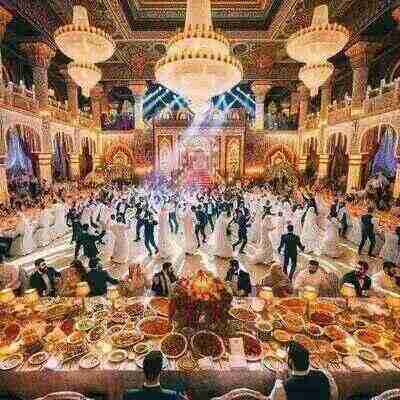
Jordanian wedding traditions are multi-day cultural celebrations that blend Islamic religious practices with Bedouin, Palestinian, and Circassian customs. These elaborate ceremonies encompass formal proposals (jahaJAH-hah), marriage contracts (katb al-kitabkatb al-ki-TAB), henna celebrations, processions (zaffaZAFF-ah), traditional dabkeDAB-keh dancing, and communal feasts featuring mansafMAN-saf.
Overview of Jordanian Wedding Process
- 12 months before: Initial family discussions and tulbaTUL-bah preliminary meetings
- 6-8 months before: Jaha formal proposal with male relatives
- 3-4 months before: Katb al-kimahrMAH-er/strong> contract signing and mahr negotiation
- 1 week before: Henna night celebrations for bride
- 1-2 days before: Groom’s preparation gatherings
- Wedding day: Zaffa procession, dabke
- Sabahiasa-ba-HEE-yah> dancing, mansaf feast
- Day after: Sabahia morning visit with breakfast
Pre-Wedding Traditions and Ceremonies
Sacred ceremonies honor ancestral traditions in Jordan weddings Jaha: The Formal Marriage Proposal Process
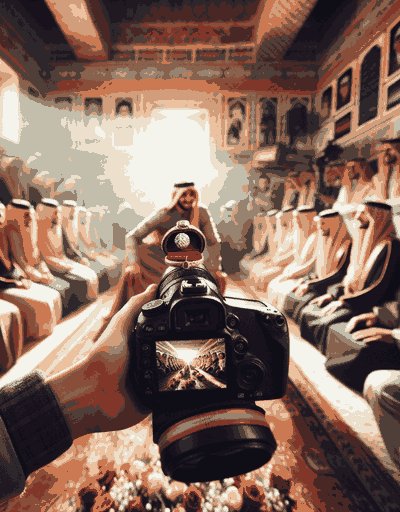
Jaha is a formal proposal tradition that initiates the marriage process through a ceremonial visit by male relatives, typically occurring several months before the wedding.
The Jaha Process
- Preparation phase: Groom’s family contacts bride’s family through intermediaries to arrange visit date
- Arrival ceremony: Male relatives arrive at bride’s home in formal attire carrying traditional sweets
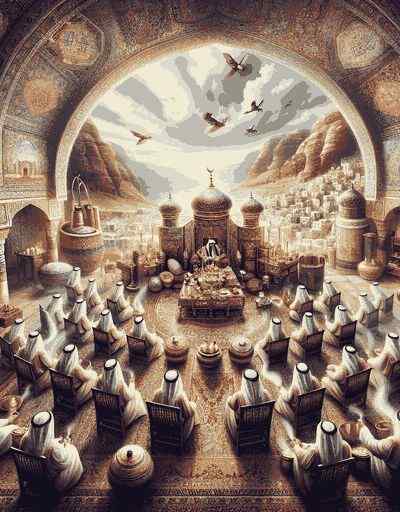
- Coffee ritual: Host offers Arabic coffee (qahwaKAH-wah) which remains untouched until proposal acceptance
- Formal request: Elder spokesman delivers prepared speech praising both families
- Acceptance ritual: Father drinks coffee signifying approval, followed by celebratory refreshments
Regional Variations
Bedouin Jaha in southern Jordan involves larger delegations and includes traditional poetry recitation. The coffee ritual incorporates specific gestures where the cup placement indicates negotiation status.
Urban Amman approach differs by including immediate family only with shortened ceremonies often held in hotel meeting rooms rather than homes.
Tip: Modern families often combine traditional elements with contemporary conveniences, including digital coordination and professional photographers documenting the ceremony.
Katb Al-Kitab: The Islamic Marriage Contract
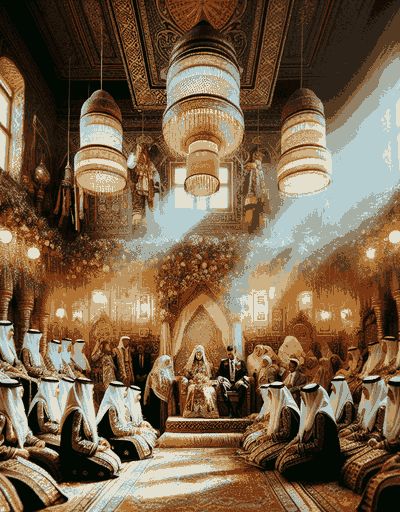
Katb al-kitab is a religious marriage ceremony that legally binds the couple through an Islamic contract, typically occurring before the wedding reception and involving signing documents in the presence of an imam and two male witnesses.
Contract Requirements
- Bride’s consent: Verbal agreement required before witnesses
- Mahr specification: Dowry amount documented in contract
- Witness verification: Two adult Muslim males must attest to proceedings
- Legal registration: Contract filed with Jordanian civil authorities
The Jordanian Ministry of Awqaf and Islamic Affairs oversees the religious aspects of marriage registration, while civil registration follows the Personal Status Law requirements.
Mahr: The Islamic Dowry System
Mahr is a mandatory Islamic dowry that the groom presents to the bride as financial security, negotiated during the engagement period between both families. This practice aligns with broader Islamic wedding traditions observed throughout the Muslim world.
Components of Modern Mahr
- Muqaddam (immediate payment): Portion paid at contract signing
- Mu’akhkhar (deferred payment): Portion payable upon divorce or death
- Gold jewelry: Traditional 21-24 karat sets
- Property rights: Sometimes includes apartment ownership papers
Tulba: The Preliminary Family Meeting
Tulba is an informal preliminary meeting that precedes the formal jahaJAH-hah, typically occurring 2-3 weeks before the official proposal and involving close relatives discussing marriage possibilities.
This initial meeting allows families to gauge compatibility and discuss practical matters including mahrMAH-er expectations, wedding timeline, and housing arrangements. Unlike the formal jatulbaTUL-bah, the tulba includes women family members and features informal discussion over tea and sweets.
Engagement Celebrations
Khutbah is a formal engagement party that publicly announces the couple’s intention to marry, typically held several months before the wedding. Traditional elements include the groom presenting gold jewelry to the bride before assembled guests, while contemporary additions include DJ services and photo booths.
Pre-Wedding Celebrations
Traditional garments reflect Jordan's rich textile heritage and craftsmanship Laylat Al-Henna: The Bride’s Henna Night
Laylat al-henna is a women-only celebration that occurs 1-3 nights before the wedding, involving female relatives and friends who gather to apply decorative henna designs while singing traditional songs.
The Henna Night Process
- Guest arrival: Women wear colorful traditional dresses (thob)
- Henna application: Professional artist creates intricate designs on bride’s hands and feet
- Traditional songs: Women sing wedding songs (aghani al-arasa-GHA-ni al-A-ras) specific to the region
- Feast sharing: Traditional sweets and Jordanian dishes served
- Gift presentation: Guests present gold jewelry or money to bride
Regional Henna Variations
Aqaba coastal tradition includes serving special fish dishes and incorporating nautical henna motifs. Celebrations often extend to beach venues.
Northern Irbid custom features distinctive liver dishes (kibdat dijajKIB-dat di-JAJ) and geometric Palestinian-influenced henna patterns. Women perform the traditional jafraJAF-rah dance unique to the region.
Tip: Contemporary henna nights often include professional photography, fusion henna designs mixing Arabic and Indian styles, and live streaming for overseas relatives.
Groom’s Preparation Day
Yawm al-hammam is a male bonding tradition that occurs the day before the wedding, involving male relatives and friends who gather to prepare the groom through grooming rituals and celebration.
This Thursday tradition includes a communal lunch (ghadaGHA-dah), professional barber services, and advice-giving sessions. Urban celebrations might include spa treatments while rural gatherings maintain traditional home-based preparations.
Multi-Day Family Gatherings
Sahraat are evening celebrations that occur 3-7 nights before the main wedding, involving rotating gatherings at different family homes with participants celebrating with music, dabkeDAB-keh dancing, and feasting.
Traditional sahraatsah-ha-RAAT in rural areas feature:
- Outdoor tent setups accommodating large guest numbers
- Traditional zajalza-JAL poetry competitions
- Communal cooking of wedding foods
- Celebratory traditions
Wedding Day Ceremonies
Zaffa: The Grand Wedding Procession
Zaffa is a musical procession that announces the couple’s arrival at the wedding venue, involving professional musicians, drummers, and participants creating a festive atmosphere.
The Zaffa Process
- Band assembly: Musicians gather at venue entrance in traditional attire
- Couple arrival: Bride and groom arrive to drumming and ululation
- Processional entry: Slow walk through guest corridor with dancing
- Circle formation: Dabke circle forms around couple
- Venue entrance: Grand entrance with fireworks or confetti
Car Procession Traditions
The vehicular zaffa through city streets involves:
- Decorated cars with ribbons and flowers
- Passengers celebrating visibly from vehicles
- Horn honking in rhythmic patterns
- Journey from bride’s home to venue
- Police coordination for major processions
Tip: Contemporary zaffa additions include LED drummers with light-up instruments, drone photography capturing aerial procession views, and female zaffa bands for mixed-gender weddings.
Dabke: The National Folk Dance
Dabke is a traditional line dance that forms the centerpiece of wedding celebrations, involving synchronized foot stomping and shoulder-to-shoulder formations. This dance shares similarities with dabke traditions found in Lebanese and Syrian weddings throughout the Levant region.
Dance Formation and Technique
The dabke requires:
- Leader (ra’s): Experienced dancer who sets pace and leads variations
- Line formation: Right-to-left joining with linked arms or held hands
- Basic step: Six-count pattern with kicks and stomps
- Duration: Sessions throughout reception
Regional Dabke Styles
Style Region Characteristics Shamaliyya Northern Jordan Fast tempo, high kicks Karadiyya Central Jordan Moderate pace, arm emphasis Bedouin Eastern Desert Slow, dignified steps Palestinian Urban centers Complex footwork Traditional Wedding Attire
Jordanian wedding attire encompasses both traditional embroidered garments and modern formal wear.
Bride’s Traditional Elements
- Thob falahi: Embroidered dress with regional patterns
- Gold jewelry sets: 21-24 karat pieces
- Furwa ceremony: Father’s Bedouin coat blessing
- Hijab styles: Decorative head coverings for religious families
Groom’s Attire Options
- Modern choice: Black or navy suit with white shirt
- Traditional option: Jalabiya with decorative vest
- Bedouin style: Bisht cloak over formal wear
- Accessories: Keffiyeh for cultural touch
Mansaf: The Traditional Wedding Feast
Mansaf is Jordan’s national dish that serves as the centerpiece of wedding feasts, consisting of lamb cooked in fermented yogurt (jameed) served over rice.
Mansaf Preparation and Service
- Ingredients: Lamb, rice, jameed (fermented dried yogurt)
- Cooking time: Several hours of preparation
- Serving style: Large communal platters for groups
- Accompaniments: Shrak bread, pine nuts, parsley
- Eating etiquette: Right hand only, forming rice balls
Wedding Feast Components
Modern wedding menus include:
- Mezze starters: Hummus, mutabal, fattoush (multiple varieties)
- Main courses: Mansaf plus grilled meats and chicken dishes
- Rice varieties: White rice, bukhari, and decorated options
- Desserts: Kanafeh, baklava, modern wedding cake
- Beverages: Arabic coffee, tea, soft drinks, jallab
Nukout: The Money Gift Tradition
Nukout is a monetary gift system where wedding guests contribute cash gifts, helping the newlyweds establish their household while maintaining reciprocal social obligations.
The nukout system includes record-keeping where families maintain detailed logs of received amounts to ensure reciprocal giving at future weddings. Modern couples often designate a trusted relative to manage the nukout table and documentation.
Zaghrouta: The Joyful Ululation
Zaghrouta is a high-pitched ululation performed by women to express joy during key wedding moments, created by rapid tongue movement while vocalizing.
This vocal tradition marks significant moments including:
- Bride’s entrance to venue
- Ring exchange ceremony
- Cake cutting moment
- First dabke dance
- Departure of newlyweds
Post-Wedding Traditions
Sabahia: The Morning After Visit
Sabahia is a morning tradition where the groom’s mother visits newlyweds the day after the wedding, bringing elaborate breakfast foods to welcome the bride into her new family.
Sabahia Components
- Timing: Morning the day after wedding
- Foods brought: Labneh, za’atar, olives, fresh bread, sweets
- Participants: Groom’s mother, sisters, close female relatives
- Evening follow-up: Bride’s mother brings desserts
This tradition maintains family connections during the couple’s transition to married life and provides an opportunity for the bride to receive additional gold jewelry gifts from her mother-in-law.
Waleema: The Reception Feast
Waleema is a post-wedding reception hosted by the groom’s family within 7 days of the wedding, involving guests who gather to formally welcome the bride with feasting and celebration.
Modern waleema celebrations feature:
- Formal venue rental (hotels or wedding halls)
- Full dinner service with mansaf centerpiece
- Live music or DJ entertainment
- Professional photography/videography
- Dancing until early morning hours
Post-Wedding Family Visits
Ziyarat are reciprocal family visits occurring during the first month of marriage, where newlyweds visit relatives’ homes to strengthen family bonds.
Regional and Cultural Variations
Urban vs Rural Wedding Traditions
Urban Jordanian weddings in cities like Amman typically condense celebrations to 1-3 days with mixed-gender celebrations in hotel venues.
Rural weddings maintain longer festivities, featuring gender-segregated events in family homes or community spaces with stronger traditional elements.
Ethnic Community Variations
Bedouin weddings feature sword dances (ardah), camel processions, and poetry recitations (qasaid), lasting multiple days with whole-tribe participation. Similar traditions can be found in Saudi and Emirati Bedouin communities.
Palestinian-Jordanian weddings emphasize specific dabke styles, embroidered thobes displaying village origins, and maintaining distinct wedding songs (dalona) from historical Palestinian regions.
Circassian weddings incorporate Caucasian circle dances, traditional white costumes with silver ornaments, and specific musical instruments while blending with broader Jordanian customs.
Christian Jordanian Weddings
Christian weddings in Jordan blend Arab cultural traditions with Christian religious elements, featuring church ceremonies followed by receptions with less gender segregation.
Christian variations include:
- Church ceremony with priest
- Mixed-gender celebrations throughout
- Alcohol service at receptions (in licensed venues)
- Western-style first dances
- Sunday afternoon timing preferences
Modern Trends and Adaptations
Timeline Compression
Modern Jordanian couples increasingly opt for shorter celebrations rather than traditional week-long events, reducing costs while maintaining essential ceremonies like henna night and main reception.
International Influences
Contemporary weddings incorporate global trends including:
- Destination weddings in Aqaba or Dead Sea resorts
- Western-style ceremonies with personal vows
- International cuisine options alongside traditional foods
- Social media-ready decorations and photo opportunities
- First-look photography sessions
Frequently Asked Questions
How long do Jordanian wedding celebrations last?
Traditional Jordanian wedding celebrations span 3-7 days, beginning with pre-wedding sahraat gatherings and culminating in the main reception. Urban weddings in Amman and other cities typically compress festivities to 2-3 days: henna night, wedding day, and post-wedding waleema. Rural and Bedouin communities maintain longer celebrations with nightly gatherings at different family homes. The main wedding reception itself lasts several hours, often continuing past midnight with continuous dabke dancing and feasting.
What is the purpose of mahr in Jordanian weddings?
Mahr is an Islamic religious requirement that provides financial security for the bride. The payment divides into muqaddam (immediate) and mu’akhkhar (deferred) portions. Beyond religious obligation, mahr demonstrates the groom’s financial capability and commitment. The bride retains full ownership of her mahr as personal property.
Who typically attends the jaha proposal ceremony?
The jaha involves male relatives from the groom’s family visiting the bride’s home for formal proposal proceedings. Key attendees include the groom’s father, uncles, elder brothers, and respected community members who serve as character witnesses. The bride’s side hosts with her father, male relatives, and sometimes community leaders present. Women traditionally remain in separate rooms but listen to proceedings.
When does the henna night occur in relation to the wedding?
Laylat al-henna typically occurs 1-3 nights before the main wedding reception. This timing allows the intricate henna designs to fully develop their deep color before the wedding day. Some modern brides schedule henna application a week early for darker stains.
How do guests dance dabke at Jordanian weddings?
Dabke begins when musicians play traditional songs, prompting guests to form shoulder-to-shoulder lines. The leader (ra’s) stands at the right end, often holding a handkerchief or string of prayer beads, setting the pace with distinctive moves. Dancers link arms or hold hands, moving right-to-left in synchronized steps involving kicks, stomps, and knee bends. Basic dabke follows a six-count pattern accessible to beginners who can join the line’s end and follow along.
What foods are essential at a Jordanian wedding feast?
Mansaf reigns as the essential centerpiece, featuring lamb cooked in jameed (fermented yogurt) over rice. Wedding menus include multiple mezze varieties (hummus, mutabal, fattoush, tabbouleh), grilled meat selections, multiple rice preparations, and traditional desserts like kanafeh and baklava. Arabic coffee and tea service continues throughout celebrations.
Do Jordanian weddings have gender segregation?
Gender segregation levels vary significantly based on family religiosity and regional customs. Traditional Muslim weddings maintain separate celebration spaces. The katb al-kitab and jaha remain male-only events with women listening from adjoining rooms. Modern urban weddings often feature partial segregation with separate dancing areas but mixed dining, or complete integration throughout. Christian Jordanian weddings typically have no segregation.
How do modern Jordanian couples modify traditional weddings?
Contemporary couples adapt traditions by condensing celebrations, adjusting guest list sizes, and choosing various venue types. Modern modifications include digital invitations, photo booths, DJ services alongside traditional bands, and buffet service. Couples may combine or adjust certain pre-wedding parties, include personal vows in ceremonies, and add Western elements like first dances. However, most maintain core traditions like henna night, dabke dancing, mansaf serving, and family involvement in planning.
Frequently Asked Questions
What is the Jaha ceremony in Jordanian weddings?
The Jaha is a formal meeting where the groom's family visits the bride's family to officially request her hand in marriage. It's a crucial first step in traditional Jordanian weddings.
How long do Jordanian wedding celebrations typically last?
Traditional Jordanian wedding celebrations can span several days to a week, including pre-wedding ceremonies, henna night, and the main wedding celebration.
What is the significance of henna in Jordanian weddings?
Henna night is a special women-only celebration where the bride receives traditional henna designs, symbolizing beauty, luck, and protection in her new marriage.
What is the traditional wedding attire for Jordanian brides?
Jordanian brides typically wear either a white wedding dress or a traditional embroidered thobe, complemented with elaborate jewelry and henna designs.
What is the Zaffeh in Jordanian weddings?
The Zaffeh is a traditional wedding procession featuring drummers, dancers, and singers who lead the groom to the wedding venue while performing traditional songs and dances.
What food is served at Jordanian weddings?
Mansaf, a traditional dish of lamb cooked in fermented dried yogurt served with rice, is the main dish. Multiple courses of traditional Arabic cuisine are also served.
Are Jordanian weddings gender-segregated?
Traditional Jordanian weddings often have separate celebrations for men and women, though modern urban weddings may opt for mixed gatherings.
What is the Mahr in Jordanian marriages?
The Mahr is a mandatory dowry given by the groom to the bride, discussed during the Tulbeh (formal engagement) and specified in the marriage contract.
What type of entertainment is common at Jordanian weddings?
Traditional entertainment includes Dabke dancing, Arabic music, poetry recitations, and professional singers and musicians performing traditional songs.
How are modern Jordanian weddings different from traditional ones?
Modern Jordanian weddings often incorporate Western elements like white wedding dresses, mixed-gender celebrations, and contemporary music while maintaining core cultural traditions.