Kazakhstan Wedding Traditions
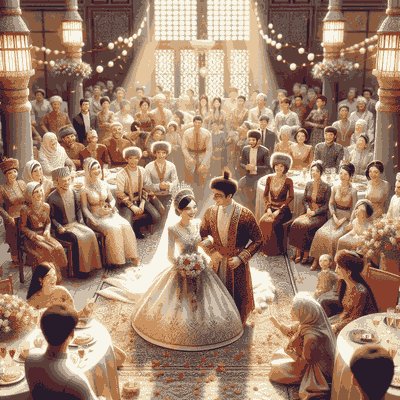
Overview of Traditional Kazakh Wedding Process
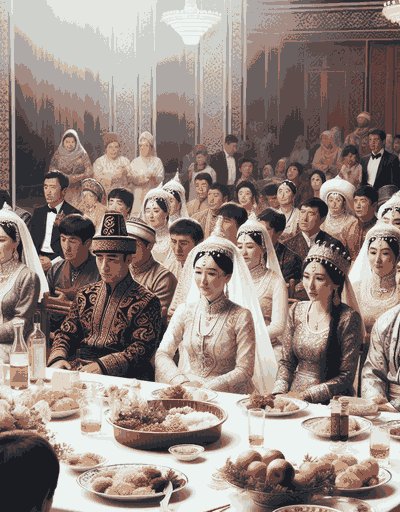
The complete Kazakh wedding journey includes:
- 6-12 months before: Initial matchmaking discussions (Kuda Tusu)
- 3-6 months before: Formal engagement ceremony (Syrga Salu)
- 1-3 months before: Bride price negotiations (Kalym)
- 2-4 weeks before: Dowry preparation (Jasau)
- Wedding week: Pre-wedding farewell celebrations (Kyz Uzatu)
- Wedding day: Civil registration, betashar unveiling, religious ceremony
- Post-wedding: Family visits and new home establishment
Pre-Wedding Traditions and Ceremonies
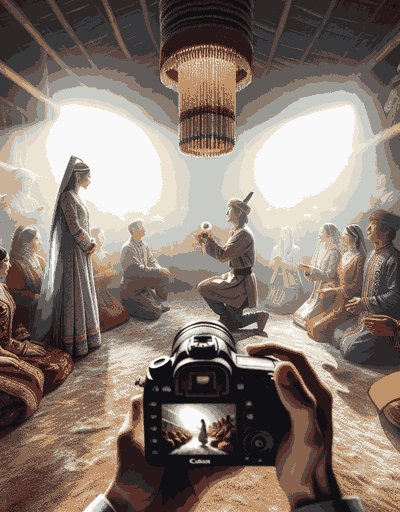
What is Kuda Tusu (Matchmaking)?
Kuda Tusu is the formal matchmaking process where the groom’s family visits the bride’s family with gifts to request marriage permission, typically occurring 6-12 months before the wedding. This centuries-old tradition involves the groom’s father and respected male relatives bringing traditional gifts to begin negotiations.
The matchmaking process includes:
- Initial visit: Groom’s family brings traditional gifts (cognac, sweets, fabrics)
- Formal request: Elder spokesman presents marriage proposal
- Family discussion: Both families evaluate compatibility
- Agreement celebration: Shared meal if proposal accepted
Regional variations in matchmaking:
- Southern Kazakhstan: More elaborate gift presentations, stricter protocols
- Northern regions: Simplified ceremonies, smaller delegations
- Urban areas: Often symbolic after couple already engaged
Modern practice sees many urban Kazakh couples choosing their own partners, with matchmaking becoming a formality that honors tradition while respecting young people’s autonomy.
Kalym (Bride Price) Requirements
Kalym is the traditional bride price paid by the groom’s family to the bride’s family, historically consisting of livestock but now typically provided in cash and gifts. This tradition, dating back over 1,000 years, demonstrates the groom’s family’s financial stability and commitment, similar to practices seen in Kyrgyz wedding traditions and Uzbek wedding traditions.
Traditional kalym components:
- Historical practice: Livestock (traditionally measured in horses and cattle)
- Wealthy families: Larger herds in historical times
- Modern equivalent: Cash and gifts varying by family circumstances
- Additional gifts: Jewelry, clothing sets, household items
Current kalym negotiations involve:
- Base amount: Determined by families’ social status
- Regional differences: Southern regions tend toward higher amounts
- Payment schedule: Often paid in installments over several months
- Symbolic elements: Numbers often include “7” for cultural significance
Syrga Salu (Engagement Ceremony)
Syrga Salu is the formal engagement ceremony where the groom’s family presents the bride with earrings (syrga) and other jewelry, officially announcing the engagement 3-6 months before the wedding. This celebration typically involves extended family and friends.
Engagement ceremony elements:
- Traditional earrings: Gold syrga as the centerpiece gift
- Additional jewelry: Rings, bracelets, necklaces
- Ceremonial clothing: Traditional outfits for the bride
- Feast: Guest hospitality and celebration
Modern adaptations include combining Western-style proposals with traditional Syrga Salu, creating hybrid ceremonies that satisfy both romantic and cultural expectations.
Jasau (Dowry Preparation)
Jasau is the comprehensive dowry prepared by the bride’s family, traditionally including a complete household setup. This practice ensures the bride contributes substantial assets to the new household and reflects the family’s investment in the couple’s future.
Traditional dowry contents:
- Furniture: Bedroom set, living room furnishings
- Textiles: Handmade carpets and wall hangings (a Central Asian specialty)
- Kitchen items: Complete cookware and dining sets
- Clothing: Multiple outfits including traditional wear
- Modern additions: Appliances and electronics
Regional dowry variations:
- Southern Kazakhstan: Emphasis on handmade textiles, traditional crafts
- Urban areas: Focus on modern furniture and appliances
- Western regions: Inclusion of regional jewelry and ornaments
Kyz Uzatu (Farewell Celebrations)
Kyz Uzatu is the emotional farewell ceremony held at the bride’s family home 1-2 days before the wedding, involving traditional songs, advice from female elders, and symbolic rituals. This tradition is attended primarily by female relatives.
Farewell ceremony components:
- Synsu songs: Traditional farewell melodies expressing sorrow and joy
- Elder advice: Married women share marriage wisdom
- Gift presentations: Personal items from female relatives
- Dawn timing: Ceremony starts at sunrise symbolizing new beginnings
Wedding Day Ceremonies
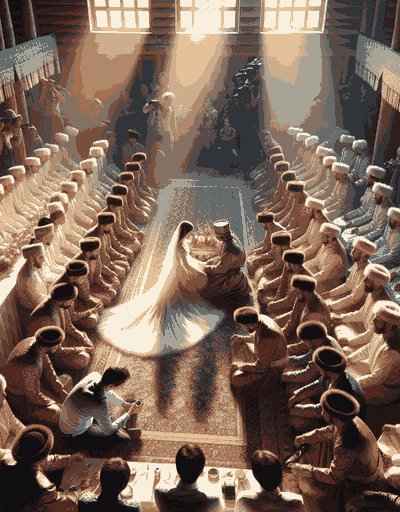
Betashar (Bride Unveiling Ceremony)
Betashar is the ceremonial unveiling of the bride’s face performed by a professional zhyrzhir singer who introduces her to the groom’s family through traditional songs, remaining the most universally practiced Kazakh wedding tradition. This ceremony creates a formal introduction between the bride and her new extended family.
The betashar process includes:
- Veiled entrance: Bride enters covered by ornate fabric
- Introduction songs: Each family member praised in verse
- Respectful bowing: Bride acknowledges each relative
- Face revealing: Mother-in-law removes veil
- White scarf placement: Symbolizes married status
Professional zhyr singers are valued for their:
- Experience and repertoire: Master singers know hundreds of verses
- Regional reputation: Well-known performers are highly sought
- Improvisation skills: Ability to personalize verses for each family
- Voice quality: Traditional singing techniques passed down generations
Modern betashar adaptations maintain the core unveiling while adjusting the length for smaller families, with this tradition remaining central to Kazakh weddings regardless of other modernizations.
Traditional Kazakh Bridal Attire and Saukele
The saukele is a tall conical headdress worn by Kazakh brides, traditionally a highly valuable item that becomes a treasured family heirloom. This elaborate headdress, adorned with silver, gold, pearls, and semi-precious stones, represents the family’s heritage and craftsmanship.
Saukele characteristics by region:
- Southern style: Taller designs with extensive decorative elements
- Western design: Heavier silver work, substantial weight
- Northern variation: Moderate height, simplified decorations
- Modern adaptations: Lightweight versions designed for comfort
Contemporary bridal attire combines:
- Traditional elements: Saukele for ceremonies
- Modern dress: White wedding gown for reception
- Multiple outfits: Several costume changes throughout celebration
- Regional variations: Southern brides often wear more traditional attire
Neke Qiyu (Islamic Marriage Ceremony)
Neke Qiyu is the religious marriage ceremony conducted by an Islamic mullah, involving Quranic readings, mutual consent declarations, and sharing blessed water from a silver bowl. This ceremony, attended by close family members, follows traditions similar to those in other Central Asian Muslim communities.
Religious ceremony components:
- Mullah’s blessing: Quranic verses and marriage prayers
- Consent ritual: Three affirmations from each partner
- Silver bowl ceremony: Water with silver coins shared
- Witness requirements: According to Islamic law
- Certificate signing: Religious marriage document
Modern Neke Qiyu timing:
- Traditional: Day after main celebration
- Contemporary: Often same evening as betashar
- Urban practice: May be combined with civil ceremony day
- Duration: Adapted to family preferences
Civil Registration at AKHAZH
AKHAZH registration is the mandatory civil marriage ceremony at Kazakhstan’s official registry offices (Civil Registry of Kazakhstan), legally required for all marriages and typically scheduled 1-3 months in advance. This ceremony involves official documentation and legal vows.
Civil ceremony process:
- Documentation: Passports, birth certificates, single status proof
- Ceremony hall: Government venue
- Official vows: Standard legal marriage declaration
- Ring exchange: Optional but commonly included
- Certificate issuance: Official marriage document
Post-registration traditions:
- Car procession: Decorated vehicles in celebratory convoy
- City tour: Stops at monuments and scenic locations for photos
- Champagne ritual: Celebratory toast for good fortune
- First dance: At memorable location
Wedding Celebration Traditions
Kazakh Wedding Feast (Toi)
The wedding toi is the main celebration feast bringing together hundreds of guests for elaborate dining, entertainment, and gift-giving. This central celebration demonstrates family hospitality and social connections.
Traditional feast elements:
- Qazaq eti: National dish of boiled meat with noodles (served to all guests)
- Qazy: Horse meat sausage for honored guests
- Baursak: Fried bread symbolizing prosperity
- Kumys: Fermented mare’s milk for traditional tables
Modern toi elements:
- Venue selection: Restaurants, hotels, or family homes
- Catering options: Mix of traditional and contemporary cuisine
- Entertainment: Live music and professional performers
- Decorations: Flowers and design elements
- Photography/video: Professional documentation
Traditional Wedding Games and Entertainment
Kazakh wedding entertainment combines traditional competitions with modern performances, creating hours of structured activities managed by a professional tamadatah-MAH-dah (toastmaster). These activities encourage interaction between families while honoring cultural heritage.
Traditional games include:
- Bride game: Symbolic competition between families
- Audaryspak: Horseback wrestling in rural celebrations
- Kyz kuu: “Chase the girl” horseback game
- Aytys: Poetic improvisation contests
Modern entertainment formats:
- Professional performers: Traditional musicians with dombradom-BRAH and kobyzkoh-BIZ
- Dance troupes: Folk dance demonstrations
- Interactive games: Family competitions and quizzes
- Video presentations: Childhood photos and family history
Gift-Giving Protocols
Kazakh wedding gift-giving follows established hierarchies with monetary gifts presented in decorated envelopes during designated ceremony portions. This practice helps offset wedding expenses while maintaining social reciprocity.
Gift-giving structure:
- Close relatives: More substantial contributions
- Extended family: Moderate amounts per household
- Friends/colleagues: Standard gift amounts
- Kiit gifts: Clothing for bride from groom’s female relatives
- Zholdyk: Valuable gift from groom after wedding night
Modern gift practices:
- Digital transfers: Increasingly common via bank transfer
- Gift registries: Emerging in urban areas
- Public announcements: Tamada may read donor names
- Record keeping: Detailed logs maintained for reciprocal giving
Post-Wedding Traditions
Kelin Salom (Bride’s Greeting Ceremony)
Kelin salom is the formal greeting ritual where the new bride acknowledges each member of the groom’s family with specific gestures of respect, typically performed the morning after the wedding. This ceremony reinforces family hierarchy and the bride’s new position.
Greeting protocol includes:
- Elder respect: Deep bow to parents and grandparents
- Sibling acknowledgment: Moderate bow to husband’s siblings
- Extended family: Greeting to cousins and relatives
- Gift reception: Small presents from each greeted relative
Regional variations:
- Southern Kazakhstan: Full traditional sequence maintained
- Northern cities: Simplified to key family members
- Rural areas: Includes extended family and neighbors
- Urban practice: Often combined with morning feast
Otau Koteru (New Home Establishment)
Otau koteru is the tradition of establishing the newlyweds’ home, historically involving setting up a new yurt but now focusing on apartment or house preparation with family assistance. This practice occurs within the first months after the wedding.
New home traditions:
- Right foot entry: Bride must enter with right foot first
- Family assistance: Parents provide major household items
- Blessing ceremony: Eldest woman performs cleansing ritual
- Quran placement: Religious families may hang verses for protection
Modern home establishment:
- Location: Many couples establish independent households
- Financial support: Parents often contribute to home costs
- Practical gifts: Relatives provide specific household items
- Housewarming: Celebrated after the couple settles in
Post-Wedding Family Visits
Post-wedding visits follow specific protocols with the bride’s first return to her parents occurring within weeks in modern practice, compared to the traditional longer waiting period. These reciprocal visits strengthen bonds between newly connected families.
Visit schedule includes:
- First return: Bride visits parents (within first month)
- Hosting bride’s family: Groom’s family dinner
- Extended family rounds: Visits to aunts and uncles
- Anniversary gathering: Both families celebrate together
Regional Wedding Variations
Southern Kazakhstan Wedding Traditions
Southern Kazakhstan maintains the most traditional wedding practices with couples following more complete ceremonial sequences and hosting larger celebrations. The region, centered around Shymkent, preserves strict protocols and elaborate rituals.
Distinctive southern customs:
- Extended celebrations: Multi-day wedding events
- Larger delegations: More people for matchmaking visits
- Traditional music: Live dombradom-BRAH and kobyzkoh-BIZ performances
- Conservative dress: Strong preference for traditional attire
- Kalym emphasis: Higher traditional significance
Southern preparation timeline:
- 12 months before: Initial family discussions
- 8 months before: Formal matchmaking ceremonies
- 6 months before: Engagement and kalym agreement
- 3 months before: Intensive dowry preparation
Western Kazakhstan Wedding Customs
Western Kazakhstan wedding traditions emphasize maritime influences from the Caspian Sea region. Distinctive elements include unique musical traditions and specialized craft incorporation.
Regional characteristics:
- Bridal preparation: Extended beauty rituals
- Musical heritage: Specific regional wedding songs
- Craft elements: Embroidered textiles featured in dowry
- Jewelry emphasis: Silver work prominent
- Feast specialties: Fish dishes alongside traditional meat
Northern and Urban Wedding Adaptations
Northern Kazakhstan and major cities feature modernized celebrations with traditions simplified or adapted for contemporary lifestyles. Urban couples blend selective traditions with contemporary preferences.
Urban modifications:
- Single-day events: Most complete celebrations in one day
- Venue preferences: Hotels and restaurants over homes
- Simplified rituals: Shortened ceremony durations
- International cuisine: Mix of traditional and international food
- Professional services: Wedding planners increasingly common
Modern urban timeline:
- 3-6 months before: Engagement and venue booking
- 2 months before: Dress selection and vendor coordination
- 1 month before: Final preparations and rehearsals
- 1 week before: Simplified pre-wedding gatherings
Contemporary Kazakh Wedding Trends
Modern Adaptations and Innovations
Contemporary Kazakh weddings blend heritage with innovation, with couples personalizing traditional elements to suit their preferences. Key trends include sustainability focus, digital integration, and intimate gatherings.
Current wedding trends:
- Eco-conscious choices: Growing interest in sustainable decorations
- Digital invitations: Electronic invitations alongside paper
- Livestreaming: Broadcast options for distant relatives
- Boutique venues: Intimate spaces for smaller gatherings
- Fusion cuisine: Traditional dishes with modern presentation
Cost-conscious adaptations:
- Off-season weddings: Winter celebrations offer savings
- Afternoon receptions: Alternative to evening events
- Simplified ceremonies: Focus on most meaningful traditions
- Family-style service: Communal dining approaches
Multicultural Wedding Integrations
Kazakhstan’s multicultural society produces hybrid weddings combining Kazakh traditions with Russian, Korean, Uighur, or other customs, creating unique celebrations that honor multiple heritages. The country’s diverse population includes over 100 ethnic groups.
Integration examples:
- Kazakh-Russian: Orthodox ceremony combined with betashar
- Kazakh-Korean: Pyebaekpyeh-BAEK ceremony with traditional toi
- Kazakh-Turkish: Combined henna night and kyz uzatu
- International couples: Selected traditions from each culture
Technology and Tradition Balance
Digital technology enhances rather than replaces traditions with modern weddings using tech for documentation and sharing while maintaining in-person ritual significance. Popular integrations include drone photography, wedding apps, and digital sharing.
Technology applications:
- Drone footage: Capturing car processions and venues
- Same-day edits: Professional videos shown at reception
- Wedding hashtags: Custom social media tags for sharing
- Translation services: For multicultural guest understanding
- Digital contributions: QR codes for gift giving
Investment and Planning Considerations
Complete Wedding Budget Planning
Kazakh wedding investment varies significantly by region, family expectations, and personal preferences. Budget allocation typically follows established patterns for each component.
Typical expense categories:
- Venue and catering: Largest portion of budget
- Entertainment: Music and performers
- Photography/video: Documentation
- Attire: Traditional and modern clothing
- Decorations: Flowers and design
- Gifts/favors: Guest appreciation items
- Transportation: Wedding vehicles
- Religious/traditional ceremonies: Ceremony costs
Planning Timeline and Preparation
Successful Kazakh weddings require several months of preparation with specific milestones for each tradition. Modern couples often work with wedding coordinators to manage between traditional requirements and contemporary logistics.
Essential planning timeline:
- 12 months: Initial family meetings and budget setting
- 9 months: Venue selection and major vendor booking
- 6 months: Formal engagement and tradition planning
- 3 months: Invitation distribution and detail coordination
- 1 month: Final confirmations and family preparations
- 1 week: Rehearsals and last-minute arrangements
Most Popular Current Traditions
Based on contemporary practice, these traditions remain most prevalent:
- Betashar unveiling: Remains central to nearly all Kazakh weddings
- White scarf ceremony: Widely practiced symbolism
- Civil registration: Legally required for all marriages
- Car procession: Common feature of celebrations
- Neke Qiyu: Important for Muslim families
- Modified matchmaking: Maintained in adapted form
- Saukele wearing: Featured in at least part of celebration
- Large toi feast: Hospitality remains paramount
- Professional tamada: Entertainment coordination standard
- Gift money envelopes: Primary gift method
Planning Tip: When planning a Kazakh wedding, consult with elders from both families early to understand which traditions are most important to honor. This helps prioritize the ceremonies that matter most while adapting others to fit your circumstances.
This comprehensive guide represents Kazakhstan’s living wedding traditions that continue evolving while maintaining cultural significance. Modern Kazakh couples create meaningful celebrations honoring their heritage through selective tradition adoption, demonstrating that cultural authenticity combined with personal expression creates memorable experiences.
Frequently Asked Questions
How much does a traditional Kazakh wedding cost?
Traditional Kazakh weddings typically cost between $15,000-50,000, including the kalym (bride price: $5,000-30,000) and jasau (dowry: $10,000-50,000).
What is the betashar ceremony in Kazakh weddings?
Betashar is a ceremonial unveiling of the bride where she shows respect to her new family through traditional bows while a singer introduces each family member.
How long does a traditional Kazakh wedding celebration last?
Kazakh weddings are multi-day events, typically spanning 3-7 days including pre-wedding ceremonies, main celebration, and post-wedding family visits.
What is the kalym in Kazakh wedding traditions?
Kalym is the traditional bride price paid by the groom's family, ranging from $5,000-30,000, symbolizing the bride's value and helping fund wedding expenses.
Is the Islamic ceremony (Neke Qiyu) mandatory in Kazakh weddings?
While the civil ceremony (AKHAZH) is legally required, the Islamic Neke Qiyu ceremony is traditional and widely practiced but not legally mandatory.
What is included in a Kazakh wedding dowry (Jasau)?
The jasau typically includes furniture, household items, clothing, jewelry, and traditional items, valued between $10,000-50,000.
How many guests attend a typical Kazakh wedding?
Traditional Kazakh weddings usually host between 200-500 guests, reflecting the importance of extended family and community connections.
What is the Syrga Salu ceremony?
Syrga Salu is the formal engagement ceremony where the groom's family presents the bride with earrings and other jewelry as engagement gifts.
How are modern Kazakh weddings different from traditional ones?
Modern Kazakh weddings, especially in urban areas, often feature simplified ceremonies, western influences, and digital elements while maintaining key cultural traditions.
What is the significance of the Saukele headdress?
The Saukele is a traditional bridal headdress symbolizing the transition to married life, often passed down through generations or custom-made for significant cost.