Kosovo Wedding Traditions Cultural Wedding Guide 2025
Overview of Kosovar Wedding Process and Timeline
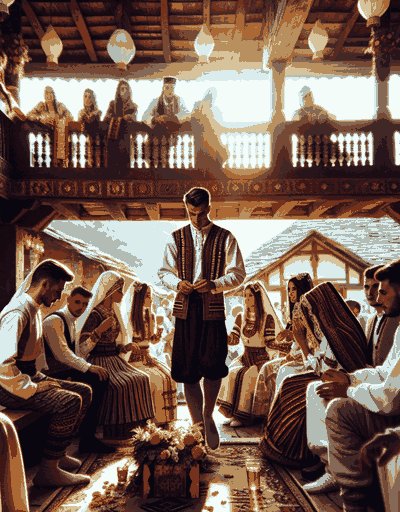
- 12-18 months before: Engagement ceremony (fejesa) with gold jewelry exchange
- 3-6 months before: Wedding planning begins, venue booking, guest list preparation
- 1 week before: Henna night ceremony for the bride
- 2-3 days before: Flag night celebration (natë e flamurit) in traditional regions
- Wedding weekend: Civil ceremony, religious ceremony, reception lasting 8-12 hours
- Day after: After-party celebration with close family
Pre-Wedding Traditions and Ceremonies
What is Fejesa (Engagement Ceremony)?
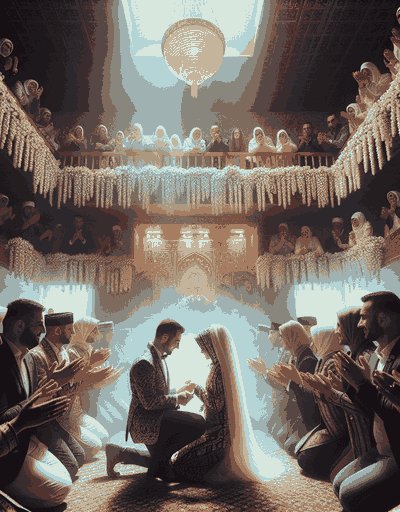
Fejesa (sq-XK_fejesa) is the formal Kosovar engagement ceremony where both families meet to celebrate the couple’s decision to marry, involving the exchange of rings worn on the right hand and the presentation of gold jewelry worth €500-€5,000500 to 5,000 euros to the bride. This centuries-old tradition typically includes 20-50 close family members and features the serving of traditional sweets, Turkish coffee, and raki (sq-XK_raki), lasting 2-4 hours.
The engagement process traditionally involved a matchmaker called shkues (sq-XK_shkues) who facilitated negotiations between families. During the ceremony, both partners exchange rings; a distinctive Kosovar custom where both receive engagement rings, not just the bride. These rings are moved from the right to the left hand after the wedding ceremony.
Regional variations of fejesa:
- Dukagjini region: More elaborate gold presentations, often including full jewelry sets
- Pristina urban areas: Simplified ceremonies in restaurants rather than homes
- Drenica region: Greater emphasis on traditional negotiation rituals
- Rural areas: Maintain formal family hierarchy in seating and speaking order
Modern fejesa practices (2025): Contemporary couples host engagement parties for 50-150 guests in venues costing €1,000-€5,0001,000 to 5,000 euros, though family blessing remains essential. Urban celebrations often blend traditional ring exchanges with Western-style engagement parties.
Natë e Kanasë (Henna Night Ceremony)
Natë e kanasë (sq-XK_natë-e-kanasë) is the traditional henna night ceremony held 2-5 days before a Kosovar wedding where female relatives and friends gather to apply intricate henna designs to the bride’s hands and feet, symbolizing joy, fertility, and protection. This Ottoman-influenced tradition involves 30-100 female guests, traditional music, dancing, and costs €300-€2,000300 to 2,000 euros depending on venue and elaborateness.
Traditional henna night elements:
- Henna application: Professional artists charge €50-€20050 to 200 euros
- Special red outfit: Bride wears red symbolizing fertility and happiness
- Traditional songs: Specific wedding songs called këngë dasmash (sq-XK_këngë-dasmash)
- Ceremonial tears: Bride traditionally shows emotion about leaving her family
- Duration: Typically 4-6 hours, evening celebration
Regional henna design variations:
- Dukagjini: Geometric patterns with protective symbols
- Drenica: Floral motifs incorporating local flower designs
- Llap: Combined geometric and nature-inspired patterns
- Urban centers: Contemporary artistic designs, sometimes incorporating initials
Tip: The henna night remains one of the most cherished Kosovar wedding traditions, with the majority of brides continuing to practice this ceremony. Urban brides might opt for simpler designs taking 1-2 hours versus traditional elaborate patterns requiring 3-4 hours.
Natë e Flamurit (Night of the Flag)
Natë e flamurit (sq-XK_natë-e-flamurit) is a traditional pre-wedding celebration where the groom’s family prepares and raises a ceremonial flag (usually Albanian red and black) to announce the upcoming wedding to the community, practiced primarily in rural areas and involving 50-150 male relatives and friends. This centuries-old tradition includes specific songs, toasts with raki, and costs €200-€1,000200 to 1,000 euros for food and entertainment.
The flag, measuring 1.5-3 meters, is traditionally raised 3-7 days before the wedding. The ceremony involves:
- Flag preparation rituals: Blessing the flag with specific words
- Traditional toasts: Led by family elders
- Musical performances: Featuring çifteli (sq-XK_çifteli) and other traditional instruments
- Duration: 3-5 hours, typically evening event
Modern adaptations: Urban couples incorporate flag symbolism into wedding decorations rather than separate ceremonies. While full flag night traditions are maintained in some rural weddings, modified versions are increasingly common.
Wedding Ceremony Traditions
Civil and Religious Ceremonies in Kosovo
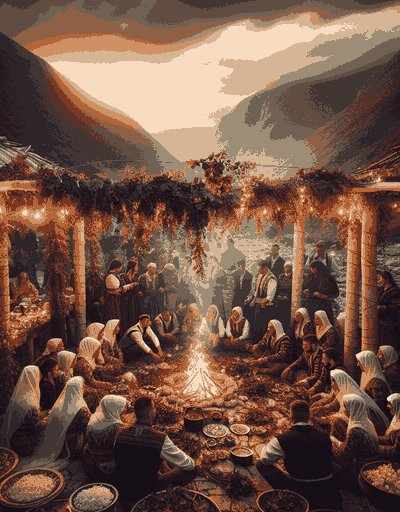
Civil ceremony (ceremonia civiletseh-reh-MOH-nee-ah tsee-VEE-leh) (sq-XK_ceremonia-civile) is the legally required marriage procedure in Kosovo conducted at municipality offices, lasting 15-30 minutes with at least two witnesses, costing €50-€20050 to 200 euros in administrative fees. All marriages in Kosovo must begin with this civil procedure, established during the Yugoslav period and maintained after independence in 2008. Religious ceremonies follow the civil procedure and vary by faith:
Islamic ceremonies (majority of population):
- Nikah (sq-XK_nikah) performed by imam
- Duration: 30-45 minutes
- Location: Mosque, home, or wedding venue
- Cost: €100-€500100 to 500 euros donation
- Includes marriage contract and specific prayers
Catholic ceremonies (minority of population):
- Performed in churches, particularly in Gjakova and Prizren
- Duration: 45-60 minutes
- Includes crown ceremony elements
- Cost: €200-€1,000200 to 1,000 euros
Orthodox ceremonies (minority of population):
- Distinctive crown ritual (ceremony of crowning)
- Duration: 60-90 minutes
- Primarily in Serbian communities
- Cost: €150-€800150 to 800 euros
The Role of Kumbari (Wedding Godfather)
Kumbari (sq-XK_kumbari) is the principal wedding witness in Kosovar tradition who serves as godfather to the couple and often becomes godparent to their first child, chosen from respected married friends or relatives who guide the couple through marriage. This lifelong relationship involves specific ceremonial duties and financial contributions of €500-€5,000500 to 5,000 euros toward wedding expenses.
Kumbari responsibilities:
- Leading wedding procession to collect the bride
- Principal witness at civil and religious ceremonies
- First toast at reception (must be given before any other speeches)
- Financial support: Contributing to wedding costs
- Ongoing guidance: Advising couple throughout marriage
- Future role: Typically becomes godparent (nunnoon/nunëNOO-neh) (sq-XK_nun) to first child
Unlike Western weddings with multiple bridesmaids and groomsmen, Kosovar tradition focuses on this single, significant relationship. The kumbarikoom-BAH-ree’s spouse (kumbarëkoom-BAH-reh for female) (sq-XK_kumbarë) shares these responsibilities. This tradition shares similarities with the kum role in Bosnian and other Balkan wedding customs.
Selection criteria: Successful marriage, financial stability, respect in community, close friendship with couple. Modern couples choose peers rather than traditional elder relatives, but the role’s significance remains unchanged.
Traditional Kosovar Wedding Attire
Traditional Kosovar wedding attire varies significantly by region, featuring elaborate embroidery, symbolic colors, and gold ornamentation worth €1,000-€10,0001,000 to 10,000 euros, with brides historically wearing regional costumes called veshje e nusesVESH-yeh eh NOO-ses (sq-XK_veshje-e-nuses) and grooms wearing traditional xhamadanjah-mah-DAHN (sq-XK_xhamadan) jackets and plisplees (sq-XK_plis) caps.
Bride’s traditional elements:
- Embroidered dress: Hand-stitched patterns specific to family region
- Headdress with coins: Called kapulacekah-poo-LAH-tseh (sq-XK_kapulace), featuring 50-200 coins
- Red veil: Symbolizing fertility, worth €100-€500100 to 500 euros
- Gold jewelry: Necklaces, bracelets, earrings totaling 50-500 grams
- Protective symbols: Evil eye amulets sewn into dress
Groom’s traditional elements:
- White plis cap: Distinctive Albanian felt cap, €20-€10020 to 100 euros
- Embroidered vest (jelek) (sq-XK_jelek): Dark with gold thread, €200-€1,000200 to 1,000 euros
- Traditional belt (brez) (sq-XK_brez): Red or black, symbolizing strength
- Woolen pants: Called tirqteerk (sq-XK_tirq), dark colored
- Xhamadan jacket: Wool with elaborate embroidery, €300-€2,000300 to 2,000 euros
Face painting tradition: In Sharr Mountain regions bordering North Macedonia, brides receive elaborate facial designs using natural pigments, creating patterns believed to ward off evil spirits. This striking tradition, practiced by a small percentage of modern brides, represents Kosovo’s most visually distinctive wedding custom.
Modern practice: Contemporary brides wear white gowns costing €500-€5,000500 to 5,000 euros but many incorporate traditional elements through accessories or costume changes. Grooms typically wear suits but some include plis caps during specific ceremonies.
Wedding Reception and Celebration Customs
Multi-Day Wedding Celebrations
Multi-day Kosovar weddings traditionally lasted 3-7 days with different ceremonies each day, now typically compressed to 2-3 days of celebrations involving 200-1,000 guests and costing €10,000-€50,00010,000 to 50,000 euros total. This extended timeline, rooted in centuries of tradition, allowed proper observance of all customs and accommodated guests traveling from distant villages when transportation was limited.
Traditional multi-day timeline:
- Day 1: Henna night for bride, men’s gathering for groom
- Day 2: Flag raising, final preparations
- Day 3: Morning preparations, afternoon ceremonies, evening reception
- Day 4: Wedding reception continuation until dawn
- Day 5: After-party with close family
Modern compressed timeline:
- Friday: Combined henna night and pre-wedding party
- Saturday: Civil ceremony, religious ceremony, main reception
- Sunday: Family gathering and after-party
Regional variations in duration:
- Rural areas: Many maintain 3+ day celebrations
- Urban centers: Most limit to 2-day format
- Diaspora weddings: Often single day due to venue constraints
Cost breakdown for multi-day celebrations:
- Venue rental: €2,000-€10,0002,000 to 10,000 euros per day
- Catering: €30-€10030 to 100 euros per guest per day
- Entertainment: €1,000-€5,0001,000 to 5,000 euros for traditional musicians
- Decorations: €500-€3,000500 to 3,000 euros
Krushqit (Wedding Procession)
Krushqit (sq-XK_krushqit) is the traditional wedding procession where the groom’s party of 20-100 people travels with decorated cars, music, and flag-bearing to collect the bride from her family home, creating a celebratory parade through the community. This centuries-old tradition symbolizes the bride’s transition to her husband’s household and costs €500-€2,000500 to 2,000 euros for vehicle decoration and musicians.
Traditional procession elements:
- Lead car: Carries Albanian flag and kumbarikoom-BAH-ree
- Number of vehicles: 10-50 cars decorated with ribbons and flowers
- Traditional music: Live çifteli and zurlaZOOR-lah (sq-XK_zurla) players
- Honking pattern: Specific rhythm announcing wedding procession
- Duration: 30 minutes to 2 hours depending on distance
Historical practices included:
- Horseback processions: Groom on decorated horse
- Rifle shots: Fired into air to announce approach (now illegal)
- Walking processions: For nearby villages
- Specific songs: Krushqit songs describing groom’s qualities
Modern krushqit customs: Contemporary processions feature 15-30 decorated vehicles costing €50-€20050 to 200 euros each for decoration. Lead vehicle displays 1-2 meter Albanian flag. Professional videographers capture procession from multiple angles. Urban processions navigate traffic with police assistance costing €100-€300100 to 300 euros.
Blerja e Nuses (Symbolic Bride Purchase)
Blerja e nuses (sq-XK_blerja-e-nuses) is a playful negotiation tradition where the bride’s male relatives “sell” her to the groom’s party for symbolic payments ranging from €50-€50050 to 500 euros, creating entertainment while acknowledging the bride’s value to her family. This tradition, evolved from historical bride price customs, now serves as lighthearted interaction between families rather than actual transaction.
Negotiation process:
- Blocked entrance: Bride’s brothers/cousins block doorway
- Initial offer: Groom presents €20-€5020 to 50 euros
- Rejection and haggling: Multiple rounds of negotiation
- Entertainment value: Jokes, songs, theatrical refusing
- Final payment: €100-€500100 to 500 euros typically accepted
- Duration: 15-30 minutes of playful bargaining
Regional variations:
- Drenica: More elaborate negotiations with specific traditional phrases
- Dukagjini: Includes riddles groom must answer
- Urban areas: Simplified to token €50-€10050 to 100 euros exchange
- Diaspora: Often explain tradition to non-Kosovar guests
Money collected traditionally goes to bride’s siblings or charity. Modern couples sometimes donate “bride price” to humanitarian causes, adding contemporary meaning to ancient custom.
Traditional Dances and Music
The Shota (sq-XK_shota) is Kosovo’s most iconic wedding dance performed by couples facing each other with quick steps while waving handkerchiefs above their heads, named after legendary Albanian heroine Shote Galica. This traditional dance, accompanied by çifteli and defdef (sq-XK_def) drums, remains central to the vast majority of Kosovar wedding celebrations. Similar traditional circle dances can be found throughout the Balkans, including in Greek and Montenegrin celebrations.
Traditional wedding dances include:
- Valle e Rugovës (sq-XK_valle-e-rugovës): Circle dance from Rugova region
- Valle dyshe (sq-XK_valle-dyshe): Partner dance for couples
- Valle e burrave (sq-XK_valle-e-burrave): Men’s line dance
- Kërcimi i nuses (sq-XK_kërcimi-i-nuses): Special bride’s dance
Musical ensemble costs:
- Traditional band (3-5 musicians): €500-€2,000500 to 2,000 euros
- Modern orchestra (8-12 musicians): €2,000-€5,0002,000 to 5,000 euros
- DJ services: €300-€1,000300 to 1,000 euros
- Combined traditional/modern: €3,000-€7,0003,000 to 7,000 euros
Instruments featured:
- Çifteli: Two-stringed traditional instrument
- Zurla: Double-reed wind instrument
- Def: Frame drum
- Gajde (sq-XK_gajde): Bagpipe in some regions
- Modern additions: Keyboard, clarinet, accordion
Professional dance groups often perform, charging €200-€1,000200 to 1,000 euros for 30-60 minute shows. Wedding guests join traditional circle dances throughout celebration.
Wedding Feast and Traditional Foods
Kosovar wedding feasts serve 200-500 guests over 6-10 hours with multiple courses featuring traditional dishes like fliflee (sq-XK_fli), roasted meats, and bakllavë (sq-XK_bakllavë), costing €30-€10030 to 100 euros per guest. These elaborate meals symbolize hospitality and abundance, with families preparing for months to ensure guests are well-fed throughout extended celebrations.
Traditional wedding menu structure:
- Welcome: Raki and meze (appetizers) - 30 minutes
- First course: Soup (beef or chicken) - 45 minutes
- Main courses: 3-5 meat dishes served family-style - 2 hours
- Side dishes: Rice, potatoes, seasonal vegetables
- Dessert service: Traditional sweets - 1 hour
- Late-night meal: Light dishes for dancing guests - after midnight
Essential wedding dishes with costs:
- Fli (layered cream pastry): €5-€10 ($5.50-$11 USD) per serving
- Roasted lamb: €300-€500300 to 500 euros per whole lamb
- Pite (sq-XK_pite) varieties: €2-€5 ($2.20-$5.50 USD) per piece
- Bakllavë: €3-€8 ($3.30-$8.80 USD) per portion
- Llokuma (sq-XK_llokuma) (fried dough): €1-€3 ($1.10-$3.30 USD) per serving
Regional specialties:
- Gjakova: Famous for extensive meze selections
- Peja: Specialty grilled meats
- Prizren: Ottoman-influenced desserts
- Mitrovica: Distinctive bread preparations
Modern catering includes international options alongside traditional dishes. Venues typically offer packages ranging from basic (€25-€40/$27-$44 USD per person) to premium (€60-€100/$66-$110 USD per person).
Valle e Parave (Money Dance)
Valle e parave (sq-XK_valle-e-parave) is the traditional money dance where wedding guests pin cash to the bride and groom’s clothing while they dance, contributing €20-€50020 to 500 euros per guest to help establish the couple’s household. This practical tradition typically raises €2,000-€20,0002,000 to 20,000 euros total during the reception.
Money dance procedures:
- Announcement: MC calls for money dance after dinner
- Special music: Slower traditional songs played
- Guest participation: Form line to approach couple
- Pinning method: Money attached with small pins or placed in special bags
- Duration: 30-60 minutes depending on guest count
- Multiple rounds: Often repeated 2-3 times during reception
Regional variations:
- Urban areas: Guests place money in decorated boxes
- Rural regions: Traditional pinning directly to clothes
- Diaspora weddings: Envelopes more common than pinning
- Mixed culture weddings: Explanation provided for non-Kosovar guests
Modern adaptations: Some couples designate “money dance assistants” to collect contributions in decorated bags (qese parash) (sq-XK_qese-parash). Contemporary weddings might include QR codes for digital transfers alongside traditional cash gifts, especially post-COVID.
Regional Wedding Variations
Dukagjini Plains Wedding Traditions
Dukagjini wedding traditions represent western Kosovo customs practiced by a significant portion of the population, featuring the most elaborate henna ceremonies lasting 6-8 hours, distinctive zurlaZOOR-lah music, and embroidery patterns using gold thread worth €500-€3,000500 to 3,000 euros per outfit. These traditions, centered in municipalities like Gjakova, Deçan, and Peja, maintain strong connections to historical practices.
Distinctive Dukagjini elements:
- Henna patterns: Geometric designs covering entire hands and forearms
- Musical traditions: Zutupantoo-PAHN and tupan (sq-XK_tupan) ensemble required
- Wedding bread: Special 3-tiebukë dasmeBOO-keh DAHSS-mehcalled bukë dasme (sq-XK_bukë-dasme)
- Bride’s departure: Elaborate 2-hour farewell ceremony
- Traditional songs: Unique to Dukagjini, passed through generations
- Guest count: Average 400-600 people
Cost comparison to other regions:
- Dukagjini average: €25,000-€40,00025,000 to 40,000 euros
- Other regions average: €15,000-€30,00015,000 to 30,000 euros
- Premium elements: Gold embroidery, extended celebrations
- Music costs: Higher due to specialized instruments
Drenica Region Wedding Customs
Drenica wedding traditions from central Kosovo represent what many consider the most authentically Albanian customs, with emphasis on patriarchal ceremonies, flag traditions, and celebrations lasting 3-5 days involving 300-700 guests. This region, including Skenderaj and Drenas, preserved traditions through centuries of cultural pressure.
Characteristic Drenica features:
- Flag ceremonies: Most elaborate in Kosovo, 3-meter flags
- Male ritual roles: Extensive responsibilities for male relatives
- Traditional attire: Specific white and red color combinations
- WeddingFlifleeods: Fli prepared by 10-20 women together
- Dance formations: Distinctive circular patterns
- Average cost: €20,000-€35,00020,000 to 35,000 euros
Distinctive elements:
- Krushqit size: 50-100 participants (largest in Kosovo)
- Rifle traditions: Historical shooting ceremonies (now ceremonial)
- Song repertoire: 50+ traditional wedding songs
- Guest hospitality: 3-day hosting expectations
- Gold gifts: Average 100-200 grams per bride
Urban Wedding Adaptations
Urban Kosovar weddings in Pristina and Prizren blend traditional elements with modern convenience, typically lasting 1-2 days, involving 150-300 guests, and costing €15,000-€50,00015,000 to 50,000 euros with professional planning services. These celebrations adapt centuries-old customs to contemporary urban life.
Modern urban elements:
- Venue choices: Hotels, restaurants, purpose-built halls
- Compressed timeline: Friday evening through Saturday night
- Professional services: Planners, photographers, videographers
- Bilingual ceremonies: Albanian and English for international guests
- Traditional moments: Scheduled within modern timeline
- Average guest count: 200-250 people
Cost breakdown for urban weddings:
- Venue: €3,000-€10,0003,000 to 10,000 euros
- Catering: €5,000-€15,0005,000 to 15,000 euros
- Photography/Video: €1,000-€3,0001,000 to 3,000 euros
- Entertainment: €2,000-€5,0002,000 to 5,000 euros
- Decorations: €1,000-€5,0001,000 to 5,000 euros
- Traditional elements: €1,000-€3,0001,000 to 3,000 euros
Traditional adaptations:
- Henna night: Hotel spa or specialized venue
- Krushqit: Shortened route through city
- Money dance: Envelope system instead of pinning
- Traditional food: Served alongside international cuisine
- Music: DJ with traditional music sets
Comparison of Regional Variations
Element Dukagjini Drenica Llap Urban Centers Average Duration 3-4 days 4-5 days 2-3 days 1-2 days Guest Count 400-600 300-700 200-400 150-300 Total Cost (EUR) €25,000-€40,000 €20,000-€35,000 €15,000-€25,000 €15,000-€50,000 Henna Night Most elaborate (6-8 hrs) Traditional (4-5 hrs) Moderate (3-4 hrs) Simplified (2-3 hrs) Flag Ceremony Sometimes Always prominent Rarely Symbolic only Traditional Attire Full ceremonies Throughout event Key moments Photo sessions Music Type Zurla dominant Mixed traditional Çifteli focus DJ + traditional Symbolic Elements and Beliefs
Wedding Superstitions and Protective Rituals
Kosovar wedding superstitions include beliefs that rain brings prosperity (ylli i dasmësEE-lee ee DAHSS-mehs) (sq-XK_ylli-i-dasmës), breaking glass ensures good fortune, and the bride must enter her new home right foot first, with protective rituals involving red colors, metal ornaments, and odd-numbered decorations. These beliefs, rooted in pre-Islamic and pre-Christian traditions, continue to influence many modern wedding planning decisions.
Common wedding day beliefs:
- Weather omens: Rain = prosperity, sunshine = happiness, wind = change
- First sight: Groom seeing bride before ceremony brings misfortune
- Mirror prohibition: Bride shouldn’t view herself fully dressed
- Foot placement: First to step on partner’s foot during ceremony leads marriage
- Tears: Bride’s wedding day tears prevent future marital crying
- Children present: Ensures fertility (seeing 3+ children especially lucky)
Protective elements incorporated:
- Red details: Ribbon, shoes, or undergarments ward off evil eye
- Metal coins: Sewn into dress hem for protection and prosperity
- Blue eye amulets: Hidden in bouquet or dress
- Odd numbers: Flowers, decorations, food items in odd quantities
- Salt packets: Carried by bride for protection
- Bread breaking: At threshold ensures abundance
Face painting protection: Sharr Mountain regions apply intricate facial designs using soot, chalk, and natural dyes creating geometric patterns. These designs, taking 2-3 hours to apply, cost €100-€300100 to 300 euros when done by traditional artists. While practiced by a small minority of modern brides, this represents Kosovo’s most visually striking protective tradition.
Tip: Contemporary couples often treat superstitions playfully while respecting family beliefs. Urban couples incorporate subtle protective elements (red ribbon, small amulet) without full traditional observance, while rural families tend to maintain stronger adherence to protective rituals.
Post-Wedding Customs
Morning After Traditions (Mëngjesi i Nuses)
Mëngjesi i nuses (sq-XK_mëngjesi-i-nuses) is the traditional first morning ritual where the new bride demonstrates her domestic skills by preparing Turkish coffee for her husband’s family, sweeping the courtyard, and receiving symbolic gifts worth €100-€1,000100 to 1,000 euros from her new in-laws. This tradition, practiced by couples living with or near groom’s family, symbolizes the bride’s integration into her new household.
Traditional morning responsibilities:
- Coffee preparation: Served to mother-in-law first (5:30-6:00 AM)
- Courtyard sweeping: Symbolic cleansing of new home
- Breakfast preparation: Traditional börek or petulla (sq-XK_petulla)
- Gift receiving: Jewelry or money from each family member
- Duration: 2-3 hours of ritual activities
Symbolic gifts received:
- Mother-in-law: Gold jewelry (€200-€1,000/$220-$1,100 USD)
- Father-in-law: Money for household (€100-€500/$110-$550 USD)
- Siblings-in-law: Smaller gifts (€50-€200/$55-$220 USD each)
- Extended family: Token amounts (€20-€50/$22-$55 USD)
Modern adaptations: Urban couples living independently might visit groom’s family for symbolic breakfast. Some families maintain gift-giving tradition without domestic tasks. Contemporary practice focuses on welcoming bride rather than testing domestic abilities.
First Visit to Bride’s Parents (Vizita e Parë)
Vizita e parë (sq-XK_vizita-e-parë) is the ceremonial first visit newlyweds make to the bride’s parents 3-7 days after the wedding, involving specific gifts worth €200-€1,000200 to 1,000 euros, a formal meal, and rituals confirming continued family bonds. This tradition, observed by most Kosovar couples, establishes the pattern for future family relationships.
Traditional visit protocol:
- Timing: First Sunday after wedding historically
- Gifts brought: Bakllavë, coffee, sugar symbolizing sweetness
- Formal reception: Parents prepare special meal
- Duration: 4-6 hours including lunch
- Attendees: Couple, sometimes groom’s parents
Gift exchange specifics:
- From couple to bride’s family: €100-€500100 to 500 euros in gifts
- From bride’s family to couple: Household items worth similar amount
- Traditional foods: Specific dishes prepared by bride’s mother
- Symbolic meaning: Maintaining daughter’s connection to birth family
Modern practice: Contemporary couples often schedule visit after honeymoon, 2-4 weeks post-wedding. Urban families might meet at restaurants rather than homes. Gift-giving remains important but simplified. Video calls sometimes substitute for diaspora families.
After-Party Celebrations (Darka e Mbesave)
Darka e mbesave (sq-XK_darka-e-mbesave) is the day-after wedding gathering for 30-100 close family members and friends, traditionally using leftover food and continuing celebrations in a relaxed atmosphere, costing €500-€2,000500 to 2,000 euros. This tradition, practiced by many couples, provides intimate family bonding after the formal reception.
After-party characteristics:
- Timing: Sunday afternoon/evening after Saturday wedding
- Location: Family home, restaurant, or outdoor venue
- Guest list: Close family, wedding party, out-of-town guests
- Atmosphere: Casual dress, relaxed timeline
- Duration: 4-6 hours
- Food: Leftover wedding food plus fresh salads, grilled meats
Traditional elements maintained:
- Music: Acoustic performances, family singing
- Dancing: Informal traditional dances
- Storytelling: Sharing wedding day memories
- Gift opening: If not done at reception
- Photo viewing: Immediate wedding photo sharing
Cost breakdown:
- Venue (if not home): €200-€500200 to 500 euros
- Additional food: €300-€800300 to 800 euros
- Beverages: €200-€500200 to 500 euros
- Entertainment: €100-€300100 to 300 euros for musicians
Rural areas maintain stronger after-party traditions than urban centers. Modern couples sometimes combine with gift opening or departure for honeymoon.
Kosovar Wedding Traditions in the Diaspora
Diaspora Wedding Adaptations
Kosovar diaspora weddings blend homeland traditions with adopted country customs, typically condensing 3-5 day celebrations into single weekends while maintaining core elements like henna nights, traditional dances, and symbolic foods. Most diaspora couples incorporate at least three major Kosovar traditions. These adapted celebrations, found in communities across Europe, North America, and Australia, cost €10,000-€40,00010,000 to 40,000 euros depending on location.
Common diaspora adaptations by region:
European diaspora (Germany, Switzerland, Austria):
- Guest count: 200-400 people (larger than homeland average)
- Duration: Friday evening to Sunday afternoon
- Traditional elements: Most maintain henna night, traditional music
- Language: Trilingual ceremonies (Albanian, local language, English)
- Cost: €15,000-€35,00015,000 to 35,000 euros
North American diaspora (USA, Canada):
- Guest count: 150-300 people
- Duration: Single day with extended reception
- Traditional elements: Many include modified henna night, valle dancing
- Venue adaptations: Hotel ballrooms accommodate traditional dances
- Cost: $20,000-$50,000 USD
Key preserved traditions:
- Henna night: Most diaspora brides (often combined with shower)
- Traditional music/dance: Nearly all include valle, especially Shota
- Kosovar foods: Most serve some traditional dishes
- Kumbari tradition: Many maintain godparent role
- Traditional attire moments: Often include costume elements
Challenges and solutions:
- Venue restrictions: Negotiate extended hours for traditional timeline
- Ingredient sourcing: Import specialty foods or find substitutes
- Mixed guest education: Provide tradition explanations in programs
- Legal requirements: Navigate different civil ceremony rules
- Cultural fusion: Balance partner’s cultural traditions equally
International Wedding Tourism to Kosovo
Wedding tourism to Kosovo attracts hundreds of diaspora couples annually who return for authentic traditional ceremonies in historic venues, mountain settings, or family villages, spending €15,000-€40,00015,000 to 40,000 euros while supporting local economy. This growing trend combines nostalgia with cost advantages compared to Western European venues.
Popular Kosovo wedding destinations:
- Prizren: Ottoman architecture, Sinan Pasha Mosque area
- Rugova Valley: Mountain scenery, traditional restaurants
- Gjakova: Historic Çarshia bazaar area
- Prevalla: Mountain resort setting
- Village venues: Family properties for authentic experiences
Wedding tourism packages include:
- Legal documentation assistance: €200-€500200 to 500 euros
- Translation services: €300-€800300 to 800 euros
- Cultural consultants: €500-€1,500500 to 1,500 euros
- Traditional musician booking: €1,000-€3,0001,000 to 3,000 euros
- Costume rentals: €200-€1,000200 to 1,000 euros
- Photography in cultural sites: €500-€2,000500 to 2,000 euros
Cost advantages:
- Kosovo venue: €2,000-€5,0002,000 to 5,000 euros
- Equivalent Western Europe: €5,000-€15,0005,000 to 15,000 euros
- Catering per person: €25-€5025 to 50 euros Kosovo vs €60-€15060 to 150 euros abroad
- Full traditional wedding: Significantly less expensive than diaspora locations
Unique offerings:
- Multi-village celebrations: Ceremonies across family regions
- Heritage site access: Castle weddings, Ottoman-era venues
- Extended family participation: 200+ relatives attending
- Authentic traditions: Village elders leading ceremonies
- Documentary services: Family history integration
Las Vegas Kosovar Wedding Experiences
Las Vegas Kosovar wedding packages offer fusion ceremonies combining Albanian traditions with Vegas entertainment, serving the niche market of Kosovar-American couples seeking unique celebrations that blend cultural heritage with destination wedding excitement. These packages, costing $5,000-$25,000 USD, attract younger diaspora couples wanting non-traditional but culturally conscious ceremonies.
Vegas venues offering Kosovar elements:
- Chapel adaptations: Red and black décor honoring Albanian flag
- Music packages: Albanian song playlists, recorded zurla music
- Ceremonial additions: Simplified honey and bread rituals
- Photography: Albanian flag incorporation, traditional pose options
- Reception options: Kosovar menu items at select venues
Popular Vegas Kosovar fusion elements:
- Elvis impersonator: Singing Albanian folk songs (novelty option)
- Gondola ceremonies: Venetian incorporating Albanian music
- Helicopter weddings: Albanian flag display options
- Desert photo shoots: Traditional costume elements
- Casino receptions: Money dance with Vegas twist
Package components and costs:
- Basic chapel ceremony: $500-$2,000 with Albanian elements
- Photography with cultural props: $1,000-$3,000
- Reception with Kosovar menu: $3,000-$10,000
- Entertainment fusion: $500-$2,000
- Total typical cost: $5,000-$15,000
Kosovar elements most requested:
- Music: Most want some Albanian songs
- Food: Many request at least appetizer selection
- Symbols: Often incorporate flag or colors
- Traditions: Some include modified money dance
- Language: Some want bilingual ceremony
While representing a small fraction of Kosovar weddings globally, Vegas ceremonies demonstrate tradition’s adaptability. Couples often follow with traditional celebrations in Kosovo or diaspora communities, treating Vegas as legal ceremony with cultural acknowledgment.
Modern Trends and Adaptations
Contemporary Kosovar Wedding Trends (2025)
Modern Kosovar wedding trends show couples increasingly personalizing traditions while maintaining cultural core, with sustainability focus, digital integration, and average costs of €20,000-€35,00020,000 to 35,000 euros for 200-300 guests. These evolving practices demonstrate how new generations honor heritage while adapting to contemporary values and global influences.
Top 2025 trends:
Sustainable wedding practices (growing among urban couples):
- Local sourcing: Ingredients sourced locally
- Digital invitations: Saving €500-€1,500500 to 1,500 euros
- Donated flowers: Post-wedding to hospitals/elderly homes
- Vintage attire: Family wedding dresses altered
- Carbon offsetting: For destination guest travel
Digital integration (widely used):
- Live streaming: For diaspora family (€300-€1,000/$330-$1,100 USD)
- Wedding websites: Bilingual tradition explanations
- QR code gifts: Digital money dance options
- Social media walls: Real-time photo sharing
- Virtual reality: 360° ceremony recording for absent guests
Personalization approaches:
- Tradition selection: Couples choose meaningful customs only
- Timeline flexibility: Adapting to modern work schedules
- Fusion ceremonies: Incorporating partner’s culture equally
- Modern venues: Industrial spaces, art galleries, wineries
- Micro-traditions: Creating new family-specific customs
Regional tradition revival (increasing annually):
- Dialect incorporation: Regional language in ceremonies
- Forgotten customs: Researching grandparent-era traditions
- Artisan employment: Traditional craftspeople for decorations
- Heritage venues: Renovated kullas (tower houses)
- Documentary focus: Professional heritage documentation
Cost optimization strategies:
- Off-season weddings: Savings available (October-April)
- Weekday ceremonies: Venue discounts available
- Selective traditions: Focusing budget on priorities
- Local vendor networks: Community-based services
- Shared celebrations: Multiple couples sharing venues
Emerging fusion trends:
- International cuisine: Alongside traditional foods
- Modern entertainment: DJs with traditional music training
- Contemporary art: Albanian artists for invitations/décor
- Tech-enabled traditions: Apps for gift giving, photo sharing
- Wellness additions: Morning yoga, spa henna nights
How much does a typical Kosovar wedding cost?
A typical Kosovar wedding costs between €15,000-€35,00015,000 to 35,000 euros for 200-400 guests, with rural traditional weddings averaging €20,00020,000 euros and urban modern celebrations ranging up to €50,00050,000 euros. The cost varies significantly based on region, guest count, venue choice, and how many traditional elements are included. Diaspora weddings often cost 20-40% more due to higher venue and service prices abroad.
How long do Kosovar weddings typically last?
Modern Kosovar weddings typically last 2-3 days, compressed from historical week-long celebrations. Urban weddings often span Friday evening (henna night) through Saturday night (main reception) with a Sunday after-party. Rural and traditional families may extend to 3-5 days. The main reception itself lasts 8-12 hours, significantly longer than typical Western weddings.
What is the significance of the henna night ceremony?
The henna night (natë e kanasë) symbolizes the bride’s transition to married life, provides protection against evil spirits, and creates bonding time with female relatives before the wedding. This women-only celebration features intricate henna designs, traditional songs about marriage, and often emotional farewells to single life. It remains one of the most cherished Kosovar wedding traditions, practiced by the majority of brides.
Can non-Albanians participate in traditional Kosovar wedding dances?
Yes, non-Albanian guests are warmly welcomed and encouraged to join traditional dances, especially the popular circle dances (valle). The Shota dance might require some practice, but wedding musicians and other guests typically guide newcomers through the basic steps. Participation is seen as honoring the culture and adds to the celebration’s joy.
What should guests wear to a Kosovar wedding?
Guests should dress formally, with women in cocktail or evening dresses and men in suits. Avoid wearing white (reserved for the bride) or black (associated with mourning). Bright colors are welcomed. Women should dress modestly for religious ceremonies, covering shoulders and avoiding short skirts. Traditional Albanian clothing is appreciated but not expected from non-Albanian guests.
What is appropriate for wedding gifts?
Money is the most traditional and practical gift, typically €50-€50050 to 500 euros depending on your relationship to the couple. Cash is usually given during the money dance or in envelopes. Close family members often give gold jewelry. Registry gifts are becoming more common in urban areas. Avoid giving knives, handkerchiefs, or clocks, which are considered unlucky.
Are Kosovar weddings religious ceremonies?
Kosovar weddings include both mandatory civil ceremonies and optional religious ceremonies. Many couples choose religious ceremonies after the civil procedure - primarily Islamic, Catholic, or Orthodox. Religious ceremonies have no legal standing but carry cultural significance. Many traditions transcend religious boundaries and are cultural rather than faith-based.
What is the role of the kumbari (godfather)?
The kumbari serves as the principal witness, leads wedding processions, gives the first toast, and maintains a lifelong advisory role to the couple. Unlike Western best men, the kumbari has formal responsibilities including financial contributions (€500-€5,000) and often becomes godparent to the couple’s first child. This relationship is considered sacred and extends far beyond the wedding day.
How are modern couples adapting traditional customs?
Modern couples typically select meaningful traditions while modifying or omitting others. Common adaptations include: condensing multi-day celebrations to weekends, combining henna nights with bachelorette parties, using envelopes instead of pinning money, hiring professional planners while maintaining family involvement, and incorporating both partners’ cultural backgrounds in fusion ceremonies.
What happens if it rains on a Kosovar wedding day?
Rain on a wedding day is considered extremely fortunate in Kosovar tradition, believed to bring prosperity, fertility, and abundance to the marriage. The saying “ylli i dasmës” (wedding star) refers to this belief. Rather than viewing rain as unfortunate, families celebrate it as a blessing, though modern couples still prepare indoor alternatives for outdoor ceremonies.
Frequently Asked Questions
How long does a traditional Kosovo wedding last?
Traditional Kosovo weddings typically last 2-5 days, with main celebrations including the henna night, flag night, and wedding day festivities. Modern celebrations may be condensed to 2-3 days.
What happens during the Henna Night (natë e kanasë)?
The henna night is a women-only ceremony where the bride receives intricate henna designs while traditional songs are sung. It symbolizes the bride's farewell to her family.
What is the significance of Flag Night in Kosovo weddings?
Flag Night (natë e flamurit) is when the groom's family raises a ceremonial flag, accompanied by traditional music and toasts, symbolizing the upcoming union.
How much does a typical Kosovo wedding cost?
Kosovo weddings typically cost between €5,000-€50,000, depending on guest count (200-500 people), location, and celebration length.
What is the role of the Kumbari in Kosovo weddings?
The Kumbari (wedding godfather) is the principal witness who leads the wedding procession, gives the first toast, and provides financial support to the couple.
What traditional attire do Kosovo brides wear?
Kosovo brides wear elaborate embroidered dresses with traditional headdresses and significant gold jewelry. Styles may vary by region.
What is the Valle e Parave tradition?
Valle e Parave is the 'money dance' where guests pin cash to the couple's clothing while they dance, symbolizing prosperity and good wishes.
What happens during the Blerja e Nuses ceremony?
Blerja e Nuses is a playful 'bride purchase' negotiation where the groom's family symbolically buys the bride for €50-€500.
What music is played at Kosovo weddings?
Traditional instruments like çifteli and zurla are played, along with the iconic Shota dance. Professional dance groups often perform.
What happens during Mëngjesi i Nuses?
Mëngjesi i Nuses (Morning After) is when the bride prepares coffee, sweeps the courtyard, and receives symbolic gifts from her new family.