Macedonia Wedding Traditions Complete Guide for Modern Couples
When should we book musicians for a Macedonian wedding?
Lock down your musicians 12-18 months in advance, seriously! The best oroOH-roh bands are booked solid, especially for summer Saturdays. Professional musicians who can play for 14 hours straight while maintaining energy are rare unicorns. Expect to pay 60,000-180,000 MKD ($1,000-$3,000 USD) for a quality band, with 50% deposit required. If you’re diaspora, add 300,000-600,000 MKD ($5,000-$10,000 USD) for international travel. Remember: without proper music, there’s no oro, and without oro, is it even a Macedonian wedding?
Do all guests really dance until dawn?
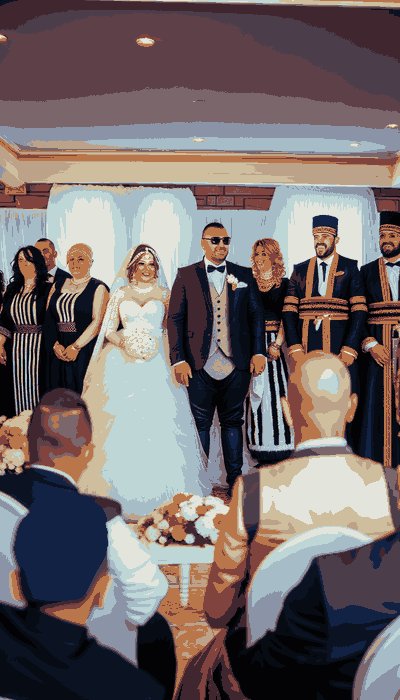
The honest answer? Many guests make it to sunrise, and the vast majority participate in oroOH-roh throughout the night. The secret is pacing: experienced guests know to take strategic breaks, hydrate (with water, not just rakija), and save energy for the 2 AM surge when things get really wild. Elderly guests often outlast younger ones because they’ve trained for this their whole lives. Urban weddings typically wind down by 2 AM, but rural celebrations maintain the all-night tradition with breakfast served at 6 AM for the last warriors standing. Consider it a marathon, not a sprint!
Macedonian Wedding Traditions: Complete Guide to Customs, Ceremonies & Celebrations
Picture this: It’s 3 AM in Skopje, and instead of winding down, your wedding reception is just hitting its stride. The dance floor erupts as your 75-year-old baba (grandmother) leads a spiraling line of 200 guests in the oroOH-roh (traditional circle dance), while the zurla (traditional horn) player who’s been performing since sunset shows no signs of fatigue. Welcome to the marathon world of Macedonian weddings, where “till death do us part” might actually refer to the length of the celebration itself.
In Macedonia, getting married isn’t just about two people exchanging vows, it’s a theatrical production that would make Broadway jealous. These Orthodox Christian celebrations transform entire communities into performers, with traditions so entertaining that even Hollywood couldn’t script them better. From the morning ritual of brichenje na mladozhenetsot (shaving of the groom) where grown men pretend to shave with axes and swords, to the Oscar-worthy kupuvanje na nevestata (buying of the bride) where bridesmaids demand payment in chickens and goats, every moment is designed to create memories that outlast the 14-hour party.
What makes Macedonian weddings truly special isn’t just their epic length or the fact that they cost between 900,000-2,400,000 MKD ($15,000-$40,000 USD), it’s how they weave centuries of tradition into modern love stories. These celebrations turn wedding planning into a 12-18 month cultural immersion course, where you’ll learn why breaking pogacha (ceremonial bread) matters more than cutting cake, why golden crowns beat diamond tiaras, and why your brother-in-law needs to stuff denari in your shoes until they fit. Ready to discover why Macedonian couples don’t just get married, they create legends?
The 18-Month Journey: When Wedding Planning Becomes a Cultural Marathon
Pro Tip: Start your venue hunt 18 months early, the best traditional venues book faster than oroOH-roh (circle dance) tickets at a folk festival!
Macedonian wedding traditions follow a timeline that would make most Western couples break into a cold sweat. But here’s the thing: when you’re orchestrating a production involving 200-500 guests, multiple costume changes, and enough food to feed a small army until dawn, you need every single month.
The journey begins with formal engagement announcements that feel more like diplomatic negotiations between nations. In a culture where family approval carries the weight of law, modern couples still navigate the delicate dance of honoring tradition while asserting independence. Picture the groom requesting the bride’s father’s blessing, not with a nervous dinner conversation, but through a gathering of 30-50 family members that costs 30,000-90,000 MKD ($500-$1,500 USD). It’s less “asking for her hand” and more “presenting your candidacy to the family board of directors.”
Budget Alert: Engagement parties in rural areas average 30,000 MKD ($500 USD), while Skopje celebrations can hit 90,000 MKD ($1,500 USD), and that’s just the warm-up act!
What follows is a masterclass in project management disguised as wedding planning. Six months before the big day, traditional Macedonian invitations go out, and these aren’t your standard “save the dates.” These formal announcements, costing 120-300 MKD ($2-$5 USD) per piece, list the parents as hosts (unless you’re brave enough to break tradition) and always end with the blessing “So zdravje i sreka” (with health and happiness).
Regional Variations hit different depending on where you’re tying the knot. In rural areas, most couples still follow every traditional permission protocol to the letter. Meanwhile, in cosmopolitan Skopje, fewer maintain these customs, though even the rebels usually sneak in a few traditions to keep baba (grandma) happy.
Morning Mayhem: When Grown Men Attack Grooms with Medieval Weapons
The Great Shaving Theater (Or: Why Your Best Man Needs a Sword)
Imagine explaining to your foreign friends why your best man is approaching you with a medieval battle axe at 8 AM on your wedding day. Welcome to brichenje na mladozhenetsot (the shaving of the groom); Macedonia’s answer to bachelor party hangovers.
This isn’t your average morning grooming routine. Between 8-10 AM, the groom’s house transforms into a comedy club where 5-15 men gather to perform the world’s most dangerous shave. Armed with everything from kitchen knives to actual swords (safety regulations need not apply), the best man performs an elaborate mock shaving ritual that would make any barber faint.
Celebration Tip: Stock up on rakija (traditional brandy), you’ll need at least 2-3 bottles for the morning toasts alone!
The ritual serves a deeper purpose than just pre-wedding entertainment. It’s a symbolic separation from bachelor life, performed by the majority of Macedonian grooms who understand that starting married life requires a sense of humor. The entire spectacle costs just 6,000-18,000 MKD ($100-$300 USD) for supplies, making it the best entertainment value of the entire wedding.
While the men are playing with sharp objects, both families’ homes get dressed up for the occasion. Svadbeni venci (wedding wreaths) costing 3,000-9,000 MKD ($50-$150 USD) are placed on doors, where they’ll remain for an entire year. It’s like a permanent “Just Married” sign, but with more flowers and significantly more commitment.
The Bride’s Water Ballet
Meanwhile, across town, the bride performs her own morning ritual that’s equal parts superstition and physics experiment. The klotsanje na sadot so voda (kicking the water bowl) might sound simple, but many Macedonian brides still perform this liquid prophecy.
Picture this: A crystal bowl filled with water sits at the bride’s doorway. She must kick it over while exiting, ensuring the water flows outward (never inward, that would be catastrophic for the marriage). As the water spills, family members cheer “Da teche kako voda!” (may it flow like water!), because nothing says “happily ever after” like good drainage metaphors.
Pro Tip: Use a plastic liner under the bowl unless you want your wedding day to include emergency floor mopping!
But the morning surprises don’t end there. Enter the brother-in-law with a pair of wedding shoes that are comically oversized. In a tradition that costs him 12,000-30,000 MKD ($200-$500 USD), he must fill these shoes with paper money until they fit the bride properly. It’s like Cinderella, if the fairy godmother was replaced by a relative with a wallet full of denari.
The Great Bride Heist: When "I Do" Costs Extra
Hollywood Has Nothing on This Negotiation Scene
If you thought buying a house was stressful, wait until you try kupuvanje na nevestata (buying of the bride). This 30-45 minute theatrical negotiation makes “The Godfather” look like a casual business lunch.
The scene unfolds like this: The groom and his crew arrive at the bride’s house, ready to claim his beloved. But wait, the bridesmaids have formed a human barrier, and they’re not moving without payment. What follows is Macedonia’s most entertaining tradition, practiced at the vast majority of traditional weddings.
First offer: “We’ll give you two chickens.” Bridesmaids’ response: Hysterical laughter.
Second offer: “How about a goat?” Bridesmaids’ response: “Is this amateur hour?”
Third offer: Actual money, usually 6,000-30,000 MKD ($100-$500 USD). Bridesmaids’ response: “SOLD!”
Money Matters: Western Macedonia includes traditional songs during negotiations, while eastern regions feature dance-offs. Urban couples keep it short at 15 minutes, because even tradition has to respect parking meters.
Through the Looking Ring
Once the bride is successfully “purchased,” one of Macedonia’s most romantic traditions unfolds. In many traditional weddings (primarily in southern regions), the bride performs gledanje niz prstenot (looking through the wedding ring).
Standing at her window, she peers at her approaching groom through her wedding ring while reciting three times: “Niz ovoj prsten te gledam, primi me vo tvoeto srce” (through this ring I look at you, welcome me to your heart). It’s a moment of pure poetry that Instagram was basically invented for.
Fun Fact: The Macedonian flag ceremony follows, where the groom’s family hangs a flag at the bride’s window, like claiming territory, but with more romance and less colonialism.
The Crown Jewel: Orthodox Ceremony Magic
Where Standing Room Only Is the Only Room
Forget everything you know about Western church weddings. Macedonian Orthodox ceremonies last 45-90 minutes, and everyone stands the entire time. Yes, baba (grandma) too. It’s like a spiritual concert where sitting would be as inappropriate as moshing at the opera. These ceremonies share deep roots with Serbian, Bulgarian, and Greek Orthodox traditions, reflecting the shared Byzantine heritage of the Balkans.
The ceremony costs 30,000-90,000 MKD ($500-$1,500 USD), including church fees and ceremonial items, but what you get for that investment is pure Byzantine magic. Incense clouds create an ethereal atmosphere while chanters perform vocals that would make Gregorian monks jealous.
Good to Know: Unlike Western ceremonies, the bride and groom stand side-by-side facing the altar, because in Macedonian tradition, you face God together from day one.
The ceremony unfolds in acts:
- Betrothal service (15 minutes): Ring exchange that’s more complex than a Rubik’s cube
- Crowning ceremony (20 minutes): The main event everyone came to see
- Scripture readings (10 minutes): Ancient wisdom for modern love
- Common cup (5 minutes): Wine sharing that predates “couples who drink together”
- Ceremonial walk (10 minutes): Three circles around the altar, like a holy victory lap
- Final blessing (5 minutes): The priest’s benediction seals the deal
Crowns Fit for Royalty (Literally)
The krunisuvanje (crowning ceremony) is where things get spectacular. Elaborate golden crowns connected by ribbon are placed on the couple’s heads, transforming them into rulers of their new household kingdom. These aren’t your plastic tiara situations, we’re talking serious metalwork costing 12,000-48,000 MKD ($200-$800 USD) to rent, or 60,000-300,000 MKD ($1,000-$5,000 USD) to purchase.
Budget Alert: Many modern couples now purchase crowns as family heirlooms. Think of it as investing in your grandchildren’s Instagram posts.
The best man holds these crowns above the couple’s heads (arm day at the gym finally pays off), while the priest exchanges them three times. The ribbon connecting the crowns symbolizes eternal unity, like being tied together, but make it fashion.
Feast Mode: When Dinner Becomes a 14-Hour Marathon
The Bread That Breaks the Internet (And Brings Good Luck)
Every culture has wedding cake. Macedonia said “hold my rakija” and created pogacha (ceremonial bread), a 2-foot diameter carb masterpiece that requires an unmarried girl from the bride’s family to spend 6-8 hours crafting.
This isn’t your average dinner roll. Made with three types of flour (for prosperity), honey and milk (for sweetness), and decorated with patterns representing family symbols, this bread costs just 1,200-2,400 MKD ($20-$40 USD) in ingredients but carries centuries of meaning.
The Breaking Ceremony turns competitive when the bread is broken over the newlyweds’ heads. Whoever breaks the larger piece will “lead” the household, though after 8 hours of baking, the real leader is clearly the girl who made it.
Traditional Tip: The wooden spoon used for mixing must have an apple attached, because even kitchen utensils need accessories at Macedonian weddings.
Koluk: The Cake That Ate the Dessert Table
While pogacha handles the symbolic duties, koluk (traditional wedding cake) satisfies the sweet tooth of 100-150 guests. This yeast-based giant weighs 10-15 pounds and costs 6,000-15,000 MKD ($100-$250 USD); a bargain considering it’s both dessert and centerpiece.
Modern variations include chocolate or fruit fillings, but traditionalists insist on the classic recipe with eggs, butter, and enough sugar to fuel the all-night dancing ahead. The eldest married woman cuts the cake, because in Macedonia, seniority comes with perks beyond just the best seats.
The Circle of Life (And By Life, We Mean Dancing Until Dawn)
Oro: The Democratic Dance Floor
If Macedonian weddings had a main character, it would be oroOH-roh (the circle dance). This isn’t just dancing, it’s a 14-hour cardio marathon where 20-200 people hold hands and move in hypnotic circles that would make geometry teachers weep with joy.
Professional oro musicians cost 60,000-180,000 MKD ($1,000-$3,000 USD) for a full reception, and trust us, they earn every denar. The average wedding features 15-25 oro sessions, each lasting 10-30 minutes, with impressive guest participation rates that put most fitness classes to shame.
Musical Note: Can’t oro? Don’t worry, by hour three, muscle memory kicks in. By hour six, you’ll be leading the line.
The dance roster reads like a family tree:
- Nevestinsko oro (bride’s dance): Where the bride proves she can dance in a dress weighing more than a toddler
- Svekrvinsko oro (mother-in-law’s dance): The diplomatic dance where everyone pretends family tensions don’t exist
- Teshkoto (the difficult dance): Ironically easier than its name suggests
- Lesnoto (the easy dance): Ironically harder than its name suggests
The Pig Dance: Performance Art Meets Pork
Just when you think you’ve seen everything, out come 8-15 men wielding wine bottles, knives, and sometimes an entire roasted pig costing 18,000-36,000 MKD ($300-$600 USD). The svinsko oro (pig dance) is a 20-minute theatrical performance that occurs during peak reception hours.
Dancers wear traditional costumes or aprons (sometimes both, fashion rules don’t apply here) and make mock “demands” for payment from the godparents. It’s part dinner theater, part masculine display, part pork distribution system, and 100% unforgettable.
Time Management: Urban weddings often end by 2 AM (lightweights), while rural celebrations maintain the all-night tradition with breakfast served at dawn for the last warriors standing.
Regional Flavors: Same Country, Different Wedding
Galichnik: Where Weddings Become Festivals
Every July 12th, the mountain village of Galichnik hosts the Galichka Svadba (Galichnik Wedding Festival), Macedonia’s premier traditional wedding event that makes regular weddings look like courthouse ceremonies. This festival has been recognized by the Macedonian Ministry of Culture as an important element of the nation’s intangible cultural heritage.
One lucky couple gets selected annually to have their real wedding become a public spectacle attracting 5,000-10,000 visitors. The best part? It’s completely free for the couple, with sponsors covering all expenses.
Quick Warning: The men’s costume weighs 8 kg (valued at 120,000 MKD / $2,000 USD), but the women’s costume weighs 24 kg (valued at 300,000 MKD / $5,000 USD). That’s heavier than most carry-on luggage!
East vs. West: The Regional Rivalry
Eastern Macedonia likes their negotiations long (45-60 minutes of “buying the bride”), their music fast (zurla (traditional horn) and tapan (drum) that could wake the dead), and their costs reasonable (typically lower than western regions).
Western Macedonia goes big or goes home: elaborate decorations (12,000-30,000 MKD / $200-$500 USD more), longer church ceremonies (90-120 minutes of standing), and guest lists that read like phone books (400-600 people).
Urban Sophistication Meets Rural Tradition
The urban-rural divide creates fascinating contrasts:
| The Vibe | Urban Weddings | Rural Weddings |
|---|---|---|
| Guest count | 150-300 (intimate by Macedonian standards) | 300-500 (half the village) |
| Duration | 6-8 hours (practically a quickie) | 10-14 hours (marathon mode) |
| Traditional dress | Some guests (fashion forward) | Most guests (tradition forward) |
| Oro participation | Good turnout (some still have shame) | Near universal (resistance is futile) |
Modern Love, Ancient Traditions: The Remix Generation
When Tradition Gets a Millennial Makeover
Today’s Macedonian couples are master remixers, blending centuries-old customs with contemporary style. Many couples under 35 create hybrid celebrations that would make their grandparents both proud and puzzled.
Popular modernizations include:
- Shortened celebrations: Because some people actually need to work Monday
- Symbolic rituals: Full traditions compressed into Instagram-worthy moments
- Tech integration: Live-streaming for the diaspora cousins
- Bilingual ceremonies: For when love doesn’t speak the same language
Pro Tip: Hire a cultural coordinator for international guests, someone needs to explain why grown men are dancing with a pig at midnight.
Diaspora Weddings: Tradition with Air Miles
Macedonian diaspora communities in Australia, Canada, and the USA face unique challenges. How do you maintain traditions when the nearest Macedonian musician is 10,000 miles away? Simple: you fly them in for 300,000-600,000 MKD ($5,000-$10,000 USD).
These celebrations cost 20-40% more than homeland weddings but create beautiful cultural bridges. Picture teaching Australian groomsmen the pig dance, or explaining to Canadian customs why you’re importing 50 kilos of ajvar (red pepper spread).
Vegas, Baby! (But Make It Macedonian)
Even Las Vegas gets the Macedonian treatment. Some couples choosing Sin City create 900,000-1,800,000 MKD ($15,000-$30,000 USD) cultural mashups that Elvis himself would applaud.
Survival Tip: Book the entire top floor of a casino hotel. You’ll need it for the all-night oroOH-roh sessions that security definitely didn’t sign up for.
Dress Code: When Traditional Meets Tremendous
Bridal Fashion: Choose Your Fighter
Modern Macedonian brides face the ultimate fashion dilemma:
- Many wear white gowns with traditional accessories (diplomatic choice)
- Some change into traditional costume for reception (best of both worlds)
- Others go full traditional all day (respect!)
Traditional attire costs 120,000-600,000 MKD ($2,000-$10,000 USD) for authentic pieces, while modern gowns average 90,000-210,000 MKD ($1,500-$3,500 USD). Add traditional jewelry sets at 30,000-120,000 MKD ($500-$2,000 USD), and you’re dressed for success.
Grooms: From Subtle to Spectacular
Macedonian grooms have options:
- Most rock modern suits with traditional touches (a sash here, an embroidered vest there)
- Some change into full costume for dancing (comfort first)
- A few embrace tradition completely (60,000-180,000 MKD / $1,000-$3,000 USD commitment to culture)
The Bottom Line: What This Beautiful Chaos Actually Costs
The Price of Paradise
Let’s talk numbers that would make your accountant need rakija:
Cost Comparison: - Rural weddings: 900,000-1,500,000 MKD ($15,000-$25,000 USD) - Urban celebrations: 1,200,000-2,100,000 MKD ($20,000-$35,000 USD) - Diaspora extravaganzas: Add 40% for authenticity imports
Where the money goes:
- Venue and catering: 50% of budget (feeding 300 people for 14 hours adds up)
- Music and entertainment: 15% (those musicians earn every denar)
- Photography/videography: 10% (someone needs to document this epic)
- Attire: 12% (looking good in traditional costume isn’t cheap)
- Church and ceremonies: 3% (surprisingly reasonable)
- Decorations: 7% (flowers that survive 14-hour parties)
- Traditions: 3% (buying brides, filling shoes, general mayhem)
Your 18-Month Success Timeline
12-18 months before: Get engaged, alert the media (aka both extended families)
6-12 months before: Send invitations, order costumes, question life choices
3-6 months before: Finalize 500-person guest list, practice oroOH-roh daily
1-3 months before: Perfect your traditional dance moves, increase cardio training
1 week before: Bake bread, pray for stamina, stock up on comfortable shoes
After the Marathon: When the Party Finally Ends
The Victory Lap Visits
The prva poseta (first visit) to the bride’s family happens within 7-14 days, involving gifts worth 12,000-30,000 MKD ($200-$500 USD) and formal meals for 15-25 people. It’s like a wedding debrief where everyone analyzes the highlights and plans future family gatherings.
Professional Support: Priests charge 6,000-12,000 MKD ($100-$200 USD) to bless your new home within the first month, cheap insurance for marital bliss.
Your Burning Questions Answered (Because We Know You're Wondering)
How much does a traditional Macedonian wedding cost?
Great question! Traditional Macedonian weddings cost between 900,000-2,400,000 MKD ($15,000-$40,000 USD), with the sweet spot around 1,500,000 MKD ($25,000 USD) for 300 guests. Rural celebrations run cheaper (smaller venues, local musicians), while diaspora weddings cost more due to importing everything from musicians to traditional foods. The biggest chunk (50%) goes to feeding your army of guests from sunset to sunrise, because a 14-hour party requires serious fuel. Pro tip: Start saving 18 months out, or hope for very generous wedding gifts!
What is the oro dance at Macedonian weddings?
OroOH-roh (traditional circle dance) is basically a hypnotic conga line on cultural steroids. Picture 20-200 people holding hands, moving clockwise in intricate steps that somehow everyone except you seems to know from birth. Professional musicians charge 60,000-180,000 MKD ($1,000-$3,000 USD) to lead 15-25 sessions throughout the night, each lasting 10-30 minutes. The beauty? There’s an oro fonevestinsko oroneh-VES-teen-skoh OH-rohm nevestinsko oro (bride’s dance) to teshkoto (ironically named “difficult dance” that’s actually manageable). With high guest participation rates, resistance is futile. Just grab a hand and follow the person in front of you!
How long do Macedonian weddings last?
The short answer? Longer than most people’s work days. Traditional celebrations run 8-14 hours, typically starting at 6 PM and ending when the sun comes up (4-8 AM). But that’s just the main event, the complete experience spans 2-3 days including pre-wedding rituals and post-wedding visits. Modern urban couples have shortened things to a “brief” 6-8 hours, while rural areas maintain the marathon tradition complete with dawn breakfast for survivors. Consider it less “wedding reception” and more “endurance sport with formal wear.”
What happens during the “buying of the bride” tradition?
The kupuvanje na nevestata (buying of the bride) is 30-45 minutes of pure comedy gold. The groom’s crew arrives to claim the bride, but her bridesmaids form a human wall demanding payment. What follows is theatrical negotiation starting with ridiculous offers (two chickens, anyone?) and ending with actual cash, usually 6,000-30,000 MKD ($100-$500 USD). Think of it as crowdfunding meets dinner theater. This tradition appears at the vast majority of Macedonian weddings because honestly, who would want to miss this entertainment?
What should guests wear to a Macedonian wedding?
Dress like you’re attending a royal gala that turns into a dance marathon. Women should wear cocktail dresses or evening gowns (never white), but choose shoes wisely, you’ll be dancing for hours. Men need dark suits or can embrace tradition with embroidered vests. In rural areas, many guests wear full traditional costume, while city weddings see fewer. For church ceremonies, women should bring a shawl for shoulder coverage. Most importantly, wear something that can survive 14 hours of celebration!
What is the significance of the Orthodox crowning ceremony?
The krunisuvanje (crowning ceremony) transforms couples into royalty of their new household kingdom. Golden crowns connected by ribbon are exchanged three times during this 20-minute ritual, symbolizing eternal unity and shared rulership. Renting crowns costs 12,000-48,000 MKD ($200-$800 USD), but many modern couples purchase them (60,000-300,000 MKD / $1,000-$5,000 USD) as family heirlooms. It’s the spiritual centerpiece of the ceremony, imagine being coronated, but for love instead of country.
What traditional foods are served at Macedonian weddings?
Prepare your stomach for a 3-4 hour feast featuring 8-12 courses at 1,800-3,600 MKD ($30-$60 USD) per guest. Essential items include pogacha (ceremonial bread that brings luck), roasted meats (lamb or pork), sarma (stuffed cabbage rolls), ajvar (the red pepper spread Macedonia is famous for), traditional cheeses, and koluk (a 10-15 pound wedding cake). All washed down with rivers of rakija (traditional brandy). Think Thanksgiving dinner portions, but served continuously from 8 PM to midnight.
Can non-Macedonians participate in traditional wedding customs?
Absolutely! Macedonian weddings embrace inclusive chaos. Non-Macedonian guests are warmly welcomed into oro dances (high participation regardless of ethnicity), and hosts often designate cultural ambassadors to teach steps and explain customs. The only restrictions involve certain religious elements within the Orthodox ceremony. Your attempts to pronounce “Nevestinsko oro” might be butchered, but your effort to join the dance will be genuinely appreciated. When in doubt, follow the person next to you and keep smiling!
What gifts are appropriate for Macedonian weddings?
Cash is king at Macedonian weddings. Most gifts are monetary, typically 6,000-30,000 MKD ($100-$500 USD) per couple, presented in decorative envelopes during the reception. The unspoken rule is “cover your plate” (roughly the cost of your attendance), but generosity is always appreciated given these marathon celebrations. Some guests give household items or gold jewelry, but money helps the couple recoup those hefty wedding costs. Never send gifts in advance, presentation during the reception is part of the tradition.
How do Macedonian diaspora communities adapt wedding traditions?
Diaspora weddings are masterclasses in cultural preservation with a modern twist. Expect 300,000-600,000 MKD ($5,000-$10,000 USD) in extra costs for flying in musicians from Macedonia and importing traditional foods. Couples book cultural halls near Orthodox churches, provide translation services, teach oro to confused but enthusiastic local friends, and live-stream everything to family back home. Despite adaptations, most maintain core traditions like crowning ceremonies and all-night dancing. The result? Beautiful hybrid celebrations that honor heritage while embracing new homeland customs, proving love and tradition know no borders!
Frequently Asked Questions
How much does a traditional Macedonian wedding typically cost?
A traditional Macedonian wedding typically costs between $15,000-40,000, with about 50% allocated to venue and catering. Additional costs may include traditional music, ceremonial items, and customs-specific expenses.
What is the 'buying of the bride' tradition?
The 'buying of the bride' is a theatrical negotiation lasting 30-45 minutes where the groom's family symbolically negotiates with the bride's family to 'purchase' the bride, involving playful bargaining and traditional customs.
What is oro dancing and why is it important?
Oro is a traditional circle dance essential to Macedonian weddings, featuring 15-25 dance sessions throughout the celebration. It symbolizes community unity and is led by professional musicians costing $1,000-3,000.
How long is a typical Macedonian wedding celebration?
Traditional Macedonian weddings typically last 2-3 days, including pre-wedding celebrations, the main ceremony day, and post-wedding gatherings, with 200-500 guests attending various events.
What is the significance of the crowning ritual?
The crowning ritual is a highlight of the Orthodox ceremony where the couple wears golden crowns symbolizing their union and sovereignty over their household. Crowns can be rented ($200-800) or purchased ($1,000-5,000).
What is pogacha and why is it important?
Pogacha is traditional wedding bread that takes 6-8 hours to prepare and costs $20-40. It's used in various ceremonial rituals and symbolizes prosperity and fertility in the marriage.
How far in advance should couples start planning?
Couples should begin planning 12-18 months before the wedding, starting with formal engagement and allowing time for traditional preparations, vendor booking, and custom element arrangements.
What happens during the first family visit after the wedding?
The first family visit occurs 7-14 days after the wedding, involving gift exchanges and a special meal. It's an important tradition marking the couple's new life together.
Are there regional variations in Macedonian wedding traditions?
Yes, traditions vary by region. Eastern Macedonia features longer bride buying negotiations, while Western Macedonia is known for more elaborate costumes and extended church ceremonies.
How are Macedonian weddings adapting to modern times?
Modern Macedonian weddings often feature shortened celebrations, simplified rituals, and technology integration while maintaining core traditions. Diaspora weddings may import traditional elements at additional cost.
What makes Macedonian weddings unique?
Macedonian weddings are distinctive for their blend of traditional customs and modern celebrations, featuring multi-day celebrations with oro circle dancing, elaborate Orthodox crowning ceremonies, theatrical bride-buying negotiations, and 14-hour receptions that often last until dawn.
How long do traditional weddings in Macedonia typically last?
Traditional Macedonian weddings often span multiple days, with different ceremonies and celebrations. The main wedding ceremony is usually followed by reception festivities that can last several hours or continue into the next day.
What is the best time of year for weddings in Macedonia?
The wedding season in Macedonia varies by region, but many couples prefer months with pleasant weather and cultural significance. Local customs and religious calendars often influence the choice of wedding dates.
What are the traditional wedding gifts in Macedonia?
Traditional wedding gifts in Macedonia often include ден gifts, household items, and symbolic presents that represent good fortune and prosperity for the newlyweds.
Are foreign guests welcome at Macedonian weddings?
Yes, Macedonian families are typically very welcoming to foreign guests at weddings. It's considered an honor to have international friends and family participate in the celebration.