Malaysian Wedding Traditions
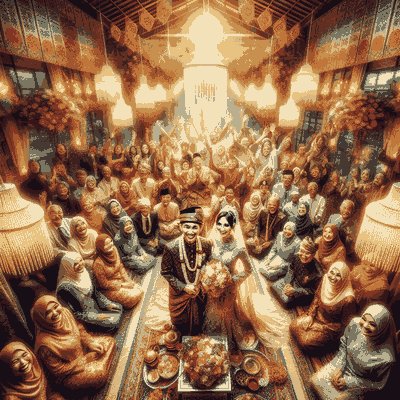
Overview of Malaysian Wedding Process
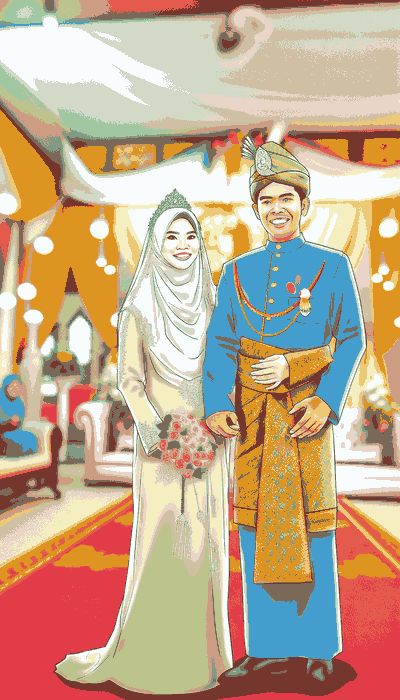
Malaysian weddings follow distinct timelines based on cultural background:
- Malay weddings: 6-12 month preparation, 2-3 day celebration
- Chinese Malaysian weddings: 3-6 month preparation, 1-2 day celebration
- Indian Malaysian weddings: 4-8 month preparation, 3-5 days of ceremonies
- Average costs: RM30,000-150,000 (USD $6,500-32,500)
- Guest count: Urban weddings 200-500, rural weddings 500-1,500
Pre-Wedding Traditions and Ceremonies
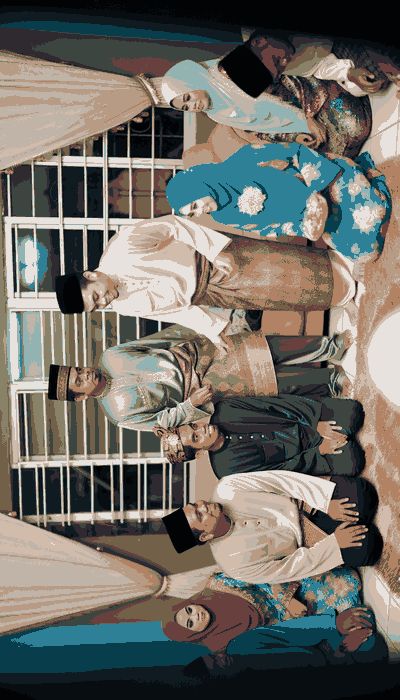
What is Adat Merisik (Malay Proposal Tradition)?
Adat Merisik is a formal marriage inquiry ceremony where the groom’s family sends 5-7 representatives to the bride’s home to discuss her availability for marriage, occurring 6-12 months before the wedding. This centuries-old tradition involves 2-3 hours of discussions about compatibility factors including moral character, family reputation, and financial stability, with many Malay couples still observing this custom despite already knowing each other.
Key components of merisik include:
- Participants: 5-7 family representatives from groom’s side
- Duration: 2-3 hours of formal discussions
- Topics discussed: Family background, education, career, religious commitment
- Gifts: Small tokens like fruits or flowers (RM100-500)
- Modern adaptation: Often ceremonial as couples already know each other
Regional variations exist across Malaysia. In traditional states like Kelantan and Terengganu, the ceremony includes formal pantun poetry exchanges, while urban areas like Kuala Lumpur often have simplified 1-hour versions focusing on family introductions.
Bertunang: The Malay Engagement Ceremony
Bertunang is the formal engagement ceremony occurring 2-4 months after merisik, featuring the exchange of hantaran gifts on decorated trays in odd numbers (5, 7, or 9), symbolizing the official promise between families. This tradition costs RM3,000-15,000 (USD $650-3,250) including ring, gifts, and reception for 50-150 guests, serving as a binding agreement with specific terms.
Essential bertunang elements:
- Hantaran trays: 5-9 decorated gift trays per family
- Common gifts: Engagement ring, prayer items, traditional clothes, fruits
- Engagement period: Typically 6-18 months
- Breaking penalties: Return all gifts plus compensation
- Documentation: Often includes written agreement on wedding details
Henna Night (Malam Berinai)
Malam Berinai is the Malay henna application ceremony held 1-2 nights before the wedding, where professional artists create intricate designs on the bride’s hands and feet believed to bring fertility and protection. This women-only celebration costs RM1,000-5,000 (USD $217-1,085) for henna artists and refreshments, with 50-200 female relatives and friends gathering for 3-5 hours of festivities.
Henna ceremony details:
- Professional artist fee: RM300-1,500 (USD $65-325)
- Design complexity: Bridal patterns take 2-4 hours
- Guest activities: Traditional songs, dances, advice-giving
- Cultural belief: Darker henna stains indicate stronger marriage
- Modern trends: Include photo booths and DJ entertainment
Similar to the Indian mehndi ceremony discussed later, malam berinai has evolved from simple family gatherings to elaborate events while maintaining its symbolic significance.
Wedding Day Ceremonies
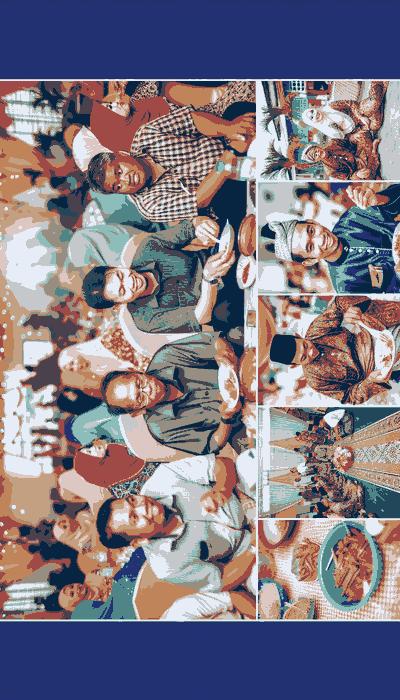
Akad Nikah: The Islamic Solemnization
Akad Nikah is the Islamic marriage contract ceremony that legally and religiously binds Muslim couples through a formal declaration in the presence of a wali, two male witnesses, and a registered kadi. This 30-45 minute ceremony requires mas kahwin dowry of RM300-1,000 depending on state regulations and forms the foundation of all Malay Muslim marriages. The ceremony follows Islamic wedding traditions observed throughout the Muslim world.
Akad nikahah-KAHD-nee-KAH requirements:
- Essential participants: Wali (bride’s guardian), 2 male witnesses, kadi
- Mas kahwin amount: RM300 (Perlis) to RM1,000 (Selangor)
- Venue options: Mosque (free) or wedding venue (RM500-2,000)
- Documentation: Marriage certificate issued immediately
- Language: Conducted in Malay with Arabic prayers
Bersanding: The Royal Sitting Ceremony
Bersanding is the sitting-in-state ceremony where newlyweds are presented as royalty on an elaborately decorated pelaminpeh-LAH-min throne, receiving blessings from 200-1,000 guests over 3-4 hours. This tradition, rooted in Malay royal court customs from the 15th century, costs RM5,000-30,000 (USD $1,085-6,510) for pelamin rental, traditional attire, and ceremonial services.
Bersanding ceremony elements:
- Pelamin styles: Traditional Malay, modern minimalist, garden themes
- Attire changes: 1-3 different traditional outfits
- Blessing ritual: Guests sprinkle rose water and yellow rice
- Kompang performance: 6-12 drummers announce couple’s arrival
- Photography session: 2-3 hours of formal portraits
Modern adaptations include shorter 2-hour sessions for busy couples and themed pelamin designs incorporating LED lights and contemporary florals while maintaining traditional blessing rituals.
Traditional Malay Wedding Attire
Traditional Malay wedding attibaju kurungBAH-joo-koo-ROONG conkebayakeh-BAH-yahof elaborate bajbaju MelayuBAH-joo-meh-LAH-yoo kebaysongketsong-KETrides and baju Melayu with songket for grooms, representing cultural heritage through intricate embroidery and symbolic colors. Complete wedding outfits cost RM2,000-15,000 (USD $434-3,255) per set, with most couples having 2-3 outfit changes throughout their celebration. Attire components and costs: Guo Da Li is the Chinese betrothal ceremony occurring 2-4 weeks before the wedding where the groom’s family presents specific gifts to demonstrate their ability to provide for the bride. This tradition costs RM5,000-20,000 (USD $1,085-4,340) depending on dialect group requirements, with many Chinese Malaysian couples observing this custom that dates back to ancient China. Guo Da Li components by dialect: The Chinese Tea Ceremony (cha lichah-lee) is a pivotal ritual where couples serve tea to elders in order of seniority, receiving red packets containing RM200-2,000 (USD $43-434) and gold jewelry worth RM1,000-10,000 in return. This 1-2 hour ceremony symbolizes respect for elders and formal family integration, with most Chinese Malaysian couples maintaining this cherished tradition. Tea ceremony protocol: The Hair Combing Ceremony is an intimate pre-wedding ritual where parents comb the bride and groom’s hair four times each while reciting blessings for their transition to married life. This ancient tradition, observed the night before the wedding, costs RM200-500 (USD $43-108) for ceremonial items and continues in many Chinese Malaysian families. Ceremony components: The Indian engagement ceremony formally announces the couple’s intention to marry through ring exchange and gift presentations including fruits, sweets, and jewelry worth RM2,000-10,000 (USD $434-2,170). This colorful celebration for 100-300 guests marks the beginning of wedding preparations and typically occurs 6-12 months before the main ceremony. Engagement ceremony elements: The Mehndi ceremony is the Indian henna application celebration held 1-2 days before the wedding where professional artists create elaborate designs on the bride’s hands, arms, and feet. This festive gathering costs RM2,000-8,000 (USD $434-1,735) including artist fees, decorations, and refreshments for 100-200 female guests who participate in 4-6 hours of singing, dancing, and celebration. MehndiMEHN-dee ceremony details: Malaysian Hindu weddings feature elaborate religious rituals under a decorated mandapmun-DUP where couples perform Saptapadi (seven steps around sacred fire) and exchange vows. The 2-3 hour ceremony costs RM10,000-50,000 (USD $2,170-10,850) including priest fees, mandap decoration, and ritual items, with the groom thaliTAH-lee the sacred thali necklace as the pivotal moment. These ceremonies share deep roots with Hindu wedding traditions practiced across South Asia. Key ceremony elements: Hindu post-wedding ritualsGrihapraveshgree-hah-prah-VESH the Grihapravesh ceremony where the bride enters her new home bkalashkuh-LUSHing over a kalash pot of rice, followed by name-changing ceremonies and family visits over 3-7 days. These traditions cost RM1,000-5,000 (USD $217-1,085) total and help integrate the bride into her husband’s family through symbolic acts and blessings. Post-wedding sequence: Malaysian wedding feasts vary by culture with Malay kenduriken-DOO-ree serving 300-1,500 guests buffet-style at RM30-80 per person, Chinese banquets hosting 200-800 guests with 8-10 course meals at RM80-200 per person, and Indian vegetarian feasts for 300-1,000 guests at RM40-100 per person. These elaborate meals symbolize abundance and community celebration. Feast traditions by culture: Traditional wedding entertainment features kompang drums for Malay weddings, lion dances for Chinese celebrations, and nadaswaram music for Indian ceremonies, each costing RM1,000-5,000 (USD $217-1,085) per performance. Modern Malaysian weddings blend these traditional elements with contemporary DJs and live bands for 4-6 hour receptions. Entertainment options: Malaysian wedding gifts traditionally consist of money in decorated envelopes with amounts varying by culture: Chinese weddings RM100-300 per person, Malay weddings RM50-150, and Indian weddings RM80-200, depending on venue and relationship closeness. Modern couples may also create gift registries, though cash gifts covering banquet costs remain the preferred tradition across all cultures. Gift-giving guidelines: Hadang is the playful gatecrashing tradition where the groom faces 3-5 challenges from the bride’s friends before reunion, including paying “toll fees” of RM50-500 (USD $11-108), reciting pantun poetry, or performing tasks. This 30-60 minute tradition adds entertainment while testing the groom’s dedication, with many couples incorporating modern twists like social media challenges. Common hadang challenges: Bunga Manggar are colorful tinsel palm blossoms on 6-foot bamboo poles costing RM200-800 (USD $43-174) per set of 6-12, while Bunga Telur are decorated hard-boiled eggs given as wedding favors symbolizing fertility at RM2-5 (USD $0.40-1.10) each. These distinctly Malay traditions appear in traditional weddings as symbols of prosperity and abundance. Traditional elements details: Malaysian wedding traditions vary significantly by state, with East Malaysian states incorporating indigenous elements costing 20-30% more than Peninsula Malaysia ceremonies. Northern states like Kelantan maintain stricter Islamic traditions with gender-segregated celebrations, while cosmopolitan areas like Kuala Lumpur feature simplified ceremonies lasting 4-6 hours versus traditional 2-3 day events. Couples from neighboring Singapore often share similar customs due to cultural ties. Regional distinctions: Modern Malaysian weddings in 2025 feature multicultural fusions with many couples blending traditions from different ethnicities, while a growing number opt for condensed 1-2 day celebrations instead of traditional multi-day events. Digital integration includes wedding apps, with average spending shifting from elaborate decorations to experiential elements like professional photography (RM3,000-15,000) and videography. Current trends: Malaysian weddings cost between RM30,000-150,000 (USD $6,500-32,500) depending on guest count, venue selection, and cultural requirements. Malay weddings average RM50,000-80,000 for 500-800 guests including kenduri feast and pelamin rental. Chinese banquet weddings cost RM60,000-120,000 for 300-500 guests with 8-10 course meals at hotels. Indian weddings range RM40,000-100,000 for 400-700 guests with multiple ceremony days. Urban weddings typically cost 30-50% more than rural celebrations due to venue premiums. Odd numbers (3, 5, 7, 9) in Malay wedding traditions symbolize indivisibility and uniqueness, representing the inseparable union of marriage that cannot be divided equally. This applies to hantaran gift trays during engagement, bunga telur quantities, and ceremonial items throughout the wedding. The preference stems from Islamic numerology where odd numbers are considered blessed and complete, with the number 7 being especially auspicious as it appears frequently in Islamic texts. Malaysian wedding celebrations span 1-5 days depending on cultural background and modern preferences. Traditional Malay weddings last 2-3 days including akad nikah, bersanding, and reception. Chinese Malaysian weddings typically condense to 1-2 days with morning tea ceremony and evening banquet. Indian Malaysian weddings extend 3-5 days with mehndi, wedding ceremony, and multiple receptions. Modern couples increasingly opt for single-day celebrations to reduce costs and accommodate busy schedules. Non-Muslims can attend akad nikah ceremonies when held at wedding venues, though mosque ceremonies may have restrictions requiring modest dress and gender segregation. Female guests should cover hair and wear long sleeves, while men need long pants and shirts. The 30-45 minute ceremony is conducted in Malay and Arabic, with non-Muslim guests typically attending the walimah reception afterward rather than the religious solemnization. Always confirm with the couple about specific venue requirements. Malaysian wedding attire varies by ceremony type with specific cultural considerations. For Malay weddings, women wear baju kurung or modest knee-length dresses with sleeves, while men wear batik shirts or baju Melayu. Chinese weddings welcome cocktail dresses in any color except white or black, with men in dress shirts. Indian weddings encourage colorful sarees or punjabi suits for women and kurta or formal wear for men. Comfortable shoes are essential as ceremonies last 3-4 hours with standing and walking. Wedding gift amounts in Malaysia typically range from RM80-300 per person depending on venue and relationship, given in decorated envelopes matching cultural colors. Chinese weddings expect RM100-300 with amounts avoiding the number 4, Malay weddings receive RM50-150 in green packets, while Indian weddings average RM80-200 in colorful envelopes. Five-star hotel venues command higher amounts, with close family giving RM500-2,000. Cash remains preferred over physical gifts across all cultures to help offset wedding costs. Multicultural Malaysian couples navigate religious differences through separate ceremonies honoring each tradition or civil registrations for interfaith unions. Muslim-non-Muslim couples face legal restrictions unless one partner converts, as Islamic law governs Muslim marriages. Non-Muslim interfaith couples may hold two religious ceremonies or opt for civil registration followed by cultural celebrations. Common approaches include morning Hindu ceremony and evening Chinese banquet, or sequential weekend celebrations accommodating both families’ traditions. Malaysian Chinese tea ceremony etiquette requires couples to serve elders in strict seniority order, addressing each by proper family titles while kneeling or bowing. Guests receiving tea should accept with both hands, take a sip, and offer blessings before presenting red packets or jewelry. Common mistakes include serving out of order, using casual names, or standing while serving. The ceremony uses special wedding tea with sweet ingredients like red dates and longans, never plain tea which symbolizes blandness in marriage. Malaysian wedding peak season runs May-August and November-December, avoiding monsoon periods and major religious holidays like Ramadan and Chinese New Year. School holidays see 30-40% higher venue prices with 6-12 month advance bookings required. Auspicious dates based on Chinese almanac or Islamic calendar create sudden demand spikes. Off-peak months (January-March, September-October) offer 20-30% savings but risk weather disruptions. Couples typically book venues immediately after engagement, especially for popular Saturday evening slots. Malaysian weddings have transformed significantly with average guest lists dropping from 800-1,000 to 300-500, while photography budgets increased as couples prioritize documentation over decorations. Digital elements like wedding websites, e-invitations, and livestreaming became standard after 2020. Cultural fusion increased with mixed-heritage couples creating unique ceremony blends. Sustainable practices grew with couples increasingly using biodegradable decorations and charitable favors replacing traditional gifts. For more information on Malaysian wedding traditions and cultural practices, visit the Malaysia Department of National Heritage which documents and preserves the country’s diverse matrimonial customs. Malaysian weddings typically cost between RM30,000-150,000 (USD $6,500-32,500), depending on the scale, location, and cultural traditions incorporated. Adat Merisik is a formal Malay marriage inquiry ceremony where the groom's family visits the bride's family to discuss marriage prospects, typically occurring 6-12 months before the wedding. Traditional Malaysian weddings typically last 2-5 days, including pre-wedding ceremonies, religious solemnization, and reception celebrations. Bersanding is a traditional Malay 'sitting-in-state' ceremony where newlyweds are presented as royalty on a decorated dais, receiving blessings from guests. Malam Berinai is a pre-wedding henna night celebration where professional artists apply intricate henna designs on the bride's hands and feet, typically held 1-2 nights before the wedding. While Malaysia is multicultural, wedding ceremonies typically follow the couple's specific cultural background (Malay, Chinese, or Indian), though modern celebrations often incorporate multiple cultural elements. Malaysian weddings usually host between 200-1,500 guests, with Malay weddings typically having larger guest lists than Chinese or Indian celebrations. Monetary gifts in special envelopes are most common, while traditional favors like bunga telur (decorated eggs) are given to guests by the hosting family. Yes, the Akad Nikah (Islamic solemnization) is mandatory for Muslim couples in Malaysia as it legally and religiously binds the marriage. Modern Malaysian weddings often feature shortened celebrations, digital elements like live-streaming, fusion ceremonies combining different cultural traditions, and more cost-effective arrangements.Tudungtoo-DOONGHeadpiece options: Tudung with crown or fresh flowers Chinese Malaysian Wedding Traditions
Guo Da Li: The Betrothal Ceremony
Chinese Tea Ceremony
Hair Combing Ceremony
Indian Malaysian Wedding Traditions
Indian Engagement Ceremony
Mehndi Ceremony
Hindu Wedding Ceremony
Post-Wedding Rituals
Wedding Feasts and Celebrations
Malaysian Wedding Banquets
Traditional Entertainment and Music
Gift-Giving Customs
Unique Malaysian Wedding Customs
Hadang: The Gatecrashing Tradition
Bunga Manggar and Bunga Telur
Regional Variations Across Malaysia
State-Specific Wedding Traditions
Modern Adaptations and 2025 Trends
Contemporary Malaysian Wedding Trends
Cost Comparison Table
Wedding Element Traditional Cost (RM) Modern Cost (RM) USD Equivalent Savings Venue 15,000-30,000 8,000-20,000 $1,735-4,340 30-40% Catering 20,000-50,000 15,000-35,000 $3,255-7,595 25-30% Attire 10,000-25,000 5,000-15,000 $1,085-3,255 40-50% Photography 3,000-8,000 5,000-15,000 $1,085-3,255 -40% increase Decorations 8,000-20,000 5,000-12,000 $1,085-2,604 35-40% How much does a typical Malaysian wedding cost?
What is the significance of odd numbers in Malay weddings?
How long do Malaysian wedding celebrations typically last?
Can non-Muslims attend an akad nikah ceremony?
What should guests wear to Malaysian weddings?
What are appropriate wedding gift amounts in Malaysia?
How do multicultural couples handle different religious requirements?
What is the proper etiquette for Malaysian tea ceremonies?
When is peak wedding season in Malaysia?
How have Malaysian weddings changed in the past decade?
Frequently Asked Questions
How much does a typical Malaysian wedding cost?
What is Adat Merisik in Malaysian weddings?
How long do Malaysian weddings usually last?
What is the Bersanding ceremony?
What happens during Malam Berinai?
Are Malaysian weddings always multicultural?
What is the typical guest count at Malaysian weddings?
What are common wedding gifts in Malaysia?
Is the Akad Nikah ceremony mandatory?
How are Malaysian weddings adapting to modern times?