Mexican Wedding Traditions
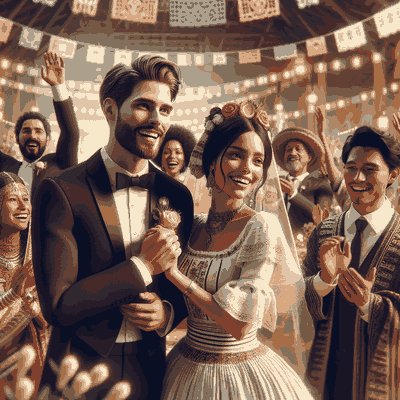
What Are Mexican Wedding Traditions?
Mexican weddings represent centuries of cultural evolution, combining:
- Catholic religious ceremonies (the predominant religious tradition)
- Pre-Hispanic indigenous rituals (increasingly popular)
- Spanish colonial customs (arrasAH-rahs coins, lazoLAH-soh ceremony)
- Regional variations across 32 states
- Modern adaptations blending tradition with contemporary preferences
Timeline Overview:
- 12-6 months before: Pedida de Manopeh-DEE-dah deh MAH-noh (formal family meeting)
- 3-1 months before: Planning with Padrinospah-DREE-nohs/Madrinasmah-DREE-nahs (sponsors)
- Night before wedding: La Serenatalah seh-reh-NAH-tah (serenade)
- Wedding day: Religious ceremony (1-2 hours)
- Post-ceremony: La Callejoneadakah-yeh-hoh-neh-AH-dah parade (30-60 minutes)
- Reception: 6-8 hours of celebration
- Next day: La Tornaboda (after-party)
Pre-Wedding Mexican Traditions and Ceremonies
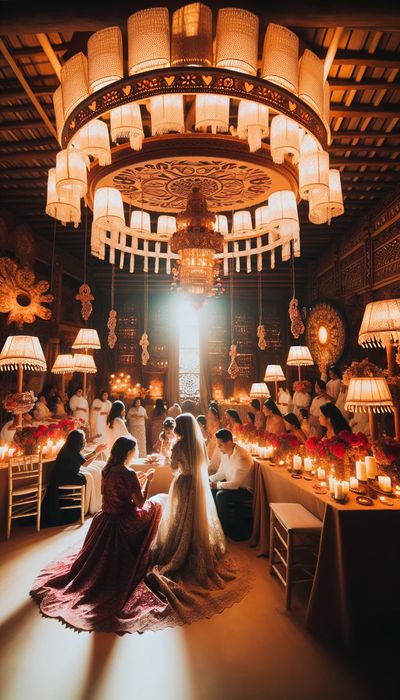
What is Pedida de Mano? (Formal Marriage Request)
Pedida de Mano is a formal meeting where the groom’s family visits the bride’s family to request permission for marriage, typically occurring 6-12 months before the wedding and involving 10-20 close family members from both sides.
This centuries-old practice dates back to pre-Hispanic times when marriages required formal agreements between families. The tradition was reinforced during Spanish colonization (1519-1821), blending Aztec and European customs.
Modern Practice Components:
- Formal dinner hosted by bride’s family ($500-$1,500 USD)
- Exchange of gifts between families
- Discussion of wedding plans and financial responsibilities
- Setting the wedding date with family consensus
- Many Mexican couples still observe some form of this tradition
Regional variations include more elaborate ceremonies in southern states like Oaxaca (involving community elders) versus simplified versions in northern cities like Monterrey.
La Serenata: The Traditional Pre-Wedding Serenade
La Serenata is a romantic tradition where the groom serenades his bride outside her home the night before the wedding, typically involving mariachi musicians (5-12 performers) and lasting 30-60 minutes.
This custom became popular in central Mexico after World War II, evolving from medieval Spanish courtship traditions. The practice represents the groom’s final romantic gesture as a bachelor.
Current Serenata Costs and Details:
- Mariachi band hire: $300-$800 USD (2-3 hours)
- Time: Usually 10-11 PM the night before wedding
- Participants: 20-50 friends and family members
- Popular songs: “Si Nos Dejan,” “El Rey,” “Cielito Lindo”
- Regional popularity: Most common in central Mexico
Modern adaptations include surprise serenades organized by the groom’s family or professional performances when the groom lacks confidence in his singing abilities.
Mexican Wedding Attire and Traditional Dress

Traditional Mexican Wedding Dress Styles
Mexican bridal attire combines indigenous embroidery techniques with Spanish colonial influences, featuring regional variations that cost $800-$5,000 USD depending on craftsmanship and materials.
Regional Dress Variations:
- Yucatan Peninsula: White huipilwee-PEEL dresses with colorful embroidery ($1,500-$3,000 USD)
- Oaxaca: Tehuana dresses with elaborate floral patterns ($2,000-$4,000 USD)
- Jalisco: Spanish-influenced gowns with mantillamahn-TEE-yah veils ($1,000-$2,500 USD)
- Chiapas: Hand-woven dresses with Mayan symbols ($1,500-$3,500 USD)
Traditional Elements Include:
- Intricate hand embroidery (40-80 hours of work)
- Regional flower motifs specific to bride’s hometown
- Handmade lace using techniques from 16th century
- Incorporation of family heirloom jewelry
- Red accents symbolizing passion and fertility
Contemporary brides often wear white gowns with traditional Mexican elements, while others choose fully traditional regional attire for ceremonies.
Groom’s Traditional Mexican Wedding Attire
Mexican groom’s attire varies by region, ranging from elaborate charroCHAH-roh suits ($500-$2,000 USD) to lightweight guayaberas ($50-$200 USD) for beach weddings.
Regional Groom’s Attire:
- Jalisco: Charro suit with sisombrerosohm-BREH-rohtons and sombrero
- Yucatanguayaberagwah-yah-BEH-rah: White guayabera with dress pants
- Northern states: Western-style suits with cowboy elements
- Oaxaca: Embroidered shirts with traditional pants
Modern grooms often opt for international formal wear while incorporating traditional accessories like embroidered handkerchiefs or regional boutonnieres.
Catholic Wedding Ceremony Traditions in Mexico
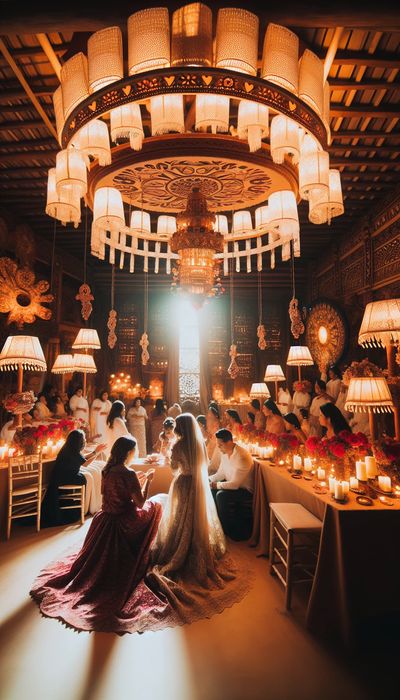
Joyful receptions bring families together in [Mexico](/mexican-wedding-traditions) wedding celebrations The Traditional Catholic Mass Wedding
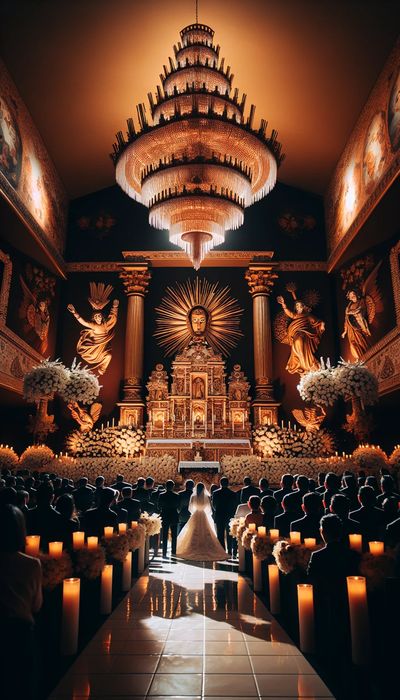
Mexican Catholic wedding ceremonies are elaborate religious services lasting 60-90 minutes, incorporating unique cultural elements beyond standard Catholic rituals. The Catholic Church remains the predominant religious institution for Mexican weddings.
The Catholic Church has shaped Mexican weddings since Spanish colonization in 1519. Following the Council of Trent (1545-1563), formal ceremonies became standardized with detailed parish records.
Ceremony Components and Timeline:
- Processional with mariachi music (5-10 minutes)
- Opening prayers and readings (15-20 minutes)
- Exchange of vows in Spanish (5 minutes)
- Las Arras ceremony with 13 coins (5-7 minutes)
- El Lazo ceremony with wedding lasso (5-7 minutes)
- Ring exchange and blessing (5 minutes)
- Communion for Catholic guests (10-15 minutes)
- Offering to Virgin Mary (3-5 minutes)
- Final blessing and recessional (5-10 minutes)
Church ceremony costs range from $200-$1,000 USD including decorations, music, and clergy fees.
Los Padrinos y Madrinas: The Mexican Wedding Sponsor System
Los Padrinos y Madrinas are married couples who sponsor specific wedding elements and serve as spiritual guides, with typical weddings having 5-10 pairs of sponsors contributing $100-$500 USD each.
This system evolved from Catholic tradition requiring witnesses to support marriages spiritually and financially. Unlike American weddings with bridesmaids/groomsmen, Mexican sponsors have lifelong responsibilities.
Types of Padrinos and Their Roles:
- Padrinos de Velacion: Main sponsors overseeing entire wedding
- Padrinos de Arras: Provide the 13 gold coins ($100-$300 USD)
- Padrinos de Lazo: Supply the wedding lasso ($50-$200 USD)
- Padrinos de Anillos: Purchase wedding rings
- Padrinos de Libro y Rosario: Provide Bible and rosary ($50-$150 USD)
- Padrinos de Cojines: Supply kneeling cushions ($75-$150 USD)
Being selected as padrino/madrina represents high honor in Mexican culture, with sponsors chosen for exemplary marriages and wisdom.
El Lazo: The Wedding Lasso Ceremony
El Lazo is a unity ceremony where a decorative cord or rosary is placed around the couple in a figure-eight shape, symbolizing eternal bond and typically occurring after vows during the Catholic mass.
This tradition combines Spanish Catholic practices with indigenous binding ceremonies. The figure-eight shape represents infinity and eternal union. Similar lasso ceremonies appear in Filipino weddings, reflecting shared Spanish colonial heritage.
Lazo Ceremony Details:
- Materials: Rosary beads, silk cord, or flower garland ($50-$300 USD)
- Duration: 5-7 minutes during mass
- Placement: After ring exchange, before communion
- Symbolism: Infinity symbol, divine protection, unity
- Keepsake: Displayed in couple’s home after wedding
Modern couples personalize lazos with materials meaningful to their relationship while maintaining the traditional figure-eight configuration.
Las Arras Matrimoniales: The 13 Gold Coins Tradition
Las Arras are 13 gold coins presented by the groom to the bride during the ceremony, symbolizing his commitment to provide for the family and dating back to ancient Roman marriage contracts.
This tradition arrived in Mexico with Spanish colonizers in the 1500s, acquiring Christian symbolism with 13 coins representing Christ and the twelve apostles.
Arras Ceremony Components:
- Ornate box or chest for coins ($50-$200 USD)
- 13 gold or silver coins ($100-$500 USD)
- Priest blessing of coins
- Exchange ritual: Groom pours coins into bride’s hands
- Modern meaning: Mutual financial responsibility
Contemporary interpretations emphasize shared financial partnership rather than male provider role. Many use family heirloom coins passed through generations.
Mexican Wedding Reception Traditions and Celebrations
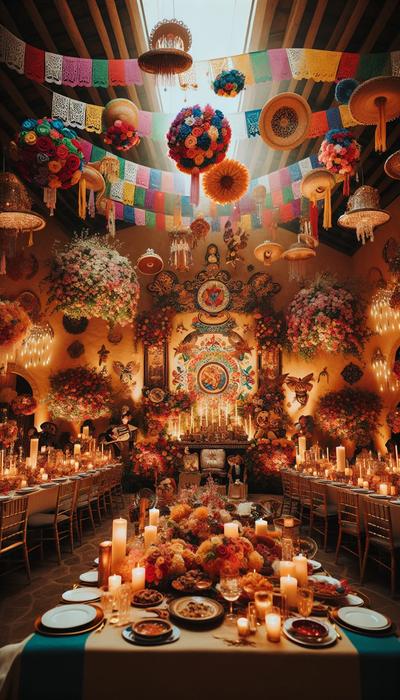
Wedding feasts showcase [Mexico](/mexican-wedding-traditions)'s culinary traditions and hospitality La Callejoneada: The Traditional Wedding Parade
La Callejoneada is a festive street procession led by mariachi musicians where newlyweds and guests parade from church to reception, typically lasting 30-60 minutes and involving 50-200 participants.
This tradition evolved from colonial-era community celebrations announcing marriages publicly. Small towns historically used parades to invite entire communities to share the celebration.
Callejoneada Components and Costs:
- Mariachi band (6-12 musicians): $400-$800 USD
- Mojigangas (giant puppets) in some regions: $200-$400 USD
- Decorated burro or cart with tequila: $150-$300 USD
- Route distance:
0.5-2 kilometers through town
- Duration: 30-60 minutes of parading
Regional variations include elaborate parades in San Miguel de Allende and Guanajuato with professional dancers, versus simpler walks in smaller communities.
La Vibora de la Mar: The Sea Snake Wedding Dance
La Vibora de la Mar is an interactive group dance where guests form a human chain passing under an arch created by the newlyweds standing on chairs, typically involving 50-150 guests.
This dance adapted from European circle dances during colonization, incorporating Mexican music and energy. The snake formation represents life’s journey with its twists and challenges.
Dance Procedure and Timing:
- Setup: Bride and groom on sturdy chairs facing each other
- Formation: Guests hold waists/shoulders in snake line
- Music: Starts slow, accelerates dramatically
- Duration: 10-15 minutes
- Timing: Usually after dinner, before cake cutting
This inclusive activity remains popular at Mexican wedding receptions, creating memorable moments across generations.
El Baile del Billete: The Mexican Money Dance
El Baile del Billete is a tradition where guests pay $5-$50 USD to dance with the bride or groom, with typical weddings collecting $500-$2,000 USD for the couple’s future.
This practical custom evolved to help newlyweds establish their household in communities with limited resources. The tradition provides financial support while allowing personal interaction with each guest. Similar money dance traditions appear in Polish weddings and other cultures worldwide.
Money Dance Variations:
- Pin money to dress (traditional method)
- Designated collector with decorated bag (modern adaptation)
- Safety pin alternatives to protect wedding dress
- Dance duration: 30-60 seconds per guest
- Total event time: 30-45 minutes
Contemporary couples often designate collected funds for specific purposes like honeymoon expenses or home down payment.
La Tornaboda: The Mexican Wedding After-Party
La Tornaboda is an intimate gathering held after the main reception or the following day, involving 20-50 close family members and friends in a relaxed celebration.
This tradition developed from multi-day wedding celebrations in rural communities where public festivities prevented intimate family time. The tornaboda provides quality time with nearest relatives.
Tornaboda Characteristics:
- Timing: Immediately after reception or next day
- Location: Parent’s home or casual venue
- Attendees: Close family and wedding party only
- Food: Leftover wedding food plus casual additions
- Activities: Gift opening, continued dancing, storytelling
- Duration: 4-6 hours
This tradition emphasizes extended celebration and family bonds, practiced by couples in traditional communities.
Traditional Mexican Wedding Food and Drinks
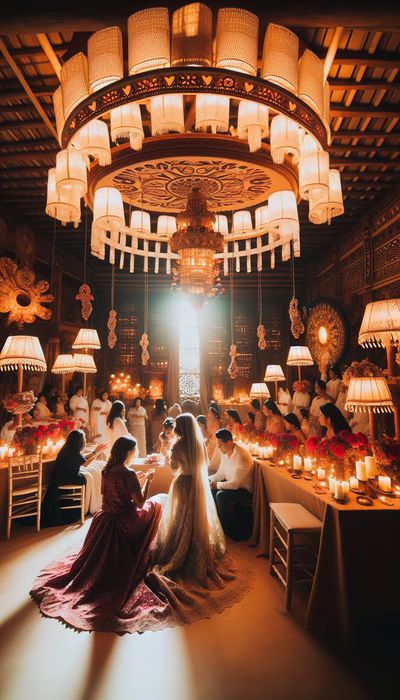
Music and dance animate [Mexico](/mexican-wedding-traditions) wedding celebrations with cultural rhythms What Food is Served at Mexican Weddings?
Mexican wedding feasts are elaborate multi-course meals lasting 3-4 hours, featuring regional specialties and costing $30-$100 USD per guest depending on location and menu complexity.
Food abundance at celebrations reflects Mexico’s culinary heritage and traditional associations between plentiful food and prosperity for the new couple.
Traditional Wedding Menu Structure:
- Cocktail hour: 5-8 appetizer types ($10-$20 per guest)
- First course: Soup or salad with regional ingredients
- Main courses: 2-3 meat/seafood options
- Side dishes: Rice, beans, fresh tortillas, salsas
- Dessert service: Multiple traditional sweets
- Late night snacks: Tacos or pozolepoh-SOH-leh (2-3 AM)
Regional Menu Specialties:
- Oaxaca: Seven moles, tlayudastlah-YOO-dahs, mezcalmehs-KAHL ($50-$80 per guest)
- Yucatan: Cochinita pibilkoh-chee-NEE-tah pee-BEEL, sopa de lima ($40-$70 per guest)
- Northern states: Cabritokah-BREE-toh, carne asadaKAHR-neh ah-SAH-dah ($60-$100 per guest)
- Coastal regions: Seafood towers, cevicheseh-VEE-cheh ($45-$85 per guest)
Modern couples blend traditional dishes with contemporary cuisine while maintaining emphasis on abundance and regional flavors.
Mexican Wedding Desserts and Traditional Sweets
Mexican wedding desserts feature multiple traditional sweets rather than single cakes, with dessert tables offering 5-10 different options costing $8-$15 per guest.
Traditional Dessert Options:
- Tres Leches Cake: Sponge cake with three milks ($40-$80)
- Flan: Caramel custard ($3-$5 per serving)
- Polvorones: Mexican wedding cookies ($20-$40 per 100)
- Churros: With chocolate sauce ($2-$4 per serving)
- Pan Dulce: Assorted sweet breads ($30-$50 per 50 pieces)
Regional Dessert Specialties:
- Veracruz: Pan de novia (bride’s bread)
- Puebla: Camoteskah-MOH-tehs (sweet potato candies)
- Oaxaca: Nicuatole (corn pudding)
- Michoacan: Ate de membrillo (quince paste)
Contemporary weddings often combine traditional dessert tables with modern wedding cakes incorporating Mexican design elements.
Traditional Mexican Wedding Drinks and Bar Service
Mexican wedding bars feature premium tequilas, mezcal, and signature cocktails, with open bar service costing $20-$50 USD per guest for 6-8 hours.
Traditional Bar Components:
- Tequila selection: 3-5 premium brands ($30-$80 per bottle)
- Mezcal options: 2-3 artisanal varieties ($40-$100 per bottle)
- Beer selection: 3-4 Mexican brands
- Aguas frescas: 3-4 flavors for non-drinkers
- Signature cocktails: 2-3 specialty drinks
Regional Drink Specialties:
- Jalisco: Premium tequila focus (Don Julio, Herradura)
- Oaxaca: Artisanal mezcal emphasis
- Yucatan: Xtabentun liqueur service
- Central Mexico: Pulque at traditional weddings
Non-alcoholic aguas frescas (horchata, jamaica, tamarindo) provide refreshing options throughout extended celebrations.
Mexican Wedding Symbols and Superstitions
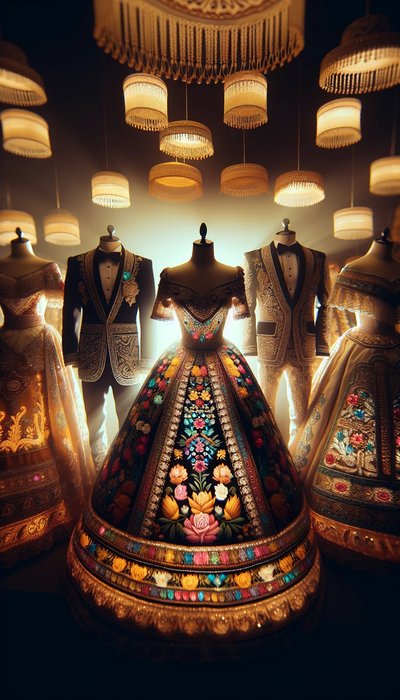
Gift exchanges strengthen family bonds in [Mexico](/mexican-wedding-traditions) wedding traditions El Ramo: Mexican Bridal Bouquet Traditions
Mexican bridal bouquets are symbolic arrangements featuring specific flowers with cultural meanings, costing $100-$400 USD and often including two bouquets for different purposes.
The tradition adapted from European customs but incorporated Mexican flowers and symbolism reflecting local culture and beliefs.
Traditional Bouquet Elements:
- Orange blossoms: Happiness and fertility
- Calla lilies: Magnificent beauty
- Mexican marigolds: Connection to ancestors
- Regional wildflowers: Local identity
- Red flowers: Passion and love
Modern brides often carry two bouquets: one for ceremony/photos and another specifically for the Virgin Mary offering.
Mexican Wedding Superstitions and Beliefs
Traditional Mexican wedding beliefs influence planning decisions, with many couples acknowledging awareness of superstitions even if not strictly following them.
Common Wedding Superstitions:
- Pearls prohibition: Symbolize tears in marriage
- Rain blessing: Good luck and fertility (ironically welcomed)
- Coin in shoe: Prosperity throughout marriage
- Tuesday/Friday avoidance: Considered unlucky days
- Knife gift taboo: Never give knives as wedding gifts
“Something old, new, borrowed, blue” tradition:
- Old: Family heirloom jewelry (grandmother’s earrings)
- New: Wedding dress or shoes
- Borrowed: Sister’s veil or friend’s rosary
- Blue: Ribbon sewn inside dress
Regional variations exist, with southern states maintaining stronger belief systems than northern urban areas.
Regional Mexican Wedding Variations
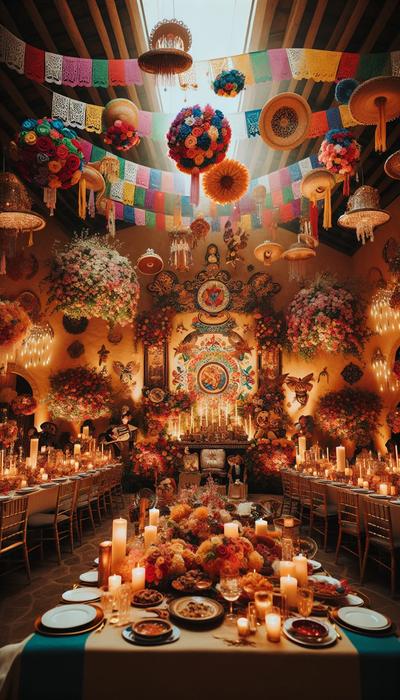
Post-wedding customs ensure lasting happiness for [Mexico](/mexican-wedding-traditions) newlyweds Northern Mexico Wedding Traditions (Chihuahua, Nuevo Leon, Sonora)
Northern Mexican weddings reflect cattle-ranching culture and proximity to the United States, featuring simplified ceremonies lasting 4-6 hours with 100-200 guests.
Northern Traditions Characteristics:
- Music: Norteno bands with accordion ($500-$1,000 USD)
- Attire: Cowboy boots and hats acceptable
- Food: Beef-focused menus ($40-$70 per guest)
- Ceremonies: Shorter Catholic services (45 minutes)
- Reception style: More casual, outdoor venues
Northern couples often blend Mexican essentials (arras, lazo) with American influences (first dance, cake cutting).
Central Mexico Wedding Traditions (Mexico City, Puebla, Guanajuato)
Central Mexican weddings showcase colonial grandeur in historic venues, featuring elaborate ceremonies lasting 8-10 hours with 200-400 guests.
Central Region Characteristics:
- Venues: Colonial churches and haciendas
- Callejoneadas: Through historic downtown streets
- Cuisine: Sophisticated regional dishes ($50-$100 per guest)
- Formality: Black-tie dress codes common
- Duration: Extended celebrations into early morning
Cities like San Miguel de Allende and Guanajuato maintain strongest Callejoneada traditions with professional mojigangas and dancers.
Southern Mexico Wedding Traditions (Oaxaca, Chiapas, Yucatan)
Southern Mexican weddings incorporate strong indigenous influences, featuring bilingual ceremonies and traditional textiles, lasting 2-3 days with entire communities participating.
Southern Traditions Include:
- Indigenous ceremonies: Mayan or Zapotec rituals
- Traditional dress: Regional textiles worth $1,000-$3,000
- Languages: Spanish plus indigenous languages
- Music: Marimba, jaranas, indigenous instruments
- Community involvement: 300-500 participants
Oaxacan weddings feature Guelaguetza-style dancing and seven moles, while Yucatecan celebrations include Mayan blessings and cochinita pibil. These indigenous elements reflect Mexico’s rich cultural heritage, recognized by UNESCO’s Intangible Cultural Heritage program, which has inscribed numerous Mexican traditions including the Guelaguetza festival and traditional Mayan ceremonies.
Indigenous Mexican Wedding Ceremonies
Indigenous wedding ceremonies represent pre-Hispanic traditions maintained by 68 indigenous groups, involving spiritual rituals costing $500-$2,000 USD for ceremonial elements.
Mayan Ceremony Components:
- Shaman officiant: Guides 60-90 minute ceremony
- Four elements ritual: Earth, air, fire, water representations
- Copal incense: Purification and ancestor connection
- Sacred directions: Prayers to four cardinal points
- Honey ceremony: Sweetness of marriage symbolism
Aztec/Nahua Traditions:
- Circle formation: Representing life cycles
- Flower exchanges: Sun flowers (groom), moon flowers (bride)
- Chocolate ceremony: Sacred drink sharing
- Dance rituals: Traditional movements telling stories
Contemporary interest in indigenous ceremonies has grown significantly, with couples seeking authentic connections to Mexican heritage.
Current Popularity of Mexican Wedding Traditions in 2025
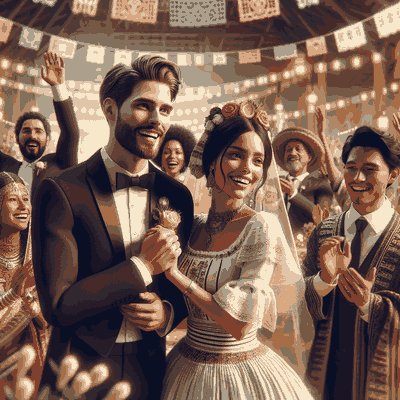
Contemporary [Mexico](/mexican-wedding-traditions) couples honor heritage while embracing modern trends Most Popular Mexican Wedding Traditions
The following traditions remain central to most Mexican weddings:
- Catholic ceremony: The predominant religious tradition
- Las Arras (13 Coins): Widely practiced in religious ceremonies
- El Lazo (Wedding Lasso): Standard in Catholic weddings
- Padrinos/Madrinas System: Nearly universal practice
- Traditional Mexican Food: Regional cuisine at most celebrations
Commonly Practiced Traditions
- La Vibora de la Mar Dance: Popular reception activity
- Virgin Mary Offering: Common in Catholic ceremonies
- El Baile del Billete: Money dance tradition continues
- Mexican Desserts: Often alongside modern cakes
- La Callejoneada: Especially in central Mexico
Regional or Selective Traditions
- La Serenata: More common in central Mexico
- Pedida de Mano: Varies by family preference
- La Tornaboda: Popular in traditional communities
- Indigenous Elements: Growing interest among couples
- Traditional Attire: Selected by couples honoring heritage
Modern Mexican Wedding Trends 2025
Contemporary Mexican weddings blend tradition with modern preferences, with couples investing $15,000-$50,000 USD for celebrations honoring heritage while embracing current trends.
Key 2025 Trends:
- Selective tradition adoption: Couples choose meaningful customs
- Indigenous ceremony integration: Growing interest in pre-Hispanic rituals
- Sustainable practices: Eco-friendly adaptations
- Multi-day experiences: Extended celebration formats
- Destination weddings in Mexico: Heritage location choices
- Digital integration: Live-streaming for distant relatives
- Inclusive adaptations: LGBTQ+ friendly tradition modifications
Mexican wedding traditions continue evolving while maintaining core elements that celebrate faith, family, and cultural identity. From symbolic arras coins to festive Callejoneadas, these customs create uniquely Mexican celebrations that honor centuries of heritage while embracing contemporary life.
Frequently Asked Questions
What is Las Arras in a Mexican wedding?
Las Arras is a ritual where the groom presents 13 gold coins to the bride, symbolizing his promise to provide for the family and Christ with his 12 apostles.
How long do Mexican weddings typically last?
Traditional Mexican weddings typically last 2-3 days, including pre-wedding celebrations, the ceremony, reception, and La Tornaboda (after-party).
What is La Callejoneada?
La Callejoneada is a festive wedding parade where guests follow the newlyweds through streets, accompanied by mariachi music and traditional dancers.
What is the significance of El Lazo?
El Lazo is a wedding lasso or rope placed around the couple during the ceremony, symbolizing their eternal union and commitment.
What role do Padrinos play in Mexican weddings?
Padrinos and Madrinas are wedding sponsors who provide spiritual and financial support, contributing to specific aspects of the ceremony and celebration.
What is traditional Mexican wedding attire?
Brides often wear white dresses with indigenous embroidery, while grooms wear charro suits or guayaberas, depending on the region and formality.
What is the money dance at Mexican weddings?
El Baile del Billete is a tradition where guests pin money on the couple's clothing while dancing, providing financial support for their new life.
What is Pedida de Mano?
Pedida de Mano is a formal marriage proposal where the groom's family visits the bride's family to officially request her hand in marriage.
What food is served at Mexican weddings?
Mexican wedding feasts feature regional specialties, mole, birria, traditional desserts, and premium tequila or mezcal.
How are modern Mexican weddings different?
Modern Mexican weddings often blend traditional customs with contemporary elements, incorporating technology and personalized touches while maintaining cultural significance.
What are Las Arras in a Mexican wedding?
Las Arras is a ritual where the groom presents 13 gold coins to the bride, symbolizing his promise to provide for the family. The coins represent Christ and the 12 apostles, and the exchange demonstrates the couple's trust and commitment to share their worldly possessions.
How long do Mexican weddings typically last?
Traditional Mexican weddings typically last 2-3 days, including pre-wedding celebrations, the ceremony, and reception festivities. The celebrations often begin with pre-wedding rituals like the Pedida de Mano and continue through elaborate receptions that can last well into the early morning hours.
What is La Callejoneada?
La Callejoneada is a festive wedding parade where guests follow the newlyweds through the streets, accompanied by mariachi bands, traditional dancers, and tequila bearers. This joyful procession, originating from Guanajuato, celebrates the couple's union with music, dancing, and community participation.
What is the significance of El Lazo?
El Lazo is a wedding lasso or cord placed around the couple during the ceremony, symbolizing their eternal bond and unity. Traditionally made of rosary beads, flowers, or decorative rope, the lasso forms a figure-eight around the couple as they kneel, representing their joined lives and infinite love.
What role do Padrinos play in Mexican weddings?
Padrinos and Madrinas are wedding sponsors who provide spiritual and financial support, contributing to specific elements of the wedding such as the rings, coins, or bible. These godparents serve as mentors to the couple throughout their marriage, offering guidance and maintaining a special relationship with the newlyweds.