Mongolia Wedding Traditions Cultural Wedding Guide 2025
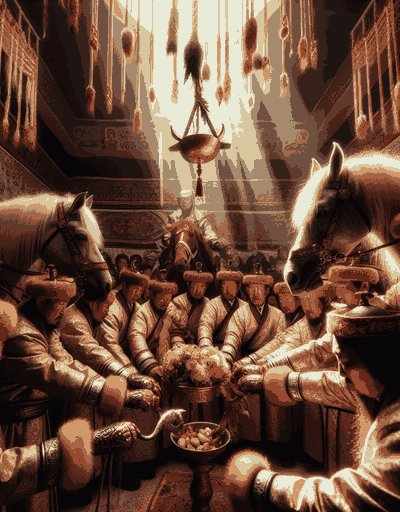
Key Components of Mongolian Weddings:
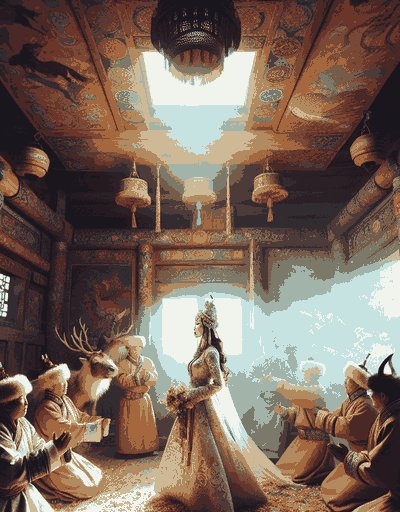
- Engagement and Betrothal (3-12 months before wedding): Formal proposal visits, gift exchanges
- Civil Ceremony: Legal registration at Wedding Palace (urban) or local office (rural)
- Traditional Ceremonies: Fire rituals, tea ceremonies, Buddhist blessings
- Wedding Reception: 1-day urban celebrations or 3-day rural festivities
- Post-Wedding Customs: Chimney opening ritual, family visits
- Total Cost Range: MNT 15-50 million ($4,400-$14,700 USD) urban; MNT 5-20 million ($1,470-$5,880 USD) rural
Pre-Wedding Traditions and Ceremonies
What Are Mongolian Engagement Traditions?
Mongolian engagement traditions are formal courtship protocols dating back centuries that require multiple visits between families, symbolic gift exchanges including hada (mn_khada) scarves and livestock, and negotiations lasting 3-6 months before the wedding. This centuries-old practice originated when marriages helped strengthen alliances between nomadic herding families across Mongolia’s vast steppes.
The engagement process involves:
- Initial proposal: Matchmaker visits with symbolic gifts (sugar, tea, white handkerchief)
- Family negotiations: 3-5 formal visits over several months
- Gift exchanges: Odd-numbered livestock (excluding camels/goats), ceremonial scarves
- Final betrothal: Cooked sheep, wine, tea leaves delivered to bride’s family
- Cost range: MNT 2-10 million ($588-$2,940 USD) for engagement gifts
Betrothal Gifts (Sui) - Essential Exchange Protocols
Sui (mn_sui) is the traditional Mongolian betrothal gift system requiring the groom’s family to deliver specific items three times, with final acceptance sealing the marriage agreement. This practice, involving 200-300 guests at the final exchange, represents commitment and the joining of two families.
Traditional betrothal gifts include:
- White horse with khadag (mn_khadag) scarf: Most precious gift (MNT 3-5 million / $880-$1,470 USD)
- Odd-numbered livestock: 3, 5, or 7 animals (never camels or goats)
- “Hot-muzzled” animals only: Horses, cattle, sheep (excluding “cold-muzzled” camels/goats)
- Final gift package: Entire cooked sheep, wine, tea leaves, ceremonial scarves
- Modern urban adaptation: Cash gifts of MNT 5-15 million ($1,470-$4,410 USD)
Regional variations persist:
- Western Mongolia: Include decorated saddles and riding equipment
- Gobi region: Feature camel milk products despite livestock restrictions
- Central provinces: Emphasize dairy products and traditional foods
Setting the Wedding Date - Astrological Considerations
Wedding date selection in Mongolia involves consulting Buddhist lamas, shamans, or traditional lunar calendars to identify auspicious days, typically requiring 2-4 weeks of divination. Many rural couples continue to consult religious advisors for date selection, maintaining this centuries-old practice.
Methods for choosing dates:
- Buddhist divination: Lama consultation (MNT 100,000-300,000 / $29-$88 USD)
- Shamanic practices: Local shaman readings in northern regions
- Lunar calendar: Avoiding inauspicious days and sandstorm seasons
- Chicken augury: Traditional divination in some eastern regions
- Modern considerations: Work schedules, weather patterns, venue availability
Wedding Ceremonies and Rituals
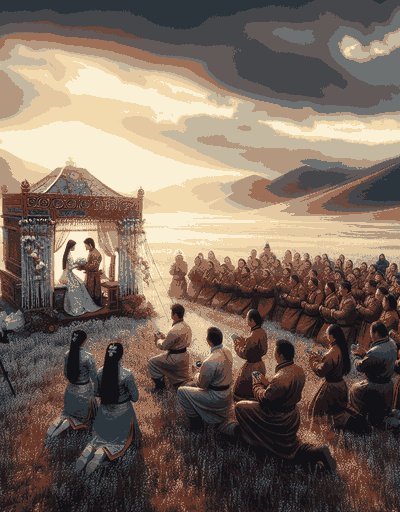
What Is a Mongolian Civil Ceremony?
Mongolian civil ceremonies are legally required wedding registrations conducted at Wedding Palaces (urban) or local government offices (rural), established during the Soviet period (1924-1990), taking 30-45 minutes and costing MNT 50,000-200,000 ($15-$59 USD). This modern requirement provides legal recognition while most couples also conduct traditional ceremonies.
Civil ceremony components:
- Location: Ulaanbaatar Wedding Palace or regional offices
- Participants: Couple, two witnesses (typically sisters-in-law), official
- Process: Verbal consent, document signing, official registration
- Duration: 30-45 minutes
- Modern trend: Many urban couples add Western elements (white dress, photography)
Traditional Ceremony Elements - Sacred Rituals
Traditional Mongolian wedding ceremonies incorporate Buddhist blessings, fire worship rituals, and tea ceremonies that can last 4-8 hours and involve 100-300 participants. These ceremonies blend Mongolia’s shamanic heritage with Buddhist influences acquired over the past 400 years.
Essential ceremony components:
- Sacred Fire Ritual: Bride lights stove, offers food to fire deity (30 minutes)
- Buddhist Blessing: Monks perform protection ceremony (MNT 200,000-500,000 / $59-$147 USD)
- First Tea Ceremony: Bride serves elders, father-in-law’s response crucial
- White Felt Welcome: Couple walks on felt with sun/moon symbols
- Parallel Fires: Purification walk between two fires for happiness
Regional ceremony variations:
- Western regions: Include Kazakh throat singing performances (khoomeiKHOO-may - mn_khoomei)
- Central Mongolia: Emphasize dairy product preparation demonstrations
- Eastern provinces: Feature unique horsehead fiddle (morin khuurMOR-in khoor - mn_morin-khuur) performances
Bride’s Journey and Welcome Rituals
The bride’s ceremonial journey represents her transition from maiden to married life, involving a horseback or vehicle procession covering 5-50 kilometers, welcomed by specific rituals at the groom’s home. This journey, lasting 2-4 hours, includes 20-50 accompanying riders or vehicles.
Journey components include:
- Departure blessing: Parents provide travel blessing and gifts
- Processional escorts: 20-50 riders/vehicles accompany bride
- Dairy welcome: Horseman greets with milk products plate
- Fire purification: Walk between parallel fires for cleansing
- White felt ceremony: Step on felt with grain symbols (sun/moon)
Traditional Attire and Adornment
What Is Traditional Mongolian Wedding Attire?
The deel (mn_deel) is Mongolia’s traditional wedding garment - a long robe with distinctive colors where brides wear light shades (white, cream, pale blue) and grooms wear dark colors (navy, black, brown), costing MNT 500,000-3,000,000 ($147-$882 USD) for quality wedding versions. These garments feature intricate embroidery, silk linings, and regional design variations.
Attire specifications:
- Bride’s deel: Light colors, silk fabric, ornate embroidery (MNT 1-3 million / $294-$882 USD)
- Groom’s deel: Dark colors, wool or silk, minimal decoration (MNT 500,000-2 million / $147-$588 USD)
- Seasonal variations: Fur-lined for winter (additional MNT 500,000 / $147 USD)
- Regional styles: Gobi (compact design), Northern (heavy fabrics), Western (Kazakh patterns)
- Modern mix: Many urban couples combine traditional and Western attire
Wedding Jewelry and Symbolic Accessories
Mongolian wedding jewelry features silver pieces with coral and turquoise stones, elaborate headdresses indicating married status, and family heirlooms passed through generations, with complete sets costing MNT 2-10 million ($588-$2,940 USD). Silver dominates due to its believed protective and purifying properties.
Traditional jewelry includes:
- Headdresses: Regional styles indicating married status (MNT 1-5 million / $294-$1,470 USD)
- Silver ornaments: Protective amulets, decorative pieces
- Semi-precious stones: Coral (fertility), turquoise (protection)
- Family heirlooms: Ancestral pieces carrying generational blessings
- Modern additions: Some couples include Western-style jewelry
Mongolian Wedding Rings - Unique Symbolism
Mongolian wedding rings feature distinct designs where the bride’s ring (left hand) has two intersected diamonds representing the gergehr’s (mn_ger) support pillar, while the groom’s ring (right hand) shows two circles symbolizing united souls and the protective ger roof. These symbolic rings cost MNT 300,000-2,000,000 ($88-$588 USD) per set.
Ring symbolism details:
- Bride’s ring: baganabah-GAH-nahd shapes = bagana (mn_bagana) pillar = woman’s family support role
- Groom’s ring: Circle shapes = ger roof = man’s protective role
- Four dots: Common feature representing stability
- Material: Silver or gold with traditional engravings
- Modern trend: Many couples choose symbolic Mongolian designs over Western bands
Wedding Festivities and Celebrations
Traditional Wedding Reception Format
Mongolian wedding receptions follow ger-inspired arrangements with specific seating protocols where elders sit at front, bride’s family on east side, groom’s family on west side, accommodating 100-500 guests. Urban receptions last one evening (5-6 hours) while rural celebrations extend 2-3 days.
Reception specifications:
- Seating arrangement: Mimics gergehr layout, door facing south
- Guest capacity: 100-200 (urban restaurants), 300-500 (rural gers)
- Duration: 5-6 hours (urban), 2-3 days (rural)
- Cost range: MNT 10-30 million ($2,940-$8,820 USD) urban; MNT 3-10 million ($882-$2,940 USD) rural
- Elder placement: Front seats as respect gesture
Traditional Wedding Foods and Ceremonial Drinks
Mongolian wedding feasts feature national dishes emphasizing mutton, dairy products, and ceremonial drinks, with the bride performing fire offerings before meals begin, feeding 100-500 guests at costs of MNT 30,000-50,000 ($9-15 USD) per person. Traditional meals represent prosperity and abundance.
Essential food elements:
- Fire offering: Bride offers food to fire deity before feast
- Lamb dishes: Whole roasted sheep (khorkhogKHOR-khog - mn_khorkhog) serves 50-60 people
- Dairy products: Cheese (byaslagBYAHS-lag - mn_byaslag), dried curds (aaruulAH-rool - mn_aaruul)
- Ceremonial drink: Wine with ghee, shared from single bowl
- Regional variations: Camel products (Gobi), fish dishes (lake regions)
Gift-Giving Traditions and Household Support
Mongolian wedding gifts focus on practical household establishment with cash gifts averaging MNT 100,000-500,000 ($29-$147 USD) per guest, while families provide major items like gers, livestock, and kitchen equipment totaling MNT 10-50 million ($2,940-$14,700 USD). These contributions help newlyweds establish independent households.
Traditional gift categories:
- From guests: Cash (MNT 100,000-500,000 / $29-$147 USD), furniture, household items
- Groom’s family: Ger (MNT 5-15 million / $1,470-$4,410 USD), odd-numbered livestock
- Bride’s family: Kitchen items, clothing, jewelry (MNT 3-10 million / $882-$2,940 USD)
- Modern registries: Some urban couples use Western-style registries
- Symbolic value: Gifts represent community investment in marriage success
Post-Wedding Customs and Family Transitions
Opening the Chimney Ritual - Morning After Tradition
The chimney opening ritual requires the bride to open roof vents in her new gergehr and her in-laws’ ger the morning after wedding festivities, symbolizing bringing light, prosperity, and heavenly connections to the household. This ceremony occurs at sunrise and remains common in rural weddings.
Ritual components:
- Timing: Sunrise, day after reception
- Locations: New couple’s ger plus parents’ ger
- Symbolism: Light (prosperity), air (life), heaven connection
- Urban adaptation: Opening windows/curtains in apartments
- Participants: Bride alone or with mother-in-law guidance
Three-Day Family Visit Protocol
The three-day visit brings the bride’s parents to the newlyweds’ home 72 hours post-wedding, involving gift exchanges, household inspection, and blessing ceremonies that strengthen inter-family bonds. This visit includes 10-20 family members and lasts 4-6 hours.
Visit elements include:
- Timing: Exactly three days after wedding
- Participants: Bride’s parents, siblings, close relatives (10-20 people)
- Gifts brought: Household items, food, MNT 500,000-2,000,000 ($147-$588 USD)
- Activities: Home inspection, blessing ceremony, shared meal
- Modern scheduling: May adjust for work, typically weekend visits
Return to Bride’s Family - Ceremonial Homecoming
The ceremonial return visit occurs 1-7 days post-wedding when the couple visits the bride’s parents, performing ancestor worship and receiving final blessings, symbolizing maintained connections despite the bride’s transition to her husband’s family. This 4-6 hour visit includes 20-30 participants.
Return visit components:
- Ancestor ceremony: Heaven and ancestor worship rituals
- Blessing reception: Parents provide guidance and gifts
- Meal sharing: Traditional feast with extended family
- Gift exchange: MNT 1-3 million ($294-$882 USD) in household items
- Frequency: Monthly returns common in first year
Distinctive Mongolian Wedding Traditions
Testing the Bridegroom’s Strength - The Sheep Neck Challenge
The sheep neck challenge is a traditional test where the groom must break a cooked sheep neck with his hands, though bridesmaids secretly insert willow sticks or iron rods to test his cleverness and observation skills. This challenge occurs primarily in rural weddings, particularly in the Erdos region.
Challenge specifications:
- Hidden obstacles: Red willow stick or iron rod in marrow
- Success indicators: Detecting trick shows wisdom, breaking neck shows strength
- Failure consequences: Good-natured teasing, small penalty payments
- Regional prevalence: Common in Inner Mongolia, eastern provinces
- Modern adaptations: Sometimes replaced with other strength/wisdom tests
Race to the Wedding - Competitive Tradition
The wedding race is a horseback competition between the bride’s and groom’s families to reach the ceremony location first, involving 20-50 riders, strategic interference, and counter-strategies over distances of 10-30 kilometers. Winners gain honorary first arrival status and bragging rights.
Race components:
- Distance: 10-30 kilometers between homes
- Participants: 20-50 riders per side
- Interference tactics: Horse beating, whip stealing, strategic delays
- Counter-strategies: Decoy feasts, alternate routes
- Modern versions: Car convoys in urban areas, symbolic short races
Chicken Liver Divination - Fortune Reading
Chicken liver divination requires the couple to jointly slaughter chickens until finding a liver with auspicious markings, sometimes requiring 5-10 birds, practiced in rural ceremonies in eastern and southern Mongolia. Each liver examination takes 10-15 minutes with specific pattern interpretation.
Divination process:
- Joint participation: Couple performs together
- Examination criteria: Color, texture, vein patterns
- Unfavorable signs: Dark spots, unusual shapes
- Number sacrificed: Average 3-5 chickens (MNT 10,000-15,000 / $3-4 USD each)
- Regional concentration: Eastern provinces, some southern areas
Regional Wedding Variations
Western Mongolian (Kazakh-Influenced) Traditions
Western Mongolian weddings incorporate Kazakh and Central Asian elements, featuring elaborate musical performances, distinctive colorful attire, and ceremonies lasting 3-4 days with 300-500 guests. The Kazakh minority maintains unique customs while integrating with Mongolian traditions.
Distinctive western elements:
- Dombra music: Traditional two-stringed instrument performances
- Throat singing: KhoomeiKHOO-may (mn_khoomei) performances by specialists
- Colorful attire: Brighter deels with gold embroidery (MNT 2-5 million / $588-$1,470 USD)
- Extended celebrations: 3-4 days standard
- Feast differences: More Middle Eastern influenced dishes
Gobi Desert Wedding Adaptations
Gobi wedding traditions adapt to harsh desert conditions with ceremonies scheduled during mild seasons (April-May, September-October), featuring camel symbolism despite gift restrictions, and special water blessing rituals. These adaptations serve the population in desert regions.
Desert-specific elements:
- Seasonal timing: Avoiding June-August heat, winter storms
- Camel prominence: Transport and symbolic roles (not gifts)
- Water ceremonies: Blessing rituals with precious water
- Condensed celebrations: 1-2 days due to travel challenges
- Guest limitations: 50-150 people due to logistics
Central Mongolian (Khalkha) Standard Traditions
Khalkha wedding traditions represent Mongolia’s ethnic majority practices, featuring horse blessing ceremonies, standardized ritual sequences, and specific gift classifications that have become the national template. These traditions from central Mongolia influence modern wedding practices nationwide.
Khalkha-specific elements:
- Betrothal horse blessing: Special benediction for gift horse
- Standardized sequence: Engagement, race, strength test, ceremony, feast
- Animal classifications: “Hot-muzzled” (acceptable) vs “cold-muzzled” (excluded)
- Duration: 2-day standard celebration
- Influence: Template for “typical” Mongolian weddings
Modern Adaptations and Contemporary Trends
Urban Wedding Innovations and Hybrid Celebrations
Urban Mongolian weddings blend traditional elements with modern conveniences, typically lasting one evening in restaurants or hotels, incorporating professional photography, and costing MNT 20-50 million ($5,880-$14,700 USD) for 150-300 guests. Ulaanbaatar hosts a significant portion of all Mongolian weddings annually.
Urban innovations include:
- Wedding palaces: Purpose-built venues (MNT 3-8 million / $882-$2,350 USD rental)
- Photography packages: Pre-wedding shoots (MNT 1-3 million / $294-$882 USD)
- Hybrid ceremonies: Traditional morning, Western evening celebrations
- Digital integration: Social media streaming, wedding websites
- International vendors: Some couples use foreign wedding planners
Buddhist and Shamanic Spiritual Elements
Spiritual ceremonies in Mongolian weddings combine Buddhist blessings (predominant since the 1600s) with ancient shamanic rituals, creating syncretic practices. Many ceremonies include Buddhist monks, while some incorporate shamanic elements. Ceremonies cost MNT 200,000-1,000,000 ($59-$294 USD) for religious officiants.
Spiritual components:
- Buddhist blessings: Monk-led ceremonies for prosperity
- Shamanic rituals: Fire worship, nature spirit invocations
- Syncretic practices: Combined Buddhist-shamanic elements
- Regional preferences: North (more shamanic), South (more Buddhist)
- Modern balance: Couples choose personally meaningful elements
International Influences and Destination Weddings
International wedding trends affect urban Mongolian couples who incorporate Western elements, with some choosing destination weddings including Las Vegas venues offering themed packages starting at $2,000-$10,000 USD. The Mongolian diaspora particularly embraces fusion celebrations.
Global influences include:
- Western attire: White gowns (MNT 2-8 million / $588-$2,350 USD)
- Destination venues: Las Vegas, Thailand, Dubai popular choices
- Vegas packages: Traditional music, ger-themed decor available
- Fusion receptions: Mongolian cuisine with international entertainment
- Diaspora adaptations: Simplified traditions for overseas communities
Ceremonial Music and Entertainment
Traditional Wedding Songs and Musical Performances
Mongolian wedding music features traditional long songs (urtyn duuOOR-tin doo - mn_urtyn-duu), throat singing, and instrumental performances on the morin khuurMOR-in khoor (mn_morin-khuur), with professional musicians costing MNT 500,000-2,000,000 ($147-$588 USD) per event. Musical performances occur throughout the multi-day celebrations.
Musical elements include:
- Traditional songs: Love ballads, family blessing songs
- Antiphonal singing: Family groups exchange musical toasts
- Instrument ensemble: Horsehead fiddle, flute, drums
- Performance duration: 30-45 minute sets throughout celebration
- Modern additions: Many weddings include contemporary Mongolian pop
Wedding Games and Community Activities
Traditional wedding games involve friendly competitions between families, nighttime teasing of newlyweds, and poetic verse exchanges, engaging 50-100 participants throughout the celebrations. These activities strengthen community bonds and create joyful memories.
Traditional activities:
- Nighttime teasing: Youth devise harmless pranks (2-3 hours)
- Family competitions: Singing, wrestling, riddle contests
- Poetic exchanges: Formal verse negotiations between families
- Prize distributions: Winners receive MNT 50,000-200,000 ($15-$59 USD)
- Modern games: Some couples include Western wedding games
Marriage Customs and Family Life
Bride’s Integration into New Household
The bride’s household integration involves assuming hearth-keeping responsibilities, serving ceremonial tea to elders, and maintaining her husband’s “wind horse” (spiritual well-being) while establishing an independent household rather than joining in-laws. This transition period lasts 3-6 months.
Integration elements:
- Fire maintenance: Daily hearth care for family prosperity
- Tea service: Morning tea preparation for elders
- Independent household: Most couples establish separate gers/homes
- Natal family visits: Monthly returns common first year
- Modern adaptations: Shared domestic responsibilities increasing
Marriage as Family Alliance System
Mongolian marriages create formal alliances between families involving livestock bridewealth averaging 20-50 animals from groom’s family and dowries of MNT 5-15 million ($1,470-$4,410 USD) in goods from bride’s family. These alliances often result in economic cooperation and shared herding arrangements, similar to traditions found in Russian and Chinese border communities.
Alliance components:
- Economic cooperation: Many rural in-laws share herding responsibilities
- Resource sharing: Seasonal livestock movements, equipment
- Knowledge transfer: Traditional skills passed between families
- Modern persistence: Business partnerships between families
- Support networks: Childcare, emergency assistance systems
Contemporary Marriage Patterns and Partner Selection
Modern Mongolian marriages occur at average ages of 24-26 (rural) and 28-32 (urban), with most couples choosing partners from similar educational/professional backgrounds through school or work connections rather than family arrangements. Dating periods average 2-3 years before engagement.
Current trends include:
- Partner selection: Mostly self-selected, some family-influenced
- Education matching: Many marry within same education level
- Urban delay factors: Career establishment, housing costs
- Courtship duration: 2-3 years average before engagement
- Divorce rates: Higher in urban areas than rural (increasing annually)
Contemporary Trends and Future Outlook
Selective Traditionalism in Modern Weddings
Selective traditionalism allows modern couples to choose meaningful elements from traditional ceremonies while adapting or omitting others, creating personalized celebrations averaging MNT 15-30 million ($4,410-$8,820 USD) that honor heritage while reflecting contemporary values.
Selection patterns:
- Most retained: Fire ceremony, traditional foods, family gifts
- Often modified: Three-day duration reduced to one day, horse elements replaced by cars
- Frequently omitted: Strength tests, liver divination
- Urban vs rural: Urban couples retain fewer traditions than rural counterparts
- Generational differences: Younger couples keep fewer traditions
Digital Integration and Documentation Focus
Digital wedding culture emphasizes professional photography/videography with couples spending MNT 2-5 million ($588-$1,470 USD) on documentation, sharing celebrations via social media reaching hundreds to thousands of online viewers, and creating permanent digital archives. Pre-wedding photo shoots at iconic locations are standard.
Digital elements:
- Photography investment: 10-15% of total budget
- Pre-wedding shoots: 2-3 locations, traditional and modern attire
- Live streaming: Many stream ceremonies for distant relatives
- Social media: Instagram, Facebook primary platforms
- Digital invitations: Used alongside traditional paper invitations
Cultural Revival Among Urban and Diaspora Mongolians
Cultural revival movements see urban Mongolians and diaspora couples incorporating more traditional elements than their parents’ generation, driven by identity preservation concerns and cultural pride. Traditional clothing rentals and cultural consultants support this trend.
Revival indicators:
- Traditional attire: Rental businesses growing annually
- Cultural consultants: MNT 500,000-2,000,000 ($147-$588 USD) for guidance
- Language preservation: Ceremonies include more Mongolian poetry
- Diaspora adaptations: Simplified but authentic traditions
- Youth interest: Traditional wedding planning courses popular
Cultural Heritage Note: Mongolia’s intangible cultural heritage, including traditional wedding customs, is recognized by UNESCO for preservation efforts. The traditional Mongolian gergehr (yurt) craftsmanship and related ceremonies were inscribed on the Representative List of the Intangible Cultural Heritage of Humanity in 2013.
How much does a typical Mongolian wedding cost?
Mongolian wedding costs vary significantly between urban and rural settings. Urban weddings in Ulaanbaatar average MNT 20-50 million ($5,880-$14,700 USD) including venue, catering, photography, and traditional elements for 150-300 guests. Rural weddings cost MNT 5-20 million ($1,470-$5,880 USD) but often involve more guests (200-500) and longer celebrations (2-3 days). The largest expenses include: venue/gergehr setup (25%), food and drinks (35%), photography/videography (15%), traditional clothing (10%), and gifts/ceremonial items (15%).
What is the significance of odd numbers in Mongolian weddings?
Odd numbers in Mongolian culture represent luck, completion, and positive energy, which is why betrothal gifts include odd-numbered livestock (3, 5, 7, or 9 animals), wedding parties have odd-numbered members, and ceremonial acts are repeated odd numbers of times. This belief stems from Buddhist numerology and ancient Mongolian shamanic practices where even numbers were associated with death and endings. The preference for odd numbers extends to gift money amounts, guest table arrangements, and even the number of ceremonial drinks shared.
Can foreigners have a traditional Mongolian wedding?
Foreign couples can absolutely have traditional Mongolian weddings, with several venues in Mongolia and internationally (including Las Vegas) offering authentic ceremony packages starting at $2,000-$10,000 USD. These typically include traditional deeldehl rental, ceremonial elements like fire rituals and tea ceremonies, Mongolian music and entertainment, and authentic cuisine. Many foreign couples who have lived in Mongolia or have Mongolian partners choose to incorporate meaningful traditions while adapting others. Key considerations include finding knowledgeable officiants, sourcing traditional items, and respectfully adapting customs for non-Mongolian family members.
What happens if the bride’s family rejects the initial proposal gifts?
Rejection of initial proposal gifts signals the family’s disapproval of the match, but traditionally doesn’t end negotiations permanently. The prospective groom can attempt two more formal proposals with increased gifts or different matchmakers. Historically, persistent suitors might wait 6-12 months before attempting again, sometimes seeking influential community members to mediate. Modern rejections are rare as couples typically ensure family approval before formal proposals begin. If rejection occurs today, couples might proceed independently, though this risks losing family support and traditional gift exchanges worth MNT 10-30 million ($2,940-$8,820 USD).
How do Mongolian weddings differ between Buddhism and Shamanism followers?
Buddhist and Shamanic wedding differences primarily appear in blessing ceremonies and spiritual rituals while maintaining similar cultural traditions. Buddhist weddings feature monk-led prayers, temple visits, and merit-making activities costing MNT 200,000-500,000 ($59-$147 USD). Shamanic weddings emphasize nature spirits, ancestral connections, and trance rituals costing MNT 300,000-800,000 ($88-$235 USD). Many families combine both traditions, inviting both monks and shamans. The core cultural elements - gift exchanges, feasts, traditional games - remain consistent regardless of religious preference.
What role do horses play in modern Mongolian weddings?
Horses maintain symbolic importance in rural and some urban Mongolian weddings despite modernization. Traditional roles include the betrothal horse (most valuable engagement gift at MNT 3-5 million / $880-$1,470 USD), transportation for the wedding race (20-50 riders), and ceremonial functions like the bride’s journey. Urban adaptations include decorated cars replacing horses, horse imagery in decorations, and symbolic horse gifts (artwork, figurines). Some couples rent horses specifically for traditional photos or ceremonial moments, costing MNT 200,000-500,000 ($59-$147 USD) per event.
Is it acceptable to modify traditional elements for modern weddings?
Modifying traditions is increasingly common and generally acceptable, with contemporary Mongolian couples adapting customs to fit modern lifestyles, budgets, and values. Acceptable modifications include shortening multi-day celebrations to one day, replacing livestock gifts with cash equivalents, conducting symbolic rather than actual wedding races, and combining traditional morning ceremonies with Western evening receptions. The key is maintaining respect for core meanings while adapting formats. Families typically discuss modifications beforehand, and most elders accept reasonable changes that preserve tradition’s spirit.
What happens during the “teasing the newlyweds” tradition?
Newlywed teasing occurs on the wedding night when 20-30 young community members visit the couple’s new home for 2-3 hours of good-natured pranks and games. Traditional teasing includes hiding household items for the couple to find, requesting the couple perform silly tasks or songs, telling embarrassing stories about them, and demanding small “ransoms” (MNT 10,000-50,000 / $3-15 USD) for peaceful departure. Modern versions are gentler than historical practices and emphasize fun over embarrassment. Urban couples might experience shortened versions or skip this tradition entirely.
How do Mongolian wedding rings differ from Western styles?
Mongolian wedding rings feature unique gendered symbolism costing MNT 300,000-2,000,000 ($88-$588 USD) per set. The bride’s ring (left hand) displays two intersected diamonds representing the ger’sbaganabah-GAH-nahrt pillar (bagana - mn_bagana), symbolizing women’s family support role. The groom’s ring (right hand) shows two intersected circles representing the ger’s round roof and his protective role. Both often feature four dots for stability. While many urban couples choose traditional designs, others opt for Western-style bands. Some couples wear both styles - traditional for ceremonies, Western for daily wear.
What dietary accommodations exist for Mongolian wedding feasts?
Mongolian wedding feasts traditionally center on mutton and dairy products, but modern celebrations increasingly accommodate dietary restrictions. Vegetarian options mbuuzboots include vegetable dumplings (buuz - mn_buuz), salads, and dairy-based dishes. Muslim guests (particularly in western regions) require halal preparation. Buddhist vegetarians receive special plates during certain lunar calendar periods. International guests often find familiar dishes added to buffets. Traditional foods remain ceremonially important - the couple must at least symbolically taste traditional items even if alternative menus are provided. Catering accommodations add 10-20% to food costs.
Frequently Asked Questions
How much does a traditional Mongolian wedding cost?
Urban Mongolian weddings typically cost ₮15-50 million ($4,400-$14,700 USD), while rural celebrations range from ₮5-20 million ($1,470-$5,880 USD), including ceremonies, attire, and festivities.
What is the traditional wedding attire in Mongolia?
Brides wear light-colored deels with ornate embroidery, while grooms wear darker deels with minimal decoration. Traditional jewelry includes silver, coral, and turquoise accessories.
How long do Mongolian wedding celebrations last?
Urban weddings typically last 1 day with a 5-6 hour reception, while rural celebrations can extend to 2-3 days with multiple ceremonies and festivities.
What are the main pre-wedding traditions in Mongolia?
Key pre-wedding traditions include formal courtship, betrothal gifts (Süi) including livestock and hada scarves, and consulting Buddhist lamas for auspicious wedding dates.
What role does Buddhism play in Mongolian weddings?
Buddhist elements include lama blessings, date selection based on lunar calendars, and spiritual ceremonies. About 70% of weddings include Buddhist monks and rituals.
What are common wedding gifts in Mongolia?
Traditional gifts include cash, household items, and livestock. Total gift value often ranges from ₮10-50 million ($2,940-$14,700 USD) from all families combined.
What is the 'Chimney Opening' ceremony?
This post-wedding ritual involves the bride opening the ger's roof vents at sunrise, symbolizing her new role in the household. It's practiced by 85% of rural families.
How do urban and rural Mongolian weddings differ?
Urban weddings tend to be shorter, more modernized celebrations, while rural weddings maintain more traditional elements and can last up to three days.
What are the main ceremonial components of a Mongolian wedding?
Key components include civil registration, traditional ceremonies with fire rituals, tea ceremonies, Buddhist blessings, and the bride's ceremonial journey.
How are Mongolian wedding traditions changing?
Modern influences include hybrid ceremonies, professional photography, international venue options, and simplified versions of traditional customs, especially in urban areas.