Mozambique Wedding Traditions Complete Guide for Modern Couples
What Are Mozambique Wedding Traditions?
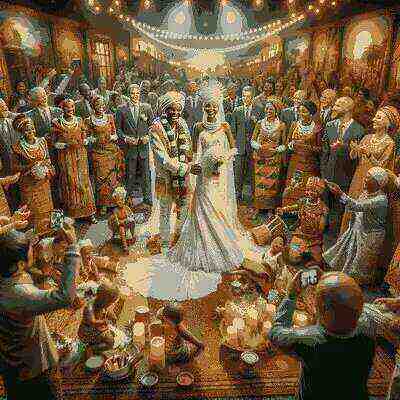
Mozambique wedding traditions are multi-day celebrations combining Portuguese colonial influences, Islamic customs, and indigenous African ceremonies that typically last 3-7 days and involve 200-500 guests from extended families and communities. These elaborate celebrations encompass lobola negotiations, civil ceremonies, religious rites, and traditional festivities featuring marrabenta music and matapamah-TAH-pah feasts.
Overview of Mozambique Wedding Process
- 12 months before: Initial family discussions and partner selection
- 6 months before: Lobola negotiations begin between families
- 3 months before: Civil ceremony registration and religious preparations
- 1 month before: Traditional attire preparation and feast planning
- 1 week before: Pre-wedding ceremonies and bride preparation rituals
- Wedding week: Multiple ceremonies across 3-7 days
- Post-wedding: Family integration visits lasting several weeks
Pre-Wedding Traditions and Ceremonies
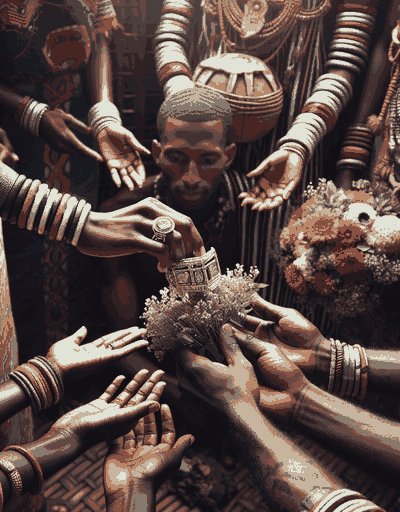
Lobola: The Bride Price Negotiation Process
Lobola is a bride price tradition that involves payment from the groom’s family to the bride’s family, typically occurring 3-6 months before the wedding and involving negotiations between 10-20 family representatives. This practice shares similarities with bridewealth customs found throughout Southern Africa, including in Zimbabwe and Malawi.
Cost and Duration
- Traditional cost: 50,000-200,000 Mozambican Meticals ($780-$3,125 USD)
- Modern cost range: 100,000-500,000 MZN ($1,560-$7,810 USD)
- Duration: 2-6 months of negotiations
- Participants: 10-20 family members from both sides
- Payment methods: Cash, cattle, or combination installments
The Lobola Process
- Initial approach: Groom’s male relatives contact bride’s family through intermediaries
- Formal presentation: Delegation brings xitique gifts including cloth and beverages
- Price negotiation: Families discuss cattle equivalents (5-20 cows at current market rates)
- Agreement ceremony: Sharing of traditional sura palm wine seals the deal
- Payment schedule: Immediate partial payment with remaining installments
Regional Variations
Southern Mozambique lobola follows Tsonga traditions requiring specific cattle breeds and ceremonial spears. Negotiations involve clan elders and can extend over 3-4 formal meetings.
Northern Islamic lobola incorporates mahr requirements alongside traditional payments, typically involving gold jewelry worth $1,000-$5,000 USD plus household goods.
Central region practices blend Sena customs with simplified negotiations, often completing agreements in 1-2 meetings with reduced cattle requirements.
Modern Adaptations
Contemporary families increasingly accept monetary equivalents for cattle, with urban couples negotiating:
- Single cow value: 15,000-25,000 MZN ($235-$390 USD)
- Educational adjustments: University graduates may command 10-15 cattle equivalents
- Installment plans: 50% down payment with 6-12 month payment schedules
- Digital transfers: Mobile money payments via M-Pesa becoming common
Khastgari: Family Introduction Ceremonies
Khastgari is a formal family introduction ceremony that precedes lobola negotiations, typically occurring 6-12 months before the wedding and involving ceremonial gift exchanges between families.
Traditional Protocol
- Timing: Saturday mornings considered most auspicious
- Delegation size: 5-7 representatives from groom’s family
- Gift requirements: Capulana cloths, beverages, and ceremonial foods
- Duration: 3-4 hour ceremony with shared meal
The Introduction Process
- Advance notice: Written letter delivered one week prior
- Arrival ceremony: Groom’s family waits outside until formally invited
- Gift presentation: Xitique baskets containing specific traditional items
- Family genealogy: Both families share ancestral histories
- Blessing ritual: Elders provide mucume prayers for the couple
Pre-Wedding Preparation Rituals
Mucavele is a bride preparation ceremony that involves female elders teaching marriage customs, typically lasting 3-7 days before the wedding and attended by 20-30 female relatives.
Components of Bride Preparation
- Nthakula teachings: Sexual education and household management
- Traditional cooking: Preparation of ceremonial matapamah-TAH-pah dishes
- Dance instruction: Learning family-specific wedding dances
- Beauty treatments: Application of traditional missiro clay masks
Wedding Ceremonies
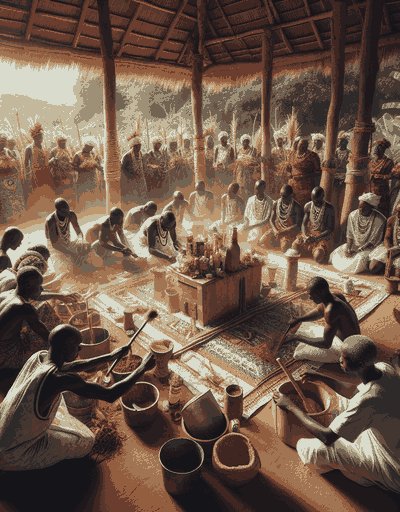
Casamento Civil: The Legal Marriage Ceremony
Casamento civil is a mandatory government ceremony that legally registers marriages, typically costing 300-500 Mozambican Meticals ($5-$8 USD) and lasting 30-45 minutes at municipal offices.
Civil Ceremony Requirements
- Documentation cost: 200-300 MZN ($3-5 USD) for certificates
- Witness requirements: Minimum 2, maximum 4 witnesses
- Processing time: 2-4 weeks for documentation
- Venue: Conservatoria do Registo Civil offices
- Official language: Portuguese with translation if needed
Regional Civil Ceremony Variations
Maputo ceremonies offer Saturday services for 1,000 MZN ($16 USD) premium. Urban offices provide photography areas and accommodate 20-30 guests.
Rural registrations require traveling magistrates visiting monthly, costing standard 300 MZN with simplified documentation requirements for remote communities.
Religious Wedding Ceremonies
Casamento religioso is a faith-based ceremony that provides spiritual blessing, typically occurring 1-7 days after civil registration and involving 100-300 congregation members.
Christian Church Weddings
- Catholic ceremonies: 2-3 hours including full mass
- Protestant services: 1-2 hours with contemporary music
- Ceremony cost: 5,000-20,000 MZN ($80-$315 USD) donations
- Participants: 150-400 guests in urban churches
- Requirements: Pre-marriage counseling over 3-6 months
Islamic Nikah Ceremonies
Nikah is an Islamic marriage contract ceremony that involves mahr payment agreements, typically lasting 1-2 hours in mosques and attended by 50-200 Muslim community members.
- Mahr requirements: 50,000-200,000 MZN ($780-$3,125 USD)
- Witness requirements: 2 male Muslim witnesses required
- Venue options: Mosque or family home ceremonies
- Gender separation: Traditional separate seating areas
Traditional Ceremonial Celebrations
Tsenga is a traditional wedding feast that celebrates the union with ancestral blessings, typically lasting 2-3 days and involving entire village communities of 200-500 people.
Traditional Ceremony Elements
- Ancestral invocation: Ku phahlaPAH-lah rituals honoring family spirits
- Ceremonial timing: Dawn ceremonies for spiritual significance
- Traditional venues: Family compound or community centers
- Music requirements: Timbilatim-BEE-lah xylophone orchestras (UNESCO recognized)
- Dance performances: Mapikomah-PEE-koh masked dances in northern regions
The Chopi timbila tradition was inscribed on UNESCO’s Representative List of the Intangible Cultural Heritage of Humanity in 2008, recognizing its significance to Mozambican culture. For more information, visit UNESCO’s Intangible Cultural Heritage page on Chopi Timbila.
The Ceremony Process
- Dawn preparations: Women prximaSHEE-mahe ceremonial xima porridge
- Ancestral offerings: Traditional beer and snuff presentations
- Elder blessings: Clan leaders provide marital guidance
- Feast serving: Communal eating from shared dishes
- Night celebrations: Dancing until sunrise with drums
Wedding Attire and Fashion
Traditional Bridal Attire
Capulana is a traditional printed cloth that forms the basis of Mozambican bridal wear, typically measuring 2 meters and costing 200-1,000 MZN ($3-16 USD) per piece for wedding-quality fabric.
Regional Bridal Styles
Southern Xibelani style features multi-layered capulanas creating full skirts, requiring 6-8 pieces and accompanied by nhunguvanenyoon-goo-VAH-neh beaded accessories worth 2,000-5,000 MZN.
Northern Mozambique styles incorporate koffiakoh-FEE-ah head coverings with gold thread embroidery costing 3,000-8,000 MZN and matching wrapped capulana ensembles.
Coastal fusion wear blends Arabic influences with traditional elements, featuring embroidered kanzuskan-ZOOS over capulana wraps, totaling 10,000-25,000 MZN for complete outfits.
Modern Bridal Adaptations
Contemporary designers create fusion gowns incorporating:
- Capulana accents: Traditional fabric as trim or accessories
- Western silhouettes: Ball gowns with African print elements
- Design cost: 15,000-50,000 MZN ($235-$780 USD)
- Rental options: 5,000-15,000 MZN for designer pieces
Groom’s Traditional Attire
Batique is a traditional men’s formal wear that includes printed shirts and ceremonial wraps, typically costing 5,000-15,000 MZN ($80-$235 USD) for complete wedding ensembles.
Traditional Male Garments
- Tribal variations: Makonde carved wooden accessories
- Ceremonial staffs: Inherited family walking sticks
- Modern suits: Western styles with capulana accents
- Islamic options: White djellaba robes for Muslim grooms
Wedding Celebrations and Festivities
Marrabenta Music and Dance Traditions
Marrabenta is a popular Mozambican music style that combines traditional rhythms with modern instruments, typically performed at weddings by 5-10 musicians and inspiring dancing among 100-300 guests.
Traditional Music Elements
- Timbila orchestras: 10-20 xylophone players for southern weddings
- Performance duration: 4-6 hours of continuous music
- Musician cost: 10,000-30,000 MZN ($156-$470 USD) per group
- Dance participation: All guests expected to join
- Song types: Praise songs, ancestral calls, celebration rhythms
Modern Musical Adaptations
Contemporary weddings blend traditional and modern:
- DJ services: 5,000-15,000 MZN for equipment and operator
- Live bands: 20,000-50,000 MZN for popular marrabenta groups
- Sound systems: Professional setups for 300+ guests
- Music duration: 6-10 hours across multiple ceremony days
Traditional Wedding Feast (Karamu)
Karamu is a communal wedding feast that features traditional dishes and ceremonial food sharing, typically serving 200-500 guests over 2-3 days and costing 50,000-200,000 MZN ($780-$3,125 USD).
Traditional Menu Components
- Matapa: Cassava leaves with peanuts serving 10-15 people per pot
- Xima: Corn porridge prepared in 50-liter communal pots
- Grilled chicken: Piri-piri style requiring 50-100 chickens
- Seafood options: Coastal weddings feature 20-50 kg of prawns
- Traditional beverages: Ucanheoo-KAH-nyeh grain beer and palm wine
Feast Preparation and Service
- Community cooking: 20-30 women prepare over 2 days
- Ceremonial first serving: Elders receive honored portions
- Gender-specific service: Traditional separate eating areas
- Guest portions: Each person receives 500-750g of food
- Leftover distribution: Remaining food shared with community
Gift-Giving Customs (Muthimba)
Muthimba is a reciprocal gift exchange tradition that strengthens family bonds, typically involving presentations worth 1,000-5,000 MZN ($16-$80 USD) per family unit during wedding celebrations.
Traditional Gift Categories
- Household items: Pots, baskets, sleeping mats
- Textiles: Capulanas, blankets, clothing
- Livestock: Chickens, goats for rural weddings
- Modern additions: Electronics, kitchen appliances
- Cash gifts: 500-2,000 MZN in decorated envelopes
Regional Wedding Variations
Northern Mozambique Islamic Traditions
Maulidi is a Muslim wedding celebration that combines Islamic requirements with local customs, typically lasting 3-5 days and involving 100-300 guests from the Islamic community. These celebrations share elements with Tanzanian coastal wedding customs due to centuries of Swahili trading connections.
Distinctive Northern Elements
- Aroosi preparations: Week-long bride seclusion with henna ceremonies
- Gender separation: Parallel celebrations for men and women
- Ziyara costs: 20,000-50,000 MZN for separate venue arrangements
- Islamic feast: Halal requirements adding 20-30% to food costs
- Dhikr ceremonies: Nightlong prayer sessions with 50-100 participants
Central Mozambique Sena Traditions
Tchopa is a Sena wedding dance tradition that involves competitive performances between families, typically featuring 30-50 dancers and lasting 3-4 hours during central region weddings. This tradition shares cultural connections with Zambian wedding customs along the Zambezi River corridor.
Central Region Characteristics
- Nsembe rituals: River ceremonies for fertility blessings
- Bride price variations: 5-10 cattle or 75,000-150,000 MZN
- Zambezi influences: Boat processions for riverside communities
- Dance competitions: Winner receives honorary gifts
- Feast specialties: Fish-based dishes for 150-300 guests
Southern Mozambique Tsonga Customs
Xigubu is a Tsonga celebration drum ceremony that announces marriages throughout the community, typically involving 15-20 drummers and heard by 500-1,000 community members.
Southern Distinctive Features
- Xibelani dance: Women’s shaking dance with tiered skirts
- Mafurra oil ceremonies: Traditional anointing rituals
- Lobola complexity: Most formal negotiations in country
- Urban adaptations: Simplified ceremonies in Maputo
- Cross-border families: Coordination with South African relatives
Modern Adaptations and Contemporary Trends
Destination Weddings in Mozambique
Casamento de destino is a destination wedding ceremony that takes advantage of Mozambique’s beaches and resorts, typically costing $5,000-$20,000 USD and hosting 30-100 guests at coastal venues.
Popular Destination Venues
- Bazaruto Archipelago: $150-$500 USD per guest for 3-day packages
- Vilanculos beaches: $100-$300 USD per person with accommodation
- Tofo beach resorts: $80-$250 USD including traditional elements
- Package inclusions: Ceremony, reception, and 2-night stays
- Local integration: Traditional dancers and musicians included
Destination Wedding Adaptations
Contemporary couples blend luxury with tradition:
- Beachfront lobola: Simplified negotiations at resort venues
- Capulana decor: Traditional fabrics in modern settings
- Fusion menus: International cuisine with Mozambican dishes
- Guest experiences: Cultural tours and diving excursions
- Photography packages: $1,000-$3,000 USD for destination shoots
Urban Wedding Transformations
Casamento moderno is a contemporary urban wedding that blends traditional elements with international trends, typically lasting 1-2 days and costing 200,000-1,000,000 MZN ($3,125-$15,625 USD).
Urban Wedding Characteristics
- Venue selection: Hotels and event centers for 150-300 guests
- Shortened traditions: Lobola negotiations via video calls
- Professional services: Wedding planners charging 50,000-150,000 MZN
- Modern documentation: Drone photography and live streaming
- Bilingual ceremonies: Portuguese-English with traditional languages
Cost Breakdowns for Urban Weddings
- Venue rental: 50,000-200,000 MZN for premium locations
- Catering: 300-500 MZN per guest for full service
- Photography/video: 30,000-100,000 MZN for full coverage
- Entertainment: 20,000-80,000 MZN for bands and DJs
- Traditional elements: 20,000-50,000 MZN for cultural additions
Post-Pandemic Wedding Adaptations
Casamento hibrido is a hybrid wedding format that combines in-person and virtual elements, typically accommodating 50-150 physical guests with 100-300 online participants.
Technology Integration (2020-2025)
- Streaming services: 5,000-20,000 MZN for professional broadcasts
- Virtual lobola: WhatsApp negotiations saving travel costs
- Digital payments: M-Pesa and e-wallet gift contributions
- Online RSVPs: Wedding websites in Portuguese and English
- Reduced gatherings: Multi-phase celebrations over several months
How much does a typical Mozambique wedding cost?
The total cost of a Mozambique wedding ranges from 150,000-1,500,000 MZN ($2,340-$23,440 USD) depending on location and scale. Rural traditional weddings typically cost 150,000-400,000 MZN including lobola payments of 50,000-200,000 MZN, feast preparations for 200-500 guests at 100-200 MZN per person, and traditional music groups charging 10,000-30,000 MZN. Urban modern weddings range from 400,000-1,500,000 MZN with venue rentals of 50,000-200,000 MZN, professional catering at 300-500 MZN per guest, and full service packages. Northern Islamic weddings often cost 20-30% more due to gender-separated celebrations and specific halal requirements.
What is lobola and how does it work in Mozambique?
Lobola is a bride price tradition involving payment from the groom’s family to the bride’s family, typically negotiated over 2-6 months before the wedding. The process begins with khastgarikahst-GAH-ree family introductions where 5-7 representatives present xitique gifts. Negotiations determine cattle equivalents (5-20 cows) with modern values of 15,000-25,000 MZN per cow. Urban families often accept cash payments of 50,000-500,000 MZN total, with 50% down payment and installment plans over 6-12 months. Regional variations include southern Tsonga requirements for specific cattle breeds, northern Islamic incorporation of mahr payments, and central simplified negotiations. The tradition strengthens family bonds while formally recognizing the marriage union.
How long does a traditional Mozambican wedding last?
Traditional Mozambican weddings typically span 3-7 days of continuous celebrations involving multiple ceremonies and feast days. The timeline includes 1-2 days of pre-wedding preparations with mucavele bride instruction and feast cooking, a dawn traditional ceremony with ancestral blessings lasting 4-6 hours, religious ceremonies adding another full day, and 2-3 days of tsengaTSEN-gah celebrations with music and dancing. Northern Muslim weddings often extend to 5-7 days including aroosiah-ROO-see preparations, while southern Tsonga ceremonies concentrate activities into 3-4 intensive days. Urban modern weddings have shortened to 1-2 days while maintaining key traditional elements, though rural communities still observe full week-long celebrations.
What should guests wear to a Mozambican wedding?
Wedding guests should wear formal attire incorporating traditional elements, with women wearing capulana wraps over dresses and men in suits with optional traditional touches. Women typically wear capulanas (200-1,000 MZN) as skirts or shawls over Western dresses, with bright colors and patterns encouraged. Southern weddings may feature xibelanishee-beh-LAH-nee tiered skirts, while northern ceremonies require modest dress with koffiakoh-FEE-ah head coverings for married women. Men wear Western suits with optional batiquebah-TEE-keh printed shirts or capulana accessories like pocket squares. Religious ceremonies require additional considerations: Christian weddings follow church dress codes, while Islamic celebrations mandate full coverage and gender-appropriate attire. Coastal destination weddings allow lighter fabrics but maintain formal standards.
Who pays for different aspects of a Mozambican wedding?
Wedding expenses in Mozambique are traditionally shared between families following specific cultural protocols. The groom’s family pays lobola (50,000-500,000 MZN), religious ceremony fees (5,000-20,000 MZN), and often provides beverages including traditional sura palm wine. The bride’s family typically covers feast preparations (50,000-200,000 MZN), venue arrangements for traditional ceremonies, and the bride’s attire including multiple capulanas. Both families share entertainment costs with community contributions, guest accommodation for rural visitors, and gift exchanges through muthimbamoo-TIM-bah traditions. Modern urban couples increasingly self-fund weddings, contributing 40-60% of costs while families assist with traditional elements. Destination weddings usually see couples covering 70-80% of expenses independently.
What are the main ceremonies in a Mozambique wedding?
Mozambican weddings feature multiple distinct ceremonies across several days. The casamentokah-zah-MEN-too civil (mandatory legal ceremony) costs 300-500 MZN at government offices with 2-4 witnesses. Religious ceremonies follow, with Christian services lasting 2-3 hours or Islamic nikah contracts involving mahr negotiations. The tsenga traditional ceremony includes ku phahla ancestral blessings at dawn, communal feasting on matapa and xima, and timbila xylophone performances lasting 4-6 hours. Regional variations add unique elements: northern maulidi incorporates week-long aroosi preparations, central tchopa features competitive family dances, and southern xigubu drum announcements alert communities. Each ceremony serves specific cultural purposes in validating the marriage before law, religion, and ancestors.
How do modern Mozambican couples adapt traditional customs?
Contemporary couples creatively blend tradition with modern preferences while respecting cultural significance. Urban adaptations include conducting lobola negotiations via WhatsApp to accommodate distant families, reducing payments to symbolic amounts or accepting installments, and shortening ceremonies from 7 days to weekend celebrations. Technology integration features live-streaming for diaspora relatives, drone photography capturing traditional dances, and M-Pesa mobile money for gift contributions. Venue selections combine traditional elements with modern comfort, using hotels with space for timbila orchestras or beach resorts incorporating capulana decorations. Fashion fusions see designers creating contemporary gowns with traditional fabric accents, while maintaining essential customs like ancestral blessings and family feast-sharing.
What food is served at Mozambican weddings?
Traditional Mozambican wedding feasts feature distinctive regional dishes serving 200-500 guests over multiple days. Matapa (cassava leaves with ground peanuts or coconut) serves as the signature dish, prepared in large pots serving 10-15 people each. Xima corn porridge provides the staple carbohydrate cooked in 50-liter communal vessels. Protein options include piri-piri grilled chicken (50-100 birds for large weddings), coastal prawns (20-50 kg for beach ceremonies), and goat meat for special occasions. Traditional beverages feature ucanhe grain beer and sura palm wine for ceremonies. Modern additions incorporate Portuguese influences like rice dishes, Indian-inspired curries in urban areas, and international options at destination venues. Preparation remains communal with 20-30 women cooking over 2 days.
Can foreigners have a traditional Mozambican wedding?
Foreigners can incorporate Mozambican wedding traditions with proper cultural respect and legal compliance. Legal requirements include obtaining a casamento civil at government offices (300-500 MZN) with necessary visa documentation, apostilled single status certificates from home countries, and Portuguese translations of all documents. Cultural integration works best by partnering with local families who guide traditional protocols, hiring cultural consultants for authentic ceremony planning, and participating in simplified lobola negotiations. Popular options include destination packages at resorts offering traditional elements like timbila performances and capulana decorations, beach ceremonies combining Western and Mozambican customs, and working with local communities for authentic experiences. Costs typically range $5,000-$20,000 USD including legal processing and traditional celebrations.
What role do families play in Mozambican marriages?
Families remain central to Mozambican marriages from initial courtship through post-wedding integration. Pre-wedding involvement includes families conducting partner background investigations, elderly relatives leading lobola negotiations over 2-6 months, and female elders providing mucavele marriage instruction. During ceremonies, families organize communal feast preparation with 20-30 participants, select representatives for formal rituals and blessings, and coordinate accommodation for extended family guests. Post-wedding traditions feature bride integration into husband’s family through formal visits, establishment of kinship networks between families, and ongoing support systems for the new couple. Modern adaptations maintain family consultation while allowing couple autonomy, using technology to include distant relatives, and balancing individual preferences with collective traditions. Even urban couples seek family blessings for marriage legitimacy.
Frequently Asked Questions
How much does a traditional Mozambican wedding cost?
Traditional Mozambican weddings typically cost between 200,000-1,000,000 MZN ($3,000-$15,000 USD), including lobola, ceremonies, and celebrations.
What is lobola in Mozambican wedding traditions?
Lobola is a traditional bride price negotiation process lasting 2-6 months, where the groom's family provides payment to the bride's family, typically ranging from 50,000-500,000 Meticals.
How long do Mozambican wedding celebrations last?
Mozambican weddings typically last 3-7 days, including pre-wedding ceremonies, main celebrations, and post-wedding festivities.
What is traditional Mozambican wedding attire?
Brides typically wear capulana cloth outfits, while grooms wear batique. Costs range from 200-25,000 MZN for bridal wear and 5,000-15,000 MZN for groom's attire.
What is marrabenta at Mozambican weddings?
Marrabenta is traditional Mozambican music and dance performed at weddings, featuring 5-20 musicians and encouraging guest participation.
What is the Karamu feast?
Karamu is a traditional 2-3 day wedding feast serving 200-500 guests traditional Mozambican dishes like matapa and other local specialties.
Are destination weddings common in Mozambique?
Yes, beach resort destination weddings (casamento de destino) are increasingly popular, typically costing $5,000-$20,000 USD.
What is Mucavele in Mozambican weddings?
Mucavele is a 3-7 day pre-wedding ceremony where brides learn traditional marriage customs, cooking, and beauty treatments.
How many guests attend Mozambican weddings?
Traditional Mozambican weddings typically host 200-500 guests, while modern hybrid ceremonies may accommodate 50-450 attendees.
What legal requirements exist for Mozambican marriages?
Couples must complete a civil ceremony (casamento civil) costing 300-500 MZN, which legally registers the marriage.