Niger Wedding Traditions
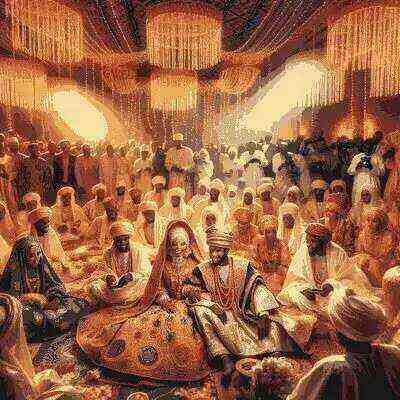
Overview of Niger Wedding Process
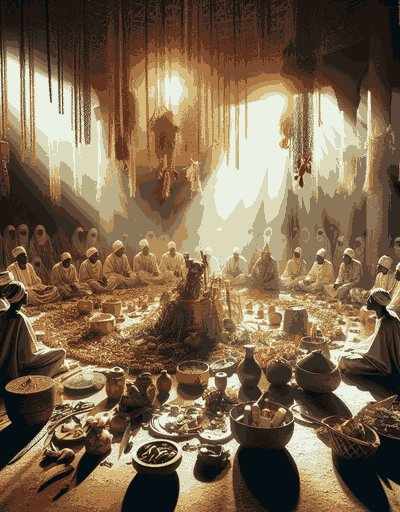
- Pre-Wedding Phase (3-12 months): Family negotiations, bride price discussions, engagement ceremonies
- Wedding Week (3-7 days): Civil registration, Islamic ceremony (nikah), traditional ethnic ceremonies, wedding feasts
- Post-Wedding Period (1-30 days): Bride’s transition ceremony, fertility rituals, family integration celebrations
- Total Cost Range: $2,000-$20,000 USD depending on region and family wealth
- Guest Count: Rural weddings 200-500 guests, urban weddings 100-300 guests
- Key Participants: Extended families, religious leaders, griots (praise singers), community elders
1. Pre-Wedding Traditions and Ceremonies
Niger’s pre-wedding traditions establish family alliances and prepare couples for marriage through elaborate negotiations and ceremonial exchanges lasting 3-12 months before the main celebration.
What is Courtship in Niger?
Courtship in Niger is a formal process involving family intermediaries and traditional protocols that varies by ethnic group, typically lasting 6-18 months with specific rituals like the Tuareg ear-tickling tradition or Hausa family negotiations.
Tuareg Courtship Ritual: Among the nomadic Tuaregs of northern Niger, if a young man is interested in a girl, he sneaks to her tent and tickles her ear. If interested, she engages in conversation and gives him a pendant; if not, she covers her head and he must leave. This centuries-old practice continues in rural Tuareg communities.
Hausa Courtship Customs: The Hausa, Niger’s largest ethnic group, require young men to express interest through trusted intermediaries who approach the girl’s family. Modern urban couples have more autonomy but still seek family approval, particularly for first marriages.
Regional Variations:
- Zarma-Songhai: Use formal family visits with kola nut presentations
- Fulani: Incorporate cattle discussions early in courtship
- Kanuri: Require specific gift exchanges during initial meetings
- Current Practice: Many rural marriages continue to be arranged through family networks, while urban couples increasingly choose partners independently
Niger Engagement Ceremonies
Engagement ceremonies in Niger are formal family agreements involving gift exchanges, ceremonial visits, and public declarations that establish marriage terms and timelines, typically occurring 3-6 months before the wedding.
Hausa Engagement Tradition - Gaisuwa: The largest ethnic group’s engagement begins with “Gaisuwa” (formal greetings), where 5-10 male representatives visit the bride’s family with kola nuts, dates, and initial gifts.
Tuareg Engagement Customs: Following courtship acceptance, families negotiate dowry payments including:
- Silver bracelets (3-7 pieces)
- Leather sandals for desert travel (5-10 pairs)
- Camels (2-10 animals)
- Goats (10-50 animals)
Fulani Tradition: Fulani engagements center on kola nut exchanges symbolizing family agreement, with ceremonies involving 20-50 participants from both families.
Bride Price Negotiations in Niger
Bride price (dowry) in Niger is a traditional payment from groom’s family to bride’s family, including money, livestock, fabric, and household items, demonstrating the groom’s ability to provide and legitimizing the marriage.
Regional Bride Price Components:
| Ethnic Group | Cash Component | Livestock | Other Items |
|---|---|---|---|
| Hausa | Varies by family | 2-10 goats, 1-3 cattle | Fabric, kola nuts |
| Tuareg | Varies by family | 2-10 camels, 10-30 goats | Silver jewelry, leather goods |
| Zarma-Songhai | Varies by family | 5-20 goats, grains | Household items, farming tools |
| Kanuri | Varies by family | 3-15 goats, 1-2 cattle | Ceremonial gifts, spices |
Cultural Note: The vast majority of marriages in Niger include traditional bride price negotiations, with urban families increasingly accepting partial cash payments instead of livestock. The symbolic importance remains intact across all communities.
2. Wedding Ceremonies in Niger
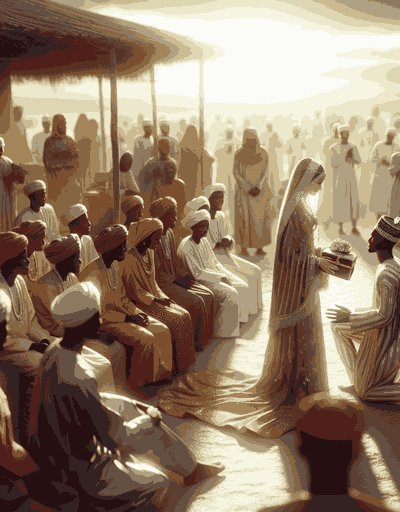
Wedding ceremonies in Niger combine legal requirements, religious obligations, and cultural traditions into elaborate multi-day celebrations involving entire communities.
What are Civil Ceremonies in Niger?
Civil ceremonies in Niger are legally required administrative procedures at government offices, involving document verification, witness signatures, and official registration that must occur before religious ceremonies.
Required Documents:
- Birth certificates for both parties
- National identity cards
- Certificate of celibacy (for first marriages)
- Parental consent (if under 21)
- 2-4 witnesses with valid ID
- Processing time: 1-2 weeks
Current Practice: Most couples complete civil registration within the same week as religious ceremonies. Urban couples in Niamey often schedule civil ceremonies on Thursday mornings, allowing religious ceremonies on Friday. Despite legal necessity, many Nigeriens consider the religious or traditional ceremony to be the “real” wedding.
Islamic Wedding Ceremonies (Nikah)
Islamic wedding ceremonies (nikah) in Niger are religious marriages performed by imams involving Quranic recitation, marriage contracts, and mahr payments, practiced by the vast majority of the population with ceremonies lasting 1-2 hours.
Core Nikah Elements:
- Quranic Recitation: 15-30 minutes of specific verses
- Ijab and Qabul: Exchange of marriage vows repeated 3 times
- Kitab Signing: Written marriage contract with 2-4 witnesses
- Mahr Payment: Groom’s gift to bride (amount varies by family)
- Imam’s Blessings: 10-15 minutes of prayers and advice
Regional Religious Variations:
- Hausa Islamic ceremonies: More formal, conducted in mosques, 100-300 attendees
- Tuareg Islamic ceremonies: Blend with cultural traditions, held in tents, 50-150 attendees
- Fulani ceremonies: Incorporate cattle blessings, outdoor settings, 75-200 attendees
- Kanuri weddings: Feature distinctive prayer sequences, family compounds, 100-250 attendees
Traditional Cultural Ceremonies
Traditional ceremonies in Niger are ethnic-specific celebrations predating Islam that include ritual bathing, music performances, spirit possession rituals, and ceremonial preparations lasting 1-3 days alongside religious requirements.
Hausa Wankan Amarya: The bride’s ritual bathing ceremony involves 10-20 female relatives who wash, perfume, and dress the bride over 3-4 hours, using special soaps and traditional perfumes.
Tuareg Musical Ceremonies: Feature the imzad one-stringed violin played exclusively by women, tende drums, and circle dances with 30-100 participants lasting 4-6 hours nightly.
Zarma-Songhai Spirit Ceremonies: Include specialized musicians performing possession rituals for 2-3 hours, with specific rhythms believed to invoke ancestral blessings, involving 20-40 participants.
Kanuri Hair Rituals:
- Kla Tulta: Washing of bride’s hair with special herbs
- Kla Kerta: Professional hairdresser creates traditional styles over 4-6 hours
3. Wedding Attire and Accessories
Wedding attire in Niger reflects ethnic identity, family wealth, and cultural heritage through elaborate garments and accessories.
What Do Niger Brides Wear?
Niger bridal attire consists of ethnic-specific embroidered garments, ceremonial jewelry, elaborate henna designs, and multiple outfit changes, with brides typically wearing 3-5 different traditional outfits during celebrations.
Hausa Bridal Attire:
- Richly embroidered wrappers and blouses
- Elaborate head coverings with gold thread
- 3-5 outfit changes during ceremonies
- Colors: Vibrant reds, golds, greens, blues
Tuareg Bridal Attire:
- Indigo-dyed garments (tagelmust)
- Silver jewelry sets including 20-50 pieces
- Distinctive leather sandals for desert wear
- Traditional face coverings with decorative elements
Kanuri Gambara: Special bridal outfit featuring intricate embroidery taking 2-3 months to complete, worn exclusively on wedding day.
Henna Traditions - Nalle/Lalle: Professional henna artists create intricate designs on hands, palms, and feet, taking 4-8 hours to apply, symbolizing beauty, blessing, and protection. This tradition shares similarities with Indian wedding mehndi ceremonies and Moroccan henna rituals.
Groom’s Traditional Wedding Attire
Groom’s attire in Niger includes grand boubous or traditional robes, ceremonial headwear, and ethnic-specific accessories that symbolize maturity and readiness for marriage.
Regional Groom Attire:
| Ethnic Group | Main Garment | Headwear | Accessories |
|---|---|---|---|
| Hausa | Grand boubou with embroidery | Hula cap | Leather shoes, prayer beads |
| Tuareg | Indigo Babban Riga/Gandora | Tagelmust (turban) | Silver rings, leather items |
| Fulani | Embroidered robes | Distinctive conical hat | Decorated vest, staff |
| Kanuri | Formal ceremonial robes | Traditional headgear | Embroidered slippers |
Niger Wedding Jewelry and Accessories
Wedding jewelry in Niger represents family wealth and heritage through silver, gold, and coral pieces, with designs carrying protective symbolism for fertility, prosperity, and marital harmony.
Tuareg Silver Jewelry: Master craftsmen create:
- Agadez Cross: Symbolic pendant recognized by UNESCO as Intangible Cultural Heritage
- Silver bracelets: 5-10 pieces
- Elaborate necklaces: 3-7 strands
Hausa Gold and Coral: Traditional sets include:
- Gold necklaces and earrings
- Coral bead strands: 10-20 strings
- Family heirloom pieces: Invaluable, passed through generations
4. Wedding Celebrations and Festivities
Niger wedding festivities demonstrate family prosperity through elaborate feasts, traditional performances, and gift exchanges involving entire communities over 3-7 days.
What Happens at Niger Wedding Feasts?
Niger wedding feasts are communal meals serving 200-500 guests traditional dishes, demonstrating family generosity while strengthening community bonds through shared celebration over multiple days.
Hausa Wedding Menu (serves 300 guests):
- Tuwo: Thick grain pudding - 50kg grain needed
- Miyan Taushe: Pumpkin soup - 30kg pumpkin
- Grilled meat: 3-5 cattle, 10-20 goats
- Rice dishes: 100kg rice
Tuareg Special Beverages:
- Eghajira/Eghale: Millet paste, dates, goat cheese drink
- Prepared for 100-200 guests
- Requires 20kg millet, 10kg dates, 5kg cheese
- Preparation time: 6-8 hours
Kanuri Kalawa Feast:
- Special meal including Brabisco soup from ram organs
- Ram provided by groom’s family
- Serves 150-250 guests
- Preparation involves 20-30 women over 2 days
Music and Dance at Niger Weddings
Music and dance at Niger weddings feature ethnic-specific performances by professional musicians, with traditional instruments, praise singing, and participatory dancing lasting 4-8 hours nightly.
Hausa Musical Traditions:
- Griots (praise-singers): Essential performers at every celebration
- Instruments: Duma, Molo, Ganga, Alghaita, Kakaki
- Performance duration: 4-6 hours per evening
- Participants: 50-200 dancers
Tuareg Performance Elements:
- Imzad players (women only): Central to Tuareg cultural identity
- Tende drum circles: 10-20 drummers
- Circle dances: 30-100 participants
- Duration: 5-8 hours nightly for 3-5 nights
Fulani Wodaabe Traditions:
- Group singing with 20-50 participants
- Clapping, stamping, bell accompaniment
- Gerewol beauty contests for bachelor men
- Performance time: Entire day during festival season
Niger Wedding Gift-Giving Traditions
Gift-giving in Niger weddings involves formal exchanges between families, including household items, clothing, agricultural tools, and livestock, cementing family relationships beyond the couple.
Hausa Kayan Lefe includes:
- Household items: Cooking pots, dishes, bedding
- Clothing: 10-20 wrappers for bride
- Cosmetics and perfumes
Regional Gift Variations:
| Ethnic Group | Traditional Gifts | Modern Additions |
|---|---|---|
| Tuareg | Woven mats, leather goods, tents | Solar panels, phones |
| Zarma-Songhai | Seeds, farming tools, grains | Fertilizer, modern tools |
| Kanuri | Food items, spices, ceremonial goods | Kitchen appliances |
| Fulani | Cattle, dairy equipment | Veterinary supplies |
5. Post-Wedding Traditions
Post-wedding traditions in Niger establish the couple’s new social status through ceremonial transitions, extended celebrations, and fertility rituals lasting 1-30 days after the main ceremony.
Bride’s Transition to New Home Ceremony
The bride’s transition ceremony (Kai Amarya in Hausa) is a processional event involving 20-50 female relatives escorting the bride to her husband’s home with singing, prayers, and threshold rituals, occurring 1-3 days after the main wedding.
Hausa Kai Amarya Process:
- Female relatives gather at bride’s family home (20-50 women)
- Processional songs teaching marital duties
- Journey time: 30 minutes to 2 hours depending on distance
- Threshold blessing ceremonies at new home
- Gifts presented: Household items
Regional Transition Variations:
- Tuareg: Establishing bride’s tent within husband’s camp, 10-20 women helping
- Kanuri: Specific entrance prayers, eldest woman leads bride across threshold
- Zarma-Songhai: Windi Feroo ceremony with drummers accompanying
- Fulani: Bantal ritual with cattle blessings at new home
Post-Wedding Celebration Timeline
Post-wedding celebrations in Niger extend 3-30 days after the main ceremony, with specific gatherings on the 3rd, 7th, and sometimes 30th day, involving 50-200 participants.
Hausa Seven-Day Tradition:
- Day 1-2: Immediate family gatherings (20-30 people)
- Day 3: Ranar Uku - Third day feast (50-100 guests)
- Day 7: Ranar Bakwai - Seventh day celebration (100-200 guests)
- Chambre Nuptiale: Bridal chamber remains decorated
Ethnic Variations Timeline:
| Day | Hausa | Tuareg | Zarma-Songhai | Fulani |
|---|---|---|---|---|
| 3 | Family feast | Music gathering | Female relatives visit | Cattle blessing |
| 7 | Community celebration | Desert gathering | Gift exchanges | Milk ceremony |
| 14 | - | Final music night | - | Integration feast |
| 30 | Extended family reunion | - | Harvest blessing | - |
Fertility and Good Fortune Rituals
Fertility rituals in Niger combine Islamic prayers with traditional practices performed 1-3 months after marriage, involving specialized foods, amulets, and blessings from religious leaders and elders to ensure prosperity and children.
Common Fertility Practices:
- Islamic prayers by imam: Performed weekly for first month
- Special foods believed to enhance fertility:
- Hausa: Specific herb mixtures
- Fulani: Fresh milk ceremonies at sunrise
- Tuareg: Date and milk combinations
- Protective amulets from religious leaders
- Elder women’s blessings: Private ceremonies with 5-10 women
Regional Ritual Variations:
- Hausa: Written Quranic verses placed under bed
- Tuareg: Silver fertility charms worn by bride
- Zarma-Songhai: River blessing ceremonies
- Kanuri: Special incense burning for 40 days
6. Regional Wedding Variations
Niger’s ethnic diversity creates distinct wedding traditions varying by region, with each group maintaining unique ceremonies while sharing common Islamic foundations.
Hausa Wedding Traditions
Hausa weddings in Niger are elaborate 5-7 day celebrations featuring formal Islamic ceremonies, extensive gift displays, ritual bathing, professional praise singers, and processions involving 200-500 guests.
Key Hausa Ceremonies Timeline:
- Day 1: Kayan Lefe (gift display) - 4-6 hours, 100-200 viewers
- Day 2: Wankan Amarya (bride bathing) - 3-4 hours, 20-30 women
- Day 3: Fatihah (Islamic ceremony) - 2 hours, 200-400 guests
- Day 4-5: Feasting and celebrations - 300-500 participants
- Day 6: Kai Amarya (bride’s procession) - 2-3 hours, 50-100 women
- Day 7: Final blessings and departure
Distinctive Hausa Features:
- Elaborate embroidered clothing
- Significant gift exchanges
- Specialized foods: Tuwo and Miyan Taushe for 300+ guests
- Griot performances: 3-5 different groups over celebration
- Professional photographers for full coverage
Tuareg Wedding Traditions
Tuareg weddings are 3-5 day desert celebrations featuring unique courtship rituals, camel processions, silver jewelry exchanges, and distinctive music with the imzad and tende drums.
Tuareg Wedding Components:
- Ear-tickling courtship: Unique tradition continuing for centuries
- Ahal gatherings: Pre-wedding poetry and music, 3-5 nights
- Tislit main ceremony: 2-3 days, 100-300 participants
- Tent raising ritual: Symbolic new home establishment
- Camel processions: 10-50 camels in rural areas
- Silver jewelry: Central to Tuareg bridal identity
Modern Tuareg Adaptations:
- Urban Tuaregs use cars decorated to resemble camel processions
- Traditional indigo clothing maintained even in cities
- Imzad performances now often amplified for larger crowds
- Photography includes traditional desert backdrops
Zarma-Songhai Wedding Traditions
Zarma-Songhai weddings are 4-6 day riverside celebrations emphasizing agricultural traditions, spirit possession ceremonies, specialized musicians, and community participation with 200-400 guests.
Zarma-Songhai Ceremony Sequence:
- Day Kaare: Family agreement - 2 hours, 30-50 participants
- Hiiji: Islamic ceremony - 1.5 hours, 150-300 guests
- Windi Feroo: Bride’s transition - 3 hours with drummers
- Hoonay: Extended celebrations - 3-4 days
- Spirit possession performances: 2-3 hours on specific nights
- Agricultural blessing rituals: For prosperity
Distinctive Elements:
- Specialized spirit musicians
- River fish preparations: For 200-400 guests
- Woven cotton outfits
- Dance competitions with prizes
- Farming tool gifts: Modern and traditional implements
Fulani Wedding Traditions
Fulani weddings are 3-5 day pastoral celebrations featuring cattle exchanges, endurance tests in some clans, distinctive beauty contests (Gerewol), and milk ceremonies.
Fulani Wedding Elements:
- Koobgal: Main ceremony - 4-6 hours, 150-300 guests
- Bantal: New home entry - 2 hours with cattle blessings
- Endurance testing: Limited practice in some clans
- Cattle in bride wealth: 5-20 animals
- Gerewol festival: Annual beauty contests for bachelors
Wodaabe Fulani Specialties:
- Male beauty competitions: Winners chosen as husbands
- Elaborate face painting: 2-3 hours preparation
- Group performances: 30-50 men dancing simultaneously
- Festival duration: 5-7 days during annual gathering
- Tourist attendance: Now includes cultural tourism elements
7. Contemporary Trends and Adaptations
Modern Niger weddings blend traditional practices with contemporary influences, creating celebrations that honor heritage while embracing change.
Urban vs Rural Wedding Differences
Urban Niger weddings typically feature 100-300 guests at formal venues, while rural weddings involve 200-500 guests celebrating in family compounds over extended periods.
Urban Wedding Adaptations:
- Formal venues: Hotels and event centers
- Professional services: Photographers, caterers, planners
- Printed materials: Invitations, programs
- Car processions: 10-30 decorated vehicles instead of walking
- Outfit changes: 5-7 including Western-style wedding dress
- Timeline: Compressed to 2-3 days
Rural Wedding Continuity:
- Family compounds: Traditional venue at no rental cost
- Community preparation: Neighbors contribute labor and resources
- Extended timeline: Full 5-7 day celebrations
- Traditional processions: Walking with drums and singing
- Conservative attire: Strictly traditional garments
- Guest accommodation: Family homes and temporary structures
Islamic-Traditional Balance in Modern Weddings
The Islamic-traditional synthesis in Niger creates weddings where Islamic requirements blend with ethnic customs, producing ceremonies that fulfill religious obligations while preserving cultural identity through parallel ritual structures.
Areas of Integration:
- Religious ceremonies: Conducted alongside traditional celebrations
- Modesty adaptations: Traditional attire modified for Islamic requirements
- Blessing combinations: Islamic prayers with traditional fertility rituals
- Gift systems: Islamic mahr practiced with traditional bride price
- Music modifications: Traditional instruments with religious songs
- Gender considerations: Separate celebrations respecting both traditions
Current Balance by Region:
- Urban educated families: Stronger emphasis on Islamic elements
- Rural communities: Stronger emphasis on traditional practices
- Conservative areas: More Islamic components
- Tourist regions: Emphasize traditional elements for cultural preservation
International Influences on Niger Weddings
International influences impact urban Niger weddings through Nigerian media, returning diaspora, and social media, introducing wedding cakes, professional planning, and destination wedding concepts while maintaining core traditions.
Sources and Impacts:
| Influence Source | Common Adoptions |
|---|---|
| Nigerian Media | Music styles, fashion |
| French Colonial | Cake cutting, champagne |
| Middle Eastern | Formal reception halls |
| Western/Internet | Photography styles, hashtags |
| Diaspora Returns | Destination elements |
Modern Wedding Services Industry
Niger’s wedding services industry has grown significantly since 2015, with professional planners, photographers, and specialized vendors serving urban markets.
Professional Services Available:
- Wedding planners: Full-service coordination
- Photography/videography packages
- Catering services
- Decoration services
- Sound system rental
- Transportation coordination
Industry Growth Factors:
- Urban population increase
- Disposable income rise among middle class
- Social media influence: Instagram-worthy celebrations
- Diaspora connections: International standard expectations
- Women’s employment: Dual-income families
8. Destination Weddings and International Options
While traditional celebrations dominate, affluent Nigerien couples increasingly explore international wedding options, particularly in the diaspora community.
Las Vegas Wedding Options for Nigeriens
Las Vegas wedding packages attract Nigerien diaspora couples seeking to blend American wedding experiences with cultural elements, offering unique photo opportunities and simplified logistics.
Vegas Package Considerations:
- Basic ceremony at chapel
- Photography for iconic locations
- Reception options available
- Cultural adaptations: Some chapels accommodate Islamic ceremonies
- Legal recognition: Requires authentication for Niger validity
- Travel costs from Niger
International Destination Wedding Trends
Destination weddings for affluent Nigeriens occur in Dubai, Morocco, France, and other locations, combining tourism with simplified guest lists.
Popular Destinations:
| Destination | Appeal |
|---|---|
| Dubai | Islamic-friendly, luxury |
| Morocco | Cultural similarity |
| France | Diaspora connections |
| Senegal | Regional option |
| Las Vegas | Unique experience |
Hybrid Celebration Models
Hybrid weddings combine traditional Niger ceremonies with international receptions, allowing couples to honor family expectations while creating unique experiences.
Common Hybrid Approaches:
- Traditional ceremony in Niger + destination reception
- Nikah at home + secular celebration abroad
- Family wedding in village + friends’ party in city/abroad
- Multiple ceremonies across different countries
- Virtual streaming connecting multiple locations
Planning Tip: Hybrid wedding celebrations require 12-18 months of preparation to coordinate logistics across locations, but many couples report high satisfaction with this approach for balancing family expectations with personal preferences.
9. Modern Adaptations and 2025 Trends
Niger wedding traditions continue evolving while maintaining cultural foundations, with recent years bringing technological integration and environmental consciousness.
Digital Integration in Niger Weddings
Digital technology now features in many urban Niger weddings through live streaming, wedding hashtags, drone photography, and digital invitations.
Technology Adoption:
- Social media coverage: More common in urban weddings
- Live streaming: For diaspora family members
- Digital payments: Mobile money gifts becoming accepted
- Online planning tools: Wedding websites gaining popularity
- Drone photography: At urban celebrations
- LED decoration: For evening celebrations
Sustainable Wedding Practices
Eco-conscious weddings emerge among educated urban couples, reducing waste through biodegradable decorations, local sourcing, and smaller guest lists while maintaining cultural authenticity.
Sustainability Adaptations:
- Local flower use: Reduces import costs
- Reusable decorations: Shared among community
- Food waste reduction: Precise guest counting, donations
- Transportation pooling: Organized group travel
- Digital invitations: Eliminates paper waste
- Solar power: For rural evening celebrations
Post-Pandemic Wedding Evolution
The COVID-19 pandemic permanently changed some aspects of Niger weddings, with smaller guest lists, hygiene protocols, and hybrid virtual-physical celebrations becoming more normalized.
Lasting Changes:
- Guest limitations: Now preferred by some couples
- Hygiene stations: Standard at many celebrations
- Outdoor preferences: More couples choosing open-air venues
- Simplified menus: Individual servings vs communal
- Shortened timelines: 2-3 days vs 5-7 days
- Cost consciousness: Many families reassessing spending priorities
Future Trends for Niger Weddings
Looking ahead, Niger weddings will likely feature increased technology use, continued urban-rural divergence, stronger cultural preservation efforts in response to globalization, and growth in the professional wedding industry.
Anticipated Developments:
- Virtual reality: Diaspora participation technology
- Cultural tourism: Traditional weddings as attractions
- Professional growth: Industry expansion expected
- Legal evolution: Simplified civil procedures
- Gender equality: Women’s roles in planning expanding
- Regional cooperation: Cross-border celebration packages
10. Frequently Asked Questions
How much does a typical wedding cost in Niger?
Wedding costs in Niger vary significantly based on location, ethnic traditions, and family circumstances. Rural weddings tend to cost less than urban celebrations, with the largest expenses including bride price, feeding guests over multiple days, traditional attire for the couple, and venue/services in cities.
What is the typical duration of Niger wedding celebrations?
Niger weddings typically last 3-7 days, with Hausa weddings extending 5-7 days, Tuareg celebrations lasting 3-5 days, and urban weddings often compressed to 2-3 days. The timeline includes pre-wedding preparations (1-2 days), main ceremonies (1-2 days), and post-wedding celebrations (1-3 days). Many rural weddings maintain the full traditional duration while urban weddings tend to be shorter.
Can foreigners marry in Niger following traditional customs?
Yes, foreigners can marry in Niger by completing civil requirements at government offices, participating in Islamic ceremonies if applicable, and incorporating traditional customs with family permission. Required documents include valid passports, birth certificates, certificates of celibacy, and residency permits for stays over 3 months. Mixed couples often create hybrid ceremonies honoring both cultures.
What are the main differences between ethnic wedding traditions?
The main differences center on courtship methods (Tuareg ear-tickling vs Hausa intermediaries), bride price components (Tuareg camels vs Hausa cattle/money), ceremonial music (Tuareg imzad vs Hausa drums), attire styles (Tuareg indigo vs Hausa embroidery), and celebration duration (Hausa 5-7 days vs Fulani 3-5 days). However, all groups share Islamic ceremonies, family involvement, gift exchanges, and communal feasting.
What gifts are appropriate for Niger weddings?
Appropriate wedding gifts include cash (amount depending on relationship), household items (cooking pots, bedding), fabric lengths (10-20 meters), or livestock in rural areas (goats, sheep). Close family members give more substantial gifts, while friends typically contribute smaller amounts. Modern urban couples may create registries, but cash remains widely appreciated.
How has Islam influenced traditional wedding practices?
Islam has fundamentally shaped Niger weddings since the 11th century, with most ceremonies now including nikah (Islamic marriage), gender-segregated celebrations, modest dress requirements, and prohibition of alcohol. Traditional practices persist within Islamic frameworks through parallel ceremonies, with fertility rituals incorporating Quranic prayers, traditional music adapted to religious themes, and bride price systems coexisting with Islamic mahr requirements.
What role do griots play in Niger weddings?
Griots (praise-singers) serve as cultural historians, genealogists, and entertainers at weddings. They recite family histories, sing traditional songs, facilitate gift exchanges, and provide social commentary throughout celebrations. Hausa weddings typically feature 3-5 griot groups, with lead performers earning higher fees. Their presence remains essential for validating family status and ensuring proper protocol adherence.
Are arranged marriages still common in Niger?
Arranged marriages remain prevalent in Niger, particularly in rural areas, while urban unions increasingly involve independent partner choice. Modern arrangements often allow couple meetings before agreement, unlike historical practices. Families consider education levels, economic compatibility, ethnic background, and religious devotion when arranging matches. Young urban professionals increasingly choose partners independently but seek family blessing for marriage success.
What happens if wedding customs aren’t followed properly?
Improper custom observance can result in social consequences including family honor concerns, marriage legitimacy questions, and community disapproval. Essential requirements include proper bride price payment, Islamic ceremony completion, and family blessing receipt. While urban families show more flexibility, rural communities maintain stricter adherence. Remedial ceremonies can address omissions in most cases.
How do Niger diaspora communities maintain wedding traditions abroad?
Diaspora communities maintain traditions through cultural associations organizing group ceremonies, importing traditional musicians and officiants, creating adapted versions of customs, and livestreaming to home communities. Common adaptations include compressed timelines (1-2 days), rented cultural centers replacing family compounds, catered traditional foods, and symbolic bride price exchanges. Many couples plan return visits to Niger for blessing ceremonies to maintain homeland connections.
Frequently Asked Questions
How long does a traditional Niger wedding celebration last?
Traditional Niger weddings typically last 3-7 days, including pre-wedding ceremonies, main celebrations, and post-wedding rituals.
What is the typical bride price (dowry) in Niger?
Bride price in Niger ranges from $500-$5,000 USD, usually paid in a combination of livestock, cash, and household items.
Are Niger weddings religious ceremonies?
Yes, Niger weddings typically combine Islamic ceremonies (nikah) with traditional ethnic rituals and civil registration.
How many guests attend a typical Niger wedding?
Niger weddings usually host between 200-500 guests across the various ceremonies and celebrations.
What traditional attire is worn at Niger weddings?
Wedding attire varies by ethnicity but typically includes elaborate traditional garments and jewelry worth $500-$5,000 USD per couple.
Are there pre-wedding ceremonies in Niger?
Yes, pre-wedding traditions include family negotiations, engagement ceremonies, and dowry discussions lasting 3-12 months.
What happens during post-wedding celebrations?
Post-wedding celebrations include bride transition rituals, fertility ceremonies, and family integration events lasting 1-30 days.
How are modern Niger weddings different from traditional ones?
Modern Niger weddings often blend traditional customs with urban influences, digital elements, and sustainable practices.
What role does music play in Niger weddings?
Traditional music and dance performances are integral to Niger weddings, featuring ethnic-specific songs and ceremonial dances.
Are destination weddings common in Niger?
Destination weddings are emerging as an option for affluent couples but remain less common than traditional community celebrations.