Palestinian Territory Wedding Traditions
When Your Wedding Timeline Becomes a Community Project
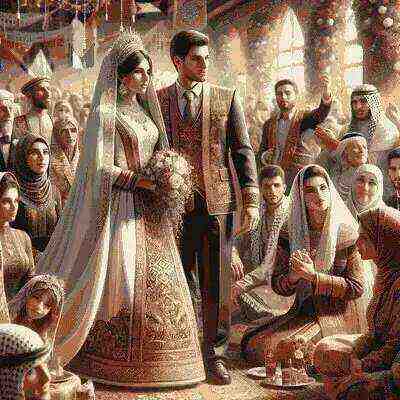
The 12-Month Marathon That Turns Families Into Event Planners
Palestinian wedding planning begins with mathematical precision and ends with beautiful chaos. A full year before the big day, families initiate the TulbaTUL-ba (formal proposal), a ceremony that’s part negotiation, part theater, and entirely nerve-wracking for the groom’s family arriving with 10-30 relatives to formally request the bride’s hand.
Six months out, the KhitbahKHIT-ba (engagement party) transforms from intimate promise to public declaration, while families scramble to book venues that can accommodate the inevitable 200-500 guests (because your mother’s third cousin’s neighbor absolutely must be invited). Three months before, guest lists become diplomatic documents rivaling peace treaties in complexity.
Pro Tip: Start your venue search 8 months early. The best Palestinian wedding halls book fast, especially for summer dates when diaspora families can travel home.
The final week explodes into controlled chaos. Laylat al-HennaLAY-lat al-HEN-na (henna night) preparations consume entire households as aunties coordinate food, teenage cousins practice their zaghareetzagh-a-REET (ululation), and the bride tries on her thobeTHO-beh (traditional embroidered dress) for the hundredth time. The wedding day itself requires military-level logistics: coordinating the Katb al-Kitabkatb al-ki-TAB (marriage contract) signing, organizing the ZaffeZAFF-eh (musical procession), and ensuring enough mansafMAN-saf (lamb in yogurt sauce) to feed a small army.
Time Management: Palestinian families master the art of “Arab time” during weddings, events scheduled for 7 PM might start at 9 PM, but everyone expects this. Build buffer time into your timeline, especially for the Zaffe procession through city streets.
The Art of Asking: Pre-Wedding Traditions That Set the Stage
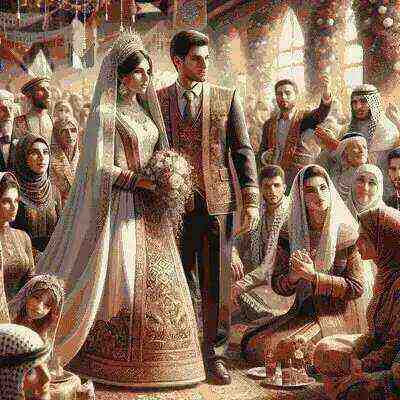
When 30 People Show Up to Ask One Question (And Everyone Already Knows the Answer)
Picture the scene: The groom’s family, dressed in their finest, arrives at the bride’s home carrying trays of baklava (honey-soaked pastry) and Arabic coffee. The living room fills with nervous energy as 10-30 family members arrange themselves for the TulbaTUL-ba ceremony. Everyone knows why they’re here, but tradition demands we perform this ancient dance of formal request.
The Tulba costs between 740-3,700 ILS ($200-$1,000 USD), not for the ceremony itself, but for the elaborate refreshments that transform living rooms into temporary banquet halls. MalmahrMAH-rders discuss mahr (dowry) arrangements while women prepare enough food to feed the extended family twice over. In Ramallah’s modern apartments, brides now join these negotiations directly. In rural villages near Nablus, women still participate through male representatives, whispering their conditions from adjoining rooms.
Budget Alert: Tulba refreshments average 740-1,850 ILS ($200-$500 USD) for sweets and beverages. Families often overprepare, leftover sweets become gifts for neighbors who couldn’t attend.
What makes modern Tulba ceremonies fascinating is their hybrid nature. Diaspora families beam in via video calls from Detroit or Berlin, traditional Arabic flows alongside English translations, and dowry negotiations might include discussions about graduate school support alongside gold jewelry. Urban families increasingly treat the mahr as symbolic, with some couples setting it at just 1 ILS “and a lifetime of morning coffee”, while rural traditions maintain substantial amounts of 3,700-18,500 ILS ($1,000-$5,000 USD).
The Night Laylat al-HennaLAY-lat al-HEN-nars Become Artists and Brides Become Canvases
Laylat al-Henna transforms ordinary Thursday evenings into feminine celebrations that would make bachelorette parties look tame. Held 1-2 days before the wedding, this 4-6 hour extravaganza costs 3,700-18,500 ILS ($1,000-$5,000 USD) and involves 50-200 women creating an atmosphere somewhere between ancient ritual and modern party.
The henna artist, usually a woman whose skills have been passed down through generations, arrives like a celebrity. Armed with cones of dark paste and decades of experience, she transforms the bride’s hands and feet into intricate gardens of geometric patterns and floral designs. Each symbol carries meaning: cypress trees for immortality, eight-pointed stars for balance, protective evil eye motifs hidden within swirls.
Musical Note: Traditional henna night songs can last 20-30 minutes each, with older women teaching younger generations the words. Record these, they’re family treasures that often aren’t written anywhere.
Modern Palestinian henna nights in 2024 have evolved into Instagram-worthy productions. LED lights create ethereal backdrops, professional photographers capture every detail, and that one cousin who studied in Dubai introduces Gulf-style henna patterns that scandalize the aunties (before they secretly ask for the same design). In Gaza, these celebrations adapted to conflict realities, moving from wedding halls to family homes, reducing guest lists to 50-100, but maintaining the essential joy that defines them.
The Vibe: Imagine your most extra aunt planning a party with unlimited budget and cultural significance. There will be crying (happy tears), dancing (everyone), eating (constantly), and at least one dramatic moment when the bride’s henna smudges and her mother treats it like a catastrophe before someone fixes it in 30 seconds. Similar elaborate pre-wedding celebrations occur in neighboring Jordanian and Lebanese traditions.
The Day Everything Changes: Wedding Ceremonies That Blend Sacred and Celebratory
The Contract That’s More Than Paper (And Why Everyone Cries)
Dawn breaks on wedding day with the Katb al-Kitabkatb al-ki-TAB ceremony, a 30-45 minute ritual that transforms two individuals into one family unit under religious law. Taking place in mosques or family homes with 10-50 witnesses, this ceremony costs a modest 370-1,850 ILS ($100-$500 USD) but carries immeasurable weight.
The imam arrives early, greeting family members while mentally preparing for the delicate balance of tradition and modernity each couple brings. The mahrMAH-r negotiated months ago during TulbaTUL-ba now becomes official, whether it’s 3,700 ILS ($1,000 USD) in gold coins or a symbolic ring worth the promise it represents. Two male witnesses verify consent, though urban ceremonies increasingly see brides speaking for themselves rather than through a wakilwa-KEEL (male representative).
Critical Warning: Katb al-Kitab documents require specific legal formatting. Hire an experienced imam familiar with Palestinian Authority requirements to avoid bureaucratic nightmares later.
What makes these ceremonies profound isn’t just the religious significance, it’s the moment when months of planning crystallize into reality. Mothers who’ve been strong throughout preparations suddenly tear up. Fathers who negotiated dowries with business-like precision find their voices cracking during blessings. Even in Gaza, where ceremonies happened between periods of conflict, families insisted on proper Katb al-Kitab rituals, because love doesn’t wait for peace.
Christian Palestinians, comprising a small but significant portion of the population, experience equally moving ceremonies in Bethlehem’s ancient churches. The stone walls that witnessed centuries of unions echo with liturgical songs as priests bless rings and couples exchange vows in Arabic and Armenian, creating soundscapes unique to this land.
When the Whole Neighborhood Becomes Your Wedding PartyZaffeZAFF-eh>Forget subtle arrivals, the Zaffe announces your marriage with the subtlety of a brass band in a library. This 30-60 minute musical procession costs 1,850-7,400 ILS ($500-$2,000 USD) but delivers entertainment value that no DJ could match. Picture 100-300 people flowing through streets like a river of joy, led by professional musicians playing derbake (goblet drums) and mizmar (wind instruments) that can be heard three neighborhoods away.
The traditional scene remains breathtaking: grooms carried on shoulders or riding decorated horses while female relatives surround the bride’s flower-covered car, their zaghareet piercing the air every few seconds. Streets transform into stages decorated with Palestinian flags and strings of lights. Shopkeepers emerge to throw rice and rose petals, children run alongside the procession, and even cynical teenagers put down their phones to join the excitement.
Fun Fact: The loudest zaghareet often comes from unexpected sources, that quiet aunt who barely speaks at family dinners might have vocal cords that could shatter glass when properly motivated.
Modern urban Zaffe processions in Ramallah feature Mercedes convoys and drone photography, but the essence remains unchanged. Gaza’s security situation shortened processions to 15-20 minutes within single neighborhoods, yet families compensate with intensity, if you only have 20 minutes to announce your joy to the world, you make every second count.
Survival Tip: Wear comfortable shoes. You will dance. You will walk. Resistance is futile, and your feet will thank you later.
When 500 Guests Dance Like Nobody's Watching (But Everyone's Recording)
The Ancient Dance That Makes TikTok Look Amateur
Nothing, absolutely nothing, prepares you for the moment when Palestinian wedding Dabke reaches full intensity. This isn’t just dancing; it’s synchronized storytelling through movement where 50-200 guests lock hands and create human chains that pulse with thousands of years of tradition. The lawih (dance leader) emerges, usually the groom or a designated expert, twirling a handkerchief or cane while leading increasingly complex patterns.
The basic six-count step seems simple until you’re trying to maintain it while your 75-year-old uncle increases the tempo and someone’s cologne-drenched cousin breaks the line with an improvised solo. Professional Dabke troupes, hired by many urban weddings for 1,850-5,550 ILS ($500-$1,500 USD), perform choreographed sequences on LED dance floors that would make Broadway jealous. But the real magic happens when three generations link hands, grandmothers who learned these steps as children teaching great-grandchildren born in New Jersey or Amman.
Pro Tip: Don’t be the person who breaks the Dabke line. If you’re unsure about steps, position yourself between two experienced dancers and follow their lead. They’ll guide you.
Regional variations tell Palestine’s diverse story through movement. Northern Palestinian Dabke flies at breathtaking speed, feet barely touching ground. Gaza’s version incorporates sword dances for men, a display of strength that predates modern conflicts by centuries. Christian communities blend liturgical music with traditional rhythms, creating unique fusion moments where church bells accompany tabla drums. Similar line dances feature prominently in Syrian and Iraqi celebrations.
The Feast That Proves Love Through Abundance
The Walima reception embodies Palestinian hospitality pushed to its absolute limits. This 4-8 hour feast, costing 18,500-55,500 ILS ($5,000-$15,000 USD), serves 200-500 guests with enough food to ensure no one leaves merely satisfied, they leave overwhelmed. The tradition fulfills Islamic requirements for publicly celebrating marriage, but Palestinians elevated it to an art form.
Traditional menus read like love letters to Levantine cuisine. Mansaf, lamb swimming in fermented yogurt sauce over golden rice, arrives on platters requiring two people to carry. Maqluba (upside-down rice) gets flipped with ceremonial flair, vegetables and meat creating edible architecture. Mezze spreads cover entire tables: hummus swirled with olive oil, baba ghanoush smoky from charred eggplant, tabbouleh so fresh the parsley was picked that morning, and enough pita bread to build a small fortress.
Budget Alert: Catering averages 74-185 ILS ($20-$50 USD) per guest. Traditional family-style service costs less than individual plating but requires more food, as Palestinians believe running out of food at a wedding brings seven years of bad luck (this might not be official, but try telling that to any Palestinian mother).
Modern 2024 Walima celebrations balance tradition with contemporary tastes. International stations appear alongside traditional spreads, sushi beside stuffed grape leaves, pasta stations near kibbeh displays. Urban venues offer climate-controlled comfort for 300-500 guests, while rural celebrations maintain the charm of outdoor tents where eating happens on carpeted floors from communal platters, forcing intimacy among strangers who become family over shared meals.
Gaza’s recent celebrations tell different stories. Families simplified menus to basic rice and chicken dishes when ingredients became scarce, yet the spirit remained intact. The couple insisted on celebrating life despite everything, proving that the feast is about more than food.
The Threads That Bind: Traditional Elements Woven Into Modern Love
Why Every Stitch Tells a Story (And Costs a Fortune)
The Palestinian wedding thobe represents wearable history, each geometric pattern, every red and green thread, maps the bride’s ancestry across generations. These hand-embroidered masterpieces require 3-6 months of meticulous work and cost 3,700-11,100 ILS ($1,000-$3,000 USD), making them investment pieces treasured beyond their wedding day use. The art of Palestinian embroidery (tatreez) is recognized by UNESCO as Intangible Cultural Heritage.
Each region’s embroidery speaks its own dialect. Ramallah’s designs feature intricate cross-stitch patterns. Gaza’s thobes explode with colorful intensity. Hebron’s famous couched gold threads catch light with every movement. The motifs carry protection and blessings: eight-pointed stars for balance in marriage, cypress trees for immortality of love, and geometric evil eye patterns protecting against jealousy (essential when you look that good).
Good to Know: Modern brides often commission two thobes, one traditional for family photos and ceremonies, one contemporary interpretation for dancing. Some designers now create shortened versions that won’t trip you during intensive Dabke sessions.
The contemporary bride’s journey often involves three costume changes: white Western gown for the ceremony (because those photos), traditional thobe for the reception (because grandmother), and a party dress for late-night dancing (because comfort). Grooms navigate simpler choices, formal suits costing 1,850-3,700 ILS ($500-$1,000 USD) for urban weddings, occasional dishdasha (traditional robes) for religious ceremonies, or the ultimate power move: designer suit with traditional keffiyeh (checkered headdress) draped precisely.
Wedding jewelry transcends mere adornment. The mahr gold, necklaces, bracelets, earrings weighing 50-200 grams and valued at 18,500-74,000 ILS ($5,000-$20,000 USD), serves as financial security and family heirloom. Smart brides negotiate for 21-karat pieces that maintain value, while romantic grooms sometimes surprise with custom designs incorporating both families’ symbols.
The Soundtrack of Celebration: When Traditional Meets Tropical House Remix
Palestinian wedding music creates sonic landscapes where ancient melodies meet modern beats. Professional bands charging 1,850-5,550 ILS ($500-$1,500 USD) arrive with arsenals: the oud (stringed lute) for soulful moments, tabla (paired drums) driving dance rhythms, derbake providing heartbeat bass lines, and the mizmar whose penetrating sound announces joy to the heavens.
The musical journey follows emotional arcs. Slow, contemplative pieces accompany Katb al-Kitab signings, voices raised in prayer and ancient melodies. The Zaffe explodes with rhythmic intensity designed to move feet and hearts simultaneously. Reception music alternates between traditional songs everyone knows by heart and modern Arabic pop that gets millennials on the dance floor.
Musical Note: “Ala Dal’ona” will be played. Resistance is futile. Learn the words, or at least hum convincingly while clapping on beat.
But here’s what makes Palestinian wedding music magical: the moment when the DJ’s EDM remix fades and someone’s grandfather picks up a traditional rabab (one-stringed instrument), silencing 400 people with melodies his grandfather taught him. Or when teenage cousins, raised on Spotify, suddenly know every word to wedding songs last popular in their grandparents’ youth, cultural DNA activating through sound.
Modern fusion creates beautiful chaos. Recent Ramallah weddings featured traditional takht (ensemble) performing alongside DJs who specialized in Arabic-electronic fusion. The resulting sound, oud melodies over deep house beats, mijwiz (double-piped reed) soaring above synthesizers, had elderly aunties and young cousins dancing together, proving rhythm transcends generations.
Geography Shapes Celebration: How Location Defines Your Wedding Style
Urban Extravagance vs Rural Authenticity: Same Love, Different Expressions
Step into a Ramallah hotel ballroom hosting a Palestinian wedding, and you’ll find 300-400 guests navigating assigned seating charts while professional event planners coordinate multiple moving parts with smartphone precision. These urban celebrations, costing 55,500-111,000 ILS ($15,000-$30,000 USD), blend Palestinian tradition with cosmopolitan polish, think Dabke on marble floors and mansaf served by uniformed waitstaff.
Urban couples often meet through universities or workplaces, leading to shorter engagements of 6-8 months that challenge traditional planning timelines. Mixed-gender celebrations shock rural relatives while delighting younger guests. Professional services handle everything: wedding planners, photographers who studied in Paris, florists creating installations worthy of international design magazines. The bride might arrive in a Tesla decorated with orchids rather than a flower-covered Mercedes.
Money Matters: Urban weddings cost more than rural celebrations, but offer payment plans. Many Ramallah venues accept installments over 12 months, crucial when competing with regional salary scales.
Travel 30 kilometers to villages surrounding Nablus, and weddings become community productions. Guest lists swell to 500-1,000 people through unwritten rules: if you know the family name, you’re invited. Costs drop to 37,000-55,500 ILS ($10,000-$15,000 USD) because neighbors contribute everything, women gather to prepare food in communal ovens, men construct temporary structures, teenagers handle decorations.
These rural celebrations maintain authenticity urban weddings sometimes sacrifice for convenience. Gender separation remains complete throughout ceremonies. Week-long celebrations allow each tradition its full expression. The bride’s thobe features embroidery patterns specific to her grandmother’s village, recognizable to cultural insiders like a detailed family tree. Food preparation becomes performance art, with massive pots of mansaf stirred by teams of women whose synchronized movements resemble choreographed dances.
When Faith Shapes Tradition: Muslim and Christian Celebrations
Palestinian Muslim weddings, representing the vast majority of marriages, navigate religious requirements with cultural flair. The Katb al-Kitab follows strict Islamic guidelines while incorporating distinctly Palestinian elements. Registered imams validate contracts, ensuring mahr agreements comply with Sharia principles. No alcohol appears at receptions, but the energy never suffers, when 400 people fuel their Dabke with Arabic coffee and adrenaline, wine becomes redundant.
Religious timing shapes everything. Ramadan weddings disappear from calendars, while post-Eid celebrations explode with pent-up festive energy. Friday afternoon ceremonies allow maximum attendance at mosque blessings. Conservative families maintain complete gender separation, parallel parties where men and women celebrate identically but separately, connected by children running messages between halls.
Important Note: Muslim Palestinian weddings often feature nasheed (religious songs) alongside traditional music. These a cappella performances can be hauntingly beautiful, prepare tissues.
Christian Palestinians, concentrated in Bethlehem, Beit Jala, and Jerusalem, create ceremonies where East meets West meets Sacred. Church weddings in locations like the Church of the Nativity cost 1,850-3,700 ILS ($500-$1,000 USD) just for venue and clergy, but the historical resonance proves priceless. Orthodox ceremonies stretch longer than Catholic ones, with more incense and ancient Aramaic prayers that transport guests across millennia.
These celebrations embrace contrasts. Wine flows freely, often from Palestinian vineyards in Cremisan or Taybeh. Sunday weddings accommodate church schedules. Mixed-gender dancing starts immediately, with priests sometimes joining Dabke lines (the sight of robed clergy keeping perfect rhythm while maintaining ecclesiastical dignity deserves its own designation). Yet Arabic culture dominates, Zaffe processions accompany church bells, traditional foods fill reception tables, and someone’s teta (grandmother) will zaghareet during the couple’s first dance, Orthodox propriety notwithstanding.
Love in the Time of WiFi: How Technology Transforms Tradition
When Your Diaspora Cousin DJs Your Wedding Via Zoom
Palestinian weddings in 2024 exist simultaneously in physical and digital spaces. With many couples livestreaming ceremonies, geographic boundaries dissolve, cousins in California dance alongside aunts in Amman through screens strategically placed around reception halls. Professional photography packages, costing 1,850-7,400 ILS ($500-$2,000 USD), now include “social media managers” who curate Instagram stories in real-time.
The transformation goes deeper than mere documentation. Couples create wedding hashtags mixing Arabic and English, letting guests become co-creators of digital memories. Pinterest boards influence henna designs more than traditional pattern books. TikTok Dabke tutorials teach diaspora youth steps their parents forgot. Some creative couples commission Palestinian digital artists to create unique wedding invitations, technological tradition for the digital age.
Pro Tip: Hire a dedicated “phone wrangler” to collect guests’ devices during key moments. Nothing ruins a first dance like 50 phone screens blocking actual faces.
Virtual participation, normalized during COVID lockdowns, remains standard. Zoom Zaffe processions feature relatives carrying laptops showing overseas family members, creating surreal but touching moments of digital presence. Facebook Live Katb al-Kitab ceremonies allow global witnessing of religious contracts. WhatsApp groups buzz with real-time commentary, creating parallel virtual receptions where distant relatives share memories and photos.
The money follows the technology. Digital payment systems replaced cash gifts in urban areas, couples share bank details or PayPal accounts on invitations. Some tech-savvy grooms transfer mahr payments via modern financial apps, though traditional families insist physical gold maintains meaning pixels cannot replicate. Online registries list honeymoon funds alongside traditional household items, acknowledging modern Palestinian couples often combine established households rather than starting from scratch.
Resilience Through Celebration: Weddings as Cultural Preservation
Economic reality shapes 2024 Palestinian wedding adaptations profoundly. Gaza celebrations, stripped to essentials by conflict and blockade, reveal tradition’s resilient core. Guest lists shrink from 500 to 50, venues shift from halls to homes, menus simplify from feasts to shared meals, yet joy persists, perhaps intensifies, when each celebration feels stolen from circumstances trying to prevent it.
Cost Comparison: Gaza weddings in recent years average 18,500-55,500 ILS ($5,000-$15,000 USD), significantly less than pre-conflict celebrations, but emotional investment increases proportionally. Families pool resources through jamiyah (rotating credit associations), ensuring no couple foregoes marriage due to finances.
West Bank weddings navigate different challenges. Checkpoint delays require contingency planning, backup musicians in case primary bands can’t traverse closures, local caterers replacing Jerusalem specialists, multiple date options accommodating travel uncertainties. Weddings become legendary not for their luxury but for their logistics, successfully gathering hundreds of guests despite closures requires tactical genius rivaling military operations.
Young Palestinians transform limitations into statements. “Resistance weddings” incorporate Palestinian flags into every design element. Traditional music emphasizing cultural identity replaces pop influences. Instead of expensive decorations, couples donate equivalent amounts to community organizations, projecting receipts during receptions. These celebrations say: we persist, we thrive, we dance while the world watches.
Celebration Tip: Many 2024 couples include “resilience rituals”, moments acknowledging current struggles while celebrating hope. These might include special dances, prayers, or donations announced during cake cutting.
Your Burning Questions Answered
How much does a typical Palestinian wedding cost?
Great question, and the answer might surprise you with its range. Palestinian weddings cost between 37,000-111,000 ILS ($10,000-$30,000 USD), but that’s like saying cars cost between a Kia and a Mercedes, technically true but missing the story. Urban celebrations in Ramallah or Bethlehem run higher because hotel ballrooms don’t negotiate like Aunt Fatima’s backyard. Your basic breakdown: venue rental eats 7,400-22,200 ILS ($2,000-$6,000 USD), feeding 300 guests (minimum, because Palestinian families multiply like mathematical equations) costs 22,200-55,500 ILS ($6,000-$15,000 USD), and that stunning thobe runs 3,700-11,100 ILS ($1,000-$3,000 USD).
Don’t forget the mahr (dowry), another 3,700-18,500 ILS ($1,000-$5,000 USD) typically paid in gold that becomes the bride’s security blanket. Gaza weddings in 2024 adapted to harsh realities, dropping to 18,500-55,500 ILS ($5,000-$15,000 USD) through simplified celebrations that prove love doesn’t require luxury. Pro tip: Palestinian families are masters of creative financing through jamiyah (community savings groups) where everyone chips in monthly, creating wedding funds without bank loans.
How long do Palestinian weddings last?
The short answer? Longer than your stamina but shorter than your grandmother wishes. Traditional Palestinian weddings span 3-7 days, though urban families often condense to 2-4 days because employers rarely accept “my cousin’s wedding week” as vacation justification. The marathon begins with pre-wedding events like Laylat al-Henna (henna night) 1-2 days before the main event, followed by the wedding day itself, a 8-12 hour endurance test starting with morning Katb al-Kitab (marriage contract) ceremonies and ending when the last auntie stops dancing (approximately never).
Rural celebrations maintain the full week-long experience, with different villages hosting sequential events like a touring festival of love. The Zaffe (musical procession) alone takes 30-60 minutes, while the Walima (feast) stretches 4-8 hours because Palestinians believe rushed eating causes indigestion and dishonors the chef. Consider this your warning: wear comfortable shoes, pace your mezze consumption, and maybe start training your Dabke muscles now.
Who typically attends Palestinian weddings?
Everyone. No, seriously, everyone. Palestinian weddings average 200-500 guests, with traditional celebrations reaching 1,000 attendees through the complex mathematics of Arab hospitality. Here’s how it works: start with immediate family (50 people minimum because Palestinian families don’t do “small”), add cousins (multiply by 3.5 for accuracy), include aunts and uncles (each bringing uninvited plus-ones), factor in family friends, neighbors, the baker who makes excellent knafeh, and that nice family your mother met at the mosque last week.
Laylat al-Henna traditionally includes 50-200 female relatives and friends, while Katb al-Kitab involves a more intimate 10-50 close family witnesses. Rural weddings operate on open invitation principles, if you can pronounce the family name correctly, you’re basically invited. Urban celebrations attempt guest list control through formal invitations, though Palestinian mothers subvert this by verbally inviting everyone they meet anyway. Gaza’s security situation forced painful reductions to 50-200 attendees, with families creating priority lists that sparked diplomatic incidents rivaling international negotiations.
What happens during Laylat al-Henna?
Imagine the most elaborate girls’ night in history, add centuries of tradition, multiply by Palestinian extra-ness, and you’re halfway there. Laylat al-Henna transforms brides into living artworks over 4-6 hours of celebration costing 3,700-18,500 ILS ($1,000-$5,000 USD). A professional henna artist, usually a woman whose skills passed through generations like treasured recipes, creates intricate designs on the bride’s hands and feet while 50-200 female guests provide soundtrack through traditional songs, modern music, and enough zaghareet (ululation) to wake distant neighborhoods.
The actual henna application takes 2-3 hours of the bride sitting still while chaos swirls around her. Aunties share marriage advice ranging from practical (“always keep emergency knafeh in the freezer”) to mystical (“sleep with jasmine under your pillow for sweet dreams”). Younger guests dance to DJ mixes of traditional tabla drumming overlaid with pop beats. The groom enjoys a smaller parallel celebration involving male relatives, shaving rituals, and significantly less artistic hand painting. Modern touches include LED backdrops, professional photographers, and Instagram stories documenting every moment, though the core remains unchanged: women gathering to prepare one of their own for life’s great transition.
How are Palestinian Christian weddings different?
Palestinian Christian weddings replace the Katb al-Kitab with church ceremonies that would make Hollywood jealous, imagine exchanging vows in the Church of the Nativity where tradition literally stretches back millennia. These celebrations, costing the same 37,000-111,000 ILS ($10,000-$30,000 USD), feature Orthodox, Catholic, or Protestant variations complete with incense, ancient prayers, and acoustic environments that make every word resonate with history.
The differences extend beyond ceremony. Wine flows freely, often from Palestinian Christian vineyards that have produced vintages since Roman times. Sunday weddings accommodate church schedules rather than Islamic Friday preferences. Mixed-gender dancing starts immediately after ceremony rather than waiting for reception comfort levels. But here’s what surprises people: Christian Palestinians maintain fierce attachment to Arabic cultural traditions. The Zaffe procession happens with church bells as soundtrack. Dabke dancing reaches same fevered pitches. The Walima feast spreads just as lavishly. The community prays in Aramaic, celebrates in Arabic, and dances Palestinian, that’s their trinity.
What is the significance of mahr (dowry)?
The mahr represents far more than money, it’s financial security, religious obligation, and negotiation wrapped in tradition. Ranging from 3,700-18,500 ILS ($1,000-$5,000 USD), this mandatory gift from groom to bride becomes her exclusive property under Islamic law, untouchable by anyone including her husband. Traditional families prefer gold jewelry weighing 50-200 grams because gold maintains value regardless of currency fluctuations (and looks gorgeous at future family weddings).
Modern couples increasingly treat mahr symbolically. Urban educated Palestinians might set amounts at 1 ILS, adding romantic clauses like “plus lifetime supplies of morning coffee” or “and picking up my mother from the airport without complaining.” But even symbolic mahr gets documented in the Katb al-Kitab contract, Palestinian women know legal protection transcends romance. Some Christian Palestinians adapted the tradition despite no religious requirement, exchanging substantial gifts that serve similar financial security purposes. The key understanding: mahr belongs to the bride alone, providing independence within marriage and security if things go wrong.
How do Gaza weddings differ from West Bank celebrations?
The differences break your heart while lifting your spirit. Gaza weddings in recent years adapted to unimaginable constraints, celebrations shrunk to 50-200 guests in homes or mosques, costs dropped to 18,500-55,500 ILS ($5,000-$15,000 USD), and menus simplified to whatever ingredients made it through the blockade. Security concerns limit Zaffe processions to 15-20 minutes within single neighborhoods. Power outages interrupt evening celebrations. Yet Gaza’s weddings maintain defiant joy, proving celebration itself becomes resistance.
West Bank weddings face different challenges. Checkpoint delays create logistical nightmares, imagine explaining to 300 guests why the wedding starts three hours late because the band got detained. But West Bank celebrations maintain larger scales, using hotels in Ramallah or Bethlehem, inviting 300-500 guests, serving elaborate traditional feasts. The contrast seems stark until you realize both regions prioritize the same thing: ensuring love gets celebrated properly despite every obstacle.
What are the most important Palestinian wedding dances?
Dabke reigns supreme, this synchronized line dance transforms wedding guests into a singular organism moving to ancient rhythms. Picture 50-200 people holding hands, performing intricate footwork led by a lawih (leader) waving a handkerchief or cane, while oud and tabla musicians work crowds into frenzy over 1-3 hours. Professional musicians cost 1,850-5,550 ILS ($500-$1,500 USD), but the energy they create proves priceless. The basic six-count step seems simple until the tempo increases and your cousin starts adding flourishes that require professional athleticism.
Regional variations tell stories through movement. Northern Palestinian Dabke flies at impossible speeds. Gaza incorporates sword dances where men balance blades while maintaining rhythm. Urban choreographed performances on LED dance floors contrast with rural dirt-ground celebrations creating dust clouds with every stomp. The Zaffe procession adds walking rhythms, not quite dance but definitely more than walking, a full-body expression of joy that includes shoulder shimmies and hand waves. Modern weddings might add Arabic pop dancing, but when someone starts the opening notes of traditional Dabke music, every Palestinian in the room activates like sleeper agents programmed for synchronized joy.
What gifts do Palestinians give at weddings?
Palestinian wedding gifts blend practicality with tradition, centering on cash gifts of 200-1,000 ILS ($55-$275 USD) presented in decorative envelopes during the reception. Urban Palestinians increasingly prefer monetary gifts, allowing couples to fund honeymoons or home purchases, while rural communities maintain traditions of gifting gold jewelry, particularly for close female relatives who present the bride with bangles, necklaces, or earrings worth 500-2,000 ILS ($140-$550 USD). The gift amount follows unspoken calculations: immediate family gives highest amounts, with parents sometimes gifting 5,000-10,000 ILS ($1,400-$2,750 USD), while distant relatives or colleagues offer 200-400 ILS ($55-$110 USD).
Traditional household gifts remain popular in rural areas, complete dinner sets, serving platters, coffee sets, and kitchen appliances fill gift tables. Crystal vases appear in multiples (Palestinian homes tend to accumulate many crystal vases, the vast majority being wedding gifts). The key rule? Palestinians maintain mental ledgers of gift exchanges spanning decades. If your cousin gave 500 ILS ($140 USD) at your wedding in 2019, you’d better match or exceed that amount at theirs. Some families literally keep notebooks documenting wedding gift histories to ensure reciprocal accuracy.
What food is served at Palestinian weddings?
Palestinian wedding cuisine transforms eating into cultural experience. The undisputed king? Mansaf, lamb swimming in jameed (fermented yogurt) sauce over golden rice mountains, served on platters requiring multiple people to transport. This dish alone costs 74-185 ILS ($20-$50 USD) per guest but delivers flavors justifying every shekel. Maqluba (literally “upside down”) provides theatrical dining, the dramatic flip revealing architectural layers of rice, vegetables, and meat that guests attack communally.
The mezze spread reads like a love letter to Levantine cuisine: hummus (obviously), baba ghanoush (smoky eggplant that converts eggplant haters), tabbouleh (so fresh the parsley practically grows on the plate), mutabal, stuffed grape leaves, and enough pita bread to build fortresses. Laylat al-Henna features desserts designed to ensure marital sweetness, knafeh (cheese soaked in sugar syrup that defies physics), baklava (phyllo layers hiding nuts and honey), maamoul (date cookies shaped by wooden molds passed through generations). Modern buffets add international options while maintaining Palestinian centerpieces. Drinks remain non-alcoholic at Muslim celebrations, fresh juices, Arabic coffee strong enough to wake ancestors, and tea served in glasses requiring asbestos fingers. Rural weddings emphasize communal cooking with neighbors contributing signature dishes, turning receptions into competitive culinary exhibitions where everyone wins.
Comparison of Traditional vs Modern Palestinian Weddings
| Aspect | Traditional (Pre-2000) | Modern (2020-2024) |
|---|---|---|
| Duration | 7 days full celebration | 2-3 days condensed |
| Guest Count | 500-1,000 entire villages | 200-300 invited guests |
| Cost | 18,500-37,000 ILS ($5,000-$10,000 USD) | 37,000-111,000 ILS ($10,000-$30,000 USD) |
| Meeting Method | Family arrangements | University/work (common) |
| Venue | Family homes and streets | Hotels and wedding halls |
| Gender Mixing | Strictly separated | Mixed in urban areas |
| Documentation | Basic photography | Drones and livestreaming |
| Mahr Payment | Gold jewelry only | Cash and symbolic amounts |
| Music | Live traditional only | DJ and fusion styles |
| Planning Period | 12-18 months | 6-8 months |
Frequently Asked Questions
How long does a traditional Palestinian wedding celebration last?
Traditional Palestinian weddings typically last 3-7 days, with different ceremonies and celebrations occurring on each day.
What is the Zaffe ceremony in Palestinian weddings?
The Zaffe is a musical procession where the groom and his family are led to the wedding venue with traditional songs, dance, and celebrations.
What happens during Laylat al-Henna?
Laylat al-Henna is a pre-wedding celebration where the bride receives decorative henna patterns while enjoying music, dance, and traditional sweets with female relatives and friends.
How much does a typical Palestinian wedding cost?
Palestinian weddings typically cost between 37,000-111,000 ILS ($10,000-$30,000 USD), depending on location, guest count, and celebration scale.
What is the Dabke dance at Palestinian weddings?
Dabke is a traditional line dance where guests hold hands and perform synchronized steps, led by a skilled dancer called the 'lawweeh.'
What is the significance of the Tulba ceremony?
The Tulba is a formal proposal ceremony where families meet to negotiate the dowry and marriage terms, marking the official start of wedding preparations.
How many guests typically attend a Palestinian wedding?
Palestinian weddings usually host between 200-500 guests, reflecting the importance of community and extended family celebrations.
What is the Walima in Palestinian wedding traditions?
The Walima is the main wedding feast hosted by the groom's family, featuring traditional Palestinian dishes and celebrating the union of both families.
What role does religion play in Palestinian weddings?
Palestinian weddings incorporate either Islamic (Katb al-Kitab) or Christian religious ceremonies, while maintaining cultural traditions regardless of faith.
How are Palestinian wedding traditions adapting to modern times?
While preserving core customs, modern Palestinian weddings often incorporate technology, contemporary music, and simplified ceremonies while maintaining cultural significance.
What makes Palestinian weddings unique?
Palestinian weddings are distinctive for their blend of traditional customs and modern celebrations. Wedding celebrations in Palestinian Territory reflect the rich cultural heritage and local traditions of the region.
How long do traditional weddings in Palestinian Territory typically last?
Traditional Palestinian weddings often span multiple days, with different ceremonies and celebrations. The main wedding ceremony is usually followed by reception festivities that can last several hours or continue into the next day.
What is the best time of year for weddings in Palestinian Territory?
The wedding season in Palestinian Territory varies by region, but many couples prefer months with pleasant weather and cultural significance. Local customs and religious calendars often influence the choice of wedding dates.
What are the traditional wedding gifts in Palestinian Territory?
Traditional wedding gifts in Palestinian Territory often include ₪ gifts, household items, and symbolic presents that represent good fortune and prosperity for the newlyweds.
Are foreign guests welcome at Palestinian weddings?
Yes, Palestinian families are typically very welcoming to foreign guests at weddings. It's considered an honor to have international friends and family participate in the celebration.