Polish Wedding Traditions Complete Guide for Modern Couples
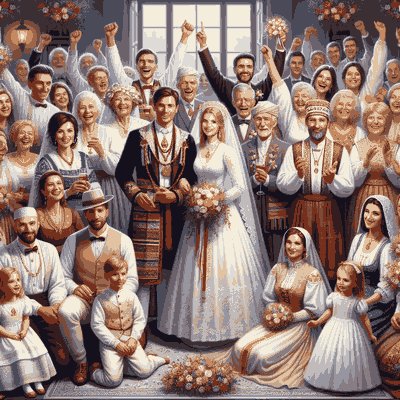
Overview of Polish Wedding Traditions
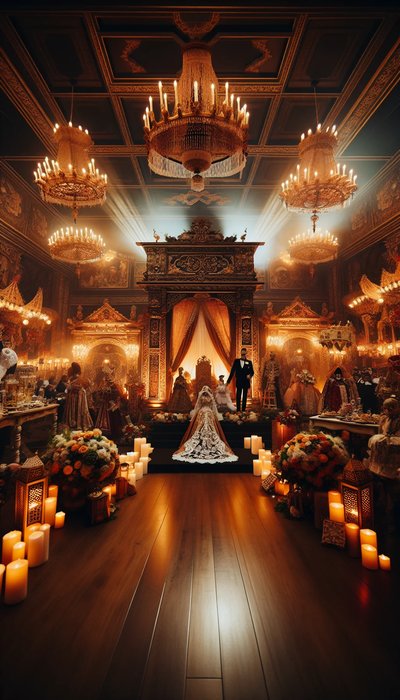
Traditional Polish weddings follow this timeline:
- 6-12 months before: Engagement ceremony (zaręczynyzah-REN-chi-nih) with family blessing
- 1-3 months before: Pre-wedding celebrations (wieczór panieńskivee-EH-choor pah-NYEN-skee/kawalerski)
- Wedding day: Civil ceremony, religious ceremony, reception lasting until dawn
- Day after: Poprawinypoh-PRAH-vee-nih celebration for close family and friends
- Traditional duration: 2-3 days total
- Average guests: 150-250 people
- Average cost: 50,000-150,000 PLN ($12,500-$37,500 USD)
Pre-Wedding Traditions and Ceremonies
What Are Polish Engagement Customs (Zaręczyny)?
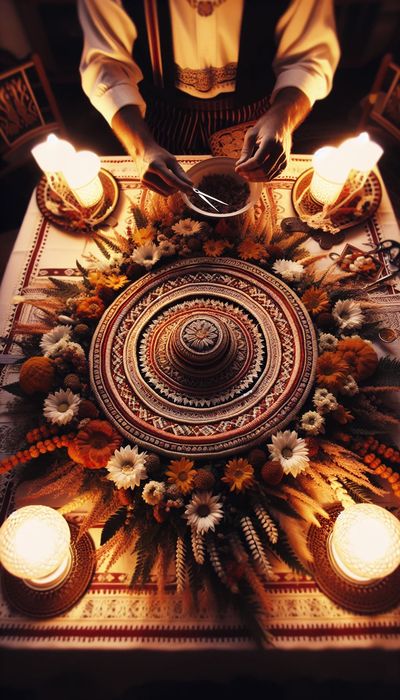
Zaręczyny is the formal Polish engagement ceremony where the groom’s family visits the bride’s family to request permission for marriage, exchange rings, and receive parental blessings. This tradition dates back to medieval times when marriages required formal family agreements and typically occurs 6-12 months before the wedding.
Traditional engagement elements include:
- Ring exchange: Both partners receive gold bands (unlike Western single-ring traditions)
- Family blessing: Essential approval from both sets of parents
- Formal announcement: Public declaration to extended family and community
- Engagement party: Gathering of 30-100 guests with traditional Polish food and music
- Cost: 5,000-15,000 PLN ($1,250-$3,750 USD)
Modern Polish couples blend traditional and contemporary elements, with many still seeking parental blessing while incorporating surprise proposals with diamond rings.
Polish Bachelor and Bachelorette Parties
Wieczór panieński (bachelorette party) and wieczór kawalerski (bachelor party) are Polish pre-wedding celebrations that traditionally focus on symbolic farewells to single life rather than excessive partying.
Traditional activities include:
- For brides: Evening gatherings with 10-20 female friends featuring games testing marriage readiness
- For grooms: Practical challenges and symbolic tests organized by male friends
- “Kidnapping” tradition: Friends playfully “kidnap” the bride or groom for celebration
- Duration: Typically one evening, sometimes extending to weekend trips
- Cost: 500-2,000 PLN ($125-$500 USD) per person
Wedding Ceremony Traditions
Polish Civil Ceremony (Ślub Cywilny)
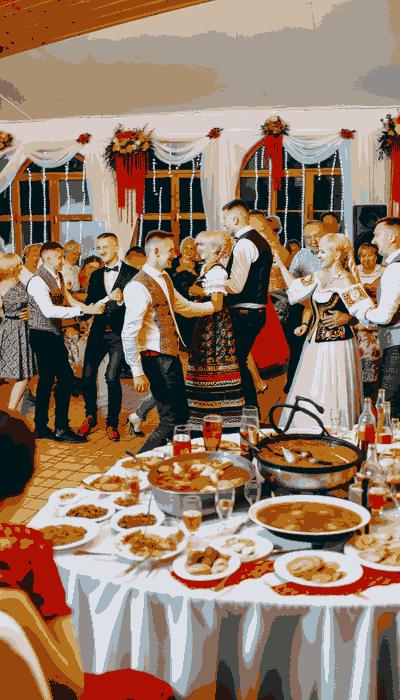
Ślub cywilny is the legally required civil marriage ceremony conducted at a registry office (Urząd Stanu CywilnegoOO-zhohnt STAH-noo tsih-VIL-neh-goh) by a state official with at least two witnesses present. This 15-30 minute ceremony costs 84 PLN ($21 USD) and can now be held at approved external venues.
Civil ceremony requirements:
- Documents needed: Birth certificates, ID cards, divorce decrees if applicable
- Witnesses: Minimum 2, maximum 4 people over age 18
- Timeline: Often scheduled days before religious ceremony
- Language: Conducted in Polish with translator if needed
- Legal effect: Only civil or religious ceremony with civil effects is legally binding
Polish Catholic Wedding Ceremonies
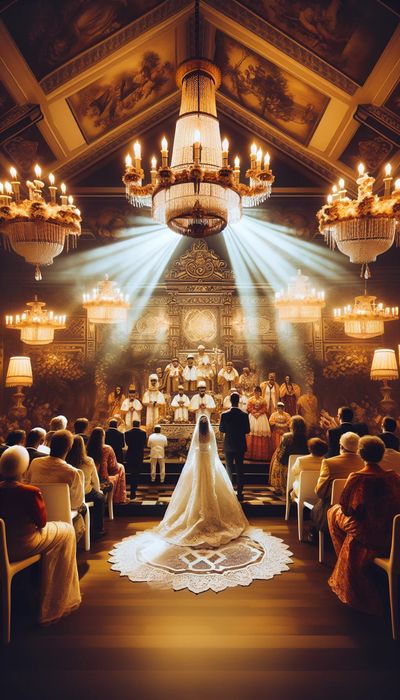
Polish Catholic weddings are religious ceremonies lasting 60-90 minutes that include a full mass, exchange of blessed rings, and special prayers to the Virgin Mary. With the majority of Poland identifying as Catholic, these ceremonies remain the most common format.
Traditional Catholic ceremony elements:
- Duration: 60-90 minutes including full mass
- Participants: Bride, groom, two witnesses (świadkowieshvee-AHT-koh-vee-eh), priest
- Key rituals: Ring blessing, unity candle lighting, flowers at Mary’s altar
- Music: Traditional hymns, organ music, sometimes folk elements
- Cost: Church donation typically 500-2,000 PLN ($125-$500 USD)
Regional religious variations include Orthodox ceremonies in eastern regions and historical Protestant traditions in formerly Lutheran areas.
The Role of Witnesses (Świadkowie)
Świadkowie are the two official witnesses in Polish weddings who serve as legal verifiers and spiritual supporters, replacing the Western tradition of large wedding parties with bridesmaids and groomsmen.
Witness responsibilities include:
- Legal duties: Signing marriage certificates as official witnesses
- Ceremonial roles: Holding rings, standing beside couple during ceremony
- Reception duties: Often serving as masters of ceremony
- Traditional selection: Historically chosen for exemplary marriages
- Modern practice: Usually close friends or siblings
- Identifying markers: Special sashes, boutonnieres, or corsages
Wedding Reception and Celebration Customs
Bread and Salt Welcome (Powitanie Chlebem i Solą)
Powitanie chlebem i solą is the traditional Polish greeting where parents welcome newlyweds with bread and salt at the reception venue, symbolizing prosperity and the ability to overcome life’s difficulties. This ancient Slavic custom remains one of the most widely practiced Polish wedding traditions.
The ceremony involves:
- Participants: Parents (usually mothers) greeting the couple
- Items used: Decorated bread (often korowaj), salt in ornate container
- Ritual: Couple breaks bread, dips in salt, eats together
- Symbolism: Bread for prosperity, salt for life’s challenges
- Duration: 5-10 minutes
- Variations: Eastern regions add honey for sweetness
Polish Wedding Food Traditions
Traditional Polish wedding feasts feature 4-7 courses served over 6-8 hours with abundant food symbolizing hopes for the couple’s prosperity. Menus typically cost 150-300 PLN ($37-75 USD) per guest.
Standard wedding menu structure:
- Cold appetizers: 5-10 varieties of meats, fish, salads
- Soup course: Rosół (chicken soup) or żurek (sour rye soup)
- Hot entrees: 2-3 meat dishes (pork, chicken, beef)
- Traditional sides: Pierogi, dumplings, potatoes
- Dessert table: 10-20 varieties plus wedding cake
- Beverages: Vodka (0.5L per person), wine, soft drinks
Regional specialties by area:
- Silesia: Kluski śląskie (special dumplings) - serves 200+ guests
- Podhale: Oscypek (smoked sheep cheese) - 2-3kg for 150 guests
- Coastal regions: Elaborate fish dishes - 3-5 varieties
- Greater Poland: Duck and goose preparations - 1 per 10 guests
Multi-Day Polish Wedding Celebrations
Traditional Polish weddings historically lasted 3 days, with modern celebrations typically condensed to 2 days including the main reception and poprawinypoh-PRAH-vee-nih (day-after party).
Traditional timeline:
- Day 1: Ceremony and reception lasting 12-14 hours (2 PM - 4 AM)
- Day 2: Poprawiny informal gathering for 50-150 close guests
- Day 3: Family gatherings (now rare except in rural areas)
Current practice by region:
- Urban areas: Many couples opt for single-day celebrations
- Rural areas: Two-day format remains popular
- Eastern Poland: Some maintain 3-day traditions
- Cost impact: Second day adds 20-30% to total budget
Unveiling Ceremony (Oczepiny)
Oczepiny is the midnight ceremony where the bride’s veil is ceremonially removed and replaced with a married woman’s cap, symbolizing her transition from maiden to wife. This ancient Slavic tradition remains a highlight of traditional Polish wedding receptions.
Modern oczepiny includes:
- Timing: Around midnight as reception centerpiece
- Duration: 30-45 minutes including games
- Participants: All wedding guests, led by witnesses
- Activities: Veil removal, games determining next to marry
- Music: Special oczepiny songs and dances
- Belief: Single woman catching veil marries within a year
Regional variations:
- Silesia: Specific songs accompany the ceremony
- Kaszuby: Elaborate games lasting up to an hour
- Podhale: Highland music and special dances
- Eastern regions: More solemn, traditional format
Money Dance Traditions
Polish money dances are reception traditions where guests contribute money to help newlyweds establish their household, typically collecting 5,000-20,000 PLN ($1,250-5,000 USD) total.
Common money collection methods:
- Dance with bride: Male guests pay 20-100 PLN ($5-25 USD) per dance
- Apron collection: Bride wears special apron to collect contributions
- Veil pinning: Guests pin money directly to bride’s veil
- Modern adaptations: Both bride and groom participate equally
- Timing: Usually after oczepiny ceremony
- Announcement: By witnesses or band leader
Regional Polish Wedding Variations
Highland Weddings (Góralskie Wesele)
Góralskie wesele are traditional weddings from the Podhale mountain region featuring distinctive highland costumes, music, and customs that attract couples nationwide seeking authentic Polish celebrations.
Highland wedding characteristics:
- Traditional attire: Embroidered vests, decorated hats, wool pants
- Music: Live góral bands with 5-7 musicians
- Duration: Often full 3-day celebrations
- Guests: 200-400 people including entire villages
- Special foods: Oscypek cheese, lamb dishes, highland bread
- Cost: 30-50% higher than standard Polish weddings
- Processions: Horse-drawn carriages through mountain villages
Kashubian Wedding Traditions
Kashubian weddings from northern Poland incorporate the distinct Kashubian language, embroidery patterns, and ceremonial customs reflecting this unique regional culture.
Distinctive Kashubian elements:
- Language use: Portions of ceremony in Kashubian dialect
- Traditional embroidery: Blue and yellow patterns on attire
- Special breads: Regional recipes passed through generations
- Music: Kashubian folk songs with accordion accompaniment
- Guest participation: Community dances involving all attendees
- Duration: Traditionally 2 days minimum
Silesian Marriage Customs
Silesian weddings in southwestern Poland blend Polish traditions with German influences, featuring the distinctive kołocz cake and bilingual ceremonial elements.
Silesian wedding characteristics:
- Kołocz cake: Traditional wedding cake with cheese, poppy, or apple filling
- Language: Some German phrases in traditional families
- Godparent roles: Enhanced ceremonial importance
- Special foods: Regional dumplings serving 200+ guests
- Music: Blend of Polish and German wedding songs
- Attire: Distinctive bridal headdresses
Eastern Borderland Traditions
Eastern Polish weddings along borders with Ukraine, Belarus, and Lithuania feature elaborate korowaj bread designs and extended musical performances reflecting multicultural influences.
Eastern tradition elements:
- Korowaj designs: Intricate bread decorations taking 2 days to prepare
- Music duration: 8-10 hours of continuous performance
- Godparent prominence: Lead many ceremonial moments
- Gift rituals: Elaborate presentation ceremonies
- Guest numbers: Often 300-500 including extended families
- Orthodox influences: In religiously mixed communities
Modern Adaptations and Current Popularity
Most Popular Polish Wedding Traditions Today
Based on current wedding practices across Poland, these traditions remain widely observed:
Nearly Universal:
- Bread and Salt Welcome - practiced at most receptions
- Catholic Ceremony - common among religious couples
- Traditional Polish Food - pierogi, rosół featured prominently
- Two Witnesses System - legally required
- Oczepiny Ceremony - popular at traditional receptions
- Vodka Toasts - customary at celebrations
Very Common:
- Poprawiny - many couples host day-after celebration
- Money Dance - prevalent in traditional weddings
- Wedding Games - including bride “kidnapping”
- Multi-Course Feast - elaborate dining standard
Regional/Selective:
- Regional Music - in areas with strong traditions
- Traditional Attire Elements - incorporated selectively
- Home Blessing - among religious families
- Multi-Day Format - mostly in rural areas
Contemporary Polish Wedding Trends
Modern Polish couples adapt traditions while maintaining cultural connections through:
Personalization approaches:
- Family research: Many couples investigate specific regional heritage
- Selective incorporation: Average couple includes 8-12 traditions
- Modern interpretations: Traditions adapted to contemporary sensibilities
- Documentation: Many explain traditions in wedding programs
Sustainability focus:
- Local sourcing: Prioritizing regional food suppliers
- Vintage elements: Using family heirloom items
- Eco-friendly favors: Choosing sustainable options
- Digital components: Using digital invitations
International fusion:
- Bilingual ceremonies: Common in urban weddings
- Cultural blending: Incorporating non-Polish traditions
- Destination venues: Choosing locations outside Poland
- Las Vegas Polish weddings: Growing option for diaspora couples
Polish Wedding Traditions Abroad
Polish Diaspora Wedding Customs
Polish diaspora weddings maintain core traditions while adapting to local contexts in communities across the United States, Canada, United Kingdom, and Australia.
Common diaspora adaptations:
- Preserved traditions: Bread and salt, oczepiny, Polish food remain popular
- Modified elements: Single-day celebrations, translated ceremonies
- Music adaptations: Polish-American polka bands, fusion musicians
- Food modifications: Local ingredients for traditional recipes
- Language use: Often conducted in local language with Polish phrases
- Guest education: Programs explaining Polish customs
Polish-American Wedding Traditions
Polish-American weddings in communities like Chicago and Pittsburgh blend Old World customs with American innovations, creating distinctive hybrid celebrations.
Polish-American characteristics:
- Dollar Dance: American adaptation of money dance tradition
- Polka music: Chicago-style polka distinct from Polish originals
- Food fusion: Pierogi alongside American wedding fare
- Duration: Typically 5-6 hours versus Polish 12-14 hours
- Language: English with Polish phrases for key moments
- Community centers: Many held at Polish-American venues
Polish Wedding Tourism and Destination Options
Polish wedding tourism attracts international couples annually to Poland for authentic celebrations, while destinations like Las Vegas offer Polish-themed packages for diaspora couples.
Popular Polish destinations:
- Kraków: Historic churches, Market Square venues
- Zakopane: Mountain settings, highland traditions
- Mazury: Lake district natural beauty
- Baltic Coast: Beach ceremonies
- Historic castles: 50+ venues nationwide
Las Vegas Polish wedding options:
- Basic packages: Bread and salt ceremony - $500-1,000 USD
- Traditional elements: Polish music, decorations - $1,500-3,000 USD
- Full ceremonies: Polish-speaking officiants - $2,000-5,000 USD
- Reception additions: Polish menu options - $50-100 USD per person
- Duration: 2-4 hours versus traditional 12+ hours
Planning tip: For authentic Polish wedding celebrations, consult the Polish Ministry of Culture and National Heritage for resources on regional traditions and cultural heritage preservation.
Conclusion
Polish wedding traditions represent a living cultural heritage that continues evolving while maintaining essential connections to centuries of history. From the symbolic bread and salt welcome to joyful poprawinypoh-PRAH-vee-nih celebrations, these customs create uniquely meaningful experiences that honor family, faith, and cultural identity across generations and geography.
Frequently Asked Questions
What is the bread and salt welcome tradition in Polish weddings?
Parents welcome newlyweds by offering bread (representing prosperity) and salt (representing life's difficulties), followed by a vodka toast. The couple must eat both elements to ensure good fortune.
What happens during the oczepiny ceremony?
The midnight unveiling ceremony (oczepiny) symbolizes the bride's transition to married life. It includes removing her veil, placing a cap or bonnet, and traditional games and dances.
How long do Polish wedding celebrations typically last?
Traditional Polish weddings typically last 2-3 days, with the main celebration followed by poprawiny (a more relaxed gathering) the next day.
What is zaręczyny in Polish wedding tradition?
Zaręczyny is the formal engagement ceremony where couples exchange rings, receive family blessings, and celebrate with close relatives, typically 6-12 months before the wedding.
Are civil ceremonies required in Poland?
Yes, civil ceremonies are legally required in Poland. Couples typically have a civil ceremony at a registry office before their religious ceremony.
What is the role of wedding witnesses (świadkowie) in Polish ceremonies?
Świadkowie serve as legal witnesses, assist during ceremonies, help coordinate reception activities, and play important roles in traditional customs throughout the celebration.
What is the traditional Polish wedding feast like?
Polish wedding feasts feature multiple courses including soups, meats, pierogi, regional specialties, and elaborate cakes, with food served continuously throughout the celebration.
How do modern Polish couples incorporate traditions?
Modern couples often blend traditional elements like the bread welcome and oczepiny with contemporary trends, personalizing ceremonies while maintaining cultural connections.
What is poprawiny and why is it important?
Poprawiny is a follow-up celebration the day after the wedding, allowing for more relaxed interaction with guests and ensuring no food goes to waste.
How do regional Polish wedding traditions differ?
Each region has distinct traditions, from góralskie (highland) weddings with unique attire and music to Kashubian customs with special dances and rituals.
How Long Do Polish Weddings Actually Last?
Great question, and the answer might require you to request extra vacation days. Traditional Polish weddings officially run 2-3 days, but let's break down what that really means. The main celebration starts around 2 PM with ceremonies and continues until 4-6 AM with non-stop partying. That's 14-16 hours just for day one! Then comes poprawiny the next day, which is theoretically "casual" but often lasts another 6-8 hours. In rural areas, especially eastern Poland, some families still do a third day of celebrations. Modern urban weddings often compress to "just" 12 hours plus a next-day brunch, but even that makes Western 4-hour receptions look like coffee breaks. The best strategy? Pace yourself, wear comfortable shoes, and remember that leaving before 2 AM is considered insulting to the hosts. And yes, the 4 AM pierogi serving is mandatory, it's supposed to "soak up the vodka" before you drive home at sunrise.
What Should I Wear to a Polish Wedding?
The dress code for Polish weddings follows one simple rule: dress like you're attending a royal gala, because to Polish families, you basically are. Women typically wear formal floor-length gowns or elegant cocktail dresses, while men stick to dark suits or tuxedos. But here's where it gets interesting, avoid wearing white (obviously), but also steer clear of black unless you want concerned aunties asking if you're in mourning. If you're attending a regional wedding, things get more complex. Highland weddings might involve traditional elements, so don't be surprised if you're handed an embroidered vest. Silesian celebrations appreciate slightly more conservative attire. The universal truth? You'll be photographed approximately 847 times, dancing for hours, and potentially participating in games that involve crawling under tables, so choose accordingly. Pro tip: bring flat shoes for the dancing, even the men sometimes switch to dress sneakers by midnight.
Do I Need to Give Money at a Polish Wedding?
The short answer is yes, but it's not as transactional as it sounds. Polish wedding gifts have evolved from the traditional household items (młoda para already has four toasters) to monetary contributions that help newlyweds start their life together. The standard amount ranges from 200-500 PLN ($50-$125 USD) per person, depending on your relationship to the couple and your financial situation. The money often gets presented during special dances or games, not just stuffed in an envelope. You might find yourself pinning bills to the bride's dress, tossing money into her apron, or participating in an auction for dances. Some modern couples set up "wedding funds" for honeymoons or house down payments, but cold hard cash remains king. Don't stress too much about the amount; Polish weddings operate on generosity both ways. The couple spends a fortune feeding you, you help them recoup some costs. It's economic symbiosis with polka music.
What Happens at Oczepiny?
Ah, oczepiny; the midnight tradition that transforms dignified wedding guests into giggling teenagers. This unveiling ceremony supposedly marks the bride's transition from maiden to married woman, but really it's an excuse for organized chaos. Around midnight, the music stops, lights dim, and the bride sits in the center while her veil gets ceremoniously removed. What follows depends on regional traditions and alcohol consumption levels. Common elements include the bride throwing her veil to single women (catching it means you're next to marry), elaborate games involving blindfolds and musical chairs, and traditional songs that get progressively more risqué. The groom often throws his bow tie to bachelors, though they're usually less enthusiastic catchers. Modern oczepiny might include funny videos, roasts of the couple, or elaborate choreographed dances. The whole spectacle lasts 30-45 minutes and serves as the reception's climactic moment before the "second wind" of partying kicks in.
Can Non-Polish Speakers Survive a Polish Wedding?
Absolutely! Polish weddings are like immersive theater, even if you don't understand the words, the actions tell the story. Plus, there's always someone's cousin who studied in London ready to translate the important bits. The ceremony might be entirely in Polish, but universal moments like ring exchanges and kisses need no translation. During the reception, you'll find that vodka toasts transcend language barriers, and "Na zdrowie!" (cheers) is easy enough to master. The traditional dances often involve simple repetitive moves that you'll pick up by watching. Games during oczepiny might be confusing, but just follow the crowd and laugh when everyone else does. Most couples now provide programs with tradition explanations in multiple languages, and the DJ often makes key announcements in English for international guests. When in doubt, smile, clap, and eat more pierogi, it's the universal language of Polish hospitality.