Qatar Wedding Traditions Complete Guide for Modern Couples
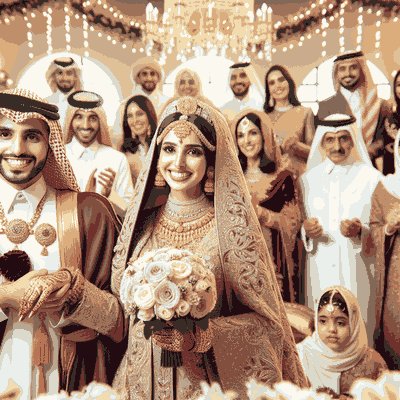
Complete Qatari Wedding Process Timeline
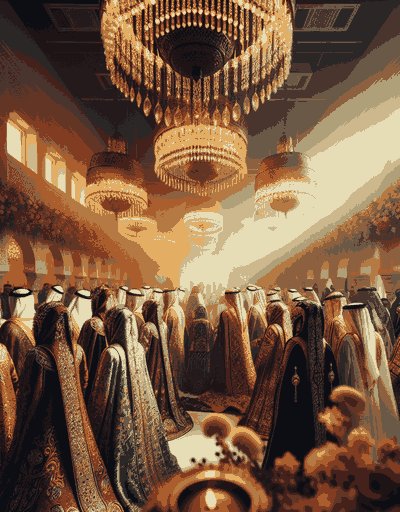
- 12-18 months before: KhatbahKHAT-bah (formal engagement) begins
- 6-12 months before: MahrMAH-her (dowry) negotiations finalized
- 2-4 weeks before: MilchaMIL-hah (civil ceremony) conducted
- 1-2 days before: Laylat Al Henna (henna night) celebration
- Wedding day: Gender-segregated celebrations lasting 6-10 hours
- Post-wedding: Honeymoon and household establishment
Pre-Wedding Traditions and Ceremonies
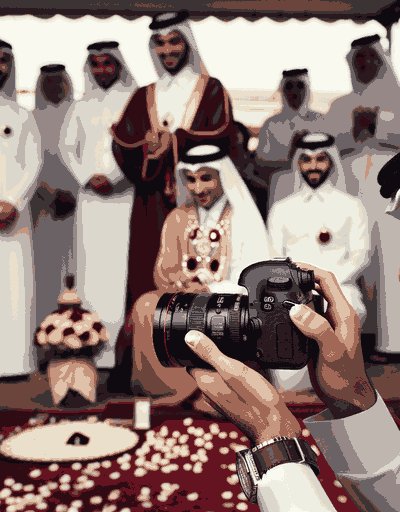
What Is Khatbah? The Qatari Engagement Process
Khatbah is the formal engagement ceremony where the groom’s family visits the bride’s family to request her hand in marriage, a tradition dating back centuries to Bedouin tribal customs. This initial meeting involves family members from each side and includes discussions about marriage terms, family compatibility, and wedding planning over several hours.
The engagement period typically lasts 6-18 months in modern Qatar, allowing families to prepare elaborate celebrations. During KhatbahKHAT-bah, the groom’s family presents engagement gifts that may include:
- Gold jewelry sets (21-22 karat)
- Luxury perfumes and incense
- Traditional fabrics and garments
- Cash gifts for the bride’s preparations
Regional Variations in Engagement Customs
Qatari families from different backgrounds observe unique engagement traditions:
- Traditional Bedouin families: Maintain strict gender separation during negotiations
- Urban Doha families: Allow supervised meetings between engaged couples
- Northern tribal communities: Include traditional poetry recitations during Khatbah
Modern adaptations show that most couples now have input in partner selection, a significant change from previous generations when arranged marriages were more common.
Mahr (Dowry): Islamic Marriage Gift Requirements
Mahr is the mandatory Islamic dowry paid directly from the groom to the bride, serving as her exclusive property and financial security throughout the marriage. This centuries-old practice derives from Quranic requirements and varies widely based on family circumstances in contemporary QMahrMAH-her.
The Mahr negotiation process involves:
- Initial proposal: Groom’s family suggests amount based on financial capacity
- Family consultation: Bride’s family considers social standards and daughter’s education
- Documentation: Amount recorded in official marriage contract
- Payment terms: Immuqaddammoo-KAD-damportion (muqaddam) and deferred portion (mu’akhkhar)
Mahr amounts in Qatar vary significantly based on family background, ranging from modest sums among working professionals to substantial amounts among business and elite families.
Pre-Wedding Celebrations: Henna Night and Traditional Gatherings
Laylat Al Henna (AR-QA_lay-lat-al-hen-na) is the traditional henna night celebration held 1-2 days before the wedding, involving female guests in elaborate beauty rituals lasting several hours. Professional henna artists create intricate bridal designs covering hands, feet, and arms.
Key elements of the henna celebration include:
- Yallouh ritual (AR-QA_yal-louh): Unmarried girls hold decorative shawl above bride
- Traditional songs: Live female musicians perform
- Bridal attire: Colorful traditional gowns
WarssWARSeauty preparations: Warss (turmeric), Mashmoom (basil), rose water applications Comparison: Traditional vs Modern Henna Celebrations
Element Traditional Practice Modern Practice Venue Bride’s family home Luxury hotel ballrooms Guest Count Close relatives Extended guest lists Duration 2-3 hours 5-6 hours with dinner Entertainment Family singing Professional bands Photography Limited/none Professional photo/video Official Wedding Ceremonies
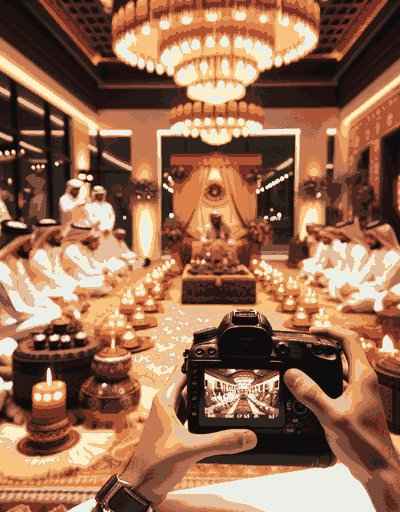
Traditional garments reflect Qatar's rich textile heritage and craftsmanship Milcha: The Islamic Marriage Contract
Milcha is the official Islamic marriage ceremony where couples sign the legal marriage contract in the presence of an authorized Sheikh and two male witnesses, formalizing their union according to Sharia law. This intimate ceremony typically involves immediate family members and lasts 30-45 minutes.
The MilchaMIL-hah process includes:
- Sheikh verification: Confirms identities and consent
- Contract reading: Terms explained in Arabic and English
- Witness confirmation: Two male witnesses attest to proceedings
- Signing ceremony: Bride and groom sign official documents
- Prayers and blessings: Traditional supplications recited
This ceremony often occurs 2-4 weeks before the wedding reception, allowing couples legal marriage status while finalizing celebration preparations.
Gender-Segregated Wedding Celebrations
Qatari wedding receptions feature completely separate celebrations for male and female guests, reflecting Islamic principles of modesty that have governed social gatherings for over 1,400 years. These parallel celebrations typically begin in the evening and continue until the early morning hours.
Men’s Wedding Celebration Details
The men’s gathering accommodates guests in decorated outdoor tents. Key features include:
- Traditional Ardha performances: Men participate in sword dances
- Open attendance format: Guests arrive and depart throughout evening
- Traditional hospitality: Continuous service of Arabic coffee and dates
- Formal dress code: White thobes and bishts for all attendees
Women’s Wedding Celebration Details
The women’s reception hosts guests in luxury hotel ballrooms. Distinctive elements include:
- Kosha throne: Elaborate bridal platform
- Designer gowns: Guests wear elegant formal dresses
- Live entertainment: Female bands and musicians
- Lavish dining: Multi-course meals
Traditional Sword Dances
Ardha: The Qatari War Dance
Ardha is the traditional Bedouin sword dance performed by men in two facing rows, rhythmically moving to drum beats while reciting Nabatina-BAH-tee poetry that dates back over 500 years. This warrior dance originally prepared tribes for battle but now symbolizes strength and unity at most Qatari weddings.
The ArdhaAR-dah performance structure includes:
- Formation setup: Men arrange in parallel lines several meters apart
- Drum introduction: Traditional rhythms establish tempo
- Poetry recitation: Lead poet chants verses repeated by dancers
- Sword movements: Synchronized raising and lowering of swords
- Climactic finale: Increased tempo and unified chanting
Professional Ardha troupes are commonly hired for wedding performances, with costs varying by number of performers, performance duration, quality of traditional costumes and swords, and inclusion of live drummers.
Zafir Dance: The Wedding Procession
Zafir Dance is the ceremonial sword performance that accompanies the groom’s procession from his home to the wedding venue, involving men who dance with swords while protecting and celebrating the groom’s journey. This ancient protective ritual transforms modern wedding arrivals into cultural spectacles.
Zafirza-FEERTraditional Zafir elements include:- Starting location: Groom’s family home or designated gathering point
- Processional route: Variable distance to wedding venue
- Participant roles: Sword dancers, drummers, and male relatives
- Movement patterns: Circular formations around groom’s vehicle
Contemporary adaptations accommodate urban settings with modified choreography suitable for hotel entrances and parking areas, maintaining cultural authenticity while ensuring guest safety.
Wedding Attire and Adornment
Traditional Qatari Bridal Attire
Qatari bridal fashion combines traditional embroidered gowns with modern designer dresses, with brides typically wearing multiple outfits throughout wedding festivities. Each outfit serves specific ceremonial purposes and reflects both cultural heritage and contemporary luxury.
Bridal wardrobe components include:
- Henna night dress: Traditional colorful gown
- Civil ceremony outfit: Modest formal wear
- Reception entrance gown: Elaborate white dress
- Traditional thobe: Embroidered cultural dress
- Departure outfit: Designer evening wear
Traditional Beauty Preparations
Qatari brides undergo extensive beauty rituals beginning before the wedding:
- Warss application: Turmeric paste for glowing skin
- Mashmoom treatment (AR-QA_mash-moom): Basil-infused beauty masks
- Bukhoor sessions (AR-QA_bu-khoor): Incense for hair fragrance
- Henna artistry: Full bridal designs taking several hours
- Gold adornment: Traditional jewelry sets
Modern brides also invest in pre-wedding beauty treatments including spa services, makeup trials, and hair styling.
Groom’s Traditional Wedding Attire
The Qatari groom’s ensemble features the traditional white thobe with a formal bisht, creating an elegant appearance that honors cultural heritage while projecting dignity and status.
Essential elements of groom’s attire:
- Thobe: Premium white cotton robe
- Bisht: Gold-embroidered cloak
- Ghutrah (AR-QA_ghu-trah): White or red-checkered headscarf
- Agal (AR-QA_a-gal): Black cord securing headscarf
- Formal shoes: Traditional or modern leather
The bishtBISHT color selection carries significance:
- Black bisht: Most formal, preferred for evening ceremonies
- Brown bisht: Traditional choice for daytime events
- Beige bisht: Contemporary option for summer weddings
Reception Traditions
Traditional Wedding Feasts
Qatari wedding feasts serve hundreds of guests with traditional dishes centered around MachboosMAKH-boos (spiced rice with meat) and whole roasted lamb, reflecting Bedouin hospitality values where generous food service demonstrates family honor.
Traditional menu components include:
- Machboos (AR-QA_mach-boos): Spiced rice with lamb/chicken
- Thabiha (AR-QA_tha-bi-ha): Whole roasted lamb on rice
- Harees (AR-QA_ha-rees): Wheat and meat porridge (Ramadan tradition)
- Luqaimat (AR-QA_lu-qai-mat): Sweet dumplings with date syrup
- Arabic coffee service: Continuous throughout celebration
Regional Feast Variations by Community
Community Signature Dishes Service Style Bedouin Whole camel, desert herbs Floor seating Coastal Seafood machboos, fish dishes Buffet style Urban Doha International fusion menu Plated service Northern tribes Game meat, traditional bread Family style Money-Throwing Traditions
Money-throwing customs during Qatari weddings serve to ward off evil eye and bring prosperity to the newlyweds, with guests throwing money during the bride’s entrance and guest dancing. This centuries-old practice transforms celebration moments into charitable opportunities.
The money-throwing process includes:
- Bride’s entrance: Elder women throw billskoshaKOO-shahhe walks to kosha
- Guest dancing: Spectators throw money over performing dancers
- Collection protocol: Musicians gather bills between songs
- Charity distribution: A significant portion donated to local charitable organizations
- Band compensation: Remaining amount supplements performance fees
Modern practices use new bills in various denominations, with some families preparing special envelopes for distinguished guests to distribute.
Entertainment and Music
Traditional Music and Performance
Live traditional music at Qatari weddings features musicians performing classical Arabic and Gulf songs for several hours. Female bands exclusively perform at women’s celebrations, while male musicians entertain at men’s gatherings.
Traditional wedding music includes:
- Samiri (AR-QA_sa-mi-ri): Gulf folk songs with 6/8 rhythm patterns
- Liwa (AR-QA_li-wa): African-influenced percussion music
- Habban (AR-QA_hab-ban): Traditional wedding songs with call-response
- Tamboura (AR-QA_tam-bou-ra): String instrument performances
Contemporary bands blend traditional instruments with modern sound systems, creating immersive experiences that honor cultural heritage while appealing to younger guests’ preferences for enhanced audio quality.
Dance Traditions for Wedding Guests
Female wedding guests perform traditional Gulf dances characterized by subtle hip movements and graceful arm gestures, with many attendees participating during the celebration. Dance performances occur on designated stage areas within the women’s reception hall.
Popular dance styles at Qatari weddings:
- Khaleegy (AR-QA_kha-lee-gy): Hair-swinging dance from Gulf region
- Raqs Sharqi: Classical Arabic dance with hip movements
- Group formations: Synchronized dancing by groups of women
- Money dance: Guests throw bills over featured dancers
Professional female DJs are commonly hired for wedding performances, mixing traditional Arabic music with contemporary hits while respecting cultural sensitivities regarding lyrics and rhythm appropriateness.
Post-Wedding Traditions
Groom’s Arrival at Women’s Celebration
The groom’s entrance to retrieve his bride marks the wedding climax, occurring in the early morning hours after several hours of separated celebrations, with an announcement allowing female guests to adjust their hijabs and abayas. This carefully orchestrated moment requires precise coordination between both celebration venues.
The arrival protocol includes:
- Initial notification: Men’s party alerts women’s venue
- First announcement: Female MC warns guests to prepare
- Final warning: Lights dim and music changes
- Groom’s entrance: Walks directly to bride’s koshaKOO-shah platform
- Couple’s exit: Depart together while guests form farewell line
This tradition maintains Islamic modesty principles while creating a dramatic conclusion that most Qatari couples follow.
Honeymoon and Post-Wedding Customs
Modern Qatari honeymoons typically last 10-21 days with couples visiting popular destinations. Post-wedding, most couples establish independent households within a few months while maintaining strong family connections through weekly gatherings.
Popular honeymoon destinations for Qatari couples:
- Maldives/Seychelles: Indian Ocean resorts are popular choices
- European tours: Multiple cities over 2-3 weeks
- Turkey: Istanbul and coastal resorts
- UAE/Oman: Regional luxury destinations
- Far East: Thailand, Malaysia, or Indonesia
Post-honeymoon traditions include hosting family dinners within the first month of return, where newlyweds receive household gifts from relatives establishing their new home.
Modern Adaptations and Current Trends
Current Wedding Trends in Qatar
Qatari weddings continue to evolve with increased luxury expectations and social media influence on celebration standards. Technology integration and personalization define contemporary adaptations while preserving essential cultural elements.
Major trends shaping modern Qatari weddings:
- Digital innovation: LED walls, holographic displays, drone photography
- Themed celebrations: Arabian Nights, Garden Paradise, Royal Palace concepts
- Celebrity performers: Regional artists for entertainment
- Sustainable options: Eco-friendly decor and locally-sourced catering (growing trend)
- Micro-weddings: Intimate celebrations with smaller guest counts (increasing in popularity)
International Wedding Options
Destination weddings attract some Qatari couples seeking unique venues while maintaining cultural traditions. Specialized international venues accommodate Islamic requirements while offering exotic locations.
International wedding options for Qatari couples include:
- Private venue buyouts: Ensuring gender-separated spaces
- Halal catering services: Certified providers for guests
- Cultural coordinators: Arabic-speaking planners familiar with traditions
- Modified ceremonies: Incorporating ArdhaAR-dah performances in ballroom settings
Comparison: Doha vs International Wedding Venues
Factor Doha Weddings International Destinations Guest Count Larger guest lists typical Smaller, intimate celebrations Planning Time 12-18 months 6-12 months Cultural Elements Full traditions possible Selected customs adapted Family Participation Extended family included Immediate family only For couples interested in blending cultures, exploring traditions from Saudi Arabia or Bahrain can provide inspiration for incorporating regional Gulf customs.
Planning Resources
For official information on marriage requirements in Qatar, visit the Qatar Ministry of Justice, which provides guidance on legal documentation and procedures for marriage registration.
10 Frequently Asked Questions
How much does a typical Qatari wedding cost?
A typical Qatari wedding represents a significant family investment, including venue rentals, catering for hundreds of guests, entertainment, decorations, and attire. Costs vary significantly based on family social status and celebration scope.
How long do Qatari wedding celebrations last?
Qatari wedding celebrations span 3-7 days, including pre-wedding events like henna night, the civil ceremony (MilchaMIL-hah), and the main wedding reception. The primary wedding day features separated celebrations lasting 6-10 hours, typically from evening until early morning.
Why are men and women separated during Qatari weddings?
Gender separation reflects Islamic principles of modesty practiced for over 1,400 years in the region. This arrangement allows female guests to dress elaborately and dance freely without hijab in the women’s section, while maintaining religious and cultural values important to Qatari society.
What is the Mahr (dowry) in Qatari weddings?
The MahrMAH-her is an obligatory Islamic gift from groom to bride, with amounts varying based on family circumstances. This payment becomes the bride’s exclusive property, providing financial security and demonstrating the groom’s commitment according to Quranic requirements.
What happens during the Ardha sword dance?
The Ardha features men arranged in two facing rows, performing synchronized sword movements while reciting traditional Nabati poetry to drum beats. This performance appears at most Qatari men’s wedding celebrations and symbolizes strength, unity, and cultural heritage.
What should guests wear to a Qatari wedding?
Male guests wear traditional white thobes with optional bishts for formality. Female guests dress in elaborate designer gowns with full makeup and jewelry, taking advantage of the women-only environment to showcase fashion without modesty constraints.
How does the henna night celebration work?
Laylat Al Henna occurs 1-2 days before the wedding, gathering female relatives and friends for several hours. Professional artists create intricate henna designs while guests perform the Yallouh ritual and enjoy traditional music and feasting.
What foods are served at Qatari weddings?
Traditional Qatari wedding feasts feature Machboos (spiced rice with lamb), whole roasted lamb (Thabiha), Arabic coffee, and sweets like Luqaimat. Modern catering increasingly includes international cuisine alongside traditional dishes.
Can tourists attend Qatari weddings?
Tourists rarely attend Qatari weddings unless personally invited by the families. These private celebrations maintain strict guest lists and cultural protocols. Hotels hosting weddings ensure privacy, with security preventing unauthorized access to protect family honor and guest comfort.
What happens after the wedding ceremony?
Newlyweds typically depart for honeymoons lasting 10-21 days, visiting popular destinations. Upon return, most establish independent households while maintaining family connections through weekly gatherings and reciprocal hosting obligations within the first month.
Frequently Asked Questions
How much does a traditional Qatari wedding cost?
Traditional Qatari weddings typically cost between QAR 200,000-1,000,000 ($55,000-$275,000), including venue, catering, entertainment, and attire.
What is Laylat Al Henna in Qatari weddings?
Laylat Al Henna is the traditional henna night celebration held 1-2 days before the wedding, where female guests gather for 4-6 hours of henna application, music, and dancing.
Why are Qatari weddings gender-segregated?
Qatari weddings maintain gender segregation in accordance with Islamic customs and cultural traditions, allowing both groups to celebrate freely within their comfort zones.
What is the typical Mahr (dowry) in Qatar?
The Mahr in Qatar typically ranges from QAR 50,000-500,000, paid by the groom to the bride as her personal property and financial security.
How long do Qatari wedding celebrations last?
Qatari wedding celebrations typically span 3-7 days, including pre-wedding ceremonies, henna night, and main reception events.
What do Qatari brides wear?
Qatari brides wear 3-5 different outfits throughout their wedding celebrations, including traditional embroidered gowns, designer dresses, and cultural thobes.
What happens during the Khatbah (engagement)?
During Khatbah, the groom's family formally visits the bride's family, presenting gifts worth QAR 20,000-100,000 and discussing marriage arrangements.
What food is served at Qatari weddings?
Qatari wedding feasts feature traditional dishes like Machboos (spiced rice) and whole roasted lamb, serving 300-600 guests at QAR 150-400 per person.
How long is the typical engagement period in Qatar?
Qatari engagement periods typically last 6-18 months, allowing time for elaborate wedding preparations and arrangements.
What is the money-throwing tradition at Qatari weddings?
Guests throw QAR 5,000-50,000 in bills during key moments, with 50-70% typically donated to charity as part of the celebration.