Russian Wedding Traditions Complete Guide for Modern Couples
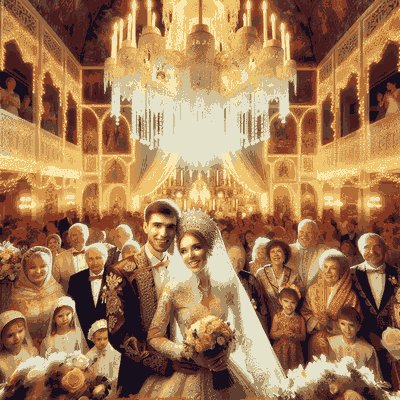
Overview of Russian Wedding Process & Timeline
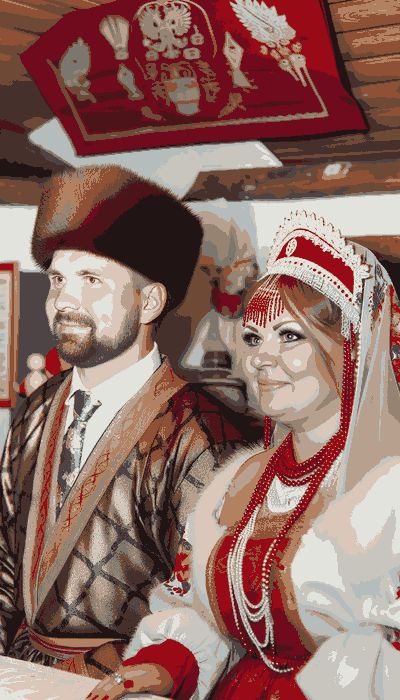
- 6-12 months before: Engagement and family introductions
- 1-3 months before: ZAGS registration appointment booking
- 1 week before: Devichnik (bachelorette party) celebrations
- Wedding Day 1: Civil ceremony, church wedding (optional), reception
- Wedding Day 2: Continued celebrations with close family and friends
- Total cost range: ₽300,000-₽2,000,000 ($3,000-$20,000 USD)
- Guest count: 50-300 people depending on region and budget
Pre-Wedding Traditions and Ceremonies
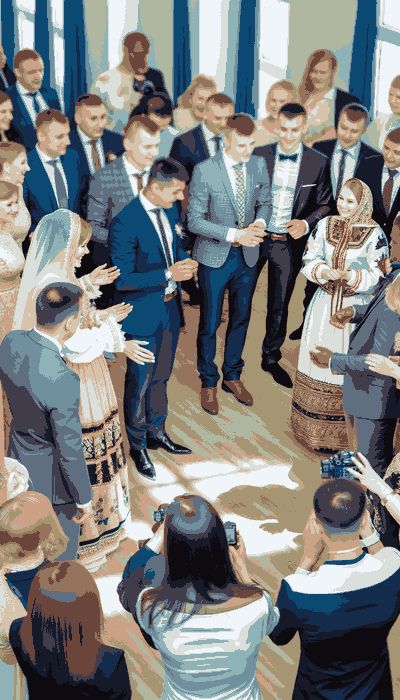
What is Svatovstvo? (Matchmaking Tradition)
Svatovstvo (сватовство) is the traditional Russian matchmaking process where representatives called “svaty” (сваты) formally negotiate marriage arrangements between families, dating back to ancient Slavic times. This centuries-old practice involved coded language, late-night visits, and symbolic gifts of bread and salt.
In historical practice, matchmakers would visit the bride’s family saying “у вас товар, у нас купец” meaning “you have the goods, we have a buyer.” The tradition varied by region:
- Northern Russia: Matchmakers brought bread, salt, and ceremonial towels
- Central Russia: More straightforward negotiations with family dinners
- Southern regions: Elaborate rituals with Cossack influences
- Modern practice: Some couples still incorporate formal family meetings
Assessment Visits: Smotriny Tradition
Smotriny (смотрины) is the assessment visit tradition where both families evaluate the potential match by visiting each other’s homes and examining character, household skills, and living conditions. This practice, derived from “смотреть” meaning “to look,” allowed families to make informed decisions about the union.
Traditional smotriny included:
- Home inspections: Evaluating cleanliness and household management
- Skills demonstration: Brides showed cooking and needlework abilities
- Character assessment: Extended conversations and observations
- Modern adaptation: Formal dinner parties replacing home inspections
Russian Bachelorette Party: Devichnik
Devichnik (девичник) is the Russian bachelorette party tradition that historically served as a ritual farewell to maidenhood featuring “причитания” or ceremonial wailing. This pre-wedding gathering differs significantly between regions and eras.
Historical devichnik elements:
- Northern Russia: Ritual wailing lasting 2-3 hours
- Central regions: Trousseau preparation with girlfriends
- Southern areas: Celebratory songs and traditional dances
- Soviet era: Simplified tea parties with close friends
- Modern practice: Western-style parties with 5-15 participants
- Average cost: ₽15,000-₽50,000 ($150-$500 USD) per person
Wedding Day Traditions
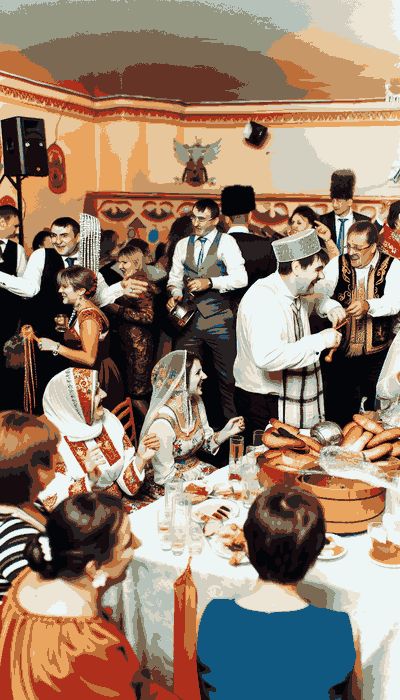
Vykup Nevesty: The Bride Ransom Ritual
Vykup nevesty (выкуп невесты) is the playful “bride ransom” tradition where the groom must complete challenges and pay symbolic fees to “purchase” his bride from her family and bridesmaids. This lighthearted ritual, lasting 30-90 minutes, tests the groom’s love, determination, and generosity.
Common vykup challenges include:
- Question rounds: Answering 10-15 questions about the bride
- Physical tasks: Dancing, singing, or strength demonstrations
- Financial payments: ₽5,000-₽20,000 ($50-$200 USD) in small bills
- Stairway compliments: One praise per step in apartment buildings
- Creative puzzles: Solving riddles or identifying bride’s lipstick mark
Regional variations:
- Moscow/St. Petersburg: Modern creative challenges with props
- Rural areas: Traditional strength and endurance tests
- Southern regions: Cossack-influenced horseback demonstrations
ZAGS Civil Ceremony Requirements
ZAGS (ЗАГС) stands for “Запись актов гражданского состояния” - the civil registration office where all Russian marriages must be legally registered. This mandatory Soviet-era requirement remains the only legally recognized form of marriage in Russia.
ZAGS ceremony details:
- Duration: 15-30 minutes for ceremonial option
- Cost: ₽350 state fee (basic) or ₽5,000-₽15,000 for ceremonial halls
- Booking: 1-3 months advance notice required
- Participants: Couple plus 2 witnesses minimum
- Documents needed: Passports, divorce certificates if applicable
- Ceremonial elements: Vow exchange, ring ceremony, Mendelssohn’s march
Orthodox Church Wedding Ceremony
The Orthodox wedding ceremony is a religious sacrament divided into two parts - Betrothal and Crowning - that can last 45-90 minutes and involves elaborate rituals dating back over 1,000 years to Russia’s Christianization in 988 AD. Similar Orthodox traditions can be found in Greek and Serbian wedding customs.
Ceremony components:
Betrothal Service (обручение):
- Candle lighting: Couple holds candles throughout
- Ring blessing: Priest blesses rings on the altar
- Triple exchange: Rings exchanged three times
- Duration: 15-20 minutes
Crowning Service (венчание):
- Crown placement: Metal crowns held over couple’s heads
- Common cup: Sharing wine three times
- Circular procession: Three circles around lectern
- Rose cloth: Standing on pink fabric symbolizing new life
- Duration: 30-45 minutes
- Cost: ₽5,000-₽20,000 ($50-$200 USD) donation typical
Wedding Witnesses vs. Wedding Party
Witnesses or “свидетели” are the Russian equivalent of best man and maid of honor who serve official legal and ceremonial roles rather than leading a wedding party. Russian weddings traditionally feature 2 witnesses instead of multiple bridesmaids and groomsmen.
Witness responsibilities:
- Legal duties: Signing marriage documents at ZAGS
- Ceremonial roles: Holding crowns during church ceremony
- Practical tasks: Organizing games and managing logistics
- Identification: Special sashes reading “Свидетель”
- Modern trend: Many couples now add Western-style wedding parties
Wedding Reception Traditions
Historical Site Tours for Photos
The newlywed city tour is a tradition where couples visit 3-7 historical monuments for photographs between the ceremony and reception, typically lasting 1-2 hours. This Soviet-era practice honors cultural heritage while providing photo opportunities.
Popular tour locations by city:
St. Petersburg:
- Bronze Horseman: Symbol of city founder Peter the Great
- Eternal Flame: WWII memorial at Marsovo Pole
- Palace Bridge: Iconic drawbridge photos
- Duration: 90-120 minutes typical
- Transportation: Limousine rental ₽5,000-₽15,000/hour ($50-$150 USD)
Moscow:
- Red Square: GUM department store backdrop
- Sparrow Hills: Panoramic city views
- Novodevichy Convent: Historic architecture
- Victory Park: War memorial complex
Gorko! The Bitter Toast Tradition
“Gorko!” (горько) meaning “bitter” is the traditional Russian wedding toast where guests shout this word to make newlyweds kiss, with the kiss duration counted aloud to measure the couple’s love. This tradition transforms the “bitter” taste of vodka into the “sweetness” of love.
GorkoGOHR-koh tradition details:
- Frequency: 10-20 times throughout reception
- Kiss duration: Guests count 10-60+ seconds
- Timing: After each major toast (every 10-15 minutes)
- Participation: All guests shout in unison
- Modern variation: Some couples negotiate “kiss prices”
The Tamada: Russian Wedding Toastmaster
Tamada (тамада) is the master of ceremonies who orchestrates the entire wedding reception, leading toasts, games, and entertainment for 4-8 hours. This crucial role originated in Georgian culture and became standard in Russian weddings.
Tamadatah-MAH-dah responsibilities and costs:
- Professional fee: ₽30,000-₽100,000 ($300-$1,000 USD)
- Toast coordination: Managing 20-30 toasts throughout evening
- Game leadership: Organizing 5-10 interactive activities
- Timeline management: Keeping 4-8 hour reception flowing
- Guest interaction: Ensuring all 50-300 guests participate
- Friend/relative option: Many choose unpaid family member
Traditional Wedding Games and Contests
Russian wedding games are interactive entertainment traditions designed to involve all guests and create memorable moments throughout the 4-8 hour reception. These games, led by the Tamada, range from traditional tests to modern adaptations.
Popular wedding games:
“Find Your Bride” (найди свою невесту):
- Blindfolded groom identifies bride among 5-7 women
- Identification by hands, voice, or even knees
- Duration: 10-15 minutes
- Most weddings include this classic game
Baby Gender Voting:
- Pink/blue plates collect money votes
- Typical collection: ₽20,000-₽50,000 ($200-$500 USD)
- Money goes toward baby items
- Modern twist: Digital voting apps
Bride Kidnapping (покража невесты):
- Friends “steal” bride during reception
- Ransom demanded: ₽5,000-₽15,000 ($50-$150 USD)
- Duration: 20-30 minutes
- Common at traditional weddings
Two-Day Wedding Celebration Format
Russian two-day weddings are extended celebrations where Day 1 features formal ceremonies with 100-300 guests, while Day 2 includes informal festivities with 30-50 close family and friends. This tradition allows for both grand celebration and intimate bonding.
Two-day structure:
Day 1 Schedule:
- 10:00 - Bride preparation and ransom
- 12:00 - ZAGS ceremony
- 14:00 - Church wedding (optional)
- 15:00 - City tour for photos
- 17:00 - Reception begins
- 02:00 - First day concludes
Day 2 Traditions:
- Start time: 15:00-17:00 (late afternoon)
- Dress code: Casual/costume themes
- Floor money tradition: Bride collects ₽10,000-₽30,000 in scattered coins
- Location: Often moves to dacha (country house)
- Food: Lighter fare, focusing on leftovers
- Duration: 4-6 hours
- Current popularity: Common outside Moscow/St. Petersburg
Karavai: Traditional Wedding Bread
Karavai (каравай) is a large, round, decorated wedding bread symbolizing prosperity, fertility, and family unity, traditionally featuring birds, flowers, and sun designs made from dough. This centuries-old Slavic tradition predates Christianity in Russia. Similar bread traditions appear in Ukrainian and Polish Karavaikah-rah-VIGHs.
Karavai ritual details:
- Size: 30-50 cm diameter, 10-15 cm height
- Weight: 2-5 kg (4-11 pounds)
- Decoration symbols: Doves (love), wheat (fertility), sun (prosperity)
- Ritual: Couple bites without hands; bigger bite = family “boss”
- Modern practice: Many include alongside wedding cake
- Cost: ₽3,000-₽10,000 ($30-$100 USD) from specialty bakers
Regional Wedding Variations
Moscow and St. Petersburg Urban Weddings
Urban Russian weddings in Moscow and St. Petersburg blend traditional customs with international trends, featuring professional vendors, single-day celebrations, and budgets ranging from ₽500,000-₽5,000,000 ($5,000-$50,000 USD). These cosmopolitan celebrations maintain core traditions while embracing modern luxury.
Urban wedding characteristics:
- Venue costs: ₽200,000-₽1,000,000 ($2,000-$10,000 USD)
- Guest count: 80-150 people average
- Professional services: Most hire planners, photographers, videographers
- Duration: Single day (10-12 hours) vs. traditional two days
- Unique tradition: St. Petersburg couples visit Senate Square monuments
- Modern elements: Photo booths, live bands, themed décor
Northern Russian Wedding Traditions
Northern Russian weddings feature the most preserved ancient customs, including ritual wailing “причитания,” extended multi-day ceremonies, and elaborate protective rituals against evil spirits. These traditions remain strongest in Arkhangelsk and Vologda regions.
Northern regional elements:
- Wailing duration: 2-3 hours at devichnik
- Ceremonial clothing: Heavy embroidered sarafans
- Guest participation: Entire village (200-400 people)
- Duration: 3-4 days historically, now 2 days
- Protection rituals: Bells, mirrors, and pins against evil eye
- Current practice: Some communities maintain wailing traditions
Southern Russian and Cossack Influences
Southern Russian weddings incorporate vibrant Cossack traditions with horseback displays, saber dances, and distinctive regional music, particularly in Rostov, Krasnodar, and Stavropol regions. These celebrations emphasize masculine prowess and military heritage.
Cossack wedding features:
- Horseback demonstrations: Groom arrives on horseback
- Saber dance: “Шашка” ceremonial sword dance
- Traditional clothing: Cherkeska coats with bullet holders
- Music: Accordion and balalaika ensembles
- Food specialties: Shashlik, fish dishes, local wines
- Modern popularity: Many include some Cossack elements
- Cost addition: ₽50,000-₽150,000 ($500-$1,500 USD) for performances
Soviet Era Wedding Influences
The Red Wedding Movement
Красная свадьба or “Red Wedding” was the Soviet secular marriage ceremony introduced in the 1920s to replace religious weddings with state-sanctioned celebrations emphasizing socialist values. This revolutionary approach eliminated religious elements for 70 years.
Red Wedding characteristics:
- Duration: 1917-1991 as dominant form
- Key elements: Soviet symbols, red decorations, party hymns
- Participants: Workplace colleagues as primary guests
- Venue: Factory clubs or Houses of Culture
- Religious ban: Churches closed, priests forbidden
- Modern legacy: ZAGS ceremony requirement remains
Wedding Palaces Architecture and Role
Wedding Palaces (дворцы бракосочетания) are grand Soviet-era buildings designed specifically for civil marriage ceremonies, featuring ceremonial halls, waiting rooms, and photography areas. These architectural monuments continue serving as primary wedding venues across Russia.
Wedding Palace details:
- Number in Russia: 500+ active palaces
- Architecture: Stalin Empire or Soviet Modernist styles
- Capacity: 20-200 guests per ceremony
- Ceremonial halls: 2-5 per building
- Daily ceremonies: 20-50 weddings
- Booking: 1-3 months advance required
- St. Petersburg example: Palace #1 hosts thousands of weddings annually
Modern Russian Wedding Adaptations
Western Elements Integration
Modern Russian weddings increasingly incorporate Western traditions while maintaining essential Russian customs, creating hybrid celebrations that average ₽700,000 ($7,000 USD) and blend international trends with cultural heritage. This fusion approach characterizes most urban weddings.
Common Western adoptions:
- White wedding dresses: Most couples choose white over traditional colors
- First dance: Many include choreographed dances
- Wedding cake: Multi-tier cakes alongside karavaikah-rah-VIGH
- Photography: Pre-wedding shoots, drone footage
- Honeymoons: Many travel internationally vs. traditional home stays
- Bachelor parties: Western-style events for grooms
Elements typically preserved:
- Vykup nevesty: Most weddings include bride ransom
- Gorko toasts: Nearly universal tradition
- ZAGS ceremony: Required (legal requirement)
- Witnesses: Most prefer witnesses over large wedding parties
Russian Destination Wedding Trends
Russian destination weddings have grown significantly since 2010, with couples choosing locations from Sochi’s Black Sea resorts (₽400,000-₽1,500,000) to international venues in Italy, Turkey, and even American destinations. These celebrations often feature 20-50 guests versus traditional 100-300.
Popular destinations and costs:
Domestic destinations:
- Sochi: ₽400,000-₽1,500,000 ($4,000-$15,000 USD)
- Crimea: ₽300,000-₽1,000,000 ($3,000-$10,000 USD)
- Lake Baikal: ₽500,000-₽2,000,000 ($5,000-$20,000 USD)
International venues:
- Turkey: ₽500,000-₽1,500,000 ($5,000-$15,000 USD)
- Italy: ₽1,000,000-₽3,000,000 ($10,000-$30,000 USD)
- Thailand: ₽600,000-₽2,000,000 ($6,000-$20,000 USD)
Traditional Revival Movement
The Russian wedding tradition revival represents a cultural movement where many modern couples actively incorporate forgotten customs, traditional clothing elements, and authentic rituals into contemporary celebrations. This trend particularly appeals to couples aged 25-35 seeking cultural authenticity.
Revival elements gaining popularity:
- Traditional clothing: Worn for 2-3 hours during reception
- Folk music: Live балалайка and accordion performances
- Authentic foods: Soviet-era salads, traditional pirozhki
- Ritual elements: Bread and salt greeting, parental blessings
- Language: Using Old Russian phrases in vows
- Cost impact: Adds ₽100,000-₽300,000 ($1,000-$3,000 USD)
- Motivation: Cultural heritage preservation
Comparison: Traditional vs Modern Russian Weddings
| Element | Traditional Practice | Modern Adaptation |
|---|---|---|
| Duration | 2-4 days with entire village | 1-2 days with 50-150 guests |
| Matchmaking | Formal svaty negotiations | Dating apps and casual introductions |
| Bride Price | Actual dowry negotiations | Playful vykup challenges |
| Ceremony | Orthodox church only | ZAGS required + optional church |
| Clothing | Colorful folk costumes | White dress and formal suit |
| Witnesses | 2 official witnesses only | Witnesses + wedding party option |
| Reception Venue | Family home or village hall | Restaurant or banquet hall |
| Entertainment | Folk songs and traditional games | DJ/band plus some traditional games |
| Food Service | Home-cooked feast | Catered menu with some traditional dishes |
| Photography | Minimal or none | Professional photo/video packages |
| Honeymoon | Stay home to establish household | International travel destinations |
| Cost | Community-supported | ₽300,000-₽2,000,000 ($3,000-$20,000 USD) |
| Guest Gifts | Household items and livestock | Money in decorated envelopes |
Russian Wedding Food and Drink Traditions
Traditional Wedding Menu Components
Russian wedding feasts feature abundant food service lasting 6-8 hours with 15-20 different dishes, emphasizing variety and quantity to demonstrate hospitality and prosperity. Traditional menus cost ₽3,000-₽10,000 ($30-$100 USD) per guest.
Essential menu elements:
Cold Appetizers (Zakuski):
- Herring under fur coat: “Селёдка под шубой”
- Olivier salad: Soviet-era potato salad staple
- Meat platters: 5-7 varieties of cured meats
- Pickled vegetables: Mushrooms, cucumbers, tomatoes
- Caviar service: Red and black varieties
Hot Dishes:
- Multiple meat options: Beef, pork, chicken, fish
- Side dishes: Potatoes, buckwheat, rice preparations
- Traditional options: Beef Stroganoff, Chicken Kiev
- Portion sizes: Generous compared to Western standards
Late Night Service (2:00-4:00 AM):
- Hot soup: Solyanka or borscht
- Additional meat dishes: Maintain energy for dancing
- Sweet pastries: Energy boost for continued celebration
Wedding Drinks and Toasting Traditions
Russian wedding alcohol service includes vodka, champagne, wine, and traditional beverages. Toasting protocols require drinks for each of the 20-30 formal toasts.
Beverage traditions:
Vodka Service:
- Amount: Generous portions per guest
- Premium brands: Beluga, Russian Standard
- Temperature: Served at -18°C (0°F)
- Chasers: Pickles, black bread, сало
Toasting Schedule:
- First toast: To newlyweds (vodka traditional)
- Second toast: To parents (champagne common)
- Subsequent toasts: Every 10-15 minutes
- Total toasts: 20-30 throughout reception
- Guest participation: Everyone drinks with each toast
Non-alcoholic options:
- Mors: Berry-based traditional drinks
- Kompot: Fruit compote
- Tea service: Provided throughout
- Modern addition: Mocktails for drivers/non-drinkers
Russian Wedding Costs and Statistics
Average Wedding Budget Breakdown
Russian weddings cost between ₽300,000-₽2,000,000 ($3,000-$20,000 USD) with Moscow and St. Petersburg averaging higher than other regions. According to the Russian Federal State Statistics Service (Rosstat), marriage registration rates and wedding expenditure vary significantly by region, with urban centers showing higher spending patterns.
Detailed cost breakdown:
Major Expenses:
- Venue and catering: ₽150,000-₽1,000,000 (approximately 40% of budget)
- Photography/videography: ₽50,000-₽200,000 (approximately 10% of budget)
- Attire: ₽30,000-₽150,000 (approximately 8% of budget)
- Entertainment (Tamada/music): ₽40,000-₽150,000 (approximately 10% of budget)
- Flowers and décor: ₽30,000-₽200,000 (approximately 10% of budget)
- Transportation: ₽20,000-₽100,000 (approximately 5% of budget)
- Rings: ₽40,000-₽300,000 (approximately 8% of budget)
- Miscellaneous: ₽40,000-₽200,000 (approximately 9% of budget)
Regional variations:
- Moscow average: ₽1,500,000 ($15,000 USD)
- St. Petersburg: ₽1,200,000 ($12,000 USD)
- Regional cities: ₽600,000 ($6,000 USD)
- Rural areas: ₽300,000 ($3,000 USD)
Current Popularity of Traditions
Russian wedding traditions show selective preservation of customs, with most couples maintaining core traditions while adapting others to modern life.
Tradition preservation:
- ZAGS ceremony: Required (legal requirement)
- Gorko toasts: Nearly universal
- Vykup nevesty: Very common
- Two-day celebration: Common outside major cities
- Church ceremony: Many couples choose this option
- Karavai bread: Many include this tradition
- Traditional games: Most incorporate some
- Witnesses only: Majority prefer this format
- City monument tours: Very common in major cities
- Professional Tamada: Majority hire professionals
Frequently Asked Questions
How long do Russian weddings typically last?
Russian weddings traditionally span 2 days, with Day 1 lasting 12-16 hours (10 AM to 2 AM) and Day 2 running 4-6 hours in the late afternoon. Urban weddings increasingly opt for single-day celebrations of 10-12 hours, while rural areas maintain the full two-day format.
What is the average cost of a Russian wedding?
Russian weddings cost ₽300,000-₽2,000,000 ($3,000-$20,000 USD) depending on location and scale. Moscow averages ₽1,500,000 ($15,000 USD), St. Petersburg ₽1,200,000 ($12,000 USD), regional cities ₽600,000 ($6,000 USD), and rural areas ₽300,000 ($3,000 USD). Couples typically spend 8-12 months of combined salary.
Is the church wedding mandatory in Russia?
No, church weddings are optional in Russia. The only mandatory requirement is civil registration at ZAGS (Registry Office). Many couples choose to have an Orthodox church ceremony after their civil registration, while others have only the civil ceremony.
What is Gorko and why do guests shout it?
“GorkoGOHR-koh!” (горько) means “bitter” and guests shout it to make newlyweds kiss, theoretically sweetening the bitter taste of vodka. Guests count the seconds of each kiss (typically 10-60 seconds) to measure the couple’s love. This happens 10-20 times throughout the reception after major toasts.
What happens during vykup nevesty (bride ransom)?
Vykup nevesty is a 30-90 minute playful tradition where the groom completes challenges set by bridesmaids to “purchase” his bride. Tasks include answering questions about the bride, performing songs or dances, solving puzzles, and paying symbolic money (₽5,000-₽20,000). It is practiced at most Russian weddings.
Do Russian weddings have bridesmaids and groomsmen?
Russian weddings traditionally have two official witnesses (свидетели) instead of wedding parties. These witnesses sign legal documents and assist with ceremonies. However, many modern couples now add Western-style bridesmaids and groomsmen alongside their official witnesses.
What is a Tamada and do we need one?
A Tamadatah-MAH-dah (тамада) is a professional master of ceremonies who leads toasts, organizes games, and manages the 4-8 hour reception. While many couples hire professional Tamadas (₽30,000-₽100,000), many others choose a talented friend or relative to fill this essential role.
What food is typically served at Russian weddings?
Russian wedding menus feature 15-20 dishes including zakuski (cold appetizers like Olivier salad and herring), multiple hot meat dishes, side dishes, and late-night soup service. Meals last 6-8 hours with continuous service. Budget ₽3,000-₽10,000 ($30-$100 USD) per guest for traditional abundance.
Are Russian wedding gifts usually money or presents?
Modern Russian weddings favor monetary gifts in decorated envelopes, with amounts typically covering the guest’s meal cost plus extra (₽5,000-₽20,000 per person). Some regions maintain traditional household gift-giving, but most urban weddings receive primarily cash gifts to help establish the new household.
What is the significance of visiting monuments after the ceremony?
The newlywed monument tour is a Soviet-era tradition symbolizing respect for cultural heritage and providing transition time between ceremony and reception. Couples visit 3-7 historical sites for photographs over 1-2 hours. In St. Petersburg, most visit the Bronze Horseman and Eternal Flame; in Moscow, Red Square remains most popular.
Frequently Asked Questions
What is the 'Gorko' tradition at Russian weddings?
Gorko (meaning 'bitter') is when guests chant to make the newlyweds kiss. The longer they kiss, the sweeter the drinks become, according to tradition.
How much does a traditional Russian wedding cost?
A traditional Russian wedding typically costs between ₽300,000-₽2,000,000 ($3,000-$20,000 USD), depending on location, guest count, and included traditions.
What is vykup nevesty in Russian weddings?
Vykup nevesty is the 'bride ransom' tradition where the groom must complete challenges and pay symbolic ransoms to the bride's family before claiming his bride.
Is a church ceremony required for Russian weddings?
No, while Orthodox church ceremonies are common, only civil registration at ZAGS (government registry office) is legally required in Russia.
How long do Russian wedding celebrations last?
Traditional Russian weddings typically span two days, with the main ceremony and reception on day one and continued celebrations with close family on day two.
What is a tamada at Russian weddings?
A tamada is the master of ceremonies who leads toasts, organizes games, and maintains the reception's energy and flow throughout the celebration.
What should guests wear to a Russian wedding?
Guests should dress formally, with men in suits and women in cocktail or evening dresses. Avoid wearing all white (reserved for the bride) or all black.
What is svatovstvo in Russian wedding tradition?
Svatovstvo is the formal matchmaking process where the groom's family visits the bride's family to negotiate the marriage arrangement.
Are Russian weddings always large celebrations?
Traditional Russian weddings typically host between 50-300 guests, though modern couples may opt for smaller celebrations.
What role do witnesses play in Russian weddings?
Two witnesses (svideteli) serve both legal roles during civil registration and ceremonial roles throughout the celebration as the couple's primary attendants.