Rwanda Wedding Traditions Complete Guide for Modern Couples
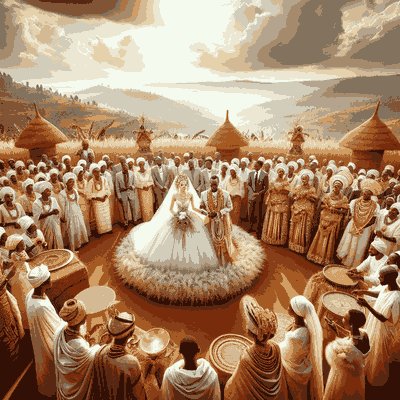
Pre-Wedding Traditions and Ceremonies
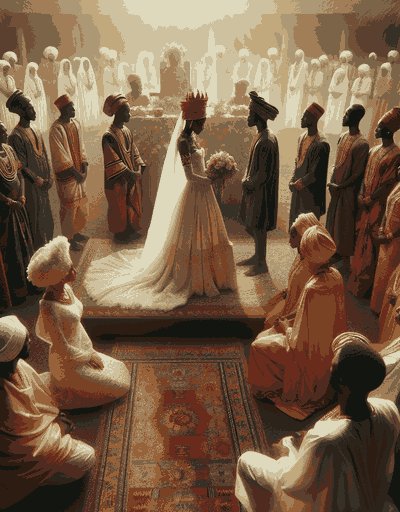
What is Kuranga (Matchmaking)?
Kuranga is the traditional Rwandan matchmaking process that involves family members or friends identifying suitable marriage partners, conducting background investigations, and facilitating introductions between families. This centuries-old practice, dating back to pre-colonial Rwanda, traditionally involves an Umuranga (mediator) who researches the potential bride’s ancestry, family reputation, and social standing over 2-4 weeks.
Traditional matchmaking components:
- Family representative selection: Choosing trusted Umuranga
- Background investigation: 2-4 week research period
- Family reputation assessment: Community inquiries
- Ancestry verification: Checking family lineages
- Social standing evaluation: Economic and social status
- Cost: $100-300 USD for Umuranga services
In modern Rwanda, while most urban couples meet independently, many still incorporate modified Kuranga elements to honor tradition. The investigation aspect is now typically a 1-2 week informal process focusing on general family compatibility rather than extensive ancestry research.
Gufata Irembo: Taking the Gate Ceremony
Gufata Irembo is the official first contact ceremony between two families where the groom’s family formally declares marriage intentions, traditionally “closing the gate” to other suitors. This essential pre-wedding tradition costs $200-500 USD and involves 10-20 family members meeting at the bride’s family home.
Ceremony components and costs:
- Traditional gifts: Beer, sodas, envelopes - $100-200 USD
- Transportation: For visiting delegation - $50-100 USD
- Formal attire: Traditional or semi-formal - $50-100 USD
- Duration: 2-4 hours
- Participants: 10-20 immediate family members
- Location: Bride’s family home or compound
Similar to other East African cultures like Kenyan and Ugandan traditions, this ceremony emphasizes respect and formal protocol. The term irembo literally means “gate” in Kinyarwanda, symbolizing the exclusive nature of the marriage negotiations beginning at this point.
Pre-Wedding Beauty Rituals and Preparations
Traditional Rwandan bridal beauty preparations historically involved 2-4 weeks of seclusion where brides underwent intensive skincare treatments using cow-ghee mixed with herbs, received marriage counseling from aunts, and followed special dietary regimens. These preparations, called guhinga ubwiza meaning “cultivating beauty,” cost $300-1,000 USD in modern times.
Regional beauty ritual variations:
- Northern Rwanda: Milk-based treatments - favored by most brides
- Southern Rwanda: Herbal preparations - widely practiced
- Eastern Rwanda: Mixed traditional-modern spa approaches
- Western Rwanda: Lake mineral treatments - popular near Lake Kivu
- Kigali (urban): Professional spa services - increasingly common
Modern brides typically spend 3-7 days on beauty preparations, combining traditional herbal treatments with contemporary spa services. Professional bridal preparation packages in Kigali range from $200-800 USD.
Official Wedding Ceremonies
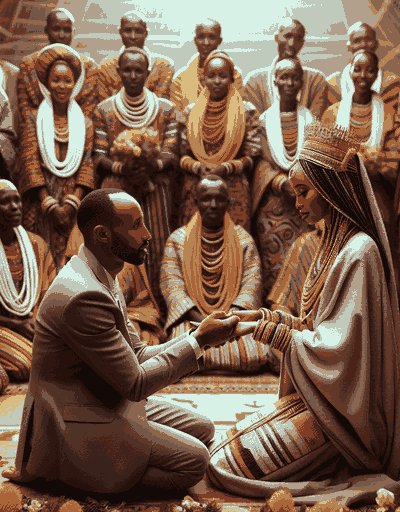
What is the Gusaba (Asking) Ceremony?
Gusaba is Rwanda’s most important pre-wedding ceremony where the groom’s family officially requests the bride’s hand in marriage through elaborate negotiations, riddles, and symbolic gift exchanges involving 50-200 guests over 4-8 hours. This tradition, meaning “to ask” in Kinyarwanda, costs $1,000-5,000 USD and features a ceremonial battle of wits between family representatives.
Gusaba ceremony components and timeline:
- Morning (8-10 AM): Guest arrival and tent setup
- Mid-morning (10-11 AM): Opening prayers and introductions
- Late morning (11 AM-1 PM): Negotiations and riddles - kubaza
- Afternoon (1-3 PM): Gift presentations and dowry discussions
- Late afternoon (3-5 PM): Feast and celebrations
- Evening (5-6 PM): Closing ceremonies and blessings
Cost breakdown for Gusaba:
- Venue and tents: $300-800 USD
- Catering (100-200 guests): $500-1,500 USD
- Traditional decorations: $200-500 USD
- Sound system and MC: $200-400 USD
- Photography/videography: $300-1,000 USD
- Traditional attire rentals: $100-300 USD
The bride’s tent traditionally features leopard print material, agaseke baskets, and handicrafts worth $200-500 USD. Neither bride nor groom traditionally participates directly, as negotiations occur between family representatives called intumwa.
Gukwa: The Dowry Ceremony
Gukwa is the traditional Rwandan dowry ceremony where the groom’s family presents cattle or monetary equivalents to the bride’s family, symbolizing commitment and ability to provide. This ceremony, occurring 1-3 months before the wedding, involves negotiations for 1-5 cows (or $500-2,000 USD per cow equivalent) and includes 30-50 close family members.
Traditional vs. modern dowry practices:
| Element | Traditional Practice | Modern Practice | Cost Range |
|---|---|---|---|
| Primary gift | 1-5 live cattle | Cash equivalent | $500-10,000 USD |
| Additional items | Agricultural tools | Household items | $200-1,000 USD |
| Milk ceremony | Fresh milk gourds | Packaged milk/juice | $50-100 USD |
| Negotiation time | 2-4 hours | 1-2 hours | N/A |
| Location | Bride’s home | Hotel/venue | $0-500 USD |
In rural areas, many families still prefer actual cattle, while most urban families accept monetary equivalents. The ceremony includes gutebutsa - setting the wedding date.
Civil and Religious Wedding Ceremonies
Rwandan civil ceremonies are legally required government procedures costing $50-200 USD, conducted at district offices with 10-30 witnesses, taking 30-60 minutes. Religious ceremonies, attended by most couples, occur in churches or mosques with 100-500 guests, costing $500-3,000 USD.
Ceremony comparison:
| Aspect | Civil Ceremony | Religious Ceremony |
|---|---|---|
| Duration | 30-60 minutes | 1-3 hours |
| Guests | 10-30 | 100-500 |
| Cost | $50-200 USD | $500-3,000 USD |
| Attire | Formal/traditional | White dress/suit |
| Legal status | Required | Optional |
| Documentation | Marriage certificate | Religious blessing |
Traditional Wedding Attire
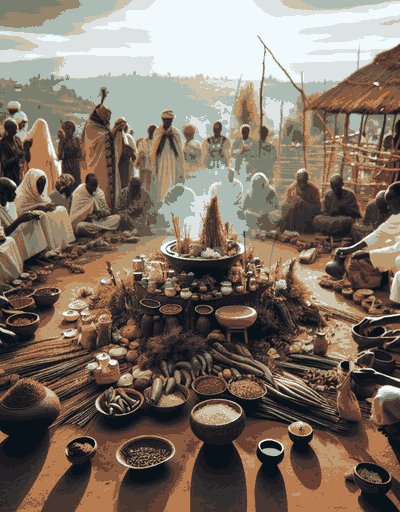
Mushanana: Rwanda’s Traditional Dress
Mushanana is the traditional Rwandan ceremonial dress consisting of a wrapped floor-length skirt, fitted top, and draped sash worn by women at cultural ceremonies, particularly weddings. This elegant attire, dating back centuries, costs $150-1,000 USD depending on fabric quality and embellishments, with wedding versions typically featuring white or cream colors with lace details.
Mushanana components and costs:
- Wrapped skirt (imvutano): 6 meters fabric - $50-300 USD
- Fitted top (ikoti): Matching fabric - $30-100 USD
- Sash (umukenyero): 2 meters fabric - $20-80 USD
- Tailoring: Professional fitting - $50-200 USD
- Accessories: Jewelry and headpiece - $50-300 USD
- Total outfit cost: $150-1,000 USD
Regional style variations:
- Kigali styles: Modern cuts, imported fabrics - popular in urban areas
- Northern regions: Traditional patterns - widely maintained
- Southern regions: Bright colors - commonly preferred
- Eastern regions: Geometric designs - distinctive regional style
The phrase mwambaye neza meaning “you look beautiful” is commonly used to compliment Mushanana wearers. Modern designers like House of Tayo and Sonia Mugabo create contemporary versions maintaining traditional silhouettes.
Traditional Male Wedding Attire
Rwandan traditional male wedding attire includes the men’s umushanana - a white shirt with wrapped floor-length skirt matching the bride’s fabric, accessorized with beaded necklaces and ceremonial walking sticks, costing $100-500 USD complete.
Male attire components:
- White ceremonial shirt: $30-80 USD
- Wrapped skirt: Matching bride’s fabric - $50-150 USD
- Beaded necklace (urugori): Black and white - $20-50 USD
- Walking stick (inkoni): Decorated wood - $30-100 USD
- Traditional sandals: Leather - $20-50 USD
- Modern alternative: Western suit - $200-800 USD
Many grooms wear traditional attire for Gusaba ceremonies, while most choose Western suits for church ceremonies. The ceremonial walking stick symbolizes authority and dignity in marriage.
Wedding Day Customs and Celebrations
Ingobyi: The Traditional Bridal Carrier
Ingobyi is a traditional Rwandan bridal carrier - a decorated sedan chair carried by two strong men that transports the bride to her groom, symbolizing her royal treatment and transition to married life. This centuries-old tradition, costing $200-500 USD to arrange, involves a 15-30 minute ceremonial procession with singing and dancing.
Ingobyi procession elements:
- Carrier rental/construction: $100-300 USD
- Carriers (2 strong men): $50-100 USD
- Decorations: Flowers and fabric - $50-100 USD
- Musical accompaniment: Drummers - $100-200 USD
- Duration: 15-30 minutes
- Distance covered: 100-500 meters
While few modern urban weddings use full Ingobyiin-GOHB-yee processions, many incorporate symbolic elements like brief carried entrances. The phrase tubageze umugeni announces “we bring you the bride.”
Traditional Dance and Music Performances
Rwandan wedding celebrations feature traditional dances including the famous Intore warrior dance, with professional troupes costing $300-1,000 USD for 30-60 minute performances involving 8-15 dancers in elaborate costumes with drums and choreographed movements celebrating cultural heritage. Rwanda’s traditional dances have been recognized by UNESCO for their cultural significance.
Dance performance components:
- Intore dancers: 8-15 performers - $200-600 USD
- Traditional drummers: 4-6 musicians - $100-300 USD
- Costume rentals: Full regalia - $100-200 USD
- Performance duration: 30-60 minutes
- Dance types: Intore, Umushayayo, Ikinimba
- Modern additions: DJ services - $200-500 USD
Traditional songs include turagushimira meaning “we thank you” and celebratory chants. Most weddings combine traditional performances with modern music, creating 4-6 hour reception programs.
Gutwikurura: First Family Meal Tradition
Gutwikurura is the post-wedding ceremony where the new bride prepares her first meal for both families, traditionally occurring 1-7 days after the wedding and symbolizing her integration into married life. This tradition involves 20-40 family members and costs $100-300 USD for ingredients and preparations.
Ceremony timeline and elements:
- Preparation time: 3-4 hours
- Traditional menu: Isombe, ugali, grilled meat
- Participants: 20-40 close family members
- Gifts brought: Household items - $200-500 USD
- Duration: 2-3 hour gathering
- Modern adaptations: Catered assistance allowed
The phrase umugo mwiza meaning “welcome to the family” is traditionally spoken. Many urban couples simplify this to a restaurant gathering while maintaining the symbolic first meal.
Agashingura Cumu: The Farewell Drink
Agashingura cumu is the traditional farewell drink served at the end of Rwandan wedding celebrations, literally meaning “that which pulls out the spear,” referencing ancient customs where male visitors planted spears outside homes. This final gesture costs $50-150 USD for special beverages served to 100-300 departing guests.
Traditional farewell elements:
- Banana beer (urwagwa): Local brew - $30-80 USD
- Modern alternative: Champagne toast - $100-300 USD
- Serving time: Final 30 minutes
- Blessing words: Mugire amahoro
- Guest count: 100-300 people
- Take-home gifts: Small tokens - $1-5 USD each
Post-Wedding Customs and Integration
Family Integration Traditions
Post-wedding family integration in Rwanda involves structured activities over 1-3 months where the new bride bonds with her husband’s family through cooking sessions, craft learning, and family gatherings costing $200-500 USD in hosting expenses for 4-8 integration events.
Integration activities timeline:
- Week 1-2: Daily visits with mother-in-law
- Week 3-4: Learning family recipes and customs
- Month 2: Participating in family decisions
- Month 3: Hosting first family gathering
- Ongoing: Weekly family dinners (Sunday tradition)
The phrase wacu meaning “ours/one of us” signifies acceptance. Modern couples balance integration with independence, with many maintaining separate residences initially.
Community Recognition Ceremonies
Community recognition of Rwandan marriages involves formal presentations at churches, community gatherings, or umuganda monthly community service, where newlyweds receive special acknowledgment through announcements, blessings, and sometimes gifts from community members.
Recognition elements:
- Church announcements: 2-3 Sundays post-wedding
- Community gathering presentation: 50-200 attendees
- Special seating arrangements: Honor positions
- Community gifts: Household items - $100-300 USD total
- Duration of special treatment: 3-6 months
- Participation rate: Higher in rural areas than urban centers
Evolution and Regional Variations
Regional Wedding Tradition Differences
Rwandan wedding traditions vary significantly across the country’s four provinces and Kigali, with Northern Rwanda emphasizing cattle-centered ceremonies (most include live cattle), Southern Rwanda featuring elaborate dances (average 5 dance troupes), Eastern Rwanda known for colorful attire, and Western Rwanda incorporating lakeside elements.
Regional comparison table:
| Region | Distinctive Features | Average Cost | Guest Count |
|---|---|---|---|
| Northern | Cattle emphasis, milk ceremonies | $8,000-15,000 | 300-500 |
| Southern | Dance performances, elaborate feasts | $6,000-12,000 | 250-400 |
| Eastern | Colorful Mushanana, geometric patterns | $5,000-10,000 | 200-350 |
| Western | Lakeside venues, fish feasts | $7,000-13,000 | 200-300 |
| Kigali | Modern venues, mixed traditions | $10,000-25,000 | 150-300 |
Ethnic group variations:
- Tutsi traditions: Emphasize poetry and eloquent speech - many include amazina praise poems
- Hutu traditions: Focus on agricultural symbolism - many include harvest ceremonies
- Twa traditions: Incorporate pottery and craft presentations - often feature handmade gifts
Urban vs Rural Wedding Practices
Urban Rwandan weddings cost 50-100% more than rural ceremonies, averaging $15,000-25,000 USD in cities versus $5,000-12,000 USD in villages, with urban celebrations featuring hotel venues, professional planning, and condensed timelines (1-2 days) compared to rural home-based, family-planned, multi-day (3-5 days) celebrations.
Practice comparison:
| Element | Urban Practice | Rural Practice |
|---|---|---|
| Venue type | Hotels/halls | Family homes |
| Planning | Often professional | Family-led |
| Duration | 1-2 days | 3-5 days |
| Guest count | 150-300 (average) | 300-500 (average) |
| Traditional elements | Selected | Comprehensive |
| Cost range | $15,000-25,000 | $5,000-12,000 |
Popularity Rankings of Traditional Elements
Most practiced Rwandan wedding traditions in order of current popularity:
- Gusaba ceremony - practiced by nearly all couples
- Mushanana attire - worn for at least one event by most brides
- Family negotiations - maintained by most families
- Gukwa/dowry - practiced in some form by most couples
- Traditional dancing - included in most celebrations
- Umuranga mediator - used in modified version by many
- Religious ceremony - Christian or Muslim services common
- Gutwikurura meal - practiced by many couples
- Pre-wedding beauty rituals - modified versions common
- Ingobyi carrier - full tradition less common today
Declining practices:
- Extended pre-wedding seclusion - rarely practiced
- Multi-week celebrations - uncommon today
- Complete cattle transactions - mainly rural
- Walking stick ceremonies - less common among modern grooms
- Traditional milk ceremonies - practiced by some families
Modern Adaptations and Trends
Contemporary Wedding Innovations
Modern Rwandan weddings blend tradition with technology, featuring digital invitations, drone photography ($300-800 USD), livestreaming for diaspora family ($200-500 USD), and Instagram-worthy decorations while maintaining core ceremonies like Gusaba which nearly all couples preserve.
Technology integration costs:
- Digital invitations: Design and distribution - $100-300 USD
- Wedding websites: Custom domains - $50-200 USD
- Drone videography: Aerial footage - $300-800 USD
- Livestreaming setup: Multiple cameras - $200-500 USD
- Social media management: Real-time posts - $100-300 USD
- LED lighting: Modern ambiance - $300-1,000 USD
Trending adaptations:
- Destination weddings: Lake Kivu resorts - increasing in popularity
- Eco-friendly celebrations: Biodegradable decor - growing adoption
- Fusion menus: Traditional-international combinations preferred by many
- Condensed ceremonies: 2-day maximum - common in urban areas
- Professional planning: Full-service packages - $1,000-3,000 USD
- Registry services: Online gift lists - increasingly used
The phrase ubukwe bugezweho meaning “modernized wedding” describes these contemporary adaptations. Diaspora Rwandans often spend significantly more, averaging $30,000-40,000 USD to include international guests.
Fashion Evolution and Designer Trends
Contemporary Rwandan wedding fashion features designer Mushananas costing $500-2,000 USD with modern cuts, imported fabrics, and innovative embellishments while maintaining traditional silhouettes. Leading designers like Sonia Mugabo, House of Tayo, and Moshions create pieces combining heritage with haute couture.
Designer trend analysis:
- Fabric innovations: Silk, organza, African prints - $100-500/meter
- Embellishment styles: Crystals, pearls, embroidery - adds $200-800
- Color trends: Pastels, jewel tones, and traditional colors all popular
- Accessories: Modern headpieces - $50-300 USD
- Bridesmaid coordination: Matching sets - $150-400 each
- Groom’s fashion: Designer suits with cultural touches - $500-1,500
muzehe cyane meaning “very elegant” describes high-fashion wedding attire. International fashion influences from Nigeria, Kenya, and South Africa increasingly shape Rwandan wedding fashion while maintaining distinct cultural identity.
How much does a traditional Rwandan wedding cost?
A complete traditional Rwandan wedding costs between $5,000-25,000 USD, with rural ceremonies averaging $5,000-12,000 and urban celebrations ranging $15,000-25,000. The major expense categories include: Gusaba ceremony ($1,000-5,000), Gukwa dowry ($500-10,000), religious ceremony ($500-3,000), reception ($2,000-8,000), and traditional attire ($500-2,000). Costs vary significantly based on guest count (200-500 people), venue choice, and the number of traditional elements included.
What is the most important ceremony in a Rwandan wedding?
The Gusaba (asking ceremony) is universally considered the most important Rwandan wedding tradition, practiced by nearly all couples regardless of location or modernization level. This elaborate ceremony involves 50-200 guests, costs $1,000-5,000 USD, and features family negotiations, riddles, and gift exchanges over 4-8 hours. Without a proper Gusaba, many Rwandans don’t consider a marriage culturally legitimate, even if legally binding.
How long do Rwandan wedding celebrations last?
Traditional Rwandan weddings historically lasted 5-7 days, but modern celebrations typically span 2-5 days. Urban weddings are usually condensed to 1-2 days, while rural celebrations maintain longer 3-5 day formats. The timeline includes: Gusaba (full day), civil ceremony (half day), religious service (half day), and reception (full day), with optional additional family gatherings.
What should guests wear to a Rwandan wedding?
Female guests traditionally wear Mushanana (traditional dress) costing $150-400 for the Gusaba ceremony and cultural events, with high participation at traditional ceremonies. Male guests wear formal suits or traditional umushanana (men’s wrapped attire) costing $100-300. For religious ceremonies, Western formal attire is acceptable. Avoid wearing white (reserved for the bride) or overly casual clothing. The phrase mwambaye neza compliments appropriate attire.
Can foreigners participate in Rwandan wedding traditions?
Yes, foreigners are warmly welcomed at Rwandan weddings and can fully participate in most traditions. Non-Rwandan partners marrying Rwandans successfully complete traditional ceremonies in most intercultural unions. Key tips include: learning basic Kinyarwanda greetings (muraho - hello, murakoze - thank you), wearing appropriate traditional attire, participating in dances when invited, and showing respect for elders through proper greetings. Professional cultural advisors are available for $200-500 USD.
What gifts are appropriate for Rwandan weddings?
Traditional Rwandan wedding gifts include household items ($50-200 USD), cash envelopes ($50-500 USD depending on relationship), and modern appliances ($100-1,000 USD). For Gusaba ceremonies, contributing to ceremony costs is appreciated. The traditional gift-giving ceremony called guhemba involves presenting gifts publicly. Modern couples increasingly use gift registries in urban areas. Avoid giving knives or sharp objects, considered bad luck.
Are there specific roles for family members in Rwandan weddings?
Yes, Rwandan weddings have clearly defined family roles: The Umuranga (mediator) manages negotiations, Umubyeyi (aunt) counsels the bride, Sebukwe (father-in-law) leads dowry discussions, and Nyirasenge (paternal aunt) oversees traditional protocols. Parents contribute significantly to wedding costs on average. Siblings serve as abanyamahanga (escorts) during ceremonies. Each role carries specific responsibilities and honor within the celebration structure.
How do modern Rwandan couples balance tradition with contemporary preferences?
Modern couples preserve core traditions while adapting formats: nearly all maintain Gusaba ceremonies but condense them to 4-5 hours, most accept dowry in cash rather than cattle, many hire professional planners while including family input, and most blend traditional and modern music. The key phrase guhanga udushya ntibica umuco meaning “innovation doesn’t kill culture” guides modern adaptations.
What are the legal requirements for marriage in Rwanda?
Legal marriage in Rwanda requires: civil ceremony at district offices ($50-100 USD), birth certificates for both parties, single status certificates, two witnesses per person, and 21-day public notice period. Foreign citizens need additional documentation including passport, residence permit, and single status certificate from home country (authenticated). Religious ceremonies alone aren’t legally binding. The legal process takes 30-60 days total.
How do Rwandan wedding traditions compare to other African countries?
Rwandan weddings share similarities with East African neighbors but maintain unique elements: Unlike Kenyan weddings, Rwandan ceremonies emphasize family negotiations over individual courtship. Compared to Ugandan traditions, Rwanda places greater emphasis on the Gusaba ceremony. Unlike Ethiopian weddings, Rwandan celebrations are more condensed. The unique Ingobyi carrier tradition and specific negotiation riddles distinguish Rwandan ceremonies. Regional African influences are increasing through diaspora connections, creating fusion celebrations.
Frequently Asked Questions
How much does a traditional Rwandan wedding cost?
A traditional Rwandan wedding typically costs between $5,000-25,000, with urban celebrations costing 50-100% more than rural ones.
What is the Gusaba ceremony in Rwanda?
Gusaba is a crucial pre-wedding ceremony involving family negotiations, hosting 50-200 guests over 4-8 hours, costing $1,000-5,000.
What is the traditional Rwandan wedding dress called?
The Mushanana is the traditional Rwandan wedding dress for women, typically costing $150-1,000.
How long do Rwandan wedding celebrations last?
Rwandan wedding celebrations typically last 2-5 days, encompassing various ceremonies and traditions.
What is the Kuranga tradition in Rwanda?
Kuranga is the traditional matchmaking process where a mediator (Umuranga) researches the bride's family over 2-4 weeks.
How much is the typical dowry (Gukwa) in Rwanda?
The Gukwa (dowry) typically consists of 1-5 cows or their cash equivalent of $500-10,000.
What happens during the Gutwikurura ceremony?
Gutwikurura is the traditional first meal shared between the newly united families, symbolizing their connection.
How many guests attend Rwandan weddings?
Rwandan weddings typically host 200-500 guests across various ceremonies.
What is the Gufata Irembo ceremony?
Gufata Irembo is the first contact ceremony where the groom's family officially declares their marriage intentions.
How are Rwandan wedding traditions changing?
Modern Rwandan weddings now incorporate digital invitations, livestreaming, and designer Mushanana fashions while maintaining core cultural elements.