Réunion Wedding Traditions Cultural Wedding Guide 2025
Wedding Timeline Overview

- 12 months before: Engagement announcement, venue selection, priest consultations for auspicious dates
- 6 months before: Venue bookings, invitation design, traditional attire orders
- 3 months before: Guest list finalization (100-300 typical), pre-wedding event planning
- 1 month before: Final fittings, catering coordination, performance rehearsals
- 1 week before: Pre-wedding rituals begin, decoration setup, guest confirmations
- Wedding days: Civil ceremony → Religious ceremony → Grand reception → Community celebrations
- Post-wedding: Brunch gatherings, temple blessings, honeymoon departures
Pre-Wedding Traditions
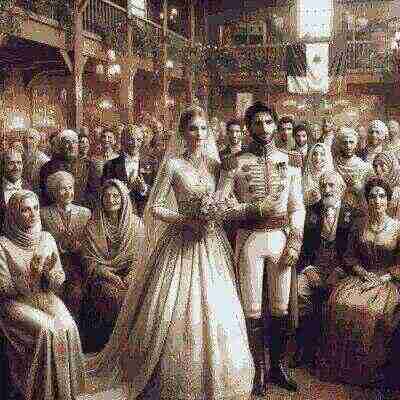
Benediction Creole (Creole Family Blessing)
Benediction Creole is a pre-wedding blessing ceremony that unites extended Creole families through Catholic prayers and ancestral invocations, typically occurring 1-2 days before the main wedding and involving 50-100 participants at the family home or community hall. The 2-3 hour celebration costs €1,000-€3,000 (USD $1,100-$3,300) and features elders offering marriage advice while guests enjoy traditional rougail saucisse and rhum arrange. This tradition strengthens family bonds through communal worship, with maloya drummers performing in rural areas while urban families may incorporate modern gospel music and video montages of family history.
Haldi Tamil Purification Ceremony
Haldi is a Tamil Hindu pre-wedding purification ritual that involves applying turmeric paste to bless and beautify the bride and groom, typically occurring 1-2 days before the Hindu wedding ceremony and lasting 2-4 hours with 50-150 participants. Known as Manjal Neerattu in Tamil, this €1,500-€4,000 (USD $1,650-$4,400) celebration takes place at the family home where relatives sing traditional songs while applying the golden paste. The ceremony includes vegetarian Tamil feast items like sambar and idli, with northern Reunion Tamils incorporating elaborate floral decorations while southern communities maintain simpler traditional setups.
Chinese Ancestor Blessing Ceremony
Bai Zushen is a Chinese-Reunionese pre-wedding tradition that honors ancestors through offerings of incense and food at family altars, occurring 1-3 days before the wedding with 10-50 family members participating in this 1-2 hour ceremony. This €500-€1,500 (USD $550-$1,650) ritual reflects Confucian values of filial piety, with elders blessing the couple for prosperity and harmony before sharing a traditional Chinese meal. Urban Chinese families often conduct the ceremony at temples with elaborate altar arrangements, while rural families maintain intimate home altar settings, and some modern couples incorporate Christian prayers to accommodate mixed-faith families.
Fiancailles Formal Engagement Party
Fiancailles is a French-influenced formal engagement celebration that officially announces the wedding and unites both families, typically held 3-6 months before the wedding with 50-150 guests attending this 3-5 hour event. Costing €2,000-€5,000 (USD $2,200-$5,500), the party features ring exchanges, family gift presentations, and formal toasts accompanied by French or Creole cuisine at family homes or restaurants. Rural fiancailles maintain traditional protocols with elder-led ceremonies, while urban celebrations include formal speeches and immediate social media announcements that reach diaspora relatives in mainland France.
Main Wedding Ceremonies
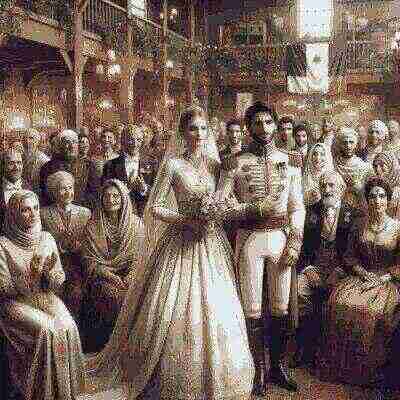
Ceremonie Civile at the Mairie
Ceremonie Civile is the mandatory French civil marriage ceremony that legally unites couples at the town hall (mairie), required by law 1-2 days before any religious celebration and lasting 1-2 hours with 20-50 immediate family members and close friends. This €500-€1,500 (USD $550-$1,650) ceremony features the mayor or deputy officiating the marriage contract signing and ring exchange under the French flag. Urban couples often combine the civil ceremony with cocktail receptions at nearby venues, while rural couples maintain the traditional simplicity, and modern adaptations include livestreaming for overseas relatives unable to attend in person.
Hindu Homam Fire Ceremony
Homam is a sacred Tamil Hindu wedding ritual where couples make offerings into a consecrated fire while taking seven steps (saptapadi) to seal their union, lasting 2-3 hours with 50-200 participants at temples or decorated homes. This €2,000-€5,000 (USD $2,200-$5,500) ceremony involves a priest chanting Sanskrit mantras while the couple, dressed in traditional sari and veshti, exchanges flower garlands and receives rice blessings from guests. Some families include the thaali tying ceremony for the bride, while modern couples may opt for eco-friendly fire setups and shortened rituals to accommodate time constraints and environmental concerns.
Muslim Nikah Marriage Contract
Nikah is the Islamic marriage contract ceremony that formalizes the union through witnessed consent and mahr (dowry) exchange, typically lasting 1-2 hours with 20-100 participants at mosques or family homes. This €1,000-€3,000 (USD $1,100-$3,300) ceremony emphasizes spiritual commitment and simplicity, with an imam overseeing the contract signing before guests enjoy a feast featuring biryani and traditional sweets. Indian Muslim families in Reunion often incorporate Tamil cultural elements into the celebration, while Comorian Muslims maintain stricter traditional protocols, and some modern couples blend French civil vows with Islamic requirements.
Catholic Church Wedding Mass
Catholic wedding mass is a religious ceremony that sanctifies marriage through liturgical rites and communion, typically lasting 1-2 hours with 100-200 participants in decorated churches across Reunion. These €1,500-€4,000 (USD $1,650-$4,400) ceremonies feature hymn singing, scripture readings, and blessing exchanges, representing a significant portion of Reunion weddings due to the island’s strong Catholic heritage. Coastal parishes often incorporate Creole hymns and maloya rhythms into the service, while highland churches maintain more traditional French liturgical music, and modern couples frequently request bilingual ceremonies in French and Creole.
Reception Celebrations
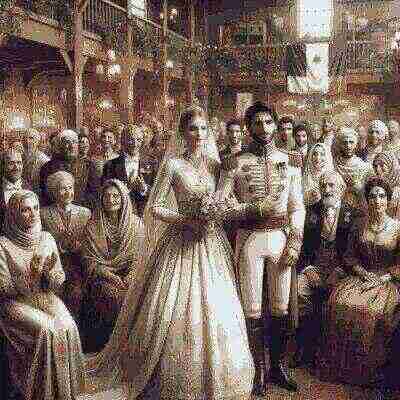
Soiree Sega Traditional Dance Reception
Soiree Sega is the vibrant wedding reception featuring Reunion’s iconic sega dance and live music, typically lasting 4-6 hours on the main wedding evening with 100-300 guests celebrating at banquet halls or outdoor venues. This €5,000-€15,000 (USD $5,500-$16,500) event unites all ethnic communities through rhythmic drumbeats and accordion melodies, with professional sega bands leading communal dances while guests feast on Creole buffets featuring cari poulet and French desserts. Coastal areas host beachside sega nights with sand dancing and seafood spreads, inland communities use decorated community halls, while urban receptions blend traditional sega with modern DJ sets mixing pop and electronic music.
Rougail Community Feast
Fete Rougail is a casual post-wedding celebration centered around Reunion’s signature spicy rougail stew, occurring 1-2 days after the main wedding with 50-200 community members gathering for 3-6 hours of feasting and storytelling. This €2,000-€6,000 (USD $2,200-$6,600) event reinforces community bonds through shared meals at community halls or family properties, contrasting with formal ceremonies through its relaxed atmosphere. Coastal celebrations feature seafood rougail variations with fresh catch, inland areas focus on traditional meat-based recipes, while modern urban couples incorporate food trucks and craft cocktails alongside traditional dishes.
Traditional Wedding Elements
Ceremonial Attire and Dress Codes
Traditional wedding attire in Reunion reflects the island’s multicultural heritage with brides wearing silk saris for Hindu ceremonies, white gowns for Catholic masses, or embroidered lehengas for Muslim celebrations, while grooms don traditional veshtis, formal suits, or ornate sherwanis. Wedding clothing costs range from €500-€2,000 (USD $550-$2,200) per outfit, with many families commissioning custom designs that blend cultural elements like French lace with Indian embroidery. Urban couples increasingly rent designer outfits for multiple ceremony changes, rural families often pass down heirloom pieces through generations, while modern adaptations include convertible dresses that transform from ceremony to reception styles.
Music and Dance Traditions
Wedding music traditions encompass live sega bands with traditional ravanne drums, Tamil dhol drummers for Hindu processions, qawwali singers for Muslim ceremonies, and maloya performers for Creole blessings, with entertainment costs ranging from €800-€3,000 (USD $880-$3,300). Professional sega bands typically include 4-6 musicians playing accordion, triangle, maracas, and drums, performing for 2-3 hour sets during receptions while teaching guests traditional dance steps. Modern weddings blend traditional music with contemporary elements, featuring DJs who mix sega rhythms with international pop, creating fusion soundscapes that appeal to younger generations while respecting cultural roots.
Culinary Traditions and Wedding Feasts
Wedding feast menus combine French pastries with Creole cari, Tamil vegetarian spreads, Chinese dim sum, and Muslim biryani, with catering costs averaging €20-€50 (USD $22-$55) per guest depending on menu complexity and venue selection. Traditional Creole receptions feature rougail saucisse, cari poulet, and gateau patate desserts, while Hindu ceremonies serve exclusively vegetarian items including sambar, idli, and coconut chutneys following religious dietary laws. Modern caterers offer fusion menus combining French presentation techniques with traditional island flavors, accommodate diverse dietary restrictions including halal and vegan options, and increasingly source local ingredients to support sustainable farming practices.
Regional and Cultural Variations
Urban vs Rural Wedding Differences
Urban Reunion weddings in Saint-Denis and Saint-Pierre typically host larger gatherings with modern venue bookings and professional planning services, with budgets reaching €20,000-€30,000 (USD $22,000-$33,000). These city celebrations feature air-conditioned banquet halls, professional decorators creating Instagram-worthy setups, and fusion menus blending international cuisines with traditional dishes. Rural weddings in highland communities maintain intimate gatherings at community halls or family properties, preserving traditional practices like all-night maloya sessions and communal cooking preparations that strengthen village bonds.
Ethnic Community Variations
Creole weddings represent the majority of unions and emphasize sega dancing, Catholic blessings, and rhum arrange toasts, creating celebrations that blend African, Malagasy, and French influences through music, food, and ritual practices. Tamil Hindu weddings center on homam fire rituals, vegetarian feasts, and multi-day celebrations including haldi and kumari ceremonies that maintain strong connections to South Indian traditions. Chinese-Reunionese weddings incorporate red color themes, ancestor altar ceremonies, and fusion banquets that balance Cantonese traditions with Creole influences, while Muslim weddings maintain Islamic protocols through nikah contracts and gender-separated celebrations adapted to island customs.
Socioeconomic Wedding Variations
High-income weddings in Reunion feature luxury beach resorts, imported flowers, celebrity chefs, and destination elements, with budgets of €25,000-€30,000 (USD $27,500-$33,000) covering 300+ guests and multiple-day celebrations. These elaborate events often include pre-wedding spa retreats, professional wedding planners coordinating between multiple venues, and honeymoons to Mauritius or Seychelles. Middle and lower-income celebrations focus on community involvement with budgets of €10,000-€15,000 (USD $11,000-$16,500), utilizing family labor for decorations, home-cooked feast preparations, and local musician friends, creating equally meaningful celebrations that prioritize cultural traditions over commercial luxury.
Modern Adaptations and Trends
Post-COVID Wedding Transformations
COVID-19 adaptations have influenced Reunion wedding practices with many ceremonies now incorporating virtual attendance options, reduced guest lists, and outdoor venue preferences. Modern couples often maintain smaller guest counts by choice, investing saved funds into higher-quality experiences like gourmet catering, professional photography, and extended honeymoons rather than large gatherings. Hybrid celebrations have become common practice, with livestreaming equipment rentals costing €500-€1,000 (USD $550-$1,100) to connect diaspora family members in mainland France, creating intimate in-person events with global virtual participation.
Social Media and Technology Integration
Digital wedding culture in Reunion sees many urban couples creating custom hashtags, hiring social media managers for real-time updates, and investing in drone photography to capture aerial views of beachside ceremonies. Instagram-worthy decoration setups drive modern planning decisions, with couples allocating €2,000-€4,000 (USD $2,200-$4,400) specifically for photogenic elements like flower walls, neon signs featuring Creole phrases, and themed photo booths. Wedding websites increasingly replace traditional paper invitations, offering multilingual interfaces (French, Creole, Tamil) with RSVP management, gift registries, and pre-wedding event schedules accessible to tech-savvy guests.
Sustainable and Eco-Friendly Practices
Eco-conscious wedding trends emerge as Reunion couples prioritize environmental protection, with growing interest in locally-sourced decorations, biodegradable confetti, and carbon-offset honeymoon travel reflecting island conservation values. Zero-waste catering gains popularity through banana leaf plates for Hindu ceremonies, reusable decoration rentals, and donated leftover food to community organizations, reducing both costs and environmental impact. Solar-powered venues in rural areas, electric vehicle wedding transport, and digital-only invitations represent growing sustainability commitments that blend modern environmental consciousness with traditional cultural celebrations.
Planning Tip: For the most authentic Reunion wedding experience, consider consulting with local wedding planners who specialize in multicultural ceremonies. The Reunion Island Tourism Board provides resources for couples planning destination weddings on the island.
How much does a typical Reunion wedding cost?
A typical Reunion wedding costs between €10,000-€30,000 (USD $11,000-$33,000), with urban celebrations in Saint-Denis or Saint-Pierre averaging €20,000-€25,000 for 200-300 guests, while rural weddings in highland communities average €10,000-€15,000 for 100-150 guests. Major expenses include venue rentals (€2,000-€8,000), catering at €20-€50 per guest, traditional clothing (€500-€2,000), photography (€1,000-$3,000), and entertainment featuring sega bands or maloya musicians (€800-€3,000). The mandatory ceremonie civile adds €500-€1,500, religious ceremonies cost €200-€1,000, while pre-wedding events like haldi or benediction creole require additional budgets of €1,000-€4,000 each.
How long do Reunion weddings typically last?
Reunion weddings typically span 2-4 days, beginning with pre-wedding rituals like the Tamil haldi ceremony or Chinese Bai Zushen ancestor blessing 1-2 days before the main event. The celebration includes the mandatory ceremonie civile at the mairie (1-2 hours), followed by religious ceremonies such as Catholic mass, Hindu homam, or Muslim nikah (2-3 hours each), and culminating in the soiree sega reception lasting 4-6 hours. Post-wedding events like the fete rougail extend celebrations another 1-2 days, with rural communities often hosting week-long festivities that include multiple family gatherings, communal meals, and traditional music performances.
Who typically attends Reunion weddings?
Reunion weddings include immediate and extended family, workplace colleagues, childhood friends, religious community members, and neighborhood connections, with guest lists ranging from 100-300 people depending on family size and social networks. Urban weddings tend to have larger guest lists due to professional networks and mixed cultural circles, while rural celebrations focus on village communities and clan relationships. The multicultural nature means Hindu weddings might include temple congregations, Muslim ceremonies involve mosque communities, while Creole Catholic weddings encompass parish members, with costs calculated at €20-€50 per guest for catering and venue considerations.
What are the essential pre-wedding ceremonies?
Essential pre-wedding ceremonies include the fiancailles engagement party (3-6 months before), cultural purification rituals like Tamil haldi or manjal neerattu (1-2 days before), family blessing ceremonies such as benediction creole or Chinese Bai Zushen (1-3 days before), and the mandatory ceremonie civile (1-2 days before religious ceremony). These pre-wedding events cost €500-€5,000 each depending on scale, with haldi ceremonies involving 50-150 participants for €1,500-€4,000, while benediction creole gatherings host 50-100 family members for €1,000-€3,000. Modern couples may compress these into a concentrated pre-wedding weekend to accommodate working schedules and traveling relatives.
How do religious differences affect wedding ceremonies?
Religious differences significantly shape Reunion weddings with many following Catholic traditions including church mass and benediction creole, while others conduct Hindu ceremonies featuring homam fire rituals and vegetarian feasts, perform Muslim nikah contracts with gender-separated celebrations, or blend multiple faiths. Catholic weddings emphasize sacramental unity through communion and hymns costing €1,500-€4,000, Hindu celebrations require temple bookings and priest services for €2,000-€5,000, while Muslim ceremonies maintain simplicity with mosque or home venues for €1,000-€3,000. Interfaith couples often conduct multiple ceremonies to honor both traditions, doubling ceremony costs but ensuring family inclusion across religious boundaries.
What traditional music and dances are featured?
Traditional wedding music features sega bands with ravanne drums, triangle, and accordion performing 2-3 hour sets, maloya drummers for Creole ceremonies honoring African heritage, Tamil dhol and nadaswaram for Hindu processions, and qawwali or nasheed for Muslim celebrations. Live music costs €800-€3,000 depending on band size and performance duration, with professional sega groups teaching guests traditional dance steps involving hip swaying and foot shuffling that unite all ethnic communities. Modern DJs charge €500-€1,500 to blend traditional rhythms with contemporary music, creating fusion sets that maintain cultural authenticity while appealing to younger guests who prefer electronic dance music mixed with heritage sounds.
How have Reunion weddings modernized recently?
Recent modernizations include many urban couples using Instagram hashtags and drone photography, incorporating livestreaming for diaspora relatives since COVID-19, and fusion menus blending French techniques with Creole flavors replacing traditional single-cuisine offerings. Sustainable practices gain prominence with growing interest in local flowers, biodegradable decorations, and carbon-offset honeymoons, while digital invitations increasingly replace paper through multilingual wedding websites. Traditional multi-day celebrations sometimes compress into weekend events accommodating modern work schedules, soiree sega receptions feature DJ-band collaborations mixing electronic music with heritage instruments, and pre-wedding haldi ceremonies include professional decorators creating elaborate themed setups for social media documentation.
What are typical wedding gifts and dowry expectations?
Wedding gifts in Reunion typically include cash envelopes of €50-€200 (USD $55-$220) per guest, with close family members giving €500-€1,000, jewelry for Hindu and Muslim ceremonies, or household items from gift registries at French department stores. Traditional mahr dowry in Muslim weddings ranges €1,000-€5,000 depending on families’ agreements, while Hindu families may exchange gold jewelry worth €2,000-€10,000 during engagement ceremonies. Chinese traditions include red envelopes with amounts ending in 8 for prosperity, Creole guests often contribute toward honeymoon funds, and modern couples increasingly request charitable donations or experience gifts rather than physical items.
How do venue choices vary across communities?
Venue choices reflect cultural preferences with Catholic weddings utilizing historic churches like Saint-Denis Cathedral followed by hotel ballroom receptions (€3,000-€8,000), Hindu ceremonies at decorated temples or family compounds with outdoor mandaps (€2,000-€5,000), and Muslim nikah in mosques or intimate home settings (€500-€2,000). Beach venues along Saint-Gilles or Saint-Pierre coastline attract modern couples for €5,000-€10,000, offering sunset ceremonies and seafood receptions, while mountain locations in Cilaos or Salazie provide dramatic backdrops for €3,000-€6,000. Community halls remain popular for rural celebrations at €1,000-€3,000, providing spacious dance floors for sega performances and accommodating large guest counts with flexible catering arrangements.
What happens after the main wedding ceremony?
Post-wedding traditions include the fete rougail feast 1-2 days later where 50-200 community members gather for casual celebrations costing €2,000-€6,000, newlywed temple visits for Hindu couples seeking divine blessings, and informal brunches for close family before honeymoon departures. Modern couples host thank-you gatherings combining leftover food with relaxed entertainment, allowing elderly relatives extended celebration time without formal ceremony pressures. Honeymoon destinations typically include nearby Mauritius (€2,000-€5,000), Seychelles (€3,000-€6,000), or mainland France (€2,500-€5,000) for 7-14 days, with some couples delaying trips to accommodate traditional post-wedding blessing ceremonies required by religious customs.
Frequently Asked Questions
How much does a typical wedding in Réunion cost?
A typical wedding in Réunion costs between €10,000-€30,000, depending on guest count, venue choice, and included cultural ceremonies.
What is a Soirée Sega?
A Soirée Sega is a traditional Réunion wedding reception featuring vibrant Sega dance music, live bands, and a Creole buffet feast.
Is a civil ceremony required in Réunion?
Yes, the French civil ceremony (cérémonie civile) at the town hall is legally mandatory before any religious or cultural ceremonies.
What traditional attire is worn at Réunion weddings?
Réunion weddings feature diverse attire including Western white gowns, Indian saris and lehengas, traditional veshtis, and Chinese formal wear.
How long do weddings typically last in Réunion?
Réunion weddings typically last 2-4 days, incorporating various ceremonies, celebrations, and family gatherings.
What is the Bénédiction Créole?
The Bénédiction Créole is a traditional Creole family blessing ceremony with prayers, advice-giving, and traditional food and music.
How many guests attend a typical Réunion wedding?
Réunion weddings usually host between 100-300 guests, though numbers can vary based on family size and type of celebration.
What is a Homam ceremony?
A Homam is a Hindu fire ritual performed during Tamil weddings, featuring Sanskrit mantras, garland exchanges, and the sacred saptapadi ritual.
What types of food are served at Réunion weddings?
Wedding cuisine includes Creole cari, Tamil vegetarian dishes, Chinese dim sum, and Muslim biryani, reflecting the island's diverse cultures.
How has COVID-19 affected Réunion weddings?
COVID-19 has led to smaller guest counts, increased outdoor venues, and the incorporation of livestreaming for virtual attendance.