São Tomé and Príncipe Wedding Traditions
Wedding Timeline Overview
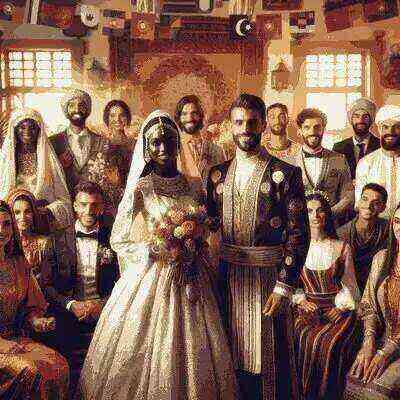
- 12 months before: Family meetings, dowry negotiations, engagement announcements
- 6 months before: Festa de Noivado planning, venue selection, guest list creation
- 3 months before: Invitation distribution, traditional clothing orders, service bookings
- 1 month before: Guest list finalization, pre-wedding ritual scheduling, community contributions
- 1 week before: Church rehearsals, venue decorations, dowry delivery
- Wedding days: Catholic ceremony (Day 1), main reception (Day 2), optional community celebrations (Day 3)
- Post-wedding: House blessing, thank-you visits, marriage registration
Pre-Wedding Traditions: Festa de Noivado and Family Preparations
Festa de Noivado (Engagement Feast)
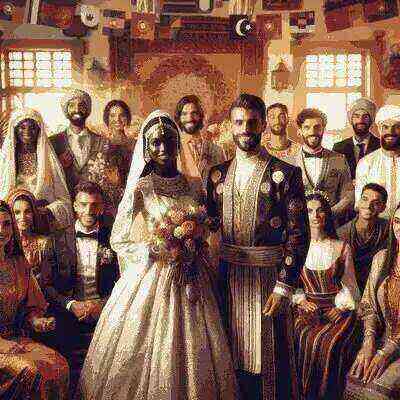
Festa de Noivado is a formal engagement celebration that occurs 6-12 months before the wedding, typically lasting several hours and involving immediate family members and close friends at the bride’s family home. This essential pre-wedding tradition features the exchange of symbolic gifts including capulana fabric, food baskets, and wooden carvings, while families feast on traditional calulu stew and palm wine.
The engagement feast serves multiple purposes beyond announcing the union. Families negotiate practical wedding arrangements, establish financial contributions, and formally acknowledge the relationship between both households. The groom’s family traditionally presents symbolic dowry items during this event, which may include livestock, money, or household goods.
Modern adaptations have transformed many urban Festa de Noivado celebrations, with couples now hosting events in restaurants featuring DJ music alongside traditional drumming. However, core elements remain unchanged: the serving of calulu (fish or meat stew with greens), banana fritters, and palm wine continues across all socioeconomic levels. Similar engagement traditions can be found in Cape Verdean and Angolan wedding customs.
Bênção Familiar (Family Blessing Ritual)
Bênção Familiar is an intimate pre-wedding blessing ceremony conducted 1-2 weeks before the wedding, involving immediate family members in a 1-2 hour ritual at the bride’s family home. This sacred tradition centers on prayers, holy water sprinkling, and the presentation of family heirlooms to symbolize the bride’s transition into married life.
The blessing ritual follows a structured format regardless of regional variations. Family elders or a Catholic priest lead prayers while the bride receives ancestral jewelry, blessed capulana cloth, or other heirlooms passed through generations. White candles illuminate the space as participants share light refreshments including tropical fruits and traditional bread.
Regional variations distinguish how different ethnic groups conduct Bênção Familiar. Mestiçomesh-TEE-soo families emphasize Catholic prayers using formal liturgy, while Angolaresahn-goh-LAH-resh communities incorporate animist elements including palm oil offerings to ancestors. Urban families increasingly record these intimate moments for social media sharing, though the spiritual significance remains paramount.
Entrega de Dote (Dowry Presentation)
Entrega de Dote is a traditional dowry presentation ceremony occurring 1-2 months before the wedding, where the groom’s family formally presents gifts to the bride’s family during a gathering of family elders. This African-rooted custom involves respectful negotiations mediated by community elders, culminating in the transfer of cash, livestock (typically goats), household goods, or capulana fabric.
The dowry tradition reflects deep cultural values of respect, commitment, and inter-family alliance. Negotiations follow established protocols where elders discuss not just material exchanges but also expectations for the couple’s future household. The event includes a ceremonial meal and prayers for prosperity, with palm wine sealing agreements between families.
Modern urban couples increasingly view Entrega de Dote as optional, with some replacing traditional dowry with mutual gift exchanges. When practiced in cities, dowry often simplifies to cash payments, while rural communities maintain livestock exchanges and elaborate negotiation ceremonies. This practice shares similarities with dowry customs in Mozambican and other Lusophone African cultures.
Wedding Day Ceremonies: Missa de Casamento and Cultural Celebrations
Missa de Casamento (Catholic Wedding Mass)
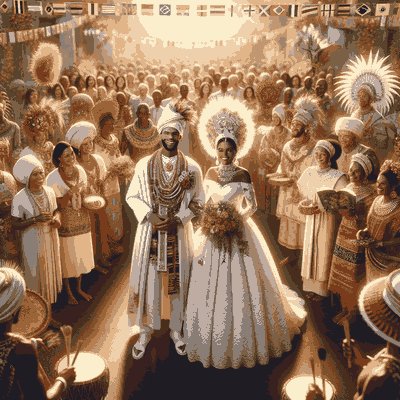
Missa de Casamento is the central Catholic wedding ceremony lasting 1-2 hours at local churches. This formal religious service follows Catholic liturgy including vows, ring exchange, scripture readings, and priestly blessings, while incorporating local customs like rice throwing and traditional hymns sung in Portuguese and Creole.
The ceremony represents the convergence of Portuguese colonial religious influence with African spiritual traditions. Couples wear either Western-style attire (white wedding dress and suit) or elaborate capulana-based designs incorporating traditional patterns. Professional photographers capture moments as the congregation participates through responsive prayers and joyful singing, with church choirs performing both Catholic hymns and adapted local melodies.
Urban ceremonies in São Tomé city feature enhanced formality with many couples livestreaming services via WhatsApp for diaspora family members. Rural church weddings maintain community-centered approaches where local choirs dominate music, decorations utilize native flowers like hibiscus and frangipani, and the entire village participates regardless of formal invitations.
Festa de Rua (Street Reception Feast)
Festa de Rua is the main wedding reception celebration lasting 6-10 hours, typically held on the second day at community halls, open streets, or family compounds. This vibrant community event features traditional calulu stew, grilled fish, funge cassava porridge, tropical fruits, and palm wine, accompanied by live tchiloli music performances and dança-congo dancing that continues until late evening.
The street feast embodies São Tomé and Príncipe’s communal approach to celebration. Tables overflow with dishes prepared collectively by family members and neighbors, reflecting the tradition where wedding costs and preparations are shared community responsibilities. The couple performs their first dance to tchiloli rhythms before cutting a Western-style wedding cake, demonstrating the blend of traditional and modern elements.
Entertainment varies significantly by region and ethnic group. Angolaresahn-goh-LAH-resh communities emphasize elaborate dança-congo performances with costumed dancers recreating historical narratives, while ForrosFOH-roosh populations include Portuguese fado-inspired songs. Urban receptions feature professional DJs, LED decorations, and amplified sound systems, though traditional live drumming remains essential.
Dança do Casal (Couple’s First Dance)
Dança do Casal is the ceremonial first dance performed by newlyweds during the reception, lasting 10-15 minutes. This choreographed performance to traditional tchiloli music symbolizes marital unity while opening the dance floor for all guests, who typically form a celebratory circle around the couple.
The dance tradition has evolved significantly with many urban couples hiring professional choreographers to create polished performances mixing traditional steps with contemporary moves. Rural celebrations maintain simpler approaches featuring live drumming and spontaneous movements reflecting genuine emotion rather than rehearsed routines.
Following the couple’s dance, the reception transforms into communal celebration. Guests join in traditional circle dances, with different generations demonstrating various styles from colonial-era social dances to modern Afrobeat movements. The dancing continues throughout the celebration, punctuated only by eating, toasting, and gift presentations.
Post-Wedding Traditions: Bênção da Casa and Community Integration
Bênção da Casa (New Home Blessing)
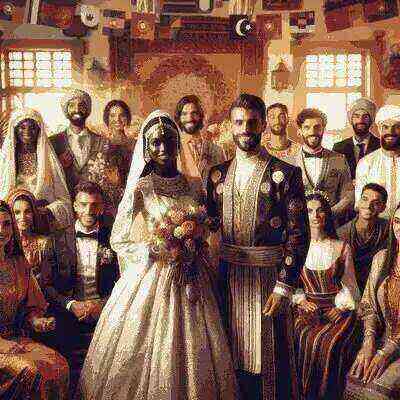
Bênção da Casa is a post-wedding home blessing ceremony conducted 1-2 weeks after marriage, involving family members in a 1-2 hour ritual at the couple’s new residence. This spiritual tradition features prayers and holy water blessings led by priests or elders, while family members present practical household gifts including cooking pots, linens, and furniture to establish the new household.
The house blessing serves both spiritual and practical purposes in São Toméan culture. Beyond ensuring divine protection and prosperity for the marriage, the ceremony provides an opportunity for extended family to contribute essential items for daily life. Typical gifts include traditional wooden furniture, handwoven baskets, cooking utensils, and decorative capulana textiles.
Modern urban couples often transform Bênção da Casa into housewarming parties that blend religious elements with social celebration. However, core ritual components remain consistent: the sprinkling of holy water in each room, placement of protective crosses, and communal meal featuring rice and fish dishes that symbolize abundance.
Visitas de Agradecimento (Thank-You Visits)
Visitas de Agradecimento are formal thank-you visits conducted 1-4 weeks post-wedding, where newlyweds spend 1-2 days visiting key contributors’ homes with gifts. These structured social calls to elders, wedding sponsors (padrinhos), and major contributors involve presenting fruit baskets, capulana fabric, or small cash gifts while expressing gratitude for wedding support.
The visiting tradition reinforces social bonds essential to São Toméan community life. Couples prioritize visits based on contribution levels and social hierarchy, beginning with religious leaders, followed by elderly relatives, then wedding sponsors who provided financial or material support. Each visit follows protocols of respectful greeting, gift presentation, brief socializing, and formal departure blessings.
Urban couples increasingly abbreviate this tradition due to time constraints, limiting visits to immediate family and sending digital thank-you messages to others. Rural communities maintain extensive visiting circuits covering distant relatives across multiple villages, viewing these interactions as investments in future reciprocal support networks.
Regional and Cultural Variations in Wedding Practices
Ethnic Group Variations: Mestiço, Angolares, and Forros Traditions
São Tomé and Príncipe wedding variations reflect three major ethnic traditions: Mestiçomesh-TEE-soo (the majority) blend Catholic-Creole customs with formal church ceremonies and capulana attire; Angolaresahn-goh-LAH-resh emphasize African roots through dança-congo performances and animist blessings; while ForrosFOH-roosh incorporate Portuguese formalities and fado music in their celebrations.
Mestiço weddings represent mainstream São Toméan practice, balancing Portuguese Catholic influence with African communal traditions. Their celebrations feature bilingual ceremonies (Portuguese and Forro Creole), extensive family involvement in planning, and flexible incorporation of both Western and traditional elements. Typical Mestiço weddings last 2-3 days with extended family and community participating in church ceremonies and street feasts.
Angolares communities maintain stronger connections to African ancestral practices. Their weddings incorporate drum-centered music, elaborate costume dances recreating historical narratives, and parallel animist rituals alongside Catholic ceremonies. Dowry negotiations hold greater significance, often involving symbolic items like palm oil and traditional medicines rather than purely monetary exchanges.
Urban versus Rural Wedding Practices
Urban São Tomé weddings occur in the capital and larger towns, involving guests in hotel or restaurant venues with professional services, while featuring DJs, catered meals, and photographer documentation. These modern celebrations often compress traditional multi-day events into single-day affairs accommodating work schedules and urban lifestyles.
Professional service adoption characterizes urban weddings, with many couples hiring DJs, photographers, decorators, and caterers rather than relying on community contributions. Venues shift from family compounds to rented halls, churches incorporate audiovisual equipment for livestreaming, and Western elements like multi-tiered cakes and champagne toasts become standard.
Rural weddings across São Tomé’s agricultural communities maintain traditional structures involving entire villages contributing labor, food, and entertainment over 2-3 days. Community members collectively prepare feast foods, construct palm-leaf decorations, and provide live musical entertainment through local drum groups and singers.
Religious Variations: Catholic, Protestant, and Animist Influences
Catholic São Toméan weddings represent the majority of marriages, featuring formal Missa de Casamento in churches with ordained priests, Latin liturgy elements, and mandatory pre-marriage counseling. These ceremonies follow Vatican-approved rituals while incorporating approved local music and Portuguese-Creole biblical translations.
Protestant weddings emphasize simplified ceremonies in community halls or outdoor spaces, with services led by pastors focusing on biblical readings and contemporary gospel music. Costs tend to be lower due to reduced ceremonial requirements and absence of elaborate Catholic traditions like incense and formal processions.
Animist-influenced weddings blend Christian ceremonies with traditional African spiritual practices. These include dawn blessings invoking ancestors, palm oil libations, and protective amulet exchanges. Such additions require ritual specialists and ceremonial items, adding both cultural depth and additional costs to the celebrations.
Modern Adaptations and Contemporary Trends
Technology Integration and Social Media Impact
Modern São Tomé wedding technology includes WhatsApp livestreaming used by many urban couples for diaspora participation, Instagram documentation for real-time sharing, and LED decoration systems that transform traditional venues. These digital adaptations allow families scattered across Portugal, Angola, and other nations to participate virtually in ceremonies previously requiring physical presence.
Social media influence reshapes wedding planning and execution significantly. Couples research international trends online, hire photographers specifically for social media content, and design ceremonies with visually striking moments in mind. Traditional elements like capulana fashion gain renewed interest as couples seek unique cultural content distinguishing their celebrations from globalized Western weddings.
Recent years have seen accelerated technological adoption, with many weddings reducing physical attendance while maintaining larger virtual participation. Post-pandemic practices retain hybrid elements, with urban couples routinely providing QR codes for digital gift contributions and streaming services for elderly relatives unable to travel.
Diaspora Adaptations and International Influences
São Toméan diaspora weddings in Portugal, Angola, and Gabon blend homeland traditions with host country requirements, creating hybrid ceremonies that incorporate Festa de Rua elements into European venues and adapt tchiloli music for international audiences. These celebrations maintain core cultural markers like calulu preparation and capulana fashion while conforming to local regulations and venue constraints.
Portuguese São Toméans particularly influence homeland practices through reverse cultural flow. Diaspora preferences for shorter ceremonies, professional planning services, and Western honeymoon traditions increasingly appear in urban island weddings. Many São Tomé city weddings now include European elements like cocktail hours and formal seating arrangements previously unknown.
International tourism and development worker presence introduces additional modifications. Luxury beach resort weddings catering to mixed couples (São Toméan-foreign) create fusion ceremonies incorporating both cultural traditions. These high-end celebrations establish new precedents that gradually influence local practice.
Planning Tip: For visitors interested in experiencing authentic São Toméan culture, the São Tomé and Príncipe National Tourism Office provides resources on cultural events and local customs. Traditional wedding celebrations often welcome community participation, reflecting the islands’ renowned hospitality.
Economic Factors and Cost Management Strategies
São Tomé wedding economics reflect significant financial considerations, with average celebrations representing several months of typical salaries. This leads many couples to implement cost-sharing strategies including family contributions, community fundraising, and extended payment plans. These financial realities reshape traditional practices as couples balance cultural expectations with economic constraints.
Community contribution systems (called “djunta mon” in Forro Creole) remain essential for wedding affordability. Extended family members pledge specific contributions months in advance: aunts provide feast ingredients, uncles supply palm wine, cousins offer labor for decorations. This traditional mutual aid system enables elaborate celebrations despite individual financial limitations.
Urban couples increasingly adopt cost-reduction strategies including single-day celebrations, afternoon receptions avoiding dinner costs, and limiting guest lists. Some choose symbolic dowries rather than substantial payments, while others extend engagement periods for extended saving. These adaptations maintain ceremonial significance while acknowledging contemporary economic realities.
Frequently Asked Questions
How long do São Tomé and Príncipe weddings typically last?
São Tomé and Príncipe weddings traditionally span 2-3 days, beginning with the Catholic Missa de Casamento on day one (1-2 hours), followed by the main Festa de Rua reception on day two (6-10 hours), and optional community celebrations on day three. Pre-wedding events like Festa de Noivado occur 6-12 months before, while post-wedding traditions including Bênção da Casa and Visitas de Agradecimento extend 1-4 weeks after the ceremony. Urban couples increasingly compress celebrations into single-day events due to work schedules, while rural communities maintain traditional multi-day formats involving entire villages.
Who typically pays for São Tomé and Príncipe weddings?
São Tomé and Príncipe weddings involve shared financial responsibility between both families and the broader community, with costs typically shared between the bride’s family, groom’s family, and community contributions through the “djunta mon” system. The groom’s family traditionally covers dowry costs, church fees, and musician payments, while the bride’s family handles reception venue, decorations, and primary food preparation. Extended family members contribute specific items: aunts provide calulu ingredients, uncles supply palm wine, and cousins offer labor for setup and cooking.
What are the essential elements of a traditional Festa de Rua reception?
The Festa de Rua reception requires specific traditional elements: calulu stew (fish or meat with greens), grilled fresh fish, funge cassava porridge, tropical fruits, and palm wine. Live tchiloli musicians provide traditional theatrical music while guests perform dança-congo dances. Essential decorations include palm leaves, hibiscus flowers, and increasingly LED lighting systems. The couple’s wedding cake cutting represents Western influence, while community members contribute additional dishes reflecting the collective nature of São Toméan celebrations.
How do Angolares wedding traditions differ from mainstream practices?
Angolaresahn-goh-LAH-resh weddings emphasize African ancestral traditions through elaborate dança-congo performances featuring costumed dancers recreating historical narratives. Their ceremonies incorporate animist blessings using palm oil offerings, ancestral invocations, and protective rituals alongside Catholic elements. Dowry negotiations carry greater symbolic weight, often involving traditional medicines, palm oil, and ritual objects rather than purely monetary exchanges. Musical preferences lean heavily toward drum-centered performances rather than Portuguese-influenced tchiloli, creating distinctly African-rooted celebrations.
What clothing is worn at São Tomé and Príncipe weddings?
Traditional São Tomé and Príncipe wedding attire centers on capulana fabric, with brides wearing elaborate capulana gowns or Western white dresses paired with capulana headwraps. Grooms wear formal suits or traditional capulana shirts with tailored trousers. Female guests don vibrant capulana dresses in patterns signifying different meanings, while men wear dress shirts or traditional prints. Urban weddings show significant Western attire adoption, though capulana elements remain essential for cultural authenticity. Colors emphasize white for purity, green for prosperity, and yellow for joy.
What role do padrinhos (godparents/sponsors) play in weddings?
Padrinhos serve as wedding sponsors providing financial support along with guidance throughout marriage preparation and beyond. These respected community members, chosen for their successful marriages and social standing, participate in pre-wedding negotiations, stand with the couple during Missa de Casamento, and often cover specific costs like photography or musician fees. Their responsibilities extend post-wedding as marriage counselors and mediators for any disputes. Urban couples typically select 2-4 padrinhos, while rural weddings may involve more sponsor couples reflecting broader community investment.
How do couples handle wedding planning without professional services?
Rural and lower-income couples rely on traditional community planning systems where extended family members assume specific responsibilities without professional coordinators. Planning meetings called “reunião familiar” occur monthly for 6-12 months, assigning tasks: older women manage food preparation, young men handle venue setup, artistic cousins create decorations. The bride’s female relatives coordinate clothing and ceremonies, while the groom’s family organizes transportation and beverages. This system, costing primarily time rather than money, maintains cultural authenticity while building family bonds, though urban couples increasingly hire professional planners.
What happens if couples cannot afford traditional dowry expectations?
Modern São Tomé and Príncipe couples facing dowry challenges increasingly negotiate symbolic rather than substantial payments, with some families accepting token amounts or promises of future support instead of traditional transfers. Alternative arrangements include service commitments (helping with farm work), skill exchanges (groom provides professional services), or extended payment plans over 12-24 months. Some couples choose “amor moderno” (modern love) approaches, explicitly rejecting dowry traditions with family consent. Rural communities show less flexibility, though economic pressures force gradual acceptance of reduced dowry expectations.
Frequently Asked Questions
How much does a traditional São Tomé wedding cost?
A traditional São Tomé wedding typically costs between 10,000,000-50,000,000 STD ($450-$2,250 USD), with urban weddings being more expensive than rural celebrations.
What is the Festa de Noivado?
Festa de Noivado is the traditional engagement feast held 6-12 months before the wedding, where 20-50 guests gather to witness the exchange of symbolic gifts like capulana fabric and dowry items.
How long do São Tomé wedding celebrations last?
Traditional São Tomé weddings typically last 2-3 days, with various ceremonies and celebrations including the engagement feast, wedding ceremony, and street reception.
What happens during the Festa de Rua?
The Festa de Rua is a street reception lasting 6-10 hours featuring traditional food, live tchiloli music, and dança-congo dancing, with 50-200 guests participating.
What is the traditional dowry amount in São Tomé?
The traditional dowry (Entrega de Dote) typically ranges from 1,000,000-5,000,000 STD, paid in cash, livestock, or goods.
How do religious beliefs influence São Tomé weddings?
São Tomé weddings vary by religion, with Catholic (70%), Protestant (15%), and Animist (5%) ceremonies incorporating different religious elements while maintaining cultural traditions.
What is the Bênção da Casa ceremony?
Bênção da Casa is a post-wedding home blessing ceremony held 1-2 weeks after the wedding, where 10-30 family members gather to bless the couple's new home and present gifts.
How are modern couples adapting traditional ceremonies?
Modern couples incorporate technology like WhatsApp livestreaming and LED decorations, while often opting for shorter celebrations and reduced dowries to manage costs.
What is the typical guest count at a São Tomé wedding?
São Tomé weddings typically host between 50-200 guests, with urban weddings generally having larger guest lists than rural celebrations.
What are the main ethnic influences on wedding traditions?
Wedding traditions are influenced by three main ethnic groups: Mestiço (80%), Angolares (10%), and Forros (7%), each contributing distinct cultural elements to the ceremonies.