Saint Helena Wedding Traditions Complete Guide for Modern Couples
When 12 Months of Planning Feels Like Community Theater
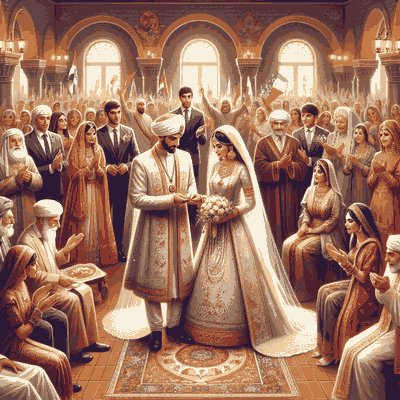
Building toward a Saint Helena wedding feels less like checking boxes and more like choreographing an elaborate production where everyone on the island seems to have a role. Here’s how the drama unfolds:
- 12 months before: The kin meetin’(family consultation) kicks off, imagine 50 relatives in one room deciding your fate
- 6 months before: Legal banns publication begins, essentially island-wide gossip with government approval
- 3 months before: Menu planning begins for the traditional ploploh(feast) preparations
- 1 month before: Final fittings while dodging well-meaning aunties with “helpful” suggestions
- 1 week before: Banns readin’(church announcement) reaches its crescendo
- Wedding day: Morning ceremony (10 AM-noon), followed by feasting until sunset
- Post-wedding: Local honeymoons because, honestly, you’re already on a remote paradise
The Three-Week Countdown That Has Everyone Talking (Literally)
When Your Love Life Becomes Sunday Morning News
Pro Tip: If you’re shy about public attention, Saint Helena weddings might test your limits. The banns tradition means your impending nuptials become official church business for three consecutive Sundays.
Imagine having your relationship status announced to the congregation every Sunday for three weeks. That’s banns; a pre-wedding tradition that costs little more than your pride but ensures everyone from your first-grade teacher to your fishmonger knows you’re tying the knot. This legal requirement, dating from 1851, transforms St. James’ Church in Jamestown into a weekly broadcast station for romance.
Modern couples have found creative ways to embrace this public declaration. Many now supplement church announcements with Facebook posts that reach Saintssaynts(locals) scattered from London to Cape Town. It’s tradition meets technology, ensuring that even your cousin in Manchester knows to start planning their trip home.
The Family Summit That Determines Your Wedding Fate
Critical Warning: Never underestimate the power of a kin meetin’(family consultation). On an island where everyone is somehow related, family politics can make or break your big day.
Six months before you walk down the aisle, prepare for the kin meetin’, a 2-3 hour family gathering that saves you countless headaches later. Picture 20-50 relatives crammed into someone’s living room, sipping rum while negotiating who brings what to your wedding. It’s part blessing ceremony, part strategic planning session, and entirely essential on an island where family feuds can last generations.
The meeting kicks off with prayers (because divine intervention never hurts when dealing with extended family), moves through practical discussions about contributions, and ends with verbal agreements that carry more weight than written contracts. Uncle Jerome promises his famous sound system, Auntie Beth commits to flower arrangements, and somehow, miraculously, everyone agrees on a date that doesn’t conflict with the governor’s garden party or the annual sports day.
These gatherings have increasingly gone partially digital, with video calls connecting Saints worldwide. It’s surreal watching your London-based ploplohsin negotiate plo(rice dish) quantities via WhatsApp while your neighbor promises fresh-caught tuna for the fishcakes.
When the Big Day Arrives: Ceremonies That Blend Centuries
The Morning Service That Sets Hearts Racing
Celebration Tip: Book your ceremony for 10 AM if you want the authentic experience. By noon, the South Atlantic sun makes formal wear feel like an endurance test.
The weddin’ service forms the heart of your celebration, whether you choose the Anglican grandeur of St. James’ Church or the colonial elegance of Plantation House for civil ceremonies. This 1-2 hour ceremony draws your full guest list, each dressed in their finest despite the subtropical humidity.
What makes Saint Helena ceremonies unique isn’t just the setting, though saying vows with the South Atlantic as your witness is pretty spectacular. It’s the way formal British traditions seamlessly blend with island warmth. Yes, you’ll have traditional hymns and formal vows, but you’ll also notice family elders positioned strategically for witnessing, and don’t be surprised if someone shouts “Amen!” during particularly moving moments.
Modern couples are getting creative with venues. High Knoll Fort has become a popular choice, offering panoramic views that make every photo look like a destination wedding advertisement. Sandy Bay couples might include sea blessings, while those from agricultural districts incorporate harvest symbolism. The constant? That moment when you’re pronounced married and the entire congregation erupts in joy that can probably be heard in Cape Town.
The Ring Exchange That Connects You to Island History
Budget Alert: Many couples save on rings by using family heirlooms, just be prepared for the emotional weight of wearing Grandma’s ring watched by her entire prayer group.
The bandin’ together ritual takes on special meaning when your rings are engraved with Saint Helena motifs. The endemic wirebirdWIRE-bird(endangered seabird), found nowhere else on Earth, has become a popular symbol of choice for couples. Some even engrave GPS coordinates, because when you’re one of the most isolated communities on the planet, location becomes part of your love story.
The blessing of rings here includes prayers specifically for weathering isolation together. It’s touching and practical, this is an island where your spouse might be the only person you see for days if you live in the rural districts. The officiant’s words carry weight: “May these rings remind you that like our island stands firm against the Atlantic storms, so should your love weather any tempest.”
The Petal Storm That No One Sees Coming
Musical Note: The moment the flower shower begins, someone inevitably starts the traditional wedding song. By verse two, your reserved British relatives are harmonizing with your Creole cousins.
Just when you think the formal part is over, showerin’ blooms turns your wedding into a botanical blizzard. Guests armed with pink arumAIR-um lilies(endemic flowers) and bougainvilleaboo-gan-VIL-ee-ah(tropical vine) create a floral explosion that lasts 10-15 minutes but produces stunning photos.
This tradition represents more than just pretty pictures. The flowers are all locally grown, sustainability by necessity on an isolated island. Blue Hill weddings feature wild varieties, while Levelwood couples might find seashells mixed with petals, each addition telling a story about where you’re from and who you’re becoming together.
Modern couples are adding petal cannons for extra drama, but honestly? When you see people you’ve known your whole life showering you with flowers grown in their own gardens while the volcanic peaks frame the scene, no special effects are needed.
The Feast That Makes Your Reception Unforgettable
When Guests Become One Big Family
Pro Tip: Pace yourself at the big eat-upbig EET-up(reception feast). Between the fishcakes, ploploh, and pumpkin pudding, plus multiple rum toasts, this 4-6 hour marathon requires strategic eating.
The big eat-up transforms wedding receptions into something between a family reunion and a food festival. The cost is often split among contributing families, creating a Creole feast that would make celebrity chefs weep with envy. Community halls and family gardens become gastronomic theaters where 10-20 relatives have been cooking together since dawn.
The star is always plo, that magical rice dish that somehow tastes different at every wedding yet always perfect. Each family adds their touch: more cardamom here, extra pimento there, someone’s secret fish stock recipe passed down through generations. Add tuna fishcakes that disappear faster than you can say “seconds,” and pumpkin pudding that has grown adults fighting over the last spoonful.
Guest Count: Expect a crowd. Seriously. That includes your dentist, your mother’s book club, and that nice couple who helped fix your car last year. On an island of 4,500, selective guest lists are nearly impossible.
But here’s what makes it magical: the spontaneous speeches. Unlike formal Western receptions, anyone moved by the spirit (or spirits) might stand up to share a story. Your strict headmaster reveals how you met behind the school. Your fishing buddy recounts that time you both got seasick on a calm day. Each tale weaves you deeper into the island’s collective memory.
The Bonfire That Refuses to Let the Magic End
Celebration Tip: Bring a change ofburn-upburn-ups for the burn-up(bonfire). After 6 hours in formal wear, everyone’s ready for comfort, and possibly a midnight swim if you’re near the coast.
As stars emerge over the South Atlantic, the burn-up begins. This bonfire gathering extends celebrations for another 2-4 hours, because apparently, Saint Helenians never met a party they couldn’t stretch into tomorrow. The formal reception gives way to something more primal: fire, stories, and connections that transcend the artificial boundaries of day jobs and social status.
Coastal variations feature impromptu seafood roasts, someone always “happens” to have fishing gear in their car. Inland gatherings focus on marshmallow roasting and folk songs that start traditional but inevitably evolve into calypso versions. Modern safety adaptations (LED accent lights, designated fire zones) meet environmental regulations without dampening the spirit.
This is where wedding magic happens. Grandparents share how they met during the flax(rope-making plant) industry’s heyday. Teenagers learn family histories they never knew. Honeymooners from decades past demonstrate dance moves that put younger generations to shame. The fire becomes a time machine, connecting past and present through orange-lit faces and laughter that echoes across valleys.
How Love Adapts on the World's Most Remote Island
When Two Grooms or Two Brides Say “I Do”
Since 2017, Saint Helena same-sex weddings have proven that love is love, even 1,200 miles from anywhere. These ceremonies maintain every tradition, the banns alternatives, the flower showers (sometimes playfully called “pink showers”), the marathon feasts, while adding rainbow accents that would make the island’s endemic flowers jealous. Equality isn’t just legal here; it’s celebrated.
What’s remarkable is how naturally the island adapted. The same aunties who fretted over traditional heterosexual matches now fuss equally over same-sex couples’ flower arrangements. High Knoll Fort has become a popular venue of choice, its elevation symbolizing love that rises above outdated prejudices. Each ceremony reverberates through the entire community.
Bridging Oceans with WiFi and Love
Tech Tip: Book your reception venue’s WiFi in advance. Many weddings now include diaspora call(video streaming) for off-island family, making bandwidth as crucial as the wedding cake.
The diaspora call has revolutionized Saint Helena weddings in recent years, connecting hearts across continents. With many Saintssaynts living abroad, mostly in the UK where travel back costs significant sums, virtual participation has become a lifeline for families separated by distance.
Modern couples appoint official “streaming coordinators” (usually tech-savvy cousins) who manage multiple devices to capture every angle. WhatsApp groups buzz with real-time updates. Instagram stories tagged #StHelenaWedding let distant relatives feel the ocean breeze through their screens. Some couples even schedule dual receptions: the island celebration followed by diaspora gatherings during overseas visits, ensuring no one misses out on the joy.
Paradise Found: Destination Weddings at the Edge of the World
Money Matters: Destination weddings require extra logistics, but where else can you claim you married on Napoleon’s prison island?
Since the 2016 airport opening, Saint Helena destination weddings have grown in popularity, with international couples annually discovering what locals always knew: there’s nowhere quite like this for saying “I do.” These smaller gatherings during December-March summer season blend island traditions with tourist expectations.
Plantation House and Fort venues offer packages that somehow make bureaucracy feel romantic. The ceremonies keep core elements, flower showers against volcanic backdrops never get old, while adding touches like professional photography and imported wines. Couples extend their stays to 3-4 days, incorporating wirebirdWIRE-bird(endemic species) watching and Napoleon tours, because when you’ve traveled this far for love, why rush?
Where You Celebrate Shapes How You Celebrate
Jamestown: Where Formal Meets the Atlantic
In the capital, Jamestown weddings embrace the formal Anglican traditions that arrived with the East India Company and never quite left. These ceremonies fill historic St. James’ Church with guests dressed to impress despite the humidity. The venue fees buy you centuries of history, imagine exchanging vows where sailors bound for India once prayed for safe passage.
Urban sophistication shows in printed invitations (versus rural word-of-mouth), professional musicians who can play everything from Bach to Bob Marley, and catering services that plate your ploploh(traditional dish) with restaurant precision. The costs reflect the capital’s merchant class expectations, but also its access to the island’s best venues and vendors.
Rural Districts: Where Villages Become Family
Pro Tip: Rural weddings often feature “open invitations” to entire villages. Budget generously for guests, because in districts like Sandy Bay or Blue Hill, not inviting someone is more memorable than inviting them.
Rural Saint Helena weddings in places like Longwood, Levelwood, and Blue Hill remind you why communities matter. These celebrations cost less but feel richer, with guest lists swelling through village-wide invitations and communal contributions that turn financial burdens into shared joy.
Each district adds its flavor: Sandy Bay’s coastal ceremonies include sea blessings where newlyweds’ feet touch the Atlantic. Blue Hill decorates with wildflowers picked that morning by children who’ll retell this day to their grandchildren. Half Tree Hollow’s Chinese heritage appears in stir-fry stations alongside traditional spreads. These aren’t just weddings; they’re cultural preservation in action.
The Price of Paradise (And Why It's Worth Every Penny)
Breaking Down the Numbers Without Breaking Hearts
Budget Alert: Saint Helena weddings can be significant on an island economy. But communal contributions reduce individual burden substantially.
Let’s talk real numbers for your celebration:
- Venue: Churches are typically cheaper than scenic spots
- Catering: Traditional Creole menus are the standard
- Photography: Local professionals are available
- Traditional clothing: The bride’s gown and groom’s suit
- Music: Calypso bands are popular
- Flowers: Local blooms keep costs reasonable
These figures hit hard on an island economy, but the community softens the blow. Your cousin’s band plays for free. Aunties collaborate on decorations. The fisherman neighbor contributes fresh catch. It’s expensive, yes, but it’s also everyone’s investment in your happiness.
The Creative Couples’ Guide to Affordable “I Dos”
Budget Saint Helena weddings prove love doesn’t need luxury. These intimate celebrations use free church venues, transform family gardens into reception spaces, and turn limitations into creativity.
Smart savings strategies include off-peak bookings, smartphone photography by that artistic cousin, and playlist DJs replacing live bands. Rural families contribute livestock and garden produce, cutting catering costs substantially. One couple’s “wildflower wedding” used only blooms picked by guests that morning, free, sustainable, and so beautiful it started a trend.
Cost Comparison: Traditional catered feast becomes a potluck where families each bring signature dishes. Professional photographer replaced by designated friend with good camera and editing skills. Result? Same joy, much lower price.
The Details That Make It Distinctly Saint Helena
Flavors That Tell Stories
Good to Know: Vegetarian? Mention it early. While plant-based options are increasingly available, traditional Saint Helena cooking centers on seafood and meat. Modern adaptations include vegetable ploploh and creative salads.
The plo feast isn’t just food; it’s edible history. This spiced rice dish arrived with Company(East India Company) ships, evolved through African hands, absorbed Asian influences, and emerged uniquely Saint Helenian. Each family’s version tells their story through spice choices and secret ingredients guarded more carefully than bank passwords.
Supporting dishes carry equal weight: tuna fishcakes honor the island’s fishing heritage, disappearing so fast you’d think they were currency. Pumpkin pudding represents agricultural prosperity, its sweetness balanced by opinions on proper consistency debated for generations. Honey cakes conclude meals while rum punch lubricates toasts that grow more creative with each round.
The communal cooking starts days early, with 10-20 relatives transforming ingredients into feasts. It’s therapy, gossip session, and skills transfer combined. Teenagers learn to fold fishcakes while absorbing family lore. Grandmothers supervise plo preparation while sharing marriage advice. The food tastes better because it’s seasoned with stories.
Dressed for an Island Paradise
The island gown tradition merges British bridal expectations with South Atlantic reality. These creations feature traditional white fabric adorned witarumAIR-umcal touches, arum lily(endemibougainvilleaboo-gan-VIL-ee-ahls, bougainvillea(tropical flower) corsages, embroidered wirebirds(endemic seabird) that make each dress uniquely Saint Helenian.
Grooms invest in suits that must survive humidity while looking sharpwirebirdWIRE-birdtos. The wirebird boutonniere has become popular, a tiny emblem of island pride pinned close to hearts. With most formal wear imported from South Africa (the nearest major shopping), couples plan months ahead or risk wearing whatever arrives on the last ship.
Survival Tip: Order wedding attire 6 months early. Shipping delays are real when your closest neighbor is 1,200 miles away.
Modern sustainability efforts include silk flower alternatives (protecting endemic species) and LED candles supplementing traditional lighting. But some things remain sacred: the bride’s something blue is often Atlantic ocean water in a tiny vial, and grooms carry smooth stones from their home district for luck.
The Soundtrack to Your Saint Helena Love Story
When “Here Comes the Bride” Meets Island Rhythm
Musical Note: The traditional wedding march plays, but by the reception, you’ll be dancing to “My Helena Island Home”; the unofficial anthem that gets everyone teary-eyed and on their feet simultaneously.
Every Saint Helena wedding has its soundtrack, starting with traditional Anglican hymns in church but inevitably evolving into something uniquely island by nightfall. The transformation usually begins during the recessional when someone, always someone, starts humming “Island of My Dreams,” and suddenly your formal exit becomes a gentle sway down the aisle.
The reception’s musical journey tells the story of Saint Helena itself. You’ll start with the wedding classics: the couple’s first dance to something romantic (increasingly Ed Sheeran, though traditionalists prefer Jim Reeves’ country crooning that dominated island radio for decades). But then the string band arrives, usually 3-5 musicians, and everything changes. Guitars, banjos, and accordions transform the community hall into a time machine where waltzes blend with calypso and everyone discovers their inner dancer.
The pinnacle arrives when someone strikes up “My Helena Island Home.” Written by Saint Helenian Peter Benjamin, this song functions as emotional kryptonite for anyone with island blood. By the second verse about “where the wirebirds sing,” you’ll see grown men crying into their rum punch while simultaneously attempting the traditional heel-and-toe dance their grandparents taught them.
The Dances That Define Us
Pro Tip: Ladies, pack flat shoes in your purse. Gentlemen, lose the tie after dinner. The heel-and-toe dance waits for no one, and you will participate whether you planned to or not.
Saint Helena wedding dances tell stories without words. The heel-and-toe, a bouncing, partnered dance that looks deceptively simple until you try it, serves as the island’s universal language. Passed down through generations, it supposedly arrived with American whalers but evolved into something purely Saint Helenian. The basic step (heel out, toe in, bounce, switch) becomes increasingly elaborate as the night progresses and inhibitions dissolve.
Then there’s the donkey dance, reserved for the brave and the slightly inebriated. This comedy gold involves two people mimicking a donkey’s movements (yes, including the kicks) while others clap and sing increasingly ridiculous verses. It started as entertainment at agricultural shows but somehow migrated to wedding receptions where dignity goes to die, gloriously.
Modern weddings blend these traditional moves with contemporary hits. The sight of older aunties teaching younger generations proper heel-and-toe technique during Beyoncé songs perfectly captures Saint Helena’s cultural evolution. By evening’s end, you’ll witness three-generation dance circles where toddlers, parents, and grandparents move in synchrony to everything from Bob Marley to traditional folk tunes, proving rhythm transcends age when you’re 1,200 miles from anywhere.
Your Burning Questions Answered (With Island Honesty)
So what’s this going to cost me, really?
Great question, let’s talk pounds and pence. A typical Saint Helena wedding for a substantial guest count requires significant planning, but here’s the island secret: you rarely pay it all yourself. Community contributions traditionally reduce your bill through what locals call “wedding socialism.” Your fisherman uncle provides fresh tuna, saving on catering. Cousin Marie’s flower garden becomes your decoration budget. The church organist is your mom’s best friend who refuses payment beyond a thank-you rum cake.
Rural weddings trend cheaper because home venues are free and half the village shows up to cook. Urban Jamestown affairs are more expensive with their professional services and governor’s-garden-party ambitions. But here’s the real talk: on an island economy, even “budget” weddings require creative financing. Couples save for years, families pool resources, and payment plans are standard. Worth it? Ask any married Saint, they’ll tell you the memories are priceless while showing you exactly which family member contributed what.
How long will I be celebrating (and how long should my overseas guests plan to stay)?
The main event spans 1-2 days, but let me paint the real picture. Your wedding day starts with a morning ceremony (10 AM if you’re smart, noon if you’re brave enough to face formal wear in peak sun), rolls into an afternoon feast lasting 4-6 hours (seriously, pace yourself), and might stretch to an evening bonfire adding another 2-4 hours. That’s 8-10 hours of structured celebration, not counting the unofficial kitchen party that happens while cleaning up.
December-March summer weddings during holidays can extend to 3 days, especially when combined with Christmas or New Year festivities. But here’s what the timing doesn’t capture: the build-up starts 12 months out with family meetings, intensifies during the three-week banns(announcement) period, and echoes for weeks after through thank-you visits and photo sharing. For overseas guests, plan a week minimum, 3 days for the wedding festivities, plus time to explore Napoleon’s exile sites, swim with whale sharks, or hike the peaks. Flights are limited, so rushing defeats the purpose of coming to one of Earth’s most remote inhabited islands.
Who actually shows up to these things?
Everyone. No, seriously, everyone. Saint Helena weddings draw many guests, but understanding guest lists requires island context. With 4,500 total population where everyone’s somehow related or connected, “small wedding” is an oxymoron. Your list starts with mandatory family (skip a cousin at your peril), expands to church congregation (they’ve been hearing your banns for three weeks), includes work colleagues (all from your government office), and encompasses neighbors who’ve watched you grow up.
The breakdown typically includes family, church and community connections, colleagues and schoolmates, and “others” (the category for your dentist, your mom’s book club, and that couple who helped during your car breakdown). Rural weddings swell because village-wide invitations are standard, not inviting someone becomes the story they’ll tell for decades. Modern virtual participation adds online diaspora attendees, turning your wedding into a global Saint Helena reunion. High attendance isn’t just politeness; it’s recognition that missing a wedding means missing a chapter in the island’s ongoing story.
What exactly is this banns thing I keep hearing about?
Think of banns as Instagram announcements if Instagram was a church and your followers were your entire community. This marriage announcement tradition requires the priest to declare your intentions publicly for three consecutive Sundays, costing virtually nothing but guaranteeing everyone knows your business. Starting 3-4 weeks before your wedding, these readings during regular church services turn St. James’ Church into the island’s social bulletin board, in the most blessed way possible.
The tradition dates from 1851 when the Marriage Ordinance established English law on Saint Helena. Originally designed to prevent bigamy and ensure community consent, banns now serve more as countdown entertainment. Each reading draws congregation witnesses who track your relationship like a serial drama. Modern couples supplement with Facebook announcements reaching diaspora Saintssaynts, but many religious weddings maintain traditional church readings because, honestly, would it feel real without the priest’s voice echoing off stone walls while aunties nod approvingly? Civil ceremonies use registrar notifications as alternatives, posted at government offices where they compete with tide tables for attention.
Tell me about this flower shower, it sounds magical or messy?
Both! Showerin’ blooms transforms that just-married moment into a botanical explosion that’s equal parts Disney movie and friendly assault. Picture this: you’ve just said “I do,” you’re walking back down the aisle, and suddenly guests launch local flowers at you like coordinated garden warfare. For 10-15 minutes, you’re surrounded by pink arumAIR-um lilies(endemic flowers) and bougainvillea(tropical vine) while photographers capture beautiful shots against volcanic backdrops.
This tradition has become a beloved highlight at island weddings, with regional twists: Blue Hill couples get wildflower varieties, Levelwood adds seashells, and modern couples deploy petal cannons for extra drama. Yes, you’ll find petals in your hair for hours. Yes, someone’s grandmother will have surprisingly good aim. And yes, it creates the most incredible photos you’ll ever have. The mess? That’s what younger cousins with brooms are for, consider it their contribution to your special day.
How are destination weddings different from local ones?
Destination weddings in Saint Helena are like regular Saint Helena weddings but with jet lag and higher logistics costs. Beyond the standard expenses, add extra for hosting guests who’ve traveled to one of Earth’s most remote spots. These ceremonies draw smaller crowds because not everyone can afford or survive the journey to an island 1,200 miles from anywhere.
The core traditions remain, you’ll still have flower showers, plo(feasts), and probably an impromptu calypso performance. But destination couples get extras: Plantation House packages with accommodation coordination, simplified paperwork navigation, professional photography capturing you against landscapes that make every shot look like a movie poster. The 2016 airport opening boosted these weddings, now attracting international couples during December-March summer season. Couples extend stays to 3-4 days, adding wirebird(endemic bird) watching, Napoleon tours, and snorkeling to their itineraries. Why? Because when your wedding guests have traveled farther than most people do in a lifetime, you give them more than cake and speeches.
What food will blow my guests’ minds?
Start with plo, the dish that launched a thousand family feuds over whose recipe reigns supreme. This spiced rice with meat or fish looks simple but carries generations of refinement in every grain. Each family guards their version, more cardamom here, secret fish stock there, somebody’s great-grandmother’s trick with burnt onions. It’s pilaf that went on a world tour and came home with stories.
The supporting cast deserves recognition: tuna fishcakes disappear faster than teenagers at dishwashing time, proving some things are universal. Pumpkin pudding splits the crowd between Team Smooth and Team Chunky in debates lasting longer than most marriages. Rum punch starts reasonable and ends with your accountant leading a conga line.
Regional variations tell their own stories: Half Tree Hollow’s Chinese stir-fries honor Asian heritage, while Alarm Forest goes all-in on seafood caught that morning. Modern adaptations include vegetarian plo (sacrilege to purists, salvation to the plant-based crowd) and reduced-sugar desserts that nobody admits to preferring. The real magic happens in preparation, 10-20 relatives cooking together, sharing gossip between stirring pots, teaching teenagers techniques while pretending not to notice stolen tastes.
Can same-sex couples get married there?
Absolutely! Since 2017, Saint Helena same-sex weddings happen with full legal recognition and island warmth. These ceremonies cost the same as any wedding and include every tradition, the flower showers (sometimes playfully called “pink showers”), family feasts where your grandmother dances with your partner’s grandmother, and evening bonfires where love is just love under South Atlantic stars.
The adjustment from conservative Anglican stronghold to marriage equality happened naturally. Same-sex couples choose civil ceremonies exclusively (at venues like High Knoll Fort rather than churches), but that’s the only difference. Legal requirements match exactly: banns alternatives at registrar offices, same fees, identical witness requirements. The island that once imprisoned Napoleon for being too revolutionary now celebrates love in all its forms. Progress moves slowly when you’re 1,200 miles from anywhere, but when it arrives, it’s embraced warmly.
How do we include family scattered across the globe?
Welcome to modern Saint Helena weddings, where diaspora call technology bridges oceans with pixels and patience. Many weddings now include live-streaming, connecting families separated by vast distances.
The reality? Many Saints live abroad, primarily in the UK where return flights are expensive and require vacation days most can’t spare. So couples create WhatsApp headquarters, Facebook event pages, and Instagram stories (#StHelenaWedding) broadcasting every moment. Pre-wedding kin meetin’(family consultations) include video calls for overseas input, imagine negotiating plo quantities with your London cousin while your neighbor discusses fishcake logistics.
Some couples double up: island celebration first, then diaspora receptions during overseas visits. Others schedule ceremonies for UK summer holidays when flights align with family returns. The streaming coordinator (usually your most tech-savvy cousin) becomes as crucial as the best man, juggling devices to capture multiple angles while elderly relatives shout greetings at screens. It’s chaotic, sometimes glitchy, always emotional, and perfectly Saint Helena, making do with what you have to keep family close, no matter how far they’ve sailed.
What are the must-see wedding venues?
Start with the classics: St. James’ Church anchors most religious ceremonies with 1774 architectural glory that makes vows echo through centuries. Its Jamestown location means everyone knows where it is, parking exists (miraculous on this terrain), and your photos include historic stone walls that have witnessed every island story worth telling.
For civil ceremonies, Plantation House offers colonial elegance with bonus points: you might share your day with Jonathan, the famous giant tortoise who’s outlived most human drama. The grounds provide reception space where governors once plotted and Napoleon definitely never visited (he was firmly restricted to Longwood).
Modern couples increasingly choose High Knoll Fort for its 360-degree views making every angle photo-worthy. Same-sex couples particularly favor this venue, turning elevation into elevation of spirits. Community halls scattered across districts offer budget-friendly options, each with its charm: Kingshurst’s garden views, Harford’s proximity to everything, Blue Hill’s room for large crowds of dancers.
Book well ahead, with limited venues and weekends splitting between weddings, baptisms, and government functions, your dream date might already belong to someone else’s dream. Recent additions include restored colonial buildings and waterfront spots near the airport, expanding options beyond the traditional choices. But honestly? When you’re marrying on one of Earth’s most remote inhabited islands, every venue offers views that mainland couples pay thousands to achieve.
Frequently Asked Questions
How much does a typical wedding cost in Saint Helena?
A standard wedding in Saint Helena costs between £3,000-8,000 SHP ($3,800-10,100 USD) for 100 guests, including ceremony, reception, and traditional elements.
What is the 'Kin Meetin' tradition?
The Kin Meetin' is a pre-wedding family gathering of 20-50 relatives held 6-12 months before the wedding to bless the engagement and discuss family contributions.
Are same-sex weddings allowed in Saint Helena?
Yes, Saint Helena performs same-sex civil ceremonies following identical formats to traditional weddings, with 5-10 ceremonies annually.
What is the 'Showerin' Blooms' tradition?
Showerin' Blooms is a post-ceremony blessing where guests shower the newlyweds with flowers, lasting 10-15 minutes and costing £50-100 SHP.
How long do Saint Helena weddings typically last?
Saint Helena weddings typically span 1-2 days, including pre-ceremony traditions, the main ceremony, and reception celebrations.
What is the average guest count at a Saint Helena wedding?
Most Saint Helena weddings host between 50-150 guests, reflecting the close-knit nature of the island community.
How are destination weddings different on Saint Helena?
Destination weddings combine traditional island customs with tourist amenities, typically costing £2,000-5,000 more than standard local ceremonies.
What is the 'Burn-Up' tradition?
The Burn-Up is an evening bonfire gathering lasting 2-4 hours with 50-100 participants, serving as a community celebration after the wedding.
How do rural weddings differ from urban ceremonies?
Rural weddings (60% of ceremonies) are more community-centered and cost £3,000-5,000 SHP, while urban Jamestown weddings (40%) are more formal and cost £5,000-8,000 SHP.
How do off-island family members participate in the wedding?
Through the 'Diaspora Call' tradition, off-island family members can participate via live-streaming and video calls, costing £100-300 SHP to arrange.