Sint Maarten Wedding Traditions Complete Guide for Modern Couples
The 12-Month Countdown: When Paradise Meets Planning
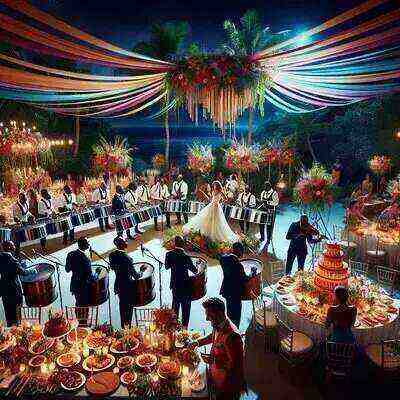
Sint Maarten wedding planning follows a timeline that dances between island time and Dutch efficiency, typically spanning 12 months of preparation for ceremonies involving guests from backgrounds as diverse as the island itself: African, European, Indian, and indigenous Arawak heritage all claiming their moment in the sun.
Compare with traditions from american wedding customs, british wedding customs, and italian wedding customs.
Pro Tip: Book your venue during the March “sweet spot” - post-Carnival availability meets pre-hurricane season rates, potentially saving you significantly while guaranteeing the perfect weather for beach ceremonies.
The journey begins with your verlovingsfeest (engagement party), where your inner circle gathers to toast your future while you mentally prepare for the adventure ahead. Six months out, you’ll dive into the digital age of wedding planning, Pinterest boards overflow with beach ceremony inspiration while WhatsApp groups coordinate arriving relatives from multiple continents. The three-month mark brings serious business: securing your marriage license from the Census Office (yes, it’s as official as it sounds) and booking those steel drum players who’ll transform your reception into a Caribbean carnival.
Time Management: International couples, mark your calendars - you’ll need to arrive at least 14 days before your ceremony for document verification. Think of it as a mandatory pre-honeymoon where you’ll handle paperwork by day and scout sunset photo locations by night.
As the big day approaches, the timeline accelerates: bachelor and bachelorette parties sail into sunset on chartered yachts, final dress fittings happen with island seamstresses who understand humidity’s effect on fabric, and weather apps become your most-used phone feature. The week before brings rehearsals where you’ll practice pronouncing Dutch vows, welcome cocktails where future in-laws bond over rum punch, and contingency planning that respects hurricane season’s unpredictability (June through November requires a solid Plan B).
Fun Fact: Many modern Sint Maarten couples now offer virtual attendance options, turning intimate island ceremonies into global celebrations where distant family members can witness beach vows in real-time.
When Two Families Become One: The Art of Pre-Wedding Bonding
The Night Strangers Became Family (Verlovingsfeest)
Imagine transforming your engagement announcement into a theatrical production where Dutch formality meets Caribbean warmth, complete with champagne fountains and speeches that bounce between three languages. The verlovingsfeest (formal engagement celebration) isn’t just a party - it’s your families’ first opportunity to blend cultures over Johnny cakes and imported Gouda, typically 6-12 months before your wedding when relatives discover they’re about to become one beautiful, complicated international family.
Budget Alert: Traditional engagement parties can be held at various price points - creative couples host beach potlucks or sunset yacht gatherings for memorable celebrations while keeping costs manageable.
This Dutch-influenced tradition has evolved from stiff living room gatherings into celebrations that capture Sint Maarten’s multicultural spirit. Picture your Hindu relatives teaching the mithaimi-THAI (sweets) exchange to your Dutch cousins while your Jamaican uncle starts an impromptu reggae singalong that somehow includes everyone. Urban Philipsburg celebrations gravitate toward waterfront restaurants where guests toast against sunset backdrops, while rural Dutch Quarter families still prefer home gatherings where recipes passed down through generations share table space with modern fusion experiments.
The beauty lies in the details: coordinated social media reveals replace newspaper announcements, professional photographers capture genuine moments of cultural collision, and virtual attendance ensures your diaspora family doesn’t miss the moment your father attempts his toast in three languages. Modern couples use this event to set expectations - will your wedding lean traditional or contemporary? Will dress codes accommodate saris alongside sundresses? The verlovingsfeest becomes your multicultural mission statement.
The Paper Chase That’s Actually Worth It (Legal Preparations)
Here’s where Dutch efficiency meets Caribbean bureaucracy in a dance that’ll test your patience but ultimately ensure your marriage is recognized internationally. The burgerlijk huwelijk (civil marriage) preparation transforms mundane paperwork into an adventure involving apostilled documents, certified translations, and enough stamps to start a collection, all submitted to the Census Office 14 days before your ceremony.
Important Note: Non-residents must physically appear for document verification - no shortcuts, no exceptions. Plan this into your stay and turn necessity into opportunity with document-day beach lunches.
Think of this process as your relationship’s first international negotiation. Birth certificates need apostille stamps (that special certification that makes documents valid globally), divorce decrees require official translations if not in Dutch or English, and affidavits of single status become treasure maps proving you’re free to marry. The magic happens when you realize this Dutch legal framework means your marriage carries weight in numerous countries - no re-marrying required when you move abroad.
Professional Support: Many couples hire local fixers familiar with the Census Office’s quirks. These wedding planning specialists navigate language barriers, know the processes well, and can help streamline what might otherwise be a lengthy ordeal.
Post-2020 innovations brought sanity to the process: preliminary online document review catches errors before you fly. Your reward? The huwelijksakte (marriage certificate) handed over immediately after your ceremony, ready for whatever international adventure marriage brings.
The 3 Ceremonies That Make You Legally, Spiritually, and Culturally Married
Why Everyone Cries at the Census Office (Burgerlijk Huwelijk)
Forget Vegas drive-throughs or courthouse quickies - Sint Maarten’s mandatory burgerlijk huwelijk (civil marriage ceremony) transforms legal necessity into moments so genuine that even your too-cool teenage nephew might shed a tear. This cornerstone tradition, conducted by registrars who’ve perfected the art of making bureaucracy beautiful, runs 1-2 hours at the Census Office Marriage Hall or approved beach venues where ocean waves provide the soundtrack to your legal union.
Cost Comparison: Civil ceremony fees are regulated by the government and represent excellent value for creating an internationally recognized marriage.
The ceremony balances Dutch legal precision with Caribbean soul: yes, there are official documents to sign and formal vows to recite, but there’s also room for personalization that makes each ceremony unique. Modern registrars encourage couples to add readings between the legal requirements, incorporate instrumental music that speaks to your heritage, or exchange rings with words that blend languages like your families blend cultures. Beach ceremonies are particularly popular among couples who realize that saying “I do” with sand between your toes and infinity as your backdrop beats any church aisle.
Your two witnesses, or getuigen (official witnesses), do more than just sign papers - they represent your communities’ blessing, often chosen to honor both families. Urban ceremonies at Philipsburg’s Marriage Hall maintain business-casual formality with air conditioning and marble floors, while beach ceremonies embrace island casual with linen suits and sundresses that flutter in trade winds. Some couples incorporate Creole blessings, others add Hindu garland exchanges - the registrars have seen it all and welcome cultural additions that don’t interfere with legal requirements.
When Heaven Meets Earth (Religious Blessings)
After legally tying the knot, many couples seek spiritual sanctification through godsdienstige inzegening (religious blessing ceremony) - an hour-long celebration where faith communities embrace your union with songs, prayers, and sermons that weave between traditional liturgy and island innovation. These ceremonies, hosted in historical churches like Philipsburg Methodist or St. Martin of Tours Catholic, provide the sacred atmosphere many families consider essential.
Musical Note: Protestant services feature congregational hymns that transform into impromptu concerts when Caribbean voices harmonize, while Catholic ceremonies maintain Latin traditions with tropical twists.
Sint Maarten’s religious diversity means your blessing can be as unique as your love story. Protestant ceremonies emphasize scripture-based vows and joyful worship, often incorporating steel drums into traditionally organ-only musical programs. Catholic services balance reverent tradition with island warmth - imagine centuries-old Latin prayers followed by a guitarist playing “Ave Maria” with a reggae rhythm that somehow works perfectly. Hindu ceremonies adapt saat pheresaht FEH-ray (seven vows) to beachside mandaps (wedding pavilions) where ocean breezes carry incense smoke skyward.
The real magic happens in the margins: Haitian congregations subtly weave protective prayers into traditional services, Jamaican churches transform recessionals into dance parties, and Dominican families ensure the Virgin Mary receives proper recognition with flower offerings that rival the bride’s bouquet. Interfaith couples increasingly find ministers willing to craft unified ceremonies - blending traditions in ways that would’ve been unthinkable a generation ago.
Good to Know: Many religious venues now offer live-streaming infrastructure, originally installed during COVID but maintained for dispersed families who want to witness your blessed moment from afar.
The Ceremony That Instagram Can’t Capture (Water Ritueel)
Some moments transcend photography, and the water ritueel (water blessing ceremony) ranks among them - an indigenous Arawak-inspired tradition where blessed seawater poured over joined hands creates connections between past, present, and future that no filter can enhance. This ceremony, typically involving your most meaningful relationships, delivers spiritual significance that outlasts any material wedding element.
Pro Tip: Schedule your water ritual during “golden hour” (5:30-6:30 PM) when setting sun transforms water droplets into liquid diamonds - pure magic for both spirits and photographs.
Picture an elder or chosen officiant lifting a conch shell filled with Caribbean sea, speaking blessings that blend languages like the waves blend shores. Modern adaptations honor the ritual’s pre-colonial roots while embracing contemporary spirituality: Christian prayers merge with indigenous gratitude, couple-written vows acknowledge the cleansing power of new beginnings, and sometimes children pour smaller shells representing future generations blessing your union.
Sint Maarten’s version differs from neighboring islands by incorporating Dutch maritime blessings - think ancient sailor prayers for safe harbor meeting Arawak water wisdom. French-side influences add Creole incantations that sound like poetry even if you don’t understand the words. Eco-conscious couples filter the seawater and use flowers that return safely to the sea, while others add floating candles that drift away carrying wishes for your marriage.
The Vibe: There’s something profound about standing where ocean meets shore, feeling blessed water run over clasped hands while loved ones circle you with intentions as deep as the sea itself. It’s become the ceremony element couples mention years later as their most meaningful moment.
When Traditional Meets Tropical: What Everyone's Actually Wearing
The Great Dress Dilemma: When Humidity Meets High Fashion
Let’s address the silk elephant in the room - your dream dress probably wasn’t designed for high humidity and beach sand. Sint Maarten brides have perfected the art of the outfit change, typically investing in 2-3 different looks throughout their celebration day. The burgerlijk huwelijk (civil ceremony) calls for elegance that photographs well in government buildings (think Grace Kelly meets island practicality), while beach ceremonies demand fabrics that won’t turn transparent when hit by surprise ocean spray.
Pro Tip: Local seamstresses can add custom bustles, remove layers, or create convertible designs that transform your ceremony gown into a reception-ready dance dress.
Smart brides choose lightweight fabrics - silk chiffon, cotton blends, or innovative moisture-wicking materials disguised as luxury fabrics. That stunning ballgown? Save it for the air-conditioned reception. Your beach ceremony needs something that moves with trade winds, not against them. Consider separates that allow mixing formal tops with flowing skirts, or jumpsuits that eliminate the “will my train become a sand mop?” anxiety.
The unspoken truth: you’ll sweat. Everyone sweats in the Caribbean. Preparation means waterproof makeup, strategic dress shields, and accepting that dewy glow as part of your tropical bridal beauty. Hair requires military-level planning - updos survive humidity better, but beach ceremonies demand styles that look intentional when windblown.
Grooms, Groomsmen, and the Linen Revolution
Gentlemen, abandon your three-piece suit dreams unless you enjoy looking like you’ve been swimming fully clothed. The modern Sint Maarten groom rocks lightweight linen or cotton suits in cream, light grey, or soft blue - colors that photograph beautifully against ocean backdrops while hiding inevitable perspiration.
The game-changer: multiple outfit strategies. Formal morning coat for the civil ceremony (respecting Dutch tradition), quick change to linen for beach vows, and finally a guayabera or custom shirt for reception dancing. Groomsmen increasingly coordinate in matching guayaberas that honor Caribbean style while keeping everyone comfortable. Shoes tell their own story - leather for ceremonies, boat shoes for beach moments, and dancing shoes for the danswedstrijd (dance competition).
Guest Fashion: The Multicultural Runway
Sint Maarten weddings become inadvertent fashion shows where saris swirl next to sundresses, African kente cloth makes European linen look understated, and everyone learns that “beach formal” means wildly different things across cultures. Guest attire navigates respect for tradition while acknowledging tropical reality - your Indian aunties won’t abandon their silk saris, but they might choose lighter weights and brighter colors that celebrate rather than suffer in the climate.
Fun Fact: The unofficial “Best Dressed Guest” competition heats up when cultures mix - imagine your Haitian cousin’s elaborate headwrap competing with your Dutch friend’s fascinator while your Mexican relatives arrive in embroidered guayaberas that steal the show.
Women gravitate toward flowing fabrics, midi lengths (mini skirts plus beach wind equals wardrobe malfunctions), and shoes that handle both sand and dance floors. Men discover the liberation of linen pants, short-sleeved shirts that would horrify European wedding standards, and the blessed relief of removing jackets after photos. Colors explode - Caribbean weddings embrace vibrant hues, prints, and patterns that would seem gaudy elsewhere but perfectly match the tropical setting.
The secret to guest comfort: embrace layers. Shawls for over-air-conditioned venues, coverups for religious ceremonies requiring modest dress, and backup shoes for when stilettos meet sand. Smart couples include dress code details with invitations, often creating visual guides showing appropriate outfit examples across cultural lines.
The Reception: Where Inhibitions Go to Die
That Time Your Boss Lost a Tug-of-War to Your Grandmother (Strand Touwtrekken)
Nothing breaks down formal wedding barriers quite like watching distinguished professionals face-plant in sand while competing in strand touwtrekken (beach tug-of-war) - a reception tradition that transforms your merged families into gleefully competitive teams determined to claim bragging rights through pure Caribbean chaos. This African-derived game generates endless laughter dividends.
Celebration Tip: Create custom team t-shirts in wedding colors - they become cherished souvenirs and make hilarious photo opportunities when formal wear gets sandy.
The beauty lies in the breakdown of hierarchy: watch your new mother-in-law forget her dignity as she anchors her team, witness groomsmen in tuxedos develop WWE-worthy strategies, and cherish the moment your flower girl becomes the surprise MVP by distracting opponents with her cuteness. Rules stay simple but stakes feel Olympic: families divide equally, couple acts as judges or join their birth families for ultimate loyalty tests, and winners earn privileges like first dance song choice or extra dessert servings.
Urban resort beaches feature shorter competitions with DJ commentary that transforms pulls into sporting events, complete with play-by-play announcing and victory music. Rural celebrations extend into tournament brackets where extended families field multiple teams, Dominican relatives add merengue rhythm to their pulls, and Jamaican contingents create call-and-response chants that’d intimidate rugby teams.
Survival Tip: Designate a “dignity preservation team” with towels, wet wipes, and backup clothes. Also, warn elderly participants about tomorrow’s sore muscles - they never believe they pulled that hard until morning arrives.
When Your Relatives Become TikTok Famous (Danswedstrijd)
The moment arrives when dinner plates clear and someone’s uncle suggests “just one dance” before the danswedstrijd (dance competition) transforms your reception into a cultural showcase where reserved accountants channel Beyonce and grandmothers prove they’ve still got moves that’d shame professionals. This explosion of rhythm represents the heartbeat of Sint Maarten celebrations where African, Caribbean, and European movements merge into joyful chaos.
Budget Alert: Live steel drum orchestras create authentic atmosphere impossible to replicate with playlists. Many couples split the difference: live music for cocktails, DJ for dance battles.
Traditional format follows time-tested patterns: each family prepares secret routines during pre-wedding gatherings (those “planning meetings” that mysteriously required wine), then unleashes choreographed surprises ranging from classical waltz to viral TikTok challenges. Music selection tells your cultural story - Jamaican contingents bring reggae and dancehall, Dominican families showcase merengue and bachata, Hindu relatives might surprise with Bollywood numbers, while Dutch descendants prove they’ve absorbed island rhythm through years of residency.
Modern DJs masterfully blend genres: watch septuagenarians attempt the latest dance challenges before seamlessly transitioning to classic calypso that brings all generations together. The competition culminates in your first dance, which transforms from intimate moment to group celebration as families gradually join, united by rhythm after battling through it.
Fun Fact: Many receptions incorporate QR codes linking to collaborative playlists, letting guests add songs in real-time while maintaining DJ quality control.
The Feast That Launched a Thousand Food Comas (Feestmaal)
Close your eyes and imagine: conch fritters arriving as steel drums play, Johnny cakes so perfect they’d make your grandmother jealous, and goat stew rich enough to convert vegetarians (though extensive plant-based options ensure nobody goes hungry). The feestmaal (traditional wedding feast) transforms dining from necessity into celebration, showcasing Sint Maarten’s position as the Caribbean’s culinary crossroads.
Budget Alert: Buffet service saves compared to plated dinners while encouraging the mingling that makes receptions memorable. Plus, nobody judges seconds when it’s self-serve.
Traditional menus read like cultural autobiography: Dutch influence appears in imported cheese stations and bitterballen that disappear mysteriously fast, while Caribbean soul shines through salt fish preparations, rice and peas combinations, and plantains fried to golden perfection. Coastal venues showcase seafood supremacy - grilled mahi-mahi with mango salsa, lobster tails that justify the splurge, and conch salads that define island eating. Modern health consciousness means many couples offer vegan stations and gluten-free alternatives without sacrificing flavor.
Service style communicates your celebration’s personality: high-end resorts deliver five-course adventures with wine pairings and French-side influence, middle-tier venues offer interactive chef stations where pasta meets patties, while community celebrations embrace potluck contributions where Aunt Maria’s legendary black cake shares space with imported wedding confections.
The Morning After: When Wedding Gifts Come with Stories
The Brunch Where Truth Comes Out (Na-Huwelijk Brunch)
Morning arrives with salt air, slight hangovers, and the realization that your wedding actually happened - perfect timing for the na-huwelijk brunchnah-HOO-ve-lik brunch (post-wedding brunch), where your favorite humans gather to rehash last night’s highlights while publicly opening gifts that range from practical (that instant pot you registered for) to hilarious (the singing fish your brother couldn’t resist). This recovery session at beachfront restaurants or family compounds provides closure as sweet as the strong Caribbean coffee that fuels it.
Good to Know: Smart couples book brunch venues with recovery-friendly features: shade, breeze, and proximity to swimming pools where overheated dancers can cool off.
The atmosphere shifts from formal to familial: wedding dresses replaced by sundresses, tuxedos swapped for shorts, and conversation flows naturally between generations now bonded through shared celebration. Gift opening becomes performance art - watch newlyweds navigate explaining why they need three blenders while Great-Aunt Beatrice beams about her hand-embroidered pillowcases that’ll become family heirlooms. Elders share marriage wisdom ranging from practical (“never go to bed angry”) to hilarious (“always let them think the remote control thing was their idea”).
Virtual attendance has become a permanent feature for many couples - screens allow international family to watch gift reveals and share stories. Photo slideshows capture moments missed in reception chaos, group activities like beach walks or snorkeling let guests bond beyond dance floors, and careful timing ensures proper sendoffs before afternoon flights. Urban hotel brunches feature mimosa bars and omelet stations, while rural gatherings showcase traditional breakfasts prepared by family matriarchs who’ve perfected Johnny cake recipes over decades.
The Gift Exchange That’s Actually Meaningful (Geschenk Uitwisseling)
Forget generic registry items - the geschenk uitwisseling (family gift exchange) transforms material giving into symbolic acceptance, where your new mother-in-law’s vintage Dutch delftware meets your grandmother’s hand-sewn quilt in a ceremony that cements family bonds through tangible treasures. This ritual during post-wedding brunch involves participants exchanging items that carry stories, represent heritage, or promise future support.
Guest Count: Limit exchange participants to immediate family and wedding party - larger groups dilute the intimacy that makes this tradition special.
Traditional protocol follows generational hierarchy: eldest members present first, unwrapping happens publicly with stories attached, and symbolic meanings get explained to all. Dutch families might offer delftware or maritime antiques, Hindu relatives present gold jewelry with blessing significance, while Caribbean families contribute handmade crafts or promises of future services (yes, your contractor uncle’s offer to renovate your kitchen counts as a wedding gift here). Modern couples balance tradition with practicality through online registries that mix heritage items with household necessities.
Money Matters: Gift value varies widely based on relationship and circumstances - what matters most is the gesture and the story behind each gift, not the price tag.
Regional economics create beautiful variations: some families present investment portfolios or property down payments, others contribute toward honeymoon experiences, while multi-generational rural families offer skill exchanges - grandmother’s cooking lessons, uncle’s mechanical expertise, or cousin’s babysitting promises for future children.
Why Your Wedding Needs Both Spreadsheets and Spontaneity
When Instagram Meets Island Time (Digital Integration)
Sint Maarten weddings exist simultaneously in physical paradise and digital space, with many couples crafting celebrations designed for both present guests and virtual attendees who experience island magic through screens. Professional hashtag campaigns transform private moments into shared joy, drone photography captures aerial beach ceremonies, and live-streaming technology ensures distant relatives witness your sunset vows in real-time.
Pro Tip: Create a custom Snapchat filter for your venue - guests love it, and the organic social sharing extends your celebration’s reach exponentially.
Digital tools streamline logistics: WhatsApp groups coordinate airport pickups among arriving relatives, translation apps help your French cousins understand Dutch ceremonies, and QR codes at receptions link to everything from cocktail menus to dance floor song requests. Pinterest boards that started as inspiration become reality, with couples requesting specific “Instagram moments” - neon signs declaring “Better Together” in three languages, flower walls that beg for selfies, and choreographed first dances designed to go viral.
Yet balance emerges: “unplugged” ceremonies grow popular, with couples requesting phones stay pocketed during vows to ensure guests experience rather than document sacred moments. Professional content creators capture the magic while guests remain present. The digital age enhances rather than replaces tradition - virtual attendance brings distant family closer, cloud storage preserves memories across continents, and social sharing spreads Sint Maarten’s multicultural wedding magic globally.
The Pandemic That Changed Everything (COVID-19 Transformations)
COVID-19 didn’t destroy Sint Maarten wedding traditions - it refined them, stripping away excess to reveal what truly matters: intimate connections over impressive numbers, authentic moments over orchestrated perfection, and flexible planning that embraces uncertainty as part of island life. Average guest lists dropped significantly, but satisfaction soared as couples discovered that smaller celebrations allow deeper connections.
Critical Warning: Hurricane season (June-November) already required backup plans - pandemic planning just added health protocols to existing weather contingencies. Always book vendors with flexible rescheduling policies.
Lasting changes reshape the industry: outdoor venues command premiums over indoor spaces, individually plated meals replaced buffets without sacrificing variety, and micro-weddings emerged as a distinct market segment offering luxury experiences within reduced budgets. Strand touwtrekken (beach tug-of-war) surged in popularity as naturally distanced activities, while new traditions emerged - unity mask decorating, sanitizer favors with custom labels, and temperature check stations disguised as welcome areas.
Economic impacts created unexpected benefits: local vendor preference supported island recovery while reducing costs through eliminated import fees, extended celebration hours reduced crowding while increasing enjoyment, and investment in livestreaming infrastructure now serves diaspora inclusion beyond pandemic necessity. The crisis accelerated existing trends toward personalization, sustainability, and cultural authenticity - couples who might’ve felt pressured into huge extravaganzas discovered that meaningful guests create more joy than crowds of acquaintances.
When Every Wedding Becomes a UN Summit (Diaspora Variations)
With a predominantly foreign-born population, Sint Maarten weddings naturally become cultural conferences where Hindu fire ceremonies share venues with Dutch Protestant services, Haitian konpaKON-pah (traditional music) rhythms blend with Jamaican reggae, and Dominican merengue meets Indian bhangra on dance floors designed for diversity. These fusion celebrations require vendors fluent in cultural code-switching and dietary diplomacy.
Musical Note: Book DJs experienced in multicultural weddings - they’ll seamlessly blend your Hindu baraat processional into Caribbean steel drums without missing a beat.
Common fusion elements read like United Nations gatherings: ceremonies conducted in four languages with live translation, musical progressions that journey from steel drums through K-pop to bachata, and fusion menus where jerk chicken stations neighbor curry buffets while Dutch cheese platters share space with sushi bars. Religious fusions require delicate navigation - interfaith ministers who respect both traditions without theological conflict, ceremonial elements that honor without appropriating, and timing that accommodates multiple prayer requirements.
Logistics embrace complexity: staggered celebrations across time zones with ceremony livestreams at grandmother-friendly hours, reception recordings for replay at convenient times, and virtual dance floors where screens display distant relatives dancing in their living rooms. These weddings strengthen Sint Maarten’s identity as globalization’s happy ending, proving that love transcends borders while traditions adapt and blend into something beautifully new.
The Complete Financial Reality Check
What Paradise Actually Costs (Traditional vs Modern Comparison)
Let’s talk real costs from couples who’ve navigated Sint Maarten’s wedding landscape where paradise pricing meets Caribbean reality. The transformation from traditional celebrations to modern adaptations tells a story of inflation, innovation, and clever couples finding ways to celebrate beautifully within any budget.
Budget Alert: The “Sint Maarten Sunset Surcharge” is real - venues with prime sunset views command significant premiums. Consider sunrise ceremonies for equal beauty at reduced cost.
| Expense Category | Notes |
|---|---|
| Venue | Beach venues are popular; resort packages vary widely |
| Catering | Individual plating, premium local ingredients available |
| Photography | Drone footage increasingly standard, livestream capability common |
| Music | Advanced sound systems recommended for beach venues |
| Flowers | Sustainable/local options increasingly popular |
The Hidden Costs Nobody Mentions (Until Now)
Beyond the obvious expenses lurk the budget items that catch couples off-guard: marriage license fees, apostille costs, translation services, and witness gifts that tradition recommends. Beach ceremonies may require permits, generator rentals for sound systems, and shade structures unless you want guests fainting during vows.
Quick Warning: Gratuities are customary for vendors - budget accordingly to keep everyone happy.
International couples face extra considerations: extended accommodation for residency requirements, multiple airport transfers for document runs, and international phone plans to coordinate arriving family. Weather insurance during hurricane season provides peace of mind. Don’t forget farewell breakfast for departing guests, thank-you cards with international postage, and professional preservation of your dress that survived beach humidity.
Money-Saving Strategies That Actually Work:
- Book Tuesday/Wednesday weddings for venue discounts
- Choose May or November for shoulder season rates without weather risks
- Hire local vendors exclusively - eliminate import fees and support island economy
- Embrace micro-weddings: 25 guests in luxury beats 100 in basic venues
- DIY what makes sense: centerpieces yes, catering never
- Book vendor packages for bundled discounts
- Join resort loyalty programs before booking for member rates
The Unwritten Rules Everyone Should Know
When Tiny Details Create Huge Drama (Guest Etiquette)
Navigating Sint Maarten wedding etiquette requires cultural awareness across Dutch formality, Caribbean casualness, and the dozens of nationalities in between. Start with timing: arrive early for civil ceremonies at the Census Office (Dutch punctuality expected), but embrace “island time” for beach receptions where flexibility is normal. Dress codes demand thought - business casual for government buildings means no shorts despite heat, while “beach formal” translates to linen and sundresses, never jeans regardless of sand.
Important Note: That white sundress in your suitcase? Leave it there. Only brides wear white, and this rule crosses all cultures. Cream, ivory, and champagne also stay off-limits.
Gift-giving follows relationship hierarchies: close friends and family contribute based on their relationship with the couple and their means. Cash gifts go in discrete envelopes handed to designated collectors, never directly to couples who shouldn’t handle money on their wedding day. Religious ceremonies welcome all but demand participation - stand for hymns even if you don’t sing, bow heads during prayers regardless of personal beliefs, and never photograph during sacred moments without explicit permission.
Reception behavior expects joyful participation: join the danswedstrijd (dance competition) even if rhythm abandoned you at birth, participate in strand touwtrekken (beach tug-of-war) regardless of outfit value, and toast when prompted even with water if you don’t drink. Dietary restrictions require advance communication - inform hosts during RSVP rather than expecting accommodations day-of. Leave when natural breaks occur: after cake cutting for families with children, after midnight for party crowds, but never during speeches or ceremonial moments.
The Things That Will Get You Side-Eye (Cultural Taboos)
Some mistakes generate gossip that follows you longer than honeymoon tans. Beyond obvious errors like wearing white or proposing during someone else’s reception, Sint Maarten weddings carry specific cultural landmines. Never discuss the ex - not former spouses, past relationships, or that time the groom dated your cousin. Politics stay banned given the guest list’s international diversity; one casual comment about immigration policy could ignite arguments across three tables.
Critical Warning: Photographing the civil ceremony documents or posting pictures before the couple shares them violates privacy. Wait for official photos or ask permission.
Religious sensitivity demands extra attention: removing hats isn’t just polite but required in churches, shoulders and knees need covering regardless of heat, and participating in unfamiliar rituals means following others’ leads rather than improvising. Food taboos extend beyond allergies - never mix serving utensils between vegetarian and meat dishes at Hindu-influenced receptions, avoid bringing outside alcohol to Muslim-attended events, and respect that some guests fast until certain ceremonial moments.
Modern additions to the taboo list reflect digital age realities: live-tweeting ceremonies without permission, posting unflattering photos of other guests, and sharing venue details that couples kept private for capacity reasons. Gender assumptions also evolved - use preferred pronouns, avoid gendered game divisions unless specifically organized that way, and never comment on who’s wearing what type of formal wear. The golden rule: when uncertain, observe others or quietly ask rather than blundering forward.
Finding Your Dream Team: The Vendor Olympics
The Vendor Speed-Dating Marathon Nobody Warns You About
Finding wedding vendors in Sint Maarten feels like assembling a team where your photographer might be French, your caterer Dominican, your florist Haitian, and your wedding planner Dutch - and somehow they all need to work together like a choreographed danswedstrijd (dance competition). This vendor coordination dance costs time, patience, and coordination fees.
Budget Alert: Vendor packages often save over a la carte booking, but ensure your florist actually communicates with your DJ. Ask for references from multicultural weddings specifically.
The search often begins with Instagram (social media is a major vendor discovery channel), followed by WhatsApp negotiations that blur the line between professional planning and friendly chat. Response times vary wildly - European-trained vendors reply within hours, while island-time adherents might take days. Smart couples book cornerstone vendors (venue, photographer, planner) well in advance, leaving flexibility for others who operate on more relaxed schedules.
Survival Tip: Create a vendor WhatsApp group early. Yes, it’ll blow up your phone, but watching your caterer and DJ coordinate menu timing with music transitions in real-time prevents reception disasters.
Lost in Translation: When “On Time” Means Different Things
The vendor coordination struggle gets real when your Dutch planner’s “ceremony starts at 3:00 PM sharp” meets your Caribbean musician’s “around 3-ish.” This cultural time clash creates pre-wedding anxiety that no amount of rum punch can cure. Experienced couples build buffer time into everything - if you want music at 3:00, communicate accordingly and plan for flexibility. Photographers learn to arrive early and stay late.
Language barriers add spice to negotiations. Your French florist’s “romantique” might translate to “overwhelming” in your minimalist vision, while “simple” to your Dutch planner could mean “stark” to your Caribbean family. Bilingual vendors command premium prices but prevent expensive miscommunications. Written contracts in English prevent “lost in translation” disasters, though verbal agreements still carry weight in island business culture.
Good to Know: The “island tax” is real - everything costs more than neighboring islands due to import costs and limited competition. Budget accordingly or embrace creative alternatives like local flower varieties over imported roses.
The Taste Test Circuit That Becomes a Second Job
Nobody mentions that planning a destination wedding means gaining 10 pounds from vendor tastings alone. Catering trials become social events where potential vendors showcase their best, hoping to land your feestmaal (wedding feast) contract. The tasting circuit reveals vendor personalities - does your caterer gracefully handle your Hindu cousin’s dietary restrictions while accommodating your Dutch grandmother’s preferences?
Fun Fact: Smart couples turn tastings into pre-wedding events, inviting wedding party members to help decide between different recipe variations or debate food presentations.
Menu negotiations blend diplomacy with flavor profiles. Your Jamaican caterer might not understand Dutch bitterballen traditions, while your French-trained chef might balk at “rice and peas” as a wedding dish. Fusion solutions emerge through patient tasting sessions - imagine goat cheese croquettes meeting curry goat stations, or stroopwafel wedding cake layers alternating with rum cake. These cultural collaborations cost more but create memorable dining experiences.
Beverage negotiations require equal attention. Open bars featuring only rum punch and beer disappoint wine-loving French guests, while full premium bars can increase reception costs significantly. Compromise solutions include signature cocktails representing both families, wine service during dinner only, and strategic bar placement encouraging dancing over drinking.
Where Paradise Meets Reality: Regional Differences
City Slick vs Island Authentic (Philipsburg vs Rural Districts)
Philipsburg hosts the Instagram-worthy weddings you’ve scrolled past enviously - elaborate ceremonies at Great Bay Beach featuring international guests, imported flowers, and celebrations designed to impress both attendees and social media followers. These urban productions emphasize visual perfection: multiple photographers capture every angle, resort venues provide turnkey packages, and professional planners ensure no detail disrupts the aesthetic.
The Vibe: Urban weddings feel like productions where you’re simultaneously guest and audience member. Beautiful? Absolutely. Authentic? That depends on your definition.
Rural districts like Dutch Quarter and Cay Hill preserve community-centered traditions where your taxi driver might be the bride’s cousin and the caterer learned recipes from the groom’s grandmother. These smaller gatherings happen in backyards transformed by fairy lights, community centers where generations celebrated before, or beaches known only to locals.
Pro Tip: Rural weddings welcome respectful outsiders curious about authentic island culture. If invited, bring a generous gift and prepare to dance until dawn.
The divide reflects more than economics: urban celebrations cater to international guests expecting amenities, multilingual services, and familiar comfort zones. Rural weddings assume cultural fluency - you’ll navigate Creole conversations, eat unfamiliar foods without question, and join traditional dances without instruction. Music tells the story: Philipsburg DJs spin international hits between traditional sets, while rural bands play purely local rhythms. One isn’t better - they serve different purposes for different couples.
When One Island Becomes Two (French Side Influences)
The invisible border dividing Sint Maarten creates visible wedding differences when French-side influences blend with Dutch traditions. Some couples navigate both systems, either because families span the border or because Grand Case’s restaurants and Baie Rouge’s beaches prove irresistible for receptions. This creates delicious complexity where French culinary sophistication meets Dutch legal efficiency and Caribbean joy.
Fun Fact: The “Two-Nation Tango” involves morning civil ceremony on Dutch side (simpler requirements) followed by French-side reception (superior wine selection). Best of both worlds!
French Saint-Martin requires residence periods and bann publications that send couples fleeing to Dutch simplicity, but French influence elevates reception quality: wine selections improve dramatically when sourced from French suppliers, pastry chefs trained in Paris create wedding cakes that qualify as architecture, and service style adds Gallic sophistication to Caribbean warmth. Menus showcase the difference - Dutch-side receptions might serve good food enthusiastically, while French-influenced events present culinary theater with proper courses and wine pairings.
Language becomes adventure: trilingual officiants switch between Dutch legalities, English explanations, and French poetry. Documents require translation into all three languages plus Spanish for Dominican guests. Music programs blend accordingly - French zouk flows into Dutch folk songs before exploding into multilingual pop. These cross-border celebrations cost more due to coordination complexity but create unique experiences impossible elsewhere. Where else can you legally marry in one country and walk to your reception in another?
Your Burning Questions Answered (With Real Numbers)
How much does an average wedding in Sint Maarten cost?
Great question, and the answer varies significantly based on your choices. Budget-conscious couples create beautiful celebrations, while others splurge significantly. Here’s the realistic approach: venue rental at popular spots varies widely, catering depends on guest count and menu choices, and photography/videography capable of capturing both your burgerlijk huwelijk (civil ceremony) and evening festivities ranges from basic to premium packages.
Don’t forget the “surprise” expenses that catch couples off-guard: flowers for tropical arrangements, music for your danswedstrijd (dance competition) and entertainment, plus those mandatory legal fees and gratuities that keep vendors happy. Smart couples reduce costs by choosing Tuesday/Wednesday dates (often discounted), booking during shoulder season (May or November), or embracing micro-weddings where fewer exceptional guests create more joy than many obligatory invites.
Survival Tip: Create two budgets - one for what you think it’ll cost and another with buffer for island pricing surprises. You’ll need that cushion when you discover the perfect steel drum band or can’t resist the sunset photo session upgrade.
What documents do international couples need for legal marriage?
The paperwork adventure begins with assembling documents that prove you exist, you’re single, and you’re serious about this marriage thing. International couples need valid passports (obvious but sometimes forgotten in planning chaos), original birth certificates with apostille certification (that special stamp making documents internationally valid), and affidavits of single status from your home country explicitly stating you’re free to marry. Previously married? Add official divorce decrees or death certificates, all properly apostilled.
The real fun starts with translations - any document not in Dutch or English needs certified translation. Submit everything to the Census Office 14 days before your burgerlijk huwelijk (civil ceremony), though smart couples start the process months earlier to handle inevitable hiccups. Physical presence on-island is mandatory for verification - no sending documents ahead and showing up wedding day.
Important Note: Post-2020 innovation allows preliminary online document review, catching errors before you fly. This has significantly reduced rejection rates and saved countless couples from document drama during what should be vacation time.
How long do traditional ceremonies last compared to modern ones?
Traditional Sint Maarten weddings were marathon events testing everyone’s stamina - think 2-3 days of continuous celebration where the civil ceremony stretched 2 hours, religious blessings ran 90 minutes, and receptions lasted 6-8 hours with multiple meal courses and extended danswedstrijd (dance competition) performances that’d exhaust professional athletes. Your great-aunt’s generation expected weddings to be endurance events proving family dedication through sheer hours logged.
Modern couples compress joy without sacrificing meaning: civil ceremonies streamlined to efficient timing, religious services condensed to essential elements, and receptions packed into energetic timeframes. The shift reflects practical realities - destination wedding guests have flights to catch, venues charge by the hour, and honestly, does anyone really need eight hours of wedding reception? Rural weddings maintain longer durations where community traditions matter more than tourist schedules, while urban Philipsburg events respect international guests’ time constraints.
Time Management: Quality beats quantity every time. Better to have focused hours of non-stop celebration than extended time where energy flags. Plan your highlights - sunset ceremony, golden hour photos, peak party time - then end on a high note rather than letting things peter out.
Can same-sex couples legally marry in Sint Maarten?
Absolutely yes, and Sint Maarten stands proud as a Caribbean leader in marriage equality since 2012, when Dutch law recognition extended to all territories. Same-sex couples enjoy identical rights, requirements, and recognition as opposite-sex couples - same burgerlijk huwelijk (civil ceremony) at the Census Office, same venue options from beaches to ballrooms, same legal documentation producing internationally valid marriage certificates. Your huwelijksakte (marriage certificate) carries full weight in any country recognizing Dutch marriages.
The island’s acceptance goes beyond legal compliance to genuine welcome: specialized wedding planners create pride-themed celebrations, vendors embrace rainbow decorations without batting an eye, and venues compete for LGBTQ+ destination wedding business. Religious blessings vary by denomination - several Protestant churches offer inclusive ceremonies, while others suggest non-denominational spiritual celebrations that honor love without doctrinal conflicts. The tourism board actively markets to LGBTQ+ couples, recognizing both the economic benefit and the island’s reputation as an accepting, celebrating destination.
Celebration Tip: June weddings can incorporate Pride month themes naturally - imagine your beach ceremony with rainbow sunset backdrop. Several vendors offer special Pride packages including decor, music, and photography designed for maximum joy and color.
What’s the best time of year for a beach wedding?
December through April represents peak perfection for Sint Maarten beach weddings - temperatures hover at an ideal 27C (80F), rainfall stays minimal, and steady trade winds provide natural air conditioning during outdoor ceremonies. This prime season means your strand touwtrekken (beach tug-of-war) won’t get rained out and your carefully styled hair might actually survive the humidity. However, perfection comes with higher venue costs and competition for popular dates, especially around holidays when everyone wants that New Year’s Eve beach ceremony.
Smart couples discover shoulder season magic in May and November - you’ll save on venues, enjoy good probability of perfect weather, and avoid tourist crowds at beaches like Maho or Mullet Bay. Yes, you’re technically flirting with hurricane season edges, but risk remains minimal while rewards multiply. June through October requires nerves of steel and comprehensive insurance, though brave couples report empty beaches, desperate vendor discounts, and surprisingly few weather disasters.
Pro Tip: Book 6:00-6:30 PM ceremonies year-round for optimal conditions. You’ll avoid midday heat that melts makeup, catch golden hour lighting that makes everyone photogenic, and finish before mosquitos emerge for evening shifts.
Do we need a wedding planner familiar with local customs?
While not legally mandated, hiring a local planner familiar with Sint Maarten’s multicultural landscape transforms potential chaos into smooth celebration. These professionals navigate the burgerlijk huwelijk (civil ceremony) bureaucracy, speak the multiple languages needed to coordinate international vendors, and know which beaches require permits versus which hotel managers accommodate private access.
Beyond logistics, cultural interpreters prevent disasters: they’ll ensure your Hindu guests have vegetarian options at the feestmaal (wedding feast), time Muslim prayers appropriately, and organize the danswedstrijd (dance competition) so nobody’s grandmother ends up in the mosh pit. They know which vendors deliver reliably, who makes the best Johnny cakes for your na-huwelijk brunchnah-HOO-ve-lik brunch (post-wedding brunch), and crucial details like backup generator requirements for beach venues. Most importantly, they transform your vision into reality while you focus on enjoying rather than managing your celebration.
How do Sint Maarten weddings differ from other Caribbean islands?
Sint Maarten’s mandatory burgerlijk huwelijk (civil ceremony) before religious celebrations sets it apart from British Caribbean islands where church ceremonies alone may suffice. This Dutch legal framework might seem bureaucratic but provides internationally recognized marriages - your marriage is valid from Amsterdam to Zimbabwe without additional paperwork. The island’s extreme diversity (predominantly foreign-born population) creates fusion celebrations unmatched elsewhere: where else do Hindu beach mandaps neighbor Dutch Protestant services while steel drums play bachata?
French-side influence adds sophistication absent in purely Anglo-Caribbean destinations - wine knowledge, pastry quality, and service standards reflect European training. Legal same-sex marriage since 2012 preceded most Caribbean nations by decades, establishing Sint Maarten as an inclusive destination while others still debate. The strand touwtrekken (beach tug-of-war) and water ritueel (blessing ceremony) traditions appear nowhere else in this specific combination. Costs run higher than Dominican Republic or Jamaica destinations but remain accessible compared to exclusive destinations like St. Barts, positioning Sint Maarten as premium yet attainable.
Good to Know: The true difference? Sint Maarten weddings feel like United Nations celebrations where your Bengali cousin teaches merengue to your Dutch grandmother while your Jamaican best man coordinates with French caterers - beautiful chaos impossible to replicate elsewhere.
What role do witnesses play in the civil ceremony?
Those two special people you choose as getuigen (official witnesses) do more than just stand there looking supportive - they’re legal requirements who verify your identity, confirm you’re entering marriage voluntarily, and co-sign the official register that makes your union binding across international borders. Witnesses must be 18+ with valid identification (passports for internationals), understand Dutch or English for oath comprehension, and be sober enough to fulfill legal responsibilities (save the celebration drinks for after signing).
Traditional selection honors both families by choosing one witness each, though modern couples might select best friends, siblings, or mentors who’ve supported their relationship. During the ceremony, witnesses stand beside you during vows, often hand over rings at the crucial moment, and might read short statements about your relationship if the registrar allows. Their signatures on your huwelijksakte (marriage certificate) make them permanent parts of your legal history - choose people whose names you’ll be happy seeing on documents forever.
Budget Alert: Witness gifts show appreciation - jewelry, watches, or custom island artwork remain popular choices. Some couples cover witnesses’ accommodation as thanks for their essential role.
How are children included in Sint Maarten wedding traditions?
Children transform Sint Maarten weddings from formal events into joyful family celebrations, with roles extending far beyond traditional flower girls and ring bearers. During the processional, little ones might carry cultural banners representing family heritage, lead the familie processie (family procession) with instruments, or scatter flower petals in patterns symbolizing the couple’s journey. Modern unity ceremonies specifically include children from previous relationships - sand ceremonies where each child adds their color, candle lighting where small hands help guide flames, or tree planting where everyone adds soil.
The real fun starts at receptions: kids get their own strand touwtrekken (beach tug-of-war) competition with prizes, junior divisions in the danswedstrijd (dance competition) often steal the show, and supervised beach play areas let parents actually enjoy the feestmaal (feast). Smart couples plan kid-friendly food stations alongside adult options, activity packs for ceremony downtime, and coordinate with hotels for babysitting services once adult party hours begin. Cultural protocols respect bedtimes - formal events wrap kid-friendly portions appropriately, allowing graceful family exits.
Fun Fact: The “Junior Dance Battle” has become so popular that some DJs now prepare special kids-only sets featuring clean versions of popular songs mixed with Disney hits. These showcases often become reception highlights when tiny dancers outdance their parents.
What happens if it rains during a beach ceremony?
Rain plans separate professional Sint Maarten venues from amateur operations - every beach ceremony contract should include detailed “Plan B” provisions. Within minimal time, experienced crews can transform covered pavilions or resort ballrooms into beautiful alternatives, complete with ocean views through windows if not actual sand between your toes. The burgerlijk huwelijk (civil ceremony) proceeds regardless because legal requirements outweigh comfort - registrars have seen it all and keep ceremonies moving.
Those quick tropical showers often enhance rather than ruin experiences: dramatic skies create stunning photo backdrops, rainbows appear with suspicious frequency (almost like the island ordered them), and guests bond through shared “remember when it poured during the vows?” stories. Professional vendors protect equipment under permanent structures, musicians seamlessly relocate under cover, and photographers capture rain-drop bokeh shots you couldn’t plan.
Quick Warning: Weather insurance rarely pays out unless major weather events hit. Instead, invest in vendors with stellar rain experience and flexible attitudes. Your guests’ memories of dancing in warm rain often outshine perfect weather weddings.
Traditional ceremonies like water ritueel (blessing ceremony) actually incorporate rain as divine approval - how perfect is water blessing your union from above? The strand touwtrekken (beach tug-of-war) might relocate to covered areas or reschedule for reception time, but honestly, playing tug-of-war in gentle rain adds hilarity impossible to manufacture. The secret? Embrace rather than fear weather. Provide pashminas for chilly guests, keep towels handy, and trust that love shines through any storm.
Frequently Asked Questions
How much does a typical Sint Maarten wedding cost?
A typical Sint Maarten wedding costs between 15,000-50,000 ANG ($8,300-$27,800 USD) for 100 guests, varying based on venue choice, guest count, and included cultural elements.
What legal documents are needed for a Sint Maarten wedding?
Required documents include birth certificates, valid passports, and affidavits. The legal process (burgerlijk huwelijk) takes 14 days and requires two witnesses (getuigen).
Can foreigners get married in Sint Maarten?
Yes, foreigners can marry in Sint Maarten after completing the required legal documentation and 14-day waiting period. No residency requirement exists.
What is the traditional Sint Maarten wedding attire?
Wedding attire combines European formal wear with Caribbean elements, often featuring lighter fabrics and tropical colors suitable for the climate.
How long do Sint Maarten weddings typically last?
Sint Maarten weddings typically last 1-3 days, including pre-wedding celebrations, the main ceremony, reception, and post-wedding gatherings.
What is the Water ritueel ceremony?
The Water ritueel is a 30-minute Arawak-inspired purification ceremony involving seawater pouring and traditional blessings.
Are religious ceremonies required in Sint Maarten?
Religious ceremonies (godsdienstige inzegening) are optional and can follow Protestant, Catholic, or Hindu traditions after the civil ceremony.
What food is served at Sint Maarten wedding receptions?
Receptions feature Dutch-Caribbean fusion cuisine, including conch fritters, local seafood, traditional Johnny cakes, and guavaberry rum cake.
What is the Danswedstrijd tradition?
Danswedstrijd is a 1-2 hour choreographed dance competition during the reception, featuring cultural rhythms like calypso and soca.
When is the best time to have a wedding in Sint Maarten?
The best time is during the dry season (December to April), offering optimal weather conditions for outdoor ceremonies and beach celebrations.