Slovenia Wedding Traditions Complete Guide for Modern Couples
What Are Slovenian Wedding Traditions?
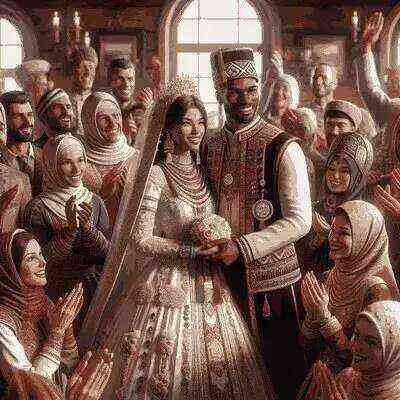
Slovenian wedding traditions are multi-day celebrations that blend Central European customs with distinctive regional practices, typically lasting 2-3 days and involving 150-300 guests from both families. These culturally rich ceremonies encompass pre-wedding rituals like zaroka (engagement), the mandatory civil ceremony, religious services, and distinctive reception customs including log sawing and bride stealing.
Overview of Slovenian Wedding Process
- 12 months before: Zaroka formal engagement ceremony
- 6 months before: Venue booking and bachelor/bachelorette party planning
- 3 months before: Snubitev formal asking ceremony
- 1 month before: Final preparations and witness selection
- Wedding week: Civil ceremony at administrative office
- Wedding day: Religious ceremony and wedding feast
- Day after: Popravno slavje after-party
Pre-Wedding Traditions and Ceremonies
Zaroka: The Formal Engagement Process
Zaroka is a formal engagement tradition that initiates the marriage process, typically occurring 6-12 months before the wedding and involving 20-30 family members from both sides.
Cost and Duration
- Traditional cost: EUR 500-1,500 (USD 550-1,650)
- Duration: Single evening celebration (4-6 hours)
- Participants: 20-30 close family members
- Location: Usually at bride’s family home
The Zaroka Process
- Initial meeting: Groom’s parents contact bride’s family through a family intermediary
- Formal gathering: Both families meet for ceremonial dinner with traditional foods
- Ring exchange: Simple gold bands placed on right hands (EUR 200-500 per ring)
- Blessing ritual: Parents offer bread, wine, and honey to seal engagement
Regional Variations
Gorenjska zaroka includes accordion music and alpine flower decorations, with celebrations often featuring local schnapps costing EUR 30-50 per bottle.
Primorska approach differs by incorporating local wines and olive branch blessings, with coastal families often hosting outdoor celebrations.
Modern Adaptations
Contemporary couples often combine traditional family meetings with modern elements:
- Professional photography (EUR 300-800)
- Restaurant venues instead of home celebrations (EUR 50-100 per person)
- Diamond rings alongside traditional gold bands
- Shortened timeline (3-6 months vs traditional 12 months)
Snubitev: The Formal Asking Ceremony
Snubitev is a ceremonial tradition where the groom officially requests the bride’s hand, typically occurring 1-3 months before the wedding and involving male family members.
Cost and Duration
- Traditional cost: EUR 200-500 (USD 220-550)
- Duration: 2-3 hours
- Participants: 5-10 male relatives
- Gifts: Symbolic items worth EUR 100-300
The Snubitev Protocol
- Preparation: Groom and best man prepare formal speeches
- Arrival ceremony: Men bring traditional gifts of bread and salt
- Formal request: Scripted conversation with bride’s parents
- Acceptance ritual: Sharing of ceremonial wine upon agreement
Regional Variations
Stajerska snubitev features elaborate poetic speeches and wine from local vineyards, with ceremonies often including traditional musicians (EUR 200-400).
Prekmurje tradition incorporates special bread called vrtanik and distinctive Hungarian-influenced rituals.
Dekliščina and Fantovščina: Bachelor and Bachelorette Parties
Dekliščina is a bachelorette celebration marking the bride’s farewell to single life, while fantovščina serves the same purpose for grooms, typically occurring 2-4 weeks before the wedding.
Cost and Duration
- Traditional cost: EUR 150-500 per person (USD 165-550)
- Modern cost: EUR 300-1,000 per person for weekend trips
- Duration: Single evening (traditional) or 2-3 day weekend (modern)
- Participants: 10-20 close friends
Traditional Activities
- Symbolic farewell: Friends present advice through songs and stories
- Skill testing: Grooms demonstrate household abilities
- Wine tasting: Especially in Primorska region (EUR 50-100 per person)
- Traditional games: Including mock “kidnapping” preparations
Wedding Ceremony Traditions
Civilna Poroka: The Mandatory Civil Ceremony
Civilna poroka is a legally required civil ceremony conducted by a registrar, typically lasting 15-30 minutes and preceding any religious ceremony.
Cost and Requirements
- Official fee: EUR 50-100 (USD 55-110)
- Special venue fee: EUR 200-1,000 for castles or historic sites
- Documentation: EUR 30-50 for required paperwork
- Witnesses: Minimum 2 required
Civil Ceremony Process
- Document submission: Application at administrative office 30 days prior
- Venue selection: Registry office or approved locations
- Vow exchange: Standard civil vows in Slovenian
- Ring ceremony: Optional but commonly included
- Certificate signing: Legal documentation completed
Modern Venue Options
Contemporary couples increasingly choose special locations:
- Ljubljana Castle: EUR 500-1,500 rental fee
- Lake Bled venues: EUR 800-2,000
- Coastal locations: EUR 400-1,200
- Mountain settings: EUR 300-800
Religious Wedding Ceremonies
Porocna maša is a Catholic wedding mass that represents the spiritual union, typically lasting 45-60 minutes and involving 100-300 guests.
Cost and Duration
- Church donation: EUR 200-500 (USD 220-550)
- Musician fees: EUR 150-400
- Flower decorations: EUR 300-800
- Duration: 45-60 minutes (Catholic), 30-45 minutes (Protestant)
Catholic Ceremony Elements
- Processional: Traditional organ music or regional folk instruments
- Scripture readings: Often in Slovenian and Latin
- Unity candle: Candle lighting ceremony
- Marian devotion: Special prayers to Virgin Mary
- Final blessing: Including regional benedictions
Regional Religious Variations
Prekmurje Protestant tradition features shorter ceremonies with more personalized elements and Hungarian influences.
Primorska Catholic customs include blessing with olive branches and incorporation of Italian liturgical elements.
Price: The Wedding Witnesses Tradition
Price are official wedding witnesses who serve legal and ceremonial roles, traditionally chosen for their exemplary marriages and wisdom.
Responsibilities and Costs
- Ceremonial duties: Ring holding, document signing
- Financial contribution: Often EUR 500-2,000 gift to couple
- Attire: Special sashes or boutonnieres (EUR 50-100)
- Reception roles: Speech giving, ceremony coordination
Selection Process
- Traditional criteria: Married couples with strong relationships
- Modern choices: Close friends or siblings regardless of marital status
- Number: Exactly 2 for legal requirements
- Honorary witnesses: Additional unofficial witnesses (4-6 people)
Kruh in Sol: The Bread and Salt Welcome
Kruh in sol is a symbolic greeting ceremony where newlyweds share bread and salt, typically occurring immediately after the ceremony and lasting 5-10 minutes. This tradition shares similarities with Croatian and Austrian customs.
Symbolic Elements and Costs
- Special bread: Pogaca or poticapoh-TEE-tsah - EUR 30-80
- Ceremonial salt: In decorative container - EUR 20-50
- Welcome wine: Local variety - EUR 30-100
- Decorative tray: Traditional wooden or ceramic - EUR 50-150
The Greeting Process
- Parent preparation: Mothers ready bread and salt on decorated tray
- Couple arrival: Greeted at reception venue entrance
- Bread breaking: Each tears piece and dips in salt
- Wine toast: Shared cup symbolizing unity
- Guest participation: Sometimes extended to all attendees
Regional Bread Variations
Prekmurje vrtanik is a special wedding bread with distinctive braided patterns costing EUR 50-100.
Gorenjska pogaca includes mountain herbs and costs EUR 40-80, often decorated with alpine motifs.
Wedding Reception and Celebration Customs

Zaganje Hloda: The Traditional Log Sawing Ceremony
Zaganje hloda is a symbolic teamwork challenge where newlyweds saw through a log together, typically lasting 10-15 minutes and performed outside the reception venue. Similar customs exist in German wedding traditions.
Cost and Setup
- Decorated log: EUR 50-150 (USD 55-165)
- Two-person saw: EUR 30-80 (often family heirloom)
- Sawhorses: EUR 50-100 rental
- Photography: Prime photo opportunity
The Sawing Process
- Log presentation: Decorated with flowers and couple’s names
- Instruction phase: Guests offer humorous advice
- Sawing demonstration: Couple must coordinate movements
- Completion celebration: Sawdust collected as keepsake
- Wood piece distribution: Given to witnesses as memento
Symbolic Interpretations
The tradition represents overcoming obstacles together, with successful completion indicating good teamwork. Regional variations include different wood types: oak in Stajerska (EUR 100-200), pine in Gorenjska (EUR 50-100), and sometimes olive wood in Primorska (EUR 150-300).
Porocno Slavje: The Traditional Wedding Feast
Porocno slavje is an elaborate multi-course wedding reception feast that typically lasts 6-8 hours and costs EUR 80-150 per guest.
Traditional Menu Structure and Costs
- Welcome drinks: Schnapps or wine - EUR 5-10 per person
- Soup course: Beef soup - EUR 8-12 per person
- Cold appetizers: Regional meats and cheeses - EUR 15-25 per person
- Main courses: 2-3 options - EUR 30-50 per person
- Dessert table: Including poticapoh-TEE-tsah - EUR 10-20 per person
- Midnight meal: Goulash or soup - EUR 8-15 per person
Regional Feast Specialties
Prekmurje gibanica is a layered pastry dessert costing EUR 40-80 per cake serving 20-30 guests.
Stajerska bograc is a hearty stew served as midnight meal for EUR 10-15 per person.
Primorska prsut features local prosciutto platters costing EUR 20-30 per person.
Modern Feast Adaptations
Contemporary weddings blend traditional and international cuisine:
- Shortened to 4-5 courses (EUR 60-100 per person)
- Vegetarian options now standard (EUR 50-80 per person)
- Interactive food stations (EUR 15-25 per person additional)
- Traditional elements remain in desserts and midnight meal
Kraja Neveste: The Bride Stealing Tradition
Kraja neveste is a playful kidnapping tradition where friends “steal” the bride during reception, typically occurring 2-3 hours into celebration and lasting 30-60 minutes.
Traditional Protocol and Costs
- Ransom payment: Drinks for kidnappers - EUR 50-200
- Multiple locations: 2-3 nearby bars or cafes
- Transportation: Decorated cars - EUR 100-300
- Entertainment value: Creates reception intermission
The Kidnapping Process
- Distraction phase: Friends distract groom during dancing
- Bride removal: Quietly escorted to waiting vehicle
- Location hopping: Visit 2-3 predetermined spots
- Groom’s search: Must find bride with clues
- Ransom negotiation: Groom buys rounds or performs tasks
Regional Variations
Urban kidnappings often involve trendy bars with ransoms of craft cocktails (EUR 8-15 per drink).
Rural traditions may include tractor transport and village pub visits (EUR 3-5 per beer).
Nevestin Venec: The Bridal Crown and Unveiling
Nevestin venec is a bridal crown tradition culminating in midnight unveiling ceremony that marks transition to married life, lasting 20-30 minutes.
Crown Types and Costs
- Fresh flower crown: EUR 80-200 (USD 88-220)
- Ivy wreath: EUR 50-100 (traditional choice)
- Myrtle crown: EUR 60-120 (fertility symbol)
- Modern tiara: EUR 100-500
The Unveiling Ceremony
- Midnight gathering: Guests form circle around bride
- Special music: Traditional unveiling songs
- Crown removal: By mother or eldest married woman
- Scarf placement: Ruta symbolizing married status
- Crown passing: To unmarried woman predicting next bride
Modern Interpretations
Contemporary ceremonies focus on celebration rather than status change:
- Choreographed dances replace solemn rituals
- Veil tossing similar to bouquet throwing
- Photo opportunities emphasized
- Symbolic rather than literal transformation
Obhod: The Traditional Money Dance
Obhod is a money collection dance where guests pay to dance with newlyweds, typically raising EUR 500-3,000 for the couple’s future. Similar traditions exist in Polish and Croatian weddings.
Dance Protocol and Contributions
- Standard contribution: EUR 5-50 per dance (USD 5.50-55)
- Dance duration: 30-60 seconds per guest
- Collection method: Special apron or decorated box
- Total duration: 30-45 minutes
The Money Dance Process
- Announcement: Band leader explains tradition
- Line formation: Male guests for bride, female for groom
- Payment collection: Money pinned or placed in container
- Brief dance: Each guest gets personal moment
- Thank you: Couple acknowledges each contributor
Regional Variations
Stajerska obhod features polka music with typical contributions of EUR 10-20 per person.
Primorska tradition includes Italian-influenced music with contributions of EUR 20-50 per dance.
Regional Variations
Gorenjska Alpine Wedding Traditions
Gorenjska wedding customs are alpine region traditions featuring mountain elements, typically involving 200-400 guests and costing EUR 15,000-30,000 total.
Distinctive Regional Elements
- Frajtonarica music: Traditional flute - EUR 200-400 for musicians
- Alpine decorations: Edelweiss and mountain flowers - EUR 300-600
- Traditional costumes: Rental EUR 100-300 per outfit
- Horse carriages: EUR 500-1,500 for procession
- Mountain venues: EUR 2,000-5,000 rental
Gorenjska Specialties
Ajdovi zganci is buckwheat porridge served as traditional side dish for EUR 5-8 per person.
Gorenjska potica features walnut filling with honey, costing EUR 40-60 per roll serving 15-20 guests.
Primorska Coastal Wedding Customs
Primorska wedding traditions are Mediterranean-influenced celebrations emphasizing wine and seafood, typically lasting 8-10 hours.
Coastal Tradition Costs
- Vineyard venues: EUR 3,000-8,000 rental
- Seafood menu: EUR 100-200 per person
- Local wine service: EUR 30-80 per person
- Olive branch decor: EUR 200-400
- Italian musicians: EUR 500-1,500
Primorska Specialties
Briska rebula is a traditional wedding wine costing EUR 15-40 per bottle.
Kraski prsut platters feature local prosciutto at EUR 25-35 per person.
Prekmurje and Stajerska Eastern Traditions
Prekmurje wedding customs are Pannonian-influenced traditions featuring elaborate bread ceremonies and Hungarian elements, typically involving 300-500 guests.
Eastern Region Costs
- Gibanica cakes: EUR 50-100 per cake
- Bograc preparation: EUR 800-1,500 for 200 guests
- Folk ensembles: EUR 600-1,500
- Traditional embroidery: EUR 200-500 per outfit
- Extended celebrations: EUR 20,000-40,000 total
Prekmurje Specialties
Vrtanik bread is ceremonial wedding bread with braided designs costing EUR 60-120.
Prekmurska gibanica is a nine-layer pastry costing EUR 60-100 per cake serving 30 guests.
How much does a typical Slovenian wedding cost?
The total cost of a Slovenian wedding ranges from EUR 10,000-40,000 (USD 11,000-44,000), with the average being EUR 20,000-25,000 for 150-200 guests. Major expenses include venue rental (EUR 2,000-5,000), catering at EUR 80-150 per person, photography and videography (EUR 1,500-3,500), and music entertainment (EUR 800-2,000). Regional variations affect pricing significantly - Gorenjska mountain weddings tend toward the higher end due to venue costs, while rural Prekmurje celebrations may cost less but involve more guests. The wedding feast represents the largest single expense at 40-50% of the total budget. Modern couples often reduce costs by limiting guest lists to 100-150 people and choosing single-day rather than multi-day celebrations.
What is the traditional Slovenian wedding timeline?
Traditional Slovenian weddings span 2-3 days, though modern celebrations often condense to a single day. The process begins with zaroka engagement 6-12 months before the wedding. The wedding week starts with the civil ceremony, legally required and lasting 15-30 minutes. The main wedding day begins with morning preparations, followed by an optional religious ceremony (45-60 minutes), the bread and salt greeting, and the reception lasting 6-8 hours. Key reception moments include log sawing, dinner service, bride stealing, and midnight unveiling ceremony. The following day features popravno slavje, a casual gathering for close family and friends lasting 4-6 hours.
Who traditionally pays for a Slovenian wedding?
Historically, Slovenian wedding costs were shared between both families, with specific responsibilities divided by tradition. The bride’s family typically covered the reception feast and venue, while the groom’s family paid for drinks, music, and transportation. Modern Slovenian couples increasingly finance their own weddings, with parents contributing specific elements rather than covering all costs. The money dance tradition helps offset expenses, typically raising EUR 500-3,000. Witnesses often give substantial gifts of EUR 500-2,000. Regional differences exist - in rural Prekmurje, extended family contributions remain common, while urban Ljubljana couples typically handle costs independently. Contemporary practice sees couples covering 50-70% of costs, with both sets of parents contributing equally to the remainder.
What should guests wear to a Slovenian wedding?
Slovenian wedding attire follows formal European standards with some regional distinctions. Men typically wear dark suits or tuxedos, while women choose cocktail dresses or evening gowns. Avoid wearing white (reserved for bride) or black (traditionally associated with mourning). In Gorenjska alpine regions, some guests incorporate traditional elements like embroidered vests or dirndls, especially for morning ceremonies. For Primorska coastal weddings, lighter fabrics and colors are acceptable due to Mediterranean climate. The religious ceremony requires modest dress - women should cover shoulders and avoid short skirts in church. For the evening reception, comfort is important as celebrations include extensive dancing. Comfortable shoes are essential for outdoor traditions like log sawing. When attending village weddings, slightly more conservative dress shows respect for rural traditions.
How long do Slovenian wedding ceremonies last?
Slovenian wedding ceremonies vary significantly in duration depending on type and region. The mandatory civil ceremony lasts 15-30 minutes, conducted by a registrar. Catholic wedding mass typically runs 45-60 minutes, including communion, while Protestant ceremonies average 30-45 minutes. The complete wedding day spans 10-12 hours from morning preparations through midnight traditions. The bread and salt greeting takes 5-10 minutes, log sawing lasts 10-15 minutes, and the unveiling ceremony requires 20-30 minutes around midnight. The reception feast extends 6-8 hours with multiple courses and entertainment between servings. Regional variations affect timing - Prekmurje weddings often run longer due to elaborate traditions.
What are the most important Slovenian wedding traditions to include?
The essential Slovenian wedding traditions that most couples maintain are bread and salt greeting, which symbolizes prosperity and hospitality; log sawing ceremony demonstrating teamwork; and the traditional multi-course feast. The witness system remains legally required and culturally significant. Regional couples often include bride stealing for entertainment and the money dance to help fund their future. Religious ceremonies, while optional, remain popular with many couples. Modern couples frequently adapt these traditions - shortening the feast from 6-8 to 4-5 courses, limiting log sawing to photo opportunity rather than complete cutting, and modernizing the midnight unveiling ceremony. The key is selecting traditions that resonate personally while honoring family heritage.
How do Slovenian weddings differ by region?
Slovenian wedding traditions vary significantly across four main regions. Gorenjska alpine weddings feature frajtonaricafry-toh-NAH-ree-tsah flute music, mountain venue settings costing EUR 2,000-5,000, and buckwheat dishes. Primorska coastal celebrations emphasize wine culture with rebula selections, Mediterranean seafood menus (EUR 100-200 per person), and Italian musical influences. Prekmurje eastern traditions include elaborate vrtanik bread ceremonies, Hungarian-influenced customs, and gibanica layered pastries. Stajerska weddings feature extensive wine traditions, bograc stew as midnight meal, and particularly enthusiastic money dances. Urban Ljubljana and Maribor weddings tend toward international fusion while maintaining core traditions like bread and salt greeting. Rural weddings across all regions typically involve more guests (300-500 vs urban 100-200) and longer celebrations.
Can foreigners have a traditional Slovenian wedding?
Foreigners can absolutely have traditional Slovenian weddings, with Slovenia becoming an increasingly popular wedding destination. Legal requirements include the mandatory civil ceremony, which requires documentation translation (EUR 30-50 per document) and submission 30 days prior. Many venues offer packages specifically for international couples, ranging from EUR 5,000-15,000 including traditional elements like bread and salt greeting and log sawing. Popular locations include Lake Bled (EUR 800-2,000 venue fee), Ljubljana Castle (EUR 500-1,500), and Primorska vineyards (EUR 3,000-8,000). Wedding planners specializing in destination weddings charge EUR 1,500-3,500 and handle tradition incorporation, translation services, and legal requirements. Most vendors in tourist areas speak English, though hiring a translator (EUR 200-400) helps with traditional ceremony elements. International couples often blend Slovenian traditions with their own cultural customs.
What happens at a popravno slavje (after-party)?
The popravno slavje is a casual day-after celebration for close family and friends, typically lasting 4-6 hours and including 30-80 guests. This tradition developed to use leftover food while extending celebrations in a relaxed atmosphere. Modern after-parties often feature barbecues or brunches costing EUR 20-40 per person, compared to the formal reception’s EUR 80-150. Traditional activities include sharing wedding stories, viewing photos/videos from the previous day, and playing games not included in the main reception. The witnesses often organize entertainment and speeches in this informal setting. Rural families might host at family homes, while urban couples often choose restaurant terraces or wine cellars. Unlike the formal wedding day, dress code is casual and the atmosphere encourages mingling between families who were too busy during the main celebration to properly connect.
What gifts are appropriate for Slovenian weddings?
Traditional Slovenian wedding gifts focus on helping couples establish their household, with money being the most common and practical choice. Cash gifts typically range from EUR 50-100 for acquaintances, EUR 100-200 for friends, and EUR 200-500 for close family, often given in decorative envelopes during the money dance. Witnesses traditionally give more substantial gifts of EUR 500-2,000. Traditional household items remain popular: quality linens (EUR 50-150), kitchen equipment (EUR 100-300), or decorative items for the home. Many couples create gift registries at major stores, though this practice is more common in urban areas. Regional variations exist - in wine regions like Primorska, quality wine selections (EUR 30-100) are appreciated. For destination weddings, monetary gifts are preferred due to transport considerations. Avoid knives (symbolizing relationship cutting) and handkerchiefs (associated with tears). Always include a card with personal wishes, preferably handwritten in Slovenian if possible.
For authoritative information about Slovenian cultural heritage and traditions, visit the Republic of Slovenia Government Portal.
Frequently Asked Questions
What unique traditions make Slovenian weddings special?
Key traditions include žaganje hloda (log sawing), kraja neveste (bride stealing), kruh in sol (bread and salt greeting), and nevestin venec (midnight crown ceremony).
How long do traditional Slovenian weddings last?
Traditional celebrations span 2-3 days, though modern weddings often compress events into one day. The main reception typically lasts 6-8 hours.
What is the zaroka engagement tradition?
Zaroka is a formal 6-12 month engagement period featuring ring exchange, family blessing rituals, and regional customs.
How much does a traditional Slovenian wedding cost?
Costs typically range from €10,000 to €40,000, varying by region, guest count, and chosen traditions.
What happens during the kraja neveste tradition?
Kraja neveste is a playful 'bride stealing' custom where guests temporarily hide the bride during the reception, requiring a symbolic ransom.
Are civil ceremonies required in Slovenia?
Yes, civil ceremonies (civilna poroka) are mandatory and last 15-30 minutes, often held in historic venues.
What is the traditional wedding attire in Slovenia?
Formal attire with regional costume elements is common, with modest dress requirements for religious ceremonies.
What is popravno slavje?
It's an informal after-party held the day after the wedding for close family and friends to continue celebrations.
How do wedding traditions vary by region?
Each region has distinct customs: Alpine traditions in Gorenjska, Mediterranean influences in Primorska, and Hungarian-influenced customs in Prekmurje.
What are appropriate wedding gifts in Slovenia?
Traditional gifts include household items and cash, with specific customs varying by region. Money gifts are increasingly common.