Spanish Wedding Traditions
What Are Spanish Wedding Traditions?
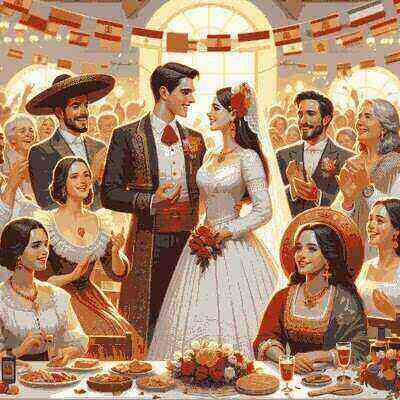
Picture this: The late afternoon sun casts golden light through ancient church windows as families gather from across Spain, their excited chatter mixing with the distant sound of guitars. This is the beginning of a Spanish wedding celebration that will stretch long into tomorrow’s dawn, weaving together centuries of Catholic tradition with the passionate spirit of regional customs.
Spanish weddings aren’t just ceremonies, they’re multi-day festivals of family, faith, and fiesta. These celebrations typically unite 150-300 guests in elaborate gatherings that blend solemn religious rituals like las arras (the exchange of thirteen gold coins) with joyous traditions that keep dance floors packed until sunrise. From the formal pedida de mano engagement dinner to the bleary-eyed tornaboda breakfast, every moment carries meaning passed down through generations.
Overview of Spanish Wedding Process
- 12 months before: Pedida de manopeh-DEE-dah deh MAH-noh (formal family meeting)
- 6 months before: Pre-Cana courses begin for Catholic couples
- 3 months before: Civil ceremony documentation preparation
- 1 month before: Despedida de solterodes-peh-DEE-dah deh sol-TEH-roh/a (bachelor/bachelorette parties)
- 1 week before: Final venue preparations and family gatherings
- Wedding eve: La Serenatalah seh-reh-NAH-tah serenade tradition in southern regions
- Wedding day: Late afternoon ceremony (6-7 PM) followed by reception until dawn
- After wedding: Obtain Libro de FamiliaLEE-broh deh fah-MEE-lee-ah documentation
Pre-Wedding Traditions and Ceremonies
Pedida de Mano: The Formal Engagement Process
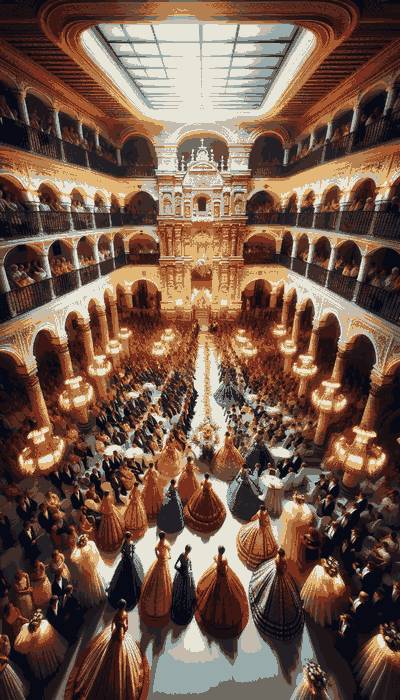
In Spanish culture, love alone doesn’t seal an engagement, tradition demands that two families formally unite through pedida de mano, a ceremonial dinner where futures intertwine over carefully chosen words and regional wines. This time-honored ritual transforms a private decision into a community celebration, typically gathering 10-20 family members around tables laden with significance.
Cost and Duration
- Traditional cost: approximately €500-1,500 for dinner and gifts
- Duration: Single evening event (4-6 hours)
- Participants: Parents, siblings, and close relatives (10-20 people)
- Location: Usually at the bride’s family home or upscale restaurant
The Pedida de Mano Process
The evening unfolds like a carefully choreographed dance. First, the groom’s father reaches out to arrange this momentous meeting, setting in motion weeks of preparation. When the night arrives, both families gather for an elaborate feast featuring the best their region offers, perhaps Galician seafood or Castilian roast lamb.
As glasses of aged Rioja flow, the groom’s father rises for the pivotal moment, formally requesting the bride’s hand in marriage. The bride’s family presents treasured heirlooms, grandmother’s gold bracelet, great-aunt’s pearl necklace, welcoming their future son-in-law into the family legacy. Finally, champagne corks pop as both families toast with cava, sealing the engagement with bubbles and blessings.
Regional Variations
Down in Andalusia, the pedida pulses with flamenco rhythms, often stretching until the early morning hours as guitarists serenade the newly united families. Here, grooms present their brides with ornate Manila shawls, silk treasures that will drape over balconies during future celebrations.
Meanwhile, Catalonian families approach the tradition with businesslike precision, sometimes drafting written engagement contracts and immediately exchanging family jewelry, particularly the region’s distinctive coral crosses that have adorned Catalan brides for centuries.
Modern Adaptations
Contemporary families honor the heart of tradition while adapting to modern life:
- Restaurant venues increasingly replace home gatherings
- Casual dress codes instead of formal attire
- Shared costs between families rather than groom’s family paying
- Video calls including overseas relatives
- Social media announcements following the dinner
Despedida de Soltero/a: Spanish Bachelor and Bachelorette Parties
What happens when Spanish exuberance meets the universal tradition of pre-wedding revelry? You get the despedida de soltero/a, celebrations that have evolved from modest tavern gatherings into elaborate adventures that might span continents.
Cost and Duration
- Traditional cost: approximately €150-500 per person
- Duration: Weekend trips (2-3 days) or single evening events
- Participants: Close friends and siblings (10-30 people)
- Popular destinations: Ibiza, Barcelona, Madrid, or local venues
Traditional vs Modern Celebrations
Gone are the days when a despedida meant a simple dinner with embarrassing games at the local restaurant. Today’s celebrations might find the bride-to-be learning flamenco in Seville’s ancient quarters, while the groom and his friends navigate the vineyards of La Rioja, sampling vintages between rounds of laughter. Beach parties in Valencia, gastronomic tours through San Sebastian’s pintxo bars, or dancing until dawn in Madrid’s legendary nightclubs, modern despedidas embrace Spain’s reputation for knowing how to celebrate.
La Serenata: The Wedding Eve Serenade
As midnight approaches on the wedding eve, romantic tradition takes center stage. The groom, accompanied by musicians and his closest friends, gathers beneath his bride’s window to perform la serenata, a tender serenade that publicly declares his devotion one last time before they wed.
This custom remains popular among Andalusian couples, though it’s become less common in Spain’s northern regions. Modern grooms might hire professional guitarists or even full mariachi bands, transforming quiet streets into impromptu concert venues. Some couples staying in hotels recreate the magic with surprise balcony performances, proving that romance adapts but never dies.
Wedding Attire and Accessories
La Mantilla: The Traditional Spanish Wedding Veil
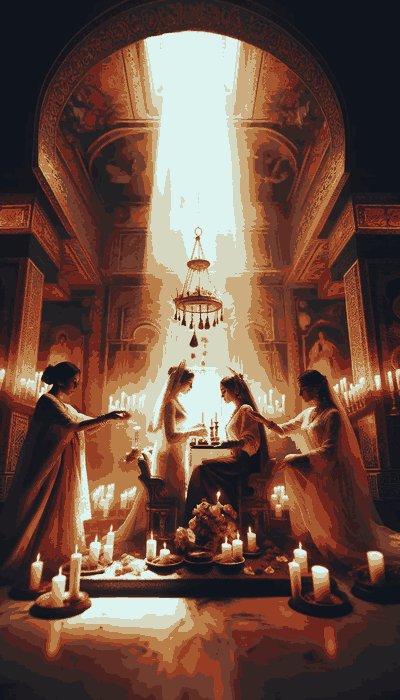
Imagine delicate Chantilly lace cascading like a whispered prayer, held in place by an ornate tortoiseshell comb passed down through generations. This is la mantilla, the iconic Spanish bridal veil that transforms modern brides into visions from Goya’s paintings.
Cost and Specifications
- Heirloom mantillas: Priceless family pieces passed through generations
- New mantillas: approximately €200-2,000
- Material: Chantilly or Spanish lace
- Colors: White, ivory, or black for traditional ceremonies
- Peineta comb: approximately €50-500
The Mantilla Tradition
Since the 17th century, these circular lace masterpieces have graced Spanish women during life’s most sacred moments. Today, many Spanish brides incorporate mantillas, each region’s lace telling its own story through intricate patterns, Granada’s pomegranates symbolizing fertility, Seville’s orange blossoms promising happiness, Barcelona’s geometric designs reflecting Modernist heritage.
Regional Mantilla Variations
In Andalusia, brides favor dramatic lengths exceeding two meters, their mantillas floating like clouds of lace throughout both ceremony and reception. The intricate floral patterns seem to capture entire gardens in thread, each bloom a testament to the lacemaker’s art.
Castilian brides, ever practical, prefer shorter mantillas that won’t hinder the night’s inevitable dancing. Their geometric patterns echo the region’s austere beauty, elegant, refined, and purposefully understated.
Modern Adaptations
Contemporary brides blend centuries-old tradition with personal style:
- Cathedral-length mantillas for dramatic effect
- Colored mantillas matching wedding themes
- Partial mantillas as hair accessories
- Designer collaborations with Spanish lace makers
Traditional Black Wedding Dress Elements
Why would a bride choose black on her wedding day? In 19th-century Spain, wearing black demonstrated a devotion so profound it would last “until death”; a powerful statement in an era when marriage truly meant forever. While full black gowns have largely vanished from modern altars, their spirit lives on in subtle touches that honor this dramatic tradition.
Today’s brides might wear:
- Black lace mantillas (in some traditional weddings)
- Black ribbon details on white gowns
- Black embroidery featuring family crests
- Black shoes as a subtle nod to tradition
This somber tradition held strongest sway in Castile and Spain’s northern regions, where the serious nature of matrimony demanded equally serious attire.
Wedding Ceremony Traditions
Las Arras: The Thirteen Unity Coins
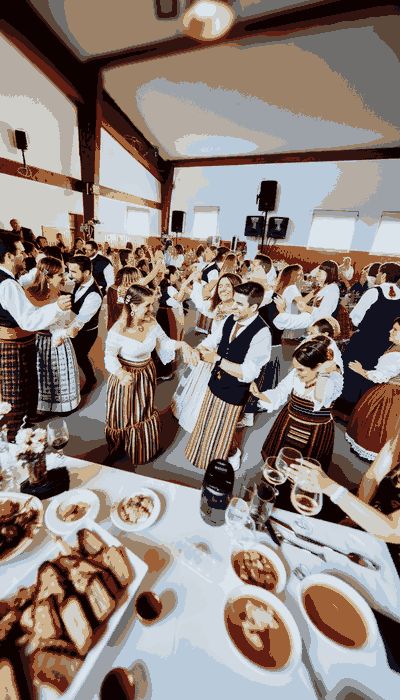
The priest raises a small wooden box, its contents gleaming in the candlelight, thirteen gold coins that carry the weight of centuries. This is las arras, perhaps Spain’s most distinctive wedding ritual, where precious metal becomes a tangible promise of shared prosperity and mutual support. Similar traditions appear in Mexican and Filipino weddings, reflecting Spain’s historical influence.
Cost and Specifications
- Traditional gold coins: approximately €300-500 for a set
- Silver alternatives: approximately €100-200
- Decorative box: approximately €50-200
- Coins retained: As family heirlooms for future generations
- Blessing duration: 5-10 minutes during ceremony
The Arras Ceremony Process
As the ceremony reaches this pivotal moment, the padrinos step forward bearing the ornate cofre. The priest blesses each coin while explaining how they represent Jesus and his apostles, faith intertwined with marriage. Then comes the exchange, the groom carefully pours the coins into his bride’s cupped hands, their metallic song filling the church. She returns them with equal care, this back-and-forth symbolizing how they’ll share all of life’s treasures and trials.
Symbolism and Meaning
Each coin traditionally represents a month of the year, with the thirteenth reserved for charity, a reminder that prosperity should be shared. Modern couples often assign personal meanings: one coin for health, another for children, perhaps one for adventure or growing old together. These coins don’t get spent; they become family treasures, displayed at home and eventually passed to the next generation.
Regional Variations
Andalusian coins often bear regional symbols, Seville’s Giralda tower or Granada’s Alhambra palace, transforming universal tradition into local pride. These custom sets command higher prices but connect couples to their homeland’s heritage.
In Catalonia, some families substitute ancient coins from the Crown of Aragon era, their weathered faces linking today’s promises to centuries of ancestral unions.
El Lazo: The Wedding Unity Cord
After rings are exchanged and arras blessed, another binding awaits. The padrinos approach with el lazo, an oversized rosary or silken cord that will literally bind the couple together. Draped in a figure-eight around their shoulders, this infinite loop creates a visual prayer for eternal unity.
Specifications and Cost
- Traditional rosary lazo: approximately €50-150
- Silk cord lazo: approximately €100-300
- Floral lazo: approximately €75-200
- Crystal or pearl lazo: approximately €200-500
- Length: Typically 3-4 meters to form figure-eight
The Lazo Ritual Process
The couple remains bound throughout the nuptial blessing, standing together as prayers wash over them. For these 10-15 minutes, they cannot move independently, a physical reminder of how marriage intertwines two lives. When the padrinos finally lift the lazo away, the couple emerges symbolically transformed from two individuals into one unified partnership.
Many couples display their lazo at home like artwork, its loops frozen in glass cases or draped over bedroom mirrors, a daily reminder of promises made before God and community.
Padrinos: The Spanish Wedding Sponsors
Forget matching bridesmaid dresses and groomsman boutonnieres, Spanish weddings operate on an entirely different system. Here, padrinos serve as combination witnesses, advisors, and benefactors, their role far exceeding anything expected of a typical wedding party.
Padrino Responsibilities
- Financial: May contribute toward wedding costs
- Ceremonial: Present arras and lazo during ceremony
- Advisory: Provide guidance to couple before and after wedding
- Legal: Sign as official witnesses on marriage documents
- Social: Host pre-wedding gatherings for families
Selection Process
Traditionally, the bride’s father serves as padrino while the groom’s mother acts as madrina, creating a cross-family bond. This arrangement honors both families equally while establishing new relationships between future in-laws. Modern variations might include both sets of parents, godparents who’ve guided the couple’s spiritual journey, or mentor couples whose marriages inspire the newlyweds.
Catholic Mass Structure and Timing
As church bells chime six o’clock, guests settle into pews for the misa nupcial, a Catholic mass that forms the sacred heart of Spanish weddings. These ceremonies stretch 60-90 minutes, their late afternoon timing perfectly calibrated to Spain’s nocturnal culture.
Spanish Catholic weddings weave distinctive elements throughout the traditional mass:
- Entrance: Bride enters with father to traditional Spanish hymns
- Readings: Often include passages in regional languages (Catalan, Galician)
- Homily: Priest’s marriage guidance (10-15 minutes)
- Unity rituals: Arras and lazo ceremonies (15-20 minutes combined)
- Communion: Extended time as most guests participate
- Marian devotion: Special prayers to Virgin Mary, particularly in Andalusia
Wedding Reception and Celebration Customs
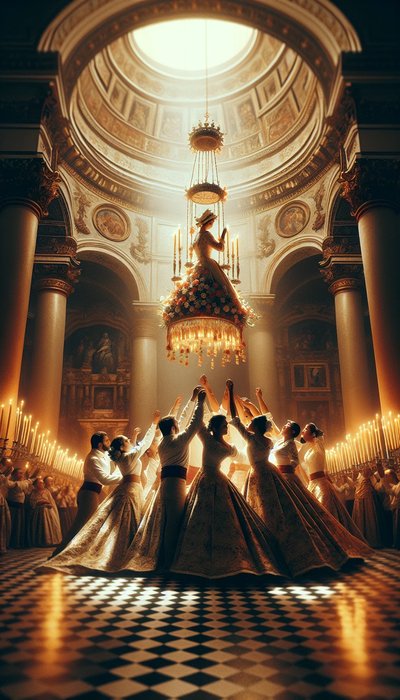
Spanish Wedding Reception Timeline
Just when other cultures’ weddings would be winding down, Spanish celebrations are merely warming up. The convite de boda begins with cocktail hour around 8 PM and doesn’t pause until dawn breaks over the dance floor.
Standard Reception Schedule
- 8:00 PM: Cocktail hour begins
- 9:30 PM: Guests seated for dinner
- 10:00 PM: First courses served
- 11:30 PM: Main course and speeches
- 1:00 AM: Cake cutting and desserts
- 2:00 AM: Dancing begins in earnest
- 4:00 AM: Late night snacks (recena)
- 6:00 AM: Possible tornabodator-nah-BOH-dah breakfast
Cost Breakdown
- Venue rental: approximately €2,000-10,000
- Catering per person: approximately €100-250
- Total reception cost: approximately €15,000-50,000
- Guest count: 150-300 people average
Mesa Presidencial: The Spanish Head Table
Elevated above the crowd sits the mesa presidencial, where newlyweds preside over their kingdom of guests flanked by both sets of parents. This arrangement tells a visual story, two families now united as one, sharing equal prominence in this new chapter.
Traditional Seating Protocol
The choreography is precise: groom’s father, bride’s mother, groom, bride (center stage), bride’s father, groom’s mother. Some modern couples opt for intimate sweetheart tables or extended arrangements including siblings, but tradition still reigns at most Spanish celebrations.
Traditional Wedding Feast Menu
Imagine a feast that unfolds like a theater production, each course building toward a culinary crescendo. The banquete nupcial transforms dining into performance art, with 5-7 acts played out over 3-4 hours of gastronomic indulgence.
Typical Menu Structure and Costs
The evening begins with aperitivo, that magical cocktail hour where jamon iberico glistens on carving stations while guests sample regional tapas and toast with crisp cava.
First courses might feature gazpacho when summer heat demands refreshment or warming seafood stews when Atlantic winds blow cold. The main event showcases Spain’s diverse geography: suckling pig roasted to crackling perfection in Segovia, fresh sea bass grilled over wood fires in coastal venues, or Valencia’s legendary paella prepared in pans large enough to feed armies.
Dessert becomes its own celebration, wedding cake accompanied by tables groaning under traditional sweets, seasonal fruits, and strong coffee to fuel the dancing ahead.
La Hora Loca: The Crazy Hour
Around 2 AM, when energy might naturally flag, Spanish weddings unleash controlled chaos. La hora loca explodes in a riot of feather boas, LED accessories, and pulsing reggaeton beats that would make a carnival jealous.
This Latin American import has conquered Spanish dance floors, particularly in southern weddings. Professional animators might lead the charge, but often the madness develops organically, grandmother donning oversized sunglasses, distinguished uncles wielding inflatable guitars, the entire wedding party united in glorious, ridiculous celebration.
Traditional Spanish Wedding Dances
When the band strikes up the first notes of a sevillana, something magical happens. Guests who moments before claimed two left feet suddenly remember steps learned in childhood, their bodies moving to rhythms encoded in cultural DNA.
Regional Dance Traditions
In Andalusia, professional flamenco dancers often perform, their passionate sevillanas inspiring guests to join in. These four-part couple dances tell stories of courtship through movement, each section building in intensity.
Catalonia’s sardana creates different magic, guests joining hands in ever-expanding circles, their linked arms symbolizing community unity. The mathematical precision required (counting steps varies by musical phrase) becomes a joyful group challenge.
Aragon’s energetic jota features athletic hopping and castanet clicking that gets hearts racing and laughter flowing.
Cutting the Groom’s Tie Tradition
As the night deepens, mischief takes hold. Friends corner the groom, scissors flashing, ready to slice his tie into sellable pieces. This playful tradition of cortar la corbata transforms neckwear into honeymoon funds, with tie fragments auctioned to increasingly tipsy guests.
Smart grooms bring special ties for cutting, preserving their actual wedding ties for posterity. Each piece might fetch a few euros, collectively raising funds for the couple’s post-wedding adventure. Some modern couples auction pieces for charity instead, turning tradition toward good causes.
Tornaboda: The After-Wedding Party
When dawn paints the sky pink and most guests have stumbled home, the heartiest celebrants gather for tornaboda, an intimate breakfast for those who danced until the very end. This is where real stories get told, where new in-laws bond over chocolate con churros, where exhausted but exhilarated couples thank their most dedicated supporters.
Tornaboda Elements and Costs
- Duration: 2-3 hours after main reception
- Menu: approximately €15-25 per person
- Chocolate con churroschoh-koh-LAH-teh kohn CHOO-rohs
- Tortilla espanola
- Fresh juices and coffee
- Hangover remedies
- Participants: Die-hard celebrants
- Atmosphere: Relaxed, intimate gathering
- Music: Acoustic or background only
Many modern weddings include formal tornaboda, while others offer some form of late-night sustenance to keep dancers fueled.
Symbolic Elements and Superstitions
Spanish Wedding Ring Traditions
Notice something different about Spanish wedding rings? They’re on the “wrong” hand, at least according to Anglo-American tradition. Spanish couples wear wedding bands on their right hands, a practice dating to Roman times when the right hand symbolized honor and pledged oaths. This tradition is shared with neighboring Portuguese couples.
Ring Specifications and Costs
- Engagement rings: approximately €1,000-5,000 average
- Wedding bands: approximately €300-1,000 per ring
- Traditional material: 18k gold (most common)
- Modern trends: Platinum and white gold increasing
- Inscription tradition: Names and wedding date inside bands
This right-hand tradition remains nearly universal in Spain. Only international couples sometimes adopt left-hand placement, creating interesting dinner conversation when rings appear on unexpected fingers.
Orange Blossom Wedding Symbolism
Breathe deeply at a Spanish wedding and you might catch the sweet perfume of azahar, orange blossoms whose delicate white petals carry profound meaning. These flowers appear special because orange trees perform a botanical miracle, blooming and bearing fruit simultaneously, nature’s perfect symbol for a marriage that’s both beautiful and fruitful.
Southern Spanish brides especially treasure azahar, incorporating the blooms into bouquets or hair accessories. The tradition peaks during April and May when trees burst into fragrant bloom, though silk alternatives maintain the symbolism year-round. Beyond mere decoration, orange blossoms represent happiness (their sweet scent), purity (white petals), and the Mediterranean heritage that shapes Spanish culture.
Lucky and Unlucky Wedding Days
“En martesMAHR-tehs, ni te cases ni te embarques”, neither marry nor embark on Tuesday. This ancient rhyme still influences many Spanish couples, who carefully avoid booking venues on unlucky martes.
Traditional Day Rankings
- Sunday (domingodoh-MEEN-goh): Most lucky for prosperity
- Saturday (sabado): Acceptable, once reserved for widows
- Thursday (juevesHWEH-behs): Neutral day
- Monday (lunesLOO-nehs): Neutral day
- Wednesday (miercoles): Neutral day
- Friday (viernesbee-EHR-nehs): Traditionally unlucky
- Tuesday (martes): Most unlucky
Modern couples increasingly prioritize practical considerations, though Sunday weddings retain special appeal for traditional families seeking maximum divine blessing.
Wedding Pins for Single Women
Watch the single ladies at Spanish weddings, they’re wearing something special. The bride distributes decorative alfileres, pins worn upside down throughout the celebration. Legend promises that any pin falling naturally predicts marriage within the year.
This interactive tradition creates ongoing entertainment as guests check their pins’ security throughout the night. Regional variations add local flair: Andalusian pins might feature miniature fans, while Madrid’s sport tiny crown symbols.
Post-Wedding Customs
Libro de Familia: Official Family Documentation
The party ends but paperwork begins. Within 20 days, newlyweds must obtain their Libro de Familia, an official government booklet that will chronicle their family’s milestones from this day forward. According to the Spanish Ministry of Justice, this document serves as the official family registry.
Process and Requirements
- Timeline: Apply within 20 days post-wedding
- Cost: Approximately €3.40 standard fee
- Processing time: 1-2 weeks
- Required documents: Marriage certificate, ID cards
- Updates: Birth registrations added later
This administrative tradition, unchanged since 1870, seems bureaucratic until you understand its purpose. The libro becomes a family archive, recording marriages, births, and life’s official moments in one precious document. Parents proudly add each child’s entry, creating a written legacy of family growth.
Luna de Miel: Spanish Honeymoon Traditions
Spanish couples embrace the luna de miel (literally “moon of honey”) with enthusiasm, typically escaping for 10-15 days immediately after their exhausting but exhilarating celebrations. These extended honeymoons reflect Spanish vacation culture, when you celebrate, you do it properly.
Popular Destinations and Costs
Many couples choose international adventures, budgeting for exotic escapes to Southeast Asian beaches, Caribbean islands, or African safaris. Others explore Spain’s diverse landscapes, honeymooning in the Canary Islands’ volcanic beaches, road-tripping through northern Spain’s green mountains, or indulging in Paradores, the nation’s historic hotels.
Until the 1960s, honeymoons weren’t always private affairs, family members sometimes accompanied newlyweds as chaperones! Today’s couples value solitude but often host return celebrations to share photos and stories with extended family who made their wedding magical.
Regional Variations
Andalusian Wedding Traditions
Feel the ground vibrate with flamenco rhythms, smell jasmine perfuming the night air, hear laughter echoing until dawn, welcome to an Andalusian wedding. These southern celebrations embody Spain’s most exuberant traditions, where 200-500 guests gather for festivities that define the word “fiesta.”
Distinctive Andalusian elements transform weddings into cultural showcases:
- Flamenco performances: Professional dancers and musicians
- Rebujito cocktail: Sherry mixed with lemon soda
- Mantones de Manila: Embroidered shawls as decoration
- Cortijo venues: Traditional farmhouse estates
- Late celebrations: Receptions until 8-9 AM
These weddings influence international perceptions about “typical” Spanish celebrations, and for good reason.
Catalonian Wedding Customs
Travel northeast to Catalonia and wedding energy shifts from flamenco fire to contemporary sophistication. Here, couples blend Catalan identity with cosmopolitan style, creating celebrations that honor tradition while embracing modernity.
Distinctive Catalonian elements reflect regional character:
- Sardana dancing: Traditional circle dance
- Caga tio: Good luck wedding log (rural areas)
- Pa amb tomaquet: Tomato bread served at receptions
- Cava toasts: Using regional sparkling wine
- Earlier timing: Receptions ending by 3-4 AM
Language adds complexity, with bilingual ceremonies (Catalan/Spanish) and invitations printed in both languages to respect all guests’ preferences.
Basque Country Wedding Practices
In the Basque Country, weddings become cultural preservation acts. These northern celebrations showcase euskera (the ancient Basque language), feature sophisticated cuisine that rivals Michelin-starred restaurants, and maintain traditions that predate written history. The blend of Spanish and French influences creates unique cross-border customs.
Distinctive Basque elements create unforgettable experiences:
- Aurresku: Traditional honor dance
- Pintxos: Elaborate appetizer spreads
- Txalaparta: Traditional percussion performances
- Sagardoa: Apple cider toasts
- Baserriak venues: Traditional farmhouses
Many Basque weddings incorporate Euskeraeus-KEH-rah elements, actively maintaining linguistic heritage while hosting unforgettable parties.
Galician Wedding Ceremonies
Where Spain meets the Atlantic, Galician weddings blend Celtic mysticism with Spanish passion. Bagpipes replace guitars, seafood dominates menus, and ancient stone pazos (manor houses) provide atmospheric venues for ceremonies that honor both earth and sea.
Distinctive Galician elements evoke the region’s unique character:
- Gaita: Bagpipe music throughout
- Queimada: Flaming punch ceremony
- Seafood focus: Percebes, oysters, octopus
- Pazo venues: Historic manor houses
- Rain contingencies: Indoor/outdoor flexibility
The Celtic influence appears everywhere, from circular dances reminiscent of Irish ceili to decorative elements featuring ancient symbols.
Modern Adaptations and Trends
Sustainable Spanish Weddings
A new movement is transforming Spanish celebrations. Bodas sostenibles prove that environmental consciousness and spectacular parties aren’t mutually exclusive, with growing numbers of couples incorporating sustainable practices that often reduce costs.
The kilometro cero philosophy prioritizes local sourcing, why import roses from Ecuador when Spanish fields bloom with wildflowers? Historic venues eliminate new construction impact. Digital invitations save paper (and postage) for many urban couples. Instead of favors destined for drawers, couples donate to charities guests actually care about.
This eco-conscious approach, strongest in Barcelona, Madrid, and Valencia, spreads as couples discover that sustainability often enhances rather than compromises their celebrations.
Technology in Spanish Weddings
Even centuries-old traditions embrace 21st-century innovation. Today’s Spanish weddings seamlessly blend ancient customs with modern technology, creating experiences impossible just a decade ago.
Digital elements enhance rather than replace tradition:
- Wedding websites: Custom sites for guest information
- Live streaming: For distant relatives
- Drone photography: Aerial venue captures
- Digital guestbooks: QR codes for messages
- Hashtag displays: Real-time social media feeds
Virtual serenatas allow overseas grooms to maintain tradition, while online family meetings coordinate international guest lists, proving tradition adapts without losing its soul.
How much does a typical Spanish wedding cost?
The total cost of a Spanish wedding typically ranges from €20,000-60,000, with significant regional variations. In major cities like Madrid and Barcelona, average costs reach €40,000-60,000 for 150-200 guests. Southern Spanish weddings in Andalusia typically cost €30,000-50,000 but include more guests (200-300). Northern regions like Galicia average €20,000-35,000.
The largest expenses include venue rental and catering (representing the majority of the budget), with the extended celebration format and multiple meal services contributing to higher costs than shorter Western European weddings. The Spanish tradition of inviting extended family and community members also increases guest counts and corresponding expenses.
What are las arras coins and why are there thirteen?
Las arraslahs AH-rahs are thirteen gold or silver coins exchanged between spouses during Catholic Spanish weddings, symbolizing their commitment to share all worldly goods. The thirteen coins specifically represent Jesus Christ and his twelve apostles, emphasizing the role of faith in marriage.
During the ceremony, the priest blesses the coins, then the groom pours them into the bride’s cupped hands, and she returns them, symbolizing mutual support and shared resources. Traditional arras sets cost approximately €300-500 for gold coins, though silver alternatives cost approximately €100-200. Each coin historically represented one month of the year plus one for charity, though modern couples often assign personal meanings. The coins are kept in a decorative box called an arras cofre and displayed in the couple’s home as a reminder of their vows.
How long do Spanish weddings typically last?
Spanish weddings are renowned for their duration, typically lasting 12-14 hours from ceremony to final farewell. The celebration begins with a late afternoon ceremony (6-7 PM), followed by an extended cocktail hour lasting 1.5-2 hours. Dinner service begins around 9:30-10 PM and continues until midnight with multiple courses.
Dancing starts earnestly around 1-2 AM and continues until 5-6 AM. Many weddings include a tornaboda breakfast for remaining guests, extending celebrations until 7-8 AM. This extended timeline reflects Spanish cultural attitudes toward celebration and community. The late schedule accommodates Spanish dining customs and maximizes celebration time with extended family and friends who may have traveled significant distances.
What should I wear to a Spanish wedding as a guest?
Guest attire for Spanish weddings follows formal protocols with specific cultural considerations. Women typically wear cocktail or long dresses, avoiding white, ivory, or black (unless explicitly approved). The mantilla head covering is reserved exclusively for the bride and close family. Men wear dark suits or traditional morning coats for very formal weddings.
Summer weddings allow lighter colors but maintain formal standards. The late timing means considering temperature changes, especially for outdoor venues. Comfortable formal shoes are essential given the extended dancing period. Regional variations exist: Andalusian weddings may see flamenco-inspired dresses, while Catalonian celebrations tend toward contemporary fashion. Hats are acceptable for women at daytime ceremonies but typically removed for evening receptions.
Do Spanish weddings require both civil and religious ceremonies?
Yes, Spain requires a civil ceremony for legal marriage recognition, even when couples have religious ceremonies. The civil ceremony must occur at the registro civil (civil registry) or authorized venue. Catholic ceremonies, chosen by most Spanish couples, have no legal standing without prior civil registration.
Couples typically complete civil requirements days or weeks before the religious celebration, with only immediate family attending the civil ceremony. Some couples combine both ceremonies on the same day, though this requires coordination between civil authorities and religious venues. The dual requirement stems from Spain’s 1978 constitution establishing separation of church and state. Civil ceremonies last 15-30 minutes, while Catholic ceremonies extend 60-90 minutes. Protestant, Jewish, Islamic, and Buddhist ceremonies are also recognized when combined with civil registration.
What is el lazo and when does it happen during the ceremony?
El lazoel LAH-thoh is a ceremonial cord or oversized rosary placed around the couple in a figure-eight infinity symbol during Catholic Spanish weddings. This unity ritual occurs after the exchange of rings and arras coins, typically 30-40 minutes into the ceremony. The padrinospah-DREE-nohs drape the lazo over the couple’s shoulders while the priest offers blessings for eternal unity.
The couple remains bound by the lazo for 10-15 minutes during the nuptial blessing and communion. Traditional lazos cost approximately €50-150 for rosary versions or €100-300 for silk cords. Modern variations include floral lazos or crystal-beaded versions. After removal, the lazo becomes a cherished keepsake displayed in the couple’s home. This tradition appears in most Catholic Spanish weddings, particularly in central and southern regions.
What are typical Spanish wedding favors?
Spanish wedding favors (detalles de boda) traditionally include edible gifts reflecting regional specialties. Classic options include sugared almonds (peladillas) in odd numbers for good luck. Southern weddings often feature miniature olive oil bottles or honey jars from local producers. Catalonian couples might give small cavaKAH-bah bottles or artisanal preserves.
Modern trends include charitable donations in guests’ names or practical gifts like fans for summer weddings. Traditional ceramic pieces or tiles with the couple’s initials remain popular in Valencia and Andalusia. Most Spanish weddings provide favors, with couples spending according to their budget. Favors are typically placed at each table setting or distributed during the reception rather than at the exit.
Who are padrinos and how do they differ from bridesmaids/groomsmen?
Padrinos are wedding sponsors who serve crucial ceremonial and financial roles in Spanish weddings, differing significantly from Anglo-American wedding parties. Traditionally, the padrino is the bride’s father and the madrina is the groom’s mother, though modern couples sometimes choose mentors or other relatives.
Unlike bridesmaids/groomsmen who primarily offer emotional support, padrinos have specific responsibilities: presenting the arras and lazo during ceremony, signing as legal witnesses, potentially contributing toward wedding costs, and providing guidance before anmesa presidencialMEH-sah preh-see-den-see-AHL They sit at the mesa presidencial (head table) and hold positions of honor throughout the celebration. Only two primary padrinos are traditional, though some couples add secondary padrinos for specific elements. This system emphasizes family involvement and intergenerational support rather than peer friendship groups, reflecting Spanish cultural values of family La hora localah OH-rah LOH-kah>
What is la hora loca and is it necessary?
La hora loca is a high-energy party segment featuring props, masks, and Latin music that creates a carnival atmosphere during the reception. Originally from Venezuela and Colombia, this tradition has gained popularity in Spanish weddings, particularly in southern regions. Occurring around 2-3 AM when energy might flag, it lasts 30-60 minutes.
Elements include LED accessories, feather boas, oversized sunglasses, inflatable instruments, and confetti cannons. Professional animators might lead choreographed dances to reggaeton, salsa, and contemporary hits. While not traditionally Spanish, la hora loca has become expected at many modern celebrations, particularly in Andalusia and Madrid. Couples who skip it often incorporate other energy-boosting elements like surprise performances or midnight snacks to maintain celebration momentum through the extended reception timeline.
When should we have our Spanish wedding ceremony?
Spanish wedding ceremonies traditionally begin at 6-7 PM, accommodating the country’s late dining culture and hot climate. This timing allows for photographs in golden hour light while avoiding peak afternoon heat. Saturday remains most popular, follomartesMAHR-tehs Friday and Sunday. Traditional beliefs discourage Tuesday weddings (“En martes, ni te cases ni te embarques”), still influencing many couples.
May, June, September, and October are peak months, offering pleasant weather and avoiding August holidays when many Spaniards vacation. Religious ceremonies must coordinate with church schedules, often limiting options to late afternoon slots. Civil ceremonies offer more flexibility but still typically occur in late afternoon. The late start time enables the extended celebration format, with dinner at 10 PM feeling natural in Spanish culture. Winter weddings might begin slightly earlier (5 PM) due to sunset considerations. Destination weddings in tourist areas sometimes accommodate international guests with earlier 4-5 PM starts.
Spanish Wedding Traditions Worldwide
Spanish wedding customs spread through former colonies - from Equatorial Guinea’s Catholic ceremonies to the Hispanic influences throughout the Americas. The mantilla veil tradition appears from Andorra to Western Sahara. Similar rituals can be found in Italian weddings, reflecting shared Mediterranean Catholic heritage.
Frequently Asked Questions
What are Las Arras coins in Spanish weddings?
Las Arras are 13 gold coins blessed by the priest and exchanged between couples during the ceremony, symbolizing shared prosperity and the groom's promise to provide for the family.
How long do Spanish wedding celebrations typically last?
Spanish weddings usually begin with a late afternoon ceremony (6-7 PM) and continue until dawn, with dinner starting around 9:30 PM and dancing until 6 AM.
What is a mantilla veil and why is it important?
A mantilla is a traditional Spanish lace veil, often passed down as a family heirloom. It's a symbol of cultural heritage and elegance, typically worn with a high comb called a peineta.
What is La Hora Loca at Spanish weddings?
La Hora Loca ('The Crazy Hour') is a high-energy party segment featuring props, costumes, and special music, typically occurring in the early morning hours of the reception.
Why do Spanish couples wear wedding rings on their right hand?
About 85% of Spanish couples wear their wedding rings on the right hand, following a Catholic tradition that dates back to ancient Roman times.
What is the Pedida de Mano tradition?
Pedida de Mano is the formal engagement dinner where the groom's father arranges a meeting between families to exchange heirlooms and toast the couple's future.
What is El Lazo in Spanish wedding ceremonies?
El Lazo is a wedding unity cord or rosary draped around the couple during the ceremony, symbolizing their eternal bond and unity in marriage.
What role do Padrinos play in Spanish weddings?
Padrinos are wedding sponsors who serve financial, ceremonial, advisory, and legal roles, traditionally the bride's father and groom's mother.
What is the significance of orange blossoms in Spanish weddings?
Orange blossoms (azahar) symbolize purity and fertility, with 70% of southern Spanish brides incorporating these flowers into their weddings.
What is the Libro de Familia?
The Libro de Familia is official family documentation that newlyweds must apply for within 20 days of marriage, serving as their legal marriage record.