Swedish Wedding Traditions
What Are Swedish Wedding Traditions?
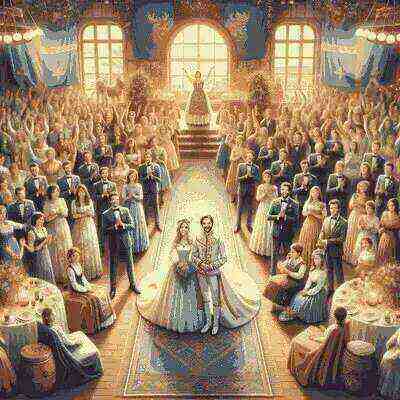
Picture this: a couple walking hand-in-hand down the aisle together, no one “giving away” anyone, just two equals beginning their journey. That’s the essence of Swedish wedding traditions, a beautiful blend of equality, simplicity, and community spirit that transforms a single day into an unforgettable marathon of celebration.
Swedish weddings aren’t just ceremonies; they’re 12-16 hour adventures where 100-300 guests become part of an extended family, sharing in customs that range from the sweetly sentimental morgongava (morning gift exchanges) to the playfully mischievous kissing games that have everyone laughing until dawn. With celebrations typically costing between 250,000-500,000 SEK ($24,000-$48,000 USD), these events weave together ancient customs like the glittering brudkrona (bridal crown) with modern touches that reflect Sweden’s progressive values.
Overview of Swedish Wedding Process
The journey to “Ja!” (Sweden’s “I do!”) unfolds like this:
12 months before: Both partners slip on engagement rings, yes, both!, announcing their commitment 6 months before: Summer venue hunting begins (June through August is wedding season here) 3 months before: Invitations fly out while friends secretly plot mohippa and svensexa surprises 1 month before: Final touches fall into place as the toastmasterTOHST-mah-ster coordinates what promises to be an epic speech marathon Wedding day: From afternoon vows to sunrise dancing, this is no ordinary party Day after: Quiet morgongava moments mark the first morning of married life
Pre-Wedding Traditions and Ceremonies
Lysning: The Traditional Engagement Announcement
Before social media made everything instant, Swedish couples had lysning, a charmingly thorough tradition of announcing engagements through newspapers for three consecutive weeks. This wasn’t just a casual mention; it was a community-wide declaration that cost 500-1,000 SEK ($48-$96 USD) and served as an open invitation for anyone with objections to speak up.
The Lysning Process
Imagine submitting your love story to the local paper, then watching it appear every Sunday for three weeks straight. That’s traditional lysning:
- Initial submission: Couples craft formal announcements with carefully chosen words
- Publication schedule: Three Sundays of consecutive appearances ensure no one misses it
- Community awareness: The entire town knows your plans (and has time to buy a gift)
- Modern adaptation: Today’s couples reach hundreds of connections instantly through Instagram
Regional Variations
In Stockholm, announcements in prestigious papers like Dagens Nyheter could set couples back 1,500-2,000 SEK ($144-$192 USD); the price of prominence in the capital. Meanwhile, rural communities relied on local papers where 300-500 SEK ($29-$48 USD) ensured every neighbor from the village center to the furthest farm knew about the upcoming celebration.
Up north in Norrland, the norrlandsk lysning went beyond newspapers. Churches would announce engagements during services, making sure even those in the most remote cabins heard the news, no internet required!
Modern Adaptations
Though the legal requirement vanished in 1973, the spirit of lysning lives on through:
- Carefully curated social media announcements (with obligatory ring photos)
- Intimate engagement parties for 20-50 of your nearest and dearest
- Digital save-the-dates sent 6-8 months ahead
- Personal wedding websites sharing your love story
Mohippa and Svensexa: Swedish Bachelor/ette Parties
Forget everything you know about bachelor parties. In Sweden, your friends literally kidnap you.
Mohippa (the bachelorette version) and svensexa (for the grooms) take the element of surprise to new levels. Picture this: You’re having a normal Tuesday at work when suddenly your best friends burst through the door, possibly dressed as Vikings, definitely carrying a ridiculous costume for you to wear, and absolutely not taking no for an answer.
Cost and Duration
These surprise celebrations don’t come cheap, but they create priceless memories:
- Mohippa: 1,500-3,000 SEK ($144-$288 USD) per person for a day of surprises
- Svensexa: 2,000-4,000 SEK ($192-$384 USD) per participant for adventures
- Duration: Most stick to epic single days, though weekend escapes are gaining ground
- Planning time: 2-3 months of covert operations and secret group chats
The Kidnapping Tradition
The art of the Swedish pre-wedding kidnapping follows a time-honored script:
- Secret planning: Friends become spies, coordinating with partners to ensure the target, er, celebrant, is available
- Surprise arrival: Whether at home in pajamas or presenting at work, nowhere is safe
- Costume element: That pink tutu or Viking helmet? You’re wearing it. All day.
- Activity progression: Challenges, games, and celebrations designed to embarrass and delight
- Photo documentation: Every mortifying moment captured for the wedding video
Regional Variations
Geography shapes these celebrations in delightful ways. Goteborg mohippor often sail into the sunset with West Coast archipelago boat trips running 3,000-5,000 SEK ($288-$480 USD) per person. Meanwhile, winter svensexor in Kiruna might feature dog sledding under the Northern Lights, because why settle for a regular bar crawl when you can mush through the Arctic?
Stockholm’s urban celebrations average 4,000-6,000 SEK ($384-$576 USD) per person, complete with spa treatments and restaurants you’d normally save for anniversaries. Rural traditions keep things grounded with outdoor adventures costing 1,500-2,500 SEK ($144-$240 USD), think hiking, fishing, and bonfires under endless summer skies.
Wedding Ceremony Traditions
Vigsel: The Swedish Marriage Ceremony
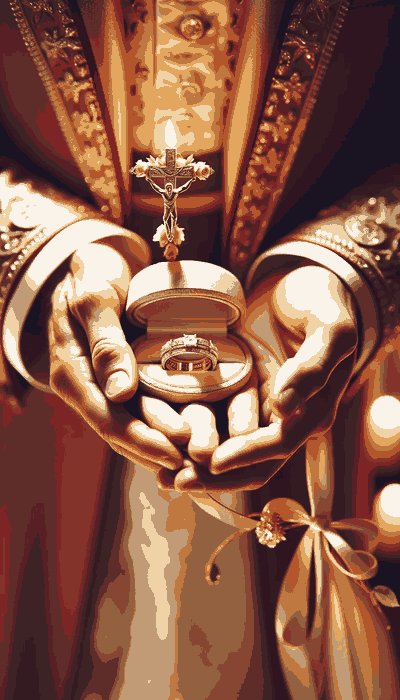
The word vigsel might sound formal, but Swedish marriage ceremonies are anything but stuffy. Whether you choose a minimalist city hall affair or a flower-filled church celebration, these 20-45 minute ceremonies pack profound meaning into every moment, especially when the couple walks down that aisle together.
Cost and Duration
Your wallet’s weight determines your venue:
- Church ceremony: Free for members (perks of those church taxes!), 2,000-5,000 SEK ($192-$480 USD) for others
- Civil ceremony: 500-1,000 SEK ($48-$96 USD) at the Radhus (city hall), budget-friendly and charming
- Outdoor venue: 5,000-15,000 SEK ($480-$1,440 USD) for that meadow or archipelago island
- Duration: Civil ceremonies wrap up in 20-30 minutes; religious ones stretch to 30-45
Types of Ceremonies
According to Statistics Sweden (Statistiska centralbyran), civil ceremonies (borgerlig vigsel) now account for about two-thirds of Swedish marriages, taking place everywhere from historic town halls with crystal chandeliers to windswept clifftops overlooking the Baltic. These ceremonies, officiated by judges or appointed officials, prove that secular can still be sacred.
The remaining couples opt for kyrklig vigsel (church ceremonies), choosing candlelit aisles and organ music despite Sweden’s largely secular society. There’s something about those vaulted ceilings and centuries-old traditions that still calls to many couples.
The Equal Partnership Procession
Here’s where Swedish weddings flip the script entirely. Most couples walk down the aisle together in what’s called gemensam ingang, literally “common entrance.” No one gets “given away” because Swedish couples have been giving themselves away to each other all along.
This tradition runs so deep that when Crown Princess Victoria had her father escort her in 2010, the nation practically held a referendum on tradition versus modernity. Opinion pieces flew, coffee breaks turned into debates, and Sweden collectively wondered: Are we losing our egalitarian edge? (Spoiler: One princess doesn’t undo centuries of equality.)
Brollopsvittnen: The Swedish Wedding Witnesses
Swedish efficiency shines through in the witness tradition. While other cultures parade armies of bridesmaids and groomsmen, Swedes typically stick with brollopsvittnen, just two legal witnesses who serve both practical and symbolic purposes. This streamlined approach differs notably from Norwegian weddings, where bridal parties can be larger.
Legal Requirements
The law keeps it simple:
- Number required: Two witnesses, minimum age 15
- Legal capacity: Must understand Swedish (or have a translator on standby)
- Documentation: Valid ID required, no exceptions
- Signatures: Sign immediately after the vows while emotions run high
Traditional vs Modern Approach
Tradition wins here, with most Swedish couples maintaining the two-witness custom. It’s intimate, meaningful, and prevents the “who to choose” drama that plagues larger wedding parties. Those influenced by international trends might expand to 4-6 attendants, but tarnor och marskalkar (bridesmaids and groomsmen) remain uncommon enough to raise eyebrows at traditional Swedish weddings.
The beauty lies in the simplicity: your two closest people, standing beside you, witnessing your promise. No matching dresses, no hierarchy, no fuss, just support where it counts.
Traditional Wedding Attire
Brudkrona: The Swedish Bridal Crown
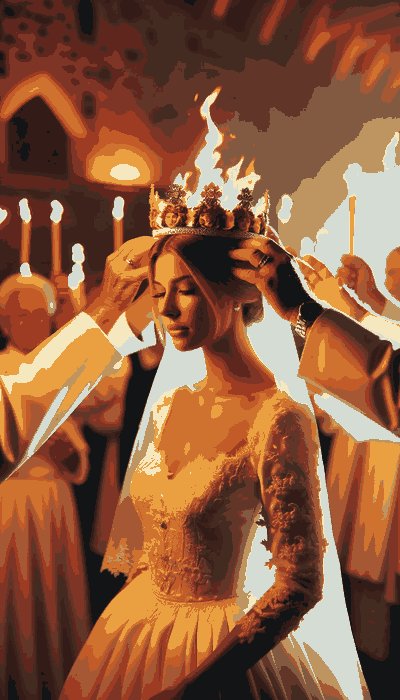
Nothing quite captures fairy-tale magic like a brudkrona glittering in candlelight. These traditional bridal crowns, crafted from silver, gold, or fresh myrtle, transform modern brides into queens for a day, carrying centuries of symbolism on their carefully styled heads.
Cost and Availability
The crown economy offers options for every princess:
- Church-owned crowns: Free for parishioners (Sweden’s best-kept secret!)
- Antique purchases: 15,000-75,000 SEK ($1,440-$7,200 USD) for family heirloom potential
- Modern replicas: 2,000-8,000 SEK ($192-$768 USD) for the look without the investment
- Myrtle alternatives: 500-1,500 SEK ($48-$144 USD) for fresh, fragrant options
- Rental options: 1,000-3,000 SEK ($96-$288 USD) per day from specialty shops
Historical Development
The evolution from simple piglocken (maiden’s locks), ribbon-decorated headbands, to elaborate metal crowns tells Sweden’s story. By the 1600s, churches had amassed crown collections worth today’s equivalent of 100,000-500,000 SEK ($9,600-$48,000 USD), lending them to parish brides who couldn’t afford their own. Imagine walking down the aisle wearing the same crown as your great-great-grandmother, talk about something borrowed!
Regional Crown Variations
Every region adds its own flourish. The skansk brudkrona from southern Sweden dazzles with red gems and gilt details, while Dalarna’s silverkrona showcases intricate silver filigree worth 30,000-60,000 SEK ($2,880-$5,760 USD). Northern crowns often feature reindeer motifs, a nod to Sami heritage, while western coastal regions favor Protestant simplicity.
Modern Crown Adaptations
Today’s brides navigate tradition thoughtfully. Some embrace the full weight of history with traditional crowns, while others incorporate crown elements with contemporary style. Many choose myrtle wreaths for garden weddings, and still others opt for veils or flowers, creating new traditions.
Major city rental services offer authenticated crowns for 2,000-5,000 SEK ($192-$480 USD), letting modern brides channel centuries of tradition without the permanent investment, or the neck strain!
Brudklanning: Swedish Wedding Dress Traditions
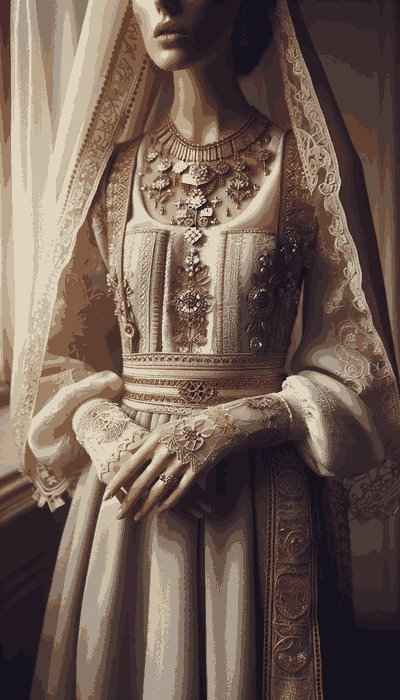
The Swedish brudklanning has traveled far from its folkdrakt roots, but regional pride still threads through modern choices. Today’s gowns, typically costing 10,000-30,000 SEK ($960-$2,880 USD), might be white, but look closer, you’ll spot subtle Swedish design elements in clean lines and unfussy elegance.
Traditional Folkdrakt Wedding Attire
For brides who want to honor their roots, wedding folkdrakt offers stunning alternatives. These aren’t your everyday folk costumes, wedding versions feature:
- Silver jewelry passed down through generations
- Embroidery so elaborate it takes months to complete
- Ceremonial accessories that tell your family’s geographic story
- Complete authentic sets valued at 15,000-40,000 SEK ($1,440-$3,840 USD)
The Rattvikdrakt makes hearts race with its bold red skirts, while Vingakerdrakt pays homage to the Swedish flag with striking blue and yellow combinations. Each region’s costume carries stories, wearing one means wearing your heritage.
The Coin Tradition
Here’s a tradition that literally puts money where your heart is. Brudskorna med mynt, placing coins in bridal shoes, ensures the bride never goes without:
- Left shoe: Silver coin from father (keeping old-school gender roles here)
- Right shoe: Gold-colored coin from mother (both typically 10 SEK coins)
- Symbolism: Financial security and parental blessings combined
By reception’s end, those coins have usually worked their way into some interesting positions, but brides soldier on, tradition demands it!
Wedding Rings and Jewelry Traditions
The Three-Ring Tradition: Forlovning, Vigsel, och Moderskap
Swedish women don’t just collect rings, they build a jewelry autobiography on their left hand. The treringstraditionen tells a life story through metal and gems: engagement (forlovning), marriage (vigsel), and motherhood (moderskap). Combined, these rings typically represent 20,000-60,000 SEK ($1,920-$5,760 USD) worth of milestones.
Ring Progression and Costs
Each ring marks a chapter:
- Forlovningsring: 3,000-10,000 SEK ($288-$960 USD) per person, yes, per person!
- Vigselring: 5,000-20,000 SEK ($480-$1,920 USD) for increasingly elaborate designs
- Moderskapsring: 8,000-25,000 SEK ($768-$2,400 USD) celebrating new life
- Total investment: 16,000-55,000 SEK ($1,536-$5,280 USD) over a marriage’s journey
Equal Engagement Ring Tradition
Long before gender equality became a global conversation, Swedish men were already wearing engagement rings. Both partners typically sport forlovningsringar, simple gold bands costing 3,000-8,000 SEK ($288-$768 USD) each. This contrasts with British customs where traditionally only women wear engagement rings.
The dance of the rings follows its own choreography: men traditionally shift their engagement ring to the right hand after marriage, while women stack their vigselring alongside the engagement ring on the left. It’s jewelry logistics with meaning.
Modern Adaptations
Contemporary couples remix the three-ring tradition. Many married mothers complete the trilogy, though quite a few skip the moderskapsring (finances or feminism? Both!). Others choose combined engagement/wedding rings for simplicity. Alternative materials like titanium for the tech-minded, wood for the eco-conscious, and silicone for the practical are gaining popularity.
Morgongava: The Morning Gift Exchange
As dawn breaks on the first day of marriage, Swedish couples exchange morgongava, morning gifts that once served as medieval life insurance and now celebrate new beginnings. This tradition transforms a quiet hotel room or cozy home into a space of intimate celebration.
Historical Legal Context
The medieval morgongava was serious business, representing one-third of the husband’s estate value. The 1734 law formalized this as enkens tredjedel (the widow’s third), guaranteeing women 33% of immovable property. No prenup could override it; widows were protected by law from complete disinheritance.
Modern Gift Exchange
Today’s morning gifts focus on sentiment over security. Popular choices include jewelry like watches, necklaces, or cufflinks that’ll be worn forever. Others prefer experiences such as honeymoon upgrades or planned adventures together. Some embrace the unromantic with practical items like needed gadgets, while others exchange sentimental gifts like love letters or commissioned artwork.
Average spending runs 5,000-10,000 SEK ($480-$960 USD) per person, with most couples making it mutual, because equality extends to gift-giving too. The one-way tradition of husband-to-wife gifts has joined the history books where it belongs.
Reception Traditions
Brollopsmiddag: The Swedish Wedding Feast
Buckle up for brollopsmiddag; a 4-6 hour gastronomic marathon where courses arrive like acts in a play, each punctuated by speeches, songs, and enough toasts to test everyone’s stamina. At 800-1,500 SEK ($77-$144 USD) per guest, this isn’t just dinner; it’s dinner theater where everyone’s part of the cast.
Seating Arrangement Tradition
Swedish seating charts look like someone fed a guest list into a blender. The tradition of sarplacering, deliberately separating couples, forces guests out of their comfort zones and into new conversations. By night’s end, this strategic separation creates dozens of new connections per wedding. Your spouse sits across the room while you discover that the stranger beside you shares your obsession with true crime podcasts.
Cost Breakdown
The numbers behind the magic:
- Venue rental: 10,000-30,000 SEK ($960-$2,880 USD) for spaces that transform
- Catering per person: 600-1,200 SEK ($58-$115 USD) for courses that keep coming
- Beverages per person: 200-400 SEK ($19-$38 USD) including ceremonial snaps
- Total reception cost: 100,000-300,000 SEK ($9,600-$28,800 USD) for the full experience
Brudskal: The Ceremonial Wedding Toast
The brudskal launches the reception with a collective raising of glasses, 100-300 guests creating a crystal symphony as champagne flutes or snaps glasses meet in midair. This isn’t a quick “cheers”; it’s a choreographed moment of community celebration.
Toast Progression
The evening unfolds in liquid punctuation marks:
- Valkomstskal: Hosts welcome everyone to the marathon ahead
- Brudskal: The formal toast that sets hearts racing and tears flowing
- Tal och skalar: Multiple speeches transform dinner into an emotional journey
- Snapsvisa: Songs between toasts keep energy high and traditions alive
Traditional toasting features nubbe, flavored aquavit that costs 300-500 SEK ($29-$48 USD) per bottle. By evening’s end, everyone’s an expert in Swedish drinking songs.
Swedish Wedding Speech Traditions
If you thought American weddings had a lot of speeches, Swedish bröllopsttal will redefine your expectations. With 10-20 speeches throughout the reception, coordinated by a masterful toastmaster or toastmadame, these 3-5 hours of oratory create a verbal tapestry of the couple’s life.
Speech Order and Duration
The speaker’s marathon follows this pattern:
- Parents: 5-7 minutes each (all four, because equality)
- Best man/Maid of honor: 7-10 minutes of embarrassing stories
- Friends: 3-5 minutes each (4-8 speakers with varying success)
- Colleagues: 2-3 minutes each (workplace stories sanitized for family)
- Couple’s response: 5-10 minutes of gratitude and exhaustion
The toastmasterTOHST-mah-ster, usually a close friend who’s spent 10-20 hours preparing, becomes part conductor, part therapist, part timekeeper. They prevent rambling uncles from derailing dinner while ensuring shy friends get their moment.
The Kissing Game Tradition
Just when you think Swedish weddings are all formality and etiquette, enter kyssningstraditionen; a tradition that turns the reception into a romantic (or hilarious) free-for-all. The rules are simple: when one newlywed leaves the room, the abandoned partner becomes fair game for kisses from the opposite gender.
Modern Variations
This playful tradition adapts to modern sensibilities. Some couples embrace the chaos with full participation, while others keep it PG with cheek kisses only. Many use bells to announce kissing opportunities. Some couples opt out (but miss the laughter).
Throughout the reception, this tradition creates plenty of extra kisses, ranging from sweet pecks from grandma to comedy gold when the groom’s boss gets in line. It’s controlled chaos that adds gladje (joy) to even the most formal receptions.
Wedding Games and Entertainment
Brudparslek: The Swedish Shoe Game
Amid the speeches and toasts comes skokleken; a game that requires nothing but the couple’s shoes and reveals everything about their relationship. For 10-15 minutes, newlyweds answer questions by holding up shoes, creating laughter that echoes through Swedish wedding venues.
Game Setup and Rules
The beauty lies in its simplicity:
- Equipment needed: Four shoes (free entertainment!)
- Question types: 15-25 queries about relationship dynamics
- Moderator: Usually the best man or maid of honor with comedic timing
- Timing: Perfect palate cleanser between dinner courses
Questions like “Vem stadar mest?” (Who cleans most?) and “Vem sa ‘jag alskar dig’ forst?” (Who said ‘I love you’ first?) reveal truths that speeches diplomatically avoid. When both partners hold up the same shoe, the room erupts. When they differ, the laughter doubles.
Brollopsdans: Swedish Wedding Dancing
As midnight approaches (though the sun might still be shining in summer), brollopsdans transforms the reception into a dance marathon lasting 4-8 hours. Starting with the couple’s brudvals (first dance), the floor soon fills with most guests proving that Swedes do indeed know how to party. Similar marathon dancing traditions appear in Finnish weddings as well.
Traditional Dances
The playlist mixes tradition with modern beats:
- Sma grodorna: Yes, adults hop around like frogs at many weddings
- Langdans: A snaking line dance that gets everyone moving
- Hambo: Traditional couples’ dance that tests coordination
- Modern music: International hits keep energy high between traditions
Live bands command 15,000-40,000 SEK ($1,440-$3,840 USD) for the full experience, while DJs offer budget-friendly alternatives at 5,000-15,000 SEK ($480-$1,440 USD). Either way, dawn arrives too soon.
Post-Wedding Traditions
The Threshold Tradition
Troskeltraditionen turns entering your marital home into a competition. Instead of carrying anyone across thresholds, Swedish couples race to be first through the door, whoever wins supposedly “rules” the household. This playful tradition creates hilarious moments as couples sprint from cars, juggling wedding attire and house keys.
Unlike its patriarchal cousins in other cultures, this Swedish version celebrates competition over chivalry. Wedding photographers love capturing these moments, brides hiking up designer gowns, grooms fumbling with keys, both laughing at the absurdity of “winning” a marriage on day one.
Brollopsmorgon: The Wedding Morning
After dancing until dawn, brollopsmorgon arrives with gentle intimacy. This first morning as spouses, featuring morgongava exchanges and quiet moments, costs 500-2,000 SEK ($48-$192 USD) but delivers priceless memories.
Morning Traditions Include
The morning after unfolds peacefully:
- Gift exchange: Most couples share this moment privately
- Special breakfast: Room service luxury or favorite cafe visits
- Photo session: Casual “morning after” shots capture real joy
- Guest brunch: Some extend celebrations with 20-50 closest guests
This quiet morning contrasts beautifully with the previous night’s festivities, marking the transition from wedding celebration to married life, usually with much-needed coffee.
Regional Variations
Stockholm Wedding Traditions
Stockholmsbrollop bring urban sophistication to tradition, with celebrations in converted industrial spaces, Nobel Prize venues, or floating restaurants. These metropolitan affairs average 400,000-600,000 SEK ($38,400-$57,600 USD) for 150-200 guests who expect nothing but the best.
Urban adaptations include:
- Venue choices: From Fotografiska to Skansen, history meets modernity
- Transportation: Vintage Volvos or archipelago boats (3,000-8,000 SEK)
- Photography: 20,000-40,000 SEK for packages capturing city glamour
- Guest expectations: Premium everything at 1,200-2,000 SEK per person
Norrland Wedding Customs
Up north, norrlandskt brollop embrace the wilderness. These celebrations, costing 200,000-350,000 SEK ($19,200-$33,600 USD) for 100-150 guests, prove that remote doesn’t mean rustic.
Distinctive features:
- Midnight sun ceremonies: Imagine saying “I do” at 11 PM in broad daylight
- Reindeer dishes: Traditional Sami-influenced menus surprise southern guests
- Nature venues: Forest clearings and mountain lodges beat any ballroom
- Community involvement: When the whole village pitches in, magic happens
Skane Wedding Traditions
Southern Sweden’s skanskt brollop show Danish influence with elaborate food traditions and generous hospitality. These celebrations, running 300,000-450,000 SEK ($28,800-$43,200 USD) for 150-250 guests, emphasize abundance.
Regional specialties:
- Spettekaka: Towering traditional cake that doubles as architecture
- Aggakaka: Thick egg cake that puzzles non-Scanians
- Danish influences: Smorrebrod meets Swedish sensibilities
- Agricultural venues: Historic farms and emerging vineyards set scenes
Modern Adaptations and Current Trends
Sustainable Swedish Weddings
Hallbart brollop (sustainable weddings) align perfectly with Swedish environmental values while cutting costs significantly. These eco-conscious celebrations prove that green can be gorgeous.
Sustainability measures gaining traction:
- Local catering: 100-mile sourcing saves money and planet
- Rented attire: 2,000-5,000 SEK beats 10,000-30,000 SEK purchases
- Digital invitations: Beautiful and free versus 2,000-5,000 SEK printing
- Donation registries: Guests fund charities instead of buying crystal
LGBTQ+ Swedish Weddings
Since 2009, samkonade aktenskap (same-sex marriages) have enriched Swedish wedding traditions. These celebrations embrace equality traditions that Sweden pioneered, like both partners wearing engagement rings and walking down aisles together.
Adaptations include:
- Pronoun-neutral ceremonies: Partner replaces gendered terms seamlessly
- Double brudskal: Equal toasts for equal partners
- Flexible attire: No assumptions about who wears what
- Equal traditions: Every custom available to every couple
Destination and International Weddings
Swedish couples choosing destinationsbrollop blend wanderlust with tradition:
How much does a typical Swedish wedding cost?
Let’s talk numbers, Swedish weddings require serious financial planning. Most couples spend 250,000-500,000 SEK ($24,000-$48,000 USD) for 100-200 guests, though Stockholm celebrations easily reach 400,000-600,000 SEK ($38,400-$57,600 USD) while rural weddings might stay under 350,000 SEK ($33,600 USD).
The brollopsfest (reception) devours most of your budget between venue, catering at 800-1,500 SEK per guest, and entertainment. Smart couples save for 18-24 months, and yes, parents still help out in many weddings, though Swedish couples typically fund the majority themselves.
Pro Tip: Those monetary gifts from guests (usually 500-1,000 SEK per person) make excellent honeymoon funds rather than wedding cost offsets.
How long does a Swedish wedding celebration last?
Pack your stamina, Swedish weddings are marathons, not sprints. The typical timeline runs 12-16 hours, kicking off with an afternoon vigsel around 2:00-3:00 PM and continuing until 4:00-6:00 AM when exhausted (but happy) guests finally head home.
Unlike cultures where newlyweds sneak away early, Swedish couples celebrate hela natten (all night) alongside their guests. The schedule flows naturally: 30-45 minute ceremony, hour-long cocktail reception with brudskal, 4-6 hour dinner punctuated by speeches, then 4-8 hours of dancing. Some modern couples extend to full weekends, especially for destination weddings, because if guests travel to Gotland or Lapland, one night isn’t enough.
Who typically pays for Swedish weddings?
Swedish wedding financing reflects the country’s egalitarian values perfectly. Couples themselves typically cover most of the costs, this is their celebration, their choices, their bills. Parents might contribute, but gone are the days of families bearing the full burden.
When parents do contribute, both brudens familj and brudgummens familj tend to give equally, none of this “bride’s family pays for everything” business. Most couples establish a brollopssparkonto (wedding savings account) 12-24 months before the big day. Those envelope gifts from guests? They’re thoughtful additions for honeymoon adventures, not expected subsidies for wedding costs.
What is the Swedish tradition of walking down the aisle together?
Gemensam ingang; the couple’s joint entrance, might be Sweden’s most meaningful wedding tradition. Most couples choose this custom, walking down the aisle side by side, entering marriage as equals. No one gets “given away” because Swedish adults have been making their own choices all along, thank you very much.
The tradition reflects centuries-old Swedish jamstalldhet (equality) values. When Crown Princess Victoria broke with tradition in 2010, having her father escort her down the aisle, Sweden collectively clutched its pearls. Newspapers ran opinion pieces, coffee breaks turned into constitutional debates, and the nation wondered if royal protocol was worth sacrificing Swedish values. The compromise many modern couples choose? Walking separately halfway, then joining hands for the final approach, tradition with a twist.
What happens during mohippa and svensexa parties?
Imagine your best friends plotting for months, then suddenly appearing at your workplace dressed as pirates, insisting you put on a banana costume, and whisking you away for a day of surprises. That’s the beautiful chaos of Swedish bachelor/ette parties.
Mohippa and svensexa maintain surprise despite modern logistics, with most still including the “kidnapping” element. Friends spend 1,500-4,000 SEK ($144-$384 USD) per person creating experiences from spa treatments and wine tasting (mohippa classics) to wilderness adventures and brewery tours (svensexa favorites). The embarrassing costume stays on all day while friends document every moment for the wedding video. Even destination parties maintain surprise elements, the victim might know they’re going somewhere, but not where or what awaits.
How many speeches are typical at Swedish wedding receptions?
Swedish weddings take speech-giving to Olympic levels. Expect 10-20 brollopsttal throughout dinner, lasting 3-5 hours total. This isn’t random rambling, a designated toastmaster or toastmadame orchestrates the verbal symphony, ensuring smooth transitions between courses.
The speaker lineup reads like a diplomatic protocol: both sets of parents (equality means four parent speeches), best man and maid of honor, 4-8 friends with varying levels of public speaking skill, 2-4 colleagues who keep it professional, and finally the couple’s response. Between formal speeches, expect snapsvisa (drinking songs), childhood photo presentations, and enough inside jokes to fill a Netflix special. This tradition transforms dinner into community storytelling, everyone contributes to the couple’s narrative.
What is the morgongava tradition?
As the first sunlight streams through hotel curtains or home windows, Swedish newlyweds exchange morgongava, morning gifts that once served as medieval insurance policies. Historically representing one-third of the husband’s estate (the enkens tredjedel law from 1734), these gifts guaranteed widows couldn’t be left destitute.
Modern couples have transformed this into mutual gift-giving, spending 2,000-15,000 SEK ($192-$1,440 USD) each. Popular choices include jewelry (watch his face when opening that watch!), experiences like honeymoon upgrades, practical items for the unromantic pragmatists, or sentimental gifts like commissioned artwork. Most couples maintain this tradition, both partners giving and receiving because, say it with us, equality! The exchange happens during intimate brollopsmorgon moments, often accompanied by room service and happy exhaustion.
What are Swedish wedding ring traditions?
Swedish fingers tell stories through treringstraditionen; the three-ring tradition where women’s left hands become jewelry autobiographies. First comes forlovningsring (engagement), then vigselring (wedding), finally moderskapsring (motherhood), though modern women increasingly skip that third chapter or rewrite it entirely.
The costs stack up like the rings themselves: engagement rings run 3,000-10,000 SEK each (yes, both partners wear them, embracing this equality), wedding bands cost 5,000-20,000 SEK for increasingly elaborate designs, and motherhood rings command 8,000-25,000 SEK. Men traditionally migrate their engagement ring to the right hand post-wedding, while women stack wedding bands atop engagement rings.
Modern adaptations vary widely. Some follow the full three-ring tradition, many stop at two, and others choose combined engagement/wedding rings. Alternative materials like titanium, wood, and silicone appeal to practical couples who’d rather spend ring budgets on honeymoons.
What happens if someone leaves during the reception?
Here’s where Swedish weddings get delightfully mischievous. Kyssningstraditionen activates whenever either newlywed leaves the room, bathroom breaks become strategic moments! The abandoned partner suddenly faces a line of opposite-gender guests ready to steal kisses. Grooms get pecked by giggling aunties and bold bridesmaids; brides receive gentlemanly cheek kisses from uncles and colleagues.
This tradition creates many extra kisses throughout the reception, ranging from sweet grandmotherly pecks to comedy gold when the boss joins the queue. Modern couples adapt according to comfort. Some embrace full chaos, others limit to cheek kisses, and many use bells to announce kissing opportunities. Some skip entirely, though they miss the gladje (joy) of watching their new spouse navigate a kissing gauntlet. It’s controlled chaos that breaks ice, creates laughter, and ensures no one takes themselves too seriously.
How do Swedish couples choose wedding dates?
Swedish wedding calendars follow nature’s lead. Sommarbrollop (summer weddings) dominate June through August when weather cooperates and the midnight sun extends northern celebrations past midnight. Midsommarbrollop around Midsummer weekend remains wildly popular despite premium pricing, nothing says “Swedish” like maypole dancing at your reception.
Winter vinterbrollop (December-February) attract couples drawn to snow-dusted ceremonies and lucia procession possibilities. Stockholm venues book 2 years ahead for prime Saturdays, though Friday celebrations gain ground among budget-conscious couples. One date to avoid? May weddings face the old saying “gift i maj, grater varje dag” (married in May, cry every day), though modern couples increasingly ignore superstition for spring flower savings.
For official information about civil marriage ceremonies in Sweden, visit the Swedish Tax Agency (Skatteverket) which handles marriage registration.
Frequently Asked Questions
How much does a typical Swedish wedding cost?
Let's talk numbers, Swedish weddings require serious financial planning. Most couples spend 250,000-500,000 SEK ($24,000-$48,000 USD) for 100-200 guests, though Stockholm celebrations easily reach 400,000-600,000 SEK ($38,400-$57,600 USD) while rural weddings might stay under 350,000 SEK ($33,600 USD).
The bröllopsfest (reception) devours 60-70% of your budget between venue, catering at 800-1,500 SEK per guest, and entertainment. Smart couples save for 18-24 months, and yes, parents still help out in about 30% of weddings, though Swedish couples typically fund the majority themselves. Pro tip: those monetary gifts from guests (usually 500-1,000 SEK per person) make excellent honeymoon funds rather than wedding cost offsets.
How much does a typical Swedish wedding cost?
Swedish weddings typically cost between 200,000-600,000 SEK, varying by region. Stockholm celebrations average 400,000-600,000 SEK, while rural areas range from 200,000-450,000 SEK.
How long does a Swedish wedding celebration last?
Pack your stamina, Swedish weddings are marathons, not sprints. The typical timeline runs 12-16 hours, kicking off with an afternoon vigsel around 2:00-3:00 PM and continuing until 4:00-6:00 AM when exhausted (but happy) guests finally head home.
Unlike cultures where newlyweds sneak away early, Swedish couples celebrate hela natten (all night) alongside their guests. The schedule flows naturally: 30-45 minute ceremony, hour-long cocktail reception with brudskål, 4-6 hour dinner punctuated by speeches, then 4-8 hours of dancing. Some modern couples extend to full weekends, especially for destination weddings, because if guests travel to Gotland or Lapland, one night isn't enough.
What is a brudkrona and why is it important?
A brudkrona is a traditional Swedish bridal crown, symbolizing purity and status. Brides can rent them from churches for free or purchase them for up to 75,000 SEK.
Who typically pays for Swedish weddings?
Swedish wedding financing reflects the country's egalitarian values perfectly. Couples themselves typically cover 70% of costs, this is their celebration, their choices, their bills. Parents might contribute 20-30%, but gone are the days of families bearing the full burden.
When parents do contribute, both brudens familj and brudgummens familj tend to give equally, none of this "bride's family pays for everything" business. Most couples establish a bröllopssparkonto (wedding savings account) 12-24 months before the big day. Those envelope gifts from guests? They're thoughtful additions for honeymoon adventures, not expected subsidies for wedding costs.
Do Swedish couples walk down the aisle together?
Yes, most Swedish couples enter the ceremony together, symbolizing equality and mutual decision to marry, rather than the tradition of the father giving away the bride.
What is the Swedish tradition of walking down the aisle together?
Gemensam ingång; the couple's joint entrance, might be Sweden's most meaningful wedding tradition. Practiced by 75% of couples, this custom sees partners walking down the aisle side by side, entering marriage as equals. No one gets "given away" because Swedish adults have been making their own choices all along, thank you very much.
The tradition reflects centuries-old Swedish jämställdhet (equality) values. When Crown Princess Victoria broke with tradition in 2010, having her father escort her down the aisle, Sweden collectively clutched its pearls. Newspapers ran opinion pieces, coffee breaks turned into constitutional debates, and the nation wondered if royal protocol was worth sacrificing Swedish values. The compromise many modern couples choose? Walking separately halfway, then joining hands for the final approach, tradition with a twist.
What is the three-ring tradition in Sweden?
Treringstraditionen involves three rings: engagement, wedding, and motherhood rings, typically costing between 16,000-55,000 SEK total.
What happens during möhippa and svensexa parties?
Imagine your best friends plotting for months, then suddenly appearing at your workplace dressed as pirates, insisting you put on a banana costume, and whisking you away for a day of surprises. That's the beautiful chaos of Swedish bachelor/ette parties.
Möhippa and svensexa maintain surprise despite modern logistics, 85% still include the "kidnapping" element. Friends spend 1,500-4,000 SEK ($144-$384 USD) per person creating experiences from spa treatments and wine tasting (möhippa classics) to wilderness adventures and brewery tours (svensexa favorites). The embarrassing costume stays on all day while friends document every moment for the wedding video. Even destination parties maintain surprise elements, the victim might know they're going somewhere, but not where or what awaits.
How long do Swedish wedding celebrations last?
Swedish weddings typically last 12-16 hours, from afternoon ceremony through reception, dinner, and dancing until sunrise.
How many speeches are typical at Swedish wedding receptions?
Swedish weddings take speech-giving to Olympic levels. Expect 10-20 bröllopsttal throughout dinner, lasting 3-5 hours total. This isn't random rambling, a designated toastmaster or toastmadame orchestrates the verbal symphony, ensuring smooth transitions between courses.
The speaker lineup reads like a diplomatic protocol: both sets of parents (equality means four parent speeches), best man and maid of honor, 4-8 friends with varying levels of public speaking skill, 2-4 colleagues who keep it professional, and finally the couple's response. Between formal speeches, expect snapsvisa (drinking songs), childhood photo presentations, and enough inside jokes to fill a Netflix special. This tradition transforms dinner into community storytelling, everyone contributes to the couple's narrative.
What is a morgongåva?
Morgongåva is a traditional morning gift exchange between newlyweds, typically valued at 5,000-10,000 SEK per person, given the morning after the wedding.
What is the morgongåva tradition?
As the first sunlight streams through hotel curtains or home windows, Swedish newlyweds exchange morgongåva, morning gifts that once served as medieval insurance policies. Historically representing one-third of the husband's estate (the enkens tredjedel law from 1734), these gifts guaranteed widows couldn't be left destitute.
Modern couples have transformed this into mutual gift-giving, spending 2,000-15,000 SEK ($192-$1,440 USD) each. Popular choices include jewelry (40%), watch his face when opening that watch!, experiences (35%) like honeymoon upgrades, practical items (15%) for the unromantic pragmatists, or sentimental gifts (10%) like commissioned artwork. About 78% of couples maintain this tradition, both partners giving and receiving because, say it with us, equality! The exchange happens during intimate bröllopsmorgon moments, often accompanied by room service and happy exhaustion.
Are church weddings common in Sweden?
Church weddings account for 35% of Swedish ceremonies, while civil ceremonies are more common at 65%.
What are Swedish wedding ring traditions?
Swedish fingers tell stories through treringstraditionen; the three-ring tradition where women's left hands become jewelry autobiographies. First comes förlovningsring (engagement), then vigselring (wedding), finally moderskapsring (motherhood), though modern women increasingly skip that third chapter or rewrite it entirely.
The costs stack up like the rings themselves: engagement rings run 3,000-10,000 SEK each (yes, both partners wear them, 82% of couples embrace this equality), wedding bands cost 5,000-20,000 SEK for increasingly elaborate designs, and motherhood rings command 8,000-25,000 SEK. Men traditionally migrate their engagement ring to the right hand post-wedding, while women stack wedding bands atop engagement rings.
Modern adaptations see only 35% following the full three-ring tradition, 45% stopping at two, and 20% choosing combined engagement/wedding rings. Alternative materials like titanium, wood, and silicone appeal to practical couples who'd rather spend ring budgets on honeymoons.