Tanzania Wedding Traditions
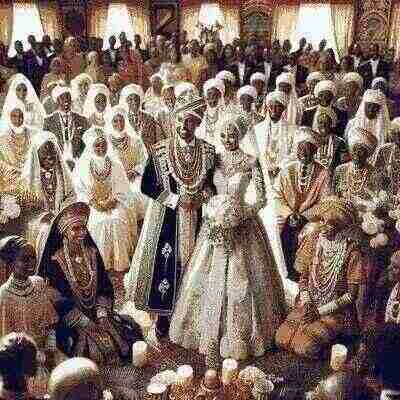
What Are Tanzanian Wedding Traditions?
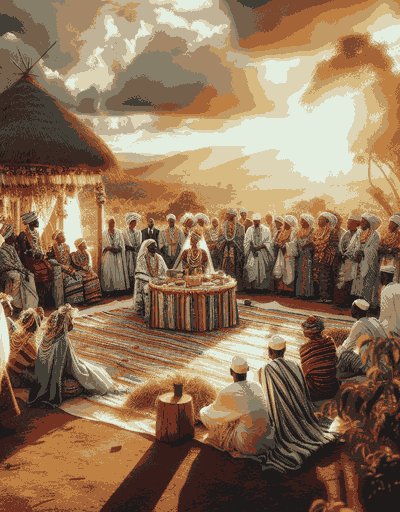
Tanzanian wedding traditions are multi-day celebrations combining ancestral customs from over 120 ethnic groups with Islamic or Christian ceremonies, typically lasting 3-7 days and involving large gatherings of family members from both sides. These celebrations encompass bride price negotiations (mahari), religious ceremonies (nikahnee-KAH or church weddings), traditional tribal rituals, elaborate feasts, and post-wedding integration ceremonies.
Overview of Tanzanian Wedding Process
- 12 months before: Initial family meetings and bride price discussions begin
- 6 months before: Formal mahari negotiations commence (involving 10-20 family members)
- 3 months before: Religious preparation and traditional ceremony planning
- 1 month before: Henna ceremonies (nyagu) for coastal/Muslim communities
- 1 week before: Pre-wedding celebrations and ancestor blessings
- Wedding week: Civil ceremony, religious service, traditional rituals, and reception
- Post-wedding: First family visit and integration ceremonies
Pre-Wedding Traditions and Ceremonies
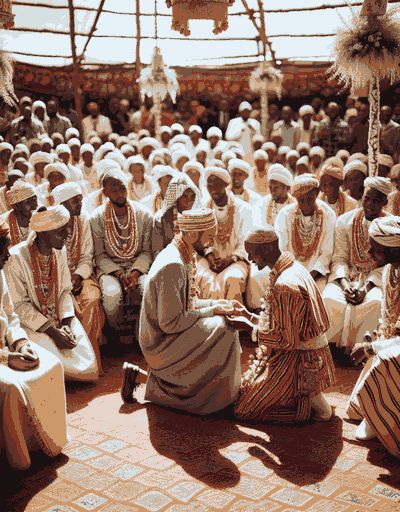
Mahari: The Bride Price Negotiation Process
Mahari is a formal bride price negotiation tradition that establishes the foundation for marriage arrangements, typically occurring 3-12 months before the wedding and involving monetary payments or livestock.
The Mahari Process
- Initial contact: Male family elders approach bride’s family through intermediaries (mjumbe)
- Formal proposal: Groom’s delegation presents intentions with gifts of kanga or kitenge fabric
- Negotiation rounds: Multiple meetings discuss specific amounts and payment terms
- Agreement ceremony: Sharing of traditional foods (pilau and nyama choma) seals the arrangement
Regional Variations
Sukuma mahari requires a minimum of seven cattle and explicitly prohibits cash payments, with taller brides traditionally commanding higher prices.
Coastal mahari incorporates Islamic elements and typically involves cash payments plus gold jewelry (dhahabu) and household items.
Chagga negotiations include livestock, traditional banana beer (mbege), and honey, reflecting their agricultural prosperity.
Modern Adaptations
Contemporary families increasingly accept flexible payment plans. Urban couples often negotiate reduced amounts while maintaining ceremonial elements. Professional mediators sometimes facilitate discussions for intercultural marriages.
Pre-Wedding Celebrations and Spiritual Preparations
Pre-wedding celebrations are ceremonial gatherings that prepare couples spiritually and socially for marriage, typically lasting 3-7 days before the wedding and involving 50-200 participants.
Nyagu: The Henna Ceremony
Nyagu is a traditional henna application ceremony practiced in coastal and Muslim communities, lasting 2-7 days and involving intricate body art.
The nyagu process includes:
- Preparation day: Bride undergoes beauty treatments (singo) and purification
- Design application: Professional henna artists (wapambo) create patterns over 4-8 hours
- Celebration nights: Female relatives sing traditional wedding songs (nyimbo za harusi)
- Final blessing: Elder women provide marital advice (nasaha)
Ancestral Blessing Ceremonies
Tambiko is an ancestral blessing ritual performed at family shrines, typically occurring 1-2 weeks before the wedding and involving libations of traditional beer (pombe) and prayers.
Regional blessing variations:
- Chagga tambiko at Kilimanjaro shrines with mbege offerings
- Sukuma divination ceremonies using traditional methods
- Coastal dua combining Islamic prayers with traditional elements
Wedding Day Ceremonies
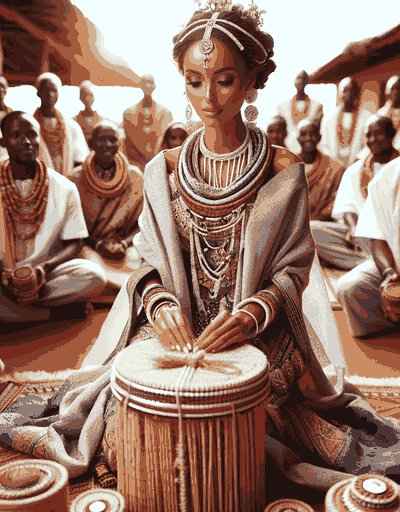
Ndoa ya Serikali: The Civil Marriage Ceremony
Ndoa ya serikali is the government-required civil marriage ceremony conducted at district offices, typically lasting 30-60 minutes.
Legal Requirements and Process
- Documentation: Official fees required
- Witness requirements: 2-4 official witnesses
- Processing time: Same-day certificate issuance
- Venue options: District office or approved locations
Modern Adaptations
Urban couples increasingly combine civil ceremonies with reception venues. Mobile registration services now operate in major cities.
Religious Wedding Ceremonies
Religious ceremonies are formal marriage services conducted in churches or mosques, typically lasting 1-3 hours.
Nikah: Islamic Marriage Ceremony
Nikah is the Islamic marriage contract ceremony binding Muslim couples religiously, typically occurring after Dhuhr prayers and involving 50-200 guests.
The nikahnee-KAH process includes:
- Mahr agreement: Dower amount confirmed before witnesses
- Ijab and qabul: Formal offer and acceptance recited three times
- Contract signing: Written nikah namanee-KAH NAH-mah documentation
- Walima announcement: Reception plans shared with congregation
Christian Church Weddings
Kanisa harusi is a Christian church wedding ceremony following denominational traditions, lasting 1-2 hours and accommodating 200-500 guests.
Common elements include:
- Processional with traditional hymns (nyimbo za dini)
- Exchange of rings (pete za ndoa)
- Unity ceremonies using kanga fabric
- Blessing by clergy (baraka ya kasisi)
Traditional Tribal Wedding Ceremonies
Mila za harusi are ancestral wedding ceremonies specific to each ethnic group, incorporating rituals passed down through generations.
Sukuma Traditional Ceremonies
Bugobobobo is the famous Sukuma snake dance performed at weddings, featuring professional dancers and live drumming for 3-5 hours.
Key Sukuma traditions:
- Cattle slaughter: From bride price cattle
- Community feast: Feeding hundreds of guests
- Parental absence: Groom’s parents traditionally don’t attend
- Duration: 2-3 days of continuous celebration
Similar celebrations can be found in Kenyan wedding traditions, where neighboring communities share some ceremonial elements.
Maasai Wedding Rituals
Enkiama is the traditional Maasai wedding ceremony featuring age-group blessings and ritual movements, lasting 1-2 days and involving 200-500 participants.
Distinctive Maasai elements:
- Blessing ritual: Father spits on bride’s head and chest
- No looking back: Bride must not turn toward family home
- Ritual insults: Groom’s family wards off bad luck
- Ceremonial dance: Bride performs with wooden sticks (runguROON-goo)
The Maasai people extend across both Tanzania and Kenya, making their traditions shared between both nations.
Chagga Mountain Ceremonies
Arusi ya Wachagga incorporates Kilimanjaro’s agricultural symbolism into wedding rituals, featuring banana beer ceremonies and land blessings.
Wedding Attire and Adornment
Traditional Bridal Attire
Mavazi ya bibi arusi is traditional bridal clothing varying by ethnic group.
Regional Bridal Attire Styles
Coastal kanga ensemble features matching sets of printed fabric (6-12 pieces) with gold embroidery (zenjZENJ).
Maasai beaded regalia includes elaborate collar necklaces (ilturesheel-too-RESH), arm bands, and ankle decorations in red, white, and blue patterns.
Sukuma ceremonial dress incorporates specialized beadwork and cloth with tribal patterns, requiring 3-6 months of preparation.
Modern Fusion Attire
Contemporary brides often wear multiple outfits:
- White wedding gown for religious ceremonies
- Traditional outfit for cultural celebrations
- Reception dress for evening festivities
This multi-outfit approach is also common in Nigerian wedding traditions and Ghanaian wedding traditions, where brides change between Western and traditional attire.
Groom’s Traditional Wedding Attire
Mavazi ya bwana arusi is the groom’s ceremonial clothing reflecting tribal identity and marital status.
Regional Groom Attire
Kanzu is the traditional white robe worn by coastal and Muslim grooms, typically paired with an embroidered cap (kofiakoh-FEE-ah).
Maasai shuka is the distinctive red checkered cloth worn with beaded accessories and traditional weapons, representing warrior-to-elder transition.
Western suits combined with traditional elements (kente cloth accessories, tribal hats) are popular for formal ceremonies.
Wedding Reception and Celebration
Sherehe ya Harusi: The Wedding Reception
Sherehe ya harusi is the main wedding reception celebration bringing together families and communities, typically lasting 6-12 hours with 200-1,000 guests.
Traditional Food and Feast
Karamu ya harusi is the wedding feast featuring regional specialties and ceremonial foods.
Essential feast components:
- Pilau: Spiced rice dish (coastal regions)
- Nyama choma: Grilled meat (nationwide)
- Ugali: Staple cornmeal (inland regions)
- Mbege: Banana beer (Chagga tradition)
- Wedding cake: Multi-tiered centerpiece
Gift-Giving Traditions
Zawadi za harusi are wedding gifts supporting the new couple.
Contemporary gift practices:
- Envelope presentations (bahasha): Public gift announcements
- Gift displays: Household items exhibition
- Registry systems: Urban adoption of gift lists
Post-Wedding Traditions
Kufunguliwa kwa Bibi Arusi: Bride Integration Ceremonies
Kufunguliwa is the bride’s formal introduction to her husband’s extended family, occurring 1-4 weeks after the wedding.
Integration Process
- Family visits: Bride meets extended relatives over several days
- Cooking demonstrations: Proving household skills to in-laws
- Gift presentations: New family members give welcoming presents
- Name conferment: Receiving family nickname or title
Modern Adaptations
Urban couples often condense integration ceremonies into single-day events. Some families use video calls for distant relatives, reducing travel costs while maintaining tradition.
First Visit to Bride’s Family Home
Kurudi nyumbani is the couple’s first formal visit to the bride’s family after marriage, typically occurring 1-3 months post-wedding.
This tradition includes:
- Gift requirements: Food items, clothing for parents
- Feast preparation: Bride’s family hosts celebration
- Blessing ceremonies: Parents formally accept son-in-law
- Duration: 1-3 days depending on distance
Regional Wedding Tradition Variations
Coastal and Zanzibar Swahili Weddings
Harusi za Waswahili are elaborate coastal weddings blending Arab, Persian, and African traditions, lasting 3-7 days with separate gender celebrations.
Distinctive coastal elements:
- Kungu ceremony: Bride seclusion with beauty preparations
- Taarab music: Live performances by traditional musicians
- Separate celebrations: Men’s (upande wa wanaumeoo-PAHN-deh wah wah-NAH-oo-meh) and women’s (upande wa wanawakeoo-PAHN-deh wah wah-nah-WAH-keh)
- Beach venues: Popular in Zanzibar
Pro Tip: For destination weddings in Zanzibar, booking 6-12 months in advance is recommended, especially during peak tourist season (June-September).
Sukuma Wedding Traditions (Largest Ethnic Group)
Harusi za Wasukuma represent a significant portion of Tanzanian weddings, featuring cattle-based customs and community dances lasting 2-3 days with large guest counts.
Sukuma-specific practices:
- Cattle requirement: Minimum 7 cows (no cash substitute)
- Snake dance performances: Professional troupes for entertainment
- Community involvement: Entire village participation expected
Maasai Warrior Wedding Ceremonies
Eunoto transitions represent Maasai warriors becoming elders through marriage, involving age-group ceremonies and ritualistic practices over 2-4 days.
The Maasai marriage traditions share similarities with those found in Ethiopian wedding traditions, where cattle and community involvement also play central roles.
Modern Tanzanian Wedding Trends
Digital Integration and Planning
Harusi za kidijitali are technology-enhanced weddings using apps and online platforms, gaining popularity in urban areas.
Digital elements include:
- Planning apps: Local platforms for vendor coordination
- Virtual negotiations: Online mahari discussions for diaspora families
- Livestreaming services: For relatives who cannot attend in person
- Digital invitations: Saving on traditional printing costs
Sustainable and Eco-Conscious Celebrations
Harusi za kijani are environmentally conscious weddings incorporating sustainable practices, appealing to educated urban couples.
Sustainability features:
- Local sourcing: Food from nearby farms
- Reusable decorations: Banana leaf and natural materials
- Carbon offsetting: Tree planting ceremonies
- Waste reduction: Composting and recycling programs
Destination Weddings Within Tanzania
Harusi za utalii are weddings held at tourist destinations, attracting affluent urban couples and international visitors.
Popular destinations:
- Zanzibar beaches: Crystal waters and historic Stone Town
- Serengeti lodges: Wildlife backdrop for ceremonies
- Mount Kilimanjaro venues: Mountain views and cool climate
- Lake Victoria resorts: Freshwater lakeside celebrations
Frequently Asked Questions
How much does a typical Tanzanian wedding cost?
The cost of a Tanzanian wedding varies significantly depending on region, ethnic traditions, and urban versus rural settings. Urban weddings in Dar es Salaam tend to be more expensive due to venue rental, catering for larger guest lists, traditional ceremonies, and attire. Rural weddings cost less but often involve larger guest counts of 500-1,000 people. The bride price (mahari) adds additional expense depending on ethnic group, with Sukuma requiring cattle.
What is the mahari (bride price) tradition?
Mahari is the traditional bride price negotiation between families. The process involves formal visits by the groom’s family elders (wazeewah-ZEH-eh) to the bride’s home, presenting their request through an intermediary (mjumbe). Sukuma tradition specifically requires a minimum of seven cattle. Coastal Muslim communities often combine cash payments with gold jewelry (dhahabu) and household items. Modern urban families increasingly accept payment plans, while maintaining the ceremonial importance of family negotiations.
How long do Tanzanian weddings typically last?
Traditional Tanzanian weddings span 3-7 days, encompassing multiple ceremonies and celebrations. The timeline typically includes 2-3 days of pre-wedding rituals like henna ceremonies (nyagu) for Muslim brides, the wedding day itself with morning civil ceremony (ndoa ya serikali), afternoon religious service, and evening reception (sherehe) lasting 6-12 hours. Post-wedding ceremonies extend another 1-2 days. Coastal Swahili weddings often last a full week with separate celebrations for men and women.
What should guests wear to a Tanzanian wedding?
Wedding guests should wear formal, colorful attire reflecting celebration, with women in kitenge or kanga fabric dresses and men in suits or traditional kanzuKAHN-zoo robes. For Christian ceremonies, women wear modest dresses covering shoulders and knees, while Muslim weddings require hijab and full coverage. Traditional fabric in vibrant patterns is encouraged. Coastal weddings feature more elaborate dress with gold accessories. Avoid wearing white (reserved for the bride) or black (associated with mourning). Many wedding invitations specify a color theme or traditional dress code.
What are the main differences between tribal wedding traditions?
Tanzania’s many ethnic groups maintain distinct wedding traditions varying in duration, costs, and ceremonial elements. Sukuma weddings require cattle-based mahari (minimum 7 cows) and feature the famous snake dance (bugoboboboboo-goh-boh-BOH-boh), lasting 2-3 days with the groom’s parents traditionally absent. Maasai ceremonies include the father’s blessing spit, bride’s prohibition against looking back, and elaborate beadwork. Chagga weddings on Mount Kilimanjaro feature banana beer (mbege) ceremonies and ancestral shrine blessings. Coastal Swahili weddings last 5-7 days with separate gender celebrations, henna ceremonies, and taarabTAH-rahb music performances.
How do modern Tanzanian couples blend traditional and contemporary elements?
Contemporary Tanzanian couples creatively combine ancestral customs with modern preferences through multiple ceremonies - typically a church or mosque wedding in Western attire followed by traditional celebrations in ethnic dress. Many urban couples maintain core traditions like mahari negotiations while adapting formats, such as using messaging apps for family discussions. Couples selectively incorporate meaningful traditions - keeping ancestral blessings (tambiko) but modernizing gift-giving through registries. Destination weddings within Tanzania blend local traditions with tourism.
What is the nyagu (henna) ceremony and when does it happen?
Nyagu is the traditional henna ceremony practiced by coastal and Muslim communities, occurring 2-7 days before the wedding. Professional henna artists (wapambo) spend 4-8 hours applying intricate designs to the bride’s hands, arms, feet, and legs using patterns symbolizing fertility and prosperity. The ceremony includes female relatives singing traditional wedding songs (nyimbo za harusi), beauty preparations (singo), and marital advice sessions (nasaha) from elder women.
What happens during a Tanzanian wedding reception?
The wedding reception (sherehe ya harusisheh-REH-heh yah hah-ROO-see) is a 6-12 hour celebration featuring elaborate meals, traditional performances, and formal gift presentations, typically hosting 200-1,000 guests. The event begins with a formal entrance of the wedding party accompanied by traditional music. The feast (karamu) serves regional specialties like pilau, nyama choma, and ugalioo-GAH-lee. Entertainment includes traditional dances specific to the couple’s ethnic groups - Sukuma snake dances, Maasai jumping dances, or coastal taarab music. The cake cutting ceremony features elaborate multi-tiered cakes.
Who typically pays for a Tanzanian wedding?
Traditional payment responsibilities divide between families, with the groom’s family covering mahari, religious ceremony costs, and often contributing to the reception. The bride’s family traditionally finances her attire, pre-wedding celebrations, and shares reception costs. Modern practices see couples contributing a significant portion themselves, particularly urban professionals. Extended family members contribute through fundraikamati ya harusikah-MAH-tee yah hah-ROO-see(kamati ya harusi). Community contributions through funharambeehah-rahm-BEH-eh events (harambee) remain common in rural areas.
How are Tanzanian weddings different from Western weddings?
Tanzanian weddings differ fundamentally in being community-centered rather than couple-focused events, lasting 3-7 days versus single-day Western celebrations. Family involvement extends from months of mahari negotiations to post-wedding integration ceremonies. Guest lists of 500-1,000 people include entire communities, not just close friends and family. Multiple ceremonies honor civil, religious, and traditional requirements rather than a single service. Costs are distributed across extended families through elaborate support systems. Traditional elements like ancestral blessings (tambiko), ethnic dances, and specific ceremonial foods have no Western equivalents.
For more African wedding traditions, explore Ugandan wedding traditions and Rwandan wedding traditions, which share some East African cultural elements with Tanzania.
For authoritative information about Tanzanian cultural heritage and marriage customs, visit the Tanzania National Parks Authority (TANAPA) and the Zanzibar Commission for Tourism, which document the cultural significance of traditional ceremonies in their regions.
Frequently Asked Questions
How much does a typical Tanzanian wedding cost?
Buckle up for some numbers that'll make your savings account weep. Tanzanian weddings range from 15-75 million TZS ($6,000-$30,000 USD), though "typical" is a word that doesn't really exist here. Urban weddings in Dar es Salaam average 30-50 million TZS ($12,000-$20,000 USD), and that's before your aunty insists on inviting her entire church congregation.
The breakdown reads like a small nation's budget: venue rental (5-10 million TZS / $2,000-$4,000 USD), catering for guests who multiply like miracles (10-20 million TZS / $4,000-$8,000 USD), traditional ceremonies that require their own accountants (5-10 million TZS / $2,000-$4,000 USD), and attire that costs more than most people's cars (3-8 million TZS / $1,200-$3,200 USD). Rural weddings might cost "only" 10-30 million TZS ($4,000-$12,000 USD), but compensate with guest lists of 500-1,000 people who all expect to eat like kings. Don't forget the mahari(bride price), another 1-10 million TZS ($400-$4,000 USD), or if you're Sukuma, seven cattle worth 5-20 million TZS ($2,000-$8,000 USD). Basically, if you're not in debt after a Tanzanian wedding, did you even get married?
How much does a traditional Tanzanian wedding typically cost?
A traditional Tanzanian wedding typically costs between 5-50 million TZS ($2,000-$20,000 USD), including all ceremonies, attire, and celebrations.
What is the mahari (bride price) tradition and how much does it cost?
The mahari(bride price) is essentially a financial negotiation disguised as a cultural tradition, where your worth gets evaluated in livestock or cash. Typically costing 500,000-10 million TZS ($200-$4,000 USD), this process makes buying a house look straightforward.
The negotiations involve enough family members to form a small parliament, with the groom's wazee(elders) approaching through an mjumbe(intermediary) because direct communication is apparently too simple. For the Sukuma people, forget about cash, they demand a minimum of seven cattle, each worth 1.5-3 million TZS ($600-$1,200 USD). Coastal Muslim families prefer a mix: 2-5 million TZS ($800-$2,000 USD) in cash plus enough gold jewelry to open a shop. Modern urban families have discovered payment plans, spreading the cost over 6-12 months because even tradition acknowledges the economy. The entire process can take 3-12 months of back-and-forth negotiations that would exhaust UN peacekeepers. Pro tip: If you're tall and marrying into a traditional Sukuma family, your height literally increases your price, apparently, genetics are taxable.
What is mahari in Tanzanian wedding traditions?
Mahari is the traditional bride price negotiation process where the groom's family discusses and pays a ceremonial amount to the bride's family, ranging from 500,000-10 million TZS.
How long do Tanzanian weddings typically last?
Short answer: longer than your vacation days allow. Traditional Tanzanian weddings span 3-7 days, though "days" is a loose term when celebrations start at dawn and end... at the next dawn.
The marathon begins with 2-3 days of pre-wedding rituals like nyagu(henna ceremonies) for Muslim brides, where intricate body art takes longer to apply than most people spend planning entire weddings. The wedding day itself starts with a morning ndoa ya serikali(civil ceremony), followed by an afternoon religious service, and an evening sherehe(reception) that laughs at your 6-hour Western celebration, try 12 hours minimum. Post-wedding ceremonies add another 1-2 days because apparently, getting married isn't exhausting enough. Coastal Swahili weddings go for the gold medal with full seven-day celebrations featuring separate men's and women's parties, because why should couples have all the fun together? Modern urban weddings have "condensed" to 1-3 days, which still means taking a week off work when you factor in recovery time. Rural Sukuma celebrations can continue for an entire week with community-wide participation, proving that in Tanzania, wedding fatigue is a badge of honor.
How long do Tanzanian wedding celebrations last?
Tanzanian weddings typically last 3-7 days, including pre-wedding ceremonies, main celebration, and post-wedding integration rituals.
What should guests wear to a Tanzanian wedding?
Forget your little black dress, Tanzanian weddings demand COLOR, culture, and clothing that costs enough to make you reconsider the friendship. Women should wear kitenge or kanga fabric dresses, available at local markets for 50,000-200,000 TZS ($20-$80 USD), though you'll spend another hour negotiating the price.
For Christian ceremonies, think "modest but fabulous", shoulders and knees covered, but with enough bling to blind satellites. Muslim weddings require hijab and full coverage, but don't think that means boring; coastal Muslim weddings feature more gold thread than a sultan's palace. Traditional fabric in vibrant patterns isn't just encouraged, it's expected, and showing up in Western formal wear marks you as either a tourist or someone who doesn't respect culture. Many invitations specify color themes, and yes, they're serious about it. One wedding might demand all guests wear blue and gold, while another insists on red and white. Comfortable shoes aren't optional, they're survival equipment for ceremonies involving hours of standing, walking, and dancing that would qualify as cardio. Whatever you do, never wear white (that's the bride's territory) or black (unless you're planning to turn the wedding into a funeral). When in doubt, overdress, being underdressed at a Tanzanian wedding is like bringing a knife to a fashion show.
What is the typical guest count at a Tanzanian wedding?
Tanzanian weddings usually host between 200-1,000 guests, with the main reception being the largest gathering.
What are the main differences between tribal wedding traditions?
Tanzania's 120+ ethnic groups each bring their own flavor of "extra" to weddings, making every celebration a unique anthropological experience. The Sukuma demand seven cattle minimum for mahari(bride price), cash need not apply, and throw the famous bugobobobo(snake dance) where professionals handle pythons while guests pretend this is totally normal. Their weddings last 2-3 days with a plot twist: the groom's parents can't attend because tradition is complicated like that.
Maasai ceremonies include the father blessing the bride by spitting on her head and chest, which sounds gross until you realize it's the highest honor possible. The bride can't look back at her family home while leaving (Lot's wife vibes), and the groom's family hurls ritual insults because apparently, love needs obstacles. Chagga weddings on Mount Kilimanjaro feature enough mbege(banana beer) to float boats and cost 3-7 million TZS ($1,200-$2,800 USD) just for the traditional elements. Coastal Swahili celebrations stretch across 5-7 days with separate gender parties, kungu(seclusion) ceremonies, and taarab music performances that cost more than some people's entire weddings (15-75 million TZS / $6,000-$30,000 USD total). Each tradition makes sense within its cultural context, but explaining why you need pythons at your wedding to your Western friends? Good luck with that.
What are the main religious ceremonies in Tanzanian weddings?
Tanzanian weddings include either Islamic (nikah) or Christian (kanisa harusi) ceremonies, depending on the couple's faith.
How do modern Tanzanian couples blend traditional and contemporary elements?
Today's Tanzanian couples perform cultural gymnastics that would win Olympic medals, seamlessly blending ancestral customs with Instagram aesthetics. About 60% of urban couples maintain core traditions like mahari(bride price) negotiations but conduct them via WhatsApp video calls because the 21st century waits for no tradition.
The typical modern approach involves multiple ceremonies, a white wedding dress for the church (1-5 million TZS / $400-$2,000 USD), traditional ethnic attire for cultural ceremonies (500,000-2 million TZS / $200-$800 USD), and a cocktail dress for the reception because three outfits are apparently the minimum. Social media integration means 80% of urban weddings now have hashtags, professional photography worth 2-10 million TZS ($800-$4,000 USD), and livestreaming for diaspora relatives who contribute to mahari via mobile money. Couples cherry-pick traditions, keeping tambiko(ancestral blessings) because nobody messes with the ancestors, but swapping cattle for cash because who has space for livestock in Dar es Salaam? Destination weddings within Tanzania (20-100 million TZS / $8,000-$40,000 USD) blend safari adventures with traditional ceremonies, because if you're going to get married, why not do it while elephants watch? The key is honoring what matters to families while acknowledging that some traditions, like evaluating bride prices based on height, belong in museums.
What is kufunguliwa in Tanzanian wedding traditions?
Kufunguliwa is a post-wedding integration ceremony where the bride is formally welcomed into her new family's home and customs.
What is the nyagu (henna) ceremony and when does it happen?
The nyagu(henna ceremony) transforms brides into temporary art galleries through a 2-7 day process that costs 300,000-1 million TZS ($120-$400 USD) and tests everyone's patience. Occurring 2-7 days before the wedding, this isn't your mall henna experience, it's a marathon of beauty, bonding, and barely-veiled marriage advice.
Professional wapambo(henna artists) spend 4-8 hours creating designs so intricate they could qualify as doctoral theses. While patterns symbolizing fertility and prosperity cover the bride's hands, arms, feet, and legs, female relatives sing nyimbo za harusi(wedding songs) with lyrics ranging from sweet blessings to warnings about mother-in-law management. The singo(beauty preparations) include treatments that would bankrupt a spa, while nasaha(advice) sessions from elder women provide marriage counseling that's part wisdom, part comedy show. Modern nyagu often features contemporary designs, some brides now incorporate their partner's initials or wedding dates hidden in traditional patterns. Zanzibar and coastal celebrations stretch nyagu into multi-day events with different gatherings each evening, because why have one party when you can have five? Even non-Muslim brides increasingly incorporate henna, though simplified to single-day applications, because those Instagram photos aren't going to take themselves. The darker your henna stains, the deeper your husband's love will be, or so the aunties claim while wrapping your limbs in plastic and forcing you to sleep like a mummy.
What traditional attire is worn at Tanzanian weddings?
Traditional attire varies by region but often includes elaborate khangas, kitenges, or regional dress for women and formal traditional suits for men.
What happens during a Tanzanian wedding reception?
Imagine a 6-12 hour party where your entire district shows up, eats enough food to solve world hunger, and dances until the sun questions its life choices. The sherehe ya harusi(wedding reception) costs 10-50 million TZS ($4,000-$20,000 USD) and operates on the principle that if fewer than 500 people attend, was it even a wedding?
The marathon begins with the wedding party's grand entrance, think royal coronation meets dance battle. The karamu(feast) serves regional specialties: mountains of pilau(spiced rice), endless nyama choma(grilled meat), and enough ugali(cornmeal staple) to build houses. At 15,000-50,000 TZS ($6-$20 USD) per guest, the catering bill alone could fund a small startup. Entertainment features traditional dances specific to the couple's ethnicities, Sukuma snake dances where pythons make guest appearances, Maasai jumping competitions that defy gravity, or coastal taarab performances with more costume changes than a Vegas show. The cake cutting, borrowed from Western tradition but amplified to Tanzanian proportions, involves cakes costing 500,000-3 million TZS ($200-$1,200 USD) that require structural engineering degrees to assemble. Then comes zawadi(gift) presentation; a public audit where every contribution from 50,000-500,000 TZS ($20-$200 USD) gets announced to the crowd. MC's turn this into entertainment, providing commentary that ranges from praise for generous uncles to subtle shade for stingy cousins. By hour eight, when you think it's winding down, someone starts the "real" party.