Tunisia Wedding Traditions Cultural Wedding Guide 2025
Key Components of Traditional Tunisian Weddings
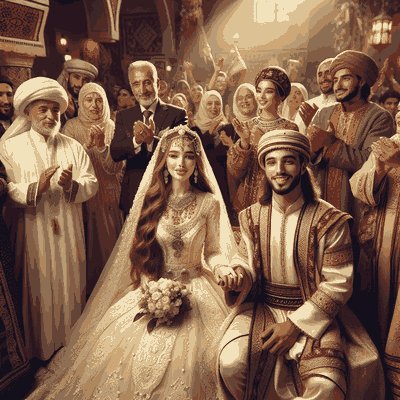
- Duration: 3-7 days (traditionally 7, modern weddings often 3-4 days)
- Guest Count: 200-500 attendees (varies by region and family)
- Total Cost Range: 15,000-50,000 TND ($5,000-$17,000 USD)
- Major Ceremonies: KhotbaKHOT-bah (engagement), Hammamhah-MAHM (ritual bath), Henna nights, Outiaoo-TEE-yah (bride’s celebration), Dokhla (wedding day)
- Regional Variations: Northern (Mediterranean influence), Southern (Berber/Saharan), Djerba (multicultural blend)
What Are Tunisian Pre-Wedding Traditions?
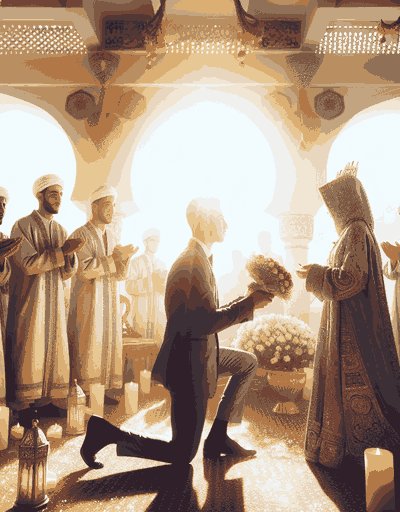
Tunisian pre-wedding traditions are ceremonial preparations spanning 1-6 months before the wedding that include formal engagement (KhotbaKHOT-bah), trousseau preparation (Jahaz al-Arusajah-HAZZ al ah-ROO-sah), and ritual cleansing (Hammamhah-MAHM). These centuries-old practices involve both families and cost approximately 3,000-8,000 TND ($1,000-$2,700 USD) combined.
Khotba (Formal Engagement Ceremony)
Khotba is the traditional Tunisian engagement ceremony where the groom’s family formally requests the bride’s hand in marriage, typically occurring 3-12 months before the wedding. This Islamic-influenced tradition involves:
- Participants: 15-30 close family members from both sides
- Gifts: Jewelry worth 1,000-5,000 TND ($330-$1,700 USD), fabrics, perfumes
- Mahr (Dowry): 2,000-10,000 TND ($670-$3,300 USD) depending on family agreement
- Duration: 2-4 hour ceremony with Quranic recitations and zaghroudazagh-ROO-dah (ululations)
Regional Variations of Engagement Ceremonies:
- Northwestern Tunisia: “HidjebHID-jeb” ceremony with ring exchange (500-1,500 TND budget)
- Southern Tunisia: “Gatarigah-TAH-ree” celebration among Berber communities (more elaborate gifts)
- Urban areas: Simplified ceremonies in restaurants or homes
- Rural regions: Traditional home-based celebrations with extended families
Jahaz al-Arusa (Bridal Trousseau Preparation)
Jahaz al-Arusa is the traditional preparation of the bride’s trousseau, a collection of household items, clothing, and personal belongings prepared over 3-6 months. This tradition demonstrates family wealth and includes:
- Traditional Contents: Bedding sets (10-20 pieces), kitchen utensils, decorative items
- Modern Additions: Electronics (2,000-5,000 TND), contemporary furniture
- Total Investment: 5,000-20,000 TND ($1,700-$6,700 USD)
- Display Ceremony: “Hazzen el Farch” on day 2 of wedding celebrations
Hammam Day (Traditional Steam Bath Ritual)
The Hammam ceremony is a pre-wedding purification ritual held on the third day of celebrations where female relatives escort the bride to a traditional steam bath. This ancient Berber-influenced tradition involves:
- Participants: 20-50 female relatives and friends
- Cost: 200-500 TND ($70-$170 USD) for hammam rental and treatments
- Duration: 3-5 hours including procession and bathing
- Modern Adaptations: Many urban brides now use private spas or home settings
What Is the Tunisian Henna Ceremony?
The Tunisian henna ceremony (Leilat El Henna) is a pre-wedding celebration on the fourth day where intricate henna designs are applied to the bride’s hands and feet, symbolizing beauty, fertility, and protection. This tradition, dating back over 1,000 years, costs 500-1,500 TND ($170-$500 USD) and involves 50-100 female guests.
Traditional Henna Night Components
- Henna Artist (Nekacha): Professional fee 200-500 TND ($70-$170 USD)
- Bride’s Outfit: Red traditional dress worth 300-800 TND ($100-$270 USD)
- Food Service: Couscous and pastries for 50-100 guests (500-1,000 TND)
- Musical Entertainment: Traditional singers and drummers (300-700 TND)
Regional Henna Design Variations:
- Southern Tunisia: Bold geometric patterns with Berber symbols
- Northern Coast: Delicate floral designs with Mediterranean influence
- Central Regions: Mixed patterns combining both styles
- Djerba Island: Unique tribal patterns specific to island heritage
Harkous Ceremony (Advanced Henna Application)
Harkous is the elaborate second henna ceremony on the fifth day featuring more intricate tattoo-like designs and complete beauty preparations. This distinctive Tunisian tradition includes:
- Extended Henna Application: 3-5 hours for complex patterns
- Beauty Treatments: Sugar hair removal (halawahah-LAH-wah) and skin treatments
- Cost: Additional 300-700 TND ($100-$230 USD)
- Groom’s Participation: Simple finger designs for men
What Is the Outia Celebration?
The Outia (Outeya) is the bride’s personal pre-wedding celebration held on the sixth day, featuring traditional music, multiple costume changes, and female-centered festivities. This uniquely Tunisian tradition typically involves 100-300 female guests and costs 2,000-5,000 TND ($670-$1,700 USD).
Traditional Outia Elements
- Venue Rental: Wedding hall for 100-300 guests (1,000-2,500 TND)
- Live Band: Traditional musicians for 4-6 hours (500-1,500 TND)
- Bridal Outfits: 3-5 traditional dresses including Fouta w BlouzaFOO-tah weh BLOO-zah (1,500-3,000 TND)
- Photography: Professional documentation (300-800 TND)
Traditional Outia Rituals:
- Shoulder Swaying: Ceremonial dance with closed eyes
- Fish Stepping: Symbolic ritual for prosperity
- Costume Changes: 4-7 outfit changes throughout the evening
- Female Dancing: Traditional group dances led by elder women
Regional Music and Dance Traditions
Tunisian wedding music features distinctive instruments and regional styles that define the Outiaoo-TEE-yah celebration:
- Northern Regions: Andalusian-influenced maloufmah-LOOF music
- Southern Areas: Saharan rhythms with gasbaGAHS-bah flute
- Coastal Cities: Mediterranean tempos with oudood and violin
- Traditional Instruments: Darbukadar-BOO-kah (common at most weddings), bendirben-DEER, mezwed bagpipe
The Wedding Day (Dokhla): Main Ceremonies
Dokhla is the seventh and final day of Tunisian wedding celebrations when the official marriage takes place and the bride moves to her new home. This culminating event involves 200-500 guests and costs 5,000-15,000 TND ($1,700-$5,000 USD).
Civil and Religious Marriage Ceremonies
Tunisian marriages require both civil and religious ceremonies by law since 1956. The dual ceremony structure includes:
- Civil Ceremony: Notary or registrar, 2 witnesses, 30-minute process
- Religious Component: Imam blessing, Quranic readings, Aqd Nikah contract
- Legal Requirements: National ID cards, birth certificates, medical certificates
- Total Ceremony Cost: 200-500 TND ($70-$170 USD) including documentation
The Groom’s Wedding Procession
The groom’s procession (Zaffa) is a musical parade on the wedding morning where the groom travels to collect his bride. This tradition involves:
- Participants: 20-50 cars in urban areas, horses in rural regions
- Traditional Gifts: Clothing, jewelry, perfumes worth 1,000-3,000 TND
- Musical Elements: Folk musicians, car horns, zaghrouda ululations
- Duration: 1-2 hour procession through neighborhoods
Historical Evolution: The southern “jehfa” camel procession has largely been replaced by decorated cars, though some rural weddings still incorporate traditional elements.
Traditional Tunisian Wedding Attire
Tunisian wedding attire varies significantly by region and combines traditional craftsmanship with modern influences:
Bridal Costume Options:
- Kissoua/Kesswa: White satin outfit with blouza and fouta (2,000-5,000 TND)
- Houli: Southern red dress with gold embroidery (3,000-7,000 TND)
- Modern Fusion: White dress with traditional elements (1,500-4,000 TND)
- Jewelry Sets: Gold pieces worth 5,000-20,000 TND ($1,700-$6,700 USD)
Groom’s Traditional Wear:
- Jebba: Silk traditional costume (500-1,500 TND)
- Modern Suit: Western-style with traditional accessories (400-1,200 TND)
- Regional Variations: White silk outer garments in the south
Wedding Reception Celebrations
The Tunisian wedding reception is the final celebration featuring traditional food, music, and dancing until late at night. Modern receptions accommodate 200-500 guests with costs varying by location:
- Urban Venues: Hotel ballrooms 3,000-8,000 TND ($1,000-$2,700 USD)
- Rural Settings: Family homes or community spaces 1,500-4,000 TND
- Food Service: Mint tea, pastries, fruit (10-20 TND per guest)
- Entertainment: Live band for 5-7 hours (1,000-3,000 TND)
Post-Wedding Traditions and Integration
Tunisian post-wedding traditions extend through the first week of marriage and help integrate the bride into her new family. These customs involve:
- First Week Visits: 5-10 family visits with gift exchanges
- Seventh Day Celebration: Optional ceremony in some traditional families
- Integration Support: Female relatives provide household guidance
- Community Introduction: Formal presentations common in rural areas
Regional Variations in Tunisian Wedding Traditions
Northern Tunisian Wedding Customs
Northern Tunisian weddings in cities like Tunis, Bizerte, and Hammamet show stronger Mediterranean and European influences. These celebrations typically:
- Average Cost: 20,000-50,000 TND ($6,700-$17,000 USD)
- Guest Count: 300-500 attendees
- Duration: 3-4 days (shortened from traditional 7)
- Distinctive Features: Andalusian music, historic venue preferences, seafood menus
Southern Tunisian Wedding Traditions
Southern Tunisian weddings in regions like Tataouine, Tozeur, and Douz maintain stronger Berber and Saharan influences. These celebrations feature:
- Average Cost: 10,000-25,000 TND ($3,300-$8,300 USD)
- Guest Count: 200-400 attendees
- Duration: 5-7 days (maintaining traditional length)
- Unique Elements: Horseback displays, Bedouin songs, couscous feasts
Djerba Island Wedding Customs
Djerban wedding traditions represent a unique multicultural blend incorporating Berber, Arab, Jewish, and African influences. Island weddings include:
- Distinctive Architecture: Ceremonies in domed traditional buildings
- Unique Attire: Island-specific embroidery patterns
- Cultural Synthesis: Preserved pre-Islamic rituals in some ceremonies
- Average Cost: 15,000-30,000 TND ($5,000-$10,000 USD)
Modern Adaptations of Tunisian Wedding Traditions
Contemporary Tunisian weddings blend traditional elements with modern preferences, reflecting changing social and economic realities:
Current Wedding Trends
- Shortened Celebrations: Many couples now choose 3-4 days vs traditional 7 days
- Venue Evolution: Hotels and halls increasingly popular over family homes
- Photography Priority: Professional services now a significant portion of the budget
- Social Media Integration: Many couples create wedding hashtags and live streams
Cost-Saving Adaptations
- Selective Traditions: Couples choose key ceremonies instead of all 7
- Combined Events: Merging henna nights saves 1,000-2,000 TND
- Smaller Guest Lists: Average guest counts have decreased in recent years
- DIY Elements: Many couples incorporate self-made decorations
Cross-Cultural Wedding Trends
International marriages involving Tunisian partners have created innovative tradition blending:
- Tunisian-European Unions: Some incorporate church elements
- Arab Regional Marriages: Lebanese-Tunisian weddings blend dabke with mezoued, while Moroccan unions combine similar North African customs
- Diaspora Adaptations: Overseas Tunisians often condense to weekend celebrations
- Destination Weddings: Coastal resorts attract affluent couples, similar to trends seen in Egyptian and Algerian communities
Tunisian Wedding Traditions: Economic Impact
The Tunisian wedding industry generates significant revenue annually, supporting numerous traditional crafts and modern services:
Industry Components and Costs
- Venue Sector: Thousands of wedding halls nationwide
- Catering Services: Average 15-30 TND ($5-10 USD) per guest
- Traditional Crafts: Henna artists, jewelers, embroiderers
- Modern Services: Planners, photographers, decorators
Regional Economic Variations
- Tunis Region: Highest costs, 30,000-50,000 TND average
- Coastal Cities: Tourist influence, 20,000-40,000 TND average
- Interior Regions: Traditional approach, 15,000-25,000 TND average
- Southern Communities: Extended celebrations, 10,000-20,000 TND average
Preserving Tunisian Wedding Heritage
Cultural preservation efforts ensure traditional wedding customs continue for future generations through various initiatives:
- Documentation Projects: National archives recording traditional songs and rituals
- Artisan Support: Government programs for traditional craft preservation
- Museum Exhibitions: Regular displays of historical wedding artifacts at institutions like the Bardo National Museum
- Digital Archives: Online platforms documenting regional variations
Future Outlook for Traditions
Current trends suggest Tunisian wedding traditions will continue evolving while maintaining core cultural elements:
- Youth Attitudes: Many young couples seek “meaningful traditions” that honor heritage
- Cultural Tourism: Growing interest in authentic wedding experiences
- Legal Reforms: Modern family law influences ceremony structures
- Global Connectivity: International exposure encourages tradition appreciation
Conclusion
Tunisian wedding traditions represent a living heritage that successfully balances ancient customs with contemporary life. From the week-long celebrations costing 15,000-50,000 TND to modern 3-day events, these ceremonies maintain their role in strengthening family bonds and cultural identity. Whether featuring traditional hammam rituals, elaborate henna ceremonies, or the distinctive Outia celebration, Tunisian weddings continue to reflect the country’s position at the crossroads of Mediterranean, African, and Middle Eastern cultures while adapting to 21st-century realities.
For couples planning a wedding that bridges Turkish or Greek Mediterranean influences with North African heritage, Tunisian traditions offer rich ceremonial options that honor both the past and present.
Frequently Asked Questions
How much does a traditional Tunisian wedding typically cost?
A traditional Tunisian wedding typically costs between 15,000-50,000 TND ($5,000-$17,000 USD), varying by region and family preferences.
How long do Tunisian wedding celebrations last?
Traditional Tunisian weddings last 3-7 days, with modern celebrations typically condensed to 3-4 days of festivities.
What is the Henna ceremony in Tunisian weddings?
The Leilat El Henna is a significant pre-wedding ceremony where the bride receives elaborate henna designs, typically held on the 4th day with 50-100 guests.
What happens during the Hammam ceremony?
The Hammam is a traditional bridal bath ceremony held on the 3rd day, attended by 20-50 female guests, focusing on purification and beauty rituals.
What is the Dokhla ceremony?
Dokhla is the main wedding day celebration featuring both civil and religious ceremonies, including the groom's procession and reception celebrations.
How many guests attend Tunisian weddings?
Tunisian weddings typically host between 200-500 guests, depending on family size and regional customs.
What is the Outia celebration?
The Outia is the bride's pre-wedding party featuring traditional music, multiple costume changes, and female-led rituals with 100-300 guests.
How do wedding traditions differ across Tunisia?
Traditions vary by region: Northern weddings show Mediterranean influence, Southern celebrations feature Berber customs, and Djerba weddings blend multiple cultural elements.
What is included in the Jahaz al-Arusa?
The Jahaz al-Arusa (trousseau) includes clothing, jewelry, and household items, typically costing between 5,000-20,000 TND.
How are Tunisian weddings adapting to modern times?
Modern Tunisian weddings often feature shortened celebrations, contemporary venues, social media integration, and cost-saving measures while maintaining core traditions.