Turkish Wedding Traditions Ottoman & Modern Wedding Guide 2025
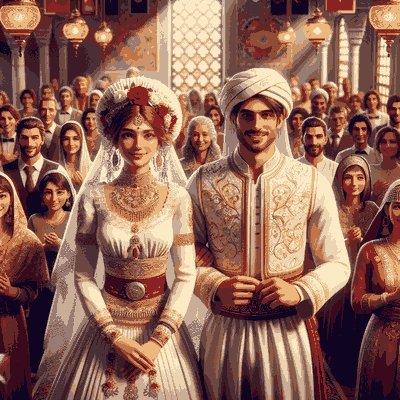
When Relatives Arrive With Chocolate (And Life-Changing Questions)
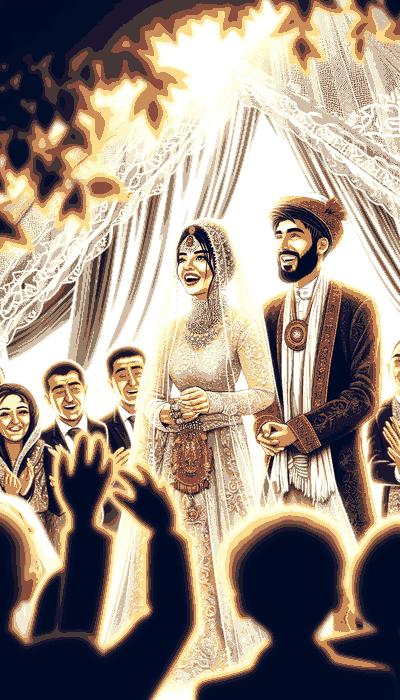
The journey to a Turkish wedding unfolds through months of elaborate diplomatic missions that would make UN peacekeepers take notes. These pre-wedding ceremonies aren’t mere formalities - they’re the foundation stones of two families becoming one, complete with tests ranging from hilarious to heartwarming, and negotiations more complex than international trade agreements.
Pro Tip: Pre-wedding customs represent a significant investment, but the stories you’ll tell forever? Priceless. Start practicing your poker face now.
The Salty Coffee Test That Seals Your Fate
Picture the most terrifying job interview of your life. Now add both sets of parents, aunts who remember every embarrassing childhood story, and enough chocolate to stock a boutique candy store. Welcome to kiz isteme (asking for the girl’s hand) - the night when Turkish living rooms transform into diplomatic chambers where futures are negotiated over tea, terror, and tradition.
The groom’s entourage arrives bearing chocolate and flowers. Everyone pretends they’re here for casual chitchat, discussing everything from weather to tomato prices before someone “accidentally” mentions why so many people are crammed into one living room.
Cultural Context: In Ottoman times, this might have been the couple’s first meeting. Today, couples have often been together for years, but tradition demands performances worthy of the stage, so everyone plays their part.
Then comes the moment separating men from boys - the tuzlu kahve (salty coffee) test. The bride-to-be emerges with meticulously prepared Turkish coffee, each cup sweetened perfectly. Except one. Her potential groom’s contains liquid sabotage: salt mountains, pepper avalanches, or sometimes enough red pepper flakes to create what witnesses call “liquid hellfire.”
Budget Alert: Modern Istanbul families increasingly host kiz isteme at Bosphorus-view restaurants. The coffee test remains - waiters have perfected their poker faces after witnessing countless grooms suffer in silence.
Regional variations add local spice to this universal ritual. Eastern Turkey transforms kiz isteme into stadium-sized events where dozens of relatives materialize, turning living rooms into standing-room-only venues. Black Sea families won’t consider it official without the kemence (traditional violin) providing soundtrack. Urban couples in Istanbul might limit attendance to “immediate family” - meaning only 15 people instead of 50. ### When Promises Become Family Bonds
Many Turkish couples still “cut the word” in ceremonies that sound medieval but feel surprisingly modern. Soz kesme (promise ceremony) transforms verbal agreements into family bonds for an evening that’s part jewelry exchange, part family merger, and pure emotion.
The ceremony crescendos when two simple gold rings appear, connected by a red ribbon that might as well be woven from destiny itself. The family matriarch - usually the aunt who’s orchestrated every family event for decades - approaches with ceremonial scissors. Cameras focus. The room falls silent. She cuts the ribbon with the gravity of christening a ship. The couple is now officially engaged, and may the universe have mercy on anyone who dares suggest otherwise.
Important Note: Breaking a soz in Ottoman times meant social exile. Today? Awkward family dinners forever. The guilt trips could power Istanbul.
Why red ribbon? Why right hands? Every element carries centuries of weight. The ribbon bonds families (cut to create something new), right hands signal incomplete journeys, and that scissor-wielding aunt? She’s earned this through decades of matchmaking and dispensing unsolicited but secretly necessary relationship wisdom.
Modern soz ceremony essentials:
- Gold rings bound with red ribbon
- Baklava sufficient to induce sugar comas
- Tea service for many guests
- Uncle’s marriage advice speech featuring garden metaphors: Inevitable
- Tears from aunts: Guaranteed
The Engagement Party That Rivals Actual Weddings
If soz kesme is the movie trailer, nisan (engagement ceremony) is the Hollywood blockbuster premiere complete with red carpet, paparazzi, and enough glamour to make the Met Gala jealous. Turkish families unleash their full party-planning powers, gathering hundreds of their “closest” friends for elaborate celebrations.
The gift exchange alone deserves its own reality show. Two families face off with bohca (decorative bundles) that would make luxury houses weep with envy. Each family presents their offerings like attorneys presenting evidence, except the evidence is designer perfume, silk scarves, and enough gold to make pirates reconsider their career choices.
Watch the bride’s yenge (sister-in-law guide) orchestrate the unwrapping ceremony with Swiss watchmaker precision. Every gift must be displayed, admired, and photographed from multiple angles while the groom’s sagdic (best man) mentally calculates whether his friend can still afford a honeymoon after this wealth display.
Celebration Tip: Gift performances last 45 minutes minimum. Bathroom breaks are social crimes. Missing your future in-law’s reveal means decades of “remember when you…” Bring snacks and bladder control.
Inside the legendary gift bundles:
- Team Groom delivers: Designer everything
- Team Bride counters: Cologne collection, silk accessories
- Hidden message: “We have taste, class, and resources”
- Professional photography to document it all
The Night Women Make You Cry (On Purpose)
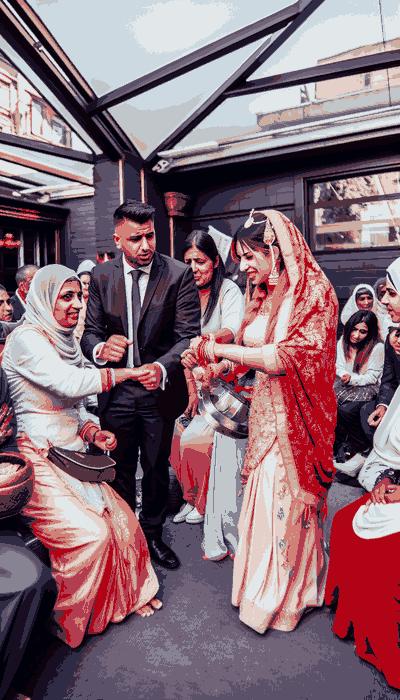
The air thickens with emotion as darkness falls over Turkish neighborhoods. The scent of henna mingles with centuries of tradition as women gather for the most bittersweet night of Turkish wedding customs. Kina gecesi (henna night) arrives 1-2 days before the wedding, bringing hours of choreographed crying, strategic gold placement, and enough henna to paint a small army.
Musical Note: “Yuksek Yuksek Tepeler” (High High Hills) makes brides cry with remarkable consistency. Physics can’t explain it. Turkish mothers know it’s true. Waterproof mascara isn’t optional - it’s survival.
When Tears Become Blessings
The bride transforms into Ottoman royalty in bindalli (red embroidered gown) - a rental that makes her look palace-born. Unmarried girls form protective circles with candles illuminating unashamed tears.
Then begins the henna ceremony’s psychological masterwork. The bride sits center stage, fists clenched, “refusing” the henna. This theatrical tradition demands ancient songs engineered to demolish emotional walls. “Yuksek yuksek tepelere ev kurmasinlar” (Don’t build homes on high hills) echoes as mothers weep, sisters follow, and neighbors sob into baklava.
Resistance crumbles when the mother-in-law approaches with gold. She places a coin in the bride’s palm - suddenly those fists bloom open. The henna artist, waiting with patience, begins creating patterns marking this bride as taken.
Tear-Fest Essentials: - Henna artist creating intricate designs - Musicians with tear-trigger repertoire - Emotional eating catering - Venue transformation - Tissues: Infinite
Regional Variations: Same Tears, Different Traditions
Travel from the Aegean coast to the Black Sea, and discover henna nights as diverse as Turkey’s landscapes. Aegean brides don’t stop at hands - professional artists transform them into walking art galleries with henna adorning hair, feet, and arms in intricate patterns.
Eastern regions elevate henna to high art, with professionals arriving with portfolios thicker than doctoral dissertations. These aren’t your cousin’s doodles - these are masterpieces worthy of the Topkapi Palace. The gorumce (sister-in-law) often sponsors the premium artist as her wedding gift, knowing those photos will circulate for generations.
Critical Warning: Black Sea henna nights feature mandatory horonhoh-ROHN (traditional dance). This isn’t gentle swaying - it’s Olympic-level cardio disguised as culture. Your fitness tracker will register extraordinary activity. Your feet will file formal complaints. You’ll dance anyway because tradition demands sacrifice.
Central Anatolia keeps things conservative with gender-separated celebrations. Men gather in one house, playing cards and pretending they’re not emotional about their friend’s last night of bachelorhood. Women create magic in another house, turning tears into blessings and henna into art.
Modern evolution hasn’t diluted the emotion - it’s amplified it. Many celebrations now include men (after the strategic crying portion), numerous families abandon cramped living rooms for Instagram-worthy venues, and most include professional photography. The tears remain authentic, guaranteed by “Yuksek Yuksek Tepeler.”
The All-Day Marathon Called Your Wedding Day
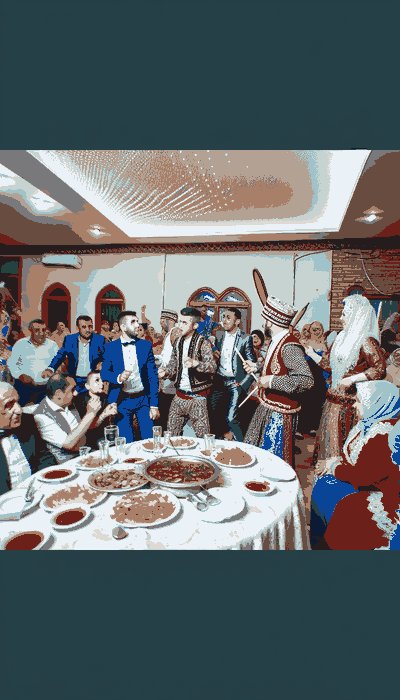
Dawn breaks over Turkey like an Olympic opening ceremony - spectacular, overwhelming, and requiring athlete-level stamina. Turkish wedding days stretch many hours and test limits you didn’t know existed. Strategic bathroom planning becomes an actual skill.
Timeline Reality Check: “Turkish time” plus “wedding time” equals “pack snacks.” When they say ceremonies start at 2 PM, that’s often code for later. Your stomach and sanity will thank you for adjusting expectations accordingly.
When Love Meets Bureaucracy
Since 1926, Turkish love stories must first navigate bureaucracy’s glamorous halls. The resmi nikahnee-KAH (civil ceremony) happens in municipality offices with all the romance of DMV visits, yet becomes magical when lives officially merge.
For 20-30 minutes, stern officials recite marriage articles with tax-code enthusiasm. Article 185: Help each other. Article 186: Live together. Relatives suppress giggles as “conjugal duties” echo through fluorescent-lit rooms.
Good to Know: Many modern couples escape municipal mundanity by booking Ottoman mansions or Bosphorus palaces. Same legal requirements, infinitely better backdrop. Your marriage remains equally valid, but with chandeliers.
Civil ceremony survival kit:
- Identity cards (check twice - nothing worse than forgetting ID on your wedding day)
- Health certificates proving you’re fit to marry
- Single status proof (in case anyone has doubts)
- Two witnesses over 18 who can keep straight faces
- Municipal fee
Adding Soul to Signatures
Following legal formalities, many couples proceed to dini nikah (religious ceremony), where an imam (religious officiant) adds spiritual weight to those municipal signatures. This ceremony brings tissues back into play - happy tears this time.
The imam’s melodious voice fills venues with verses about love and partnership. Then comes mehr (dower) negotiations - once involving livestock, now featuring creative promises.
Cultural Evolution: Recent mehr agreements making imams smile include promises of books over lifetimes, quality coffee every morning, and tech support forever. Romance evolves.
Turkey’s beautiful diversity shines through ceremonies. While most follow Islamic traditions, Istanbul’s historic churches host Christian ceremonies with Byzantine splendor, and stunning synagogues witness Jewish celebrations blending Sephardic and Turkish traditions. Love speaks all languages.
The Great Bride Heist (Family-Approved)
If Turkish weddings wegelin almageh-LIN ahl-MAHovies, gelin alma (fetching the bride) would be the main event - except everyone knows the plan and the target wants stealing.
The groom’s convoy arrives like a medieval army with better grooming. Car decorations announce their presence while davul zurna (drum and clarinet) players ensure even the deepest sleepers know someone’s getting married today.
But the front door remains locked tighter than Fort Knox. The bride’s youngest brother transforms into a tiny extortionist, demanding “passage fees” that would make highway robbers proud. Negotiations begin. Pride gets swallowed. Bribes get offered.
Groom’s Survival Guide: Pack cash in small bills. Her brother’s been planning this since learning arithmetic. One Ankara groom did 50 pushups AND paid. Another sang an entire Disney soundtrack. Both stayed married - humiliation was worthwhile.
The traditional gauntlet includes:
- Red kemer (belt) tied by her brother - only he can release her
- Quran passages over her head - blessings following her journey
- Names written on shoe soles - whose fades first marries next
- Rice and candy ammunition - thrown for fertility (duck or wear protective gear)
- Gul suyu (rose water) sprinkled for sweet-scented marriage
- Car convoy parade through every neighborhood street
When Gold Literally Rains from the Sky
After ceremonies conclude and emotional reserves deplete, Turkish wedding receptions explode into spectacular multi-hour events combining rock concert energy, family reunion warmth, and substantial wealth exchanges.
The Human Jewelry Display Competition
Forget wedding registries - Turkish weddings feature live-action gift-giving where guests literally pin presents onto couples. The taki merasimi (gold pinning ceremony) transforms newlyweds into human Fort Knox while funding their future with liquid assets.
A professional announcer with game show energy calls families forward. “The Yilmaz family from Ankara!” Music swells. They approach with gold coins glinting under lights. Cameras flash. The amount gets publicly announced. Applause erupts. Repeat for hours. It’s part fashion show, part public accounting, part family wealth Olympics.
The Vibe: Distant relatives you met once pin full altin (gold coins) proving family loyalty. College roommates slip cash envelopes because student loans exist. Everyone pretends not to keep score. Everyone absolutely does.
Gold ceremony economics decoded:
- Ceyrek altin (quarter gold) - participation trophy
- Yarim altin (half gold) - respectable showing
- Tam altin (full gold) - serious business
- Cumhuriyet altini (republic gold) - showing off
- Bilezik (gold bracelets) - mother-in-law specialty
- Cash alternatives - modern efficiency
- That one uncle: Always gives exactly one lira more than his brother
Budget Reality: This isn’t just gift-giving - it’s community investment. Urban weddings collect substantial amounts, essentially crowdfunding honeymoons and house down payments. The circle of financial bereket (abundance) continues.
When Grandmothers Outrun the Youth
The moment arrives when music shifts, resistance becomes futile, and everyone from toddlers to great-grandmothers proves their Turkishness through synchronized movement. The halayhah-LIE (line dance) reigns supreme - democracy in motion where CEOs hold hands with farmers, creating human chains snaking through ballrooms.
Don’t know the steps? Irrelevant. The collective consciousness takes over. Your feet suddenly know exactly what to do. The dunur (in-laws) face each other across the line, proving their dancing compatibility while kemence (traditional violin) and zurna wail their ancient songs.
Survival Strategy: When Black Sea crews launch horonhoh-ROHN, brace yourself. This athletic endeavor demands Tour de France stamina. Your fitness tracker thinks you’re dying. Locals making it look easy have lifelong training.
Dance floor demographics:
- Halay participation: Nearly universal (mandatory fun)
- Professional folk dancers available fZeybekzey-BEKe
- Zeybek solos: That uncle practicing since the 1980s
- Ciftetelli: Newlyweds pretending they’re not embarrassed
- Roman havasi (Romani rhythms): When real party starts
- Horon survival rate: Low for non-natives
Quick Warning: The gobek atma (belly dancing) moment isn’t optional for grooms. Yes, they’ll tie a scarf around your hips. Yes, friends will record every second. Yes, it surfaces at every anniversary. Embrace your inner Shakira or suffer eternally.
Feast Mode: When Hospitality Becomes Olympic Sport
Turkish wedding feasts operate on the mathematical principle: (Normal portion x 3) + “You look thin” guilt = Your plate. These culinary marathons showcase regional specialties in quantities defying physics.
The feast begins innocently with dugun corbasi (wedding soup) - lamb and vegetables hugging your soul. This merely opens the show. What follows: pilav (rice) mountains requiring geological surveys, sarma (stuffed grape leaves) pyramids impressing ancient Egyptians, enough kebap (kebab) varieties for a PhD dissertation in meat science.
Feast Mathematics: Resistance is futile and culturally offensive. Your future gorumce (sister-in-law) watches how much you eat and remembers forever. Empty plates equal love. Full stomachs equal acceptance.
Regional menu signatures:
- Istanbul: Ottoman meets molecular gastronomy
- Black Sea: If it swims, it’s served - hamsi (anchovies) many ways
- Southeast: Kebab science, ayran (yogurt drink) rivers
- Central Anatolia: Ceremonial keskek and manti (Turkish dumplings)
Dessert tables deserve postal codes. Baklava towers drip honey. Lokum (Turkish delight) shimmers in rainbows. Western wedding cakes sit awkwardly among Ottoman classics like tourists at locals-only spots. Everyone finds room for “just one more.”
Where Instagram Crashes Into Grandmother's Dreams
In modern Turkey, couples perform intricate ballets between hashtags and henna, navigating spaces where Instagram aesthetics collide with grandmother’s non-negotiable traditions. Modern celebrations reflect both economic realities and the eternal truth: Turkish families don’t understand “small.”
Love’s Price Tag in the Digital Age
Turkish weddings represent significant investments - decent car money with superior photos and exponentially more tears. Urban “intimate” gatherings mean hundreds of guests (everyone parents ever met plus Instagram followers). Rural weddings maintain tradition: eye contact equals invitation.
Modern Financial Considerations: - Photography/videography for cinematic documentation - Venue - Bosphorus views cost extra - Catering: Military-budget requirements for feeding armies - Wedding dress for multiple outfit changes - Honeymoon recovery - “Miscellaneous” panic purchases - Post-planning family therapy: Priceless necessity
Five trends reshaping tradition (under grandma’s watchful eye):
- Destination weddings within Turkey: Cappadocia fairy chimneys host “intimate” gatherings. Hot air balloon proposals are the new dinner reservations. Instagram engagement soars.
- Eco-conscious choices: Biodegradable henna cones meet grandmother’s approval. Locally-sourced flowers satisfy environmental guilt.
- Digital integration: Wedding apps prevent uncle venue confusion. Livestreaming lets overseas cousins cry real-time. Drones make chaotic halayhah-LIE lines look choreographed.
- “Intimate” celebrations: 150 guests by Turkish standards - immediate family, neighbors, cousins, plus the nice bakery couple.
- Extended timelines: Instead of cramming many ceremonies into one day, events spread across weekends. Families get recovery time. Wallets get breathing room. Traditions get proper attention.
Geography Shapes Your Ceremony’s Soul
Turkey’s seven regions interpret wedding traditions like jazz musicians playing standards - the melody’s recognizable, but each adds spectacular improvisations making anthropologists weep with joy.
Marmara Region (Istanbul and friends) leads modernization with productions worthy of Vogue Turkiye. International DJs spin between halay sets, molecular gastronomy meets traditional kebab, venues compete for “most chandeliers per square meter.” Yet even here, nobody skips taki ceremony - some traditions are sacred, even for influencers.
Bosphorus Alert: Waterfront “view tax” makes accountants weep. Budget extra for water proximity. Instagram says worth it. Credit cards disagree.
Aegean Coast celebrations embrace Greek-influenced heritage with beach venzeybekzey-BEKd surprise zeybek performances. That mild-mannered Izmir accountant? He’s been secretly practicing eagle dances, awaiting solo moment glory.
The Black Sea Region maintains strongest folk traditions. Here, kemence players duel modern DJs, ehoronhoh-ROHNne loses to horon dancers. Tea replaces coffee because this is serious tea country - Turkish coffee is for tourists and Instagram.
Critical Warning: Black Sea horon isn’t optional. Two left feet won’t save you. The circle absorbs resisters like cultural quicksand. Your fitness tracker signals medical emergency. Only escape: designated driver claims - suspicious aunts will investigate.
Eastern regions host celebrations where “immediate family” means hundreds minimum. Kurdish, Armenian, Arabic influences create fusion ceremonies deserving recognition. Percussion sections could power small cities.
The Southeast throws the biggest parties where large guest counts are considered “intimate” and darbuka (drum) players never sleep. Arabic influences create dance floors where belly dancers share space with folk performers. Everyone’s uncle plays instruments.
Frequently Asked Questions
How long do Turkish weddings last?
Traditional Turkish weddings span days to weeks, though modern couples compress festivities into extended weekends. Wedding days themselves stretch many hours, from morning prep to the last dancing grandmother. Pre-wedding events scatter across months. Add post-wedding breakfasts and you’re training for marathons, not sprints.
Do guests really pin money on the bride and groom?
Absolutely! Taki merasimi isn’t just real - it’s the reception’s financial crescendo. Guests literally pin gold coins, jewelry, and cash onto couples’ special sashes. Think crowdfunding before Silicon Valley. Announcers call families forward, amounts get declared publicly, everyone mentally scorekeeps. It’s simultaneously heartwarming community support and low-key wealth Olympics.
What should I wear to a Turkish wedding?
Dress like you’re attending the Met Gala’s accessible cousin. Women: formal evening gowns or cocktail dresses - think wedding guest meets red carpet. Men: dark suits, ties mandatory. Avoid white (bride’s domain), red (if kina gecesi elements exist), and anything casual. Comfortable shoes are survival equipment - you WILL dance for hours. Turkish weddings are fashion shows where everyone models. Bring layers - hundreds of dancing people generate serious heat.
Can foreigners have a traditional Turkish wedding?
Not only can you - Turkish families will enthusiastically execute every tradition with extra gusto. Foreign-Turkish couples create diplomatic fusion masterpieces. Scottish bagpipes meet zurna. American first dances flow into halayhah-LIE. Key traditions adapt beautifully to mixed couples. Warning: Turkish families don’t understand “small.” Your modest guest list mysteriously multiplies. It’s Turkish math - resistance is futile.
What happens if you can’t dance the traditional dances?
Beautiful truth: nobody cares about skill. Turkish wedding dances celebrate participation, not perfection. The halay forgives everything - hold hands, follow neighbors, let collective consciousneshoronhoh-ROHNde you. For horon (Black Sea torpedo), survivalZeybekzey-BEKs victory. Zeybek is for show-offs anyway. Worst case? You’re the entertaining foreign guest who tried - equally celebrated. Someone’s grandmother will personally instruct you. Just don’t refuse dancing - that’s the only sin.
Is alcohol served at Turkish weddings?
Depends entirely on family, region, and venue. Urban Istanbul, Izmir, Ankara weddings often feature full bars - raki flows like water. Conservative families might skip alcohol, serving ayran, serbet, and juices instead. Many modern weddings offer both, respecting diverse preferences. Black Sea region loves its liquor, central Anatolia leans conservative. Check with hosts for specific needs. Remember that Turkey is diverse - what’s standard in one region may be uncommon in another.
Turkish wedding traditions represent centuries of cultural evolution, blending Ottoman heritage with modern sensibilities. For more information about Turkey’s intangible cultural heritage, visit UNESCO’s page on Turkish traditions.
Frequently Asked Questions
How long do Turkish weddings last?
Forever? Not quite. Traditional Turkish weddings span days to weeks, though modern couples compress festivities into extended weekends. Wedding days themselves: 8-12 hour minimums, from morning prep to the last dancing grandmother (scientifically proven: they never stop). Pre-wedding events scatter across months. Add post-wedding breakfasts and you're training for marathons, not sprints. Pro tip: Pace yourself like a chess grandmaster.
How much does a typical Turkish wedding cost in 2025?
Urban Turkish weddings typically cost between ₺200,000-₺500,000 ($6,800-$17,000 USD), while rural celebrations range from ₺50,000-₺150,000 ($1,700-$5,100 USD).
Do guests really pin money on the bride and groom?
Absolutely! Takı merasimi isn't just real – it's the reception's financial crescendo. Guests literally pin gold coins, jewelry, and cash onto couples' special sashes. Think crowdfunding before Silicon Valley. Urban weddings collect ₺50,000-₺150,000 ($1,700-5,100 USD), covering costs plus honeymoons. Announcers call families forward, amounts get declared publicly, everyone mentally scorekeeps. It's simultaneously heartwarming community support and low-key wealth Olympics.
What is Kına Gecesi and why is it important?
Kına Gecesi (Henna Night) is a pre-wedding ceremony where henna is applied to the bride's hands and feet. It symbolizes fertility and sacrifice, marking the bride's transition to married life.
What should I wear to a Turkish wedding?
Dress like you're attending the Met Gala's accessible cousin. Women: formal evening gowns or cocktail dresses – think wedding guest meets red carpet. Men: dark suits, ties mandatory. Avoid white (bride's domain), red (if kına gecesi elements exist), and anything casual. Comfortable shoes are survival equipment – you WILL dance for hours. Turkish weddings are fashion shows where everyone models. Bring layers – 300 dancing people generate serious heat.
What happens during the Takı Merasimi ceremony?
Takı Merasimi is the gold-pinning ceremony where guests pin gold coins or jewelry to the couple's clothing as wedding gifts, helping them start their new life together.
Can foreigners have a traditional Turkish wedding?
Not only can you – Turkish families will enthusiastically execute every tradition with extra gusto. Foreign-Turkish couples create diplomatic fusion masterpieces. Scottish bagpipes meet zurna. American first dances flow into halay. Key traditions adapt beautifully to mixed couples. Warning: Turkish families don't understand "small." Your 50-person list mysteriously multiplies. It's Turkish math – resistance is futile.
Are both civil and religious ceremonies required in Turkey?
Only the civil ceremony (Resmi Nikah) is legally required. The religious ceremony (Dini Nikah) is optional but remains culturally important for many couples.
What happens if you can't dance the traditional dances?
Beautiful truth: nobody cares about skill. Turkish wedding dances celebrate participation, not perfection. The halay forgives everything – hold hands, follow neighbors, let collective consciousness guide you. For horon (Black Sea torpedo), survival equals victory. Zeybek is for show-offs anyway. Worst case? You're the entertaining foreign guest who tried – equally celebrated. Someone's grandmother will personally instruct you. Just don't refuse dancing – that's the only sin.
How long do Turkish wedding celebrations typically last?
Traditional Turkish weddings can span multiple days, typically 3-4 days including pre-wedding ceremonies, Henna Night, and the main wedding day.
Is alcohol served at Turkish weddings?
Depends entirely on family, region, and venue. Urban Istanbul, Izmir, Ankara weddings often feature full bars – rakı flows like water. Conservative families might skip alcohol, serving ayran, şerbet, and juices instead. Many modern weddings offer both, respecting diverse preferences. Black Sea region loves its liquor, central Anatolia leans conservative. Check with hosts for specific needs. Remember: the party energy comes from zurna and halay, not drinks.
What is Kız İsteme and when does it occur?
Kız İsteme is the formal 'asking for the bride's hand' ceremony where the groom's family visits the bride's family. It typically occurs 3-12 months before the wedding.
How much money should I give as a wedding gift?
Golden rule: give within means but lean generous. Close family typically gives gold coins (₺800-₺3,200 / $27-109 USD each) or substantial cash. Friends/colleagues usually give ₺500-₺2,000 ($17-68 USD). Consider your relationship, finances, and wedding formality. Bosphorus palace with 500 guests expects more than modest family gatherings. When uncertain, ask Turkish friends. Remember: gifts get announced publicly – choose wisely.
How many guests attend Turkish weddings?
Urban Turkish weddings typically host 150-200 guests, while rural celebrations can accommodate 300-500+ guests.
What's the significance of henna night?
Kına gecesi is Turkish weddings' emotional heart – bittersweet farewells to girlhood and family homes. Female relatives gather to cry together (yes, that's the actual goal), apply protective henna, and perform ancient rituals. Tears aren't sadness but emotional release acknowledging life transitions. When "Yüksek Yüksek Tepeler" plays, even catering staff weep. Henna stains mark brides as taken and blessed. Modern versions might happen at hotels with DJs, but tears remain mandatory.