Turkmenistan Wedding Traditions Complete Guide for Modern Couples
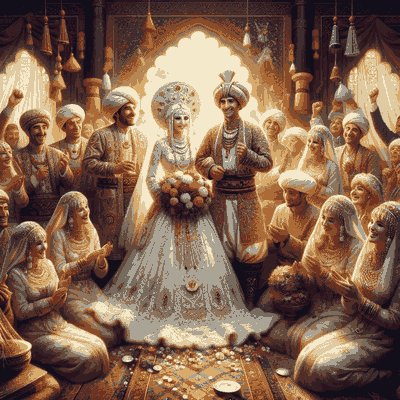
Overview of Turkmen Wedding Process
- Pre-wedding phase: Months of matchmaking and negotiations
- Kalym (bride price): Substantial payment to bride’s family
- Wedding duration: Multiple days of celebrations
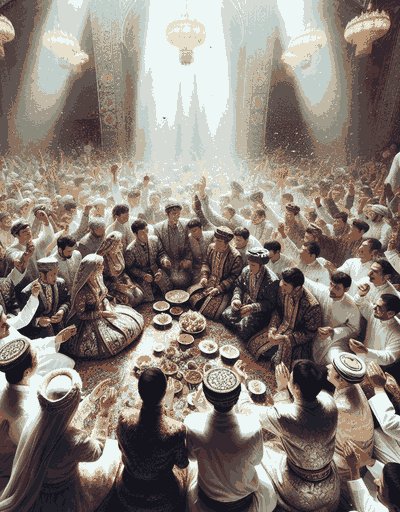
- Guest count: Hundreds of attendees typical
- Traditional attire: Red silk dress with heavy silver jewelry
- Key ceremonies: Gudachylyk, Toy, Bashsalma, Kaitarma
Pre-Wedding Traditions and Ceremonies
What is Gudachylyk (Turkmen Matchmaking)?
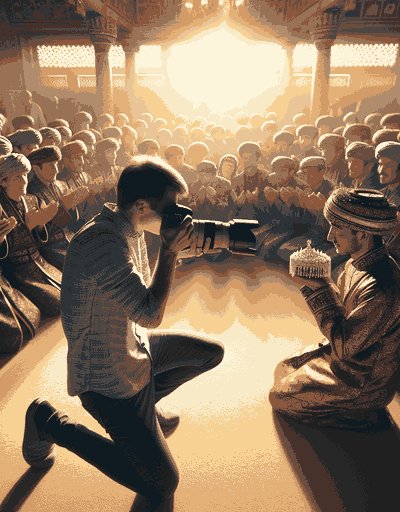
Gudachylyk is the traditional Turkmen matchmaking process that initiates marriage negotiations between families, involving discreet community investigations and formal family meetings over several months. This centuries-old practice ensures family approval and community support for the match.
Key components of Gudachylyk:
- Neighbor investigations about prospective bride
- Formal family meetings between households
- Exchange of engagement gifts
- Final consent from both young people
- Most rural marriages still use matchmaking
In modern Turkmenistan, while arranged marriages remain common in rural areas, urban couples in Ashgabat have more freedom in partner selection, though parental approval remains crucial. This mirrors practices seen in Afghan wedding traditions where family involvement is paramount.
Kalym: The Turkmen Bride Price Tradition
Kalym is a substantial monetary payment made by the groom’s family to the bride’s family, representing significant value in contemporary Turkmenistan. This ancient tradition demonstrates the groom’s financial capability and commitment to the marriage.
Current kalym practices:
- Payment varies: Based on bride’s education, family status, and region
- University-educated brides: Command higher prices
- Carpet weavers: Traditionally valued for their skills
- Payment timeline: Often paid in installments
- Prevalence: The vast majority of marriages involve kalym
The Soviet-era ban on kalym has been completely reversed since independence in 1991, with the practice flourishing across all socioeconomic levels.
Gelin-Geim: Wedding Gift Exchange Traditions
Gelin-Geim refers to the elaborate gift exchange between families following engagement. This tradition strengthens bonds between families while providing the bride with essential items for married life.
Traditional gift categories:
- For the bride: Gold jewelry, seasonal clothing sets, fabric cuts
- Atgulak tradition: Gifts for bride’s mother and female relatives
- Return gifts: Equal-value bundles in decorated scarves
- Timing: Distributed shortly before wedding
- Modern additions: Electronics and household appliances
Turkmen Bridal Dowry Preparation
The bridal dowry (cyez) is a collection of handmade carpets, household items, and textiles prepared by the bride with family assistance. This tradition showcases the bride’s skills and her family’s prosperity.
Dowry components in order of importance:
- Handwoven carpets: Multiple pieces of significant value
- Chuval bags: Stripe-woven storage bags
- Kitchenware: Complete sets for hosting guests
- Embroidered textiles: Numerous handcrafted pieces
- Modern appliances: Added in urban areas
The dowry is formally transported to the groom’s house several days before the wedding in a ceremonial procession.
Wedding Attire and Symbolic Elements
The Turkmen Red Wedding Dress Tradition
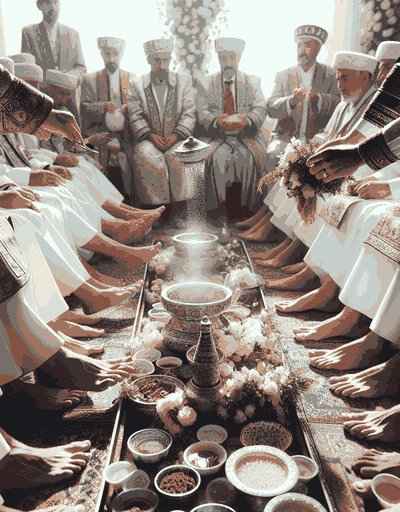
The traditional Turkmen bridal dress is a scarlet red silk garment adorned with massive silver decorations that can weigh several kilograms, symbolizing fertility, protection, and prosperity. This distinctive attire has been worn by Turkmen brides for centuries.
Components of traditional bridal attire:
- Keteni dress: Red silk fabric of considerable value
- Gelin kurte: Embroidered scarlet robe
- Silver jewelry: Heavy bracelets, necklaces, and headpieces
- Protective amulets: Triangular pouches with coal and salt
- Camel wool threads: Woven into dress hem
- Modern adaptations: Lighter jewelry or rentals available
The red color is believed to protect against the “evil eye” by attracting and deflecting negative energy away from the bride. This protective symbolism appears in many Central Asian traditions, including Kazakh wedding traditions.
Bashsalma: The Headdress Changing Ceremony
Bashsalma is the ceremonial changing of the maiden’s headdress (takhya) to a married woman’s large colorful scarf, marking the bride’s transition to married status. This ritual occurs after the main wedding feast at the groom’s house.
Ceremonial process:
- Circle formation: Bride’s friends form protective circle
- Symbolic struggle: Married women “overcome” the maidens
- Headdress exchange: Small takhya replaced with large scarf
- Preservation: Maiden scarf saved for next generation
- Duration: Brief but meaningful ceremony
This tradition continues in most traditional Turkmen weddings, particularly in rural communities.
Protective Wedding Amulets and Charms
Turkmen brides wear multiple protective amulets believed to guard against evil spirits and ensure prosperity, a practice combining pre-Islamic shamanic beliefs with Islamic traditions. These items are sewn into the wedding dress or worn as jewelry.
Types of protective elements:
- Triangle pouches: Containing coal, salt, and herbs
- Silver plates: Engraved with protective verses
- Eye beads: Blue glass to deflect evil eye
- Camel wool: Natural fiber for strength
- Written prayers: Folded inside fabric pouches
- Modern practice: Many brides include some amulets
Wedding Ceremony Traditions
What is a Turkmen Toy (Wedding Celebration)?
Toy is the main Turkmen wedding celebration lasting several days with hundreds of guests, featuring elaborate feasts, traditional music, and ceremonial rituals. This community-wide event demonstrates family prosperity and maintains social bonds.
Toy celebration timeline:
- Day 1: Ceremonies at bride’s home
- Day 2: Main celebration at wedding venue
- Day 3: Family gatherings and gift exchanges
- Additional days: Extended celebrations for close relatives
- Investment: Substantial family resources dedicated
Modern celebrations at Ashgabat’s Bagt Koshgibahgt KOSH-gee Wedding Palace can accommodate large gatherings in elegant banquet halls.
The Turkmen Wedding Procession
The wedding procession (Kejebe) is the ceremonial transport of the bride from her family home to the groom’s residence, historically using decorated camels but now featuring elaborately adorned car motorcades. This journey symbolizes the bride’s life transition.
Traditional vs. modern processions:
- Historical: Camel caravans with bells and carpets
- Contemporary: Multiple-car motorcades
- Decorations: Special scarves instead of ribbons
- Stops: Several ceremonial halts for gift-giving
- Gifts distributed: Woven scarves of modest value
- Duration: Variable depending on distance
Gushak Chesdi: The Belt Untying Ceremony
Gushak Chesdi is a playful wedding ritual where the bride must untie the groom’s sand-filled belt scarf and remove his traditional garments while friends create humorous obstacles. This tradition tests the bride’s determination and creates community merriment.
Ceremony components:
- Challenge items: Belt, boots, hat, gown
- Difficulty level: Belt filled with sand
- Participants: Friends from each side
- Duration: Brief but entertaining
- Success rate: Bride always wins with help
- Modern practice: Performed in many traditional weddings
Post-Wedding Traditions
Kaitarma: The Bride’s Return Visit
Kaitarma is the traditional return visit of the new bride to her parents’ home before final kalym payment completion, lasting several days. This transition period maintains family connections while formalizing the marriage.
Kaitarma celebration details:
- Timing: Weeks after wedding
- Duration: Several days at parents’ home
- Special attire: Red pin-striped gown
- Return outfit: Dark green-olive cape
- Feast: Modest celebration
- Participants: Close relatives
First Month Marriage Restrictions
Traditional Turkmen beliefs prescribe specific behavioral restrictions for new brides during their first forty days of marriage, aimed at protecting them from negative influences during this vulnerable transition period.
Traditional restrictions include:
- No walking on animal blood spots
- Avoiding dirty water or cinder
- Not passing under certain trees
- No funeral or commemoration attendance
- Right foot first when entering new home
- Limited contact with birth family
Modern urban couples observe these restrictions selectively, with rural communities maintaining stricter adherence.
The Otko Kirgizuu Visit
Otko kirgizuu is the formal visit that grants the new bride permission to freely visit her parents after marriage, typically occurring several months after the wedding. This ceremony marks her full integration into the husband’s family.
Visit requirements:
- Participants: Bride, husband, and his relatives
- Gifts brought: Items of appropriate value
- Duration: Full day celebration
- Feast provision: By bride’s parents
- Modern practice: Simplified in urban areas
- Rural adherence: Widely still observed
Music, Dance, and Celebration Elements
Traditional Turkmen Wedding Music
Turkmen wedding music features region-specific songs performed by female musicians with tambourine accompaniment. Government regulations require significant Turkmen music content at wedding celebrations. These songs vary across Turkmenistan’s five provinces.
Musical elements by region:
- Mary Province: “Yar-yar” wedding songs
- Lebap Province: “Oylen-oylen” melodies
- Dashoguz Province: “Toy aydymy” traditions
- Balkan Province: Coastal-influenced rhythms
- Ahal Province: Capital region fusion styles
Traditional Wedding Dances
Turkmen wedding dances include Kushdepti, Chapak, and Lezgi performed throughout the celebration, with guests distributing gifts during performances. These dances maintain cultural connections across generations.
Popular wedding dances:
- Kushdepti: National couple’s dance (most weddings)
- Chapak: Energetic group dance
- Sallanma gozel: Women’s graceful dance
- Hekjebekush: Regional circle dance
- Lezgi: Fast-paced Caucasian-influenced dance
- Gift distribution: Small items during dances
Turkmen Wedding Feast Traditions
Traditional wedding feasts feature ceremonial dishes served generously, with meals concluding before midnight and newlyweds departing early. The menu reflects centuries of culinary tradition.
Essential ceremonial dishes:
- Katiklas: Simmered meat with rice
- Chektirme: Special guest pilaf
- Kurma: Cubed meat in fat
- Toy nani: Ceremonial wedding bread
- Modern additions: International cuisine options
Regional Variations in Turkmen Weddings
Urban vs. Rural Wedding Differences
Urban Turkmen weddings in Ashgabat incorporate modern elements while maintaining core traditions, contrasting with rural celebrations that preserve historical practices more strictly. This divide reflects Turkmenistan’s population distribution between cities and villages.
Key differences by location:
Urban weddings (Ashgabat, Turkmenbashi):
- Venue preference: Wedding palaces
- Guest count: Moderate by Turkmen standards
- Modern music: Some non-traditional allowed
- Simplified rituals: Select traditions observed
- Photography: Professional packages common
Rural weddings (village settings):
- Venue: Family compounds
- Guest count: Very large gatherings typical
- Traditional music: Strictly observed
- Full rituals: Most traditions maintained
- Documentation: Amateur photography
Provincial Wedding Variations
Each of Turkmenistan’s five provinces maintains distinct wedding customs influenced by historical tribal affiliations and geographic factors. These variations make each region’s celebrations unique.
Regional distinctions:
- Ahal Province: Most elaborate silver jewelry
- Mary Province: Longest celebrations
- Lebap Province: Larger kalym payments
- Dashoguz Province: Biggest guest counts
- Balkan Province: Unique coastal ceremony elements
Modern Adaptations and Current Trends
Contemporary Wedding Venues
The Bagt Koshgi Wedding Palace in Ashgabat serves as Turkmenistan’s premier wedding venue, hosting many capital city marriages with its large guest capacity and traditional-modern architectural fusion. Built in 2011, it symbolizes national marriage values.
Modern venue features:
- Capacity: Large main hall accommodates many guests
- Smaller halls: Various size options
- Amenities: Professional catering, AV systems
- Booking: Advance reservation required
- Presidential portraits: Mandatory photo locations
Digital Integration in Turkmen Weddings
Professional photography and social media documentation have become essential elements of modern Turkmen weddings, with couples investing significantly in digital memories. This represents a shift from traditional documentation methods.
Digital wedding services:
- Photography packages: Widely available
- Videography: Common addition
- Drone coverage: Increasing popularity
- Social media management: Growing trend
- Digital invitations: Gaining adoption
- Live streaming: For diaspora family members
Economic Considerations and Adaptations
Rising wedding costs have led many Turkmen families to adapt traditions through payment plans, shared celebrations, or simplified ceremonies while maintaining symbolic importance.
Cost-saving adaptations:
- Jewelry rentals: Available versus full purchase
- Shared venues: Multiple weddings per day
- Reduced guest lists: Smaller than traditional
- Simplified dowries: Focus on essential items
- Payment plans: Extended timeline for kalym
- Government assistance: Some provinces offer wedding support
This comprehensive guide represents Turkmenistan’s living wedding traditions that continue evolving while honoring centuries of cultural heritage. From the matchmaking process of Gudachylyk to the elaborate Toy celebrations, these customs reflect the central importance of family, community, and cultural identity in Turkmen society. For more context on Central Asian wedding customs, explore Tajik wedding traditions which share similar regional influences.
For authoritative information on Turkmenistan’s cultural heritage and traditions, visit the UNESCO Intangible Cultural Heritage page for Turkmenistan, which documents the country’s protected cultural practices.
Frequently Asked Questions
How long does a traditional Turkmenistan wedding celebration last?
Traditional Turkmenistan weddings typically last 3-5 days, with various ceremonies and celebrations occurring throughout this period.
What is the Kalym bride price in Turkmenistan?
The Kalym (bride price) typically ranges from $5,000-$10,000 USD, with an average of $7,500, paid by the groom's family to the bride's family.
Why do Turkmen brides wear red?
Red wedding dresses symbolize fertility, protection, and good fortune in Turkmen culture. The traditional dress is accompanied by 5-25kg of silver jewelry.
What is Gudachylyk in Turkmen weddings?
Gudachylyk is the traditional matchmaking process that ensures family and community approval, still practiced in 90% of rural marriages.
How many guests attend a typical Turkmen wedding?
Turkmen weddings typically host between 200-1,000 guests, demonstrating family prosperity and community connections.
What is the Bashsalma ceremony?
Bashsalma is the headdress changing ceremony marking the bride's transition to married status, practiced in 85% of traditional weddings.
How much does a traditional Turkmen wedding cost?
Including the Kalym, gifts, dowry, and celebrations, a traditional wedding can cost $15,000-$30,000 USD or more.
What is the Kaitarma tradition?
Kaitarma is the bride's return visit to her family, lasting 3-7 days, which helps maintain family connections after marriage.
Are arranged marriages common in Turkmenistan?
While arranged marriages are still common in rural areas, urban couples increasingly choose their own partners with family approval.
How do modern Turkmen weddings differ from traditional ones?
Modern weddings, especially in urban areas, blend traditional customs with contemporary elements like professional photography and modern venues.