Vatican City Wedding Traditions
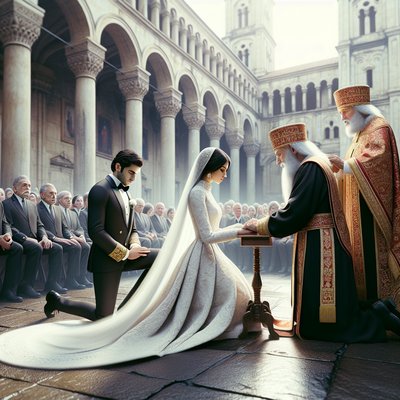
Vatican City Wedding Timeline Overview
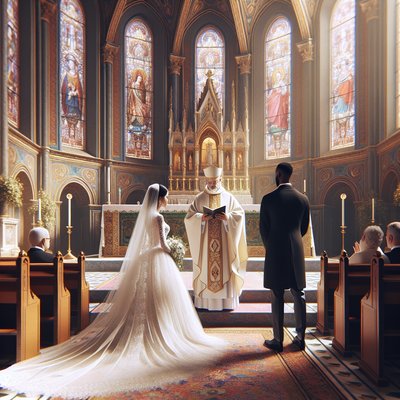
- 12-18 months before: Initial parish consultation and begin ecclesiastical document collection
- 6-12 months before: Complete mandatory Pre-Canapreh-KAH-nah marriage preparation course
- 3-6 months before: Submit formal application to Vatican Parish Office with deposit
- 1-3 months before: Receive Nihil ObstatNEE-hill OB-stat approval and finalize ceremony details
- 1 month before: Wedding rehearsal in basilica and complete Italian civil registration
- Wedding day: Sacred ceremony in St. Peter’s Basilica Choir Chapel (10:30 AM or 11:00 AM)
- Day after: Optional Sposi NovelliSPOH-zee noh-VEL-lee papal audience for newlyweds’ blessing
- Post-wedding: Reception in Rome venue and thanksgiving Mass with family
Pre-Wedding Traditions: Pre-Cana, Permissions, and Spiritual Preparation
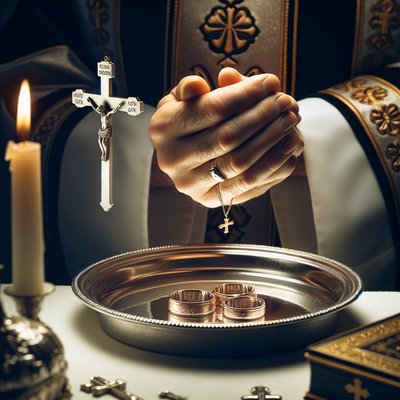
Pre-Cana: The Mandatory Catholic Marriage Course
Pre-Cana is a required Catholic premarital counseling program that prepares couples for the sacrament of matrimony through theological education and practical relationship guidance, typically consisting of 6-8 sessions over 2-3 months and involving discussions with priests and married mentor couples. This mandatory preparation covers essential topics including Catholic theology of marriage, conflict resolution strategies, financial planning, and marital intimacy within Church teachings.
Pre-Cana Process and Requirements
- Initial assessment: Parish priest evaluates couple’s eligibility and faith background (2-3 hours)
- Educational modules: Theology of marriage, communication skills, and family planning (12-16 hours total)
- Spiritual formation: Prayer workshops and Scripture study on love and commitment
- Practical exercises: Role-playing scenarios and compatibility assessments
- Certificate issuance: Official completion document required for Vatican application
Modern adaptations since 2020 include virtual Pre-Canapreh-KAH-nah sessions via video conference, with many international couples choosing online formats. Regional variations exist, with Roman diocese programs incorporating visits to Vatican museums for cultural immersion. This tradition connects to the subsequent permission process, as Pre-Cana certification forms part of the larger ecclesiastical approval complex required for Vatican weddings.
Ecclesiastical Permissions and the Nihil Obstat
Nihil Obstat is the formal Vatican approval document that grants permission for couples to marry in St. Peter’s Basilica or other Vatican churches, requiring 3-6 months of processing through diocesan and Vatican offices. This ecclesiastical permission process involves submitting baptismal certificates, confirmation records, Pre-Cana completion certificate, freedom to marry affidavits, and testimonial letters from parish priests. For detailed information on the application process, visit the Vatican’s official website.
Document Collection and Approval Timeline
- Home parish submission: Gather sacramental documents and motivation letter (6-12 months before)
- Diocesan review: Local bishop evaluates and forwards to Vatican (2-4 weeks)
- VaticaUfficio Parrocchialeoof-FEE-choh pahr-rohk-kee-AH-leh: Submit to Ufficio Parrocchiale with preferred ceremony dates
- Date assignment: Available slots Monday-Friday at 10:30 AM or 11:00 AM (excluding Wednesdays)
- Final confirmation: Pay cereNihil ObstatNEE-hill OB-stat and receive official Nihil Obstat certificate
International couples face additional requirements including certified translations and consular affidavits. Interfaith marriages require special papal dispensation, extending the process by 2-3 months. This permission system ensures only practicing Catholics in good standing access these sacred venues.
Fidanzamento: The Italian Engagement Blessing
Fidanzamento is a family-centered prayer service where the couple’s engagement rings receive priestly blessing, typically held 6-12 months before the wedding with 20-50 family members present and involving traditional Italian customs like parental gift exchanges. This blessing ceremony lasts 30-60 minutes and includes Scripture readings on love, holy water blessings over rings, and symbolic gift presentations from parents such as religious medalfidanzamentofee-dahn-tsah-MEN-tohheirlooms.
The fidanzamento process follows traditional patterns: families gather in the local church or home chapel, the priest leads prayers for the couple’s future union, parents offer marital wisdom and blessings, and the celebration concludes with a modest family dinner. Modern adaptations include virtual blessings for geographically dispersed families and incorporation of both families’ cultural traditions. This ceremony traditionally precedes the more formal Pre-Cana preparation, establishing family support for the upcoming sacramental union.
Wedding Attire: Modesty Requirements and Italian Elegance
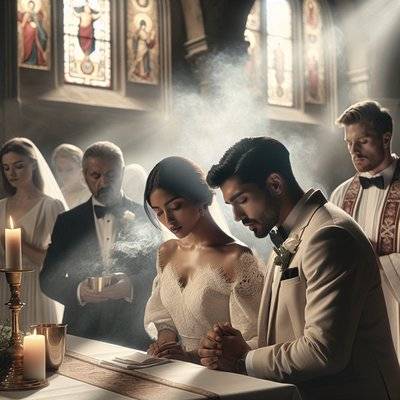
Traditional garments reflect Vatican City's rich textile heritage and craftsmanship Bridal Gowns and Vatican Dress Codes
Abito da sposa (bridal gown) for Vatican weddings must meet strict Catholic modesty standards while maintaining Italian elegance, featuring covered shoulders, full-length skirts, and minimal decolletage. These wedding dresses incorporate traditional elements like cathedral-length veils, modest necklines, and long sleeves or wraps, with most brides choosing white or ivory to symbolize purity and new beginnings within Church teachings.
Vatican basilica requirements mandate:
- Shoulders fully covered (no strapless without jacket/wrap)
- Necklines above cleavage line
- Skirts reaching floor (no high slits)
- Veils for ceremony (mantilla or cathedral style)
- Comfortable shoes for marble floors
Modern bridal adaptations include detachable sleeves for reception versatility, sustainable fabrics from Italian designers, and heirloom lace incorporating family traditions. The veil particularly holds significance, honoring the Virgin Mary’s humility and creating dramatic effect within St. Peter’s Basilica’s grand architecture.
Groom’s Attire and Formal Requirements
Abito dello sposo (groom’s suit) consists of formal morning dress or black tuxedo adhering to Vatican formality standards, typically featuring Italian wool tailoring. Traditional components include black or charcoal suits with subtle pinstripes, white dress shirts with French cuffs, conservative silk ties or ascots, polished leather oxford shoes, and matching boutonniere with bridal bouquet.
As of 2024, modern grooms incorporate slim-fit Italian cuts while maintaining formal requirements, with some choosing sustainable or vintage pieces. Morning coats remain popular for their traditional Catholic aesthetic, particularly among European couples. This attire connects to the processional tradition, where the groom’s formal appearance sets the ceremony’s reverent tone.
Sacred Music and Liturgical Entertainment
Musica Sacra: Vatican-Approved Wedding Music
Musica sacra is the repertoire of liturgical music approved for Vatican ceremonies, performed on St. Peter’s historic pipe organs and featuring classical compositions like Bach’s “Ave Maria,” Schubert’s sacred works, and Gregorian chants. This sacred music tradition includes specific approved pieces: processional selections like Wagner’s “Bridal Chorus,” offertory hymns such as “Panis Angelicus,” communion songs including “Ave Verum Corpus,” and recessional pieces like Mendelssohn’s “Wedding March.”
The Vatican maintains strict musical guidelines:
- Only sacred/classical compositions permitted
- No secular love songs within basilica
- Organ as primary instrument (some strings allowed)
- Professional Vatican organists required
- Optional choir available for 4-8 singers
Modern couples occasionally receive permission for contemporary Christian music arrangements, though most choose traditional selections. This musical element profoundly shapes the ceremony’s spiritual atmosphere, with the basilica’s acoustics creating transcendent moments during key ritual points.
Reception Entertainment: Roman Celebration Traditions
Intrattenimento at post-ceremony receptions transitions from sacred to celebratory, featuring Italian wedding bands or classical quartets performing in Roman venues. Traditional reception music includes tarantella folk dances, Italian love songs like “That’s Amore,” classical dinner music by string quartets, and contemporary dance sets mixing Italian and international hits.
Entertainment typically follows this progression:
- Cocktail hour: Acoustic duo or pianist
- Dinner service: String quartet or jazz trio
- Dancing portion: Full band or DJ setup
- Late evening: Traditional Italian songs for older guests
Recent trends show many couples incorporating live streaming for distant relatives and sustainable sound systems. This entertainment bridges the sacred ceremony with joyful celebration, honoring both Vatican solemnity and Italian festivity.
Traditional Foods and Wedding Feast Customs
Pranzo Nuziale: The Multi-Course Italian Wedding Feast
Pranzo nuziale is the elaborate Italian wedding reception meal served after Vatican ceremonies, featuring 4-6 courses of Roman specialties over 3-4 hours. This feast traditionally includes antipasti platters with prosciutto and cheeses, primi pasta courses featuring carbonara or cacio e pepe, secondi main dishes of osso bucoOH-soh BOO-koh or sea bass, contorni side vegetables, and dolci desserts including wedding cake and pastries.
A typical 100-guest pranzo nuzialePRAN-tsoh noot-see-AH-leh menu structure:
- Antipasti: Mixed bruschetta, caprese, meat platters (45 minutes)
- Primo: Two pasta options reflecting both families’ regions
- Secondo: Choice of meat or fish with seasonal vegetables
- Formaggi: Italian cheese selection with honey and preserves
- Dolce: Traditional millefogliemeel-leh-FOHL-yeh cake plus dessert buffet
- Caffe: Espresso service with digestividee-jes-TEE-vee liqueurs
Modern adaptations accommodate dietary restrictions with dedicated vegan/gluten-free options. Roman venues near Vatican typically offer terraces overlooking St. Peter’s dome, enhancing the spiritual connection. This feast tradition evolved from simple church gatherings to elaborate celebrations reflecting Italian hospitality.
Brindisi: Traditional Italian Wedding Toasts
Brindisi are the formal Italian toasting traditions at Vatican wedding receptions, featuring Prosecco or Franciacorta sparkling wines and following specific cultural protocols over 30-45 minutes. These toasts begin with the father of the bride offering blessings and welcome, followed by the groom thanking both families, best man sharing memories, and maid of honor expressing joy, with each toast limited to 3-5 minutes and punctuated by collective “Cin cin!” cheers.
Traditional brindisiBREEN-dee-zee elements include:
- Wine selection: Italian sparkling (most choose Prosecco)
- Glass raising: All guests stand for major toasts
- Response: “Viva gli sposi!” (Long live the newlyweds!)
- Blessing: Brief prayer over wine during first toast
Non-alcoholic alternatives like Italian sodas ensure inclusive participation. Modern trends show bilingual toasts for international guests and pre-recorded video messages from absent family members. This tradition connects to the earlier Nuptial Mass wine blessing, extending sacramental significance into the celebration.
Ceremonial Rites and Sacred Rituals
Processione: The Formal Vatican Wedding Processional
Processione is the ceremonial entrance into St. Peter’s Basilica following strict Catholic liturgical order, accompanied by organ music and lasting 5-10 minutes as the wedding party processes from the basilica entrance to the Choir Chapel altar. This formal procession follows the traditional sequence: groom and best man enter first, followed by groomsmen escorting bridesmaids, flower girls scattering rose petals, ring bearers carrying cushions, maid of honor preceding the bride, and finally the bride escorted by her father to “Ave Maria” or approved processional hymns.
The processioneproh-chess-ee-OH-neh through St. Peter’s creates profound spiritual impact with:
- 100-meter walk through history’s most sacred Catholic space
- Marble floors requiring careful pacing (30 seconds per section)
- Natural lighting through Bernini’s architectural details
- Incense optional for high ceremonies
This procession traditionally connects to the subsequent Liturgy of the Word, as the physical journey symbolizes the couple’s spiritual journey toward sacramental union. Modern adaptations rarely deviate from this ancient order, maintaining continuity with centuries of Vatican ceremonies.
Rito del Matrimonio: The Sacramental Exchange of Vows
Rito del Matrimonio is the core sacramental moment where couples exchange Catholic marriage vows and blessed rings before the altar, lasting 10-15 minutes and representing the actual conferral of the marriage sacrament according to Church doctrine. This ritual includes the declaration of freedom to marry, exchange of consent using prescribed Catholic formulas, blessing and exchange of wedding rings (typically plain gold bands), and the priest’s proclamation of sacramental validity.
The rito follows this precise sequence:
- Interrogation: Priest confirms free will and understanding (2-3 minutes)
- Consent formula: “I take you to be my lawful spouse” in native language
- Ring blessing: Holy water sprinkled while invoking Trinity
- Ring exchange: “With this ring I wed you” while placing on finger
- Declaration: “What God has joined, let no one separate”
Vatican ceremonies require exact Catholic wording with minimal personalization allowed. Witnesses must be practicing Catholics in good standing. This rite forms the theological center of the entire celebration, transforming the couple’s relationship into a sacramental reality recognized by the Church universal.
Messa Nuziale: The Optional Nuptial Mass
Messa nuziale is the full Catholic Mass celebration incorporating the wedding ceremony, adding 20-30 minutes of Eucharistic liturgy including readings, homily, and Holy Communion distribution to eligible Catholic guests. This extended ceremony, chosen by most Vatican wedding couples, includes the Liturgy of the Eucharist with offertory procession (couple presents bread and wine), Eucharistic prayer with consecration, Communion distributed to practicing Catholics only, and special nuptial blessing after the Lord’s Prayer.
Nuptial Mass components specific to weddings:
- Couple seated in sanctuary during Liturgy
- Special preface for marriage in Eucharistic prayer
- Extended nuptial blessing invoking fertility and fidelity
- Communion under both species (bread and wine) available
- Final blessing includes marriage-specific prayers
Modern considerations include providing worship aids for non-Catholic guests and gluten-free hosts upon request. The Mass deepens the ceremony’s sacramental character, uniting marriage with Christ’s sacrifice. This tradition particularly appeals to devout couples seeking maximum spiritual significance.
Post-Wedding Vatican Traditions
Sposi Novelli: The Papal Wedding Blessing
Sposi Novelli is the special Wednesday general audience where newlyweds married within 2-3 months receive the Pope’s apostolic blessing in St. Peter’s Square, requiring advance ticket reservation (free) and formal wedding attire for preferential seating. This 1-2 hour ceremony involves arriving at 8:00 AM for 10:00 AM audience, special seating in front sections for couples in wedding dress/suit, papal address including marriage-specific blessings and guidance, possible brief personal greeting (depending on crowd size), and commemorative parchment blessing certificate.
The Sposi NovelliSPOH-zee noh-VEL-lee experience includes:
- Multiple language translations for international couples
- Professional photography permitted in designated areas
- Family members welcomed with regular audience tickets
Modern adaptations include live streaming for distant relatives and multi-language blessing certificates. This tradition, established in 1959, represents the Church’s ongoing support for sacramental marriages, with Francis particularly emphasizing young couple encouragement since 2013. ### Pranzo di RingraziamentoPRAN-tsoh dee reen-grah-tsee-ah-MEN-toh: The Thanksgiving Meal
Pranzo di ringraziamento is the traditional day-after wedding lunch where both families gather for informal celebration and gratitude, typically held at a Roman trattoria for 20-50 close relatives. This relaxed meal features simple Roman dishes like suppli appetizers, pasta all’amatriciana, roasted meats with potatoes, and gelato desserts, creating intimate family bonding after the formal reception.
Traditional elements of pranzo di ringraziamento:
- Casual dress replacing formal wear
- Mixed seating encouraging family integration
- Stories and photos from previous day shared
- Gifts of remaining wedding favors distributed
- Planning for future family gatherings discussed
Contemporary couples often combine this meal with a morning thanksgiving Mass, creating spiritual continuity. Some arrange walking tours of Vatican gardens before lunch, extending the sacred location’s significance into family memory.
Modern Vatican Wedding Adaptations 2024-2025
Sustainable Vatican Wedding Practices
Matrimonio sostenibile represents the growing trend of eco-conscious Vatican weddings, incorporating environmentally responsible choices while maintaining sacred traditions. These sustainable practices include digital invitations replacing paper, locally-sourced Italian flowers over imports, organic catering with plant-forward options, and carbon offset programs for international guest travel.
Current sustainable implementations:
- Reception venues with renewable energy
- Donated flowers to hospitals post-ceremony
- Vintage or rented attire (growing in popularity)
- Electric vehicle transportation
- Zero-waste catering goals
This movement particularly resonates with international couples conscious of travel impact, leading to hybrid ceremony formats and extended stay encouragements reducing per-day emissions.
Digital Integration in Sacred Ceremonies
Tecnologia digitale in Vatican weddings carefully balances modern connectivity with sacred reverence, featuring approved live-streaming services and digital guest management while respecting basilica photography restrictions. Contemporary digital elements include dedicated wedding apps for schedules and translations, QR code programs reducing paper use, drone photography in St. Peter’s Square only, and virtual reality recordings for absent elderly relatives.
Vatican-specific digital policies:
- No flash photography during ceremony
- Designated photo moments announced by priest
- Live streaming from fixed rear camera only
- Mobile phones silenced (announcement required)
- Professional photographers limited to 2 maximum
Post-ceremony digital sharing includes creating online galleries for global families and social media hashtags for guest photos. These adaptations serve international couples managing multiple time zones of remote participants.
Interfaith and International Accommodations
Matrimonio misto (mixed marriage) adaptations in Vatican ceremonies accommodate interfaith couples through special dispensations and modified rites, with increasing acceptance of diverse spiritual backgrounds. These accommodations include liturgy without Communion for non-Catholic partners, bilingual ceremonies in 2-3 languages, readings from both religious traditions where approved, modified vows respecting both faiths, and cultural elements in receptions only.
International couple considerations:
- Document translations from many countries accepted
- Consul services for numerous nations available in Rome
- Multi-cultural music in receptions (not ceremony)
- Dietary accommodations for all traditions
- Extended planning timeline for permissions (add 3-6 months)
Modern Vatican approaches show increased pastoral sensitivity while maintaining doctrinal requirements, particularly under Francis’s papacy emphasizing encounter over exclusion. Couples from Spanish, German, and Polish backgrounds often incorporate elements from their home traditions into the reception celebrations.
Regional Variations and Comparisons
Vatican Ceremonies vs. Roman Parish Weddings
Matrimonio Vaticano differs significantly from typical Roman parish weddings in exclusivity, formality, and cost, with Vatican ceremonies requiring 12-18 months preparation versus 3-6 months for parishes. Vatican weddings feature stricter dress codes with required shoulder covering, limited to 150 guests versus unlimited parish capacity, mandatory Pre-Canapreh-KAH-nah from Vatican-approved instructors, ceremonies only at 10:30 or 11:00 AM weekdays, and exclusive photography restrictions with designated moments only.
Aspect Vatican Wedding Roman Parish Preparation time 12-18 months 3-6 months Guest capacity 150 maximum 200-500 Ceremony times Fixed weekday slots Flexible including weekends Personalization Minimal Moderate Prestige factor Highest Standard Northern Italian vs. Vatican Wedding Styles
Matrimonio settentrionale (Northern Italian weddings) emphasize regional customs and family traditions contrasting with Vatican’s universal Catholic approach, featuring local dialect vows, regional feast menus, and varied costs. Northern variations include extended multi-day village celebrations, local wine traditions from family vineyards, dialect songs and folk dances permitted, outdoor ceremonies in family churches, and flexible timing based on agricultural seasons.
Vatican ceremonies maintain Roman universality over regional expression, appealing to international couples seeking Catholic rather than Italian identity. However, reception venues often incorporate regional touches honoring families’ origins through specific dishes or music selections.
Southern Italian Influences on Vatican Receptions
Matrimonio meridionale influences appear primarily in Vatican wedding receptions, where Southern Italian exuberance meets Roman formality through expanded guest lists, elaborate feast traditions, and celebratory customs. Southern elements adapted for Vatican receptions include tarantella dancing after formal program (midnight onwards), extended antipasti with 20-30 selections, bombonierebom-bon-YEH-reh favors with sugared almonds, money dances modified for charity donations, and seven-course meals lasting 5-6 hours.
These influences reflect Italy’s diverse regional marriage customs converging in Rome, with Vatican ceremonies maintaining liturgical uniformity while receptions celebrate cultural variety. Modern couples increasingly request Southern touches, particularly second-generation immigrants honoring family heritage.
Frequently Asked Questions
How much does a typical Vatican City wedding cost including all expenses?
A complete Vatican City wedding typically costs between 15,000 and 50,000 euros encompassing ceremony fees, preparation courses, documentation, reception, and associated expenses. The breakdown includes Vatican ceremony donation for basilica use, Pre-Canapreh-KAH-nah preparation, ecclesiastical documents and translations, Italian civil ceremony, professional photography, ceremony music, wedding attire, Roman reception venue, catering, and flowers/decorations. International couples typically add additional funds for extended accommodation and guest travel coordination.
What is the complete process for obtaining Vatican wedding permissions?
The Nihil ObstatNEE-hill OB-stat permission process requires 12-18 months and begins with consultation at your home parish to confirm Catholic standing and gather required documents. Essential paperwork includes recent baptismal certificates (issued within 6 months), confirmation records, Pre-Cana completion certificate, freedom to marry affidavits, and testimonial letters from parish priest. Submit these to your diocesan office with formal request letter explaining Vatican ceremony desire. Diocese reviews and forwards approvedUfficio Parrocchialeoof-FEE-choh pahr-rohk-kee-AH-lehicio Parrocchiale della Citta del Vaticano. Vatican office evaluates based on availability, Catholic standing, and preparation completion, issuing Nihil Obstat approval 3-6 months before wedding date with specific time slot assignment.
Can non-Catholics participate in Vatican wedding ceremonies?
Non-Catholic participation in Vatican weddings follows specific guidelines maintaining ceremony sanctity while welcoming all guests respectfully. Non-Catholic partners require papal dispensation for “disparity of cult” marriages, adding 2-3 months to preparation. During Nuptial Mass, non-Catholics cannot receive Communion but may approach for blessing with arms crossed. They participate in all prayers, songs, and responses according to comfort level. Non-Catholic witnesses are permitted if practicing Catholics unavailable. Mixed-faith ceremonies may modify certain elements like eliminating Communion or adjusting readings. Non-Catholic guests receive worship aids explaining when to stand, sit, or kneel, ensuring comfortable participation while respecting sacred traditions.
What are the specific dress code requirements for Vatican ceremonies?
Vatican wedding dress codes enforce strict modesty standards for all participants. Brides must wear dresses with covered shoulders (no strapless without jacket), necklines above cleavage, full-length skirts without high slits, and veils during ceremony. Grooms wear formal suits or morning dress in dark colors with conservative ties. Female guests need covered shoulders and knees, avoiding bright colors that distract from bride. Male guests wear suits with jackets required inside basilica. Banned items include shorts, mini-skirts, sleeveless tops, sandals, and excessive jewelry. Vatican provides shawls at entrance if needed, though personal preparation preferred. These requirements apply to all basilica areas, relaxing only at external reception venues.
How does the Sposi Novelli papal blessing process work?
Sposi Novelli occurs during Wednesday general audiences where newlyweds receive special papal recognition and blessing. Couples married within 2-3 months register online through Vatican website or Catholic diocese, providing marriage certificate and requesting reserved seating. Wearing wedding attire grants front section placement among other newlywed couples. Arrive by 8:00 AM for 10:00 AM audience lasting 60-90 minutes. Pope delivers general address with specific marriage guidance and blessing. Depending on crowd size, brief personal greetings possible. Professional photography allowed in designated areas. Commemorative parchment certificates available. Family members obtain regular audience tickets. Experience includes multilingual translations and live streaming options.
What happens during a Vatican wedding ceremony Mass?
The Messa nuziale incorporates full Catholic liturgy with wedding rites, lasting 60-90 minutes total. Ceremony begins with processional entrance (5-10 minutes), followed by Liturgy of the Word featuring three Scripture readings chosen by couple, responsorial psalm, and priest’s homily on marriage (15-20 minutes). The Rite of Marriage includes consent declaration, vow exchange, and ring blessing (10-15 minutes). If choosing Nuptial Mass, Liturgy of Eucharist adds offertory where couple presents bread and wine, consecration prayers, special nuptial blessing after Lord’s Prayer, and Communion distribution to Catholics (20-30 minutes). Ceremony concludes with final blessing emphasizing fertility and fidelity, recessional with organ music, and official signing of registers in sacristy.
When during the year can Vatican weddings take place?
Vatican weddings occur year-round with specific availability patterns and restrictions. Peak season runs April-June and September-October with highest demand and costs. Available weekdays only at 10:30 AM or 11:00 AM slots, excluding Wednesdays (papal audiences) and major Catholic holidays. Prohibited periods include Holy Week, Easter Week, Christmas octave, and special Vatican events. Summer months (July-August) offer better availability but extreme heat concerns. Winter provides intimate atmosphere with fewer tourists but requires weather contingencies. Advent and Lent weddings permitted but discouraged, requiring simpler ceremonies. Italian civil ceremonies coordinate around religious date, typically 1-3 days before or after Vatican ceremony.
How many guests can St. Peter’s Basilica accommodate for weddings?
St. Peter’s Basilica wedding ceremonies typically occur in the Choir Chapel, accommodating 100 seated guests with standing room for additional 50-100, totaling 150-200 maximum capacity. Strict security protocols limit numbers, requiring advance guest lists submitted 30 days prior. Main basilica never used for private weddings. Larger groups utilize nearby Vatican-affiliated churches like Sant’Anna dei Palafrenieri (300 capacity) or Santo Stefano degli Abissini (200 capacity). Seating follows Catholic tradition: bride’s family left, groom’s right, with reserved front sections for immediate family. Accessibility includes wheelchair spaces and hearing assistance. No receptions permitted within Vatican walls; all celebrations move to Roman venues. Photography restrictions mean designated areas only for guest photos.
What are the main components of traditional Italian wedding receptions after Vatican ceremonies?
Traditional pranzo nuziale following Vatican ceremonies features elaborate multi-course Roman feasts lasting 4-6 hours in historic venues. Reception begins with aperitivo cocktail hour (60 minutes) featuring Prosecco, antipasti stations, and mingling. Formal dinner includes antipasti course of cured meats and bruschetta, primo of two pasta selections representing both families’ regions, secondo main course of meat or fish with contorni vegetables, formaggi cheese course with honey, wedding cake cutting ceremony, and dolci dessert buffet with Italian pastries. Entertainment progresses from classical strings during dinner to dancing with live bands or DJs. Traditional elements include formal toasts (brindisi) with Italian sparkling wine, bomboniere favor distribution, and money dance variations benefiting charity. Modern additions incorporate international cuisines while maintaining Italian foundation.
How do Vatican wedding traditions differ between regions of Italy?
Vatican wedding traditions maintain universal Catholic liturgy while regional Italian influences appear primarily in receptions and family customs. Northern Italian families may incorporate risotto courses and Franciacorta toasts, while Southern Italians emphasize extended antipasti and tarantella dancing. Roman couples benefit from local vendor familiarity and venue proximity. Sicilian influences include cassata wedding cakes and almond favor traditions. Venetian touches might add carnival masks as decorations. Tuscan elements feature local wine selections and rustic decor. However, Vatican ceremony itself remains standardized regardless of couple’s origin, following Roman Rite exclusively. Regional variations emerge in reception music, feast components, and family participation styles, creating unique blends of universal Catholic tradition with Italian regional heritage.
Frequently Asked Questions
How much does a Vatican City wedding cost?
A Vatican City wedding typically costs between €15,000-€50,000 ($16,500-$55,000 USD), including ceremony fees, documentation, music, and reception expenses.
How long does it take to plan a Vatican wedding?
Planning requires 12-18 months, including Pre-Cana completion, document preparation, and obtaining the Nihil Obstat approval.
What is Pre-Cana and why is it required?
Pre-Cana is a mandatory Catholic marriage preparation course covering theology, relationship skills, and faith topics. It's required for Vatican wedding approval.
Are there dress code requirements for Vatican weddings?
Yes, brides must wear modest gowns with covered shoulders and appropriate length. Grooms wear formal morning dress or black tuxedos.
Can non-Catholics get married in Vatican City?
At least one partner must be Catholic. Mixed-faith marriages require special permissions and additional documentation.
What is the Sposi Novelli blessing?
It's a special papal blessing for newlyweds, typically given during Wednesday general audiences in St. Peter's Square.
How many guests can attend a Vatican wedding?
Vatican weddings typically accommodate 50-150 guests, depending on the specific chapel or basilica location chosen.
What documents are needed for a Vatican wedding?
Required documents include baptismal certificates, confirmation records, Pre-Cana certificate, and various church and civil affidavits.
Is music restricted at Vatican weddings?
Yes, only approved sacred music (musica sacra) is permitted, performed by authorized Vatican musicians.
Can we have a reception in Vatican City?
Receptions typically take place outside Vatican City at nearby Roman venues, as space within is limited to ceremonial functions.