Venezuela Wedding Traditions Cultural Wedding Guide 2025
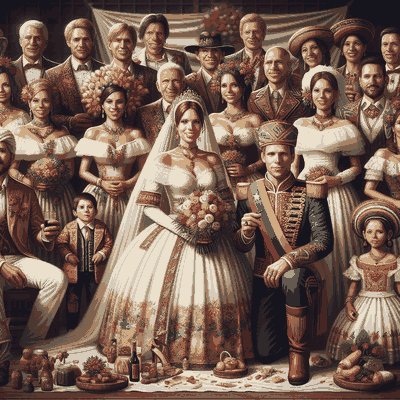
Pre-Wedding Traditions and Ceremonies
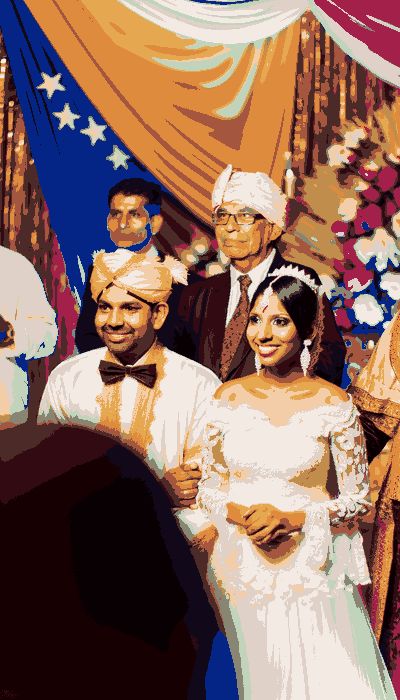
What is La Pedida de Mano (The Formal Proposal)?
La Pedida de Mano is a traditional Venezuelan engagement ceremony where the groom formally requests the bride’s hand in marriage from her father, typically occurring 12-18 months before the wedding. This centuries-old practice, dating back to Spanish colonial times, involves the groom visiting the bride’s family home with gifts, establishing formal bonds between the two families.
Modern La Pedida de Mano practices include:
- Timing: 12-18 months before wedding
- Participants: Both families, typically 10-20 people
- Gifts exchanged: Flowers, wine, traditional sweets
- Duration: 2-3 hour family gathering
- Cultural significance: Most Venezuelan families still value this tradition
The engagement period following La Pedida de Manolah peh-DEE-dah deh MAH-noh typically lasts one year, allowing couples to plan their wedding while living with their respective parents, as most unmarried Venezuelans reside in their family homes until marriage.
Venezuelan Bridal Shower: Despedida de Soltera
Despedida de Soltera is the Venezuelan bridal shower celebration that surpasses typical American versions in scale and festivity, involving 20-50 female friends and family members. This pre-wedding tradition features games, dancing, traditional Venezuelan foods, and humorous marriage advice sessions.
Despedida de Soltera components:
- Guest count: 20-50 women
- Duration: 4-6 hours
- Traditional foods: Quesillokeh-SEE-yoh, tequeñosteh-KEH-nyohs, mini empanadasem-pah-NAH-dahs
- Activities: Games, karaoke, dance performances
Official Wedding Ceremonies in Venezuela
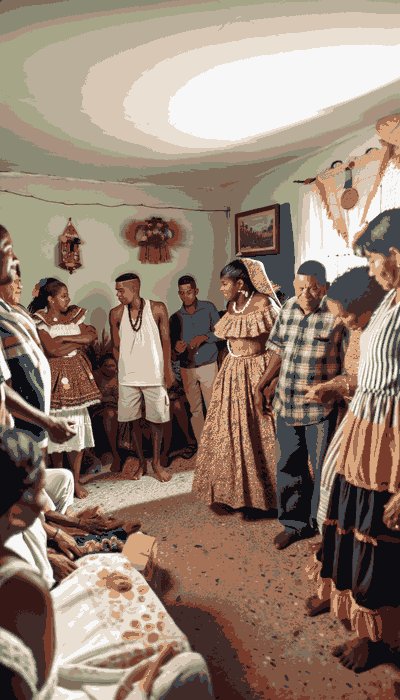
Civil Ceremony (Ceremonia Civil): The Legal Foundation
Venezuelan civil ceremony is a mandatory legal wedding that must occur before any religious ceremony, typically held 2-4 weeks prior to the church wedding with 20-50 close family members. This requirement, established during Venezuela’s 19th-century republican development, ensures legal recognition of the marriage.
Civil ceremony requirements:
- Documentation: Birth certificates, ID cards, medical certificates
- Witnesses: 2-4 legal witnesses required
- Venue: Municipal registry office or authorized location
- Reception: Intimate gathering, typically at family home
- Guest count: 20-50 close family and friends
Religious Ceremony (Ceremonia Religiosa): The Cultural Celebration
Venezuelan religious ceremony is the grand church wedding that follows the civil ceremony, attracting 150-300 guests and featuring elaborate decorations and traditional Catholic rituals. Given that most Venezuelans identify as Catholic, these ceremonies hold deep cultural significance, representing an important aspect of the country’s intangible cultural heritage.
Religious ceremony elements:
- Venue: Catholic church (most ceremonies)
- Duration: 45-90 minute service
- Music: Live choir or musicians
- Decorations: Elaborate floral arrangements
- Photography/Video: Professional documentation
Symbolic Wedding Traditions
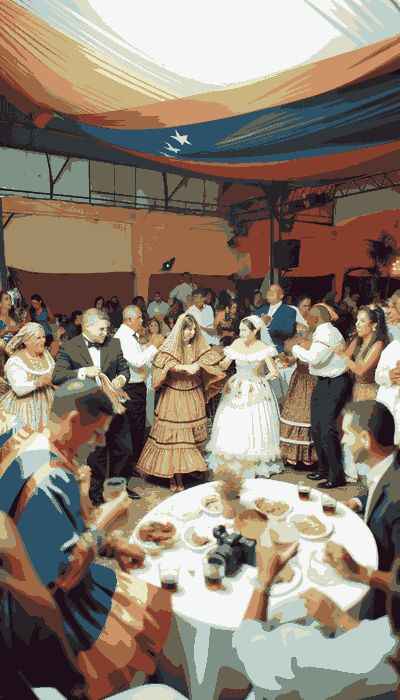
Las Arras: The Thirteen Coins Tradition
Las Arras is the Venezuelan wedding tradition of exchanging 13 gold or chocolate coins during the ceremony, symbolizing Jesus and the twelve apostles while representing the couple’s commitment to mutual financial support. This Spanish colonial tradition, practiced in most Venezuelan religious ceremonies, involves the groom presenting coins to the bride in an ornate box or pouch.
Las Arras specifications:
- Number of coins: Always 13
- Material: Gold (traditional) or chocolate (modern)
- Container: Silver or gold arras box
- Symbolism: Prosperity, faith, mutual support
- Regional variations: Coastal regions prefer gold, inland areas often use chocolate
El Lazo: The Unity Lasso
El Lazo is a large rosary or decorative rope placed over the couple’s shoulders in a figure-eight pattern during Venezuelan Catholic weddings, symbolizing their eternal bond. This tradition, observed in many religious ceremonies, represents the infinite nature of marriage through its infinity symbol shape.
El Lazo details:
- Material: Pearl rosary, silk rope, or flower garland
- Placement: After vows, before rings
- Duration: 5-10 minutes of ceremony
- Keepsake: Often displayed in couple’s home
Wedding Attire and Fashion
Venezuelan Bridal Fashion
Venezuelan bridal attire combines international wedding dress trends with unique cultural elements, including the distinctive tradition of the flower girl wearing an identical miniature version of the bride’s dress. Modern Venezuelan brides maintain traditional white or ivory colors in nearly all weddings.
Bridal attire components:
- Dress style: White or ivory gowns preferred
- Veil: Mantilla-style (Spanish influence) common
- Bouquet: Pink or white flowers
- Jewelry: Gold preferred, often family heirlooms
- Flower girl dress: Exact replica of bride’s gown
Something Old, Something New Tradition
Venezuelan “algo viejo, algo nuevo” tradition follows the international custom with culturally specific items: family jewelry (old), wedding dress (new), sister’s veil (borrowed), and blue ribbon sewn into dress (blue). This practice appears in most Venezuelan weddings, with the silver sixpence often replaced by a Venezuelan bolívarboh-LEE-vahr coin for cultural authenticity.
Reception Traditions and Celebrations
La Hora Loca: The Crazy Hour
La Hora Loca is Venezuela’s signature wedding reception tradition featuring 60 minutes of non-stop dancing with masks, props, and carnival-style entertainment, typically occurring at midnight when reception energy peaks. This high-energy celebration involves all guests and professional entertainers.
La Hora Loca components:
- Duration: Approximately 60 minutes
- Props distributed: Masks, wigs, noisemakers, LED accessories
- Music: Fast-paced salsa, merengue, reggaeton mix
- Entertainers: Professional dancers/performers
- Participation: Nearly all guests actively dance
Similar to Brazilian wedding celebrations, La Hora Localah OH-rah LOH-kah creates a carnival atmosphere that distinguishes Venezuelan receptions from other Latin American weddings.
The Sneaking Away Tradition
Venezuelan newlywed escape tradition involves the couple secretly leaving their reception unnoticed, considered good luck if successful and bad luck if caught by guests. This playful custom, practiced at many traditional Venezuelan weddings, typically occurs 30-45 minutes after La Hora Loca.
Sneaking away customs:
- Timing: Usually between 1-3 AM
- Guest reaction: Continue celebrating for hours after
- Modern twist: Some couples arrange decoy exits
- Regional variation: More common in Caracas and urban areas
Venezuelan Wedding Food: Pasapalos Tradition
Pasapalos are Venezuelan wedding appetizers served instead of formal seated ditequeñosteh-KEH-nyohsncluding tequeños (cheearepasah-REH-pahscks), empanadasem-pah-NAH-dahsas, and empanadas, allowing guests to eat while socializing and dancing. This serving style is used in most Venezuelan receptions.
Traditional pasapalos menu:
- Tequeños: Fried cheese-filled pastries (most popular)
- Mini arepas: Corn cakes with various fillings
- Empanadas: Small meat or cheese turnovers
- DeQuesillokeh-SEE-yohsttres lechestrehs LEH-chehsillo, tbienmesabebee-en-meh-SAH-beh cake, bienmesabe
- Quantity: 15-20 pieces per guest recommended
Music and Entertainment
Traditional Venezuelan Wedding Music
Venezuelan wedding music blends regional folkloric styles with contemporary Latin genres, featuring live bands or DJs who play 4-6 hours of continuous music. Regional variations include joropohoh-ROH-poh from the plains, gaitaGAH-ee-tah from Zulia, and Caribbean rhythms from coastal areas.
Music timeline during reception:
- Cocktail hour: Soft instrumental or acoustic
- Dinner service: Traditional Venezuelan folk
- First dances: Romantic ballads
- Party time: Salsa, merengue, bachata mix
- La Hora Loca: High-energy reggaeton and electronic
Wedding Procession and Rice Throwing
Venezuelan wedding procession features a caravan of decorated cars following the newlyweds from church to reception, honking horns continuously to announce the marriage to the community. The rice-throwing tradition at church exit, practiced at nearly all Venezuelan weddings, uses rice to symbolize fertility and prosperity.
Regional Variations in Venezuelan Weddings
Caracas and Central Region Traditions
Central Venezuelan weddings in Caracas and surrounding areas feature more cosmopolitan influences while maintaining core traditions. These urban celebrations attract 200-300 guests.
Caracas wedding characteristics:
- Venue preference: Hotel ballrooms popular
- La Hora Loca: Most elaborate, often with LED shows
- International influences: Fusion menus common
- Technology: Live streaming for diaspora family
- Language: Bilingual ceremonies increasing (Spanish/English)
Coastal Region Celebrations
Coastal Venezuelan weddings in states like Vargas and Sucre incorporate beach settings and Caribbean influences. These celebrations feature seafood-heavy menus and tropical atmospheres.
Coastal wedding features:
- Venues: Beach clubs, seaside restaurants
- Music: More Caribbean rhythms, steel drums
- Attire: Lighter fabrics, sometimes barefoot ceremonies
- Food: Seafood pasapalospah-sah-PAH-lohs, coconut desserts
- Timing: Earlier ceremonies to avoid afternoon heat
Andean Mountain Traditions
Andean Venezuelan weddings in Mérida and Táchira maintain the most traditional customs, with stronger Catholic influences and formal protocols. These celebrations attract 100-200 guests.
Mountain region characteristics:
- Ceremonies: Longer Catholic masses (90+ minutes)
- Music: More traditional, including violin and harp
- Food: Heartier dishes, potato-based sides
- Customs: Stricter adherence to formal protocols
- Guest gifts: Handcrafted local items common
Modern Adaptations and Diaspora Weddings
Venezuelan Weddings in the United States
Venezuelan-American weddings blend traditional customs with American wedding elements, particularly in cities with large Venezuelan communities like Miami, Houston, and New York. These fusion celebrations maintain La Hora Localah OH-rah LOH-kah in most diaspora weddings while adapting other elements.
U.S. adaptation patterns:
- Bilingual ceremonies: Most use Spanish and English
- Virtual guests: Many include livestreaming for Venezuela
- Vendor specialization: Growing market for Venezuelan wedding services
- Cultural preservation: Core traditions maintained abroad
Destination Wedding Trends
Venezuelan destination weddings have grown significantly, with couples choosing locations that accommodate traditional customs while offering unique settings. Popular destinations include Aruba, Colombia, and Mexico.
Destination wedding adaptations:
- Guest count: Smaller, 50-100 people
- Duration: Extended to 3-4 day celebrations
- La Hora Loca: Simplified but always included
- Legal considerations: Civil ceremony in Venezuela first
Sustainable Venezuelan Weddings
Eco-conscious Venezuelan weddings represent a growing trend among younger couples, incorporating sustainability while preserving cultural traditions.
Sustainable adaptations:
- Digital invitations: Increasingly common
- Local flowers: Replaces imported roses
- Reusable La Hora Loca props: Rented vs. disposable
- Farm-to-table pasapalos: Using local ingredients
Current Popularity of Venezuelan Wedding Traditions
Most practiced traditions:
- Dual ceremonies (civil and religious) - Required by law
- La Hora Loca - Signature Venezuelan element
- Traditional music and dancing - Live music featured
- Pasapalos service style - Appetizers preferred to seated dinners
- Rice throwing - Common at church exit
Moderately practiced:
- Las Arras - Common in religious ceremonies
- La Pedida de Mano - Valued by traditional families
- Sneaking away - Many couples attempt this tradition
- El Lazo - Featured in Catholic ceremonies
- Something old, new - Followed by many couples
Less common traditions:
- Identical flower girl dress - Seen in formal weddings
- Multi-day celebrations - When separate civil/religious receptions occur
- Traditional regional music only - Most include modern genres
Pro Tip: When planning a Venezuelan wedding, consider booking La Hora Loca entertainment well in advance, as skilled performers are in high demand. This signature tradition is often the most memorable part of the celebration for guests.
This comprehensive guide demonstrates how Venezuelan wedding traditions create meaningful celebrations that honor cultural heritage while embracing contemporary influences. From the mandatory dual ceremonies to the unforgettable energy of La Hora Loca, these customs connect Venezuelans worldwide to their cultural identity through the universal celebration of love and commitment.
Frequently Asked Questions
How much does a typical Venezuelan wedding cost?
Venezuelan weddings typically cost between $5,000-$25,000 USD, with Caracas celebrations being the most expensive ($15,000-$25,000) and Andean regions more affordable ($5,000-$12,000).
What is La Hora Loca in a Venezuelan wedding?
La Hora Loca is a high-energy 60-minute party segment where guests don masks and props, dancing to upbeat music. It typically occurs during the reception and is a highlight of Venezuelan celebrations.
Why do Venezuelan weddings have two ceremonies?
Venezuelan weddings include both a civil ceremony (legal requirement) and a religious ceremony (traditional celebration). The civil ceremony occurs 2-4 weeks before the religious ceremony.
What is the Las Arras tradition?
Las Arras involves the exchange of 13 gold or chocolate coins between the couple, symbolizing their mutual prosperity and support in marriage.
What food is served at Venezuelan weddings?
Traditional Venezuelan wedding food includes pasapalos (appetizers), tequeños (cheese sticks), mini arepas, and empanadas. These are served throughout the celebration.
How long do Venezuelan wedding celebrations last?
Venezuelan weddings typically span 2-3 days, including pre-wedding celebrations, ceremonies, and reception festivities.
What music is played at Venezuelan weddings?
Venezuelan weddings feature a mix of salsa, merengue, bachata, reggaeton, and traditional joropo music, usually played by live bands or DJs for 4-6 hours.
What is the traditional Venezuelan wedding attire?
Brides often wear gowns costing $1,500-$8,000, frequently featuring Spanish-influenced mantilla veils. Traditional elements are combined with modern styles.
What is El Lazo in Venezuelan weddings?
El Lazo is a unity lasso placed over the couple during the ceremony, symbolizing their eternal bond and unity in marriage.
How many guests attend a typical Venezuelan wedding?
Venezuelan weddings typically host 150-300 guests for the religious ceremony and reception, while civil ceremonies are smaller with 20-50 guests.